
Cadborosaurus and the Long Memory of the Sea
Along the rugged coastline of the Pacific Northwest, the ocean feels older than most of the towns that overlook it – which of course it is. But here, its ancientness seems to seep into the landscape, untroubled as it is from development and civilisation.
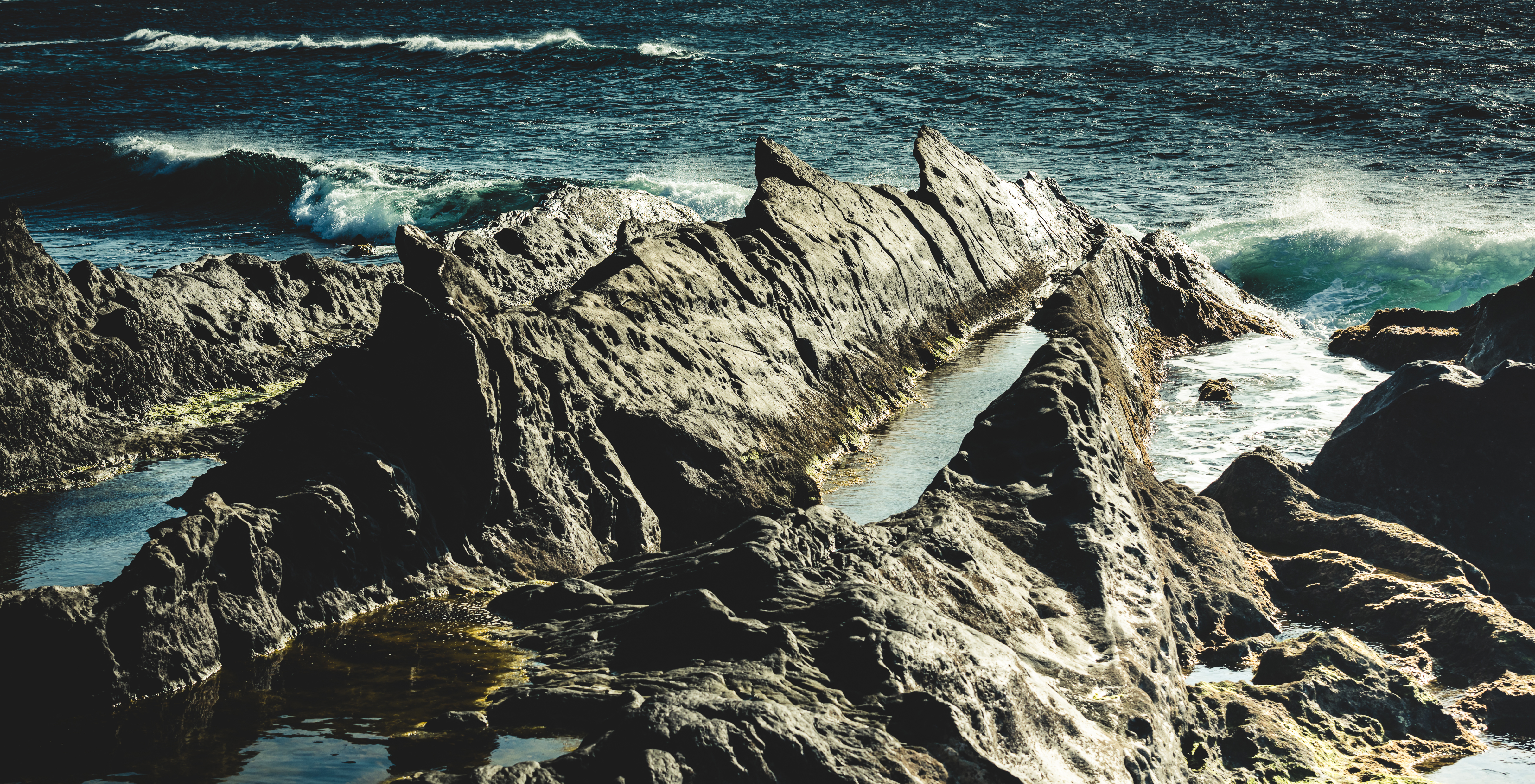
Here the mountains fall directly into deep water. Fjords cut into the land like knife wounds. Offshore, the seabed plunges quickly into abyssal depths where cold currents move through darkness few people ever see.
It is exactly the sort of place where stories grow easily.
And for more than a century, sailors, fishermen, and coastal residents have reported seeing something unusual moving through those waters – a long, serpentine creature now known as Cadborosaurus, or simply Caddy.
Whether it is a real animal, a misidentified whale, or simply a recurring maritime legend remains unresolved. But the sightings themselves are both surprisingly persistent and at least in some ways, consistent.
A Name Born in a Newspaper
The creature takes its name from Cadboro Bay, near Victoria on Vancouver Island in British Columbia.
In 1933, several witnesses reported seeing a long, serpent-like animal moving through the water. The story was picked up by Archie Willis, editor of the Victoria Daily Times, who coined the name Cadborosaurus – literally “the lizard of Cadboro Bay.”
The name was first suggested in a letter written to the Victoria Daily Times by a I. Vacedun in the same year (1933).
The nickname Caddy quickly followed. And, it must be said, the appearance of Caddy in the newspaper, just a few months after the infamous Spicer sighting of the Loch Ness Monster is unlikely to be coincidence.
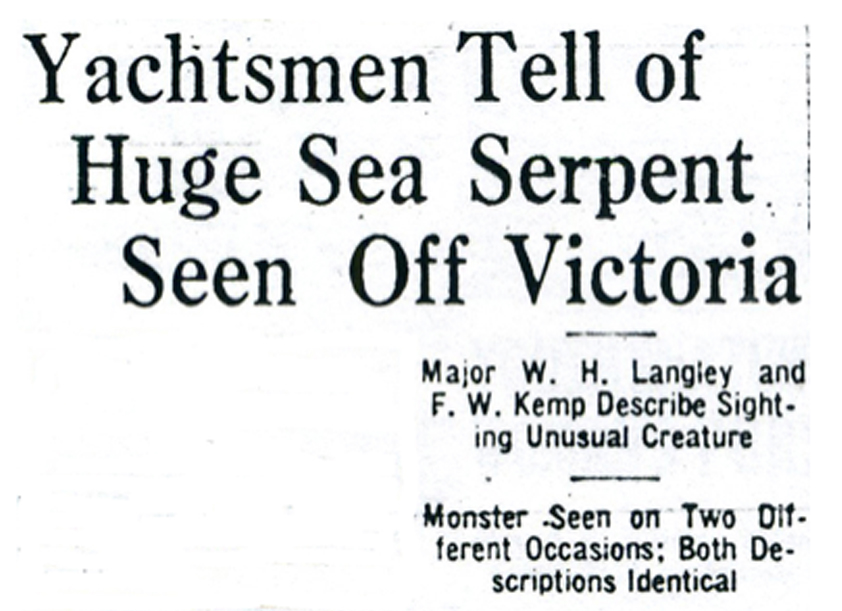
But the sightings themselves are known to predate that newspaper headline.
Some of the earliest documented accounts date back to 1897, when witnesses Osmond Fergusson and D. Mattison produced sketches of a strange serpentine animal they had observed in the water.
Since then, reports have surfaced periodically along the Pacific coast from Oregon to Alaska, though most cluster around Vancouver Island and the inland waters of British Columbia.
Some researchers estimate more than 300 sightings across the past two centuries. Which raises a simple question. What exactly are people seeing?
What Witnesses Describe
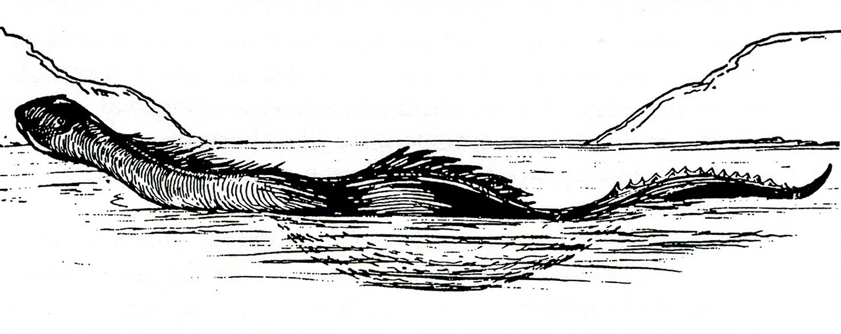
Descriptions vary, but the core image remains remarkably consistent. Witnesses often describe a creature between 15 and 45 feet in length, moving through the water in a series of vertical undulations. In short, the accepted, looping motion of a sea serpent we imagine when the subject is raised.
Common details include:
- A long neck and horse- or camel-like head
- A series of vertical humps or coils trailing behind the head
- Small flippers positioned near the front of the body
- A tapering tail ending in a fluke
- In some cases, spines or ridges along the tail
Some reports claim the animal can move with surprising speed, as much as 40 knots. However, it has to be considered that these estimates could be exaggerated guesswork made in the excitement of the moment.
Interestingly, the movement described by many witnesses, the vertical undulation, is not typical of most large marine animals.
It is, however, exactly how a long, flexible body would move if it were swimming close to the surface. But, it should also be said that many of the sightings veer from this generalised description. Some are clear cases of misidentified debris or known animals – especially out of place ones like swimming deer.
You can find reported sightings here.
The Scientists Who Took It Seriously
Unlike many cryptids, Cadborosaurus did attract serious scientific attention. Two Canadian researchers became particularly associated with the phenomenon:
- Dr. Edward L. Bousfield, former chief zoologist at the Canadian Museum of Nature
- Dr. Paul H. LeBlond, an oceanographer at the University of British Columbia
Beginning in the late 1960s, they collected eyewitness accounts and attempted to build a biological profile of the creature.
Their research culminated in a controversial proposal: that the sightings might represent a real but unrecognised marine animal, which they formally named Cadborosaurus willsi.
They even suggested the creature might be a surviving lineage of marine reptiles related to ancient sauropterygians, though this interpretation was widely criticised by other scientists.
Most marine biologists remain sceptical.
But one particular piece of evidence kept the debate alive.
The Naden Harbour Carcass
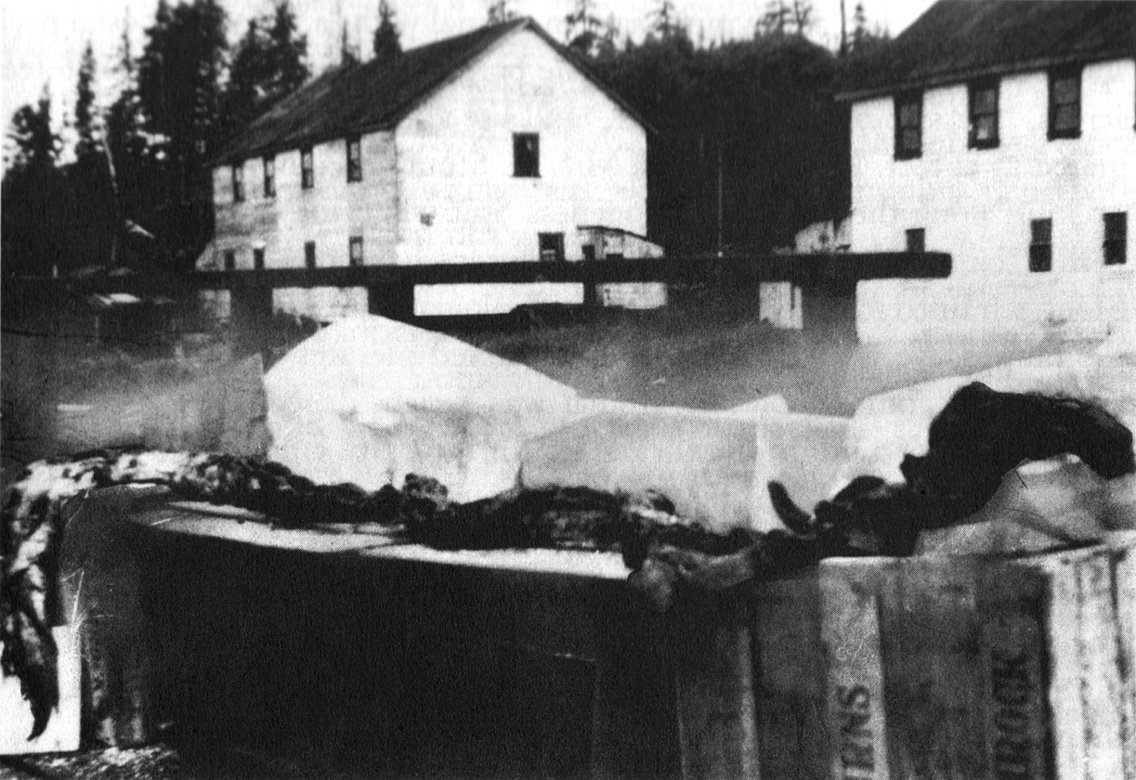
In 1937, workers at a whaling station in Naden Harbour made an unusual discovery.
While processing a recently harpooned sperm whale, they found an unidentified carcass inside the whale’s stomach.
The animal was about 10 feet long and appeared largely intact. Witnesses described it as having a dog-like or horse-like head, a long body, and a tail resembling that of a serpent.
Photographs were taken, and the carcass was transported to the American Pacific Whaling Company headquarters before being examined in Victoria.
The official verdict from the Royal British Columbia Museum was straightforward.
It was declared to be a fetal baleen whale.
And then, as happens frustratingly frequently for anyone interested in solving mysteries, the specimen disappeared. There was no museum accession record, and the carcass itself was apparently discarded.
Bousfield and LeBlond later argued, along with other scientists and researchers since, that the specimen did not match known whale anatomy, and they considered it potential evidence for Cadborosaurus.
Most zoologists remain unconvinced.
But without the specimen itself, the question cannot be settled.
Could It Be a Known Animal?
Over the years, researchers have proposed a long list of explanations.
Among the most commonly suggested:
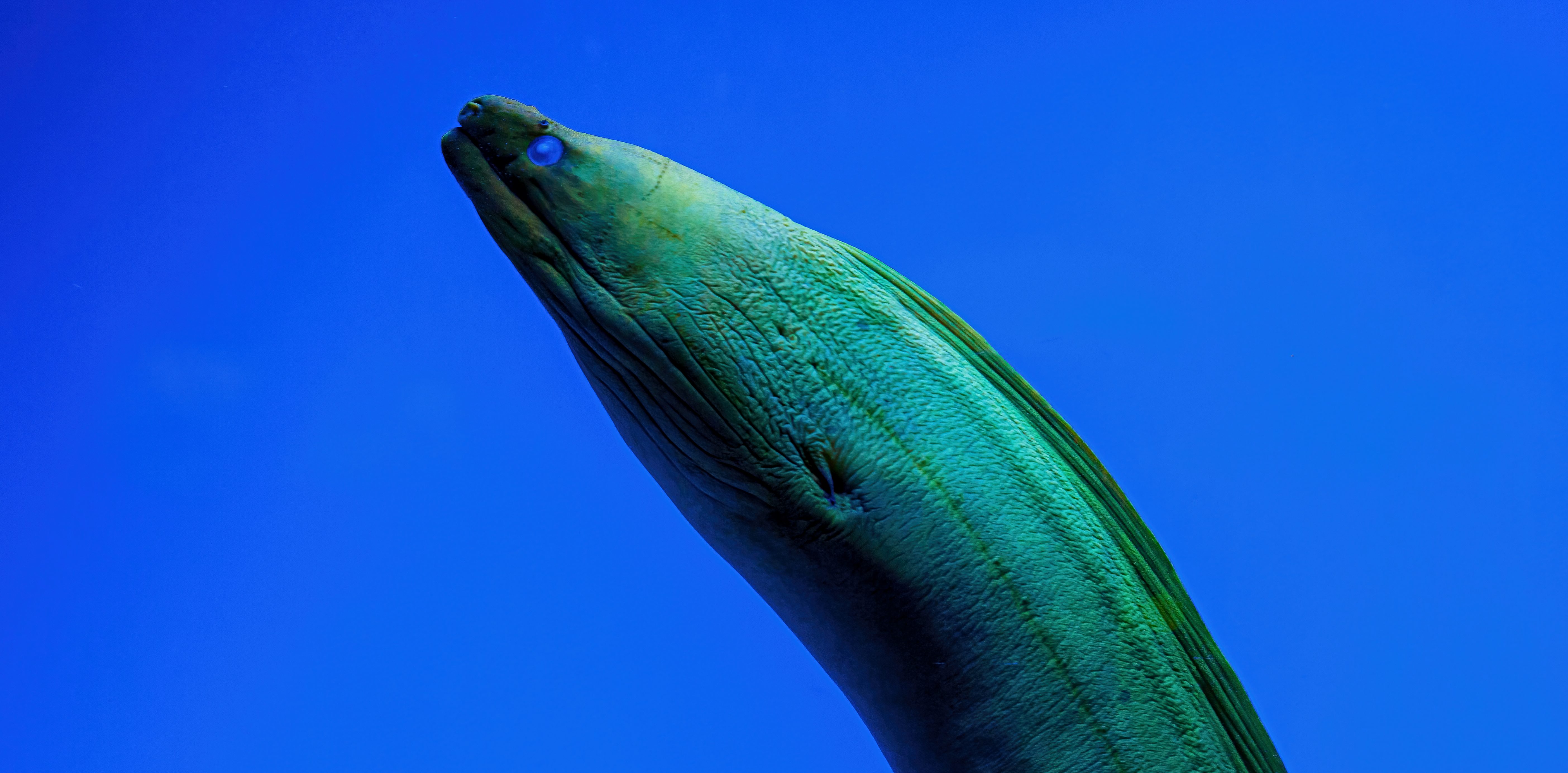
Giant eels. Large eels can reach impressive lengths and have flexible bodies that could create the looping motion reported by witnesses.
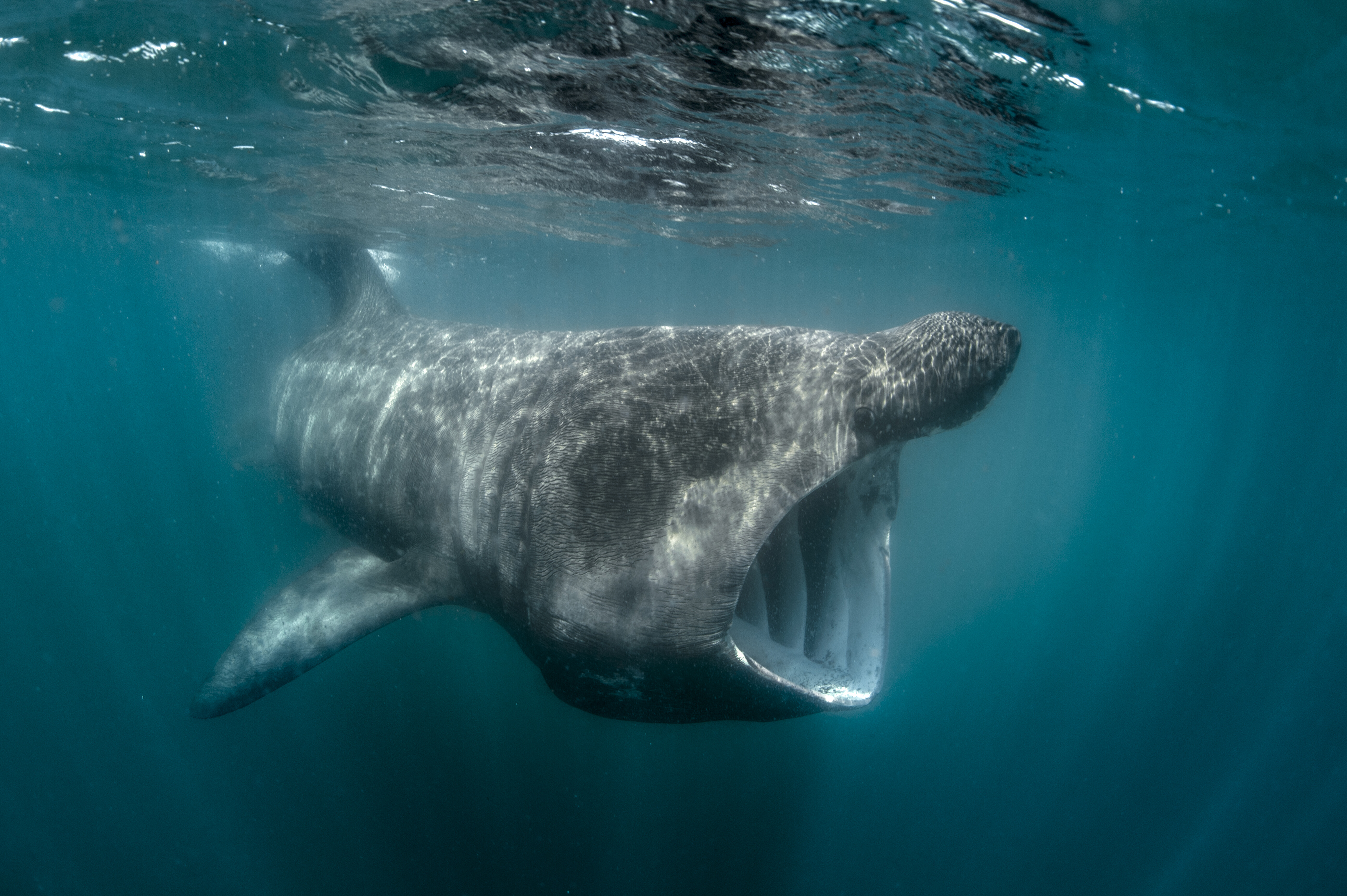
Basking sharks. When decomposing, basking sharks can lose their snouts and fins in ways that make their skeletons resemble long-necked sea serpents.
Oarfish or ribbonfish. These extremely long, ribbon-shaped fish occasionally surface in northern waters and can appear startlingly serpentine.
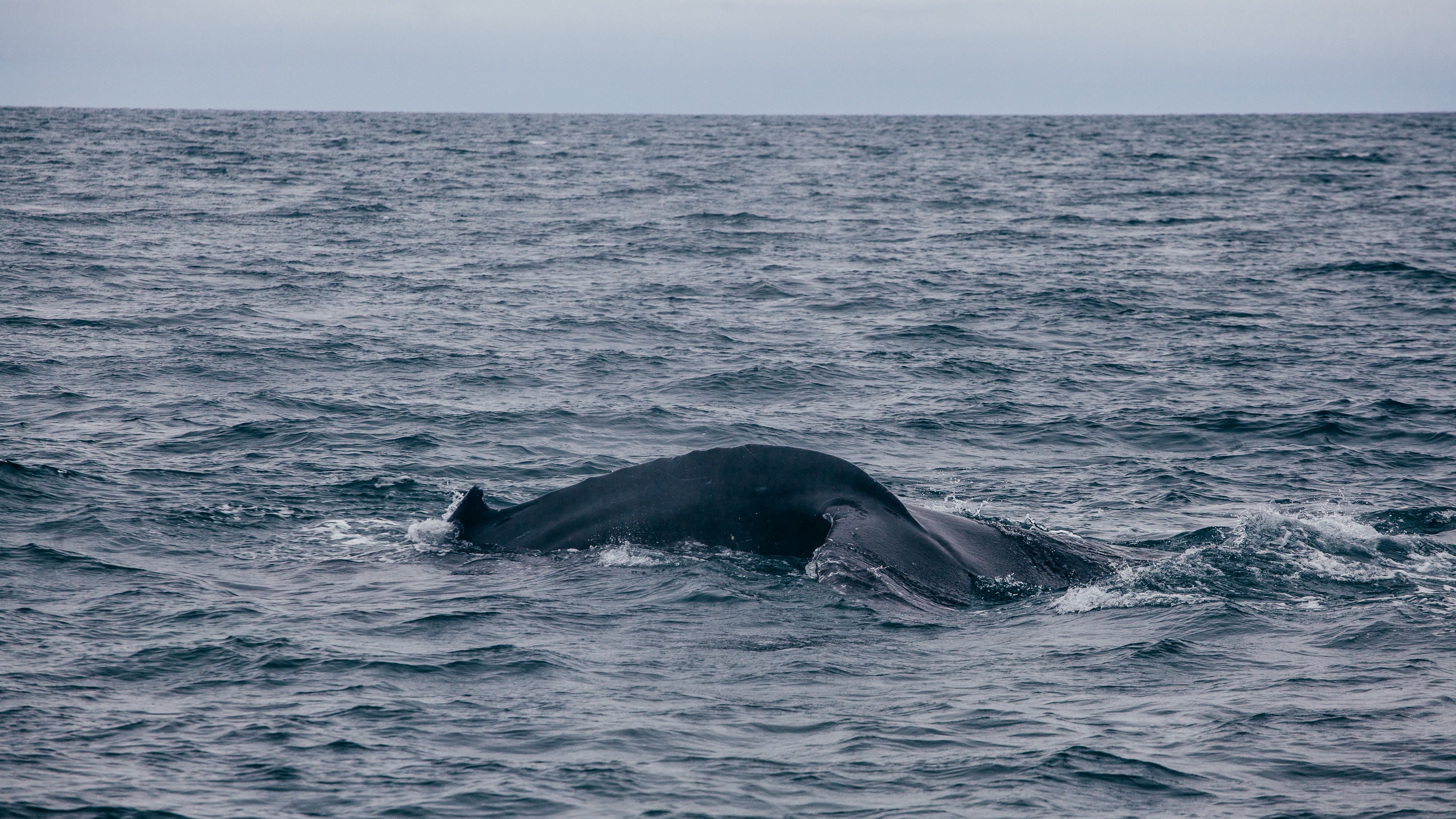
Unusual whale behaviour. Pods of whales or porpoises surfacing in sequence can create the illusion of a single long animal.
There are also more speculative ideas. Some have suggested a zeuglodon-like whale, similar to the extinct Basilosaurus, whose body shape was remarkably serpentine.
Others favour large conger eels, though the known breeding grounds for Atlantic eels, the Sargasso Sea, make this explanation less convincing on the Pacific coast.
In truth, every proposed solution solves some details and fails to explain others.
A Coast Made for Mysteries
Part of the reason the legend persists is the incredible geography of the region.
The Pacific Northwest coastline is immense and complex. Thousands of islands, fjords, inlets, and deep channels cut through the region. Offshore, some of the deepest trenches on Earth descend quickly to depths and regions that remain unexplored.
Many of these places are remote, difficult to access, and rarely surveyed in detail. Even today, new marine species are still being discovered in the Pacific.
That does not mean a sea serpent is waiting just beyond the next headland. But it does mean the ocean remains a place where surprises are still possible.

The Long Life of a Sea Serpent
Modern sightings of Cadborosaurus still appear occasionally, though they rarely gain much media attention. More often they pass quietly through local news, online forums, or the memories of fishermen who know these waters well.
Whether those witnesses saw a giant eel, an unusual whale, or something genuinely strange and unknown is impossible to say.
But the story itself has endured for over a century. And perhaps that persistence is the most interesting part of the mystery.
Because long before the name Cadborosaurus appeared in a newspaper, the coastal peoples of the Pacific Northwest had their own stories of serpentine creatures moving through these waters.
Stories passed down through generations. Stories of long shapes moving just beneath the surface.
Stories that still surface, now and then, whenever the sea is calm.
 The blog of author Luke Phillips