
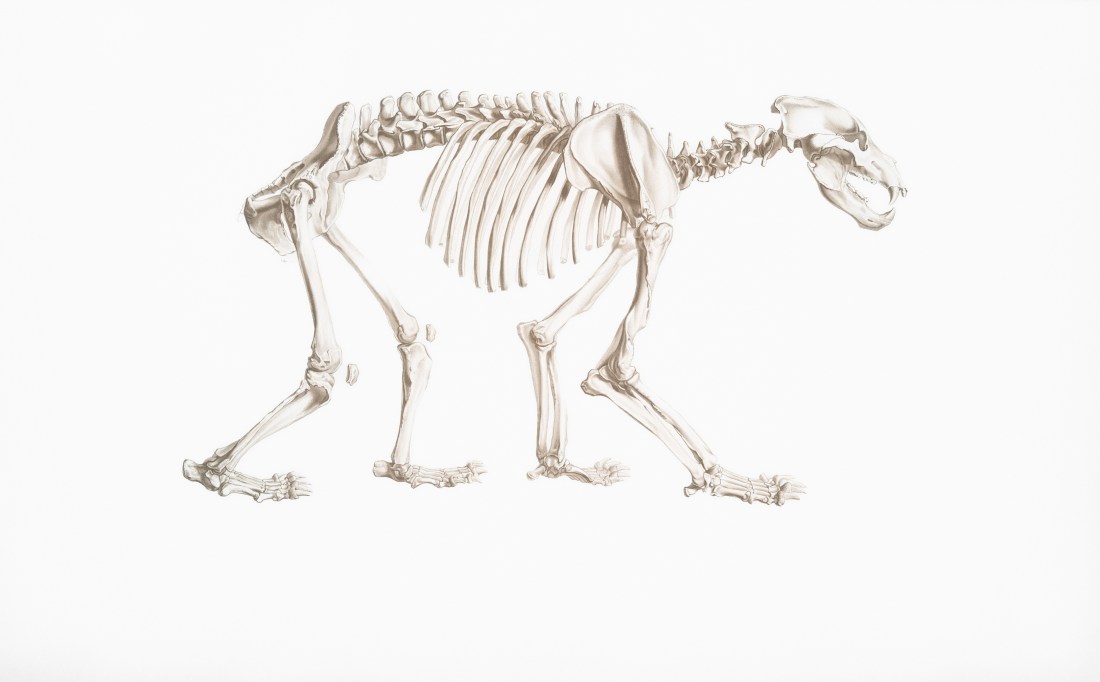
In the highlands of western Kenya, the land rises gently into long grass and scattered woodland. At dusk, the horizon softens. Shapes lose their edges. And in that space, between what is seen and what is assumed, something has been described for over a century.
Not a lion. Not a hyena. And not an ape. It’s not anything that fits comfortably into the known catalogue of African predators.
It has been called the Nandi Bear.
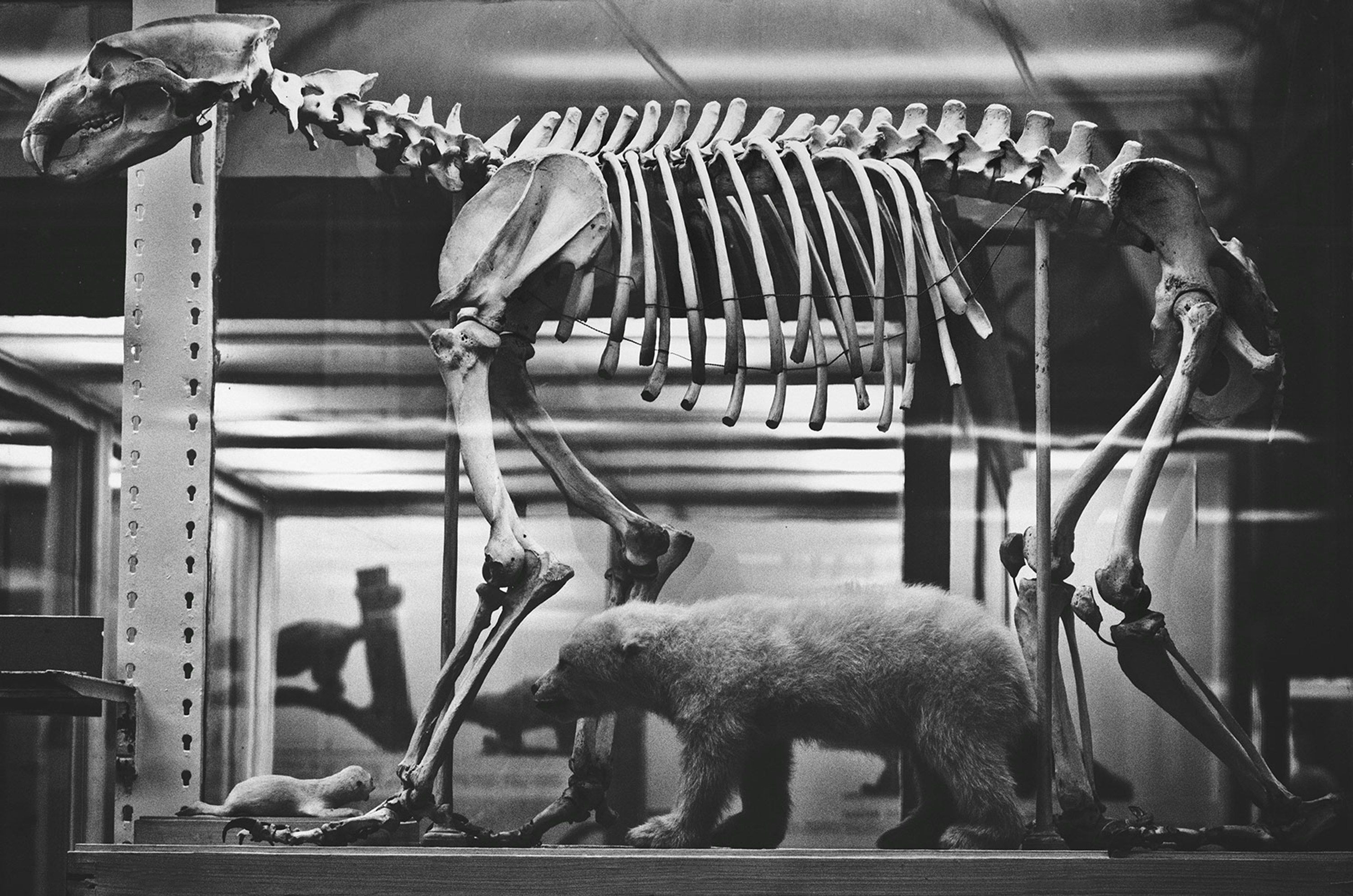
The name is misleading. There are no bears in Africa. In prehistory, the Atlas bear – a subspecies of the European brown bear, ranged from Morocco to Libya, but disappeared around 1,200 years ago. In sub-Saharan Africa, the only bear species to have ever been recorded was Agriotherium, which became extinct approximately two million years ago.
And yet, again and again, witnesses reached for that word, not because it was accurate, but because nothing else quite worked.
The Land and its People
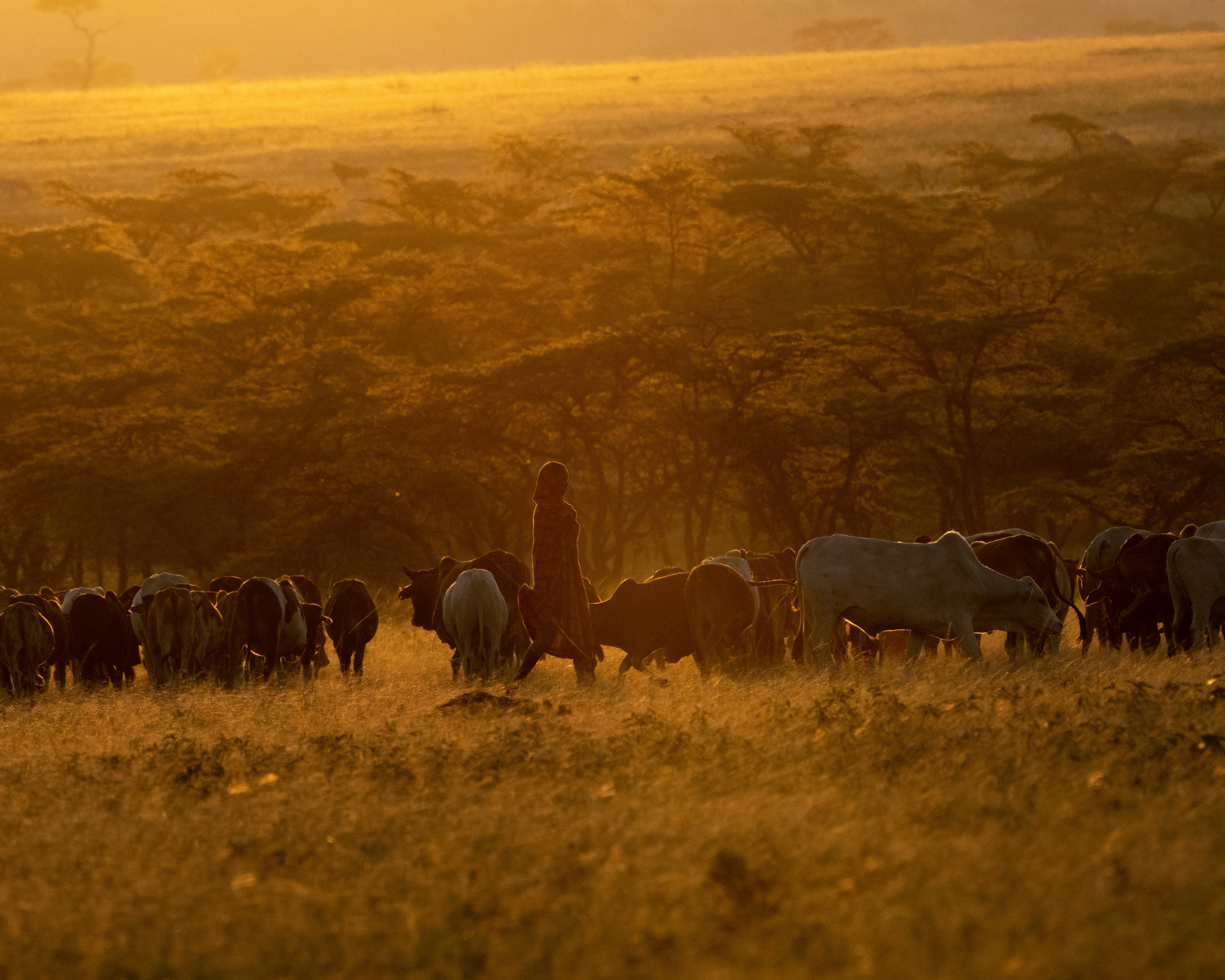
The Nandi region is not wilderness in the romantic sense. It is lived-in land. Grazed, walked, and worked. Livestock are part of daily life, and with them comes a long, inherited awareness of predators.
In such landscapes, animals are not abstract. They are known through behaviour, through what they take, how they move, and what they leave behind.
Yet sometimes, something appears that does not behave or look as expected.
In Nandi accounts, this animal was described not just by its shape, but by its manner. It was said to move with a heavy, deliberate gait. To favour the head of its prey. To appear suddenly at the edges of habitation, then vanish just as quickly.
These are not the details of myth alone. They are the details of observation. Filtered through fear, yes, but clearly still rooted in experience.
What Is the Nandi Bear?
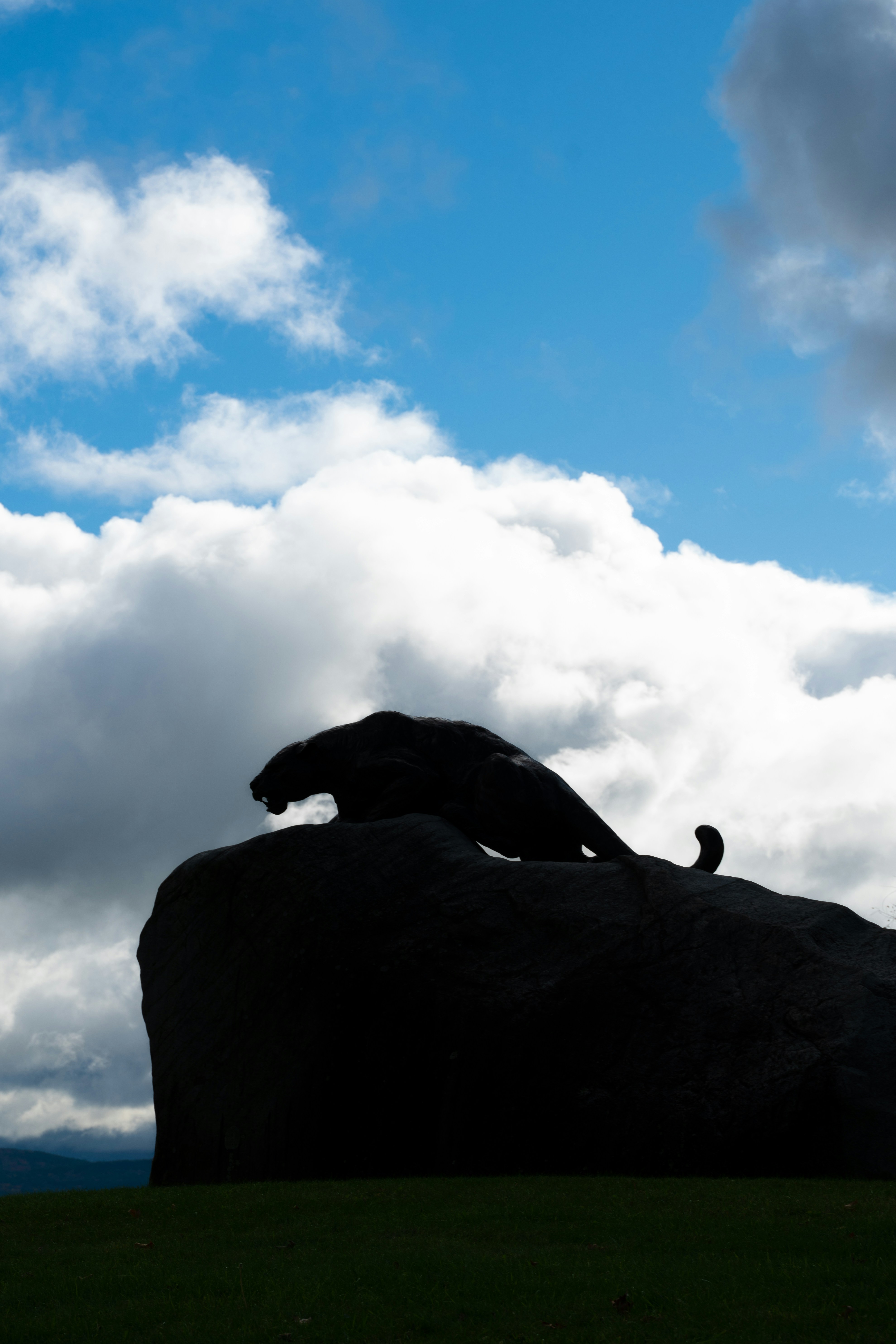
Descriptions of the Nandi Bear vary, but certain features repeat with striking consistency. The powerful, front-heavy build is something almost all witnesses have described. Similarly, the long, shaggy hair is inextricably linked to what we think of as the Nandi Bear.
Behaviour wise, a low, almost lumbering gait and a tendency towards being nocturnal all hint at something out-of-the-ordinary for the region.
It was also often said to attack livestock, and occasionally people, focusing on the head, and capable of crushing bone with immense force.
To European observers in the early 20th century, this was baffling. The closest comparison they could find was a bear. But what they were likely seeing, or trying to describe, was possibly something far more familiar, and yet somehow not quite right.
William Hichens and the East African Unknown
One of the most intriguing threads in the story of the Nandi Bear runs through William Hichens.
Hichens was not a passing observer. He lived and worked across Kenya and Tanzania in the early 20th century as a Colonial Administrator. Reporting accurately and subjectively was part of his everyday work, yet he took a sustained interest in reports of unusual animals. He is unusual in that he did not limit himself to a single mystery.
He investigated numerous animals now known as cryptids, and was said to have encountered three during his time in Kenya and Tanzania. These include the Agogwe (a so far undiscovered potential hominid not unlike the Orang Pendek – think in terms of a small Bigfoot), the Mngwa (a mystery big cat), and the Nandi Bear.
Of these, the Nandi Bear and the Mngwa share a particularly interesting overlap.
The Mngwa, the Nunda, and a Shared Language of Fear
Further south, in Tanzania, reports emerged of another animal: the Mngwa.
Described as a large, elusive, cat-like predator, the Mngwa was associated with sudden, violent attacks and a reputation that extended beyond any known species. Like the Nandi Bear, it existed in that uneasy space between recognition and uncertainty.
It was also known by another name: Nunda (or Nunda).
Translated loosely, this has been interpreted as meaning “fierce animal.”
The linguistic overlap is striking. Not because it proves the two creatures are the same but because it suggests a shared framework. A way of describing something dangerous that does not need to be taxonomically precise.
Hichens moved through both regions. He heard these accounts not as isolated stories, but as part of a broader pattern – a recurring idea of an animal that sits just outside the known.
During his time, Hichens also wrote articles on ‘lion men’, ‘lizard men’, and even a book on Africa’s mystery beasts. In context, he also wrote about the cultural tribal dances and their meanings, and the behaviour of leopards. Despite the sensationalism of some of his subjects, his approach was broad and open-minded in all cases.
Furthermore, the Nandi Bear is known as Chemosit by the Kalenjin of the Rift Valley, although some argue this is a slightly different animal. The same goes for the more baboon-like Koddoelo of the Pokomo people, and the Shivuverre – also from Kalenjin folklore, the Mubende Beast, and Nyangau (Swahili), all of which at some time have come under the broad description of the Nandi Bear.
Sightings, Patterns, and Silence
Accounts of the Nandi Bear persisted through the early and mid-20th century. Colonial records, settler reports, and local testimony all contributed to a body of descriptions that, while varied, retained a core consistency.
And then, gradually, they stopped. The last widely cited sighting dates to 1998. Since then, there has been silence.
This absence is often treated as evidence against the animal’s existence. But it can also be read another way. If something did exist, something rare, elusive, and already under pressure from expanding human presence, its disappearance would not be surprising.
Unfortunately, in this day and age, its extinction would be all but guaranteed.
Explanations: Known Animals, Unknown Edges
The Nandi Bear sits at an intersection where explanation becomes interpretation.
The Hyena Hypothesis
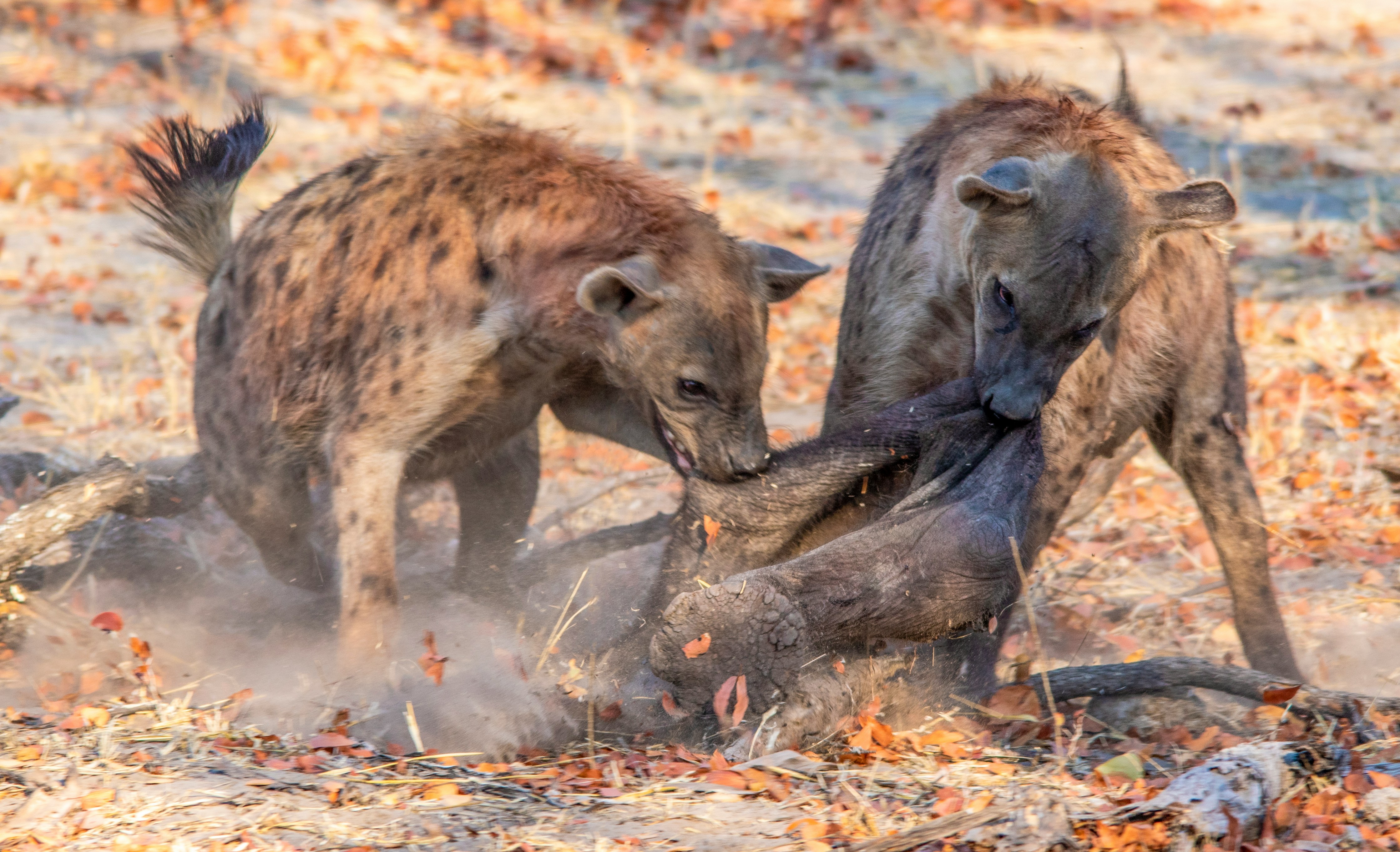
The most widely accepted explanation is the spotted hyena. Its sloping back, powerful jaws, and bone-crushing behaviour align closely with many of the descriptions.
And yet, there are discrepancies. The size. The posture. The sense, repeated in multiple accounts, that this was something heavier, more deliberate.
I’m also loathe to believe that those living among the animals of the region would make this mistake. The spotted hyena is well known, and locally called Fisi.
That said, I have seen for myself how local people can be isolated from the wildlife around them. Poverty and lifestyle can mean they simply don’t encounter them every day. But still, taking this to the point of such a major misidentification is hard to believe.
A Larger Hyena, Out of Time
Here, the thinking of Bernard Heuvelmans becomes relevant.
Heuvelmans proposed that some cryptid reports may reflect relict populations of animals thought to be extinct. In this case, that has led to speculation about larger, prehistoric hyena species surviving longer than expected in isolated regions.
There is no direct evidence for this. But the idea persists because it offers a middle ground: not myth, not fantasy, but something biologically plausible that has simply slipped through the net of formal recognition.
A similar argument could be made for the likes of Agriotherium. Agriotherium was a large, heavy-built carnivore that is considered to be the only bear to have ever colonised sub-Saharan Africa. Its fossil remains have been found throughout South Africa and Ethiopia, dating from 11 million years ago to just two million years.
Misidentification and Memory
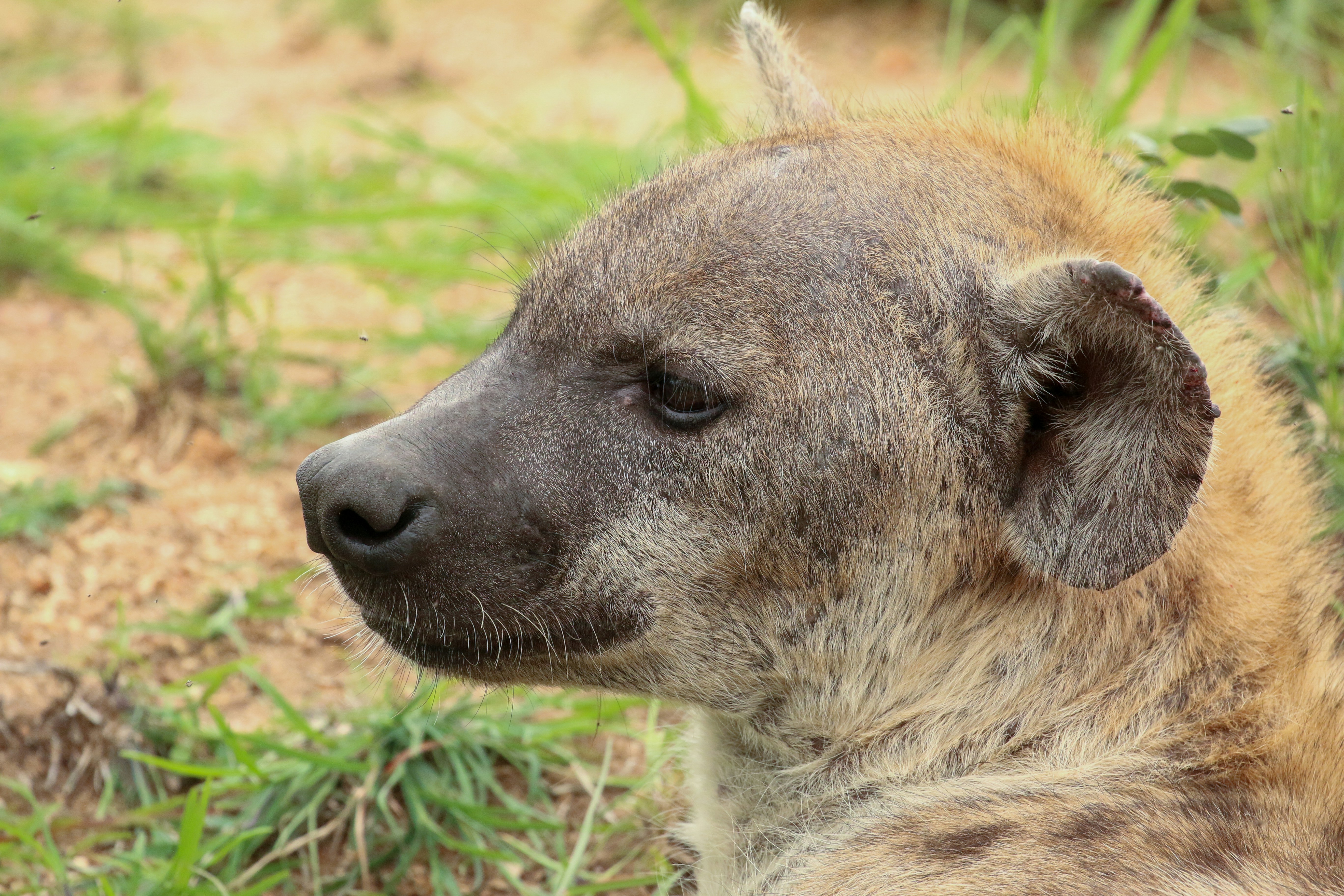
Equally, the Nandi Bear may be an accumulation of misidentified encounters with hyenas seen under poor conditions, their features exaggerated by fear and retelling.
But this does not diminish the phenomenon. It explains how it forms, in some cases. But not necessarily all.
Why the Nandi Bear Remains
What is striking is not just that the Nandi Bear was reported but how consistently it was described, across time and by different witnesses who had no reason to align their stories.
And what is perhaps more striking still is how quietly it has faded.
No dramatic conclusion. No definitive identification. Just a gradual absence.
In that way, it resembles many of the animals that sit at the edge of human awareness. Occasionally seen, never fully understood, and eventually, perhaps, gone.
The Animal We Don’t Quite See
The Nandi Bear may never have been a single, identifiable species.
It may have been a hyena, seen differently. A memory, shaped collectively. Or, as Bernard Heuvelmans might suggest, the last trace of something that once moved more widely across the landscape.
But whatever its origin, it tells us something consistent.
That even in places we think we understand, the places mapped, named, and studied, there still remain gaps. Not just in knowledge, but in interpretation.
And sometimes, those gaps take on a formidable shape. Not fully seen. Not fully known. But still, waiting in the darkness for us to remember.
It’s an idea I’ve returned to often in my own writing—particularly in The Daughters of the Darkness, where the boundary between predator and myth can feel especially thin. Landscapes like these don’t just hold animals. They hold memory, interpretation, and the quiet suggestion that something may once have moved there that no longer does.
Or perhaps still does, just beyond the edge of certainty.










 The blog of author Luke Phillips