
A Creature Between River and Legend
There are some creatures that feel rooted in place. Not just sightings, or rumours, but something older that often seems to belong to the landscape itself.
The Dobhar-Chú is one of those.
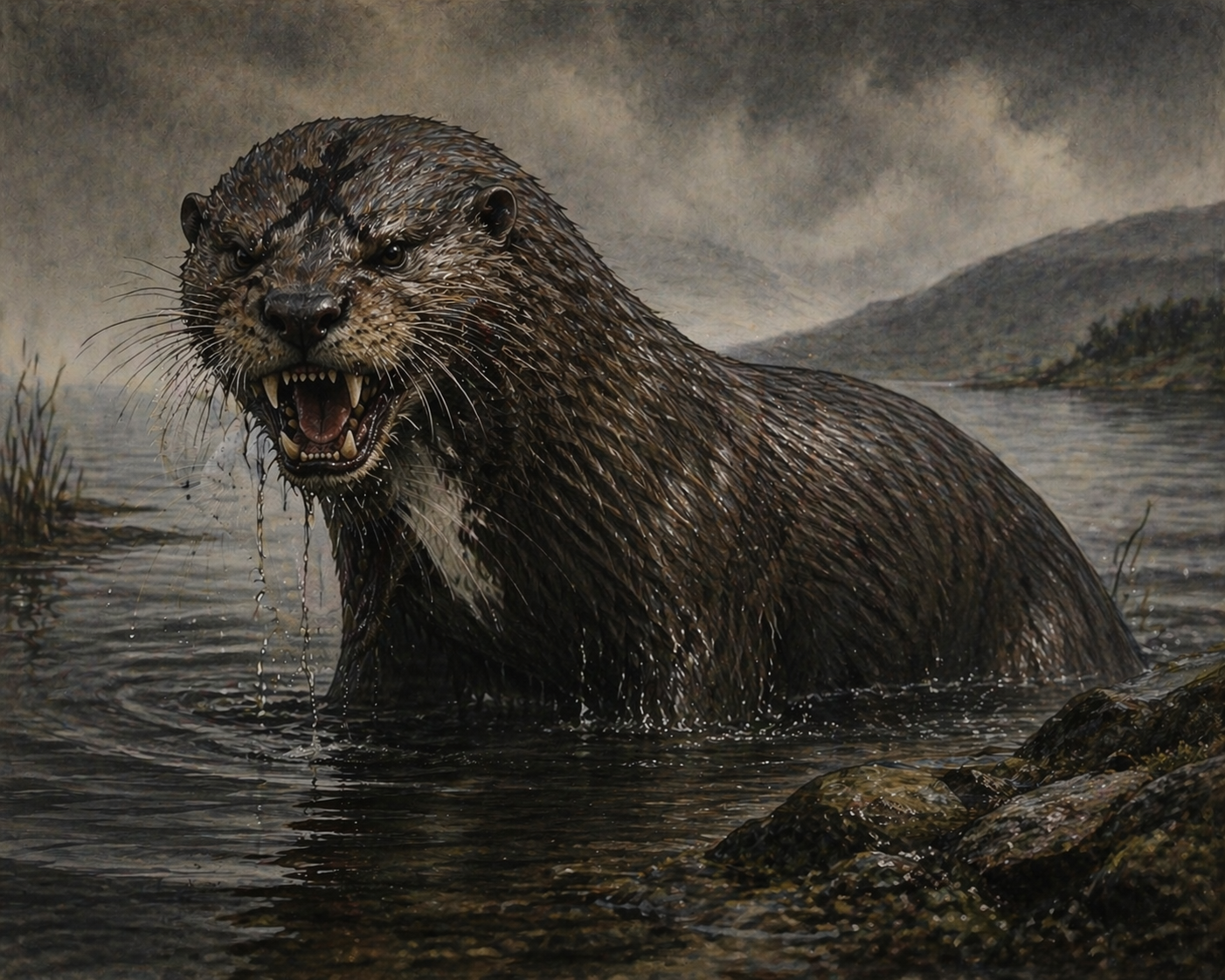
In the lakes and rivers of northwest Ireland, particularly around Leitrim and Donegal, stories persist of a creature that is, at first glance, familiar. An otter. A water-dog. Something known.
But then, not. Larger than an otter should be. More aggressive. Capable, in at least one telling, of killing a human being and summoning its mate in a kind of avenging response. And steeped in the supernatural and folklore, either virtually invulnerable or gifting that invulnerability to any who do kill it, or cursing them to a death within 24 hours.
The Water Hound
The name itself tells you a great deal.
Dobhar-chú — from the Irish dobhar (water) and cú (hound).
A water dog.
But like many old names, it carries layers. It has been used interchangeably for the common otter, for mythical beasts, and for something in between — a creature described in folklore as a “king otter,” ruler of its kind, rare, powerful, and dangerous.
Some accounts describe it as white, with black-tipped ears and a dark cross marking its back. Others describe something darker, slick-skinned, almost seal-like. Some say it bears a horn. What is consistent is its status, not just another animal, but something elevated.
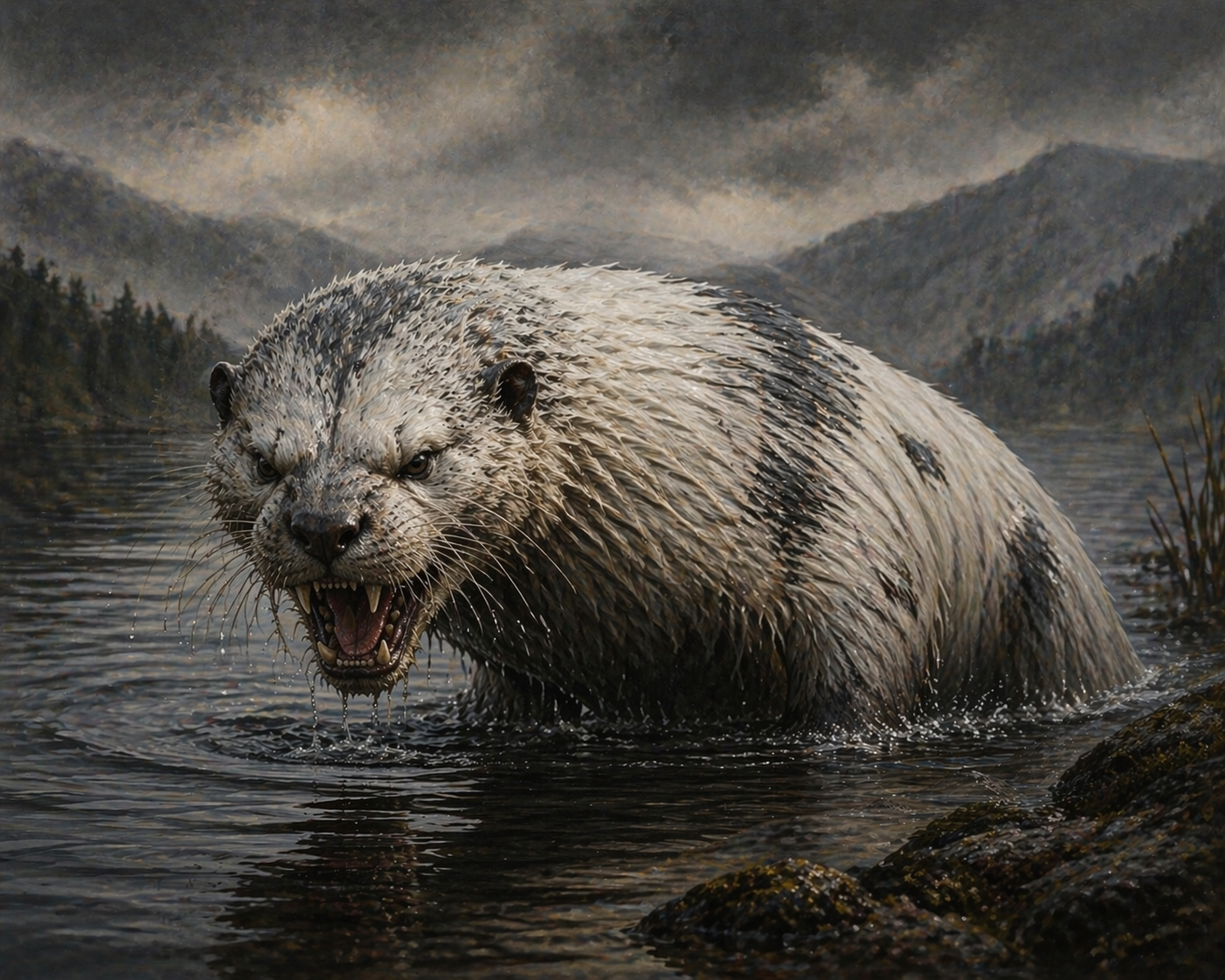
A master. And, crucially, something that does not behave as expected.
The Glenade Killing
At the centre of the Dobhar-Chú legend is a story that shifts it from folklore into something far more grounded, or at least, more unsettling.
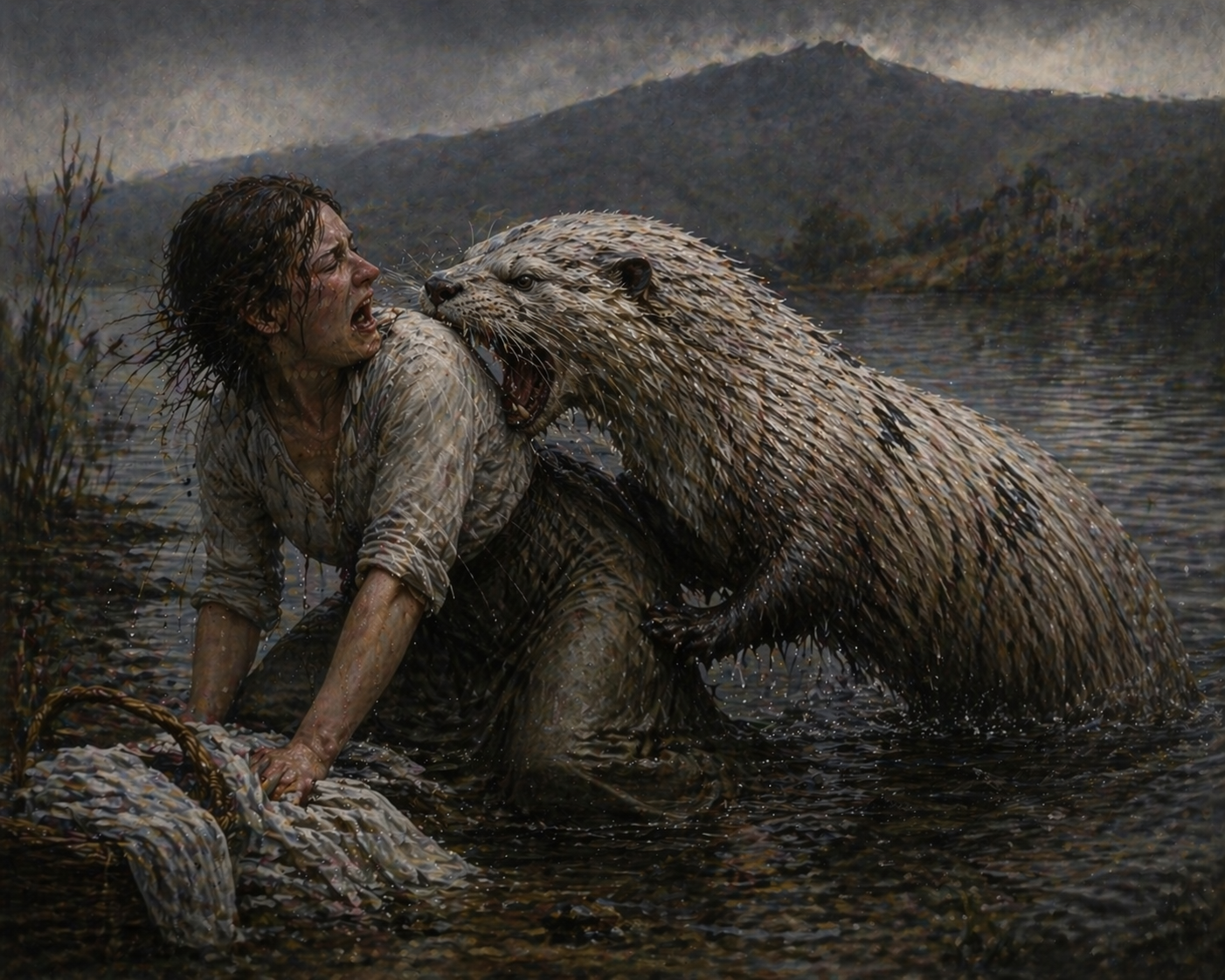
In 1722, a woman, often named as Grace or Grainne Connolly, was said to have been washing clothes at Glenade Lake when she was attacked and killed.
Her husband, Terence McLoughlin, later found her body.
The creature, a Dobhar-Chú, was reportedly lying across her chest. He killed it. But before it died, it let out a shrill cry.
And then came the second animal, its mate.
What follows feels less like folklore and more like something pulled from a man-eater account, with a pursuit, panic, and a desperate attempt to escape. McLoughlin and another man fled on horseback, chased by the creature’s mate. Only by turning and confronting it, using the horses themselves as a barrier, did they manage to kill the second animal.
This story repeats, with variations, across the region. The details shift including a horned beast, a cloak used as a decoy, a different victim, and even the creature ripping its way through the horses, but overall its the same story built around an attack, a killing, a second creature, and a fight that feels far too physical to dismiss entirely.
Folklore, or Misremembered Reality?
What makes the Dobhar-Chú particularly compelling is how little evidence there is yet how persistent the story remains.
Outside of the Glenade account and its variations, there are no consistent modern sightings. No clear physical evidence. No ongoing pattern.
Instead, what we find is a layering of belief:
- The “king otter” that cannot be killed except by a precise shot (usually a small, white mark on the chest).
- The magical skin that protects anyone who owns or procures it from harm
- The idea that killing one brings death within 24 hours
- The belief that it rules over other water creatures
These are clearly not zoological descriptions. They are mythic structures.
And yet, sitting alongside them, there are quieter, more grounded details. Ones that begin to pull the story back toward reality.
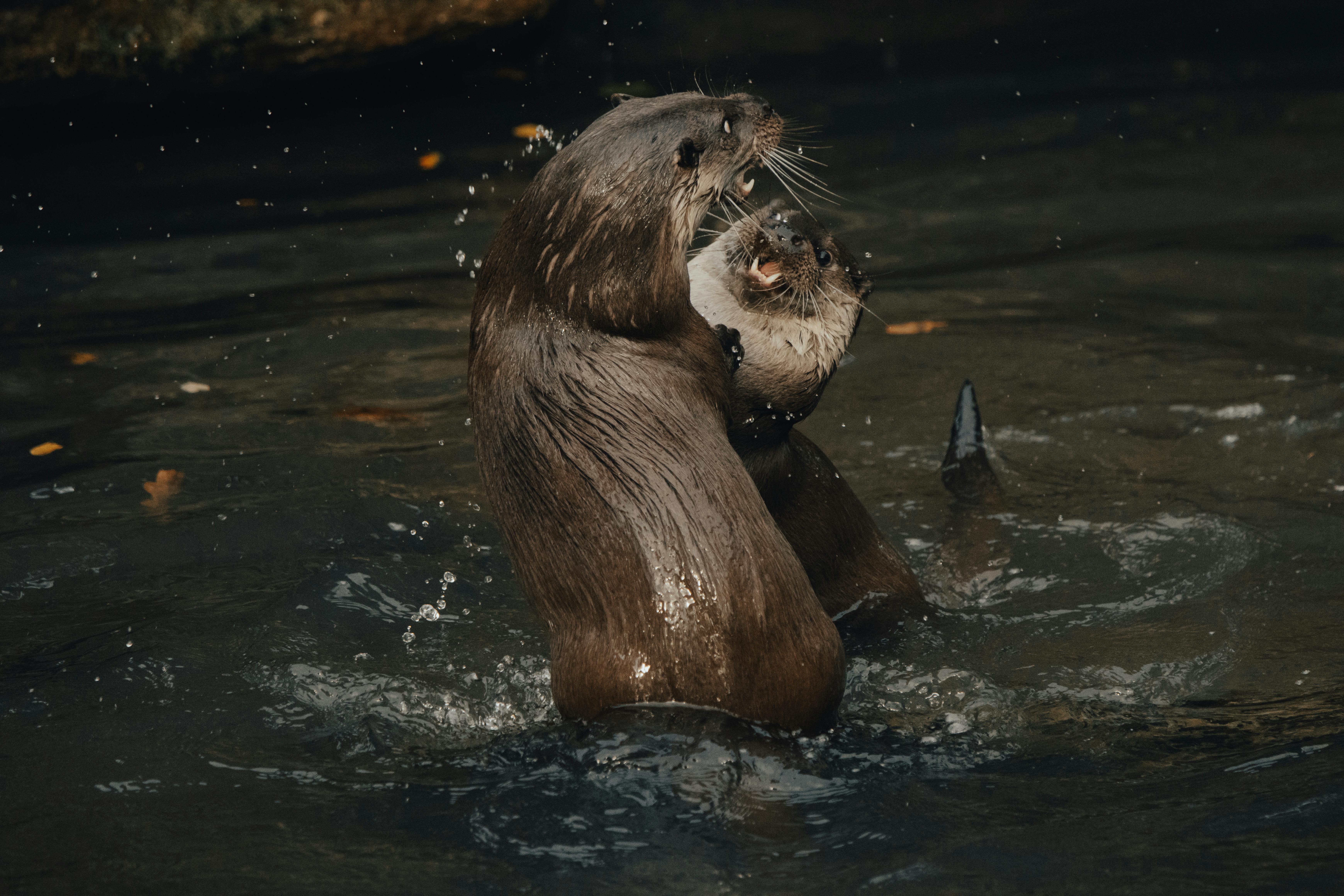
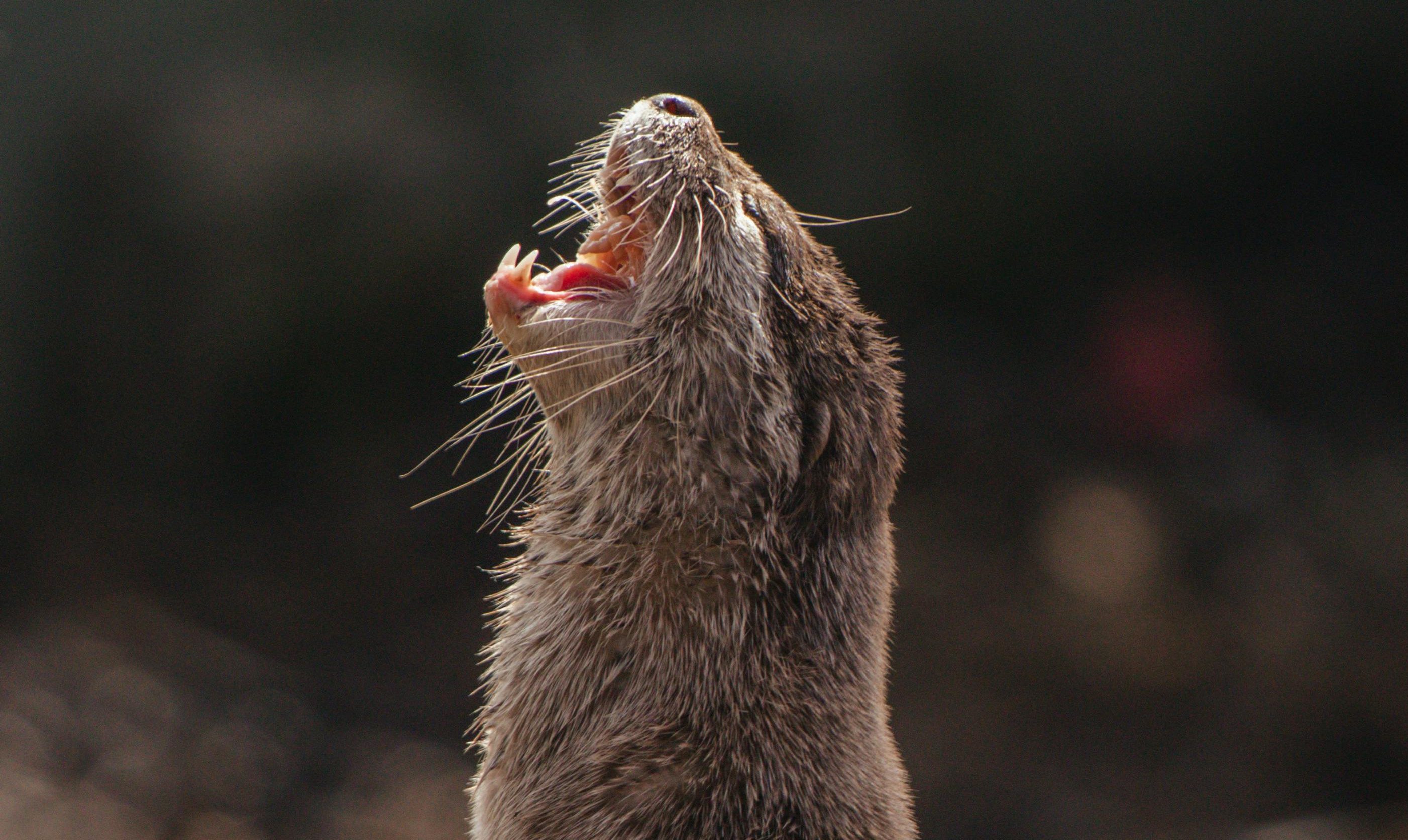
Because the European otter is not always the gentle, playful creature it is often portrayed as. It is powerful. Territorial. Capable of killing prey larger than expected. And when pushed, it can be aggressive.
Historical accounts describe unusually large individuals, some approaching six or even seven feet in length, and rare colour variations, including albino specimens.
Both giant otters of the Amazon and short-clawed otters of Asia are known for banding together in formidable groups to intimidate threats and protect other members of their clans.
Otters across England and Ireland were hunted to near extinction in previous centuries. Maybe, just maybe, their forebears showed similar behaviour and tenacity, as well as likely growing to larger sizes before hunting became popular.
Enough, perhaps, to start a story. But not enough, on their own, to sustain it for centuries.
The Bunyip Parallel
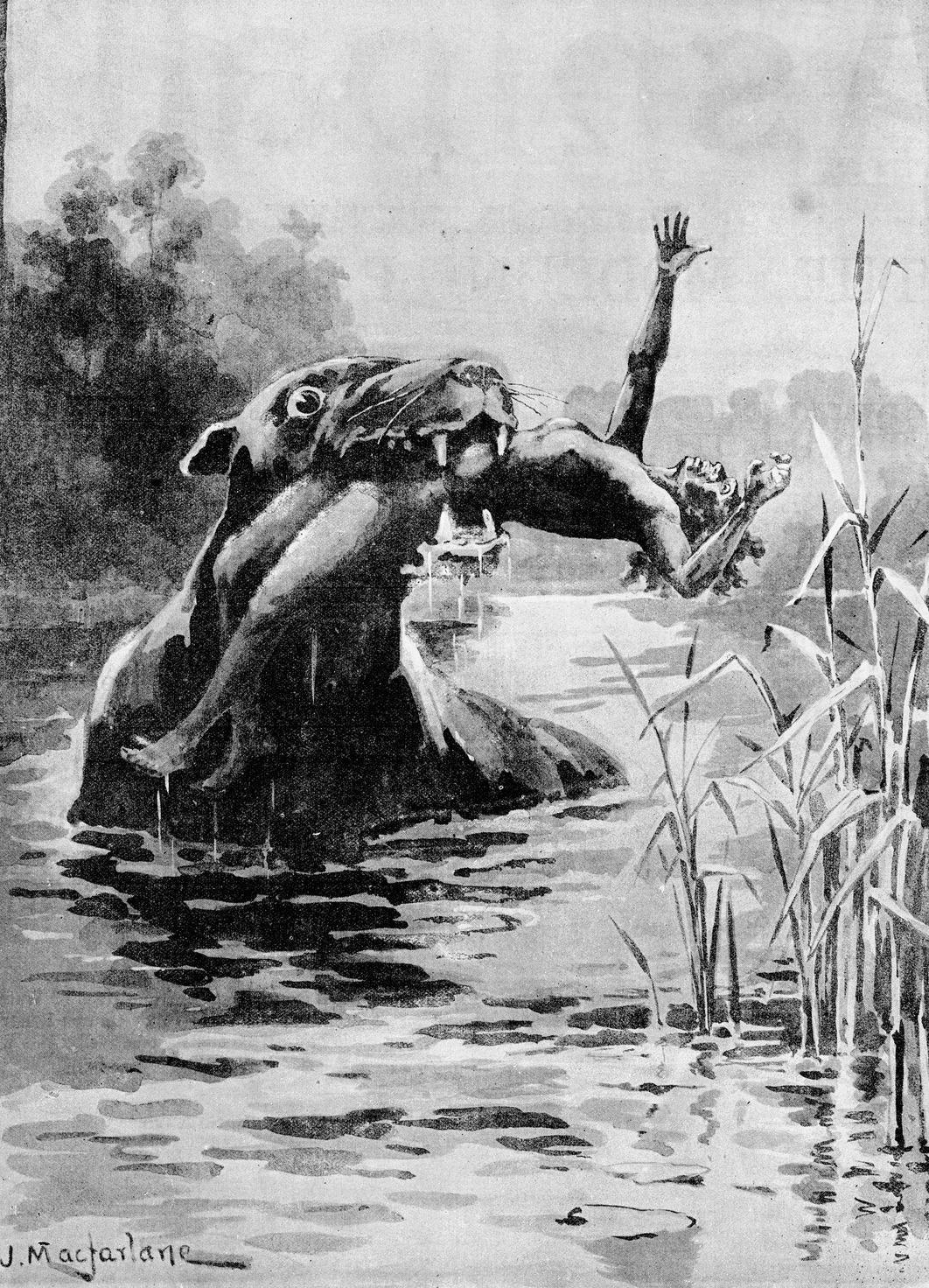
Thousands of miles away, another creature emerges from water and uncertainty, The Bunyip.
The Bunyip is famously inconsistent. Descriptions range wildly, from seal-like to bird-headed, from amphibian to mammalian. But among those variations is a recurring form:
A large, semi-aquatic animal.
Dark. Elusive. Dangerous.
Sometimes described in ways that echo the Dobhar-Chú as an oversized otter-like creature inhabiting rivers, billabongs, and lakes.
Like the Irish legend, many Bunyip stories centre on water’s edge encounters. Livestock taken. People warned away. Occasional attacks implied, if not directly stated.
And like the Dobhar-Chú, the Bunyip exists in that uncertain space between:
- Indigenous knowledge and colonial interpretation
- Real animals and exaggerated memory
- Fear of water, and what might be beneath it
Where the Dobhar-Chú feels localised, almost anchored to Glenade, the Bunyip is broader, more diffuse. But the underlying pattern is familiar.
Water. Isolation. And an animal that is almost known, but not quite.
Why an Otter?
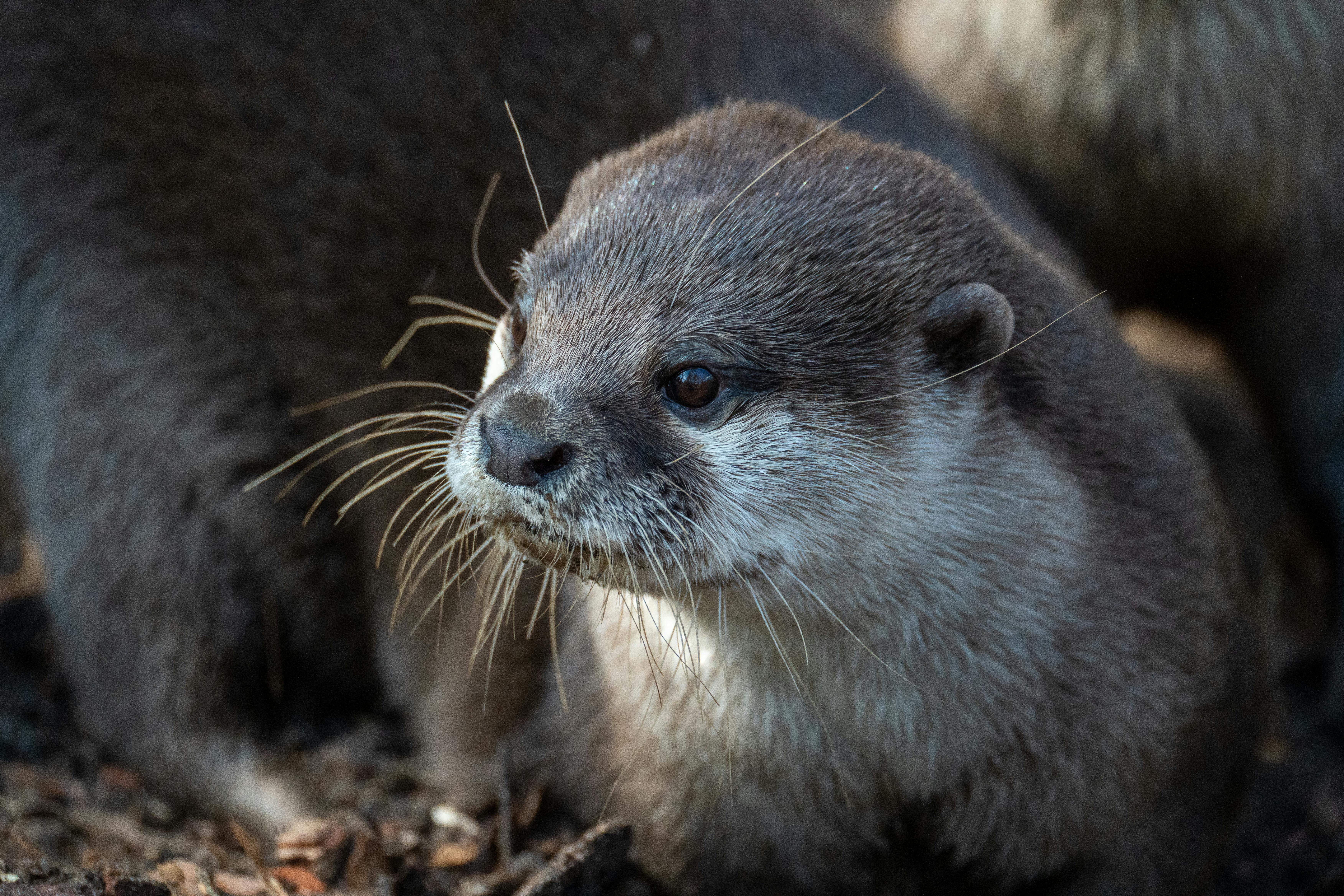
There’s a reason both myths gravitate toward otter-like forms. Otters occupy a strange ecological and psychological space.
They are:
- Seen rarely, despite being widespread
- Silent in the water
- Capable of sudden, explosive movement
- Equally at home on land and in water
Most importantly, they break expectations.
We are conditioned to see them as playful, almost harmless.
So when behaviour contradicts that, when an otter becomes aggressive, territorial, or simply larger than expected, it creates a sharper rupture than if the animal were already feared.
A wolf behaving like a wolf is not surprising. An otter behaving like something else entirely is.
As we see in some man-eaters, that’s all it takes for a myth to find a footing.
The Shape of the Story
What both the Dobhar-Chú and the Bunyip reveal is less about undiscovered species, and more about how humans process the unfamiliar.
A rare sighting becomes a story. That story encourages others to see a pattern. Patterns form beliefs.
And over time, belief reshapes the original event into something more coherent but often less true.
In Ireland, that process created a water hound that could summon its mate and grant supernatural protection. In Australia, it created a creature that could take many forms, but always belonged to the water.
In both cases, the starting point may have been something far simpler:
An animal seen briefly, perhaps in the wrong light, doing something unexpected.
Between Beast and Memory
There is a temptation, with creatures like the Dobhar-Chú, to resolve them. To decide whether they are myth or animal, real or imagined.
But that misses the point. The Dobhar-Chú endures not because it was proven, but because it sits in that unresolved space.
A place where:
- Real animals can behave unpredictably
- Landscapes hold memory longer than evidence
- Stories fill the gaps left by incomplete understanding
And perhaps that is why it remains tied so strongly to Glenade.
Not as a monster waiting beneath the surface. But as a story that refuses to settle.
If you enjoy this kind of exploration of beasts, both real and imagined, my novels tread similar ground, where wildlife, folklore, and human fear begin to overlap.
Further Reading
https://www.independent.ie/irish-news/does-prehistoric-otter-explain-dobhar-chu-myth/36306533.html

