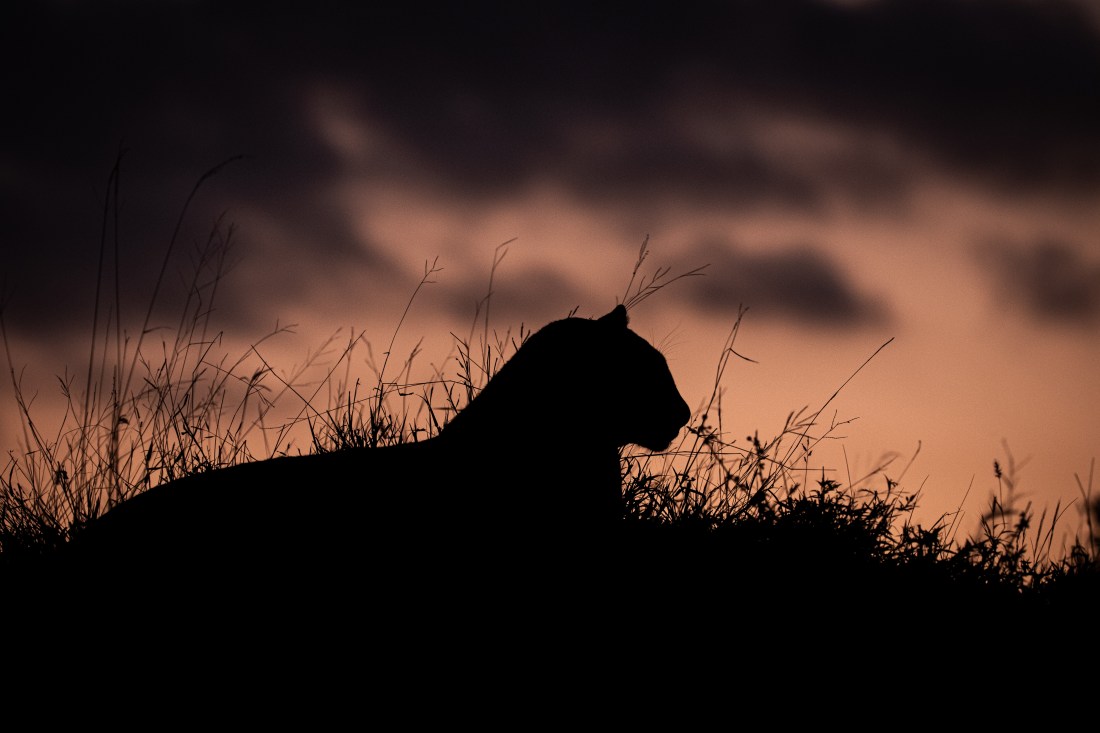
Monster Monday: The Beast of Exmoor

Rumour, Release, or Something Wild?

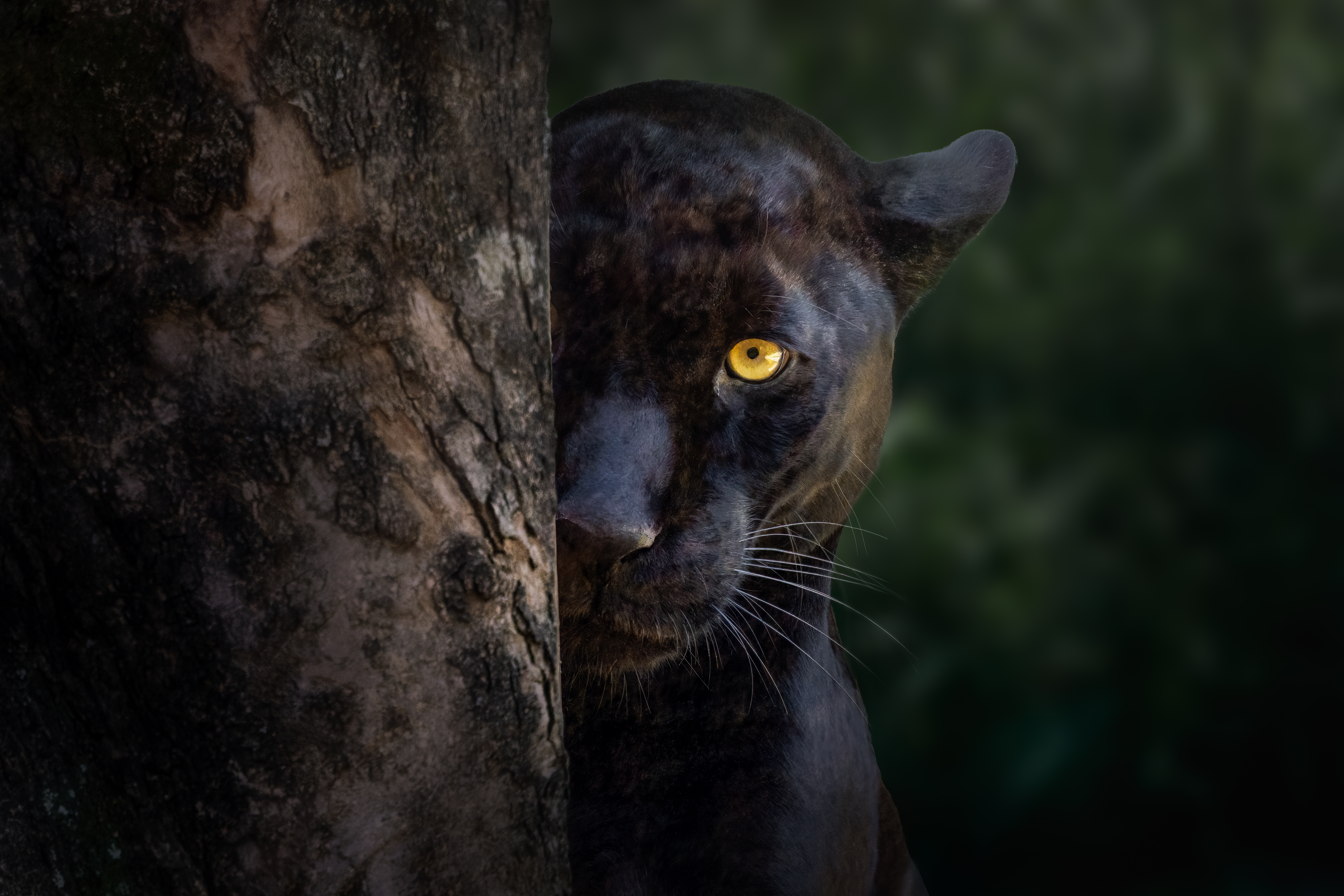
Today, we’re going to look at one of the more (or should that be moor?) well-known of Britain’s best-known cryptids. A mystery cat that’s right up my alley. But, before there was a beast, there was a landscape.

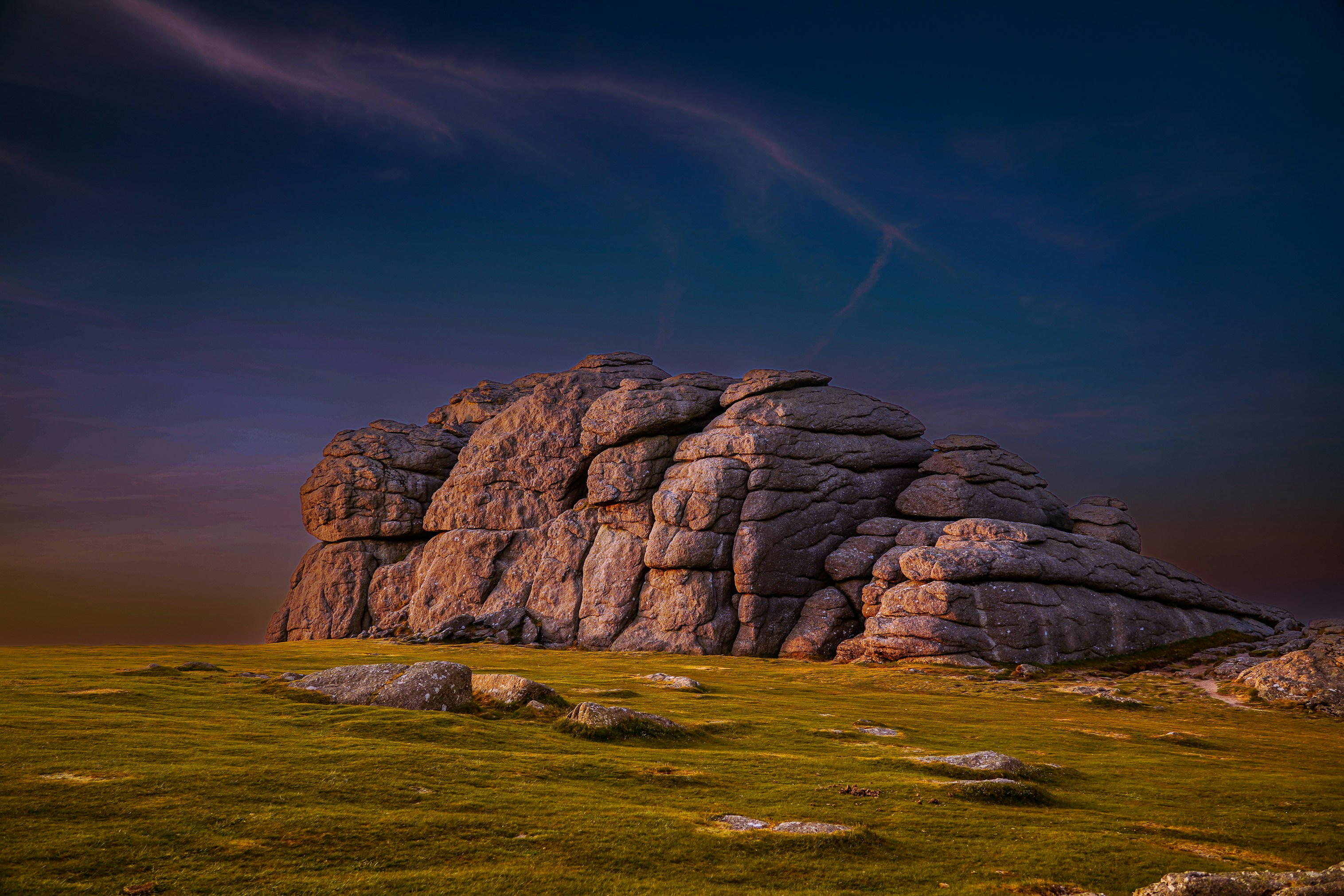
Exmoor is open, wind-cut, and exposed. Sheep move across long lines of sight as they graze, perhaps in a false sense of security that Britain’s predators are long-banished. Granite outcrops and banks of heather hold the last of the day’s light. When something crosses that horizon, it might be seen but just as quickly, it can slip back into the many shadows and hiding places on the moor.

In 1983, Devon farmer Eric Lane began losing young lambs. The predation was both serious and mysterious. Then, larger, full-grown lambs began to be taken. Ultimately, Lane reported losing more than fifty sheep. And across the region, estimates suggested over one hundred full-grown ewes were killed in what the press began calling the Beast’s “rampage”. Carcasses were found with throats torn and little meat consumed. Some reports described clean kills. Others suggested variation. No body was recovered. No animal was conclusively identified.

The police took the matter seriously enough to organise searches and vigils. And then, as the death toll of livestock mounted, they called in the army. At least one patrol involved a former Royal Marine, John Holden, who was later interviewed in the documentary Panthera Britannia: Declassified. Holden described seeing a large cat-like animal during a night patrol. A shot was reportedly taken by another member of the patrol. After that incident, sheep losses diminished. But no carcass, no blood trail, and no confirmed remains were ever found.

Absence became the defining feature of the case.

A Naturalist’s Theory

Among those who treated the killings as a wildlife question rather than a ghost story was Devon-based zoologist, naturalist, and conservationist Trevor Beer (1937-2017), who investigated sightings across the region for decades.

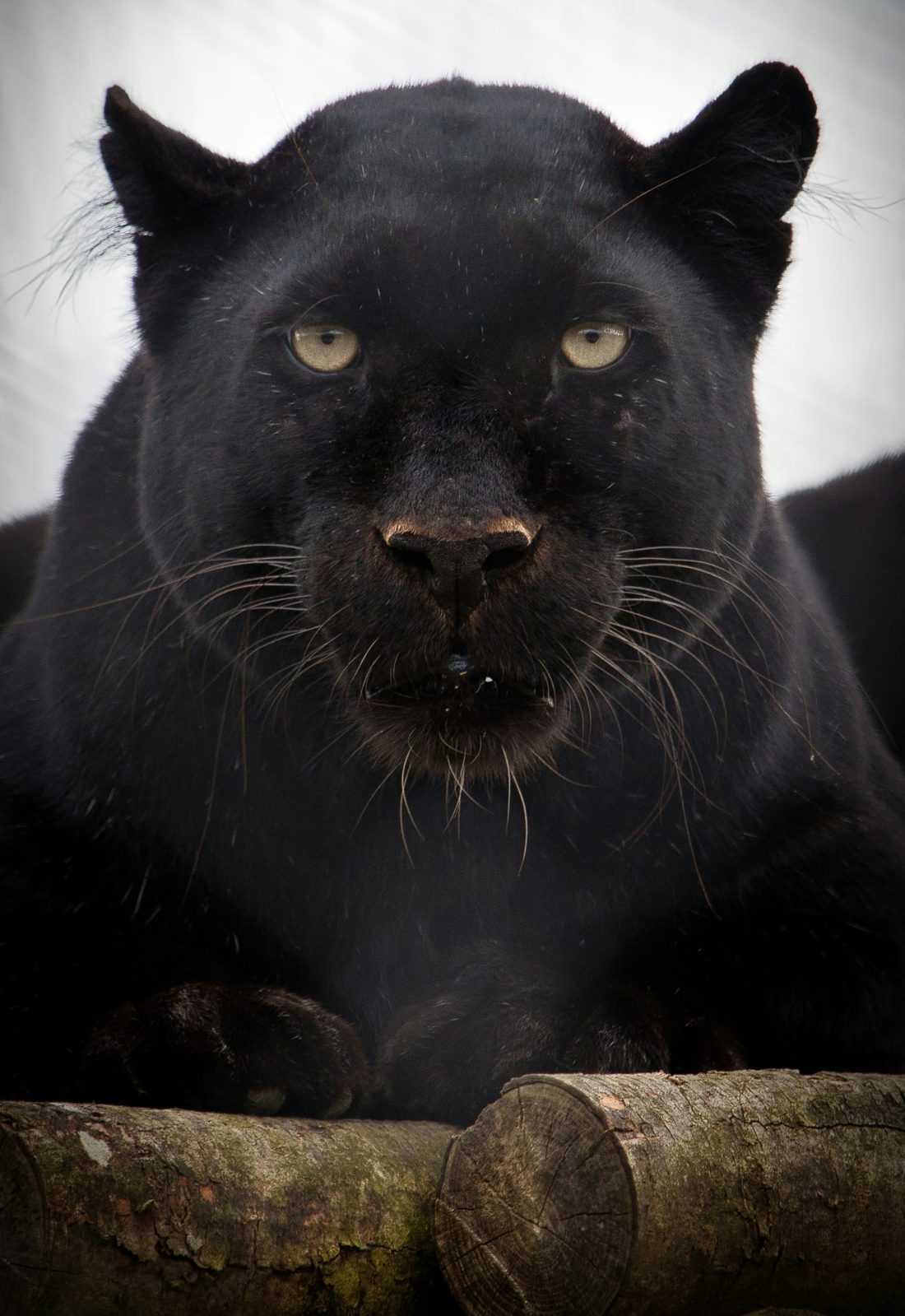
Beer did not dismiss the accounts outright. Nor did he frame them as folklore. Based on reported behaviour and differences in sightings, he suggested that two separate large cats — possibly a puma and a leopard — might explain the variation. It was a practical hypothesis. If attacks differed in method, perhaps more than one animal was involved.

Importantly, this was not a claim of proof. It was an attempt to reconcile inconsistent details with ecological reasoning. And that matters.

Because Britain in the 1970s and early did have privately owned exotic cats. Before the Dangerous Wild Animals Act of 1976, keeping such animals was not uncommon. Archival BFI footage (also from early 1976) exists of a puma being walked in Barnstaple. After the Act tightened licensing requirements, stories began circulating that some owners released animals rather than surrender them, and this has become a fundamental and foundational part of the British big cat phenomenon.

What is documented is patchy. What is alleged is plentiful.

Release Stories and Blurred Memory

Over time, rumours became interwoven with the facts and real investigations.

A Barnstaple butcher who supposedly owned a puma and a leopard and got in trouble with the law was said to have released his pets as he fled the country. A zoo owner alleged to released animals onto Dartmoor rather than face an unknown fate. Stories of circus transfers, licence losses, and midnight liberations threatened to blend fact with fiction.

For instance, I think it’s no coincidence that there is archival BFI footage of a man walking his pet puma in Barnstable and there is a story about the supposed butcher and his ‘guard panthers’. But I think it’s a blurring of memory. In 1976, the population of Barnstable was that of a small country parish, a little over 10,000 people. It’s hard to believe there were two individuals with a pet puma. And there is no documented evidence of a butcher with two big cats – surely that would have made at least one local paper?

Benjamin Mee is the owner of Dartmoor Zoo, which became famous after the film ‘We Bought A Zoo’ put its story in the spotlight. Again, for Panthera Britannia, Mee recounts a sighting of a big cat in the village, shortly after moving to Dartmoor. There is also a reference to the former zoo operator Ellis Daw, who was alleged to have released three pumas onto Dartmoor. But again, does that conflate events and allegations surrounding Mary Chipperfield, who was also said to release three pumas, among her favourite animals, whilst transferring them from Plymouth Zoo after it closed in 1978, which was owned by the Chipperfield family at the time.

The difficulty is not that these names appear. It is that the stories begin to overlap.

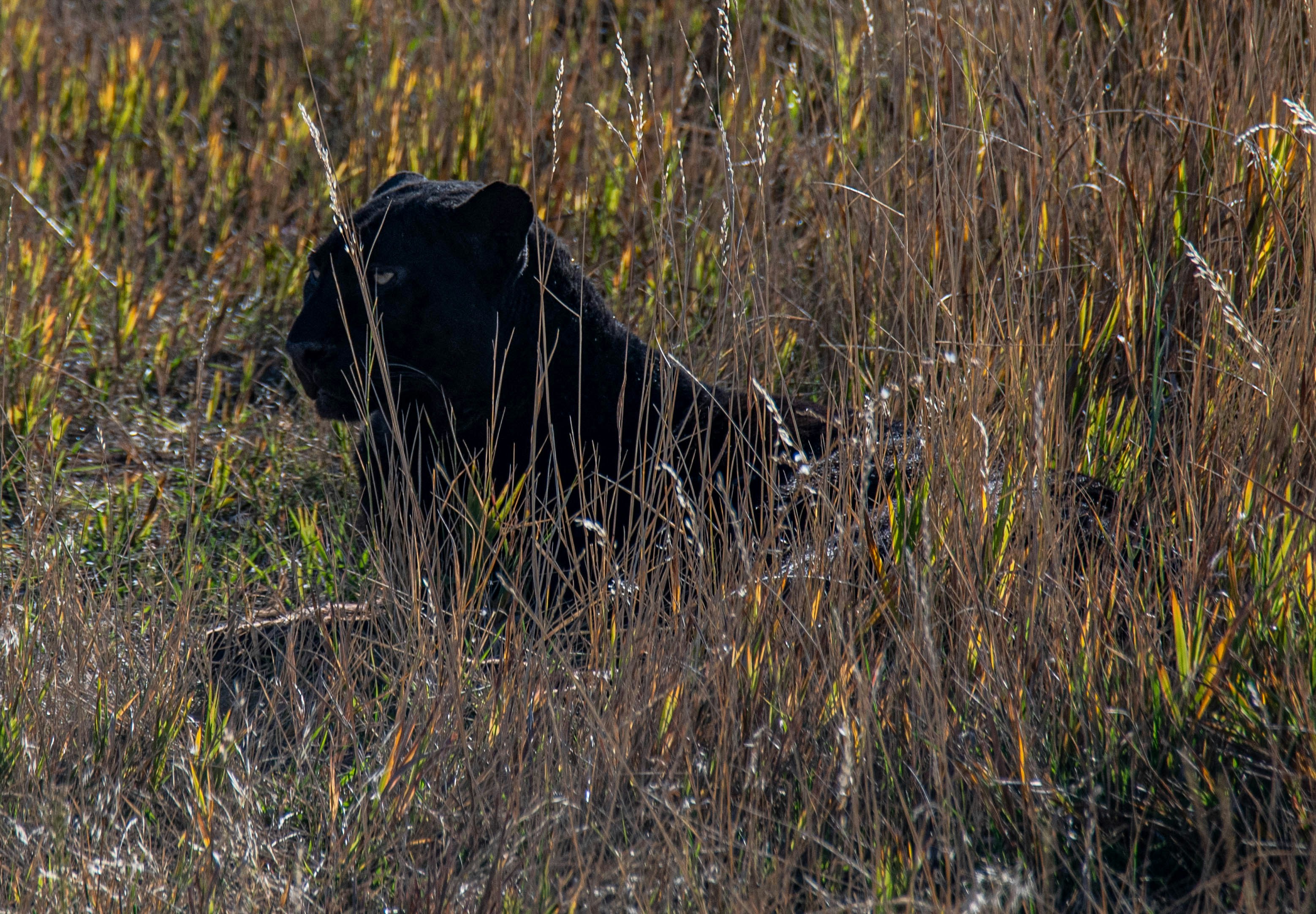
Separate incidents, across counties and years, begin to compress into a single narrative mass. Exmoor and Dartmoor become interchangeable in casual retelling. A puma becomes “a black panther”. Two animals become one roaming shadow.

Memory simplifies. Landscape absorbs detail.

Could a Big Cat Survive?

Ecologically, the idea is not impossible. In fact, it’s very probable.

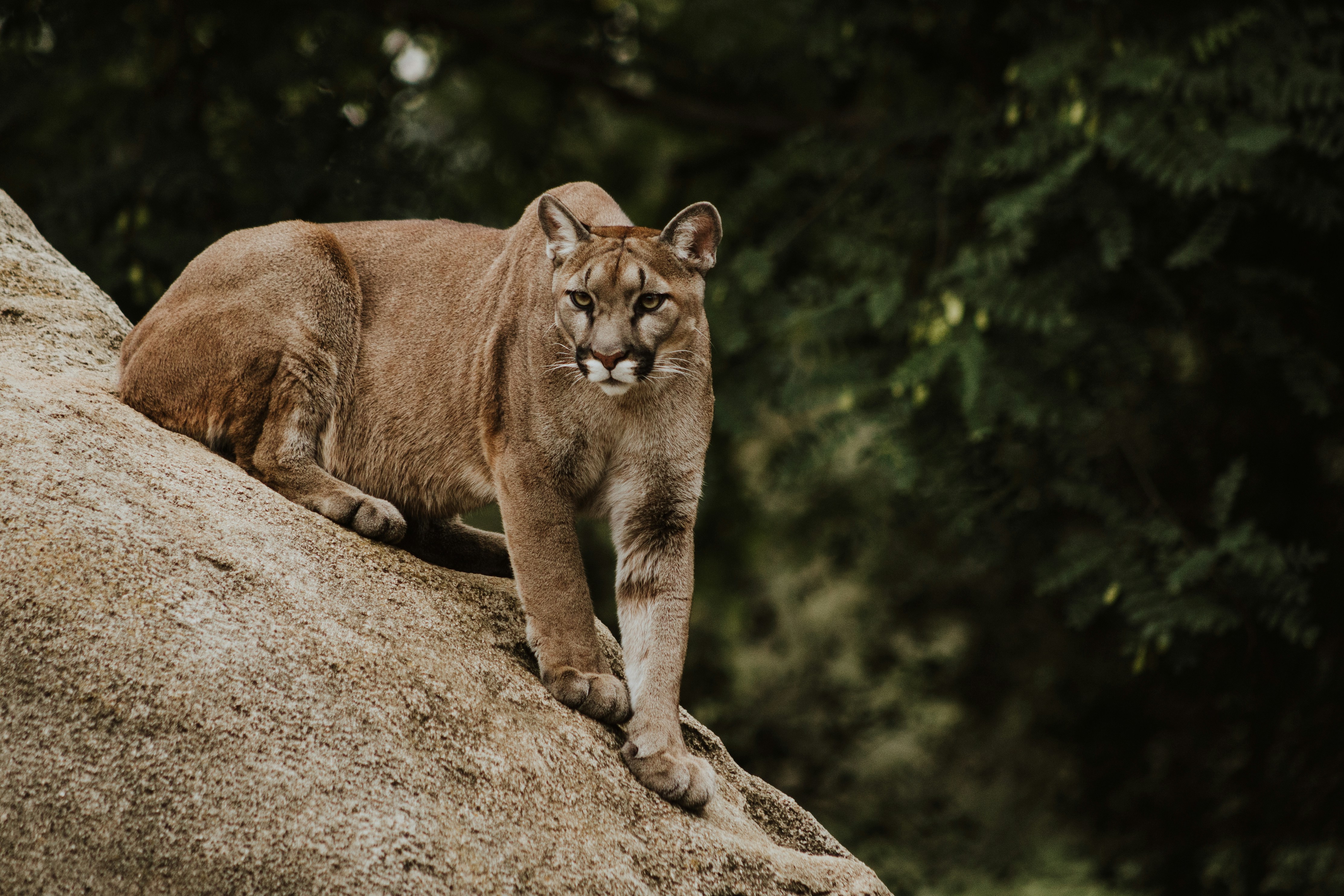
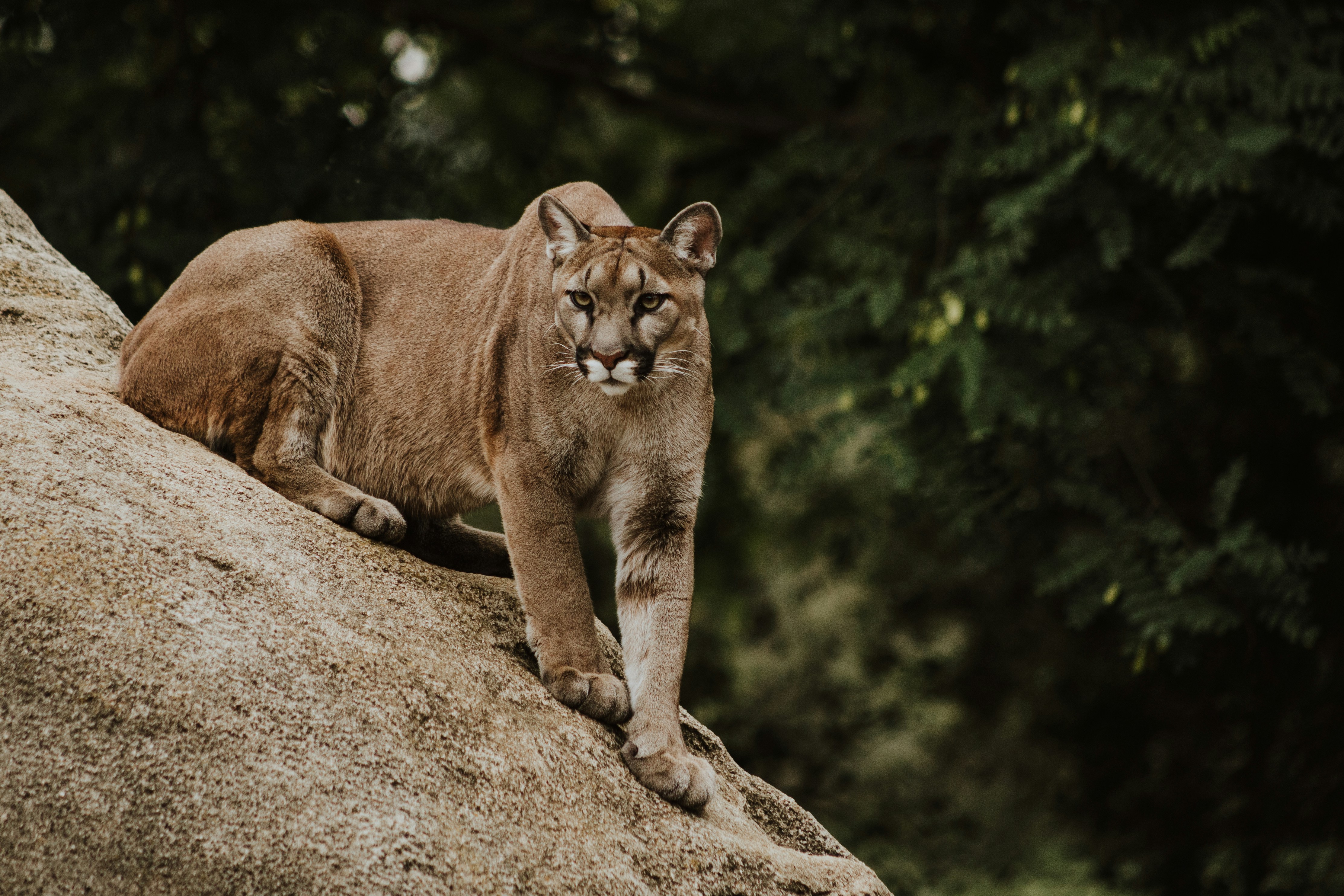
The Cougar is highly adaptable. In North America, it occupies deserts, forests, mountains, and the fringes of cities. It can take deer and livestock. It is solitary, elusive, and capable of travelling large distances. In turn, leopards are found from the desserts of Africa through to the Siberian plateau and are considered one of the most adaptive of the big cats.

A released animal, in theory, could survive, at least for a time. And, the sheep kills are suggestive of a released animal with limited experience taking easy prey. It is widely reported that wild big cats avoid taking sheep, as they find the wool problematic to remove, and don’t like the texture of it in the mouth. However, there is enough of an issue of pumas taking sheep in Chile for there to be a government-backed guardian livestock dog programme, documented by National Geographic’s ‘Up Close with Bertie Gregory’. So, we know sheep are on the menu, at least for some big cats.

@bertiegregory

We used military-grade thermal imaging cameras to allow us to film guardian dogs protecting sheep from pumas in the middle of the night. This strategy is good news for farmers and good news for pumas, alongside the dogs. However, it is also critical that farmers manage their land to support wild puma prey populations. 🎥: #AnimalsUpClose

♬ original sound – Bertie Gregory

But survival is not proof of presence.

And livestock predation patterns are not always straightforward. Dogs, foxes, and even corvids can complicate carcass interpretation once an animal has fallen. Bite placement, caching behaviour, feeding style… these details matter, but they are rarely preserved cleanly in open moorland.

What Remains

What is harder to dismiss is the shift in perception.

Farmers scanned ridgelines differently. Dog walkers reported silhouettes where before there had been none. The moor, already vast, felt less empty.

Whether the Beast of Exmoor was:

  • A released exotic
  • Multiple animals folded into one legend
  • A misidentified large dog
  • Or a solitary cat that came and went without leaving a body

…the story altered how people saw their landscape.

That is often how monsters begin.

Not with certainty.
Not with spectacle.
But with a disruption, a suggestion that the familiar ground may not be entirely ours.

In my own fiction, I’m often less interested in proving the beast exists than in exploring what changes in us when we believe it might.

The Beast of Exmoor remains ultimately unproven. But the space it opened, between where we live and wilderness, between rumour and ecology, still lingers across the moor. And sightings still continue, as does the mystery.

Unseen Shadows: Big-Cat Sightings in Britain – Autumn 2025 Round-Up

From Suffolk harvest fields to moorland mist in North Wales, a fresh wave of “panthers,” pumas and dark-coated felids stirred Britain’s rural imagination through October and November.

As dusk creeps ever earlier, as hedgerows thin and fields lie fallow, the old hush seems to awaken once more. Reports of something alien abroad: black silhouettes crossing lanes, long tails vanishing between trees, sheep spooked under moonlight, and “pointed-ear” shapes in the gloom. Over the last few months, places like Anglesey, the Llŷn Peninsula, Suffolk and more felt alight with the possibility of something wild and unaccounted for.

Below is a deeper dive into British big cat sightings from the last two months: what was claimed, where and when, what evidence (if any) supports it, and what it tells us about why, in 2025, the British big-cat mystery refuses to go away.

Autumn’s Quiet Fields and the Whisper of Something Else

There’s something about late autumn in rural Britain: the harvest is over, fields lie bare, evenings draw in, and the countryside takes on a soft, half-remembered quality.

For decades, that seasonal quiet has offered fertile ground for whispers of something aloof in the landscape. Could it be wind in the trees, a deer moving in shadow, or something else? For many rural dwellers and folklore-hunters, it has always been the right time for mystery big cats to wander across a lane, disappear into a copse, or vanish beyond the hedge.

In October and November 2025, those whispers, as always seems to be the case in Autumn, became a little louder.

October 2025: When the Reports Began to Coalesce

Scattered reports: South-East and West-Midlands chatter

Throughout October, a series of smaller, loosely connected reports emerged, from “panther-like” silhouettes glimpsed in the treeline, to late-evening growls heard by dog walkers, and paw prints in soft, damp ground after rain. Most came from local Facebook groups, community forums or specialist blogs, with genuine sparks of intent (some people setting up trail-cameras), but little follow-up.

The background: police logs and a five-year string of reports

Behind the anecdotal noise, there’s an institutional record: between 2021 and 2025, based on keyword searches for “big cat,” “puma,” “panther” and “lynx,” official incident-record logs from parts of southern England (notably Devon & Cornwall Police) list more than a dozen reports of large cats, described variously as “black panther,” “puma-like,” or “lion-sized.” LBC

Many of these reports describe animals jumping hedges, stalking rural tracks, or vanishing after being glimpsed in a vehicle’s headlights. In a few cases, officers attended the scene; in others the sightings remain unverified.

These official records, which are commonplace across the UK, add weight to public claims.

November 2025: A New Wave in North Wales, Anglesey, and the Llŷn Peninsula

Just as October’s reports began to settle, November brought a fresh uptick, this time centred on North Wales, Anglesey, and the Llŷn Peninsula. A different landscape, a different weather-tone, and for many, a compelling shift in pattern.

Anglesey: Fields, sheep, and pointy-eared cats (10 November onward)

A report on 12 November 2025 from a well known UK cryptozoology site, detailed multiple sightings across Anglesey including black cats with “long thick tails” and “pointy ears,” which were spotted roaming fields, skulking near sheep, or seen slipping along woodland margins at dusk. The Centre for Fortean Zoology

A post shared on social media described a “large black cat” near Newborough, walking through open land near the coast, with prominent pointed ears, a low slung tail and a long body. Locals, spooked, spoke quietly of sheep losses and nervous dogs. Facebook

The repeated descriptions (sometimes by more than one witness) helped give these reports weight. That said: “pointy ears” is a common reason sceptics dismiss big-cat claims, because in many big cats ear shapes differ, and “pointy” can be misleading in poor light or low resolution, and for many, suggests a dog and mistaken identity.

Pwllheli, Llŷn Peninsula: “Puma spotted at caravan site” (28 November)

On 28 November 2025, a local watchdog group for big-cat sightings, Puma Watch North Wales, published a report of a “large dark-coloured” animal, believed by a holiday-maker to be a puma, seen within a caravan-park perimeter near the town of Pwllheli, on the Llŷn Peninsula. Puma Watch North Wales

According to the witness, the animal was large, low-slung, and moved in a smooth, stealthy manner between caravans and hedgerows, so unlike a typical stray dog or cat. Given the rural coastline, sheep fields nearby, and limited light at dusk, the report sparked concern for local farmers and dog-walkers.

Further sightings in Wales were reported earlier in the month by the same site.

Where the wild things might be… or might not be

What stands out from both months isn’t a shift in geography so much as the familiar randomness that has always characterised Britain’s big-cat reports. Sightings scatter across counties and coastlines without forming any obvious pattern, a point often used by sceptics to argue against the idea of established or breeding populations. Yet for mystery-hunters, that same unpredictability is part of the allure – the sense of roaming predators that refuse to be pinned down, drifting through valleys, farmland and forest edges, appearing where least expected.

If nothing else, November’s reports show one thing clearly: the conversation lives on and people are still looking, watching, and waiting for a confirmation.

Patterns of Evidence: What We Know, What We Don’t

📌 What counts as good evidence

  • Clear video or photo, ideally with scale, timestamp, and context.
  • Multiple independent eyewitnesses describing similar features (size, tail, coat, gait, ears, behaviour).
  • Physical traces like hair, scat, paw-prints, kills… submitted for professional forensic analysis.
  • Consistent follow-up through camera traps, field-investigations, naturalist or police presence.

📉 Where the 2025 autumn wave falls short

  • Most reports (even the ones above) are from single witnesses, uncorroborated by photos or prints (I know how hard it it is to think about taking a photo in the moment, or how difficult it is to actually photograph and film genuine wild animals on a phone).
  • Descriptions vary (black panther, puma, “pointy-eared black cat”) which may reflect different species, or more likely, different interpretations of light, distance, stress or fear.
  • No public forensic confirmations this month: no DNA swabs, no carcasses, no verified predator-kill evidence.

That isn’t a rejection of the sightings by any means, but it does mean: as of November 2025, there is still no conclusive scientific proof of a sustainable non-native big-cat population roaming the British countryside, despite the very strong likelihood they are here.

Why the Autumn Spike Happens: Season, Psychology, and Landscape

Autumn has always been a season of shifting boundaries in the British countryside. As the days shorten and dusk arrives earlier, everything seems to take on a different shape. Shadows stretch longer than expected, hedgerows thin, and once-dense foliage gives way to bare branches and open visibility. This simple change in light and landscape can transform the most ordinary movement, be it a fox slipping between field margins, a dog cresting a hill, even a cat prowling along a fence line, into something uncanny.

The conclusion of the harvest season amplifies this effect. With crops cut back and fields lying open, the countryside becomes a stage with fewer props; anything crossing the land becomes more noticeable against the bare ground. At the same time, human presence in these spaces increases. Dog walkers, cyclists, farmers, hikers, and foragers tend to be out more in the late afternoon or early evening, right when the light begins to fail. Encounters therefore become more likely at a time when visibility is often at its best due to a lack of blooming foliage and leaves.

There’s also a psychological undercurrent to this seasonal shift. Autumn signals the approach of winter, a time when the countryside feels both more exposed and more remote. Folklore thrives in such in-between spaces. As mists gather and the temperature drops, we become more attuned to the uncanny possibilities at the edge of vision. For those already primed to wonder, whether through experience, curiosity, or the stories that circulate online, a shape in the half-light can ignite the imagination.

Together, these elements create the conditions in which big-cat sightings often cluster: a landscape laid bare, a watchful public moving through it, and just enough atmospheric tension to make the ordinary feel extraordinary.

Why These Stories Still Matter: Myth, Mystery and Wild Britain

art of the enduring appeal of Britain’s big-cat sightings lies in the country’s deep-rooted relationship with wildlife folklore. This is, after all, a landscape shaped by centuries of myths — from black dogs on moors to spectral deer in forests — and the idea of a hidden predator wandering the countryside resonates strongly with that cultural inheritance. Big cats, whether truly present or not, feel like a modern iteration of the same ancient impulse: to believe that something wild still moves out there, beyond the reach of fences and footpaths.

There is also a historical foundation to the fascination. The Dangerous Wild Animals Act of 1976, which curtailed the private ownership of exotic predators, triggered a generation of rumours that owners had secretly released pumas, leopards or lynx into the wild rather than surrender them. This legacy, more than any single sighting, fuels the belief in escapees or small, scattered populations that might have survived in remote pockets. It’s not proof — but it’s plausible enough to keep the theory alive.

For rural communities, the possibility of having such an animal nearby carries a mix of fear, irritation and reluctant awe. Livestock losses, nervous dogs, or strange prints in soft ground can lend weight to speculation. And for those who walk the land at dawn or dusk, the idea of sharing space with a creature that shouldn’t be here adds a quiet thrill.

But beyond the practical and historical, these stories matter because they remind us that mystery still exists in a world that often feels over-mapped, over-explained and over-connected. The silhouette on a hillside, the rustle in a hedge, the long tail disappearing into the dark — they hint at a Britain where the wild isn’t yet gone, only hidden. And whether or not big cats truly roam our countryside, the belief in them offers something rare: a reminder that the world still holds room for wonder.

How This Round-Up Was Compiled

  • I surveyed specialist websites, community-watch blogs (notably Puma Watch North Wales), and cryptozoology-oriented platforms. Puma Watch North Wales and The Centre for Fortean Zoology
  • I checked police-disclosure logs from forces who publish big-cat incident records (e.g. Devon & Cornwall). Devon and Cornwall Police
  • I referenced background research and historical context on British big-cat folklore, escapee theory, and prior documented sightings/escapes based on my own knowledge.

Caveat: I have no access to private camera-trap data, forensic lab results, or police log details beyond publicly disclosed summaries. The piece remains a synthesis of publicly available reports and claims, filtered for interest and plausibility.

The Mystery Lives On — For Now

As November 2025 draws to a close, the tally of big-cat reports has grown. From Suffolk to Anglesey, from fields to caravan parks, from hushed farm corners to public Facebook groups.

We are left with a mosaic made up of handfuls of sightings forming patterns, trending northwards, clustering in rural and coastal zones, surfacing at dusk.

For those who love the wild-edge of the British countryside and for readers of eco-thrillers, wildlife-watchers, or just the curious, those patterns matter. They remind us that beneath the tame green fields lies uncertainty. That despite fences and lights and human ink and paperwork, nature, or at least the idea of the wild, is still slipping through.

Walk the hedgerows at twilight. Keep a torch handy. A sharp eye. A steady hand on a camera. Because sometimes, the most compelling truths hide in plain sight, as a silhouette on a November road, or a long tail slinking behind a hedge, might just prove to you.

If nothing else, the mystery remains alive and hopefully well, and left alone.

Luke Phillips is the author of the eco-thriller Shadow Beastwhich explores the myth and mystery of Britain’s big cats.

What Might Come Next — For Readers, Watchers, The Curious

If you see something:

  • Use a phone or camera to get photos, video if you can (and safely).
  • Try to note scale; are there hedges, gates, known objects in frame that can help judge size?
  • Record time, date, weather, location (village, nearest road/farm), direction of movement, behaviour (walking, stalking, fleeing).
  • Share with groups like Puma Watch North Wales (if in Wales), Rick Minter at Big Cat Conversations or local wildlife / community pages. Even if nothing comes of it, each data point adds to the bigger picture.
  • Stay safe, especially if livestock are nearby. But also aware: many “big cats” reported in the UK probably remain domestic or feral cats mis-measured in light and distance.