
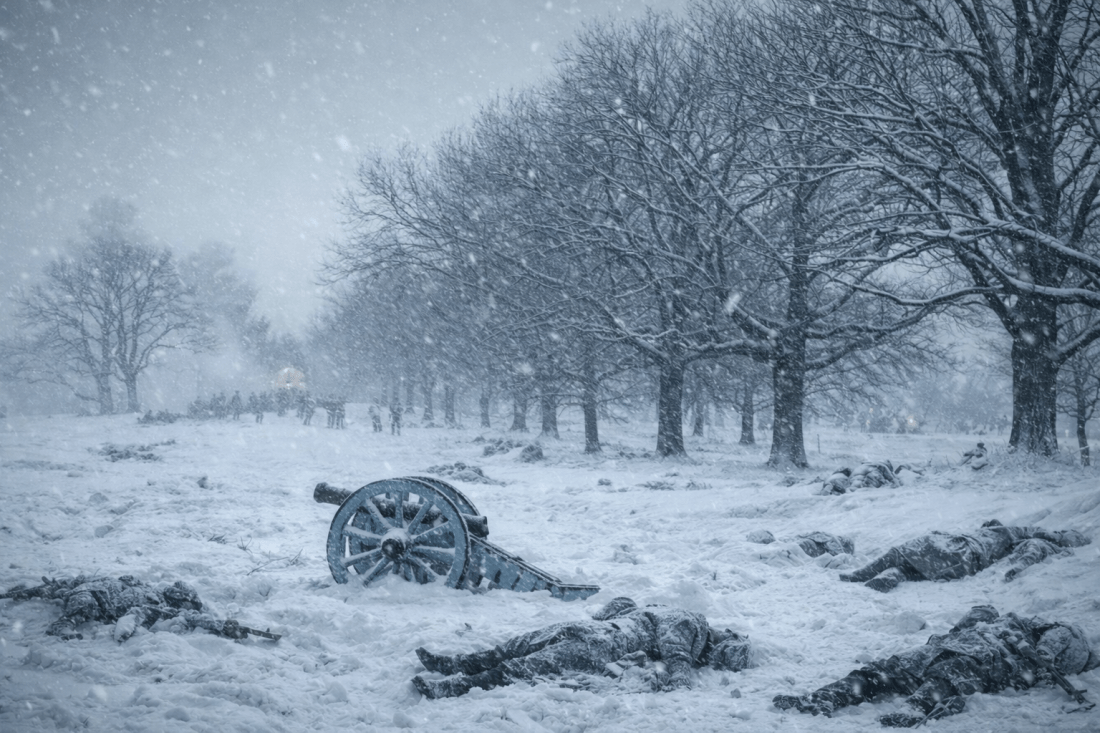
In the winter of 1916, on the frozen Eastern Front, German and Russian soldiers discovered that the greatest danger they faced was no longer each other.
The Howling in No Man’s Land
The snow fell thick and soundless over the forests of Eastern Europe.
It swallowed roads, softened the edges of trenches, and buried the dead where they lay.
Along the front lines separating German and Russian forces, sentries stood in rigid silence, rifles stiff with ice, breath frosting the air in pale clouds. The wind carried the smell of rot from the fields beyond the wire — thousands of bodies left unburied after weeks of fighting, locked in the ground by frost.
And then, at night, came the howling.
At first it was distant. Mournful. Easy to dismiss as imagination or exhaustion.
But as the weeks passed, it grew closer.
Men began to vanish from the edges of camps. Lone runners failed to return. Wounded soldiers, dragged away from shell holes and shallow graves, left only streaks of dark red in the snow.
The Eastern Front had acquired a new predator.
A Perfect Storm for Wolves
The First World War created conditions unlike anything Europe had seen.
The Eastern Front, stretching across Poland, Belarus, and the Baltic regions, became a landscape of mass death and logistical collapse. Entire villages were abandoned. Supply lines broke down. Corpses lay uncollected for weeks or months at a time.
For wolves, already struggling under centuries of persecution and habitat loss, this was catastrophe and opportunity combined.
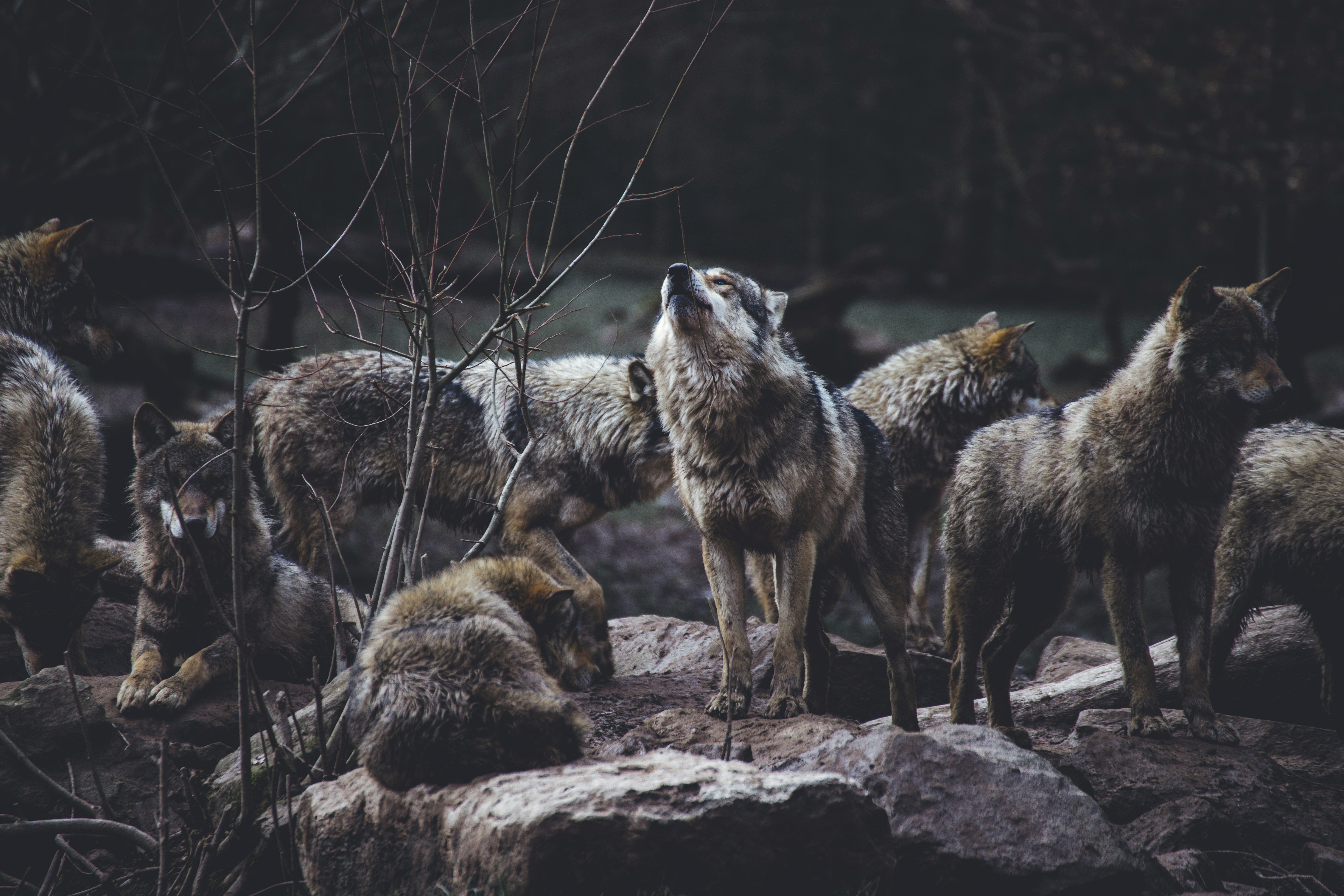
Winter drove them out of the deep forests. Starvation pushed them closer to human settlements. And war provided something unprecedented: endless carrion.
Thousands of human bodies lay exposed in fields and forests, frozen solid in the snow. For scavengers, it was a banquet that never ended.
At first, the wolves fed on the dead.
Then they began testing the living.
When the Dead Were No Longer Enough
Contemporary reports and later memoirs describe a shift in behaviour as the winter deepened.
Wolves began approaching camps at night, circling trenches, and following patrols at a distance.
Isolated soldiers were attacked while collecting firewood or running messages between positions. Sentries disappeared from their posts. Wounded men, unable to move, were taken from the margins of the battlefield.
The attacks were not frenzied. They were methodical.
These were not mythical monsters or supernatural beasts. They were animals responding to an extreme ecological shock, losing their fear as hunger and opportunity rewired their instincts.
For soldiers already broken by cold, starvation, and artillery, the effect was devastating. The war had stripped them of shelter, warmth, and food. Now it was stripping them of the illusion that humans were still in control.
The Truth of the “Wolf Truce”
As the attacks increased, something extraordinary happened.
According to multiple historical accounts, both German and Russian units found themselves under such sustained pressure from wolves that hostilities between the two sides were temporarily suspended.
Joint patrols were formed. Coordinated hunts were organised. Weapons that had been aimed at enemy soldiers were turned outward, into the forests.
For a brief moment, the front line dissolved. The enemy was no longer the man in the opposite trench. It was the unseen presence moving through the trees.
The episode became known later, and somewhat romantically, as the “wolf truce.”
https://historica.fandom.com/wiki/Wolf_truce
https://historyandthings.com/2021/09/28/the-wolf-truce-1917/?utm_source=chatgpt.com
Fact, Folklore, and Embellishment
As with many stories that sit at the boundary of history and horror, the details are tangled.
There is credible evidence that wolf attacks did occur on the Eastern Front during the winters of 1916–1917. Military records and memoirs reference problems with wolves and describe organised culls.
There is also evidence of temporary cooperation between opposing forces to deal with shared threats. Not just wolves, but disease, flooding, and other environmental hazards.
But the scale of the attacks has almost certainly been exaggerated in later retellings. The idea of thousands of wolves overwhelming entire regiments is almost certainly folklore.
What remains clear is this:
The wolves were real. The attacks were real. And for a brief winter, nature forced a pause in a human war.
Why This Story Endures
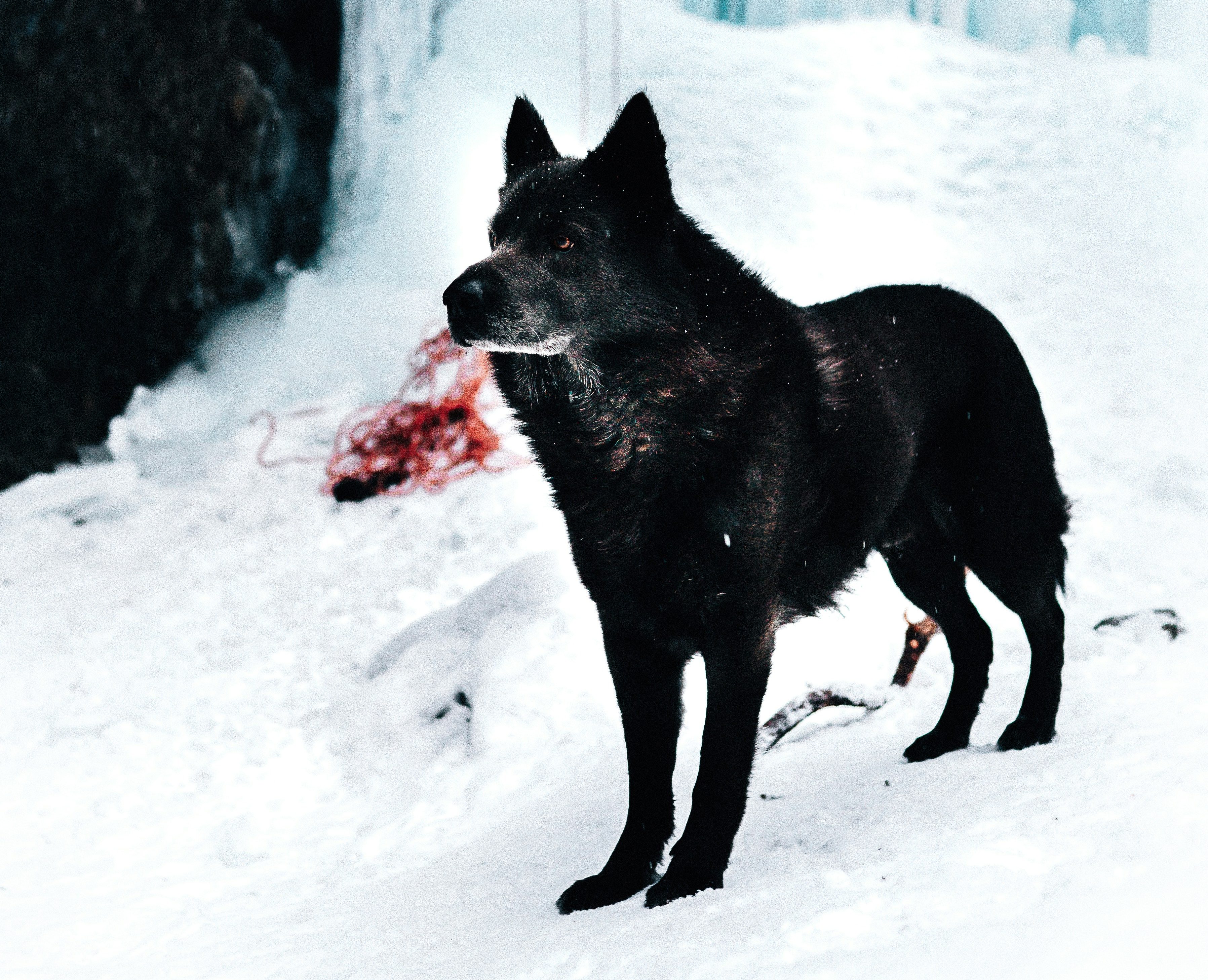
The wolves of World War I were not evil. They were not monsters. They were opportunists in a broken ecosystem.
War dismantled the structures that kept humans safe; shelter, food, burial, borders, order. In that vacuum, predators did what predators have always done. They filled the gap.
What terrified soldiers was not just the physical danger. It was what the wolves represented. They were proof that civilisation had collapsed far enough for humans to become prey again.
Fear is rarely about death alone. It is about the loss of control.
When Humans Stop Being the Apex Predator
The label “maneater” has always said more about us than about the animal.
Wolves have hunted people before. So have tigers, lions, leopards, bears, and sharks.
But they only become legends when they cross an invisible line, when they stop behaving like background wildlife and start behaving like participants in human history.
On the Eastern Front, the wolves did exactly that. They stepped into a war zone and claimed their share of it.
After the Snow Melted
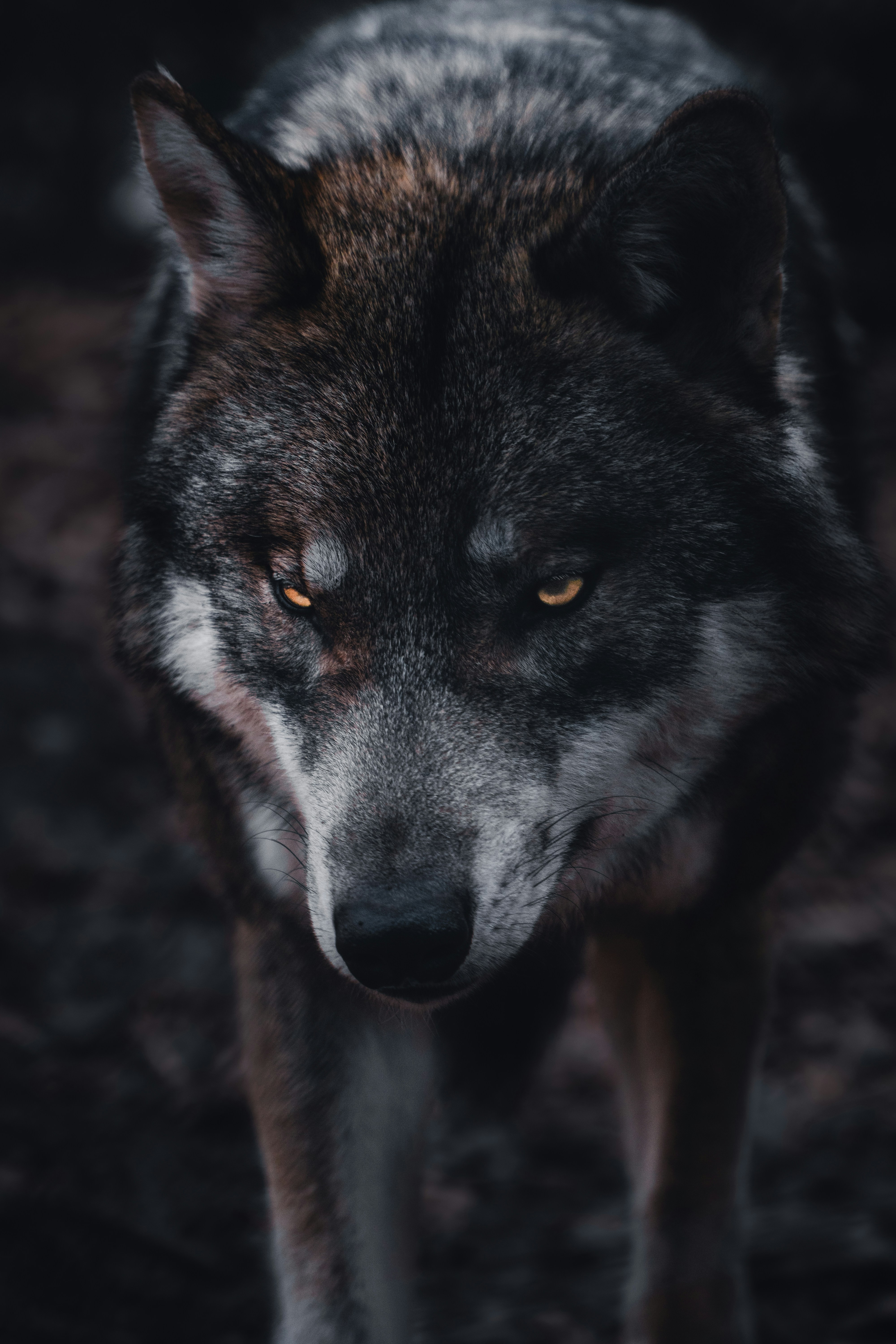
Eventually, the wolves were driven back. Hundreds were shot, trapped, or poisoned.
As spring came, the snow thawed, and the bodies were buried. The carrion vanished. The front stabilised.
The wolves retreated into the forests. And the armies resumed killing each other. The moment passed, almost forgotten.
But for a brief winter, the war remembered something it had tried to deny: It was not the only deadly force shaping that front.
Closing Reflection
The wolves of World War I were not supernatural. They were not sent by fate or divine punishment. They were simply animals responding to human catastrophe.
And in doing so, they exposed a truth that sits beneath every maneater story: When the structures of civilisation collapse, the food chain rearranges itself.
And humans are not always at the top.
 The blog of author Luke Phillips