Man-eater Monday: The Beast at the School Gate

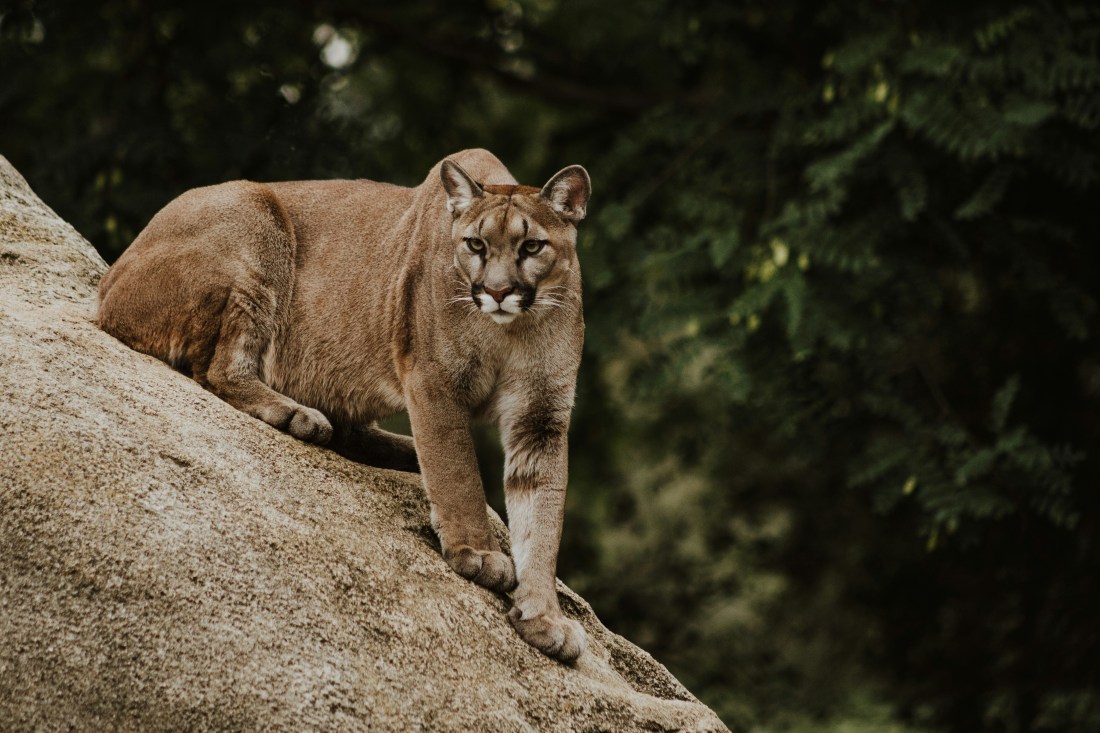
On January 14th, 1991, near a High School in Boulder, Colorado, Scott Lancaster went for a run and didn’t come back. He was 18. It was the first recorded fatal mountain lion attack on an adult in the United States in over a century, and the first ever recorded fatality in Colorado. Yet, everything that preceded it meant it should never have been a surprise.
A Town That Loved Its Lions

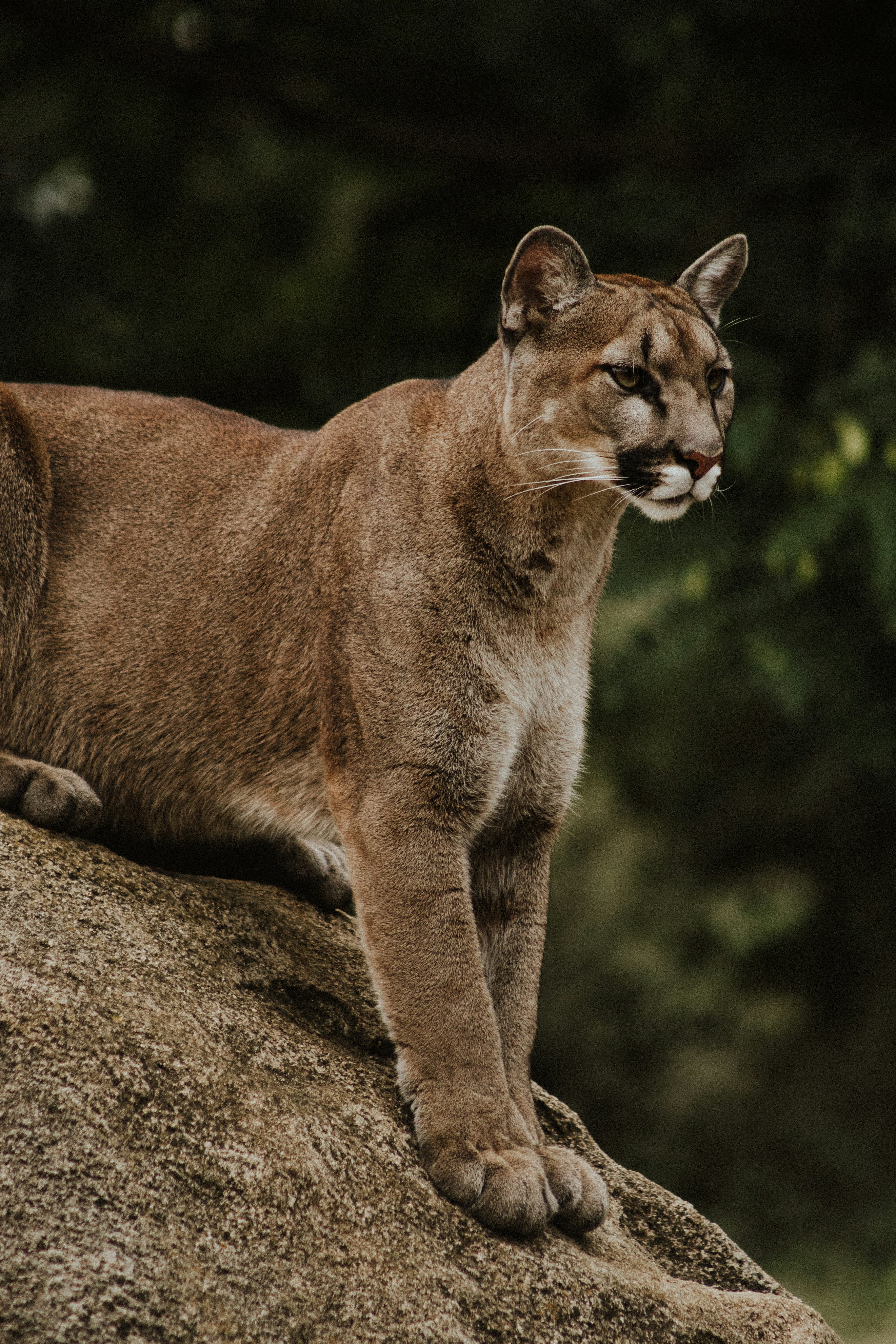
Boulder, Colorado, sits at the foot of the Rocky Mountains. It has earned a reputation as a liberal, outdoorsy, environmentally conscious city that had, by the late 1980s, cultivated a particular relationship with the wilderness on its doorstep. Nature was not something to be feared or managed. It was something to be celebrated, protected, and welcomed. Its herd of deer were prolific and welcomed by many, even when they strayed into gardens.

When mountain lions began reappearing in the foothills and open spaces around the city, rebounding after decades of persecution and bounty hunting, many residents greeted the news with similar delight. These were apex predators, returned to their ancestral range. It was, surely, a conservation success story. Perhaps at the time, the link to the significant and incredibly tame deer on their doorstep, had not been made.

What it was, in reality, was a slow-motion disaster that David Baron would later document with forensic clarity in his book The Beast in the Garden — a narrative that traces the paved-with-good-intentions road from Boulder’s love affair with its lions to the death of a teenage boy behind his high school.

Less than Subtle Warning Signs

The escalation began quietly. On February 8th, 1989, a mountain lion snatched a cock-a-poo named Fifi from the porch of the McCain family home. Bernice McCain hit the lion with a broom, twice, but it didn’t flinch. It backed up, took the dog over the fence, and was gone.

Wildlife specialist Michael Sanders considered this among the first true escalations in lion behaviour in the area. The lion had not fled from a human. It had simply ignored her.

That same year, Rob Altschuler, a member of the Boulder Emergency Squad, was monitoring an area in the aftermath of a wildfire, when a mountain lion approached him with unsettling confidence. He retreated to his Chevy Blazer — a vehicle with orange flashing lights running, the kind of presence that should, in theory, have sent any wild animal in the opposite direction. The lion was unmoved.

The dogs kept dying. On November 30th, 1989, a Highland Terrier was attacked despite sharing a pen with a much larger Great Dane. The lion had already visited the pen earlier and left a small wound on the terrier, one the owners had assumed was caused by the other dog. It came back to finish the job. The Great Dane was not a deterrent. Nine days later, an 85-pound Doberman was mauled so severely that the veterinarian who treated it described the dog as a pin cushion, owing to the number of puncture wounds. A German Shepherd followed. A black lab. Then others.

By February 1990, there had been enough incidents that the Division of Wildlife sponsored a public meeting in Coal Creek Canyon. The intention was practical: advise residents on how to safeguard their pets and property. What happened instead was a glimpse into the fatal blind spot at the heart of Boulder’s relationship with its lions.

Those who had lost animals found themselves on the receiving end of hostility from their neighbours. The message from a vocal portion of the room was clear: people needed to adapt to the presence of mountain lions, not the other way around. There was a strong anti-kill sentiment, as one might expect. But beneath it lay something more troubling — a failure to reckon with what these animals actually were. Not symbols. Not neighbours. Apex predators that were running out of reasons to be afraid of people.

Be Careful What You Wish For

Lynda Walters expressed frustration and jealousy when her father, Bill, spotted a mountain lion, from his car. “I wish I could see one”, she had said,

She got her wish on June 2nd, 1990. Lynda was a medical student and studying hard. She gave herself one daily reward – a 5pm run. She was jogging through Dry Gulch, near Canyon Drive, when she encountered not one, but two mountain lions.

The first she spotted on a bank, just fifteen feet from her. She raised her arms and yelled, intending to drive the cat away. It didn’t budge. Then she noticed the movement in her peripheral vision. A second cat was moving in behind her.

She threw rocks. She stood her ground. Eventually, the only option left was a tree, and she climbed it.

One of the lions climbed after her and clawed her leg. She stomped on its head.

Lynda eventually broke a branch and fashioned a makeshift spear, using it to keep the cats at bay while, below her, they waited. She was in that tree long enough for the light to die. In the darkening canyon, above two mountain lions that showed no inclination to leave, she listened to the not-distant sounds of civilisation – of cars passing on the road, a dog barking and children playing in a nearby sub-division.

Lynda later said she imagined her own death many times over, expecting at any moment that the animals would come up and take her.

What saved her was a deer. It appeared across the creek, making its way through the brush. The cats caught its scent, abandoned their interest in Walters, and slipped away into the dark to stalk it. She climbed down and ran.

The lions that stalked Lynda Walters were not aberrations. They were the product of years of habituation: a generation of animals that had grown up in and around human settlement, learning that people did not pose a threat. Boulder’s open spaces had become, in effect, a nursery for large predators with no fear of the species they lived alongside.
Scott Lancaster’s Final Run

On January 14th, 1991, Scott Lancaster, 18 years old, went out for a training run around the trail circuit at Clear Creek High School. Scott was a keen athlete and cyclist, training hard. With a free period to burn late in the day, Scott took advantage.

He borrowed the gym kit of his locker share, James Valdez, and the running shoes of another friend, Eric Simonich. He headed out into a beautiful winters’ afternoon. As he began his run, he waved at a teacher before veering off onto the hillside, following a route carved out by him and his ski-team buddies.

His route took him past the windows of a fifth-period English class, and the students inside watched him go by. He put on a show for them, making like he was out of control with wobbly legs and arms. His friends cheered and laughed, anticipating his next run past. They knew he usually ran several laps of around fifteen minutes each.

Scott didn’t come round again.

At some point in the next few minutes, within a few hundred yards of his friends in the classroom, Scott was knocked to the ground and killed. It was a cold, calculated, brutal, and efficient attack. It is thought the loss of blood from the wounds made it relatively quick and painless.

When Scott failed to return, initial suspicion, albeit briefly, fell on the idea that he might have simply left. Absconded. But Scott’s family knew better. He would never leave his beloved custom bicycle behind. His friend James Valdez opened their shared locker and found his own gym clothes gone and Scott’s street clothes still inside. He had gone out, and he had not come back.

Sheriff’s deputies searched. Volunteers combed the area. Dogs scoured the hillside. For nearly two days, there was no trace of him. It was Steve Shelafo, a 28-year-old emergency medical technician, who found him.

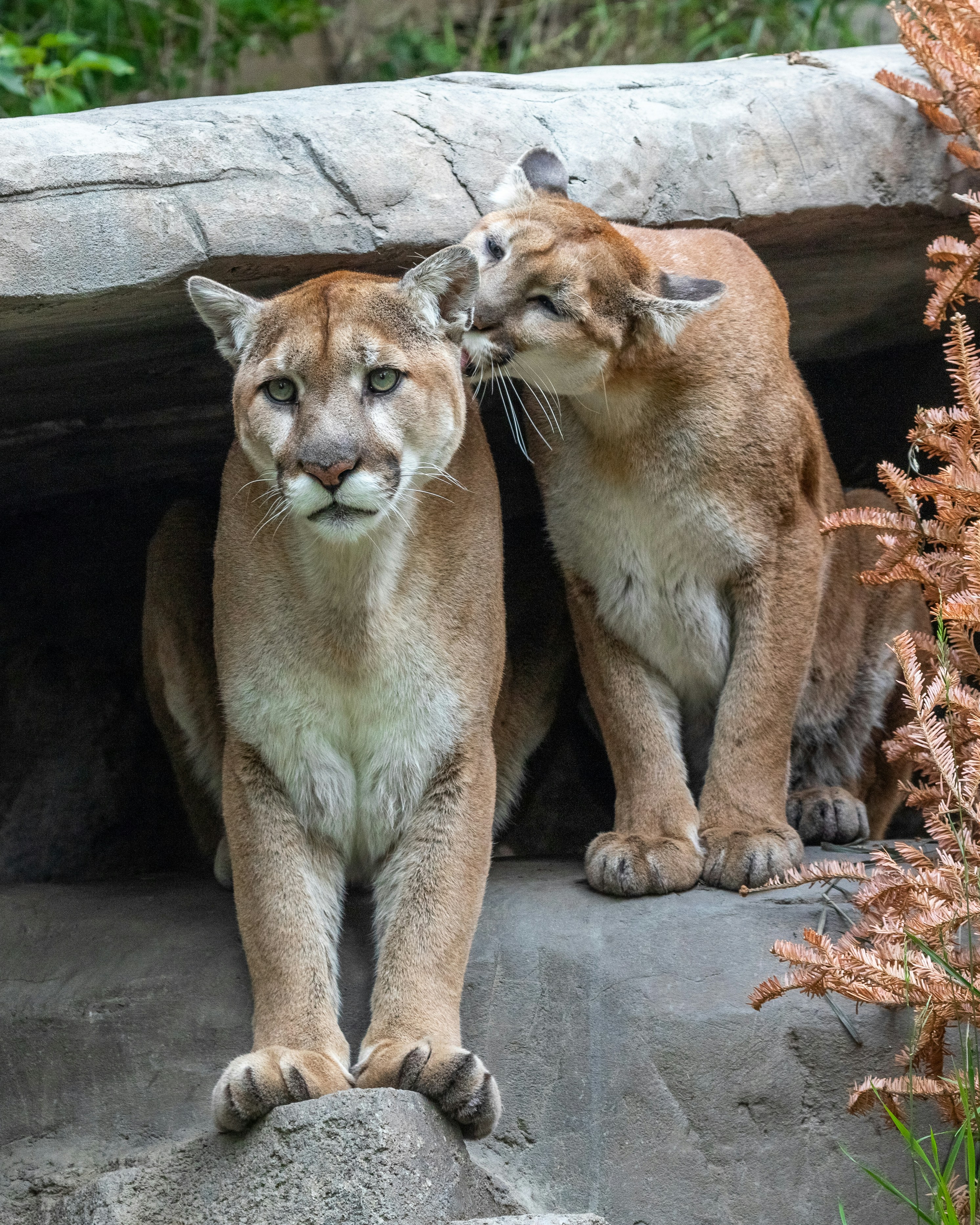
The mountain lion was still there, guarding the body, when Shelafo arrived. It was shot dead at the scene after a short and hectic chase. The animal was a young, adult male, approximately 100 pounds. An autopsy revealed fragments of human heart in its stomach.

Scott Lancaster was the first adult killed by a mountain lion in the United States in over a century. He was not though, as Baron’s account makes searingly clear, an unforeseeable victim of a random wild encounter. He was the end point of a trajectory that had been visible for years, to anyone willing to see it.

The Myth of Wilderness
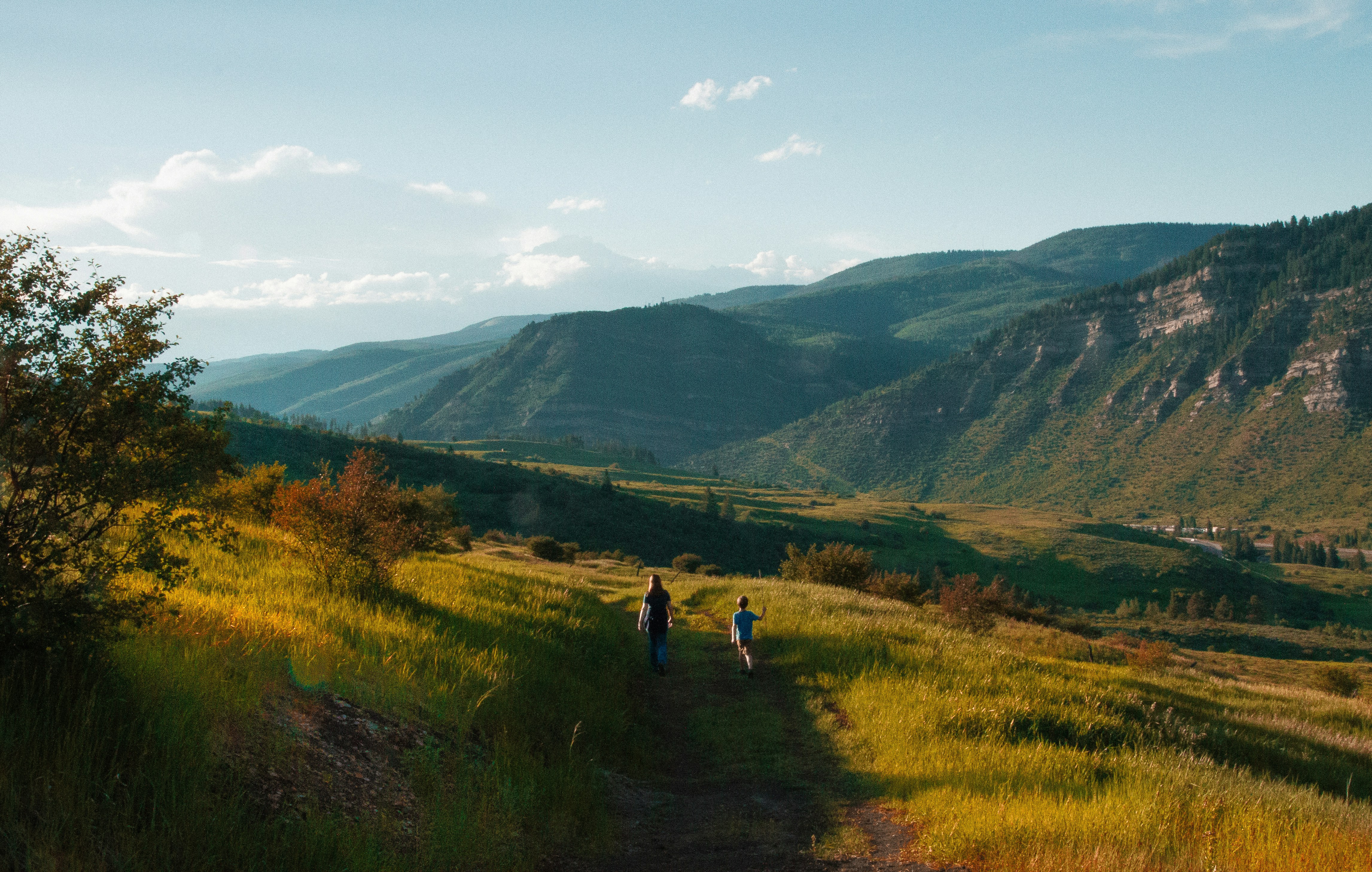
Baron closes his account with an argument that has only grown more relevant in the decades since: that what killed Scott Lancaster was not simply a lion, but a myth: the idea that wilderness is a pristine, self-regulating thing that humans can live alongside without active management, without accepting the responsibilities that come with sharing space with large predators.

Boulder had created something that looked like a wild landscape but functioned like nothing that had existed before: a place where apex predators learned that humans were harmless, where the social structures that once governed the boundary between human settlement and wild land had quietly dissolved, and where the consequences of that dissolution were still, somehow, a shock when they arrived.

The lion that killed Scott Lancaster had likely never learned to fear people. Why would it? Nobody had ever given it a reason to.

In the 35 years since, there have been eleven more recorded fatal attacks. The lesson Boulder failed to learn in 1991, that coexistence with apex predators requires honesty about what they are, has not notably improved with time. We are still, by and large, a culture more comfortable with the idea of wilderness than with its reality.
Man-Eater Monday: The Sankebetsu Brown Bear Incident

In the winter of 1915, the settlement of Sankebetsu, in northern Japan, was already under strain.

Snow lay deep across Hokkaido. Food stores were thin. Travel was difficult, sometimes impossible. For the people living at the margins of cultivated land, winter was not simply a season — it was a test of endurance.

What went largely unconsidered was that the same conditions applied to everything beyond the settlement’s boundaries.

The forests were locked in ice. Natural forage was scarce. Prey animals were weakened, dispersed, or absent altogether. The winter that pressed hardest on human communities was doing the same to the wildlife around them. But at the time, this was not a connection people were trained to make.

Ecology, as a way of thinking, had not yet entered the conversation. Hardship was viewed as a human problem, unfolding against a largely static natural backdrop. The idea that animals might also be responding — adapting, learning, and changing behaviour under pressure, was rarely entertained.

It was in this context that the Sankebetsu incident began.

A first encounter and a dangerous assumption

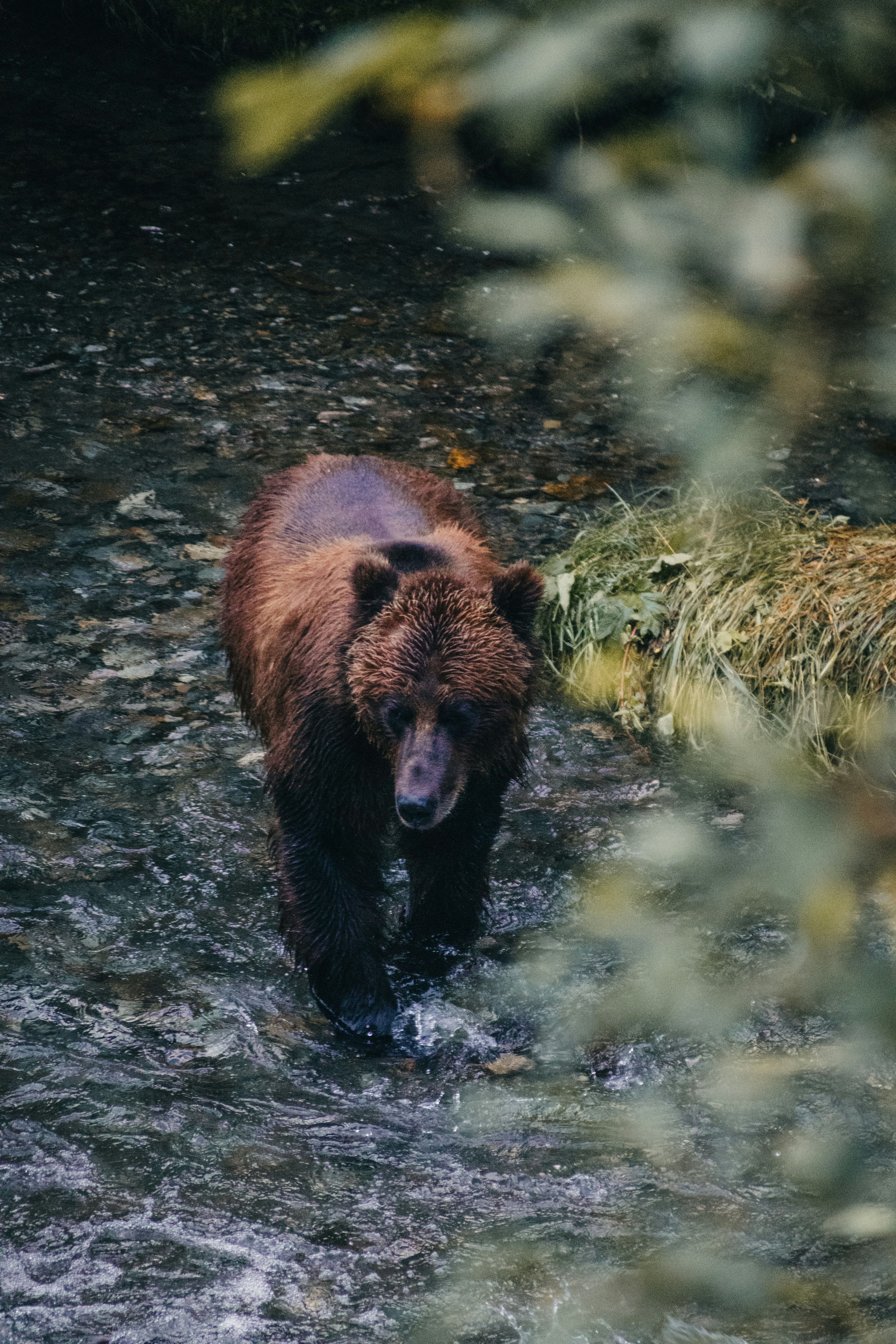
The bear’s first appearance was not dramatic in scale, but it was decisive in consequence. In December 1915, a large brown bear entered the settlement and attacked a woman working near her home. The encounter was sudden and close-quarters. She was killed before any effective intervention could be made.

The bear did not linger. After the attack, it retreated back into the surrounding forest.

That withdrawal shaped how the incident was understood.

Within the settlement, the prevailing belief was that the animal had been startled — that the violence was reactive, not intentional, and that the danger had passed with the bear’s departure. The incident was treated as an isolated tragedy rather than the opening stage of a larger threat.

No co-ordinated hunt followed. No sustained effort was made to track the animal’s movements or assess whether it might return.

This response was not careless so much as culturally conditioned. At the time, apex predators were often viewed as opportunistic but fundamentally avoidant of humans. An animal that fled was assumed to have learned fear.

But this assumption rested on a misunderstanding of how predators learn.

An animal that kills and escapes unharmed has not seen that behaviour punished. It has been reinforced. The boundary between human and prey does not harden, it weakens.

In retrospect, the bear’s retreat was not a conclusion. It was a pause.

Escalation isn’t chaos, it’s pattern

When the bear returned, it did not behave erratically.

It came back into the settlement repeatedly, moving with increasing confidence through spaces that had already been shaped by human presence. Homes were entered. People were taken from places that should have been safe.

One of the most disturbing moments came shortly after the initial attack, when the bear returned during a funeral held for the first victim. Drawn by human activity and the presence of food, it entered the area and killed mourners gathered there.

The violence was no longer confined to a single encounter. Over the course of one night, multiple people were killed in separate attacks. By the time the bear was finally stopped, five lives had been lost, several of them within hours of one another.

What is striking, in retrospect, is not the scale of the violence, but its consistency.

The bear did not flee after these encounters. It did not act randomly. It returned to the same settlement, exploited moments of vulnerability, and withdrew only when challenged. Each successful attack reinforced the same lesson: humans were accessible, and resistance was minimal.

This is the point at which many retellings introduce the language of madness or bloodlust. But escalation, in cases like this, is rarely chaotic. It is patterned.

Under conditions of prolonged scarcity, the bear’s behaviour reflected learning rather than frenzy. What appeared to the community as senseless violence followed a grim internal logic shaped by hunger, opportunity, and success.

Human hesitation, and a belated resolution

As fear spread through the settlement, so did uncertainty.

There was disagreement over whether the same bear was responsible for each attack. Some believed the animal would eventually move on. Others feared that a co-ordinated response might provoke further violence. Time was lost to debate, hesitation, and the difficulty of acting decisively in extreme winter conditions.

When a concerted effort was finally made to track the bear, it revealed just how unprepared the community was for such a task. Weather obscured trails. Knowledge of bear behaviour was inconsistent, drawn from folklore, fragments of experience, and assumption rather than strategy.

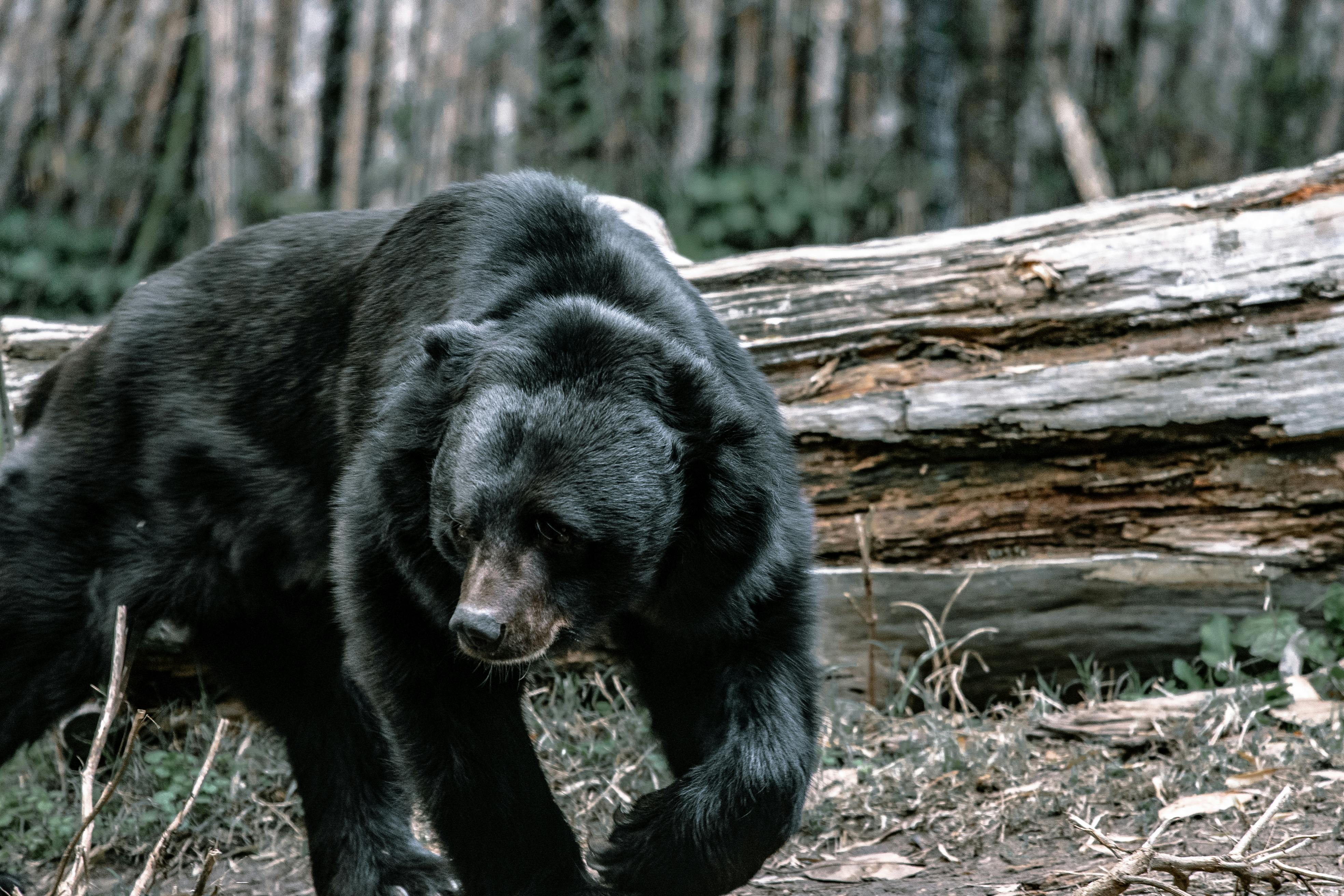
Eventually, a group of hunters succeeded in locating and killing the animal. The bear was identified as a large male brown bear, in poor physical condition. Its body showed signs consistent with prolonged scarcity. With its death, the attacks stopped.

The immediate danger to Sankebetsu was over.

But the resolution came only after multiple lives had been lost, and only once the cost of inaction had become undeniable. The bear’s death did not mark the defeat of a monster, but the delayed recognition of a threat that had been misunderstood from the outset.

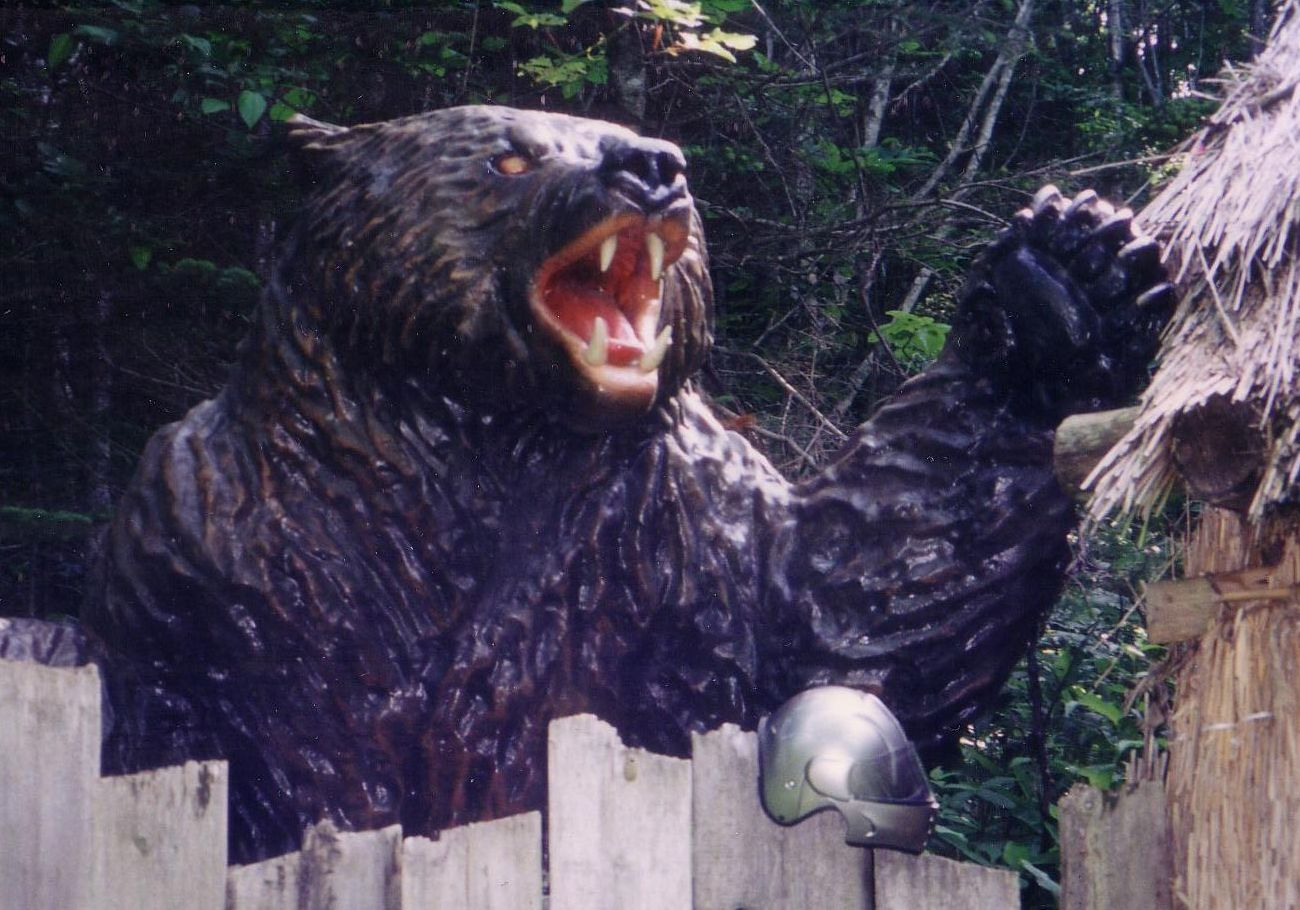
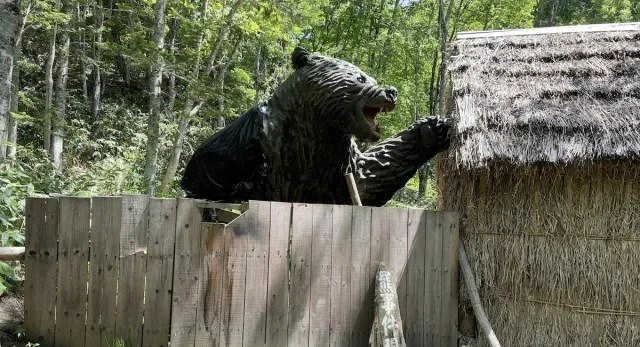
The Sankebetsu statue and tourist site.

Then, and now

More than a century after the Sankebetsu incident, it is tempting to look for repetition — to imagine the same landscape quietly replaying its past.

That is not what the evidence suggests.

Brown bears still inhabit Hokkaido today. The species persists across much of the island’s forests and mountain ranges, and in some areas populations are thought to be stable or recovering after decades of decline. The region where Sankebetsu once stood is no longer a permanent settlement, and there is no indication that it has become a modern centre for serious bear attacks.

History, in this sense, is not repeating itself geographically.

What has changed is the broader context in which people and bears now coexist.

In 2025, Japan recorded 13 human fatalities and more than 100 injuries resulting from bear encounters, involving both Asiatic brown bears and Asiatic black bears. These incidents were spread across multiple prefectures and environments — from rural settlements to the edges of towns — rather than concentrated in any single location.

The pressures behind them are familiar: reduced natural food availability, changing land use, and expanding human presence in areas once less frequently occupied. Bears range more widely when resources are scarce, and humans now occupy landscapes that were once seasonal or marginal.

The relevance of Sankebetsu, then, is not that it is happening again in the same place. It is that the same ecological forces – scarcity, overlap, and hesitation, all continue to shape encounters between people and large predators, wherever clear boundaries erode.

The quieter truth of man-eater stories

The Sankebetsu bear was not a creature of myth, nor a symbol of evil. It was an animal responding to scarcity, learning from success, and moving through a landscape that no longer offered clear separation between forest and home.

Man-eater stories endure not because they reveal something monstrous about animals, but because they expose a recurring human blind spot: the tendency to see nature as static, until it reacts.

When prey disappears, boundaries blur. When boundaries blur, conflict follows.

The question is not whether such stories will happen again, but whether we recognise the conditions early enough to change the outcome.

Maneater Monday: The Wolves of World War I — When Nature Stopped the War

In the winter of 1916, on the frozen Eastern Front, German and Russian soldiers discovered that the greatest danger they faced was no longer each other.

The Howling in No Man’s Land

The snow fell thick and soundless over the forests of Eastern Europe.
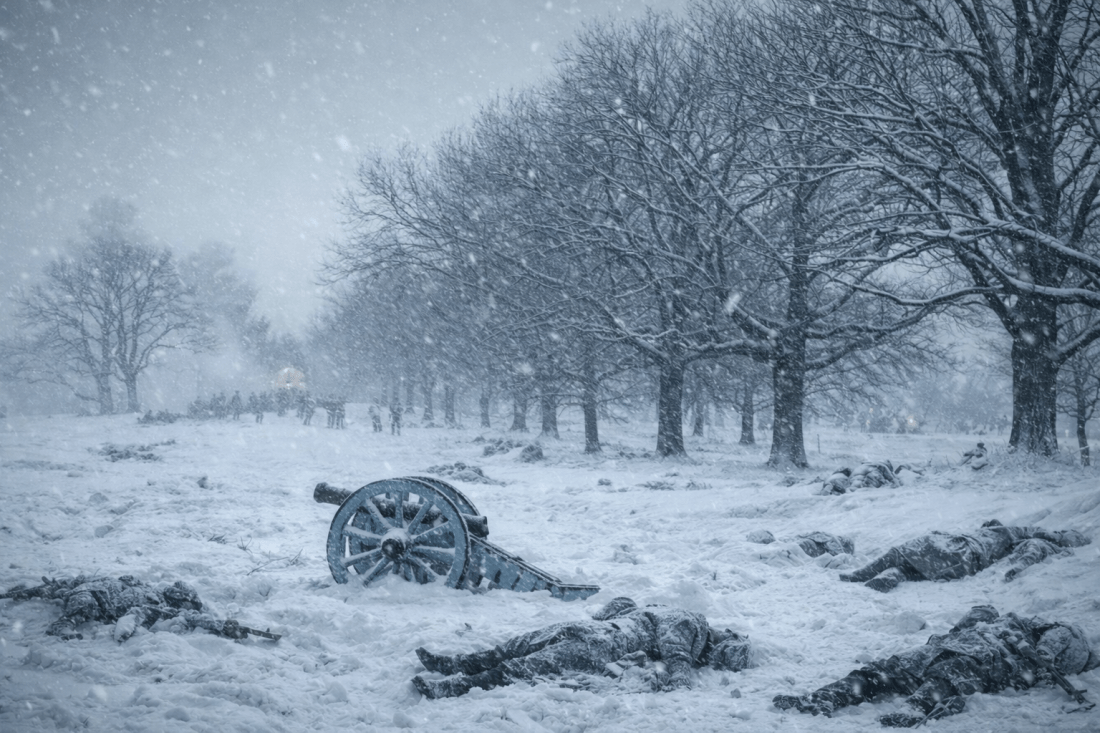
It swallowed roads, softened the edges of trenches, and buried the dead where they lay.

Along the front lines separating German and Russian forces, sentries stood in rigid silence, rifles stiff with ice, breath frosting the air in pale clouds. The wind carried the smell of rot from the fields beyond the wire — thousands of bodies left unburied after weeks of fighting, locked in the ground by frost.

And then, at night, came the howling.

At first it was distant. Mournful. Easy to dismiss as imagination or exhaustion.
But as the weeks passed, it grew closer.

Men began to vanish from the edges of camps. Lone runners failed to return. Wounded soldiers, dragged away from shell holes and shallow graves, left only streaks of dark red in the snow.

The Eastern Front had acquired a new predator.

A Perfect Storm for Wolves

The First World War created conditions unlike anything Europe had seen.

The Eastern Front, stretching across Poland, Belarus, and the Baltic regions, became a landscape of mass death and logistical collapse. Entire villages were abandoned. Supply lines broke down. Corpses lay uncollected for weeks or months at a time.

For wolves, already struggling under centuries of persecution and habitat loss, this was catastrophe and opportunity combined.

Winter drove them out of the deep forests. Starvation pushed them closer to human settlements. And war provided something unprecedented: endless carrion.

Thousands of human bodies lay exposed in fields and forests, frozen solid in the snow. For scavengers, it was a banquet that never ended.

At first, the wolves fed on the dead.

Then they began testing the living.

When the Dead Were No Longer Enough

Contemporary reports and later memoirs describe a shift in behaviour as the winter deepened.

Wolves began approaching camps at night, circling trenches, and following patrols at a distance.

Isolated soldiers were attacked while collecting firewood or running messages between positions. Sentries disappeared from their posts. Wounded men, unable to move, were taken from the margins of the battlefield.

The attacks were not frenzied. They were methodical.

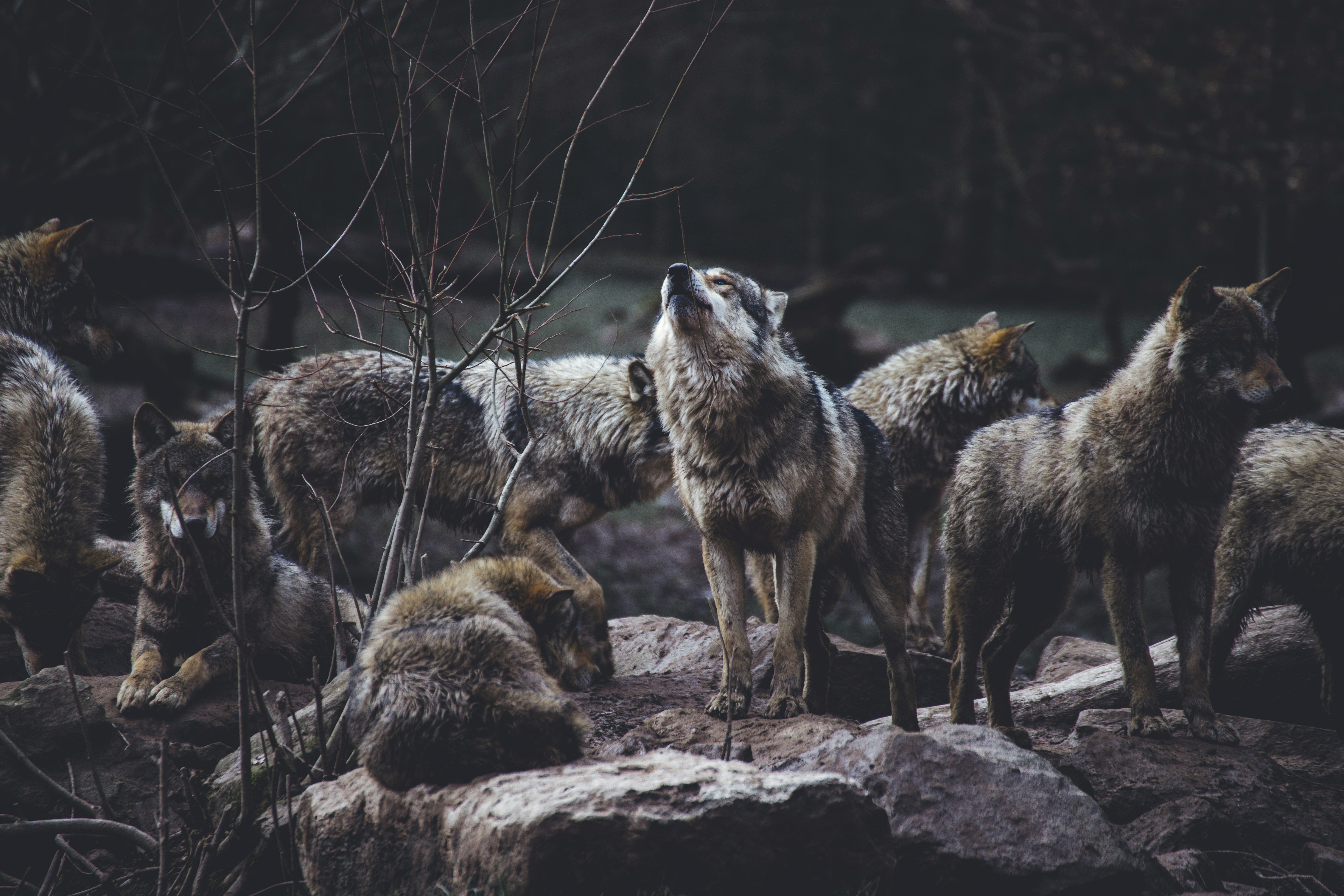
These were not mythical monsters or supernatural beasts. They were animals responding to an extreme ecological shock, losing their fear as hunger and opportunity rewired their instincts.

For soldiers already broken by cold, starvation, and artillery, the effect was devastating. The war had stripped them of shelter, warmth, and food. Now it was stripping them of the illusion that humans were still in control.

The Truth of the “Wolf Truce”

As the attacks increased, something extraordinary happened.

According to multiple historical accounts, both German and Russian units found themselves under such sustained pressure from wolves that hostilities between the two sides were temporarily suspended.

Joint patrols were formed. Coordinated hunts were organised. Weapons that had been aimed at enemy soldiers were turned outward, into the forests.

For a brief moment, the front line dissolved. The enemy was no longer the man in the opposite trench. It was the unseen presence moving through the trees.

The episode became known later, and somewhat romantically, as the “wolf truce.”

https://historica.fandom.com/wiki/Wolf_truce

https://www.military.com/military-life/soldiers-world-war-eastern-front-fought-common-enemy-wolves.html

https://historyandthings.com/2021/09/28/the-wolf-truce-1917/?utm_source=chatgpt.com

Fact, Folklore, and Embellishment

As with many stories that sit at the boundary of history and horror, the details are tangled.

There is credible evidence that wolf attacks did occur on the Eastern Front during the winters of 1916–1917. Military records and memoirs reference problems with wolves and describe organised culls.

There is also evidence of temporary cooperation between opposing forces to deal with shared threats. Not just wolves, but disease, flooding, and other environmental hazards.

But the scale of the attacks has almost certainly been exaggerated in later retellings. The idea of thousands of wolves overwhelming entire regiments is almost certainly folklore.

What remains clear is this:

The wolves were real. The attacks were real. And for a brief winter, nature forced a pause in a human war.

Why This Story Endures

The wolves of World War I were not evil. They were not monsters. They were opportunists in a broken ecosystem.

War dismantled the structures that kept humans safe; shelter, food, burial, borders, order. In that vacuum, predators did what predators have always done. They filled the gap.

What terrified soldiers was not just the physical danger. It was what the wolves represented. They were proof that civilisation had collapsed far enough for humans to become prey again.

Fear is rarely about death alone. It is about the loss of control.

When Humans Stop Being the Apex Predator

The label “maneater” has always said more about us than about the animal.

Wolves have hunted people before. So have tigers, lions, leopards, bears, and sharks.

But they only become legends when they cross an invisible line, when they stop behaving like background wildlife and start behaving like participants in human history.

On the Eastern Front, the wolves did exactly that. They stepped into a war zone and claimed their share of it.

After the Snow Melted

Eventually, the wolves were driven back. Hundreds were shot, trapped, or poisoned.

As spring came, the snow thawed, and the bodies were buried. The carrion vanished. The front stabilised.

The wolves retreated into the forests. And the armies resumed killing each other. The moment passed, almost forgotten.

But for a brief winter, the war remembered something it had tried to deny: It was not the only deadly force shaping that front.

Closing Reflection

The wolves of World War I were not supernatural. They were not sent by fate or divine punishment. They were simply animals responding to human catastrophe.

And in doing so, they exposed a truth that sits beneath every maneater story: When the structures of civilisation collapse, the food chain rearranges itself.

And humans are not always at the top.

The Lions of Njombe: Africa’s Deadliest Man-Eaters

Fear stalked the land, searching out its prey with a single working eye. A scarred beast that prowled the maize fields of southern Tanzania, its remaining eye glowing in the firelight like an ember from the underworld. Wherever it appeared, someone vanished.

By the time the terror ended in the mid-1940s, villagers whispered that as many as 1,500 people had been taken. Some dismissed the figure as impossible; others swore it was true, pointing to empty huts, abandoned farms, and the silence that hung over Njombe for more than a decade.

This is the story of the Njombe man-eaters: a pride of lions whose reign of fear has no equal in recorded history.

A land in crisis

The Njombe District in the 1930s was an isolated plateau of rolling grasslands and scattered farms in what was then Tanganyika. For centuries, lions and people had co-existed uneasily there: lions taking cattle now and then, villagers spearing lions in retaliation. But the balance was about to tip.

At the turn of the 20th century, rinderpest, a cattle plague introduced by imported livestock, tore through East Africa. It killed not only cows but also wild ungulates including buffalo, wildebeest, eland, and kudu. In short, the very animals lions depended on. At the same time, colonial authorities, desperate to protect settler farms and commercial livestock, sanctioned widespread shooting of wildlife herds.

By the early 1930s, the great prey herds had vanished from much of Njombe. For a pride of lions, starvation loomed.

And then the killings began.

The first attacks

Accounts vary on who the first victims were. Some say it was a group of women cutting grass at the edge of the bush. Others tell of a child herding goats. What is certain is that the attacks were relentless.

Unlike the famous Tsavo man-eaters of 1898, which were just two lions, the Njombe killers operated as a full pride, one perhaps 15 strong. They hunted both day and night, stalking footpaths, raiding fields, and dragging victims from huts in the dark. Witnesses described their tactics as disturbingly coordinated: one lion would chase a fleeing villager toward others lying in ambush, while still more lions waited to carry the body off into the bush.

The result was psychological as well as physical devastation. Farmers abandoned their crops. Markets emptied. Whole families refused to travel. A rural economy, already fragile, teetered on collapse.

Folklore takes hold

As the death toll mounted, explanations turned supernatural.

Villagers spoke of Matamula Mangera, a witch doctor said to have cursed the land, sending spirit lions to punish those who had wronged him. Some claimed they saw lions melt into the shape of men; others swore that no ordinary rifle could kill the beasts.

Central to the lore was the pride’s supposed leader: a huge, one-eyed male called Kipanga. Was he real? Many hunters, including those who later fought the lions, believed so. Others argue Kipanga was more myth than flesh. Either way, the stories gave form to a terror that felt inhuman.

Even colonial officers recorded the atmosphere of dread. In their reports, villagers were described as “so paralysed by fear that they would not leave their huts even to tend their cattle.”

The scale of the slaughter

Could the lions truly have killed 1,500 people?

The figure comes up repeatedly, cited by hunters, missionaries, and later by storytellers such as Peter Hathaway Capstick. But hard evidence is scarce. Colonial records were patchy, and many deaths occurred deep in the bush, where no official ever ventured.

Sceptical historians suggest the real toll may have been in the hundreds, easily still enough to mark Njombe as the worst man-eater outbreak on record. But even if exaggerated, the number reflects the lived truth of the time: that whole communities were emptied, and that people felt they were at war with an enemy that could not be seen until it was too late.

Enter George Rushby

In 1947, after years of unchecked slaughter, the colonial government sent in a man who had made a career of battling Africa’s deadliest creatures: George Gilman Rushby.

Rushby was a former ivory hunter turned game ranger, a wiry, hard-driving man used to solitude and risk. He was already known for his encounters with elephants, leopards, and rogue buffalo. But the lions of Njombe would be his greatest test.

When Rushby arrived, he found villages half-deserted, fields lying fallow, and families so terrified they refused to leave their huts even by day. “The district had come to a standstill,” he later wrote. “The people were simply too frightened to live.”

The hunt

Rushby knew killing one or two lions would not be enough. The whole pride had to be vanquished. He organised local scouts, set baited traps, and began a grim campaign through thorn thickets and tangled river valleys.

The lions proved cunning. They avoided obvious bait, circled ambush sites, and sometimes attacked in the middle of Rushby’s own camp. Several times he narrowly escaped, his rifle raised only moments before a lion charged.

But slowly, methodically, the pride was whittled down. Rushby shot some himself, his trackers accounted for others, and poisoned bait claimed a few more. The turning point, Rushby believed, came when he killed the one-eyed male said to be Kipanga. Without their leader, the pride’s coordination faltered.

By the end of his campaign, Rushby claimed to have destroyed the entire man-eating pride. And just as suddenly as they had begun, the killings stopped.

Myth, memory, and reality

The story of Njombe sits at the uneasy intersection of fact and folklore.

  • Fact: A pride of lions really did terrorise the region, killing an unknown but horrifying number of people.
  • Folklore: A one-eyed demon lion, spirit beasts conjured by witchcraft, an exact death toll of 1,500.
  • Reality: Ecological collapse drove predators into desperate behaviour, and human fear magnified their legend until they became almost supernatural.

In this way, the Njombe lions became more than animals. They became symbols of a world out of balance.

Echoes today

Such mass outbreaks of man-eating lions are virtually unheard of now. Conservation measures, better livestock protection, and changing landscapes mean lions rarely, if ever, target humans in large numbers. But the underlying lesson remains: when ecosystems are broken, predators adapt in ways dangerous to us.

Human-wildlife conflict still exists across Africa, from elephants raiding crops to leopards taking goats. The Njombe lions are simply the most extreme and unforgettable example of what can happen when that balance tips too far.

A legacy of fear and fascination

Today, the hills of Njombe are quiet. Farmers tend their maize, children herd goats, and lions are seldom seen. But the memory lingers. Around campfires, elders still tell of the years when lions ruled the night, when entire villages hid indoors, and when the roar of a one-eyed beast froze the blood in men’s veins.

Were they spirit lions? A cursed pride? Or simply predators pushed beyond the edge of hunger? Perhaps all of these at once.

What is certain is that for more than a decade, fear itself had teeth and claws in Njombe. And its story remains one of the most chilling chapters in the long, tangled history between people and lions.

If you’d like to read a fictional story which shares the same elements, then check out The Daughters of the Darkness on Amazon, Kindle, and Audible.

https://www.amazon.com/The-Daughters-of-the-Darkness/dp/B081DNT6N3

The Champawat Tigress: Jim Corbett’s First Real Hunt for a Man-Eater

In the early 20th century, deep in the rugged terrain of the Kumaon region in northern India, a man-eating tigress was terrorising local communities. By the time she was finally brought down in 1907, she had claimed an estimated 436 human lives — a staggering toll that remains the highest attributed to a single big cat. Her name would become infamous: the Champawat Tigress.

Her story, however, is also inextricably linked to one of conservation’s most complex and legendary figures: Jim Corbett. While today he is remembered as a pioneer of wildlife protection — and the namesake of India’s first national park, Corbett began his journey into the wild not as a saviour, but as a hunter. The Champawat tigress was his first true pursuit of a confirmed man-eater. And it was a pursuit that would change the course of his life.

A Killing Machine Created by Human Wounds

We now know the Champawat tigress turned to humans after sustaining severe injuries likely inflicted by poachers or after a confrontation with hunters. Broken canines and damage to her jaw made her unable to bring down natural prey. In desperation, she turned to easier quarry: people.

Her killing spree spanned the border of Nepal and India. After the Nepalese army failed to stop her, she crossed into British India’s Kumaon region. Panic and grief followed in her wake. Villages emptied. Daily life ceased. Entire communities were paralysed by fear.

Enter Jim Corbett

In 1907, Jim Corbett, then a railway man and experienced shikari (hunter), was called upon to stop her. He was young, only in his early 30s, and this marked his first major hunt for a man-eating big cat, a fact made clear in both Corbett’s own writing and subsequent historical biographies. After several failed attempts and tense tracking, he eventually shot the tigress near the village of Champawat. The hunt earned him widespread recognition, but more importantly, it ignited a lifelong mission to understand why big cats turn man-eater, and how to prevent it. He later even became a keen early, wildlife photographer and observer.

Corbett’s later life saw a complete transformation. He would become one of India’s earliest and most passionate voices for tiger conservation, often risking his reputation to defend the species he had once been called to destroy.

The Book: No Beast So Fierce

For those intrigued by the history behind the hunt, Dane Huckelbridge’s No Beast So Fierce (2019) offers a gripping, well-researched account of the Champawat tigress and Corbett’s involvement. It not only explores the hunt itself but also examines the colonial, ecological, and human factors that gave rise to such a tragic chapter. Huckelbridge places the tigress’s killings in the wider context of deforestation, conflict, and human encroachment — themes that still resonate today, when tiger populations have been decimated by a shocking 96% since Corbett’s time.

Setting the Record Straight: A Note on Recent Misinformation

Recently, television host and adventurer Forrest Galante released a YouTube video discussing the Champawat tigress. While his enthusiasm for wildlife storytelling is commendable, the video unfortunately contained some mild inaccuracies. Chief among them was the claim that this was not Jim Corbett’s first hunt for a man-eater.

Corbett himself, in his 1944 book Man-Eaters of Kumaon, makes it clear that the Champawat tigress was his first real confrontation with a man-eating big cat — a life-and-death pursuit that shaped his entire philosophy on wildlife. Galante’s failure to reflect this not only disrespects the historical record but also distorts the narrative of a pivotal moment in conservation history.

As wildlife communicators, we owe it to the truth, and to the animals whose stories we tell to get the facts right. In the name of entertainment and click-bait, this isn’t always the case. We would do well to remember that the Champawat tigress was more than just a man-eater; she was a tragic byproduct of human impact, and her story catalysed the transformation of one of conservation’s most influential figures.

Remembering the Legacy

Today, as tiger numbers teeter and human-wildlife conflict continues, the tale of the Champawat tigress remains deeply relevant. It is a cautionary tale. Not of a monster in the jungle, but of what happens when humans and nature fall fatally out of balance.

Corbett’s journey from hunter to conservationist reminds us that change is possible. And that understanding, compassion, and respect must guide our relationship with the wild.