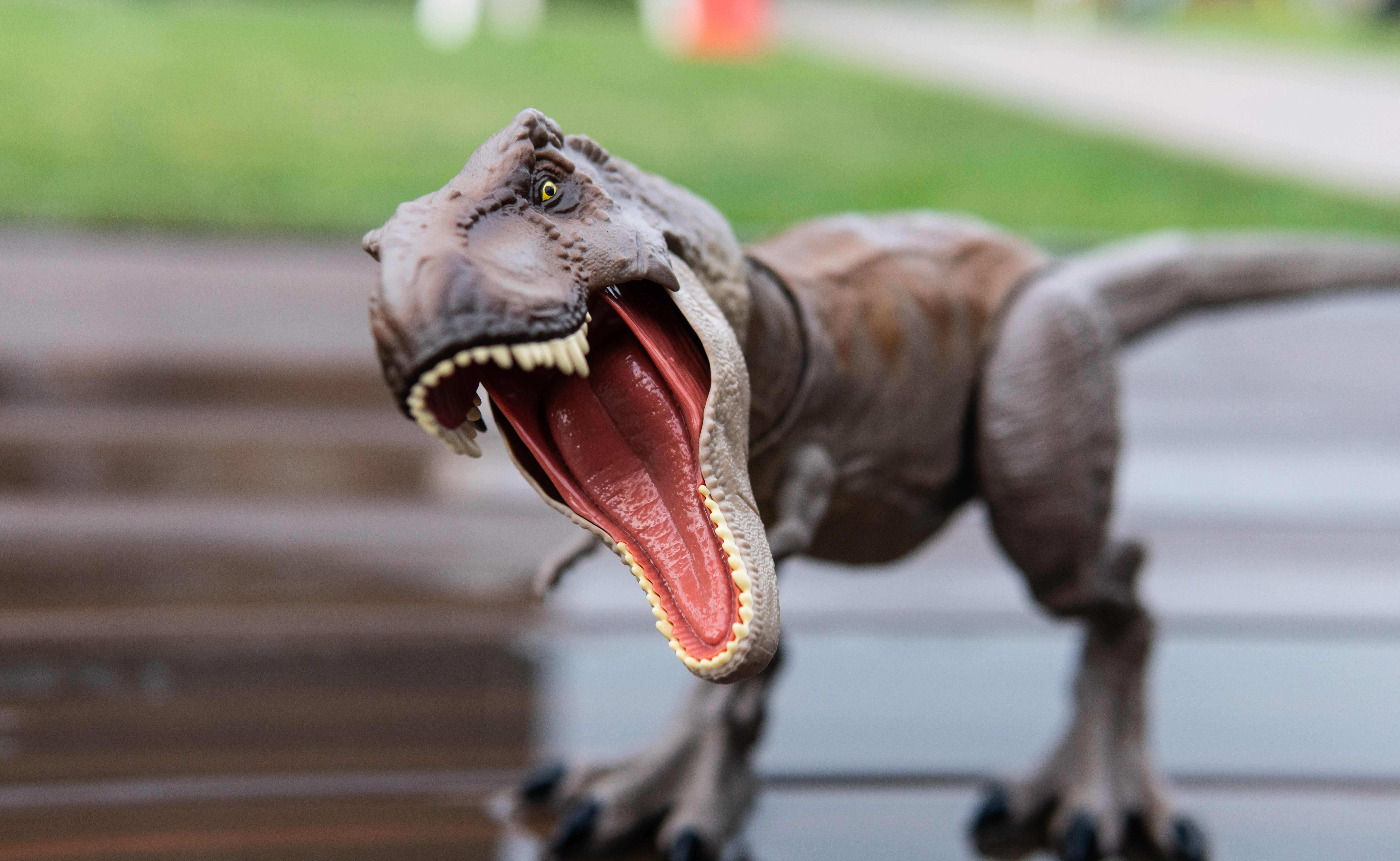
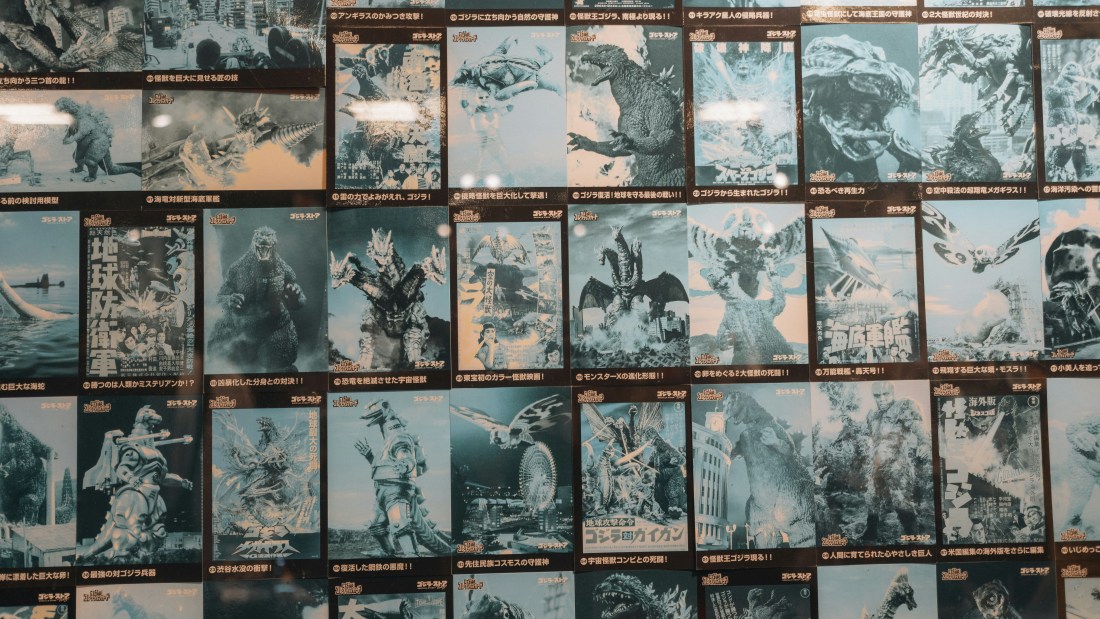
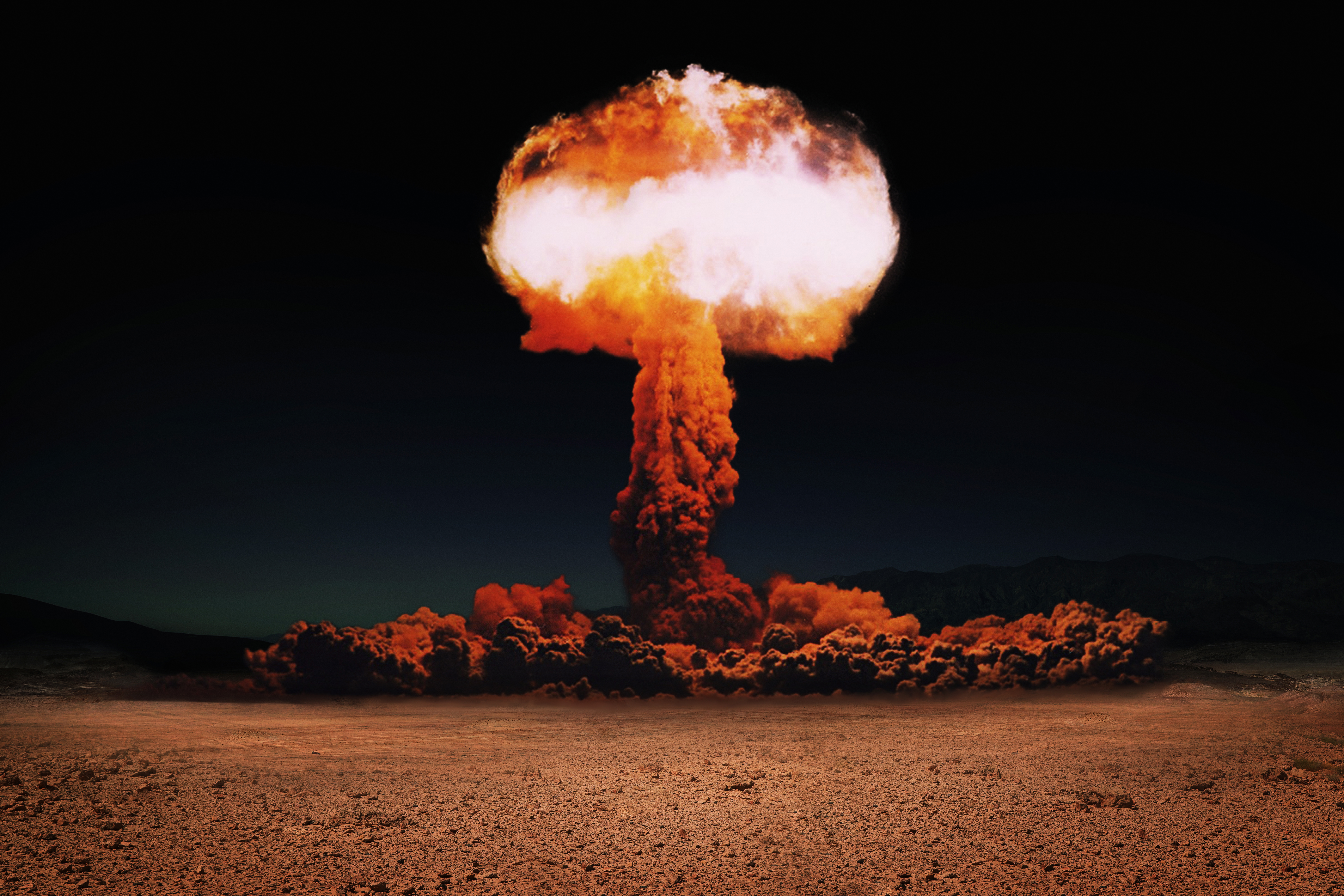
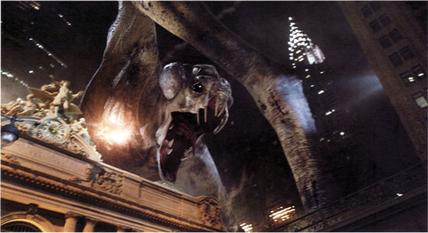
Two weeks ago I sat in the front row of the BFI IMAX and watched a palaeontologist go weak at the knees over a brachiosaur. The film was Jurassic Park, screened for London Climate Week by The Wildlife Trusts, and before the lights dropped, Craig Bennett – Chief Executive of The Wildlife Trusts – made the point that we perhaps could never have imagined at its inception: the film is thirty-three years old, and its science fiction has quietly become science. De-extinction is no longer a plot device. It is a funding round.
I did not expect, a fortnight later, to be writing about the man who played that palaeontologist because he had gone.
Sam Neill died on Monday in Sydney, aged 78. His family called it sudden and unexpected, and were careful to say he remained cancer free — he had beaten the rare blood cancer he was diagnosed with in 2022, and announced as much only that spring. That is the cruelty of it. Many of us had let ourselves believe we would be seeing a great deal more of him.
I’d like to pay my respects the way this blog knows how: by noting that Sam Neill spent an extraordinary amount of his career standing next to monsters, and that almost nobody did it better.
Dr Alan Grant, and the wonder that curdles
Let’s start where most of us did. Every kid who grew up in the eighties had a dinosaur phase; Alan Grant showed up and quietly extended ours by another thirty-odd years. He was Indiana Jones with a rock hammer — a palaeontologist who would rather be knee-deep in a Montana dig than anywhere near people, least of all children. One can sympathise. What Neill understood about the part was that the wonder and the wariness are the same muscle. Watch the sauropod scene: the open-mouthed awe of a man who has spent his life with the dead and is suddenly handed the living. He recaptures this beautifully, despite all the danger via dinosaurs his character has been exposed to by then, when he spots the dreadnoughtus in Jurassic World: Dominion. But also watch how quickly that awe learns to be afraid. By the end he will not endorse the park, and he has become, almost against his will, the fierce protector of two frightened children.
The film’s explicit sermon on hubris belongs to Ian Malcolm — the line about scientists being so preoccupied with whether they could that they never stopped to ask whether they should, which I have leaned on myself when writing about resurrected wolves. But Grant is its conscience in a quieter register: the scientist who looks at the miracle and says, gently, that some things are not ours to command. Neill played that not as a lecture but as a kind of grief.
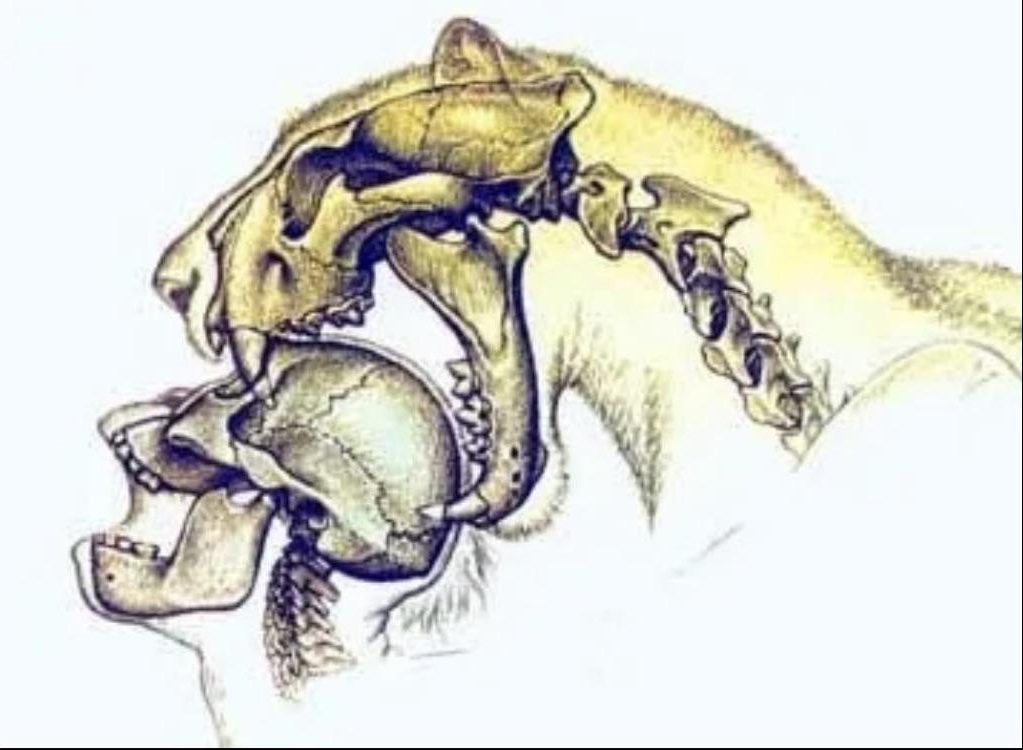
It’s been a while since I drew anything, but this image has been in my head all morning. Farewell Dr. Alan Grant.
When the fiction walked out of the cinema
Which brings us back to that IMAX introduction. In 2025 a Texas company, Colossal Biosciences, announced it had “brought back” the dire wolf — a claim I picked apart at length elsewhere, because what they had actually made was a gene-edited grey wolf in a very good marketing coat. The dodo, the thylacine and the mammoth are all on their stated to-do list. Grant’s fictional dilemma has become a real one, and we are all extras in it now.
The Hunter, and a guide you cannot trust
Here is where I had meant to cast Neill as the wise voice steering a hunter towards mercy — and where the film politely refuses to let me.
In The Hunter (2011), Willem Dafoe plays a mercenary sent to Tasmania by a biotech firm to find the last thylacine and take its DNA, killing any others so that no rival can have them. Neill plays Jack Mindy, the local who meets him off the plane and shows him the country — and who turns out to be a man with rather too many secrets and divided loyalties, closer to the fire that guts the film’s grieving family than to its conscience. It is Dafoe’s hunter, not Neill’s guide, who finds the moral centre, and he finds it the hard way.
I think that is the better note anyway. Mindy is a wonderfully compromised piece of work — friendly, helpful, and quietly on the wrong side — and the film’s real argument is that when the last of a kind is at stake, nobody’s hands stay clean. The thylacine Dafoe hunts was formally declared extinct in 1986; it is now, uncannily, a resurrection candidate. The monster and the man have swapped places, and Neill is right there in the middle of it.
The wider bestiary
Grant may be the headline, but Neill kept unlikely company for decades. He was the grown Antichrist in Omen III: The Final Conflict. He lost his mind aboard a very haunted spaceship in Event Horizon and inside a Lovecraftian small town in In the Mouth of Madness. He shared the sea with a killer in Dead Calm and something far worse in Possession. Time and again he was cast as the sane, civilised man at the threshold of the unspeakable — and he lent those films a gravity they had no right to expect, never once looking down his nose at the genre paying his wages.
The man himself
Neill was born in Northern Ireland in 1947 and raised in New Zealand from the age of seven, and for all the Hollywood years he never really left the land. He kept a Central Otago vineyard and a farm full of ducks, pigs and cattle that he introduced to the internet, by name, during lockdown, to the delight of several million strangers. Offered a knighthood, he waved the title away as far too grand, though he quietly accepted the honour in 2022.
And he was, by every account, a deeply kind man. In 2024 he appeared on the ABC series The Assembly, interviewed by a room of autistic journalism students, and a young woman named Abby asked him the best lesson his parents had taught him. He stopped. He teared up, admitting he could not quite say why the question had floored him, before landing on his mother’s very undramatic wisdom: that sometimes you simply have to pull yourself together. It went round the world because it was so plainly unperformed.
He spoke about his illness the same way — without self-pity, and with a line I keep coming back to. He was not frightened of dying, he said; he would just find it “very irritating”, because there were things he still wanted to do.
There were. There would have been more. Thirty-three years on from that first sauropod, the beautiful, terrible animals he stood beside are climbing out of the past and into our laboratories — and it feels right that the man who taught a generation to look at them with equal parts hunger and caution should get the last, quiet word.
Sharks have Jaws. Bears got Backcountry, Grizzly, and The Edge. The wolf played the villain in The Grey. The killer whale has Orca. Crocodiles claimed Black Water, Lake Placid, and Crawl. There are snake movies. Scary spiders from the silver screen. There’s even a film where Bruce Dern is menaced by a sentient bee swarm. And of course, we can never forget Sharknado, despite some of us trying to (don’t fret, I have a soft spot for it really).
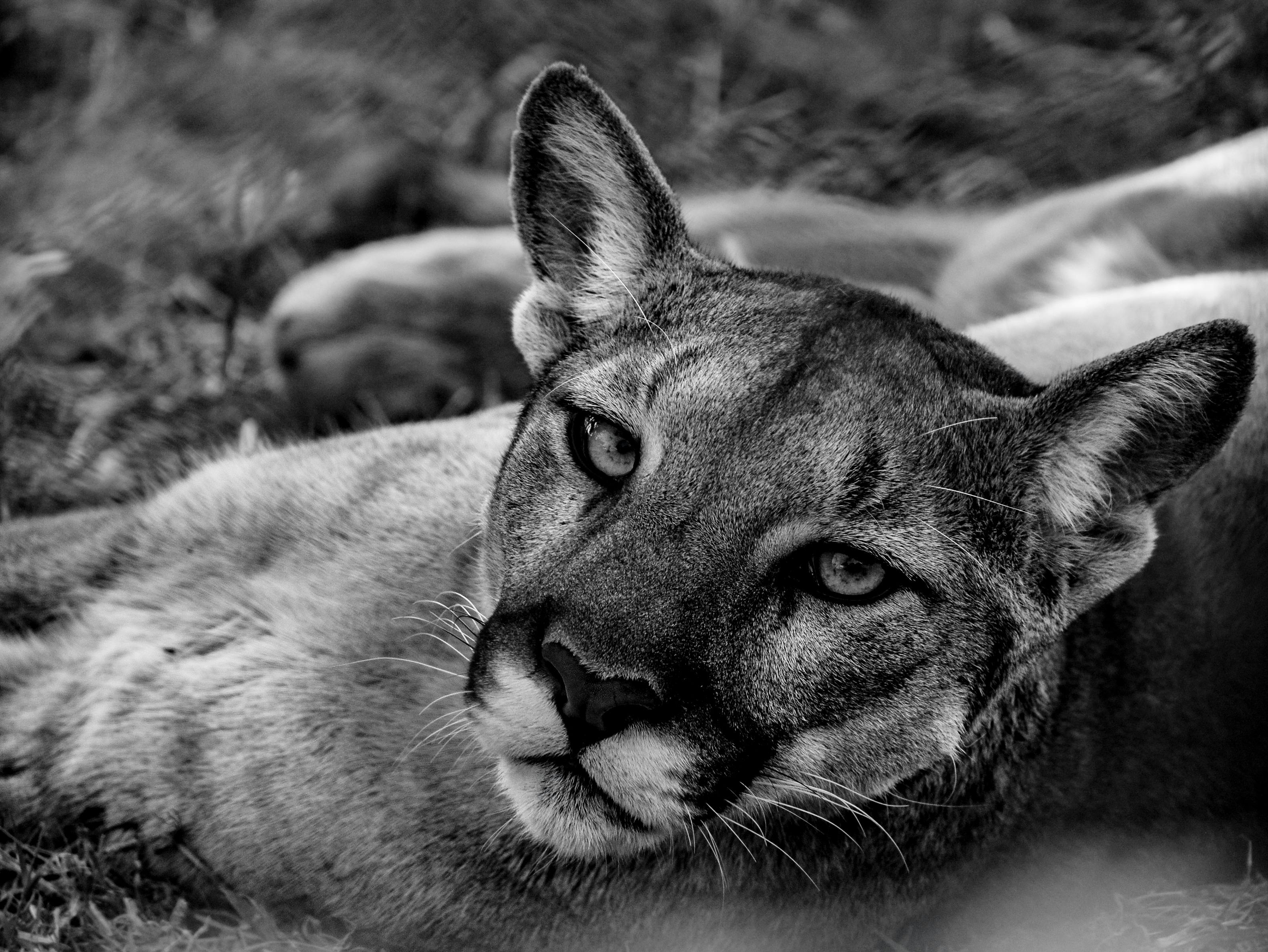
Yet the mountain lion has practically nothing.
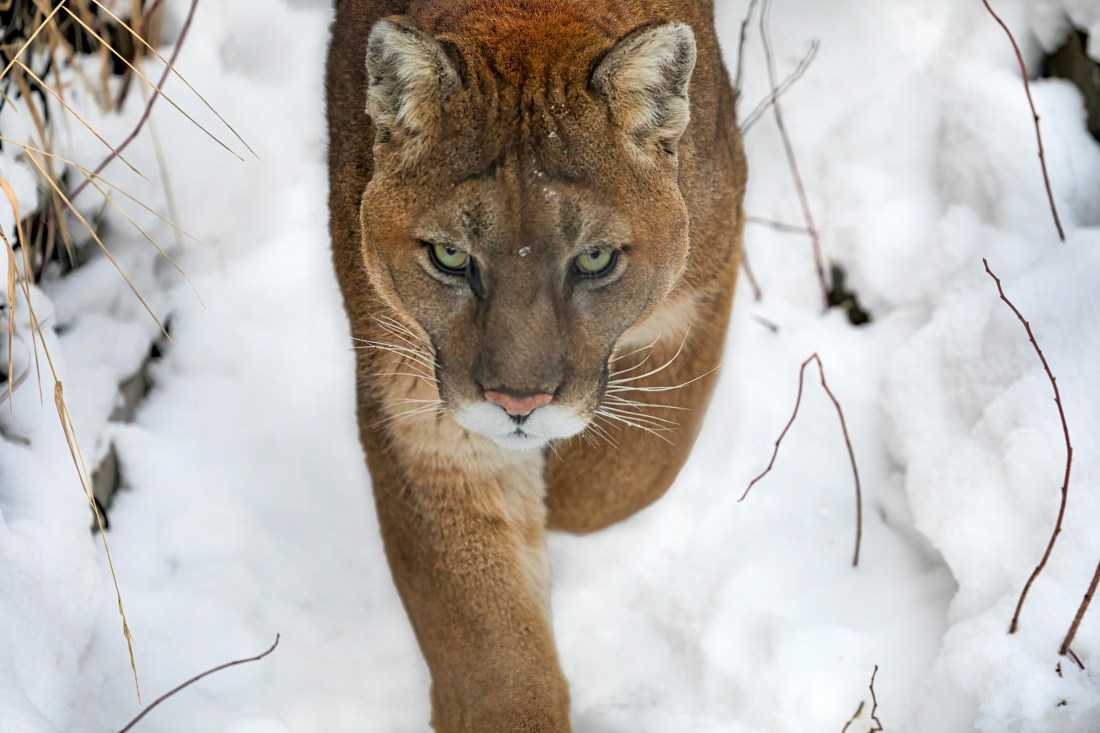
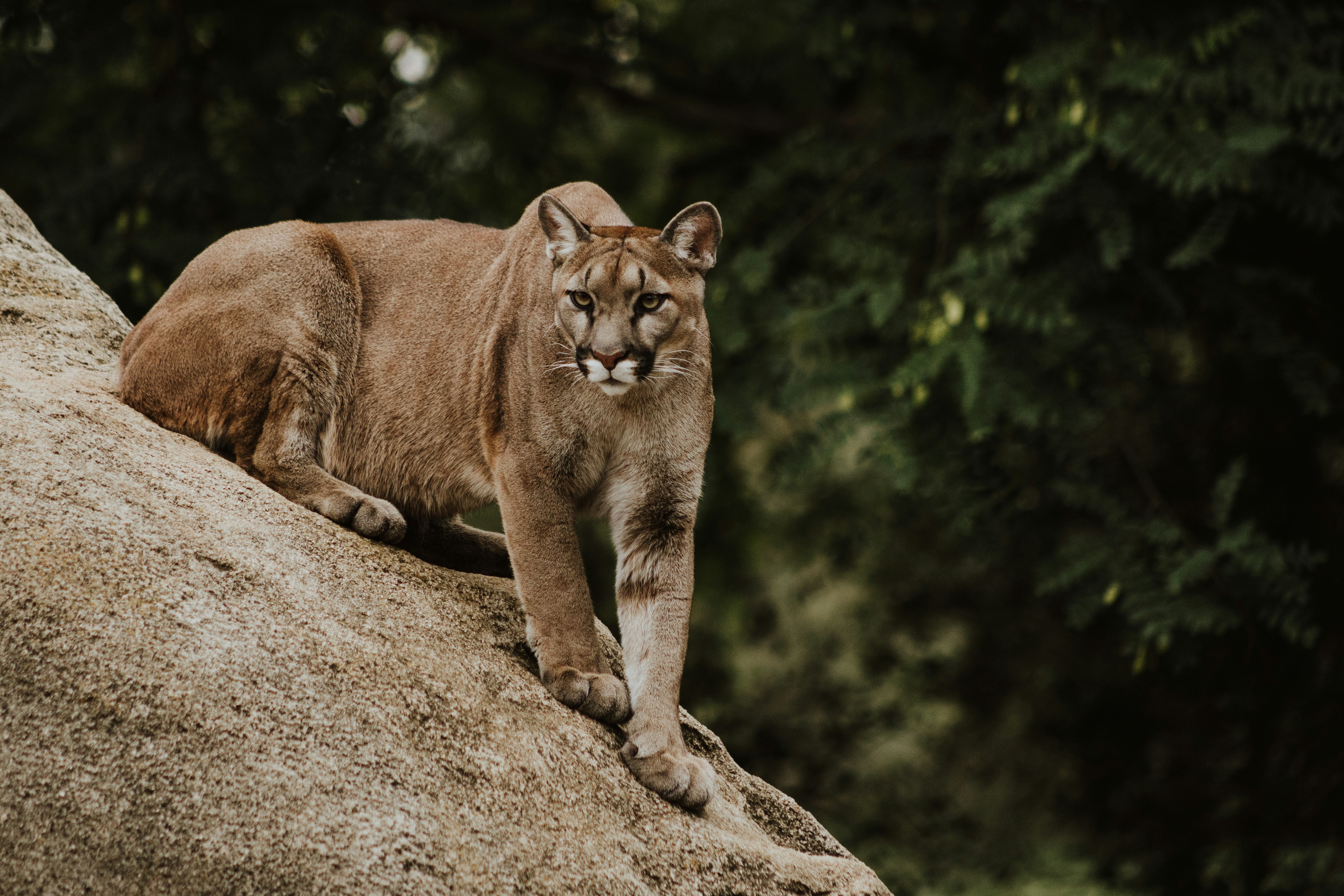
This is strange enough on its own. The cougar — also called puma, panther, catamount, and mountain lion depending on which state you happen to be in — is the most widely distributed wild land mammal in the western hemisphere. It is the apex predator of three continents. It has killed people across at least eleven of the United States. The 1991 attack on Scott Lancaster, which I wrote about a few weeks ago, was only the most ‘photogenic’ in a long line. And yet Hollywood, which has built entire subgenres out of much less, has produced no Jaws for the mountains. The few films that feature a cougar at all keep it offscreen, reframe it as a misunderstood Disney protagonist, or bury it inside an ensemble cast. The absence is so total that it starts to look intentional.
And I think it is. Or rather, I think it’s the product of several things working at once, with none of them about cinema and all of them about us.
The exceptions that confirm the absence
The closest the studio era got to a mountain lion movie was William Wellman’s Track of the Cat (1954), starring Robert Mitchum as a rancher hunting a cougar that’s been killing his livestock. The cat is barely shown. It functions as a Moby-Dick stand-in and a symbol of the family’s rotting psyche rather than a creature with claws. The mountain lion exists offscreen as metaphor. It is the absence around which the film is built.
Twenty-three years later, Day of the Animals (1977) gave the cougar a screen credit in an ensemble of murderous wildlife. Hawks, dogs, snakes, bears, and a cougar all turn on a group of hikers above five thousand feet, driven mad by ozone-depletion-induced psychosis. The premise tells you everything. To make a mountain lion dangerous enough for a horror film in 1977, it required a sci-fi scenario for it to be dangerous at all.
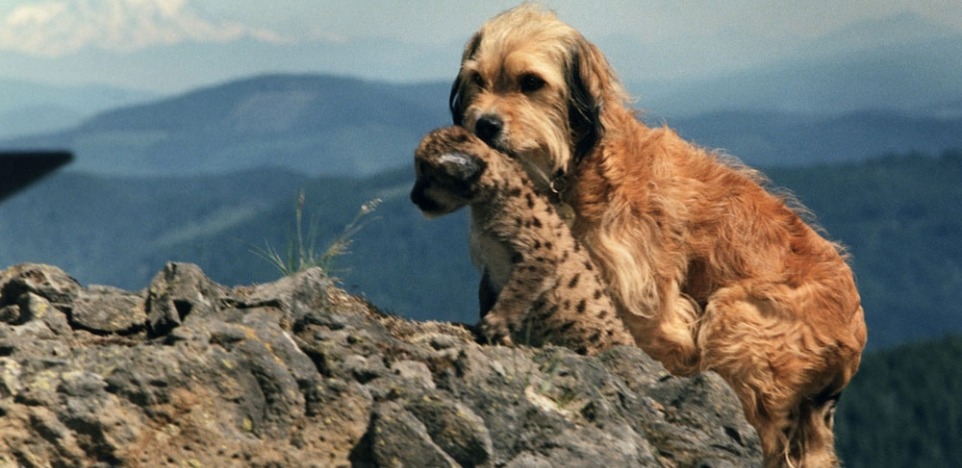
Then there is Benji the Hunted (1987 – all together now, awwww), in which a cougar menaces a small dog and a litter of orphaned cubs. This is the most telling of the three, because it captures the prevailing pre-1991 view of cougars perfectly. The mountain lion was a threat to small mammals and unattended children. It was not, in the popular imagination, a serious threat to a grown adult. The hunting and ranching culture of the American West had been calling cougars “scaredy cats” for the better part of a century, and the films of the era took the description at its word. The Disney filmography, meanwhile, is full of cougar protagonists such as in Sequoia (1934), Charlie, the Lonesome Cougar (1967), and Run, Cougar, Run (1972). All are sympathetic, soft-focused, and almost domesticated. Not one is a killer mountain lion movie.
The statistics, and a death in 1991
The pre-Lancaster view that cougars were essentially harmless had statistical cover. In California, there were two fatal mountain lion attacks in 1890 and 1909, and then none for seventy-seven years. Hollywood was not declining to make a mountain lion movie. There just wasn’t, in any meaningful sense, a mountain lion to make a movie about.
Then January 1991 happened. Scott Lancaster, eighteen, was killed and partially consumed while jogging near Idaho Springs, Colorado. Barbara Schoener was killed jogging in Auburn, California, in 1994. Mark Reynolds was killed mountain biking near Mission Viejo in 2004. In March 2024, brothers Taylen and Wyatt Brooks were attacked while looking for shed deer antlers in El Dorado County; Taylen, twenty-one, was killed.
These are real deaths. They also remain extraordinarily rare. The Mountain Lion Foundation puts the lifetime tally at twenty-nine fatal attacks in North America since 1868, which is roughly 0.18 a year. Yale Environment 360, working with more recent figures, has it at thirty-two fatalities and more than 170 non-fatal attacks since 1890. Either way: vanishingly rare. Every year in the United States, around 777 people die from mosquito-borne illnesses, twenty-eight are struck by lightning, eighty-six die from animal venom, and somewhere between 35,000 and 45,000 die in motor vehicle accidents. In California alone, two mountain lions die from car strikes every week.
Even the lethality is overstated. When mountain lion attacks do happen, around 15% are fatal. The corresponding figure for African lions is 62%. For tigers, 78%. For leopards, 32%. The cougar is, by a generous margin, the least dangerous big cat to encounter, yet the one Americans are by far the most afraid of (and yes, I realise there is a distinct lack of the others to worry about in the US – but my argument is that the fear is out of proportion to the threat).
That gap is what this piece is interested in. The attacks since 1991 are real. But, the fear they generate is wildly disproportionate to them. And in all that fear, in all that disproportion, Hollywood still hasn’t made the movie.
The fear is older than the species
Some of the reason for that fear is in our bones. Literally.
In the 1970s, the South African palaeontologist C.K. “Bob” Brain examined an Australopithecus robustus skull from Swartkrans Cave and found two clean canine punctures on the parietal bone, spaced exactly to match a leopard’s lower jaw. The leopard had killed the hominin and dragged the corpse by the head (the same way modern leopards still carry kills into trees today). Brain’s wider analysis of the Swartkrans assemblages overturned the old “Killer Ape” hypothesis that early hominins were the dominant predators of their landscape. For most of our deep history, it was the other way around. We were the prey.
The big cats of that period included Dinofelis, a false sabre-toothed cat that Brain identified as something close to a specialist primate killer that selected hominins and baboons as prey, and dragging them to its lair. A predator whose ecological niche was eating things that looked like our ancestors. The pattern persisted for an extraordinarily long time. A study published in 2025 used AI bite-mark analysis on the OH 7 fossil – the juvenile Homo habilis specimen that defined the species in 1964 – and concluded with high confidence that a leopard had killed it, two million years ago. Even as our brains were enlarging, we were on the menu. In modern African rainforests, leopards still kill primates: in one study of the Tai Forest in Côte d’Ivoire, primate remains turned up in sixty-four separate scat samples.
The point is not that mountain lions are leopards. The point is that the primate fear of stealth cats is one of the oldest things about us. We’ve shared territory with bears for tens of thousands of years. Cats though, have hunted us for millions. The cougar arrives in the American imagination dragging a tail of evolutionary memory it had nothing to do with earning.
The political cougar
The other reason, and the more interesting one, I think, is that the mountain lion is too useful as a symbol to be retired into fiction.
In November 2024, Colorado voters defeated Proposition 127, which would have banned trophy hunting of mountain lions, bobcats, and lynx. The campaign against the proposition, bankrolled in part by hunting and ranching interests, ran television ads claiming that unchecked mountain lions would “continue to decimate Colorado’s deer population, killing more than 200,000 deer each year.” CBS Colorado, fact-checking the ad, generously called the claim speculation. Colorado Parks and Wildlife’s own 2020 management plan notes that the impact of lion predation on deer populations is, in its own words, “poorly understood.” The state has recorded twenty-five lion attacks on humans since 1990 and four fatalities ever. Meanwhile, hunters had been taking around 500 mountain lions and 880 bobcats a year. The animal is hunted more than it is the hunter by several orders of magnitude.
In California, Senate Bill 818 — “Taylen and Wyatt’s Law” — was introduced in 2025 after the El Dorado County attack. The bill originally sought to legalise the use of hounds to haze mountain lions away from populated areas. The Senate Natural Resources Committee gutted the hounding provision via amendments and rerouted the bill toward a broader “conflict reduction program.” One real tragedy, immediately translated into legislative pressure for predator-control infrastructure. Whatever your view on the policy, the cultural move is unmistakeable. One cougar is being used as the avatar of every cougar in the state.
The horror-film cougar, if you made one, would have to die at the end of the third act. The political cougar can’t. It needs to remain out there, prowling the wildland-urban interface, justifying hunting tags and ballot measures and house bills, year after year. The deep evolutionary fear keeps the audience primed. The rural-political machinery keeps the threat permanent. Hollywood didn’t decline to make the mountain lion movie. The mountain lion movie is being run, on a continuous loop, in the legislatures of the American West.
The image problem
Even if you tried to make the film, you’d run into something more practical. The mountain lion has an image problem.
The African lion arrives at any production with a cinematic toolkit that’s been millennia in the making. The mane is the most efficient piece of visual shorthand in the animal kingdom, that silhouette alone tells the audience everything. The roar is recognised on every continent and runs under the MGM logo. Prides give you ensemble drama, defended cubs, and the Ghost and the Darkness premise of the man-eaters working as a pair. The savanna gives you wide-open golden-hour cinematography. And underneath all of that, you have heraldic and scriptural weight in the form of Aslan, the Lion of Judah, Daniel in the den, and the lion on a hundred national flags. Beast, Prey and The Ghost and the Darkness just have to deliver on a promise the culture made centuries earlier.
The mountain lion has almost none of this. No mane, no silhouette, just a blank tawny body (its latin name translates as ‘cat of one colour’ – and yes, I know that’s not really accurate) with a long tail. And no roar. Cougars physically can’t; the larynx isn’t built for it. What they do instead is scream, and the scream sounds like a woman being murdered, which is genuinely terrifying but in a folkloric, uncanny register, not a majestic-predator one. You can’t score a film with that. You can score a horror film with that, which makes the absence even stranger.
No pride: the cougar is solitary, and two cougars on screen is already a stretch – although we now know related females often spend time together and the species is probably a little more sociable than we thought. No mythic name: the same animal is called mountain lion, cougar, puma, panther, and catamount depending on which county you’re in. Mountain lions have rich significance in Puebloan and Cherokee cosmology, but Hollywood has never learned to speak that language fluently, and the suburban-Western imagination they grew out of treated cougars as vermin to be bountied, not symbols to be revered. No exoticism, either: African lions allow the safari-horror frame, with out-of-their-element Westerners and dramatic geography. Mountain lions live in Cupertino. They eat the joggers of Mission Viejo and the children of Lakewood.
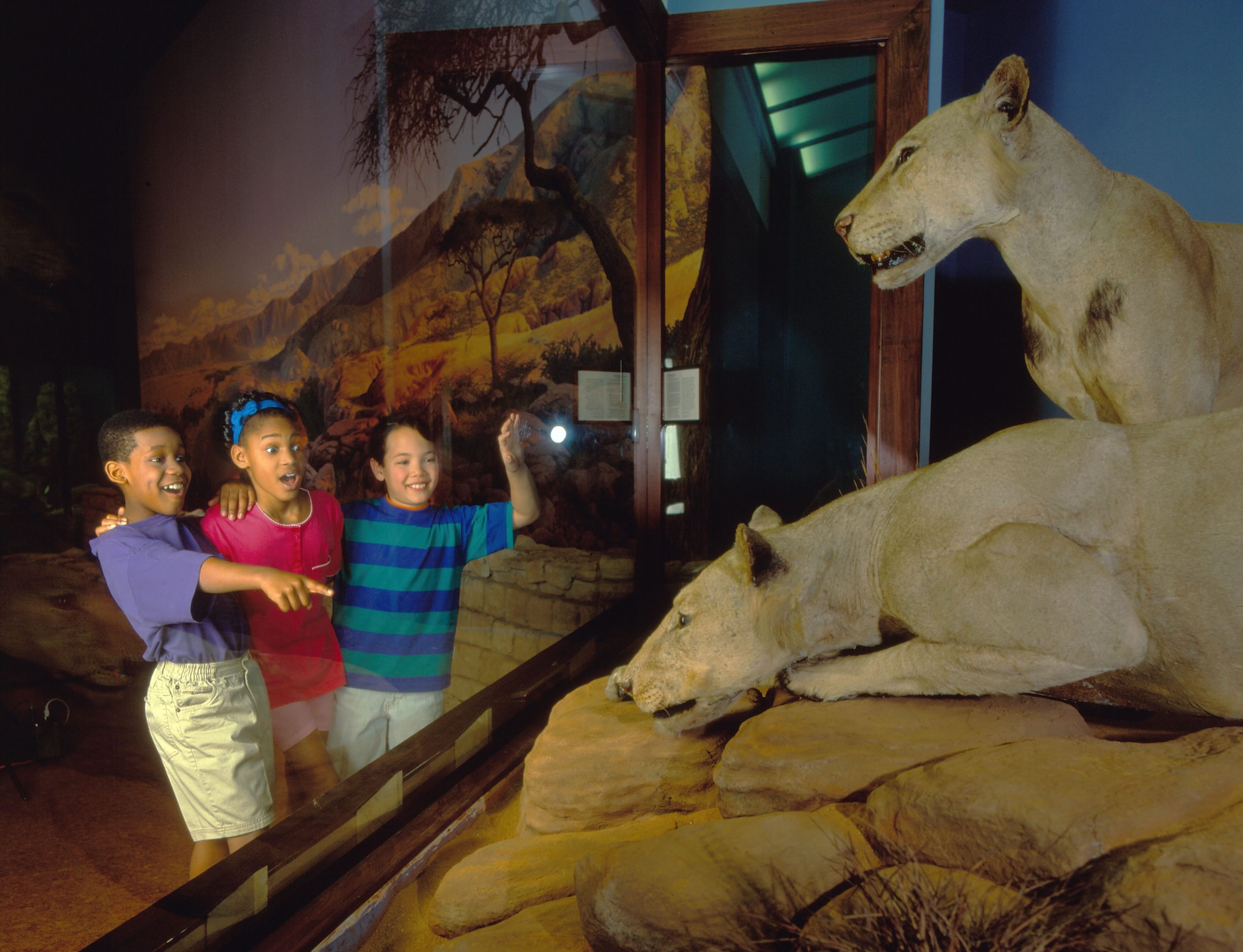
And the macho problem cuts both ways. The African lion gets respect even when it’s killing people. The Tsavo man-eaters are mythologised and taxidermied and on display at the Field Museum in Chicago, alongside the Lion of Mfuwe. Travis Kauffman, the Colorado runner who strangled a juvenile cougar to death with his bare hands when it attacked him, became a punchline meme. Guy strangles housecat. Same act of survival, totally different cultural register. The mountain lion isn’t macho enough to lose to.
The cat we can’t film
So the absence isn’t aesthetic, and it isn’t accidental. The mountain lion is feared too primally to ignore with the evolutionary memory of millions of years of leopard predation doing the priming work for free, yet pictured too plainly to film. The bear can be filmed. Even sharks can be filmed. The African lion arrives pre-styled. The cougar slips into the frame with no mane, no roar, no pride, no exotic geography, no flag, no constellation, and no Aslan, and Hollywood, for ninety years, has not known what to do with it.
What it does instead is something stranger. The mountain lion is being run, in real time, as the antagonist of a different kind of horror story — the one Colorado watched on television in October 2024, the one the California legislature is rehearsing right now. The American predator without a movie has a much bigger role than that. It is the predator we can’t stop thinking about and can’t figure out how to look at.
There was a time when monsters didn’t need explaining.
They arrived without warning or a backstory. They destroyed without reason. And they were either defeated, or perhaps just momentarily stopped if there was a possibility of a sequel. And in a few, rare cases, they even prevailed. And that was enough.
But somewhere along the way, that stopped satisfying us completely. Today, monsters rarely exist as pure forces of chaos. They are no longer just threats to be eliminated. They are characters. Sometimes even protagonists. And increasingly, they are something else entirely:
They are beings modern cinema audiences perhaps expect to understand.
The Shift from Fear to Empathy
Classic cinema thrived on simplicity. In early portrayals of King Kong, particularly the 1933 version, the creature was tragic, yes, but still ultimately framed as a dangerous anomaly. A spectacle. Something that didn’t belong.
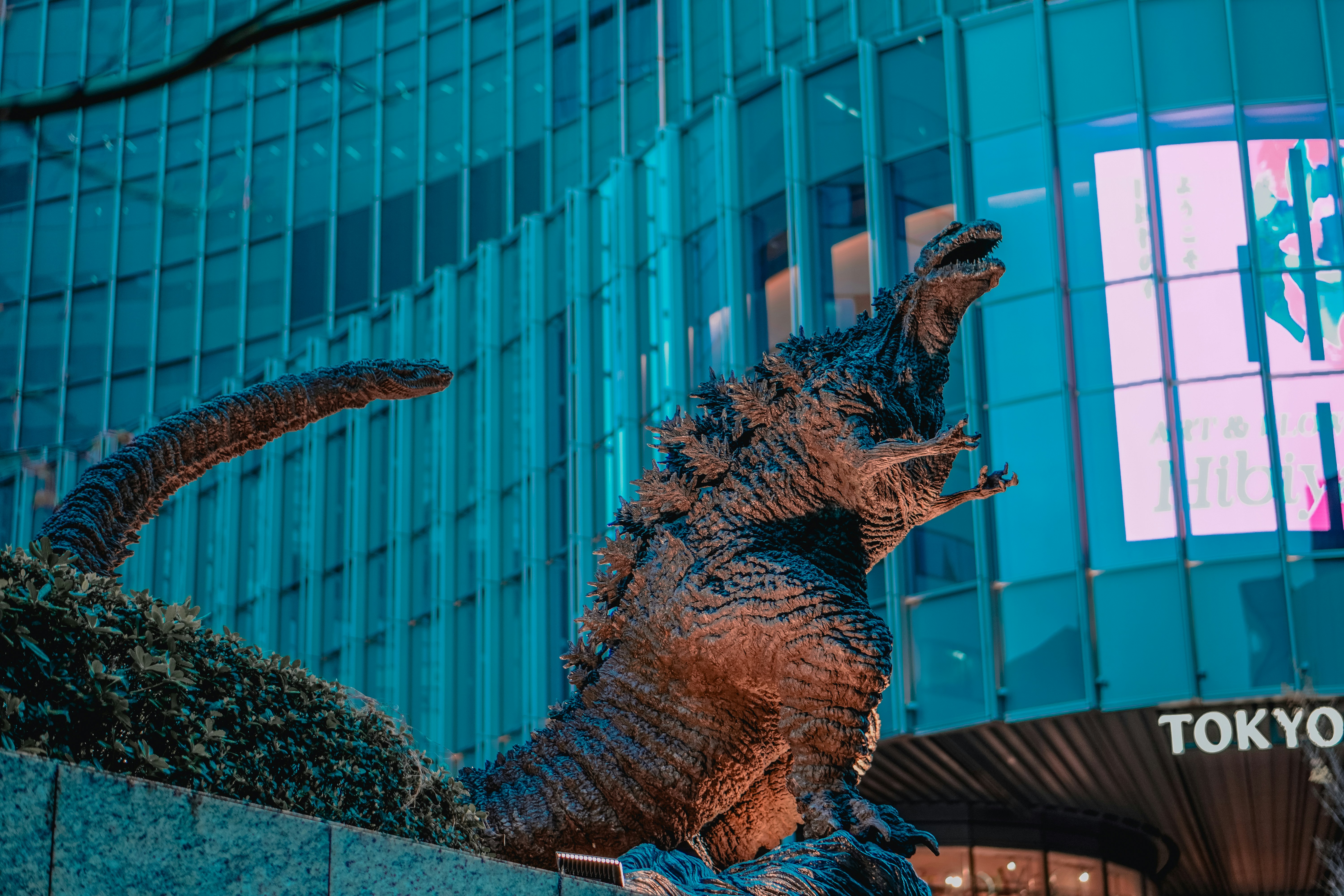
Likewise, 1954’s Godzilla began as something far more unsettling: a walking metaphor for nuclear devastation. Not a hero. Not even a creature to root for. Just consequence made flesh.
But modern audiences seem less comfortable with that kind of distance.
We no longer just want to witness destruction. We want to understand it.
Kong: From Monster to Mirror
Few examples illustrate this shift better than Kong.
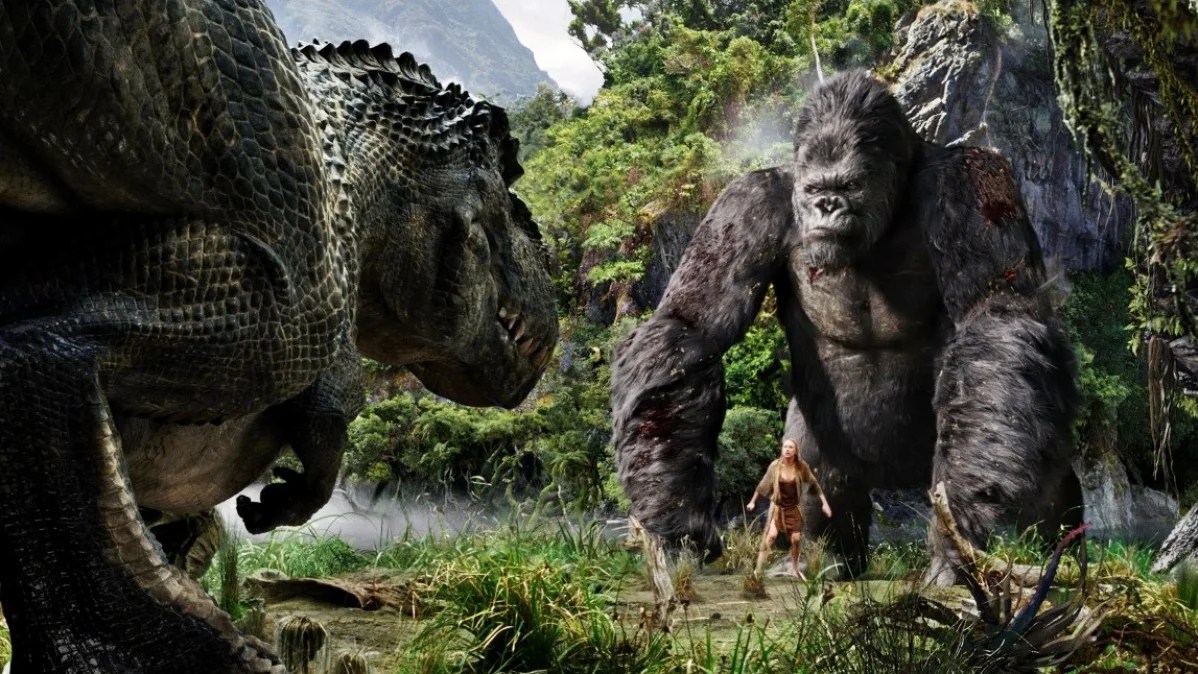
In the 2005 King Kong, Peter Jackson didn’t just remake a classic, he reframed it.
Kong is no longer simply an obstacle or a threat. He is lonely. Intelligent. Capable of connection. His relationship with Ann Darrow becomes the emotional core of the film.
By the time we reach the MonsterVerse, particularly Godzilla vs. Kong and Godzilla x Kong: The New Empire – that transformation is complete.
Kong isn’t just understood. He’s relatable. He has motivations. Territory. Even something resembling culture and lineage. The audience is no longer watching him.
They are watching withhim.
Godzilla: From Warning to Protector
Godzilla’s evolution may be even more telling.
Originally conceived as a symbol of nuclear horror, Godzilla was never meant to be comforting. The 1954 film is bleak, heavy, and deeply political.
But over decades, and particularly in Western adaptations, Godzilla has shifted.
In the MonsterVerse, he becomes a kind of reluctant guardian. A balancing force. Not benevolent, exactly, but necessary.
So much so that when his behaviour in Godzilla x Kong: The New Empire leaned more aggressively destructive, audiences noticed and criticised it.
That reaction alone says something important.
We now expect our monsters to have moral boundaries.
Interestingly, this shift is not universal. Films like Godzilla Minus One return to the original vision: Godzilla as terror incarnate. A reminder that some stories still resist this need for empathy and are more powerful because of it.
The Rise of the “Explained” Creature
This trend extends far beyond kaiju.
In The Shape of Water, the amphibious creature is not a monster at all, but a misunderstood being, with the real cruelty lying in human institutions.
In I Am Legend, the infected are gradually reframed, not as mindless predators, but as something closer to a new society, reacting to intrusion.
Even in films like Jurassic World, the dinosaurs, once framed as uncontrollable forces – are increasingly given behavioural logic, emotional cues, even bonds. To now, they are a metaphor for endangered species protection and the plundering of the natural world.
The pattern is clear: We are moving away from “What is this creature?” and toward “Why is it behaving this way?”
Why This Change Matters
Part of this shift reflects broader cultural changes.
We are more aware, scientifically and ethically, of animal intelligence, emotion, and social structures. Predators are no longer seen purely as villains, but as components of ecosystems.
And that perspective bleeds into storytelling. It becomes harder to present a creature as purely evil when we instinctively look for cause, context, and consequence.
But there’s also something deeper. Modern audiences are less comfortable with the idea of absolute otherness.
We look for connection, parallels, and meaning. Even in the things that frighten us.
What We Lose and What We Gain
There is, however, a trade-off. When monsters are always explained, I think they lose something. The mystery fades. Inevitably, the unknown becomes knowable, and our fear softens as a result. And sometimes that can make our monsters a little smaller.
But what we gain is equally powerful.
We gain stories that linger longer. Creatures that feel real. And narratives that say less about “monsters”… and more about us.
The Monster as Reflection
Perhaps monsters haven’t really changed at all. Perhaps they are still doing what they’ve always done: Reflecting the world that created them. Where once they embodied fear of the unknown, they now embody something else – our need to understand the unknown.
If you enjoy this kind of storytelling, my novels explore similar territory, where the line between predator, monster, and myth is rarely as clear as it first appears.
How Horror Films Echo War, Disaster, and Cultural Fear
There is a moment in many monster films when the creature first appears. It might be a shadow moving beneath dark water. A shape rising above a skyline. A distant roar that carries across a city.
The details change from film to film, but the feeling is always the same. Something enormous and uncontrollable has entered the world.
For most audiences, it is simply spectacle – the thrill of watching something impossible unfold on screen. But if you look closely at the history of monster cinema, those creatures rarely appear by accident.
Again and again, they emerge at moments when societies are wrestling with fears far larger than any individual villain: war, nuclear technology, environmental collapse, or sudden catastrophe.
The monsters may be fictional. But the anxieties behind them are not. Is it purely coincidental, as we experience some of the most uncertain and unsettling times of the modern age, that horror has risen to a place of both cultural and critical recognition in this year’s awards season?
Monster movies are often dismissed as escapism. It’s easy to understand why as giant creatures, impossible threats, and cinematic spectacle designed purely to entertain battle across the screen.
But look more closely and something interesting begins to emerge. Many of the most enduring monsters in film history appeared at moments when societies were grappling with something far more frightening than fiction: war, technological catastrophe, terrorism, or environmental collapse.
In those moments, monsters become metaphors. They give shape to fears that are otherwise too large, too abstract, or too traumatic to confront directly.
From nuclear destruction to terrorist attacks, monster cinema has often mirrored the anxieties of the era that produced it.
Godzilla and the Shadow of Hiroshima
No example illustrates this better than Godzilla.
The film appeared less than a decade after the atomic bombings of Hiroshima and Nagasaki, and the imagery of nuclear devastation is woven throughout the film.
Godzilla itself is not a dinosaur or an easily recognised entity. It is a creature awakened and directly shaped by nuclear testing.
Tokyo’s destruction in the film deliberately echoes the burned ruins of wartime Japan: flattened cities, fleeing civilians, hospitals overwhelmed with radiation victims.
For Japanese audiences in 1954, this was not distant fantasy. It was collective memory. Godzilla was the embodiment of a new fear, that humanity had created forces capable of destroying the world itself.
Interestingly, this cultural role has never entirely disappeared from the Godzilla franchise. In recent years, Japanese filmmakers have deliberately returned the creature to its darker origins. In Godzilla Minus One, Godzilla once again represents the trauma of post-war Japan, emerging in a country already devastated by defeat and struggling to rebuild.
Rather than a heroic or ambiguous creature, the monster becomes a symbol of national vulnerability and historical memory, something much closer in spirit to the original 1954 film.
At the same time, Western interpretations have begun shifting the metaphor in new directions. The series Monarch: Legacy of Monsters explores the hidden organisations studying giant creatures, gradually suggesting that secrecy, corporate power, and institutional control may be as dangerous as the monsters themselves. In this sense, the Godzilla myth continues to evolve alongside the anxieties of the modern world.
The American Nuclear Monster Era
Godzilla was not alone though. During the 1950s, American monster cinema was also being shaped by nuclear anxiety.
Films like Them! featured giant ants created by radiation, and The Beast from 20,000 Fathoms explored the fear that atomic experimentation might unleash uncontrollable consequences.
These monsters were literally products of radiation. The Cold War had turned nuclear annihilation into a daily possibility, and cinema responded by imagining what might emerge from the fallout.
Cloverfield and the Trauma of 9/11
Half a century later, another monster appeared under very different circumstances. Cloverfield arrived in a cultural landscape still shaken by the attacks of September 11th.
The parallels in the film are unmistakable: The sudden attack on New York; Buildings collapsing into clouds of dust; and panicked crowds fleeing through streets filled with the smog of destruction and fear.
The film’s handheld “found footage” style reinforces the feeling of witnessing catastrophe unfold in real time. And unlike traditional monster films, Cloverfield never fully explains the creature.
The story instead focuses on the experience of ordinary people caught in the chaos, which mirrors how many people experienced the real-world attacks.
War of the Worlds and the Language of Terror
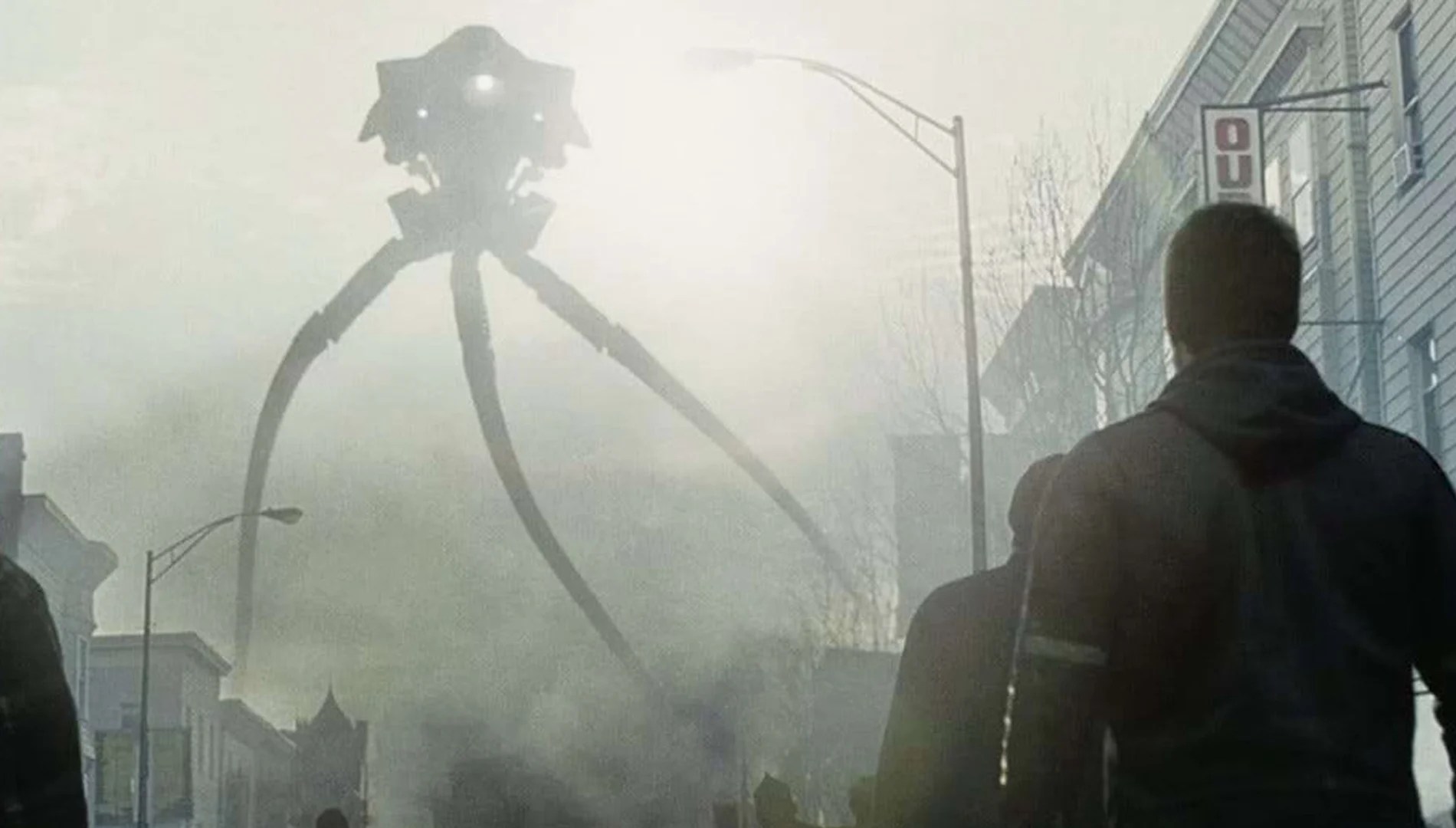
Steven Spielberg’s adaptation of War of the Worlds also carries strong echoes of post-9/11 anxiety. Although based on H. G. Wells’s 1898 novel, the film deliberately mirrors imagery familiar from the early 2000s.
Crowds flee through clouds of dust and stagger through streets covered in ash and sudden attacks destroy familiar landmarks with uncaring brutality.
Even Spielberg himself acknowledged that the film drew inspiration from the emotional atmosphere of the post-9/11 world.
Environmental Monsters and Industrial Anxiety
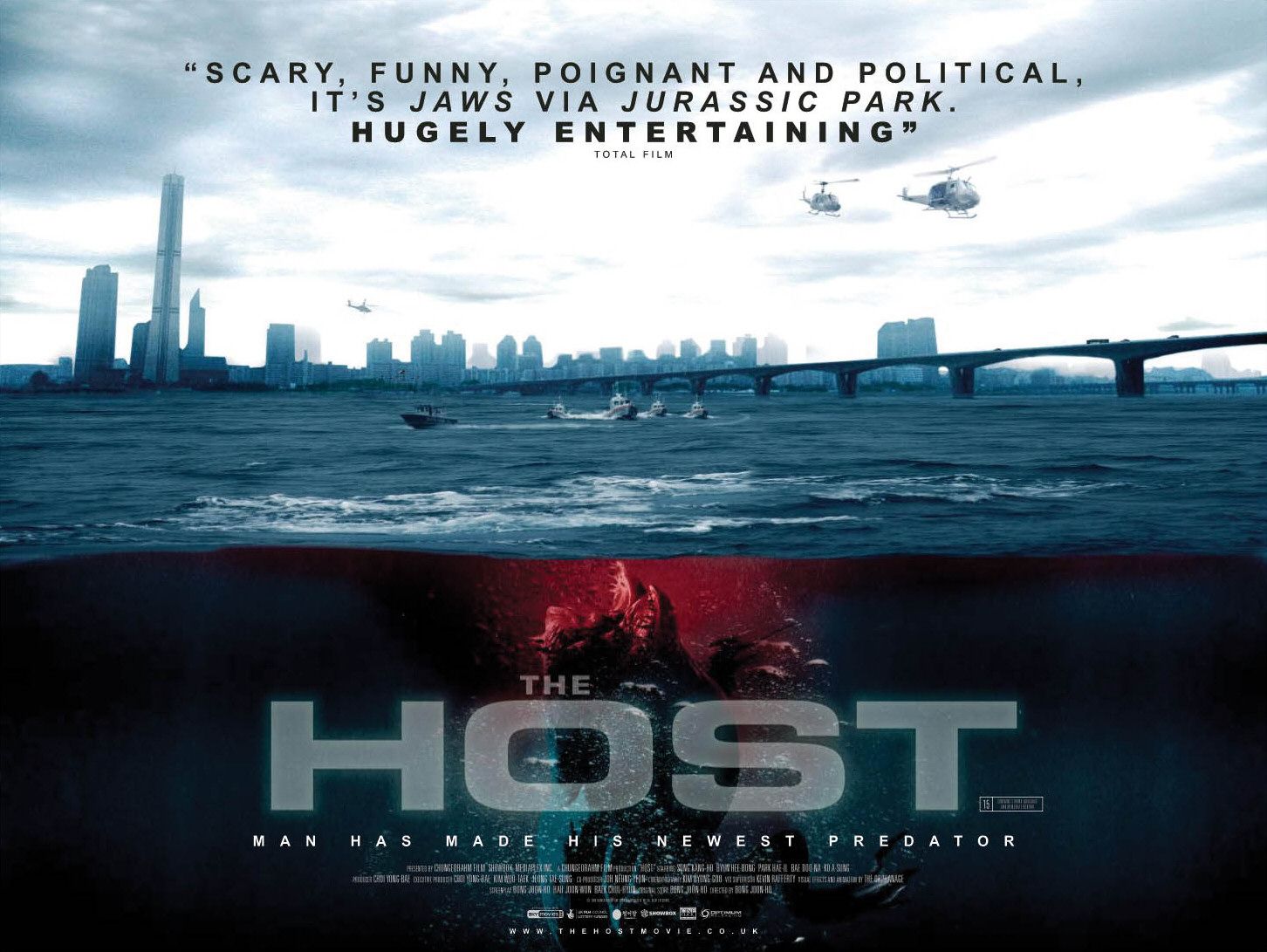
In recent decades, monster films have increasingly reflected environmental fears. A powerful example is The Host, directed by Bong Joon-ho.
The film begins with toxic chemicals being dumped into Seoul’s Han River, eventually creating a mutated amphibious creature that emerges from the water to terrorise the city.
The story was inspired by real environmental controversies involving chemical dumping by the U.S. military in South Korea.
Here the monster is not ancient or mythical, it’s man-made and a direct consequence of pollution and ecological neglect.
Pacific Rim and Disaster in the Age of Global Threats
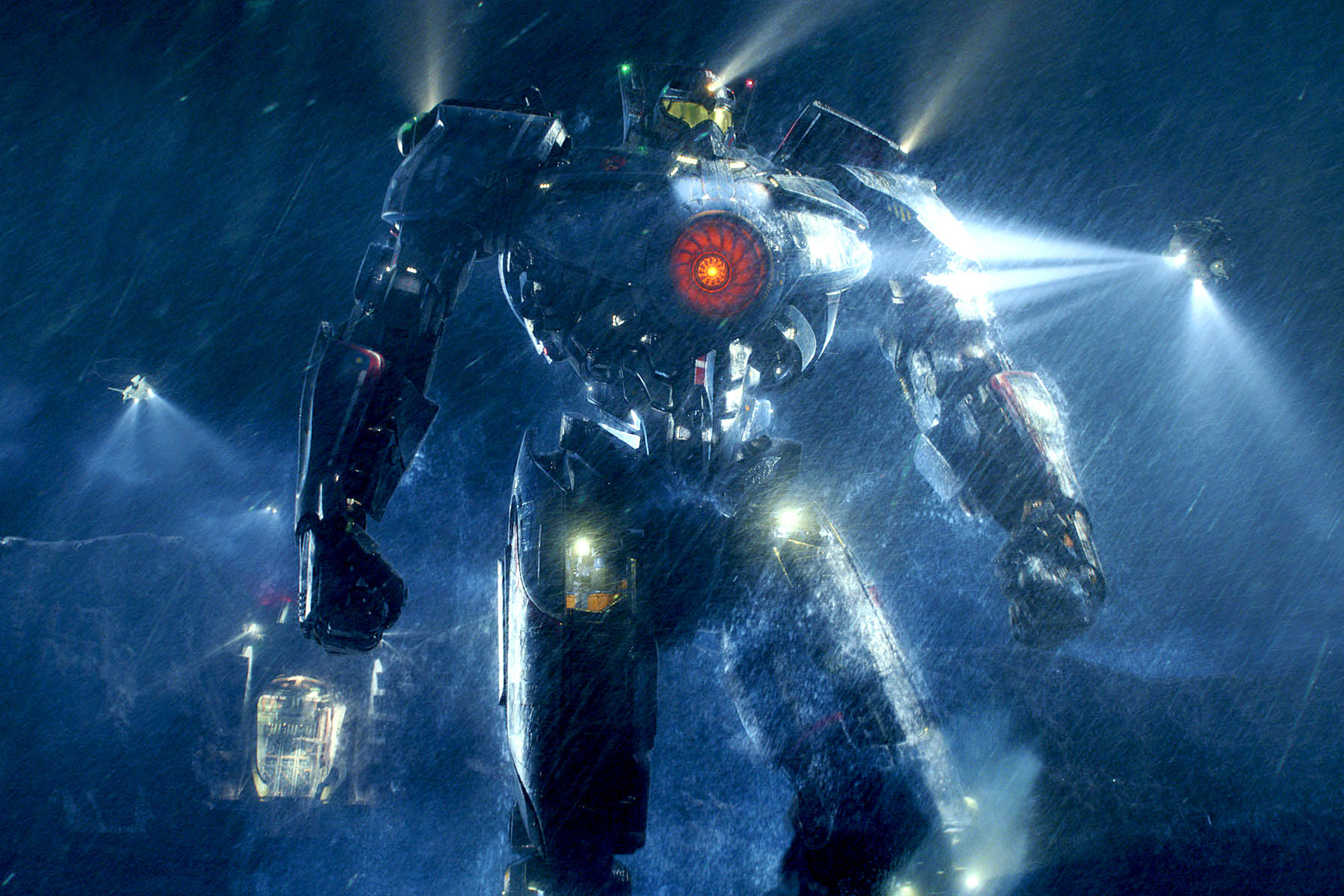
One of the most interesting modern examples is also a favourite. Pacific Rim. At first glance, the film looks like a straightforward homage to classic Japanese kaiju cinema.
But its imagery reflects a very modern world, one shaped by natural disasters, climate anxiety, and global co-operation.
The giant creatures known as Kaiju emerge from the Pacific Ocean and repeatedly destroy coastal cities.The only effective response is an international coalition that builds enormous defensive machines known as Jaegers.
Released only two years after the devastating 2011 Tōhoku earthquake and tsunami, the film echoes a world increasingly aware that catastrophic events, whether natural or man-made, require collective responses.
Unlike Cold War monster films, where nations often acted alone, Pacific Rim presents survival as a shared human effort. The monsters are global. So then, must the response be.
Monsters as Psychological Landscapes
Some modern films explore fear in even more abstract ways. In The Mist, adapted from a story by Stephen King, the monsters outside a supermarket are terrifying, but the real horror unfolds inside.
Fear quickly fractures the small group of survivors as paranoia spreads and authority collapses. The film explores how quickly social order can unravel when people believe they are facing an unknowable threat.
That theme resonated strongly in the years following 9/11, when societies across the world grappled with new fears about security, uncertainty, and public trust.
War, Memory, and Haunted Landscapes
Yet, not all monster stories involve giant creatures. In parts of Southeast Asia, horror cinema often reflects the lingering presence of war through ghosts rather than monsters.
Vietnamese films made after the Vietnam War frequently feature haunted forests, abandoned villages, or restless spirits tied to wartime violence.
In these stories, the land itself remembers. The monster is not a creature emerging from the sea, it is simply history refusing to disappear.
Why Monsters Keep Returning
Monsters are powerful storytelling tools because they externalise fear. War, terrorism, environmental collapse, and nuclear technology are difficult to visualise.
They are vast forces that are political, technological, and systemic. Making them into monsters gives those fears shape. A shape that can be confronted, fought, and sometimes even understood.
These are the reasons why monster films appear again and again at moments of cultural anxiety. They allow societies to process and confront their fears, even the subconscious ones.
The monsters themselves therefore understandable change, from radioactive dinosaurs to mutated sea creatures to inter-dimensional invaders.
Monster films often feel timeless, but they are deeply rooted in the moment that produced them.
Godzilla carried the shadow of nuclear war. Cloverfield echoed the shock of 9/11. And Pacific Rim imagined a world where survival depends on global co-operation against overwhelming threats.
The creatures themselves may be fictional. But the fears behind them are always real. And that is why monster stories never truly disappear.
They evolve alongside us. The monster movies of the next few years may be ones to take note of.