Movie Monday: The Monster We Made — How Cinema Invented the Werewolf

There are very few monsters as instantly recognisable as the werewolf. Full moon. Silver bullet. The agonised howl. A man. – well, usually it’s a man – twisting out of his own skin and into something older, more honest, and considerably hairier.

Ask most people where these ideas come from, and they’ll shrug and probably point to: folklore. Ancient superstition. Europe’s deep, forested past. Something old, pre-cinematic, probably involving peasants and torches.

Which is a perfectly reasonable assumption. And almost entirely wrong.

The werewolf we know — the full moon, the silver bullet, the transformation as curse, the beast as Freudian double — is not the product of ancient mythology. It is, overwhelmingly, the product of Hollywood. Specifically, of one film, one screenwriter, and a creative decision made in 1941 that went on to quietly rewrite centuries of folklore until the cinema’s version and the “original” version became indistinguishable.

Let’s unpack that. And along the way, ask why the werewolf has endured, mutated, and kept finding new meaning across nearly a century of cinema.

Before Hollywood Got Involved

It would be unfair to say werewolf mythology began with Universal Pictures. It didn’t. The idea of humans transforming into wolves is genuinely ancient. It appears in Ovid’s Metamorphoses, crops up in Norse saga, and lurks in the margins of medieval European law, which occasionally found it necessary to legally address the problem of people who claimed to have committed crimes while in wolf form. Courts had questions. Defendants had creative excuses.

But pre-cinematic werewolf folklore was, by modern standards, a mess. It was inconsistent, regional, and ungoverned by rules. In some traditions, the transformation was voluntary through a gift, or a curse willingly sought. In others, it was contagious, passed through bite or scratch. Sometimes silver worked. Sometimes it didn’t. Sometimes the moon had nothing to do with it. Sometimes the werewolf looked like an actual wolf, rather than a man with impressive sideburns.

The one consistent thread running through European werewolf legend is the idea of dual nature: the human who is also animal, the civilised person who is also wild. That tension, at least, is old. The specific mechanics, however, were up for grabs.

Which is where Curt Siodmak came in.

The Man Who Wrote the Rules

Siodmak was a German-Jewish screenwriter who fled Nazi Germany in the 1930s and found his way to Hollywood, where Universal Pictures handed him the keys to their werewolf franchise. He wrote The Wolf Man in 1941, and in doing so didn’t so much adapt werewolf folklore as invent it wholesale.

The famous verse “Even a man who is pure in heart and says his prayers by night, may become a wolf when the wolfbane blooms and the autumn moon is bright”, is not, as it is sometimes assumed, an ancient piece of verse. Siodmak made it up. He later admitted as much. The transformation triggered by the full moon? Siodmak’s idea. Or at least, his formalisation of a vague folkloric notion into hard dramatic rule. The bite as means of transmission? His. The silver as weakness? His, at least in terms of putting it on screen in a way that stuck.

The film itself is a strange and melancholy thing. Lon Chaney Jr. plays Larry Talbot, a man who seems genuinely surprised and devastated by the whole situation, which is fair enough. Claude Rains plays his father with the kind of gravitas that makes you wish he’d been in everything. The Wolf Man’s makeup (courtesy of the legendary Jack Pierce, who also built Boris Karloff’s Frankenstein Monster), is a remarkable feat of thick-browed, yak-haired practical effects. It took hours to apply, which Lon Chaney Jr. apparently accepted with less grace than he later claimed.

The film was a hit. And its sequels Frankenstein Meets the Wolf ManHouse of Frankenstein, and the deeply unhinged Abbott and Costello Meet Frankenstein, gradually hardened Siodmak’s rules into canon. By the time the full moon appeared in the sequels’ version of the poem (“And the moon is full and bright”), it was settled. The werewolf had its rulebook, and the rulebook had been written by a refugee screenwriter in a studio back-lot in California.

This is not, to be clear, a criticism. It’s a remarkable act of accidental mythology-making. The fact that most people assume these “rules” predate cinema by centuries is testament to how convincingly Siodmak built his world. We should all be so lucky.

The Silver Bullet Question

This is perhaps the detail most worth examining, because it has the most interesting history and the most useful counterexample.

People often cite the Beast of Gévaudan as evidence that the silver bullet is a pre-cinematic tradition. I’ve done this myself, recently even feeling smug as I pointed it out to a historian. But my research into this favourite subject has actually revealed something contrary.

The Beast, a wolf-like creature that killed somewhere between 80 and 113 people in rural southern France between 1764 and 1767, is one of history’s most extraordinary animal attack cases, and it did end with a man named Jean Chastel reportedly shooting it dead. The legend says he used silver bullets, made from a blessed medal of the Virgin Mary. His piety and his silver ammunition have become inseparable from the story.

But… the story about the large-caliber silver bullets, made from melted-down medals of the Virgin Mary, is a literary invention by French writer Henri Pourrat. And Henri Pourrat’s novel was published in 1946 – five years after The Wolf Man was released. Modern scholars argue it is only through much later translations of the story that a silver bullet is introduced as killing the beast.

In other words: Hollywood almost certainly gave the silver bullet to the Beast of Gévaudan, not the other way round. The story borrowed from the screen, laundered the detail through historical folklore, and then returned it to us in an ancient guise. This is one of those beautiful, slightly dizzying feedback loops where myth and cinema create each other in real time.

There is one genuinely pre-cinematic silver reference, which makes me sure there are others. There is a seventeenth-century story from the city of Greifswald that tells of a werewolf that was taken down by silver buttons melted down to make a bullet. So, the general association of silver with werewolves is not entirely invented. But the specific, non-negotiable rule of the silver bullet? That’s Siodmak’s gift to folklore, not folklore’s gift to Siodmak.

The 1980s: When Werewolves Got Complicated

For a few decades after The Wolf Man, the werewolf largely played by Siodmak’s rules. Hammer Films picked up the baton from Universal and gave us Oliver Reed in The Curse of the Werewolf (1961), which is a much better film than it has any right to be, featuring Reed doing what Oliver Reed does best: radiating dangerous energy in a period costume. The wolf bites, the moon rises, silver is deployed. The rules held.

Then came 1981, which arrived like a bus full of werewolves and completely rewrote the genre.

Two films in particular, both favourites — John Landis’s An American Werewolf in London and Joe Dante’s The Howling — appeared within months of each other and collectively did to werewolf cinema what punk had recently done to rock music. The old forms were torn down and reassembled into something stranger, funnier, and considerably more visceral.

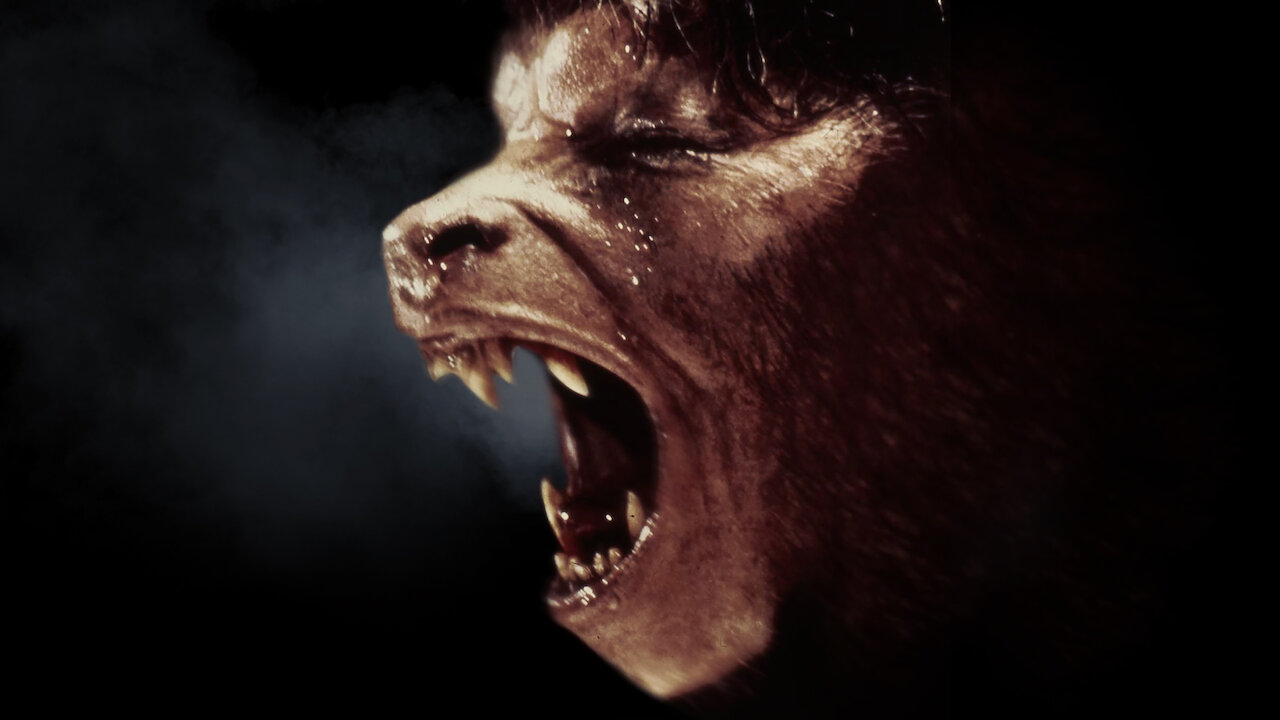
An American Werewolf in London is most famous for Rick Baker’s transformation sequence, which remains one of the most impressive pieces of practical effects ever committed to film. David Naughton’s transformation in the London flat, shot in real time, with nowhere for the camera to hide, is genuinely uncomfortable to watch: All popping joints and elongating limbs, a body becoming something that the body was not designed to be. Baker won the first-ever Academy Award for Best Makeup for his work on this film, largely because the Academy had to create the category to accommodate what he’d achieved.

But the film’s more lasting contribution is its tone. Landis shot a horror film as a dark comedy, following his hero through the impossible indignity of being a werewolf with a kind of cheerful ghoulishness. His undead friend (Griffin Dunne, increasingly decomposed) keeps showing up to nag him about suicide. The film plays “Blue Moon” and “Bad Moon Rising” with a commitment to lunar puns that borders on the aggressive. It is funny. It is also genuinely frightening. The two things coexist without either one undermining the other, which is a trick most filmmakers spend entire careers trying to pull off.

The Howling is the darker counterpart. The film is about a news reporter who retreats to a rural therapy retreat that turns out to be populated by werewolves who have, in a very 1980s twist, embraced their nature as a form of liberation. Dante’s film is weirder and less immediately accessible than Landis’s, but its central idea, that the wolf inside might not be something to suppress but something to accept, quietly planted a seed that werewolf cinema would keep returning to.

On a side note, I’d still love to see the original book trilogy of The Howling made into more faithful films.

Both films feature transformation sequences that deliberately rip apart Lon Chaney’s relatively neat make-up. These werewolves don’t just get hairy. They become something, in horrible, exciting, unhideable detail. The wolf is no longer a metaphor with fur. It is a body horror experience. The beast is physical, immediate, and impossible to look away from.

Ginger Snaps: The Period Drama Nobody Expected

If the 1980s expanded what a werewolf could look like, Ginger Snaps (2000) rewrote what a werewolf could mean.

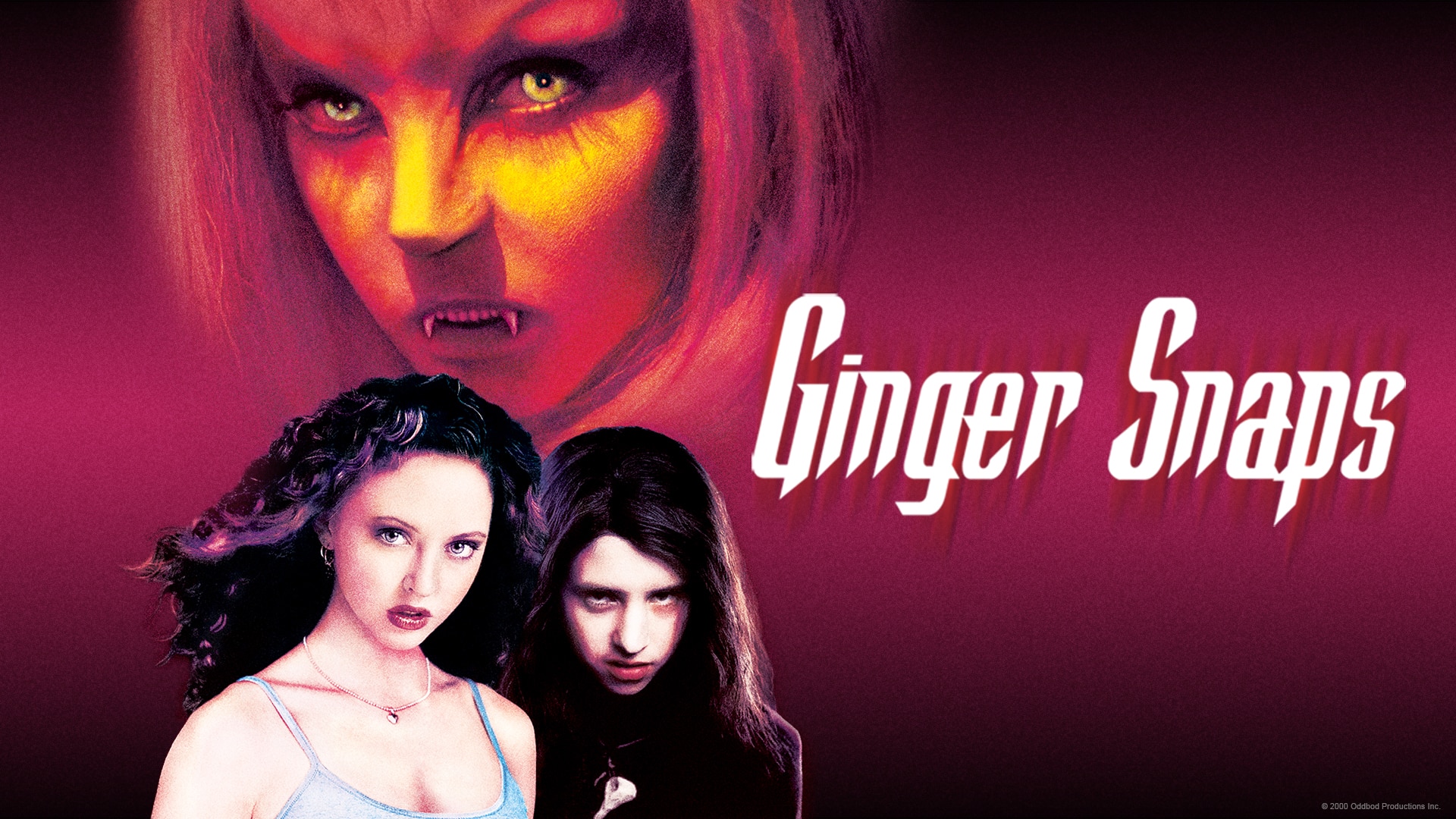
The Canadian horror film, directed by John Fawcett and written by Karen Walton, follows two death-obsessed teenage sisters in the grey suburban flatness of Bailey Downs, Ontario. When Ginger is bitten by a wolf on the same night she gets her first period, the film becomes something genuinely unusual: a feminist body horror comedy about adolescence, biology, and what it means to change in ways that other people find frightening.

The 2000 Canadian horror film explains the gruesome shift into the horrors of femininity, with possession of womanhood and the culture surrounding the transformative nature of puberty shown through violence and female rage. The film is not subtle about this. Ginger’s mother asks her if she’s been growing hair in funny places. Her transformation is tied to her menstrual cycle. The parallel is stated directly and the film has the confidence to just lean into it, because the metaphor is good enough that it doesn’t need to hide behind ambiguity.

But what Ginger Snaps does that the earlier werewolf films didn’t, is put a young woman at the centre of the transformation. The history of werewolf cinema had been almost entirely male: men losing control, men struggling with inner darkness, men as the dangerous beast to be feared or pitied. Siodmak’s Larry Talbot is fundamentally a film about male guilt, male desire, and male violence turned inward. The werewolf-as-curse is a very male reading of the monster.

Ginger Snaps takes all of these themes and spins them on their head. It is a horror movie so tied to the female experience that it’s impossible to separate the two, subverting the common traits of werewolf cinema while cementing itself as the figurehead of werewolf stories for the twenty-first century.

The film sat in development hell for years because studios weren’t comfortable with it. It was too dark, too female, and too difficult. It eventually got made with Canadian government funding, went largely unnoticed on limited release, and then, in the way that genuinely good films eventually find their audience, became a cult classic that is now routinely cited in academic discussions of feminist horror. It has a 90% approval rating on Rotten Tomatoes, with the site’s consensus reading: “The strong female cast and biting satire of teenage life makes Ginger Snaps far more memorable than your average werewolf movie — or teen flick.”

It is, for many viewers, the best werewolf film ever made. And it arrived nearly sixty years after The Wolf Man by doing the one thing Universal never thought to do: asking what the transformation feels like from the inside, for someone who wasn’t expecting it, and for whom the world’s response is not terror but condescension.

Dog Soldiers: The Werewolf as Platoon

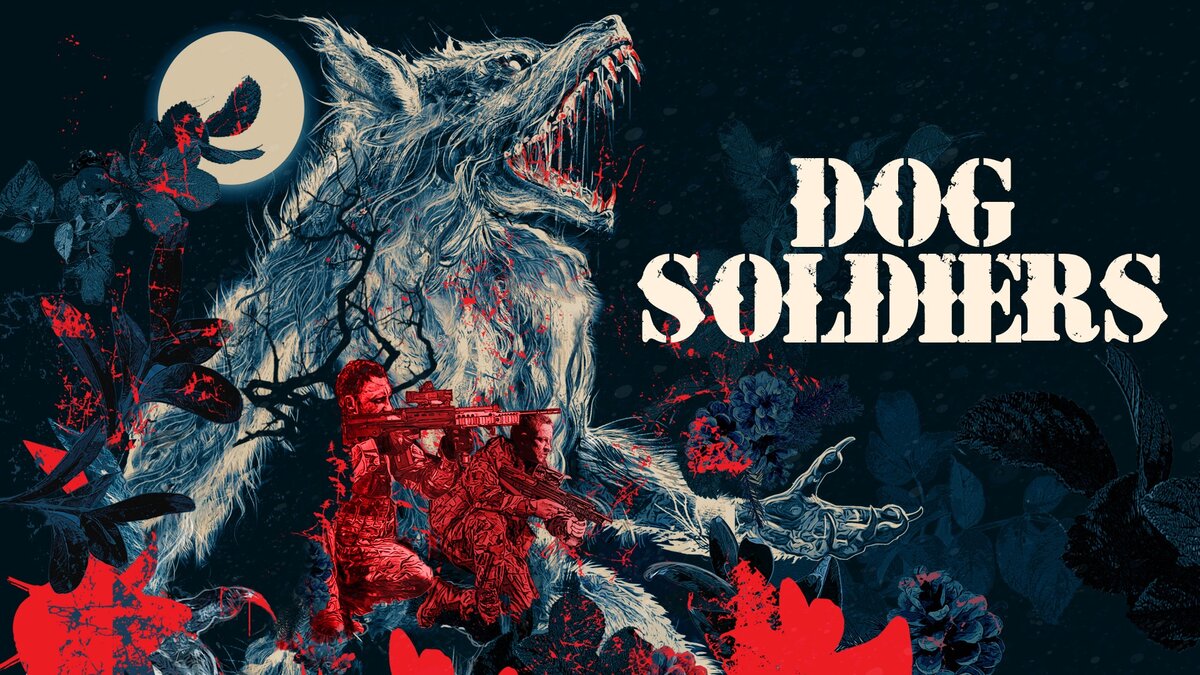
It would be a disservice to Dog Soldiers (2002) to describe it purely as a werewolf action film, though it is absolutely and gloriously that. Neil Marshall’s debut feature drops a squad of British soldiers on a Scottish military exercise, introduces a farmhouse, and then introduces the werewolves, and from that point it more or less refuses to let you breathe for ninety minutes. It also gave us a legendary tagline: Six men. Full moon. No chance. I love this film, and am still mourning that Neil Marshall could not secure the rights for a sequel.

The film works for several reasons. Sean Pertwee and Kevin McKidd are both excellent. The werewolves are enormous, loping, practical-effects creatures shot in ways that keep their scale ambiguous and their movement genuinely unsettling. They are among the best monster designs in British horror. And the film has a rugged, low-budget commitment to practical chaos that CGI never quite replicates.

But what’s interesting about Dog Soldiers in the context of werewolf mythology is what it doesn’t do. There is no sympathy for the werewolves. No transformation-as-self-discovery. No metaphor about repressed desire. They are, straightforwardly, monsters. The film uses the werewolf not as a Freudian mirror but as a threat, and finds that there’s still plenty of mileage in that approach when it’s done with real craft and a decent script.

It is, in some ways, the purest heir to the Universal tradition. The werewolf is a creature to be survived. And yet even here, there’s something interesting going on: the military unit under siege, the question of who can be trusted, the body horror of transformation on familiar faces. The wolf, even at its most straightforwardly monstrous, keeps finding ways to mean something.

The Sympathetic Wolf: Where We Are Now

The werewolf has never been more popular, or more complicated, than it is today.

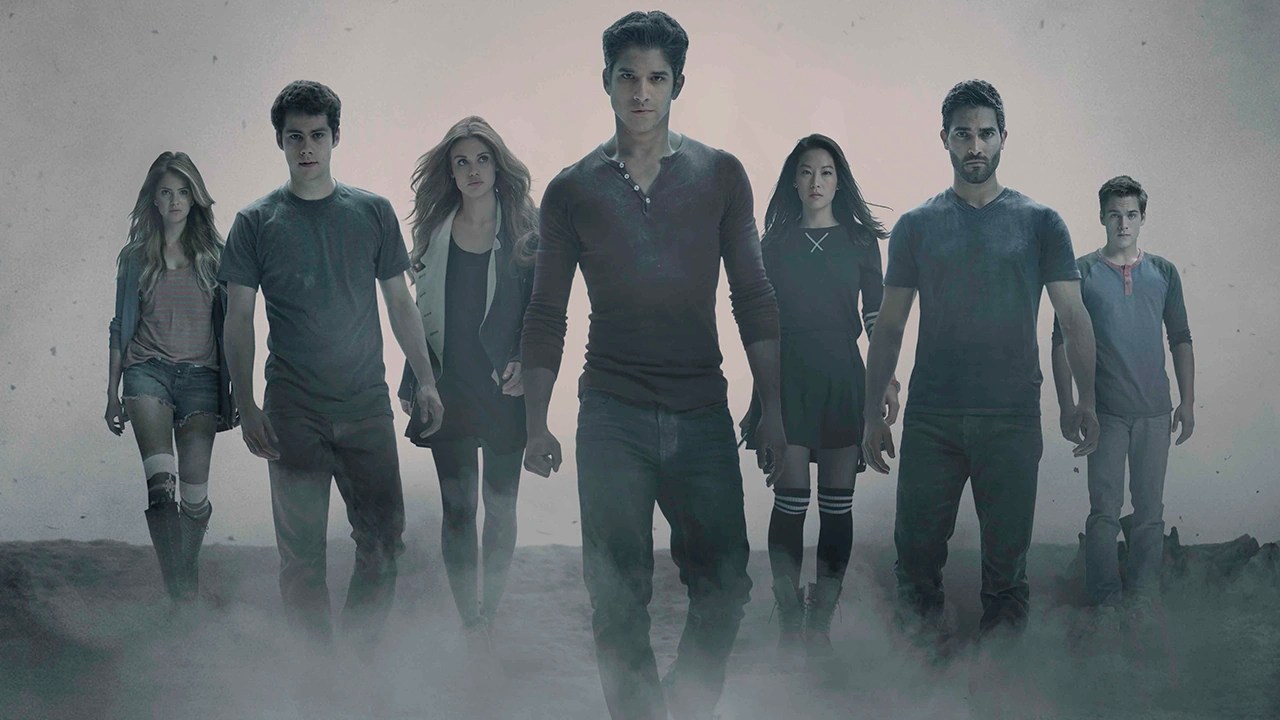
Twilight gave us werewolves as swooning love interests, which polarised audiences but sold an enormous number of books to teenagers, so someone was getting something right. The Underworld franchise cast them as an underclass in a vampire aristocracy, which is a fairly pointed political metaphor dressed in a lot of leather. Teen Wolf — both the cheerful 1985 Michael J. Fox version and the much darker MTV series — used lycanthropy to explore adolescent identity, belonging, and the particular terror of a body that won’t behave the way you want it to.

Harry Potter gave us Remus Lupin, perhaps the most structurally interesting cinematic werewolf since Larry Talbot: a man who is brilliant, kind, generous, and who must take a potion once a month or become something terrible. The HIV metaphor has been written about extensively. What’s perhaps more interesting is that Lupin doesn’t fit neatly into either the “monster to be defeated” or “beast to be liberated” categories. He is simply a person, managing a condition, trying to live with some dignity.

That shift, from the werewolf as horror to the werewolf as character, is the defining movement of the genre over the past thirty years. The beast is no longer purely something to be feared or destroyed. It is something to be understood, accommodated, perhaps even embraced.

This makes a kind of cultural sense. We live in a moment that is deeply interested in interiority, in understanding why people behave as they do, in extending the frame of sympathy to figures who once existed purely as threats. The werewolf, more than any other monster, is built for this. It is, at its core, a story about what happens when the thing inside you refuses to stay inside. About the performance of being human, and what breaks it.

Why the Werewolf Endures

The vampire is elegant. The zombie is political. The ghost is nostalgic.

But the werewolf is physical. It is the monster of the body — of biology, of urge, of transformation that is experienced from the inside. It is change made literal and terrifying and sometimes liberating. It is the question of what we would be, if we stopped pretending.

That’s why the silver bullet trope has lasted. Not because of any genuine folkloric weight, but because it implies something important: that the wolf has a specific vulnerability. That there is one precise thing, one shining exception, that can reach through the monster and kill what was once human. The silver bullet doesn’t just kill the werewolf. It ends the suffering.

And that’s a very human idea. The hope that the thing that has overwhelmed you is not permanent. That there is a cure, a fix, a single gleaming object that can restore the boundary between man and beast.

The werewolf persists because we haven’t stopped needing that particular hope — or that particular fear.

The moon rises. The hair comes. The bullet waits.

Curt Siodmak made it all up. And it turns out, he was right about all of it.

If you’re drawn to stories where human nature and something darker run very close together, where the boundary between instinct and reason is the most interesting part of the story — my novels explore similar territory.

Movie Monday: When Monsters Stopped Being Monsters

There was a time when monsters didn’t need explaining.

They arrived without warning or a backstory. They destroyed without reason. And they were either defeated, or perhaps just momentarily stopped if there was a possibility of a sequel. And in a few, rare cases, they even prevailed. And that was enough.

But somewhere along the way, that stopped satisfying us completely. Today, monsters rarely exist as pure forces of chaos. They are no longer just threats to be eliminated. They are characters. Sometimes even protagonists. And increasingly, they are something else entirely:

They are beings modern cinema audiences perhaps expect to understand.

The Shift from Fear to Empathy

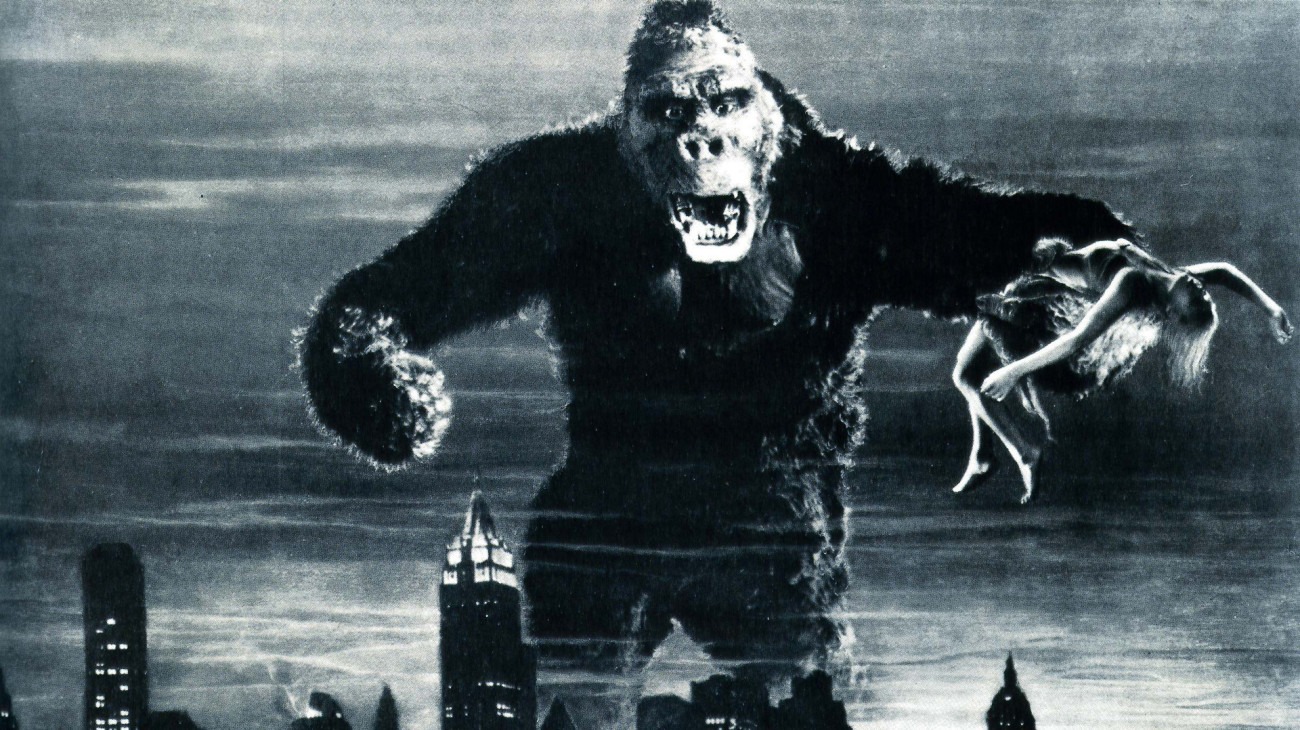
Classic cinema thrived on simplicity. In early portrayals of King Kong, particularly the 1933 version, the creature was tragic, yes, but still ultimately framed as a dangerous anomaly. A spectacle. Something that didn’t belong.

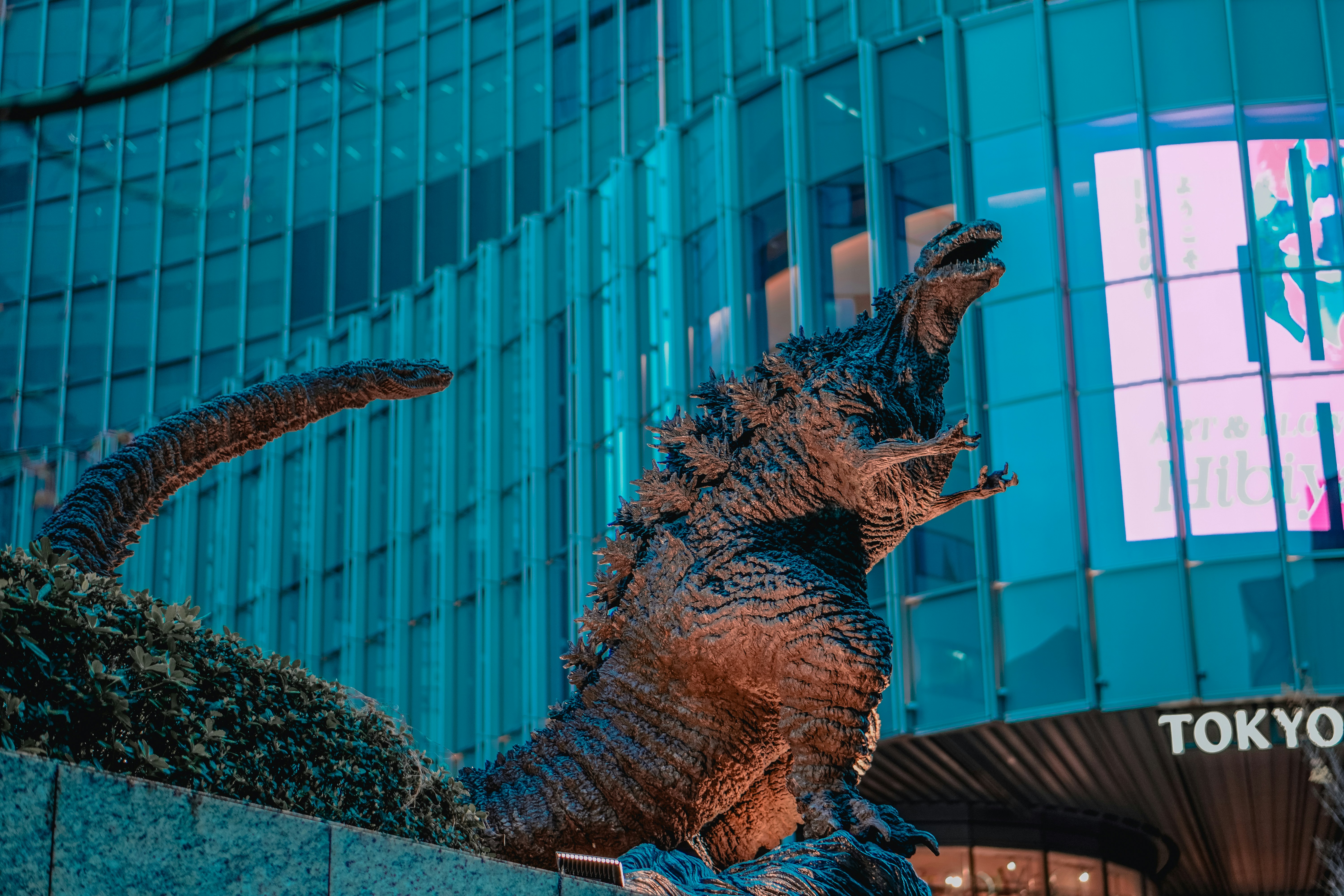
Likewise, 1954’s Godzilla began as something far more unsettling: a walking metaphor for nuclear devastation. Not a hero. Not even a creature to root for. Just consequence made flesh.

But modern audiences seem less comfortable with that kind of distance.

We no longer just want to witness destruction. We want to understand it.

Kong: From Monster to Mirror

Few examples illustrate this shift better than Kong.

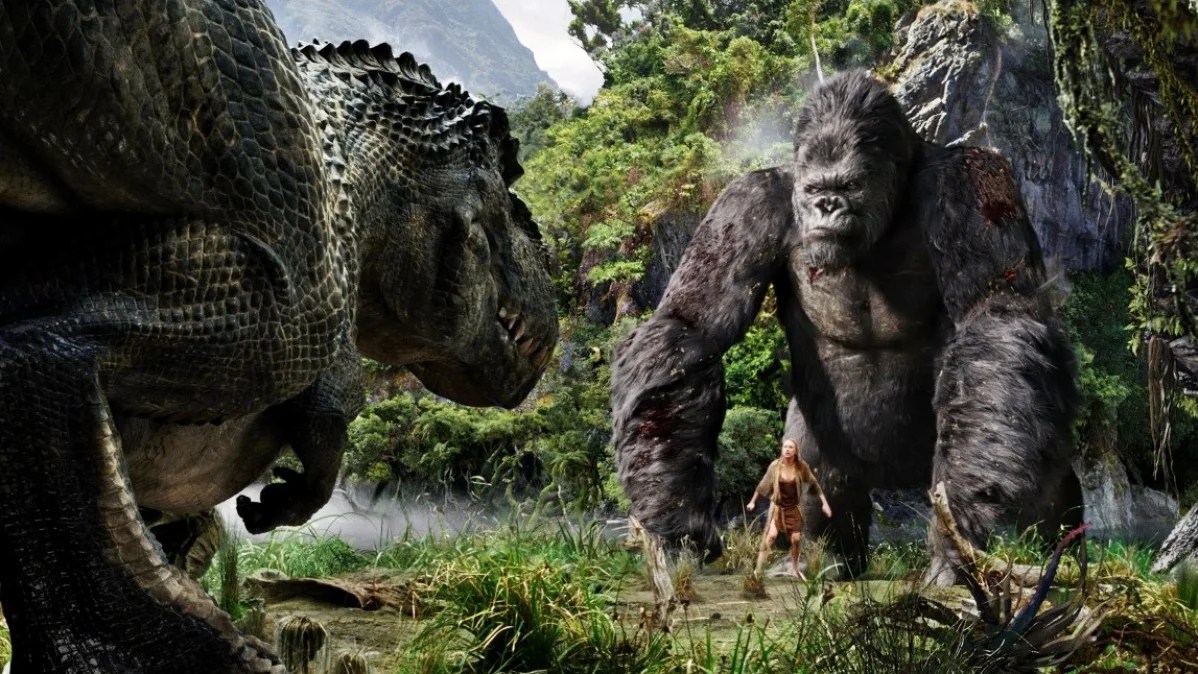
In the 2005 King Kong, Peter Jackson didn’t just remake a classic, he reframed it.

Kong is no longer simply an obstacle or a threat. He is lonely. Intelligent. Capable of connection. His relationship with Ann Darrow becomes the emotional core of the film.

By the time we reach the MonsterVerse, particularly Godzilla vs. Kong and Godzilla x Kong: The New Empire – that transformation is complete.

Kong isn’t just understood. He’s relatable. He has motivations. Territory. Even something resembling culture and lineage. The audience is no longer watching him.

They are watching with him.

Godzilla: From Warning to Protector

Godzilla’s evolution may be even more telling.

Originally conceived as a symbol of nuclear horror, Godzilla was never meant to be comforting. The 1954 film is bleak, heavy, and deeply political.

But over decades, and particularly in Western adaptations, Godzilla has shifted.

In the MonsterVerse, he becomes a kind of reluctant guardian. A balancing force. Not benevolent, exactly, but necessary.

So much so that when his behaviour in Godzilla x Kong: The New Empire leaned more aggressively destructive, audiences noticed and criticised it.

That reaction alone says something important.

We now expect our monsters to have moral boundaries.

Interestingly, this shift is not universal. Films like Godzilla Minus One return to the original vision: Godzilla as terror incarnate. A reminder that some stories still resist this need for empathy and are more powerful because of it.

The Rise of the “Explained” Creature

This trend extends far beyond kaiju.

In The Shape of Water, the amphibious creature is not a monster at all, but a misunderstood being, with the real cruelty lying in human institutions.

In I Am Legend, the infected are gradually reframed, not as mindless predators, but as something closer to a new society, reacting to intrusion.

Even in films like Jurassic World, the dinosaurs, once framed as uncontrollable forces – are increasingly given behavioural logic, emotional cues, even bonds. To now, they are a metaphor for endangered species protection and the plundering of the natural world.

The pattern is clear: We are moving away from “What is this creature?” and toward “Why is it behaving this way?”

Why This Change Matters

Part of this shift reflects broader cultural changes.

We are more aware, scientifically and ethically, of animal intelligence, emotion, and social structures. Predators are no longer seen purely as villains, but as components of ecosystems.

And that perspective bleeds into storytelling. It becomes harder to present a creature as purely evil when we instinctively look for cause, context, and consequence.

But there’s also something deeper. Modern audiences are less comfortable with the idea of absolute otherness.

We look for connection, parallels, and meaning. Even in the things that frighten us.

What We Lose and What We Gain

There is, however, a trade-off. When monsters are always explained, I think they lose something. The mystery fades. Inevitably, the unknown becomes knowable, and our fear softens as a result. And sometimes that can make our monsters a little smaller.

But what we gain is equally powerful.

We gain stories that linger longer. Creatures that feel real. And narratives that say less about “monsters”… and more about us.

The Monster as Reflection

Perhaps monsters haven’t really changed at all. Perhaps they are still doing what they’ve always done: Reflecting the world that created them. Where once they embodied fear of the unknown, they now embody something else – our need to understand the unknown.

If you enjoy this kind of storytelling, my novels explore similar territory, where the line between predator, monster, and myth is rarely as clear as it first appears.

Movie Monday: When Monsters Reflect the World

How Horror Films Echo War, Disaster, and Cultural Fear

There is a moment in many monster films when the creature first appears. It might be a shadow moving beneath dark water. A shape rising above a skyline. A distant roar that carries across a city.

The details change from film to film, but the feeling is always the same. Something enormous and uncontrollable has entered the world.

For most audiences, it is simply spectacle – the thrill of watching something impossible unfold on screen. But if you look closely at the history of monster cinema, those creatures rarely appear by accident.

Again and again, they emerge at moments when societies are wrestling with fears far larger than any individual villain: war, nuclear technology, environmental collapse, or sudden catastrophe.

The monsters may be fictional. But the anxieties behind them are not. Is it purely coincidental, as we experience some of the most uncertain and unsettling times of the modern age, that horror has risen to a place of both cultural and critical recognition in this year’s awards season?

Monster movies are often dismissed as escapism. It’s easy to understand why as giant creatures, impossible threats, and cinematic spectacle designed purely to entertain battle across the screen.

But look more closely and something interesting begins to emerge. Many of the most enduring monsters in film history appeared at moments when societies were grappling with something far more frightening than fiction: war, technological catastrophe, terrorism, or environmental collapse.

In those moments, monsters become metaphors. They give shape to fears that are otherwise too large, too abstract, or too traumatic to confront directly.

From nuclear destruction to terrorist attacks, monster cinema has often mirrored the anxieties of the era that produced it.

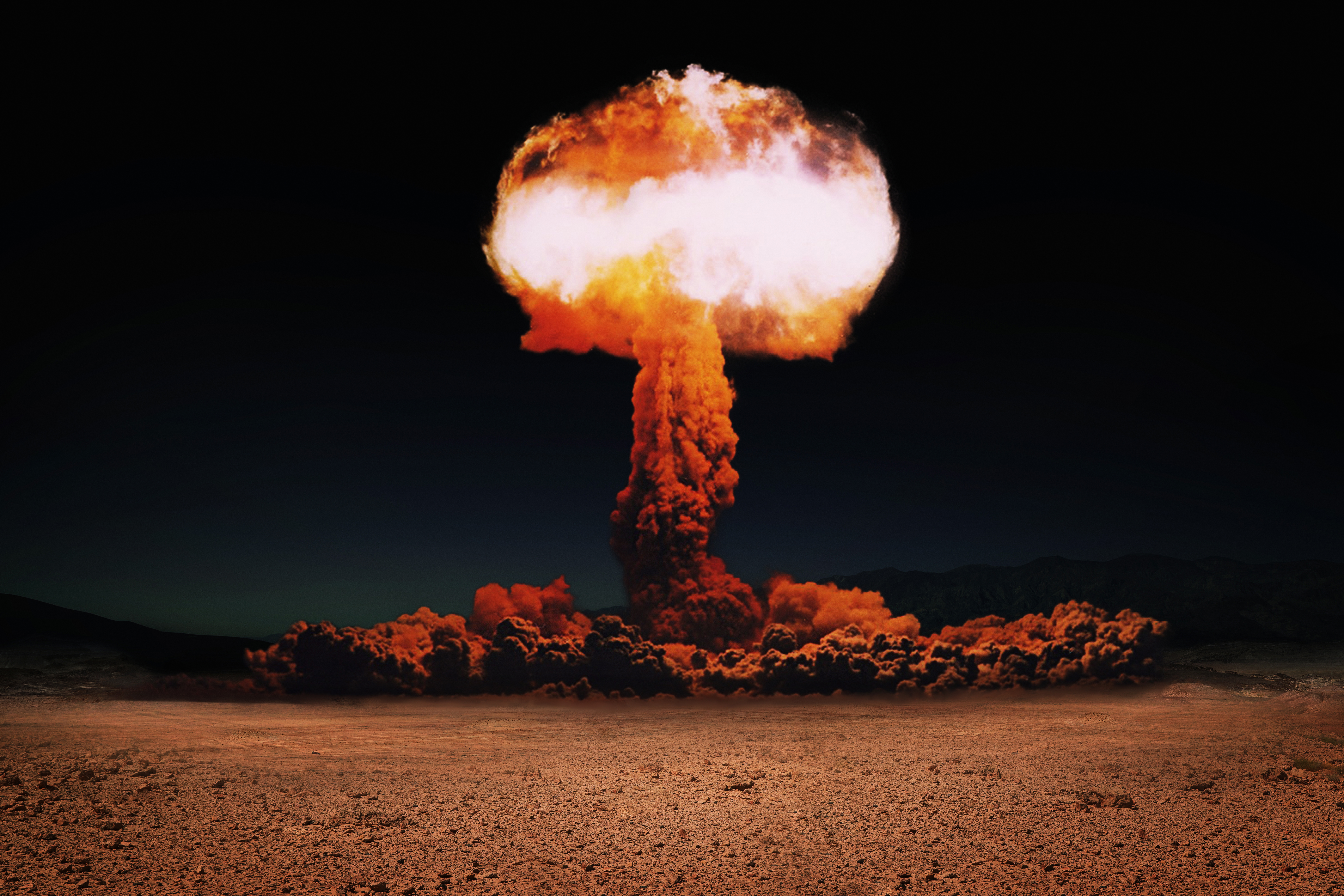
Godzilla and the Shadow of Hiroshima

No example illustrates this better than Godzilla.

The film appeared less than a decade after the atomic bombings of Hiroshima and Nagasaki, and the imagery of nuclear devastation is woven throughout the film.

Godzilla itself is not a dinosaur or an easily recognised entity. It is a creature awakened and directly shaped by nuclear testing.

Tokyo’s destruction in the film deliberately echoes the burned ruins of wartime Japan: flattened cities, fleeing civilians, hospitals overwhelmed with radiation victims.

For Japanese audiences in 1954, this was not distant fantasy. It was collective memory. Godzilla was the embodiment of a new fear, that humanity had created forces capable of destroying the world itself.

Interestingly, this cultural role has never entirely disappeared from the Godzilla franchise. In recent years, Japanese filmmakers have deliberately returned the creature to its darker origins. In Godzilla Minus One, Godzilla once again represents the trauma of post-war Japan, emerging in a country already devastated by defeat and struggling to rebuild.

Rather than a heroic or ambiguous creature, the monster becomes a symbol of national vulnerability and historical memory, something much closer in spirit to the original 1954 film.

At the same time, Western interpretations have begun shifting the metaphor in new directions. The series Monarch: Legacy of Monsters explores the hidden organisations studying giant creatures, gradually suggesting that secrecy, corporate power, and institutional control may be as dangerous as the monsters themselves. In this sense, the Godzilla myth continues to evolve alongside the anxieties of the modern world.

The American Nuclear Monster Era

Godzilla was not alone though. During the 1950s, American monster cinema was also being shaped by nuclear anxiety.

Films like Them! featured giant ants created by radiation, and The Beast from 20,000 Fathoms explored the fear that atomic experimentation might unleash uncontrollable consequences.

These monsters were literally products of radiation. The Cold War had turned nuclear annihilation into a daily possibility, and cinema responded by imagining what might emerge from the fallout.

Cloverfield and the Trauma of 9/11

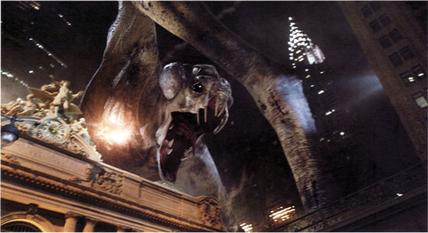
Half a century later, another monster appeared under very different circumstances. Cloverfield arrived in a cultural landscape still shaken by the attacks of September 11th.

The parallels in the film are unmistakable: The sudden attack on New York; Buildings collapsing into clouds of dust; and panicked crowds fleeing through streets filled with the smog of destruction and fear.

The film’s handheld “found footage” style reinforces the feeling of witnessing catastrophe unfold in real time. And unlike traditional monster films, Cloverfield never fully explains the creature.

The story instead focuses on the experience of ordinary people caught in the chaos, which mirrors how many people experienced the real-world attacks.

War of the Worlds and the Language of Terror

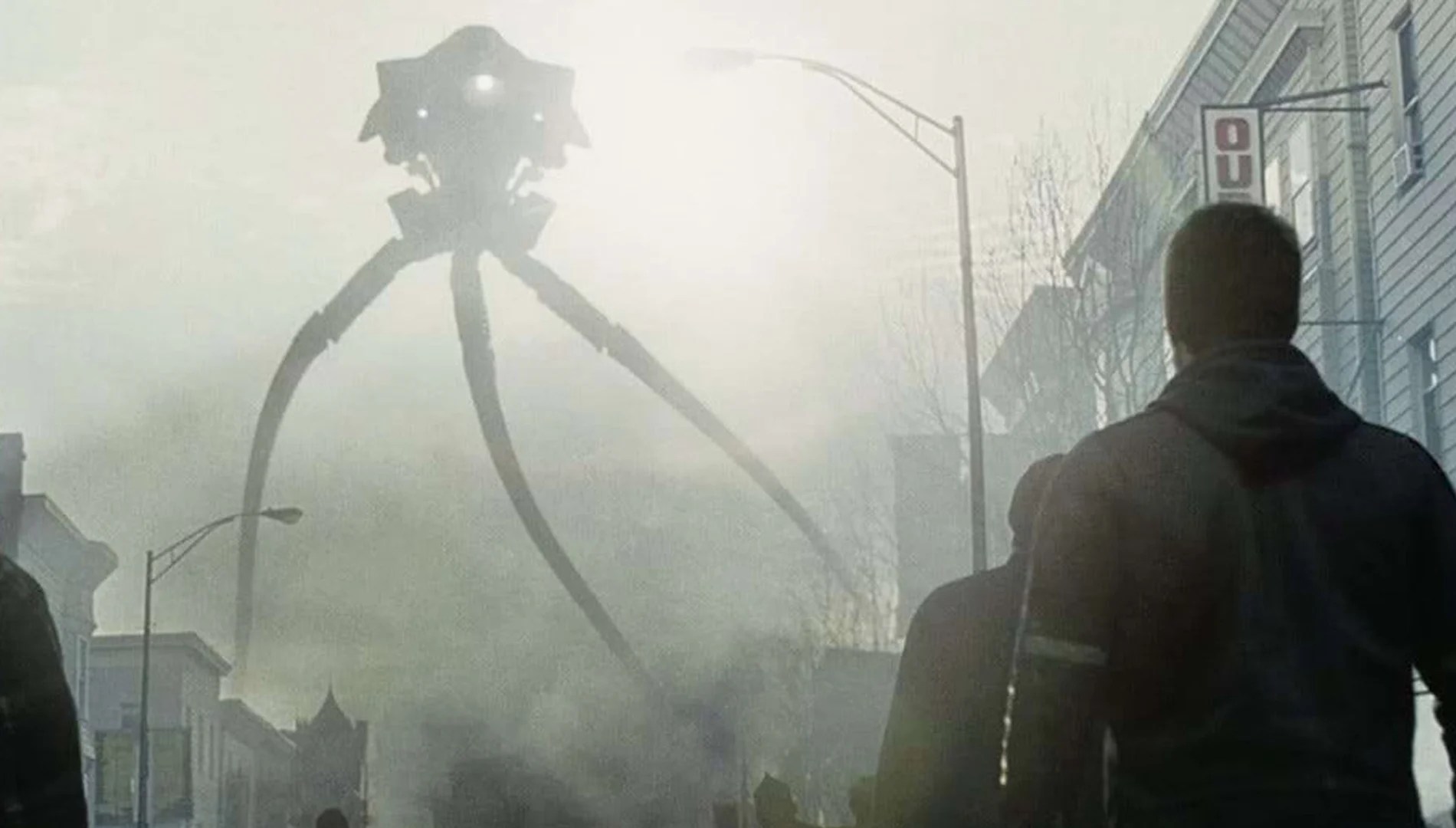
Steven Spielberg’s adaptation of War of the Worlds also carries strong echoes of post-9/11 anxiety. Although based on H. G. Wells’s 1898 novel, the film deliberately mirrors imagery familiar from the early 2000s.

Crowds flee through clouds of dust and stagger through streets covered in ash and sudden attacks destroy familiar landmarks with uncaring brutality.

Even Spielberg himself acknowledged that the film drew inspiration from the emotional atmosphere of the post-9/11 world.

Environmental Monsters and Industrial Anxiety

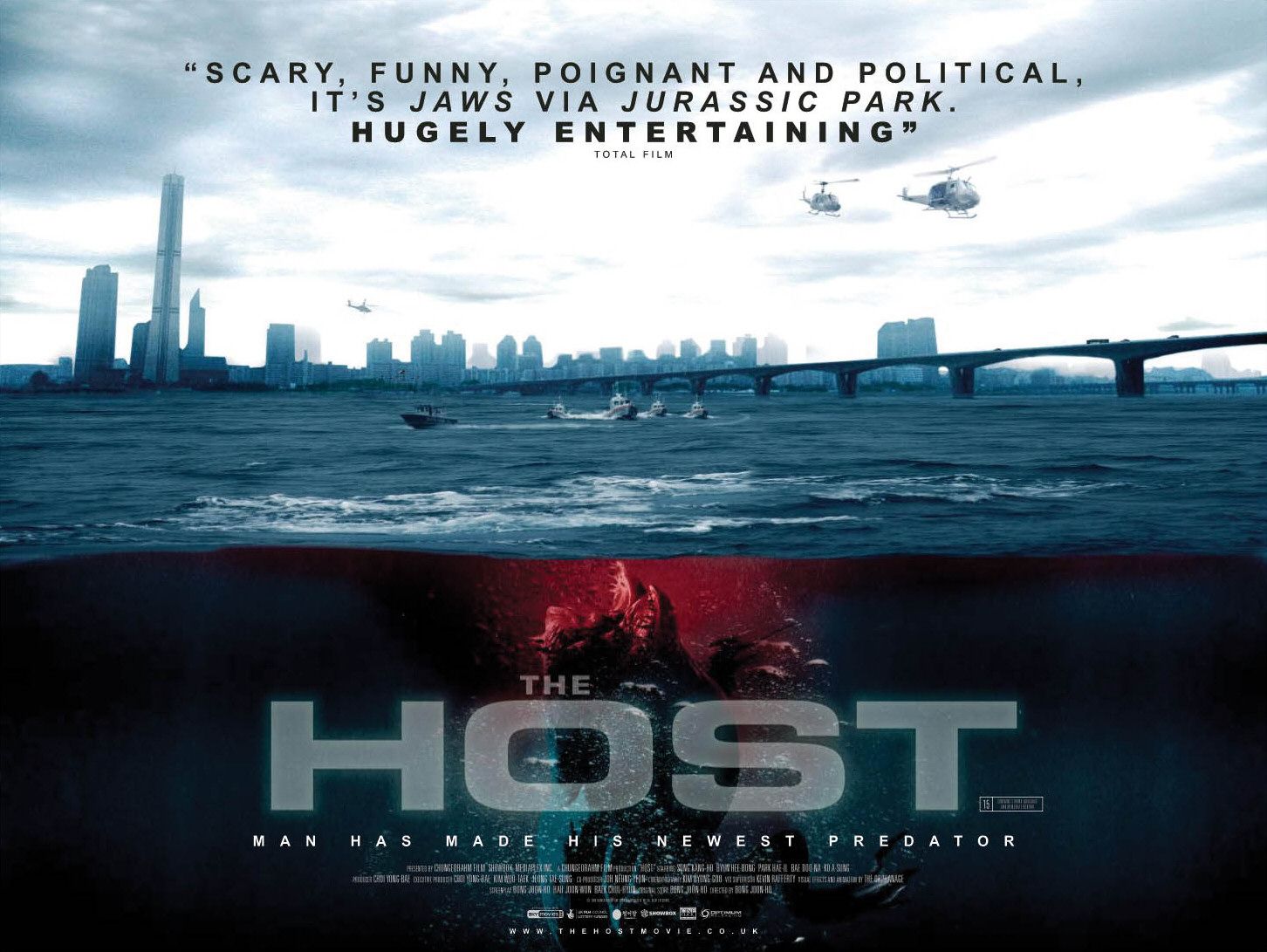
In recent decades, monster films have increasingly reflected environmental fears. A powerful example is The Host, directed by Bong Joon-ho.

The film begins with toxic chemicals being dumped into Seoul’s Han River, eventually creating a mutated amphibious creature that emerges from the water to terrorise the city.

The story was inspired by real environmental controversies involving chemical dumping by the U.S. military in South Korea.

Here the monster is not ancient or mythical, it’s man-made and a direct consequence of pollution and ecological neglect.

Pacific Rim and Disaster in the Age of Global Threats

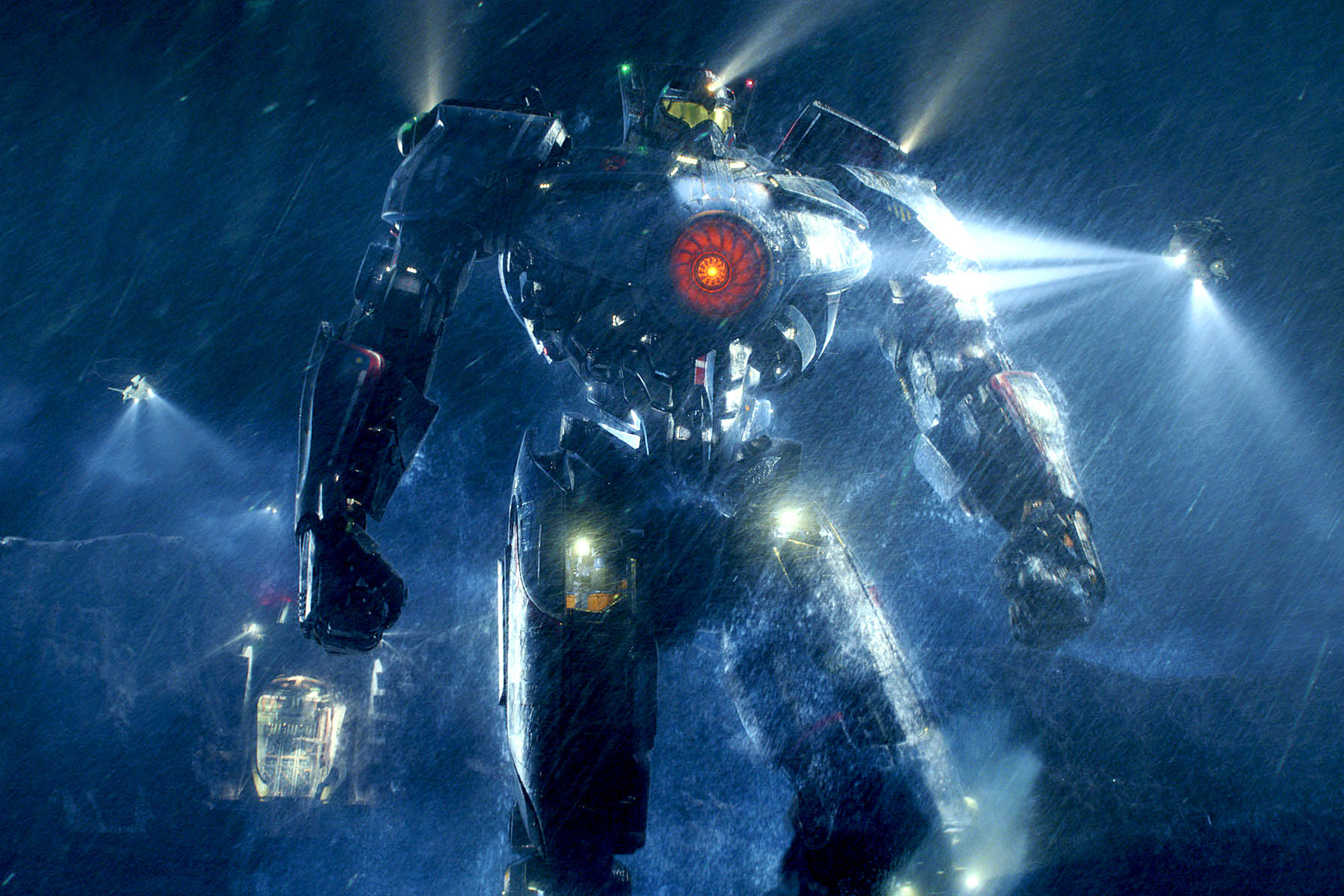
One of the most interesting modern examples is also a favourite. Pacific Rim. At first glance, the film looks like a straightforward homage to classic Japanese kaiju cinema.

But its imagery reflects a very modern world, one shaped by natural disasters, climate anxiety, and global co-operation.

The giant creatures known as Kaiju emerge from the Pacific Ocean and repeatedly destroy coastal cities.The only effective response is an international coalition that builds enormous defensive machines known as Jaegers.

Released only two years after the devastating 2011 Tōhoku earthquake and tsunami, the film echoes a world increasingly aware that catastrophic events, whether natural or man-made, require collective responses.

Unlike Cold War monster films, where nations often acted alone, Pacific Rim presents survival as a shared human effort. The monsters are global. So then, must the response be.

Monsters as Psychological Landscapes

Some modern films explore fear in even more abstract ways. In The Mist, adapted from a story by Stephen King, the monsters outside a supermarket are terrifying, but the real horror unfolds inside.

Fear quickly fractures the small group of survivors as paranoia spreads and authority collapses. The film explores how quickly social order can unravel when people believe they are facing an unknowable threat.

That theme resonated strongly in the years following 9/11, when societies across the world grappled with new fears about security, uncertainty, and public trust.

War, Memory, and Haunted Landscapes

Yet, not all monster stories involve giant creatures. In parts of Southeast Asia, horror cinema often reflects the lingering presence of war through ghosts rather than monsters.

Vietnamese films made after the Vietnam War frequently feature haunted forests, abandoned villages, or restless spirits tied to wartime violence.

In these stories, the land itself remembers. The monster is not a creature emerging from the sea, it is simply history refusing to disappear.

Why Monsters Keep Returning

Monsters are powerful storytelling tools because they externalise fear. War, terrorism, environmental collapse, and nuclear technology are difficult to visualise.

They are vast forces that are political, technological, and systemic. Making them into monsters gives those fears shape. A shape that can be confronted, fought, and sometimes even understood.

These are the reasons why monster films appear again and again at moments of cultural anxiety. They allow societies to process and confront their fears, even the subconscious ones.

The monsters themselves therefore understandable change, from radioactive dinosaurs to mutated sea creatures to inter-dimensional invaders.

Monster films often feel timeless, but they are deeply rooted in the moment that produced them.

Godzilla carried the shadow of nuclear war. Cloverfield echoed the shock of 9/11. And Pacific Rim imagined a world where survival depends on global co-operation against overwhelming threats.

The creatures themselves may be fictional. But the fears behind them are always real. And that is why monster stories never truly disappear.

They evolve alongside us. The monster movies of the next few years may be ones to take note of.

When Monsters Win: Why Prestige Culture Only Rewards Horror on Its Own Terms

The well-behaved monster and the boundaries of respectability.

Awards season is upon us and traditionally, has always had its preferences. Historical epics. Biographical drama. Social realism. Stories that feel weighty before they even begin.

Horror, by contrast, has often been treated as something unruly — too visceral, too commercial, too unserious to sit comfortably among prestige cinema. And yet, every so often, a monster slips past the velvet rope.

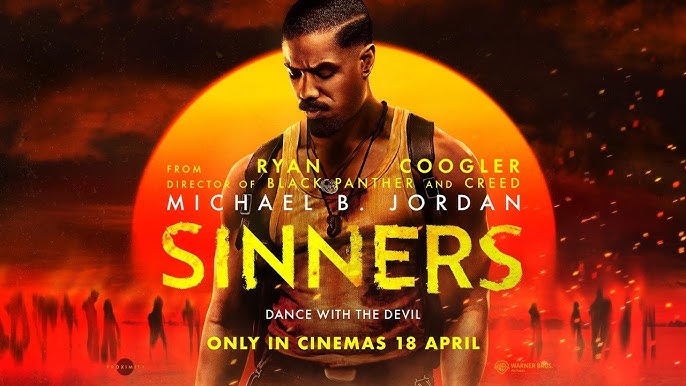
This year, with Sinners dominating Oscar nominations and walking away with major wins at the BAFTAs, that old boundary feels more porous than it once did. Creature cinema is no longer automatically dismissed. It can be celebrated. It can be honoured.

But when monsters win, it is rarely on their own terms.

They are welcomed, carefully, once they have been translated.

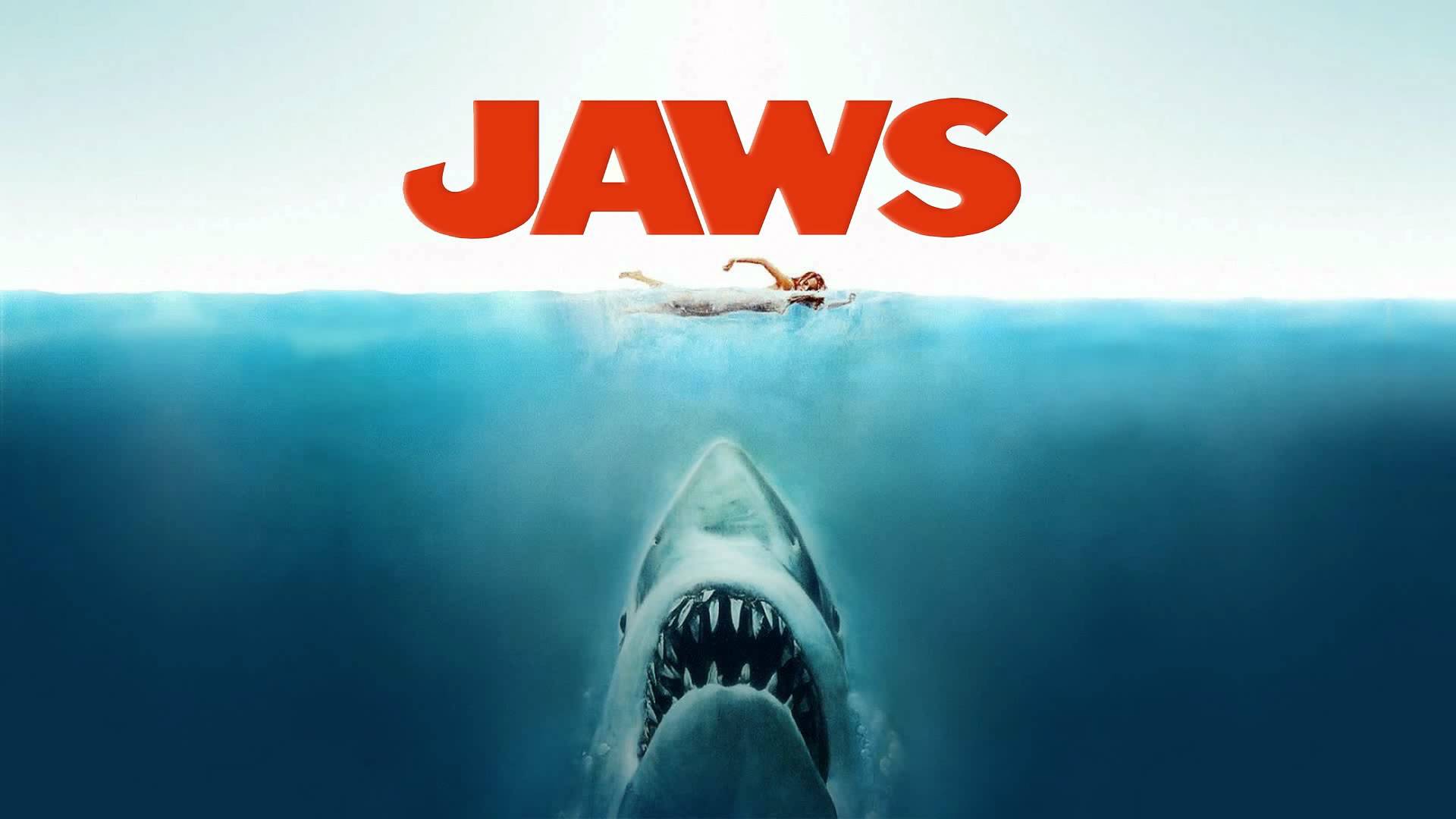
Jaws – The Shark That Wasn’t Just a Shark

When Jaws arrived in 1975, it was a creature feature. A film about a shark hunting swimmers off the coast of a small American town.

It went on to win three Academy Awards — for editing, sound, and John Williams’ now-immortal score.

Not for the shark. The mechanical animal at the centre of the film was never what the Academy formally recognised. Instead, it was the craft that elevated the material: the restraint of the camera, the discipline of the cut, the tension built through absence rather than spectacle.

The shark became something larger than itself. It became:

  • Fear of the unseen.
  • Bureaucratic denial in the face of danger.
  • Economic pressure overriding safety.

In other words, it became metaphor. But beneath that metaphor, the shark remained something more unsettling. It wasn’t malicious. It wasn’t political. It wasn’t traumatised. And it was not misunderstood.

It was simply an animal behaving as animals sometimes do (or in this case, how we thought and imagined they did).

That indifference — that refusal to moralise — is part of what makes Jaws endure. Yet the recognition it received was framed around artistry, not animality. The Academy rewarded how the story was told, not the wildness at its heart.

The creature was tolerated. The craftsmanship was honoured.

The Shape of Water – The Monster Who Became a Mirror

Guillermo del Toro’s The Shape of Water went further. It did not merely win technical awards. It won Best Picture. At its centre is an amphibian creature — clearly inspired by mid-century monster cinema — imprisoned, studied, and ultimately loved.

But this monster does not function as predator. He is not unknowable. He is not ecologically threatening. He is gentle, curious, and capable of tenderness.

He becomes a symbol of otherness — of marginalisation, disability, Cold War paranoia, loneliness. The film invites us not to fear him, but to recognise ourselves in him.

The creature wins because he reflects something human. His monstrosity is aesthetic, not existential. Prestige culture is comfortable with this kind of monster. It can be framed as allegory. It can be moralised. And it can be absorbed into the language of empathy.

The wild edges are softened and the teeth are metaphorical.

When the Creature Becomes Backdrop

A pattern begins to emerge. Horror tends to be embraced by institutions when it performs a certain translation. When the monster is:

  • A political symbol.
  • A social commentary.
  • A psychological metaphor.
  • A vehicle for historical reflection.

In these cases, the creature is not truly the subject. It is a lens through which something recognisably human is examined.

The awards are rarely about the animal itself. They are about what the animal represents. And it’s important to clarify this does not diminish the artistry of these films. Many of them are extraordinary. But it does reveal a preference.

Prestige culture prefers its monsters legible and interpretable. In short, it prefers them to behave.

Horror’s Rehabilitation

In recent years, horror has enjoyed something of a rehabilitation. The line between “genre” and “serious cinema” has blurred. Audiences have matured. Filmmakers have pushed boundaries of tone and form.

Part of this shift is cultural. We live in anxious times. Horror provides a language for uncertainty and a release for it — for systems that feel unstable, for threats that feel diffuse.

But institutions still have conditions.

When horror arrives in formal dress — lyrically shot, carefully scored, layered with symbolism — it is easier to recognise as art. When it aligns with contemporary conversations, it feels urgent rather than lurid.

In other words, horror is welcomed when it demonstrates that it understands the rules of the room. It can be frightening. It can be strange. But it must also be respectable. And the vampires in Sinners are polite, well-spoken, and at the very least, wear respectability as a well-practiced facade as a means to an end.

The Uncomfortable Creature

What remains more difficult to absorb is the creature that resists interpretation. The shark that is simply a shark. The predator that is not secretly a metaphor for capitalism, trauma, or xenophobia. The animal that does not apologise for being non-human.

Ecological horror, the stories that centre real animals behaving according to instinct rather than narrative morality — sits uneasily in prestige culture. There is no catharsis in a force of nature. No redemptive speech. No symbolic resolution.

There is only indifference. And indifference is hard to award. It offers no moral comfort. It does not flatter us by suggesting that even our monsters are secretly about us.

Why This Matters

How we reward monster stories tells us something about how we process fear. We are drawn to creatures, but we often feel compelled to domesticate them. To explain them. To soften them into symbols we can decode.

When a monster film wins, it often does so because it reassures us that the monstrous can be translated into something familiar. But some of the most powerful creature stories resist that translation. They leave the animal wild. They refuse to moralise the teeth.

Those films may not always collect statues. Yet they linger. Because they remind us that not everything in the natural world exists to be understood through human frameworks.

Some things are simply other – the literal force of nature. And perhaps that is what true monster cinema has always been about — not metaphor, not allegory, but the fragile boundary between ourselves and the wild.

Awards season may continue to evolve. Horror may continue to gain recognition. But the monsters that win will likely remain the ones that know how to behave.

The rest — the indifferent, the ecological, the untamed, will likely continue to circle just beyond the light. Popular, but not recognised. Always in the shadows of recognised greatness. And there is something fitting about that.

My novels explore similar boundaries between folklore, wildlife, and fear. The monsters are rarely simple. Find them on Amazon, Kindle, Audible, and iTunes.

From Villain to Witness: How Modern Cinema Rewrites the Monster

Introduction: Monsters, Reconsidered

For much of cinema’s history, the monster served a simple narrative function. It arrived from the margins, disrupted order, embodied fear, and was ultimately removed so that normality could be restored. Whether giant ape, prehistoric reptile, or nameless creature lurking in the dark, the monster existed primarily as an obstacle. It did not need interiority. It did not need explanation. Its presence alone was justification enough.

That simplicity made monsters effective. Fear thrives on clarity, and early cinema rarely asked audiences to question where the creature came from or why it behaved as it did. The monster was the problem.

But in recent years, that framing has begun to feel increasingly inadequate.

Modern monster films still deliver spectacle and danger, but they are far less comfortable presenting creatures as purely evil forces. Behaviour is contextualised. Motivation is explored. In some cases, the monster is no longer even positioned as the antagonist.

It remains frightening, but it is no longer disposable.

The Classic Monster: Threat Without Context

Early cinematic monsters were designed to simplify fear rather than interrogate it.

In King Kong, Kong is awe-inspiring and tragic, but he is never truly allowed to exist beyond symbolism. He represents the unknown, the primitive, the uncontrollable. His capture and eventual death restore order, and the film closes without seriously questioning whether that outcome was inevitable or just.

This structure repeats across decades of monster cinema. The creature is framed as abnormal, its presence an intrusion into civilisation. Little attention is paid to ecology, displacement, or cause. The monster’s destruction functions as narrative closure.

That approach worked for its time. Monsters were metaphors first and beings second. Fear was externalised and contained.

The Modern Shift: Behaviour Over Villainy

Contemporary monster narratives are far less willing to accept that kind of moral shorthand.

In the MonsterVerse, Kong is no longer portrayed as a rampaging aberration. He is territorial, reactive, and increasingly isolated — a powerful animal responding to confinement, intrusion, and displacement. The destruction he causes is not denied, but it is contextualised. The question is no longer simply how to stop him, but why he is there at all.

A similar approach appears in Damsel, where the creature’s violence is rooted in history and betrayal rather than innate malice. The monster is not softened or turned into a companion figure. It remains a dangerous, direct threat. What changes is the framing. Its behaviour is shown to be a response rather than a pathology.

This distinction matters. Explanation does not neutralise threat. It replaces laziness with honesty.

Monsters, Instinct, and the Conservation Lens

This narrative evolution mirrors a broader shift in how we understand real animals.

In conservation and human–wildlife conflict, the language of “rogue” animals and “evil” predators has largely been abandoned. Serious discussion now centres on habitat loss, injury, food scarcity, and human expansion into contested spaces. When a tiger or lion attacks, the focus is not on moral failure but on circumstance and pressure.

The animal is not absolved of danger — but it is removed from moral judgement.

Modern monster cinema increasingly reflects this ecological thinking. These creatures are frightening not because they are wicked, but because they are powerful, stressed, territorial, or reacting exactly as their biology dictates. Instinct replaces intention. Context replaces caricature.

Importantly, this approach does not anthropomorphise the monster. It does the opposite. By stripping away human moral projection, the creature is allowed to exist as something fundamentally other — governed by its own rules, indifferent to ours.

That indifference is often more unsettling than evil ever was.It strips away human moral projection and allows the creature to exist on its own terms.

Why This Change Matters Now

This shift in monster storytelling is not happening in isolation.

We live in an era defined by systems rather than single causes. Climate change, ecological collapse, geopolitical instability — none of these can be explained through simple villains. Audiences have become increasingly attuned to complexity, and stories built on clear moral binaries often feel dishonest.

What unsettles us now is not the presence of danger, but the recognition that harm can be understandable. That violence can emerge from pressure rather than cruelty. That systems, not monsters, are often the true antagonists.

Modern monster films reflect this discomfort. They resist easy answers. They allow fear to coexist with recognition.

The Monster as Witness, Not Enemy

In many contemporary narratives, the monster has become something closer to a witness than an enemy.

Not a punishment sent to restore balance. Not a curse to be eradicated. But a presence shaped by what has been taken, altered, or ignored.

The creature remains dangerous. The threat is real. Yet the story no longer ends with its removal as moral necessity. Instead, the monster exposes the fragility of human systems and the consequences of interference.

The monster has not disappeared. It has become more truthful.

Closing Reflection

We still call them monsters, but we have quietly stopped treating them as villains.

That change does not make these stories gentler. If anything, it makes them more unsettling. A monster driven by instinct and circumstance cannot be reasoned with or redeemed in simple terms. It can only be understood — and sometimes endured.

Perhaps this shift says less about cinema than it does about us. About a growing awareness that fear does not require evil, and that the most frightening stories are often the ones that refuse to offer clean resolutions.

If you enjoy this kind of storytelling, my fiction explores similar territory — where monsters and animals are shaped by instinct, history, and human pressure rather than simple evil.

Movie Monday: Primate, Killer Apes, and the Stories We Tell About Animals

Welcome back to Movie Monday.

This is only the second entry in the series, but the intention is already clear: this isn’t about quick reviews or ranking creature features by body count. It’s about looking at animal-led horror films through a wider lens… asking what they borrow from reality, what they distort, and what impact those stories have beyond the screen.

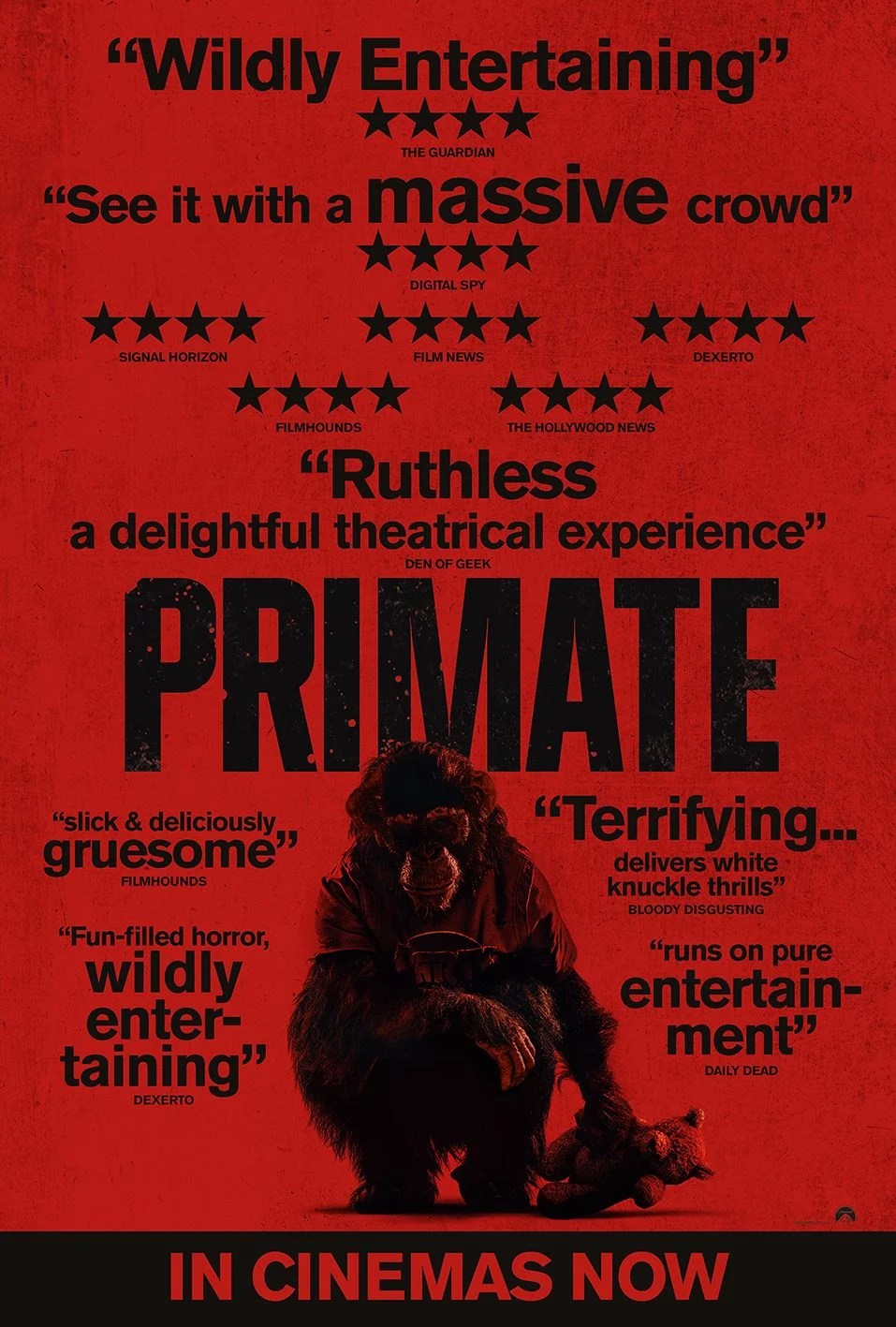
This week, the focus is a brand new film – Primate, directed by Johannes Roberts. It’s a deliberately confrontational piece of horror: graphic, tense, and unflinching in its depiction of violence. On the surface, it fits comfortably within the long tradition of “killer animal” cinema. But beneath that familiar framework, I think Primate is doing something more thoughtful, and more troubling.

Intelligence as Horror, Not Gimmick

There is a particular kind of discomfort that lingers after watching Primate. Not the fleeting unease of jump scares or gore, but something quieter and more persistent. A sense that what you’ve just watched isn’t entirely fictional and that the true horror sits uncomfortably close to reality.

The film centres on a chimpanzee capable of communicating through sign language. When the animal contracts rabies, its behaviour becomes violently unstable. What makes this premise effective is not the novelty of intelligence, but how seriously the film treats it.

The chimp’s cognition is not there to make it sympathetic, nor to humanise it for easy emotional manipulation. Instead, intelligence becomes an amplifier. The violence is more disturbing precisely because the audience understands this is not a mindless creature lashing out, but a thinking being whose perception of the world has been catastrophically altered.

Rabies matters here. The film resists framing the chimp as evil, possessed, or monstrous by nature. This is disease, not malice. Pathology, not punishment. That distinction shifts the moral weight of the story away from the animal and back toward the conditions that made such an outcome possible in the first place.

The Horror Isn’t the Chimp

This is where Primate brushes up against an uncomfortable truth that horror cinema has often avoided.

The horror isn’t the chimp. The horror is the belief that we can safely domesticate something that was never meant to be ours.

Highly intelligent animals do not become safer through proximity to humans. If anything, intelligence increases unpredictability when an animal is denied its natural social structures, environmental cues, and physical autonomy. Familiarity does not override biology.

Viewed through this lens, Primate stops being a simple killer-ape film. It becomes a story about misplaced control and the human tendency to mistake access for understanding.

Real-world cases have already shown how fragile this illusion is. In 2009, Travis the chimp — raised in a domestic setting and long treated as a familiar presence rather than a wild animal, violently attacked a woman in his owner’s home. The incident was not the result of cruelty or neglect in any simple sense, but of a far more uncomfortable truth: a highly intelligent, powerful animal had been placed in an environment it was never designed to navigate. When something went wrong, the consequences were catastrophic.

Love did not cancel instinct. Intelligence did not equal compliance.

Primate fictionalises this reality, but it does not exaggerate it. The film’s horror grows from the same fault line: the human insistence that proximity and affection can neutralise biology.

Killer Apes and Cinematic Inheritance

Cinema has a long, complicated relationship with apes. From the earliest monster films through to modern horror, they occupy an uneasy space: strong enough to threaten us, intelligent enough to unsettle us, and similar enough to us to provoke discomfort.

Films like King Kong established a template where apes became symbols of chaos, domination, or fear of the “other”. Too often, those stories leaned on spectacle rather than context, asking audiences to fear the animal without interrogating why it was placed in conflict with humans at all.

Primate inherits that cinematic lineage, but it doesn’t fully repeat its mistakes. The chimp is dangerous, yes, but the film never lets the audience forget that the danger is engineered. Captivity, experimentation, disease, and human arrogance form the backdrop to every violent act.

The animal is not framed as a natural villain. The system surrounding it is.

Misrepresentation, Responsibility, and Modern Horror

This raises a broader question, one that modern creature features can maybe no longer avoid. Can we still make effective animal-led horror without slandering a species?

The answer may lie in perspective rather than restraint. Horror does not lose its power when animals are portrayed honestly; if anything, it becomes more unsettling. When behaviour is grounded in biology, instinct, stress, and environment, violence stops feeling arbitrary and starts feeling inevitable.

Too many older films treated animals as symbols — metaphors for chaos, punishment, or nature “striking back”. In doing so, they often stripped creatures of context, reducing complex species to simple villains. The result was fear without understanding, and spectacle without consequence.

Primate largely avoids that trap. The chimp’s actions are horrifying, but they are never divorced from cause. Captivity, experimentation, disease, and human interference form the framework within which the violence unfolds. The animal is not behaving “out of character”. It is behaving exactly as a compromised, intelligent animal might.

This is an approach I’ve deliberately taken in my own fiction. When I write from the point of view of the creature, it isn’t to humanise or excuse its actions, but to clarify them. To show how instinct, territory, stress, and survival pressures shape behaviour, and how easily human presence destabilises that balance. Horror, in this context, doesn’t come from malice. It comes from collision.

When animals are depicted honestly, the question shifts. The fear is no longer what is the creature capable of? It becomes why did we put it in this position at all?

That, perhaps, is where modern creature-feature horror finds its real responsibility, not in softening its monsters, but in telling the truth about them.

Looking Ahead

Slandering a species has consequences, as Peter Benchley discovered after the unprecedented success of Jaws.

Hot off its 50th anniversary year in 2025, Jaws offers a powerful case study in how fiction can shape fear and how those fears can ripple outward into real-world destruction. In a future Movie Monday, we’ll look at how that film and book sounded a death knell for millions of sharks in the decades that followed, and how Benchley himself later became a vocal champion for their protection.

Because stories about animals don’t end when the credits roll. They linger. And sometimes, they bite far deeper than intended.

🎬 Movie Monday: When Real Animals Became Movie Monsters

Stories have always borrowed from the natural world, sometimes consciously, sometimes not.

Movie Monday is a new, occasional series exploring where cinema, wildlife, and myth overlap: the real animals, behaviours, and biological truths hiding behind some of our most enduring screen monsters.

It sits alongside Monster Monday and Maneater Monday — different lenses on the same question: why certain creatures, real or imagined, refuse to loosen their grip on us.

We like to believe that cinema monsters are born from imagination alone… nightmares made flesh, conjured by writers staring into the dark.

But again and again, the truth is stranger.

Some of the most iconic creatures in film and fiction didn’t come from myth at all. They came from nature, from animals whose behaviours were already so efficient, alien, or unsettling that they barely needed exaggeration.

Filmmakers didn’t invent these monsters.
They recognised them.

👹 Predator: insects, instinct, and a moment at 30,000 feet

The creature in Predator is often remembered for its technology: cloaking devices, shoulder cannons, thermal vision, ritualised hunting codes.

But strip all of that away and you’re left with something far older.

During early development, legendary creature designer Stan Winston was struggling to finalise the Predator’s look. While flying with James Cameron, he talked through the problem, and it was Cameron who suggested a simple, unsettling solution: give it mandibles.

That single idea changed everything.

Designers have since acknowledged the influence of insects, particularly praying mantises, in the Predator’s face and posture. Forward-facing eyes. Mandible-like jaws. A head shaped for tracking and striking rather than expression or empathy.

Mantises already look extraterrestrial to us. They rotate their heads. They calculate distance. They dismember prey with methodical calm.

Even the creature’s voice reinforces this lineage. The distinctive clicking and chittering sounds were created by Peter Cullen, deliberately leaning into insect-like vocalisations rather than anything recognisably mammalian or humanoid.

The Predator doesn’t invent that fear.
It scales it up, arms it, and releases it into a jungle.

What remains, beneath the tech, is an apex ambush hunter — something we instinctively recognise, even if we can’t quite place why.

👽 Alien: nature’s most efficient horror machine

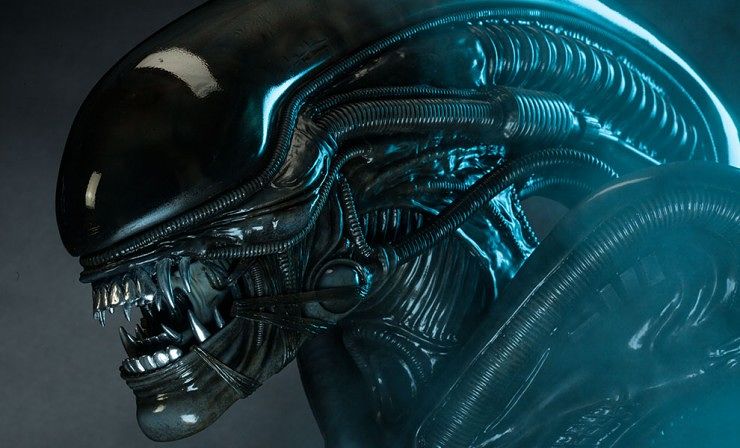
The creature in Alien remains one of cinema’s most disturbing designs because it feels biological. Every stage of its life cycle obeys a logic — parasitic, efficient, and utterly indifferent.

That’s because it draws from multiple real-world inspirations.

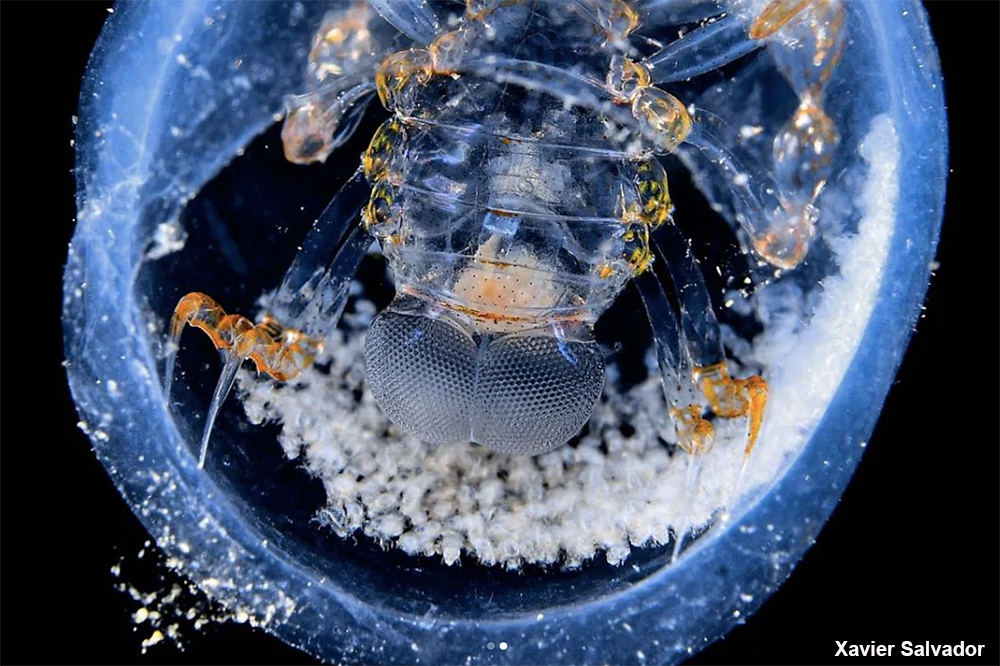
One is the deep-sea amphipod Phronima sedentaria, sometimes called the “monster in a barrel.” This tiny crustacean hollows out gelatinous animals, lives inside their emptied bodies, and uses them as both shelter and nursery. It’s parasitism turned architectura.

Image Credit: Xavier Salvador

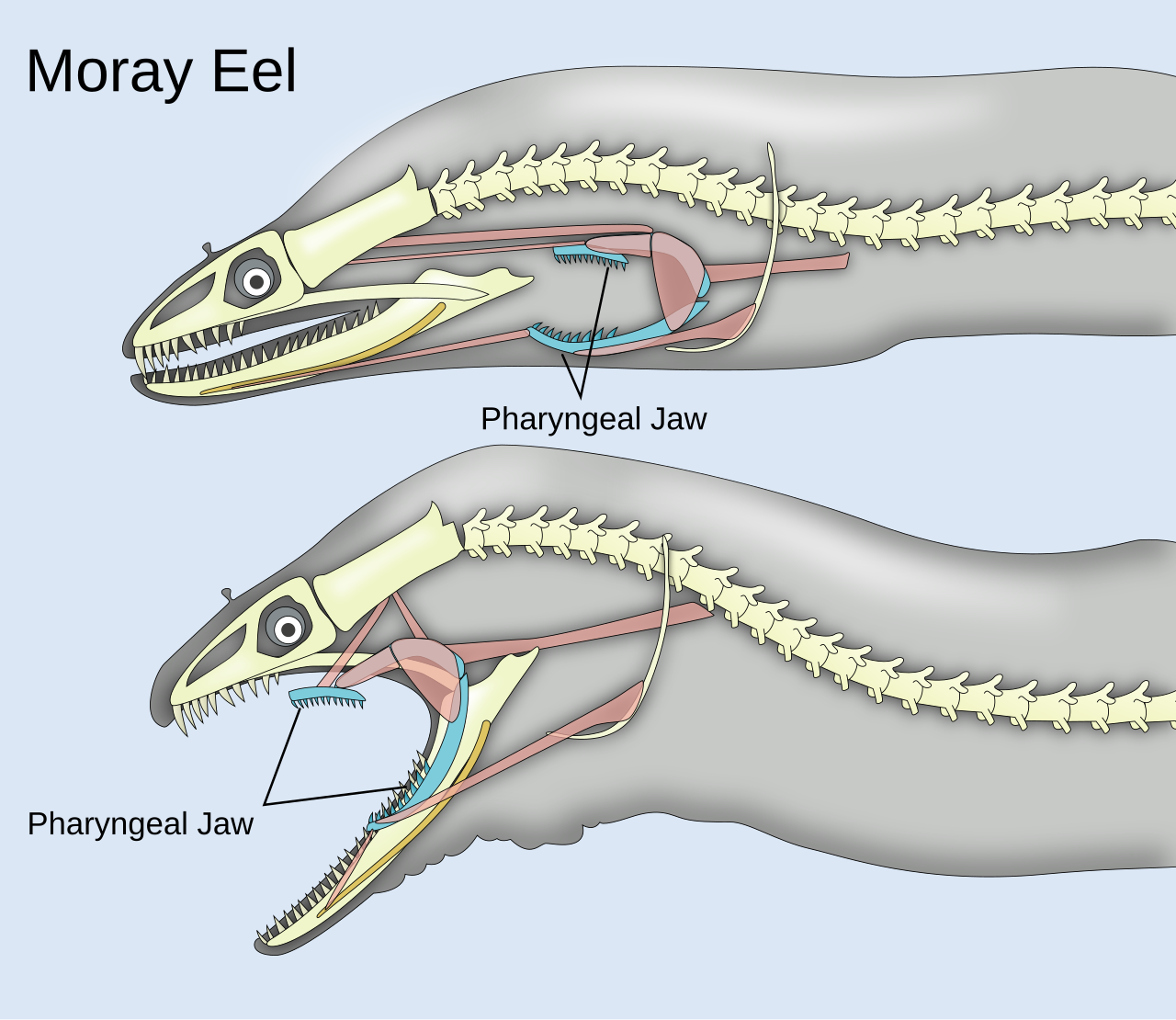
Then there’s the Alien’s inner jaw, eerily similar to the pharyngeal jaws of moray eels, a second set of jaws that shoot forward from the throat to drag prey deeper inside the body. Watching one in action feels like watching a design error, until you realise how brutally effective it is.

Image Credit: Wikipedia.

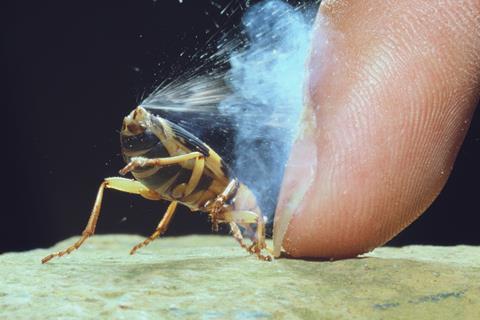
The acid blood? That has uncomfortable echoes of the bombardier beetle, which stores volatile chemicals in separate chambers and mixes them only when threatened, releasing a boiling, corrosive spray with startling precision.

Even the facehugger carries a lineage. Its spidery grip, tail wrap, and underside anatomy closely resemble the ancient horseshoe crab, a creature so old it predates dinosaurs, and so alien it barely seems terrestrial at all.

Alien isn’t fantasy biology.
It’s biology… refined.

🧛 Dracula: when bats became monsters

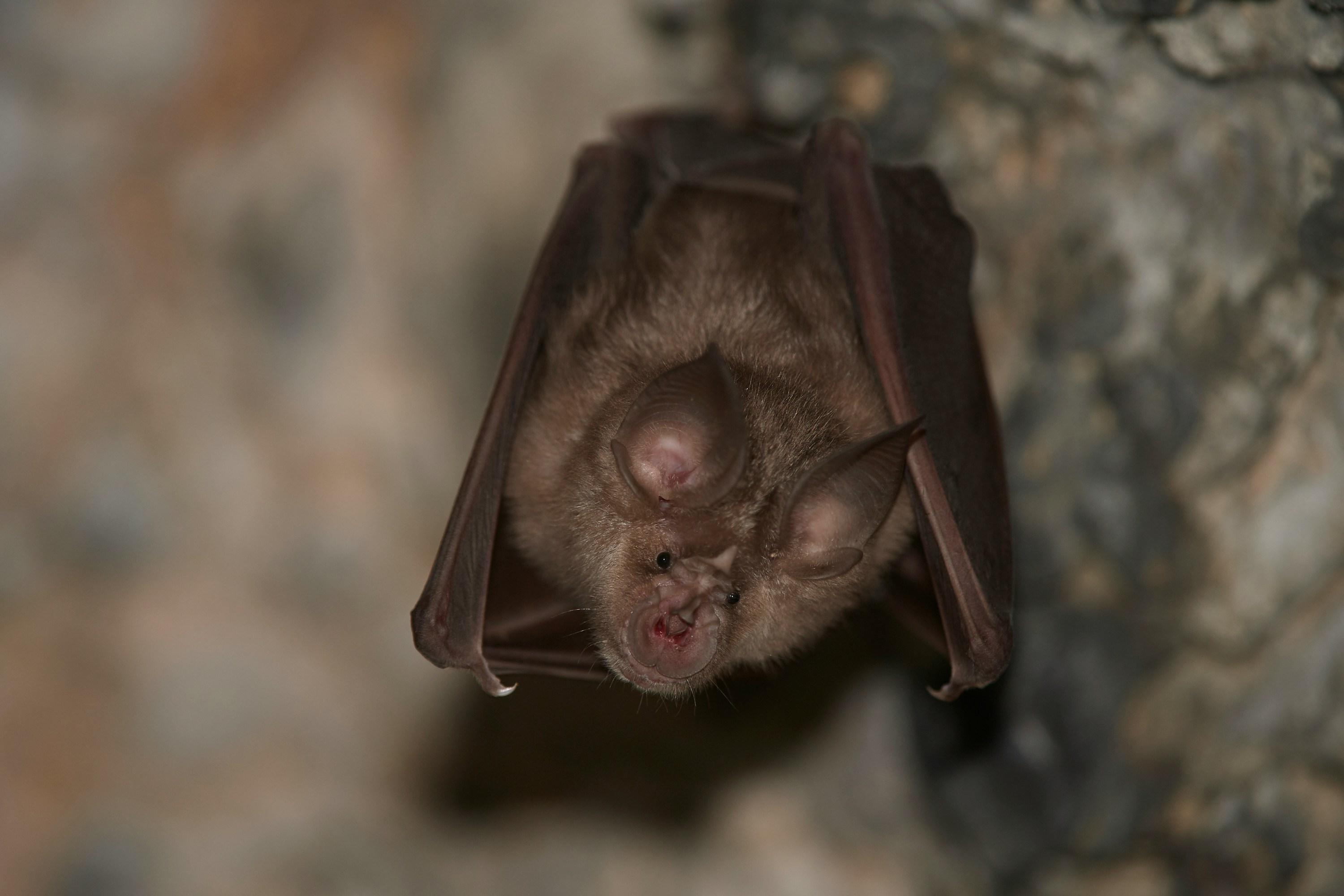
While working on Dracula, Bram Stoker encountered a New York newspaper clipping describing vampire bats – small, blood-feeding mammals that had been newly “discovered” by Western science and already framed as unnatural horrors.

They didn’t drain victims dry, as legend claimed. But they did feed silently, painlessly, and in the dark. They made small incisions, returned night after night, and relied on anticoagulants to keep blood flowing.

That was enough.

Stoker fused this real behaviour with Eastern European folklore, and suddenly vampirism became biological as well as supernatural. Dracula wasn’t just cursed — he fed, adapted, survived.

Once again, fear took root because it had a foothold in reality.

🦈 Jaws: the predator we misunderstood

Jaws didn’t invent the fear of sharks, but it magnified it catastrophically.

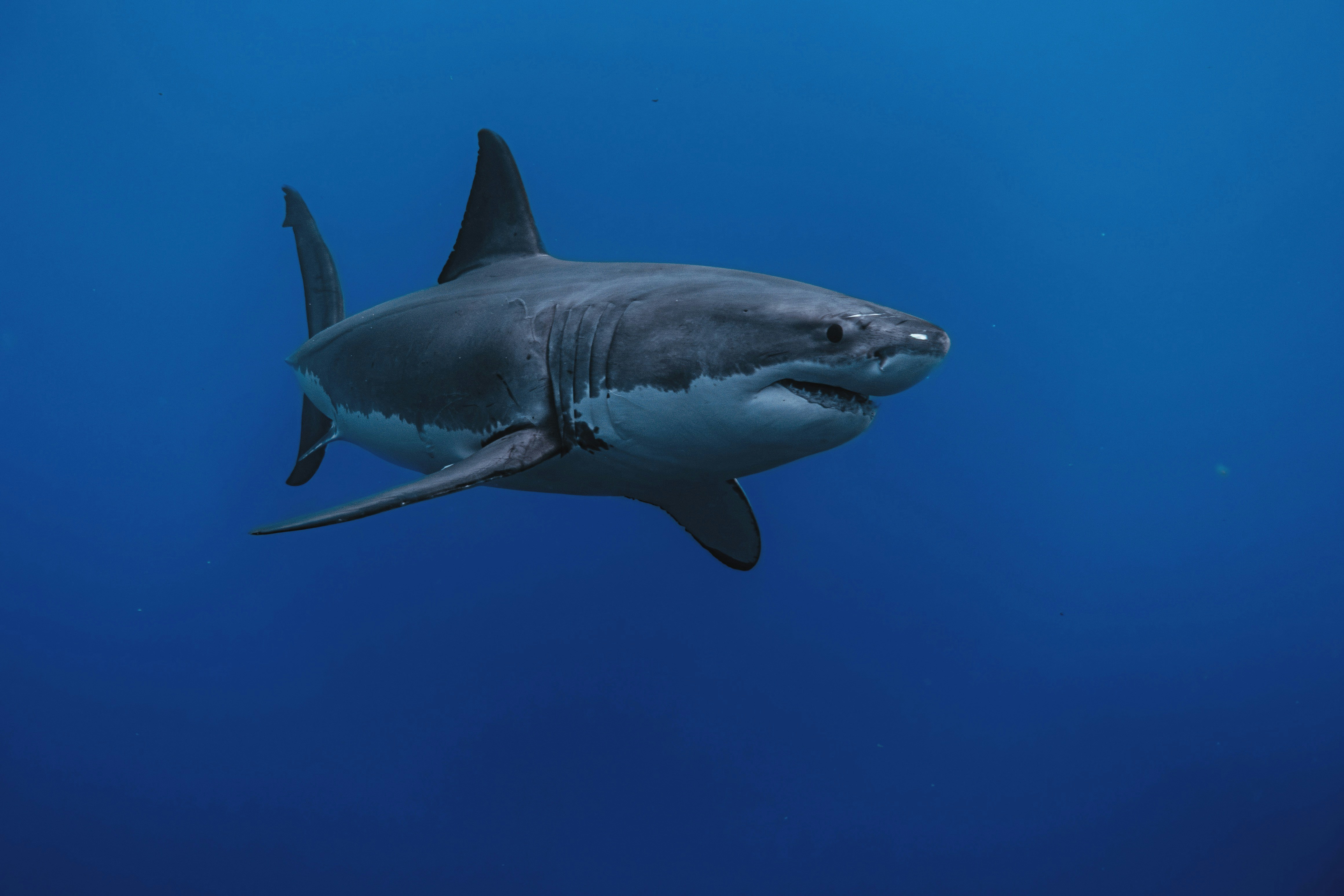
The great white shark is a powerful apex predator, yes. But it is also cautious, energy-efficient, and rarely interested in humans. Most bites are investigative, unfortunate cases of mistaken identity.

In Jaws, however, the shark becomes something else entirely: territorial, vengeful, strategic. It stalks specific individuals. It understands fear.

The exaggeration worked, all too well. The film permanently altered public perception of sharks, contributing to fear-driven culls and a legacy of misunderstanding that conservationists are still trying to undo.

It’s a reminder that when cinema borrows from nature, it doesn’t always give back responsibly. I am working on my own shark-based story, and will have to try and be as respectful as I can with the subject matter.

🍄 The Last of Us and the zombie ant fungus

The monsters of The Last of Us, from the video game and then brought chillingly to life in the HBO series, feel plausible because they already exist.

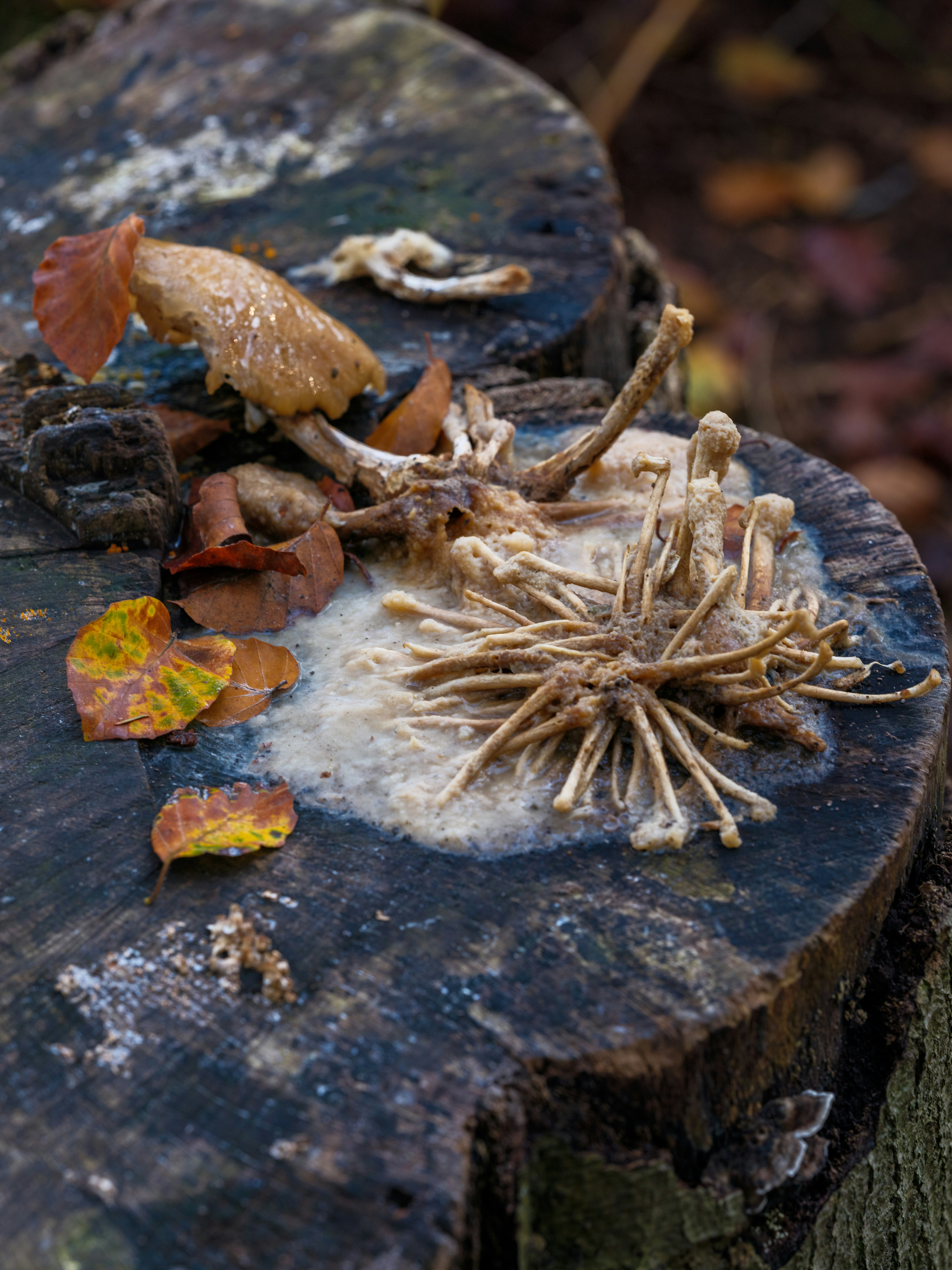
Ophiocordyceps unilateralis infects carpenter ants across tropical forests. Once inside, the fungus alters the ant’s behaviour, compelling it to climb vegetation and clamp down with its mandibles.

Then it kills the host.

A fungal stalk erupts from the ant’s head, releasing spores onto the forest floor below, perfectly positioned to infect the next generation.

There’s no rage. No hunger. No malice.

Just control.

The horror of The Last of Us lies not in the fantasy of zombies, but in the quiet realisation that free will is not as secure as we think.

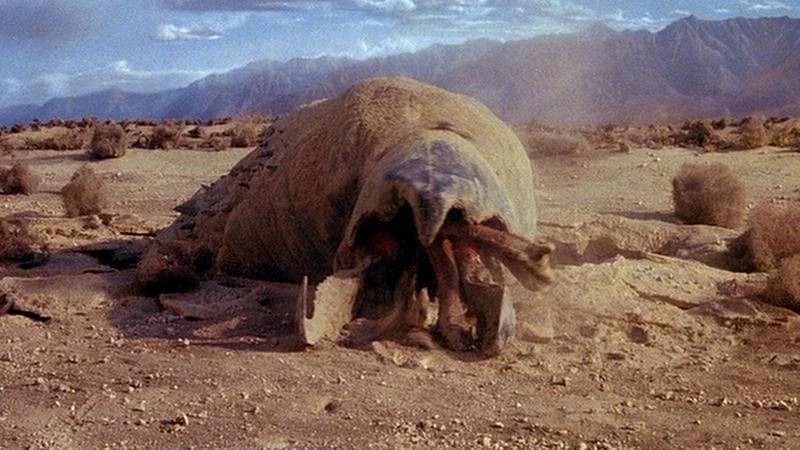
🪱 Tremors: ambush predators beneath our feet

The graboids in Tremors feel absurd, until you consider how many real animals hunt exactly this way.

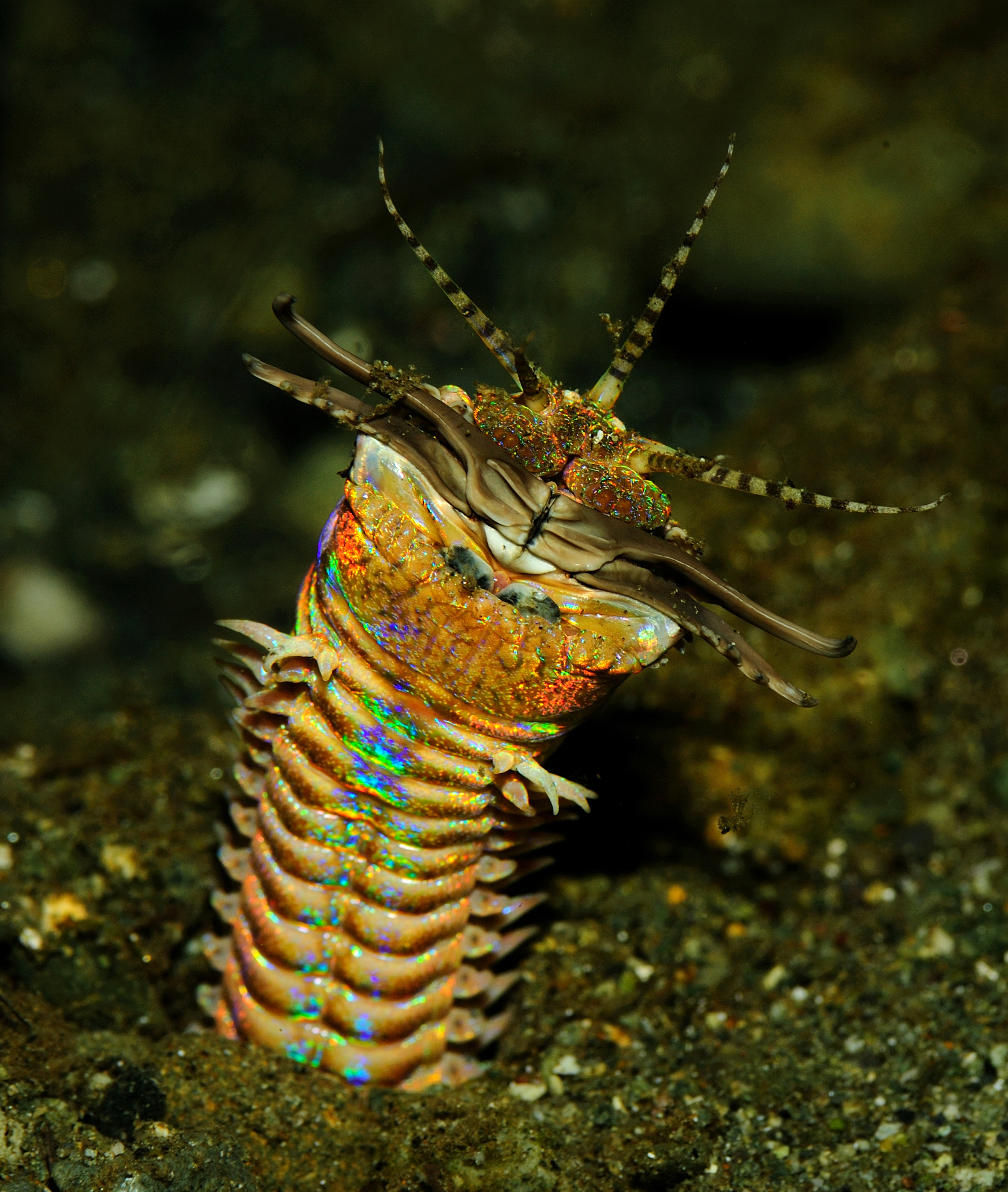
Trapdoor spiders wait motionless beneath the soil, sensing vibrations before exploding upward to seize prey. Bobbit worms bury themselves in sand, striking with astonishing speed, sometimes slicing fish clean in half.

Image Credit: Wikipedia.

Both rely on:

  • Vibration detection
  • Ambush rather than pursuit
  • Minimal exposure

The genius of Tremors is that it makes the ground itself hostile. The monsters don’t chase — they wait.

Which, biologically speaking, is often far more efficient.

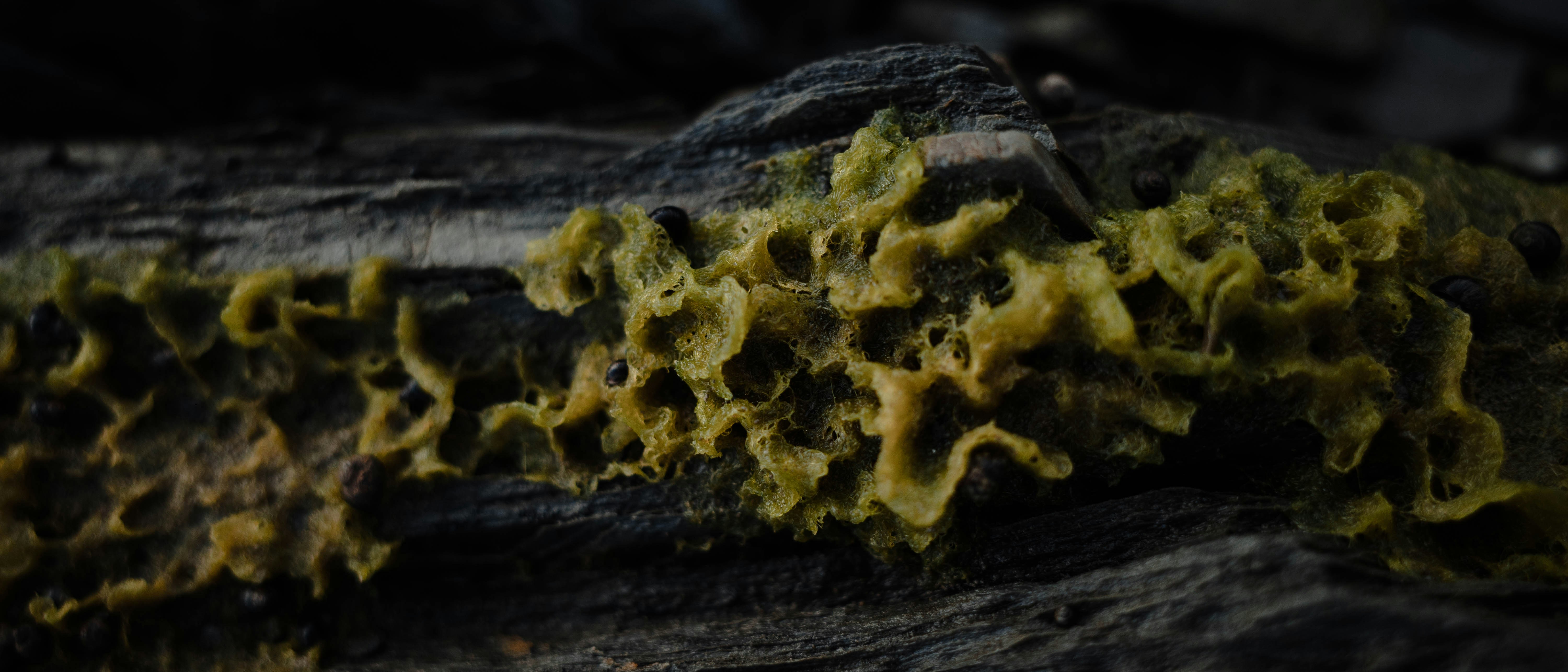
🟢 Slime moulds and The Blob

Slime moulds aren’t fungi. They aren’t animals. They’re something else entirely, capable of learning, problem-solving, and forming efficient networks without a brain.

They flow. They engulf. They adapt.

The creature in The Blob exaggerates this into apocalyptic form, but the unease is justified. Slime moulds already challenge our definitions of intelligence and individuality.

They don’t hunt.
They spread.

Why these monsters endure

The most effective movie monsters don’t break the rules of nature.

They obey them too well.

They feed, reproduce, adapt, and survive. They don’t hate us, they don’t even notice us! And that’s what makes them frightening.

Nature doesn’t need motivation.
Only opportunity.

Wherever possible, I use freely available images sourced from platforms such as Unsplash and Pexels, or other royalty-free image libraries, in accordance with their respective licences. In cases where images are not sourced from these platforms, I make every effort to credit the original photographer, artist, or rights holder where attribution information is available. Some imagery may be used under fair use principles for the purposes of commentary, critique, education, or illustration, particularly in relation to wildlife, history, film, folklore, or cultural discussion. No copyright infringement is intended. If you are the rights holder of an image used on this site and have any concerns, or would like an image to be credited differently or removed, please get in touch and I will address the issue promptly.

The Best (And Worst) of 2022

As a writer, I consume a lot of material – either in the name of research, as a way of switching off, or whilst working. I’ve compiled a list of some of the best things that I’ve read, seen, and listened to, over the last twelve months. I thought it may be of interest to you, dear reader, where I’ve found some of my inspiration and what stirs my interest outside of monsters. I also know the podcasts I listen to have sparked genuine interest when I’ve mentioned them, or in the case of a few here, have been lucky enough to appear on.

Unlike what I’ve caught at the cinema, the books I’ve read aren’t necessarily specific to 2022 releases. As tends to be the case with books, I have discovered them as and when, often by spending too long in bookshops – second-hand or otherwise. 

So, without further ado, here’s my favourites of the year. With books and podcasts, you won’t find any ‘worst’ picks, as I genuinely didn’t read any books I didn’t enjoy, and my podcast choices are all personal favourites. But there were a few stinkers on the big screen that I wanted to mention from a story-telling perspective. 

Books

Beast: Werewolves, Serial Killers, and Man-Eaters – Gustav Sanchez Romero.

This is a book that explores the history and legends surrounding the ‘Beast of Gevaudan’, a seemingly unstoppable killer wolf, (or wolf-like creature), that plagued a province of rural, pre-revolutionary France. I have always wanted to visit the region and investigate this real-life monster story, but Gustav Sanchez Romero has done a very comprehensive job, saving me the trouble, or spoiling my fun depending on your point of view.

In the foothills and plains of the Margeride mountains, France, between 1764 and 1767, it is estimated between 130 to over 200 men, women, and especially children – were killed by a marauding animal. Its identity has never been known for sure, but its rampage is a matter of record. Its story has seeped into novels, movies, and folklore. This book tries to uncover the facts shrouded by fiction, and sets out the case in a logical, linear series of investigation and explanations.

A Richness of Martens – Polly Pullar

This is one of the books I discovered by accident, taking my purchases to the counter in a bookshop, and seeing this being put aside for another customer. They say never judge a book by its cover, but that’s exactly what I did. Pine martens are one of my favourite animals and I was smitten at first sight.

It didn’t take long to feel whisked away to the Ardnamurchen peninsula with author Polly Pullar, whose descriptive language and wildlife-filled stories enchanted me from the very go. The book reveals how citizen science helped provide new insights into marten behaviour and the complex relationships they form – shooting down many preconceptions more so-called established naturalists had presumed for decades. 

The Living Mountain – Nan Shepherd

This short memoir is simple, beautiful, romantic writing that paints a stunning picture of the Cairngorms, their people, and its wildlife. It simply made me want to disappear into the hills and breathe in what I’d been reading. You can probably pick up on my draw to Scotland in some of these choices! 

Honourable Mention – Jack Carr’s James Reece novels, State Monsters series – David Weatherly

Sometimes, you need fast-paced fiction to help escape work or just the real-world in general. Look no further than Jack Carr’s James Reece novels – the first of which (The Terminal List) is now also a series on Prime Video, starring Chris Pratt. Somewhat in the mould of Jack Reacher, these books follow a Navy Seal commander who is betrayed by the government, and then sets out on a mission of revenge. What I really like about the books is that there is a genuine character arc, including redemption, challenge, and growth.

David Weatherly is a workaholic author. He is nothing but prolific. I think I’ve read three of his books that have hit the shelves this year, making it impossible to single out just one. If, like me, you have an interest in monsters and folklore, these books will satiate your appetite. Weatherly has dedicated each volume to a single state – and I have torn my way through Utah, Indiana, and North Carolina in recent memory, and I’m sure there were a few others. Weatherly’s journalistic approach and dedicated research is clear on every page, delivering the facts and letting you draw your own conclusions. 

Films

Best

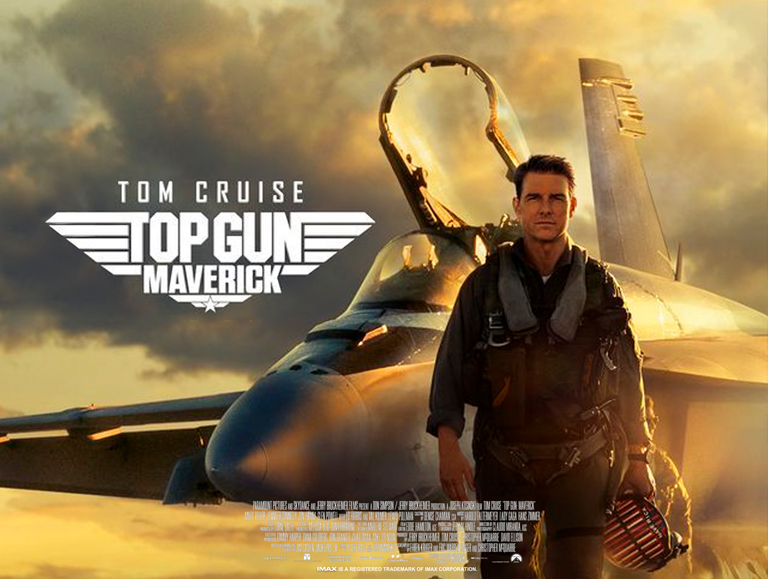
Top Gun: Maverick

There simply isn’t another choice. I saw Top Gun: Maverick more than once at the cinema, and a lot more once it became part of my film collection. This movie aced its storytelling, simply by not trying to be anything else. It didn’t try to ‘buy’ itself into an audience, end with a third-act CGI slugfest, or divert from its narrative to impose an opinion. It stuck to character-driven story, with a clear layout of the perils, the promise, and the payoffs we would get. As this YouTube video explains, it’s a masterpiece of storytelling. 

One liners, slick action, clearly defined stakes, and a character we root for because we understand his flaws, all turned a sequel we didn’t think we needed into the blockbuster of the year.

Honourable Mentions: Jaws, Star Trek II: The Wrath of Khan

It says a lot about the state of cinema, when two of the surprise hits (and certainly my favourites), were films between 40 and 50 years old, released either in a new format (IMAX and 3D in the case of Jaws), or celebrating its 40th anniversary (Wrath of Khan). However, the chance of seeing them on the big screen was incredibly welcome, not to say special. 

Jaws has always had me wanting to write a UK-based story in the same ilk, which may be coming sooner than you think. This is the film that established the summer blockbuster and Spielberg’s status as a Hollywood heavyweight, not to mention a universal fear of the water. 

Khan could be seen as a little hammy, but it’s a film that saved a franchise, and watching a brilliant stage actor like Ricardo Montalban savagely chew the scenery with Shatner is a delight to this day.  

Documentaries

Small Town Monsters has delivered another incredible year of investigations into the unexplained. All of their documentary films can be purchased directly from the website, or can be found on Prime Video and Vimeo. American Werewolves was a standout for me, alongside the addictively good Bigfoot: Beyond the Trail series on YouTube.

Panthera Britannia has shot to the top of the list of documentaries covering big cats in Britain. With compelling footage, stoic investigation, startling evidence, and expert commentary, a better case for the ongoing presence of big cats in the UK is yet to be presented. It is also now available on Prime Video.

Worst

Thor: Love and Thunder

Marvel has certainly been less than marvellous since the end of the Infinity saga, but Thor: Love and Thunder was an insulting mess that lacked story, respect, and appeal (for me). In the character of Thor, we’ve explored complex storylines and issues, like mental health, betrayal, revenge, and love. And whereas I felt the balance between comedy and story was right in Ragnarök, Love and Thunder played only for laughs – and cheap ones at that. Thor became a clown that played second fiddle to other characters like Korg, Valkyrie, and Jane Foster. And somebody, please tell Russel Crowe that he cannot do accents. Ever. 

Where the Crawdads Sing

Loved the book. Loved David Strathrain’s performance. Didn’t care for much else. It left huge parts of the story out, including essential scenes that would have showed us the character of Kya and who she was. The book delivers in so many ways that the film fell short of. I’d still like to live in Kya’s cabin though.

TV

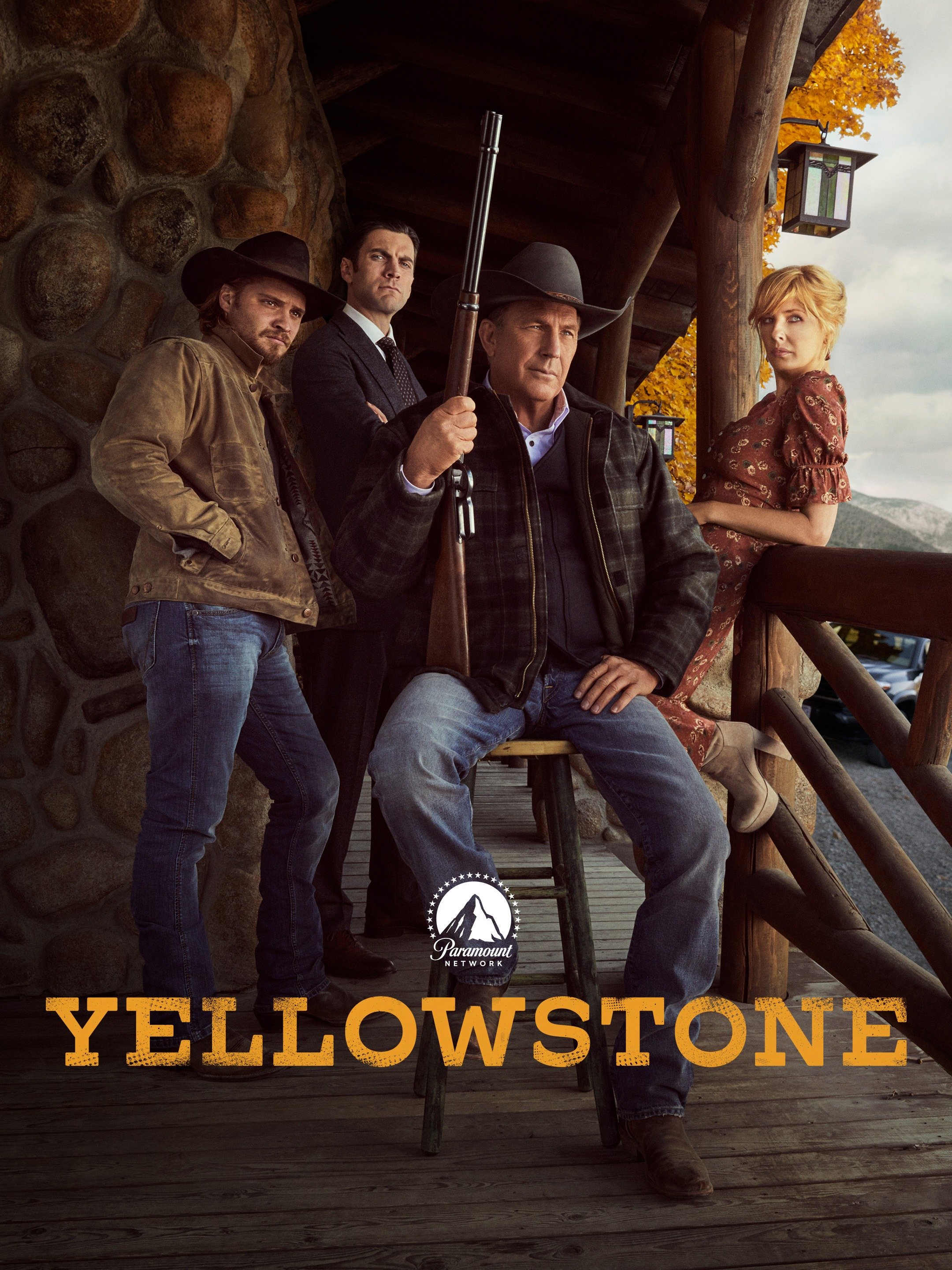
Yellowstone

I don’t binge watch much, but let’s just say I discovered Yellowstone late in the year, and I’m completely up to date. I am hooked and practically addicted. What I love about the storytelling is, primarily, these are not nice people. You’re not rooting for heroes. Almost all the characters have done horrible, unforgiveable things. Yet, they abide by personal codes of right and wrong that we understand and completely buy into.

Kevin Costner, Kelly Reilley, and Cole Hauser play standout characters in John Dutton, Beth, and Rip respectively. Together, they defend their ranch, family, and way of life through murder, savagery, and brutal payback to any slur. Yet, they’ll defend the weak, stand up to bullies, stop to help you change a tyre, and won’t break their word. But they’ll gun you down without hesitation if they need to. It makes for compelling viewing.

I’m yet to catch the prequel series’ of 1883 and 1923, but with the likes of Sam Elliott, Harrison Ford, and Helen Mirren starring, I’m sure they’ll be just as good.

Podcasts

All of the podcasts should be available on your podcatcher of choice but are definitely available on iOS Podcasts and Spotify.

Big Cat Conversations

Big Cat Conversations is hosted by Rick Minter, an author and researcher based in Gloucestershire – one of the UK’s hotspots for big cat sightings and activity. The podcast acknowledges that sightings of big cats have been recorded across the UK for decades and gives witnesses and the topic a much-needed voice. From exploring the implications of living alongside apex predators for the first time in millennia, to sharing incredible encounters, the podcast is a steadfast and grounded approach to the phenomena.

Honey + the Hex

Honey + the Hex is a podcast hosted by sister-duo Tatum Karmen Swithenbank and Tansie Swithenbank. Their fascination for folklore and spirituality oozes out of every episode as they discuss magick, traditions, myths, rituals, and realms less travelled today. 

Monsters & Mysteries

Monsters & Mysteries brings you weekly interviews from across the Fortean field, from authors and researchers to fellow podcasters and devotees. I am always impressed with host Paul Bestall’s dedicated research and genuine interest that always comes across. 

Into the Fray

Into the Fray is a riveting ride into the world of cryptids and strange phenomena. Each week sees eyewitnesses to UFOs, bigfoot, the paranormal, and more, discuss their encounters with host Shannon LeGro. A staple of my working week is tuning in to Into the Fray.

WIP Wednesday – Rogue: Chapter Four

a1764a41cb10a0b886634154a2931135

Artwork: Stephen Meyer, Yeti concept. Featured in line with fair use.

In last week’s Work-In-Progress Wednesday, you were introduced to a new character who will be appearing in my upcoming book, Phantom Beast. That character was Nina Lee, a Forest Ranger, who will be getting her own spin-off series, the first of which is titled ‘Rogue’.

Rogue is another America-set story with a cryptid at its heart. This time however, it is the legendary sasquatch, aka bigfoot, that will be stalking the forests. I won’t give much else away, but I hope you enjoy this first introduction to both Nina Lee and Rogue

CHAPTER FOUR

Nina Lee took a deep breath, glancing at her cup of coffee that had gone stone cold. She waited for the sobs to reside at the other end of the line. She stared back over the missing persons form. Jake Sutton, nineteen years of age, last heard from three days ago as he hiked south, away from the Pacific Crest Trail and along the eastern border of Mount Rainier National Park. He had abandoned a group of elderly hikers he’d been with, and hadn’t picked up the supply pack waiting for him at the forestry post he’d been scheduled to stop at yesterday. It had now been 24 hours, so he could officially be listed as a missing person. His hysterical mother sounded like she had been counting down the seconds before picking up the phone.

People went missing all the time up here. Some even wanted to. That’s what the families sometimes failed to grasp. After finishing the phone call and completing the report, she filed it and printed out the missing person poster for the board. Whilst there, she took down the outdated ones, the oldest, to make space.

Nina had been with the forestry service for just over five years, joining straight from the University of Washington at Tacoma. Despite majoring in Wildlife Ecology and Management with a minor in Forestry to boot, her aspirations of working with wildlife had quickly been grounded. It was mainly campers, timber firms and water treatment that took up her days. She walked through to the morning briefing. The call had held her up, and she was the last to enter.

“Now that we’re all here,” barked the agent at the front of the room.

The unidentified agent wore darkened glasses and looked like Chuck Norris’s fatter, meaner brother. Nina ignored his stare and took a seat. The guy had already waltzed in like he was the President, not even bothering to tell the lowly rangers which agency he and his suit-clad partner were from. Whoever they were, they seemed to make the chief and the other supervisors nervous. They didn’t seem like the usual Law Enforcement and Investigations Unit types. Although his partner could easily pass for FBI, fat Chuck most certainly couldn’t. With long red hair, a denim sleeveless jacket and a dirty camouflage tee underneath, he looked more like one of the truckers that might occupy any of the local sheriff drunk tanks. He dressed like a hillbilly and spoke like an asshole, that’s all Nina knew.

“Anyway,” stammered Marty Johnson, her boss, standing up as he did so. “North of the Resolute Campsite is currently out of bounds, and will remain so while these men are in the area.”

“I’m still not clear on that,” another ranger spoke up. “Who are these guys and how come they have that kind of authority?”

Travers was young, but spoke his mind. Nina knew everyone else was thinking the same.

“Fuck you, that’s who I am, son,” growled the Chuck Norris wannabe.

Nina glowered in her seat silently. She really didn’t like this guy.

“This grizzly is nothing like you’ve dealt with,” said the agent in the suit, changing tact. “We’re here to help and sort it out. We’re operating a curfew and closing most of the trails for the time being. You’ll also be paired up for the remainder of your patrols until we clear the area, just to be on the safe side.”

“Excuse me,” Nina interjected. “But most of us are hunters, from native backgrounds. We also deal with aggressive bears and other wildlife all the time. Why the extra precautions?”

“He’s a killer,” snapped the Chuck wannabe. “And the reason he’s a killer is because some little sweetheart like you in the Forestry Service took a pot-shot at him. We’re clearing up your mess.”

“And the fact that none of us here have seen neither hair nor hide of this supposed grizzly?” Nina challenged.

“Trust me darlin’, that speaks volumes,” chimed Chuck smugly.

Nina sat back, bristling at the man’s rudeness. She was Skokomish on her mother’s side and Navajo on her father’s. She’d probably known more about tracking and handling wildlife by the time she’d turned five than this guy would ever know. She was certain his attitude stank as much as he did, and looked at Marty for back up. She couldn’t believe he was standing for this. Marty failed to notice, as he was too busy staring at his feet. The meeting appeared to be over.

As the rest of the Forest Service officers got up and began to make their way back to their desks, Nina hung back. She noticed she wasn’t the only one. Scott Travers was too. Concerned his youth and brashness would get the best of him, she was determined to get to Marty and the two agents before him. She walked over, hurriedly.

“The others may be prepared to put up with this anonymous juris-my-dick-tion crap, but I won’t. I want to know who you guys are, I want to see your shields, and I want to see written authority. Until then, you, especially you,” she declared, pointing at fat Chuck, “can check your egos in the parking lot, whilst I run your plates.”

The look of panic Marty fixed her with did little to dissuade her. She couldn’t believe that a few seconds ago she had been worried about Travers being too blunt.

The agent in the suit stood up, a half smile on his face.

“Okay, settle down, I get it. My partner here can be a little forthright. My name is Special Agent Gregory Smith. This is Agent Cordell Jones,” he explained, nodding towards Chuck.

“Agents Smith and Jones…I’m seriously meant to believe that?” Nina exclaimed.

“Believe what you like, it’s the truth. And it’s all you’re getting,” Jones growled in her direction, stepping forward.

“What department are you with?” Nina asked, ignoring him. “You guys aren’t LEI, that’s for sure.”

“We’re…from a branch within the Bureau for Land Management,” Smith replied.

“That’s even harder to believe,” said Travers, who had walked up behind Nina as they were talking. She realised he was making it clear she had back up, but was keeping a respectful distance. He wasn’t stepping in, but he was prepared to. She appreciated the gesture.

“The Bureau for Land Management are investigating a grizzly bear attack?” Nina continued.

“Imagine if you can, there may be shit you don’t know,” Jones grinned.

“What I can imagine,” shrugged Nina, “is that’s a two-way street.”

Marty met her gaze. He seemed more in control now, but his glance still warned her to back off.

“Maybe they can be of help,” Marty suggested to the agents. “You’ve got a lot of ground to cover, a lot of people to talk to. Maybe it’s a case of many hands make light work.”

Smith gave a nod signifying his approval to Jones, who didn’t seem quite as taken with the idea. Then, smiling smugly, he reached behind him and grabbed a large pile of manila files from the table.

“Well, seeing how good you are at running your mouth n’all, maybe you can carry out some interviews,” he sneered. “It’ll keep you out of our hair, and we won’t have to waste our time with a bunch of drunk natives.”

Nina glowered at the man. She was on the brink of losing control of her temper. She imagined darting forwards and slamming her elbow into his face, breaking his nose. It would be easy, and satisfying. But she guessed Marty was nervous for a reason. She clenched her fists, only a little shake in her arms hinting at her pent-up fury. She snatched the files from him.

“Happy to be of help,” she replied, turning her back.

“One more thing,” Marty said, calling her back. “The patrolling in pairs thing is mandatory. Take Travers with you.”

“What?” Nina exclaimed. “Marty, there isn’t a thing in these woods I haven’t come across on my own before. I can handle it. Plus, up on the res, I can’t vouch for his safety, especially among them drunk natives,” she scowled, staring at Jones.

“My partner was out of line before,” Smith offered, “but you’re close to being the same way. It’s our way, or no way. If you want to be involved, this is it.”

Nina looked at Travers. He shrugged. He was trying to look nonchalant, but he clearly wanted in. She sighed. It seemed like a hopeless fight anyway. And Travers wasn’t a terrible choice of partner. Despite his youth, he was tall, well built, and could handle himself. He was a little impetuous and thoughtless, but nothing she couldn’t keep in check. And he knew not to push his luck with her, which was a major plus. As soon as her demeanour softened, his bright blue eyes sparkled mischievously. She often teased him that he had only been recruited because his brown hair matched the uniform, but compared to everyone else, she knew they could at least work together.

“Come on you big lug,” she sighed.

Travers followed her out of the room back to her desk. As she flipped through the files, she saw some familiar names. Some she dismissed, shuffling them to the bottom of the pile. Others she took an interest in and brought them to the top.

“Well, it might not be a dull day after all,” Nina quipped, looking up at Travers. “We’ll head up to the reservation like they want us to, but we’ll do some sightseeing on the way.”

“Where to?” Travers asked.

“First, there’s Lucas Christian,” Nina replied, raising an eyebrow.

“The writer?”

“The very one. Bought a huge piece of land out in the forest and built a luxury house out there. Rumour is that it’s less writing retreat, more fortress. I don’t know about you, but I’d like a look around that place.”

Travers nodded, impressed.

“Then there’s Patwyn Dalton, owner of Dalton logging. He’s been complaining about guys from the res moving stuff around his camp, damaging equipment and such like. And he just happens to have been the guy who sold the land to Lucas Christian.”

“Think that’s just a coincidence?” Travers asked.

“I think it’d be interesting to see how they’re linked to each other, that’s for sure.”

“Isn’t it like you said, guys from the res causing trouble with chunks of the forest being sold off?”

Nina smiled. “No, I don’t think so. But I think you’re right about one thing. I think it’s about territory. Let’s go find out.”
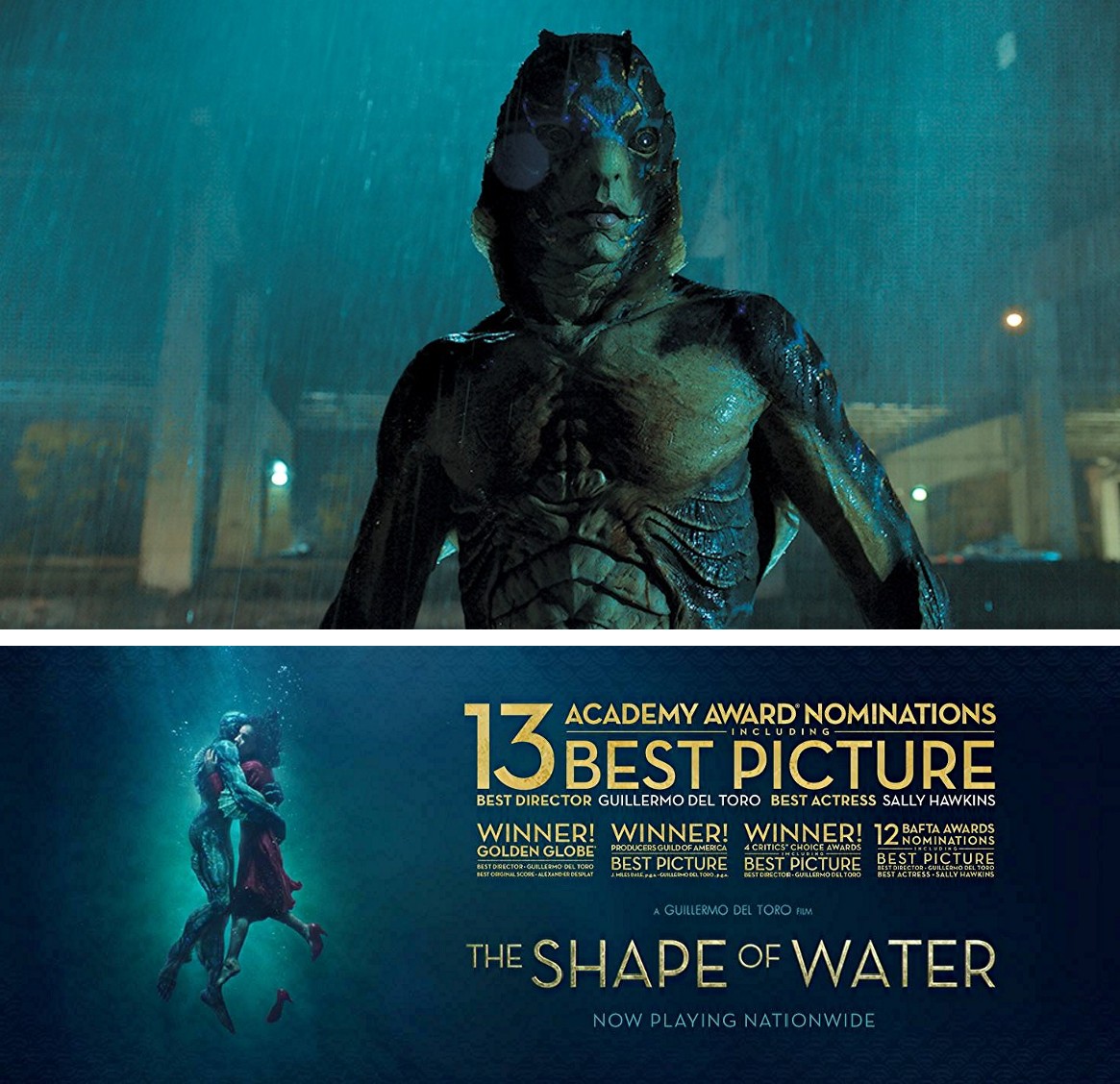
 

X-Files: The best monsters of the week

The latest series of the X-Files is currently on UK screens (Channel 5, Mondays at 10PM), and tonight sees the arrival of the always greatly anticipated “monster of the week” episode. In season eleven’s “Ghoulie”, two teenage girls attack one another, each believing the other to be a monster. The episode plays with cultural references such as Creepy Pasta, as it explores the myth of the “screaming skull” as well as what the real definition of a monster could be.

But as we shall see, the X-Files has a long and much-loved history of flirting with cryptids and creatures. I’m going to ignore the many human (ish) monsters that have made their way into the X-Files, and just stick to those that most of us would recognise as the real deal.

S1: E19 – Shapes

This is probably the X-Files episode that both scares me the most, and I have watched the most. Although we never really see the monster clearly, we do see it’s bulging, amber eyes and hear its panting breaths as it watches its prey from the shadows. A spate of gruesome murders brings Mulder and Scully into the jurisdiction of the Native American Tribal Police, and the legend of the Manitou – or werewolf to you and me.

In the episode, an elder explains that the curse revisits every eight years. Oh, how I wished it was a case that was returned to at a later date, but alas, it was never to be.

Shapes-X-Files-season-1-header-v1-2


S2: E2 – The Host

AKA as the flukeman, The Host sees a humanoid, parasitic organism using sewage systems to live in seclusion, away from humans. But when confronted, its predatory nature quickly comes to the surface.

S3: E22 – Quagmire

Another firm favourite, Quagmire sees our dynamic duo searching for a beast similar to the Loch Ness Monster, in a lake in Georgia. I love this episode, as it keeps you guessing all the way through, and there’s a lovely little Easter Egg right at the end too. Not an episode for dog lovers though…

Bigblue2

S5: E4 – Detour

A quintessential monster in the woods story gives Mulder the perfect excuse not to go to a team-building seminar, and instead drags Scully, and the two agents unfortunately (for them) hitching a ride, literally into the woods. Several disappearances and a boy’s tale of something invisible attacking him, leads Mulder to believe nature may be taking a vengeful turn against people.

S6: E13 – Agua Mala

As a hurricane bears down on the Florida coast, a contact asks Mulder and Scully to investigate the disappearance of two marine biologists. This episode is a controversial choice among X-Files die-hards, as it’s considered too funny to be scary – but it was great for two reasons. First, humour and the monster of the week episodes quickly became hallmarks of the series, and two, the late great Darren McGavin returns as Arthur Dales. Third, there’s a sea monster on the loose!

“Don’t sneer at the mysteries of the deep, young lady. The bottom of the ocean is as deep and dark as the imagination.”
Arthur Dales

S6: E16 – Alpha

A cryptozoologist and a canine biologist import a rare Chinese dog that kills those transporting it and seems to show supernatural cunning in its behaviour. More evil glowing eyes in this episode, and an interesting twist too.
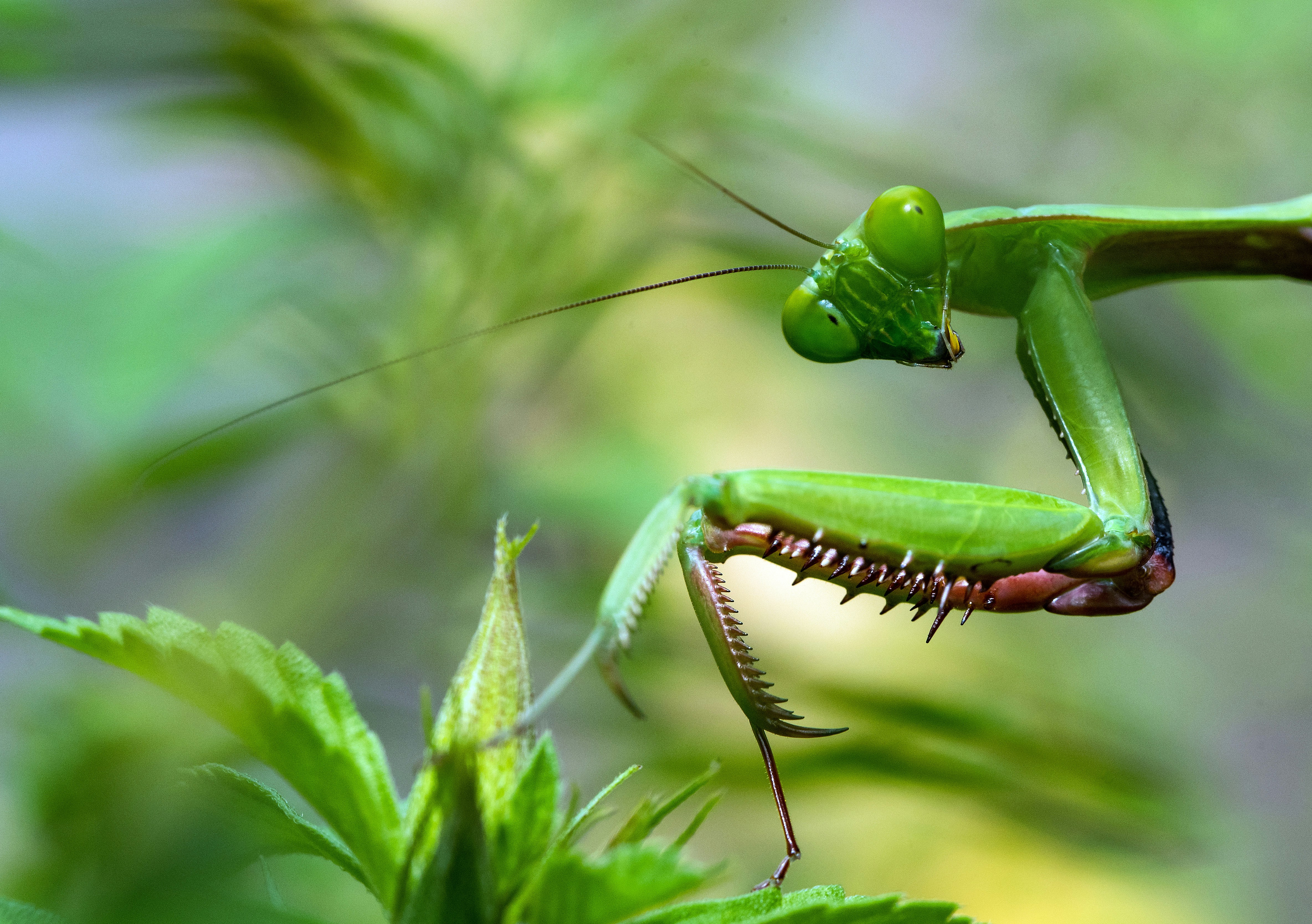
S7: E12 – Cops

A clear example of how humour and the monster of the week episodes worked well together, the crew of hit show “Cops” follow Mulder and Scully as they investigate a neighbourhood monster.

S8: E19 – Alone

In season 8, it took a full-blown reptilian creature to drag Mulder back into the X-Files for a guest appearance. Just remember that folks, it was a monster of the week that brought Mulder back. You’d be watching Robert Patrick right now if it wasn’t for that scaly SOB.

S10: E3 – Mulder & Scully meet the Were-monster

This episode was greatly anticipated by show fans, not for just being the only monster of the week of the newly emerged season 10, but also for the return of writer Darin Morgan. The one-liners come thick and fast, and the twist is almost as funny.

xfiles12

So, although I couldn’t quite make it to ten, perhaps tonight’s “Ghoulie” will make the list. Are you sitting comfortably? Yes? Obviously, I want to believe you, but you can’t possibly be watching the X-Files then! And remember, just like the truth, the monsters are out there.