
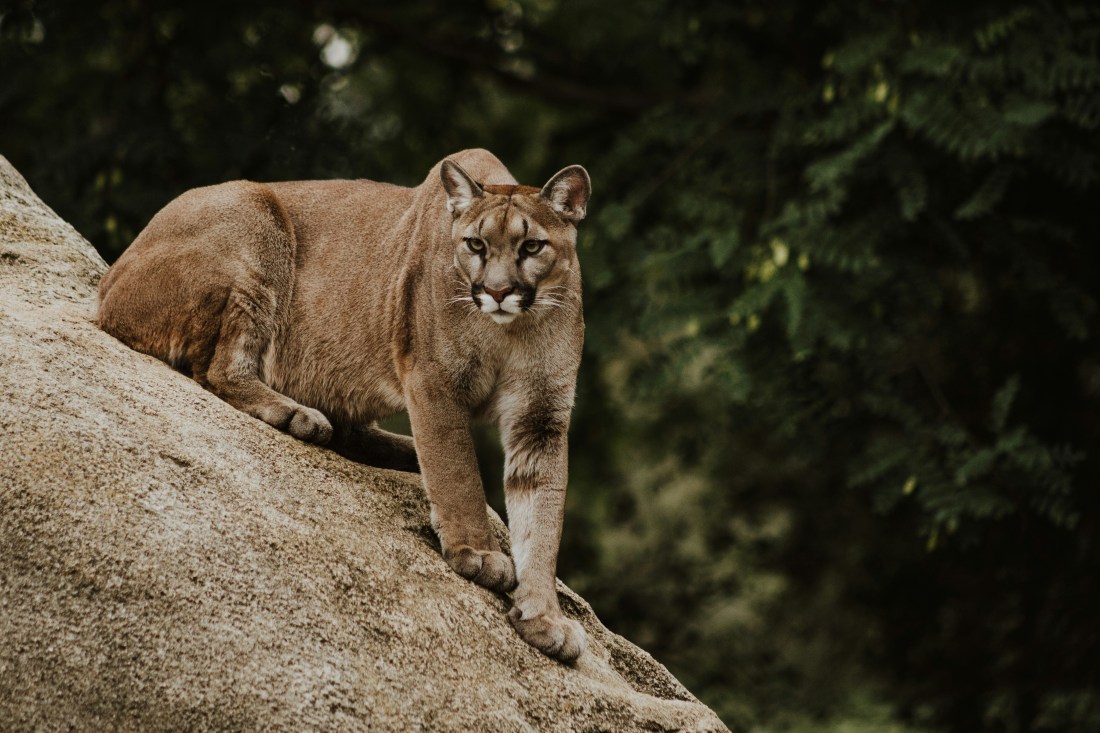
On January 14th, 1991, near a High School in Boulder, Colorado, Scott Lancaster went for a run and didn’t come back. He was 18. It was the first recorded fatal mountain lion attack on an adult in the United States in over a century, and the first ever recorded fatality in Colorado. Yet, everything that preceded it meant it should never have been a surprise.
A Town That Loved Its Lions
Boulder, Colorado, sits at the foot of the Rocky Mountains. It has earned a reputation as a liberal, outdoorsy, environmentally conscious city that had, by the late 1980s, cultivated a particular relationship with the wilderness on its doorstep. Nature was not something to be feared or managed. It was something to be celebrated, protected, and welcomed. Its herd of deer were prolific and welcomed by many, even when they strayed into gardens.
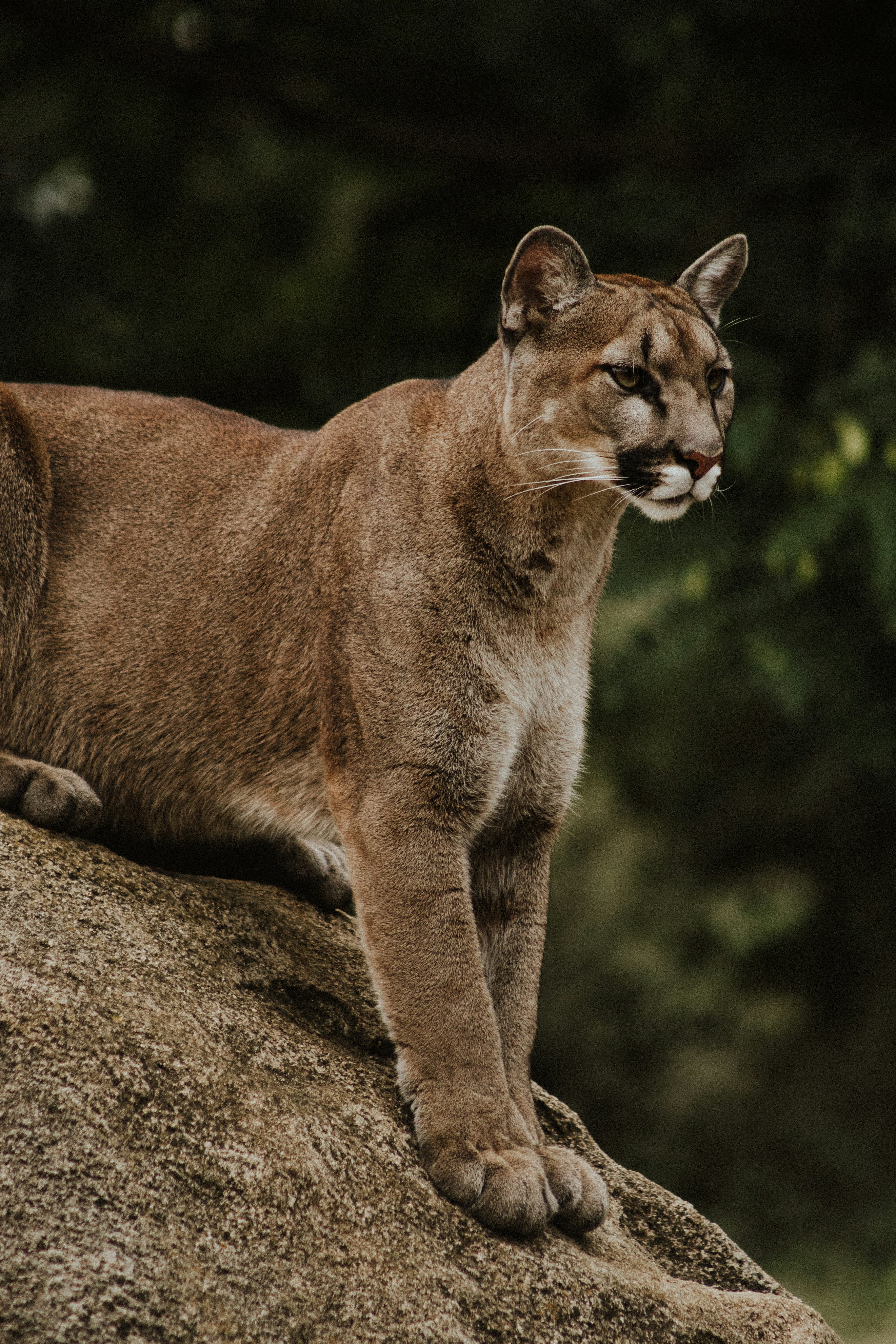
When mountain lions began reappearing in the foothills and open spaces around the city, rebounding after decades of persecution and bounty hunting, many residents greeted the news with similar delight. These were apex predators, returned to their ancestral range. It was, surely, a conservation success story. Perhaps at the time, the link to the significant and incredibly tame deer on their doorstep, had not been made.
What it was, in reality, was a slow-motion disaster that David Baron would later document with forensic clarity in his book The Beast in the Garden — a narrative that traces the paved-with-good-intentions road from Boulder’s love affair with its lions to the death of a teenage boy behind his high school.

Less than Subtle Warning Signs
The escalation began quietly. On February 8th, 1989, a mountain lion snatched a cock-a-poo named Fifi from the porch of the McCain family home. Bernice McCain hit the lion with a broom, twice, but it didn’t flinch. It backed up, took the dog over the fence, and was gone.
Wildlife specialist Michael Sanders considered this among the first true escalations in lion behaviour in the area. The lion had not fled from a human. It had simply ignored her.
That same year, Rob Altschuler, a member of the Boulder Emergency Squad, was monitoring an area in the aftermath of a wildfire, when a mountain lion approached him with unsettling confidence. He retreated to his Chevy Blazer — a vehicle with orange flashing lights running, the kind of presence that should, in theory, have sent any wild animal in the opposite direction. The lion was unmoved.
The dogs kept dying. On November 30th, 1989, a Highland Terrier was attacked despite sharing a pen with a much larger Great Dane. The lion had already visited the pen earlier and left a small wound on the terrier, one the owners had assumed was caused by the other dog. It came back to finish the job. The Great Dane was not a deterrent. Nine days later, an 85-pound Doberman was mauled so severely that the veterinarian who treated it described the dog as a pin cushion, owing to the number of puncture wounds. A German Shepherd followed. A black lab. Then others.
By February 1990, there had been enough incidents that the Division of Wildlife sponsored a public meeting in Coal Creek Canyon. The intention was practical: advise residents on how to safeguard their pets and property. What happened instead was a glimpse into the fatal blind spot at the heart of Boulder’s relationship with its lions.
Those who had lost animals found themselves on the receiving end of hostility from their neighbours. The message from a vocal portion of the room was clear: people needed to adapt to the presence of mountain lions, not the other way around. There was a strong anti-kill sentiment, as one might expect. But beneath it lay something more troubling — a failure to reckon with what these animals actually were. Not symbols. Not neighbours. Apex predators that were running out of reasons to be afraid of people.
Be Careful What You Wish For
Lynda Walters expressed frustration and jealousy when her father, Bill, spotted a mountain lion, from his car. “I wish I could see one”, she had said,
She got her wish on June 2nd, 1990. Lynda was a medical student and studying hard. She gave herself one daily reward – a 5pm run. She was jogging through Dry Gulch, near Canyon Drive, when she encountered not one, but two mountain lions.
The first she spotted on a bank, just fifteen feet from her. She raised her arms and yelled, intending to drive the cat away. It didn’t budge. Then she noticed the movement in her peripheral vision. A second cat was moving in behind her.
She threw rocks. She stood her ground. Eventually, the only option left was a tree, and she climbed it.
One of the lions climbed after her and clawed her leg. She stomped on its head.
Lynda eventually broke a branch and fashioned a makeshift spear, using it to keep the cats at bay while, below her, they waited. She was in that tree long enough for the light to die. In the darkening canyon, above two mountain lions that showed no inclination to leave, she listened to the not-distant sounds of civilisation – of cars passing on the road, a dog barking and children playing in a nearby sub-division.
Lynda later said she imagined her own death many times over, expecting at any moment that the animals would come up and take her.
What saved her was a deer. It appeared across the creek, making its way through the brush. The cats caught its scent, abandoned their interest in Walters, and slipped away into the dark to stalk it. She climbed down and ran.
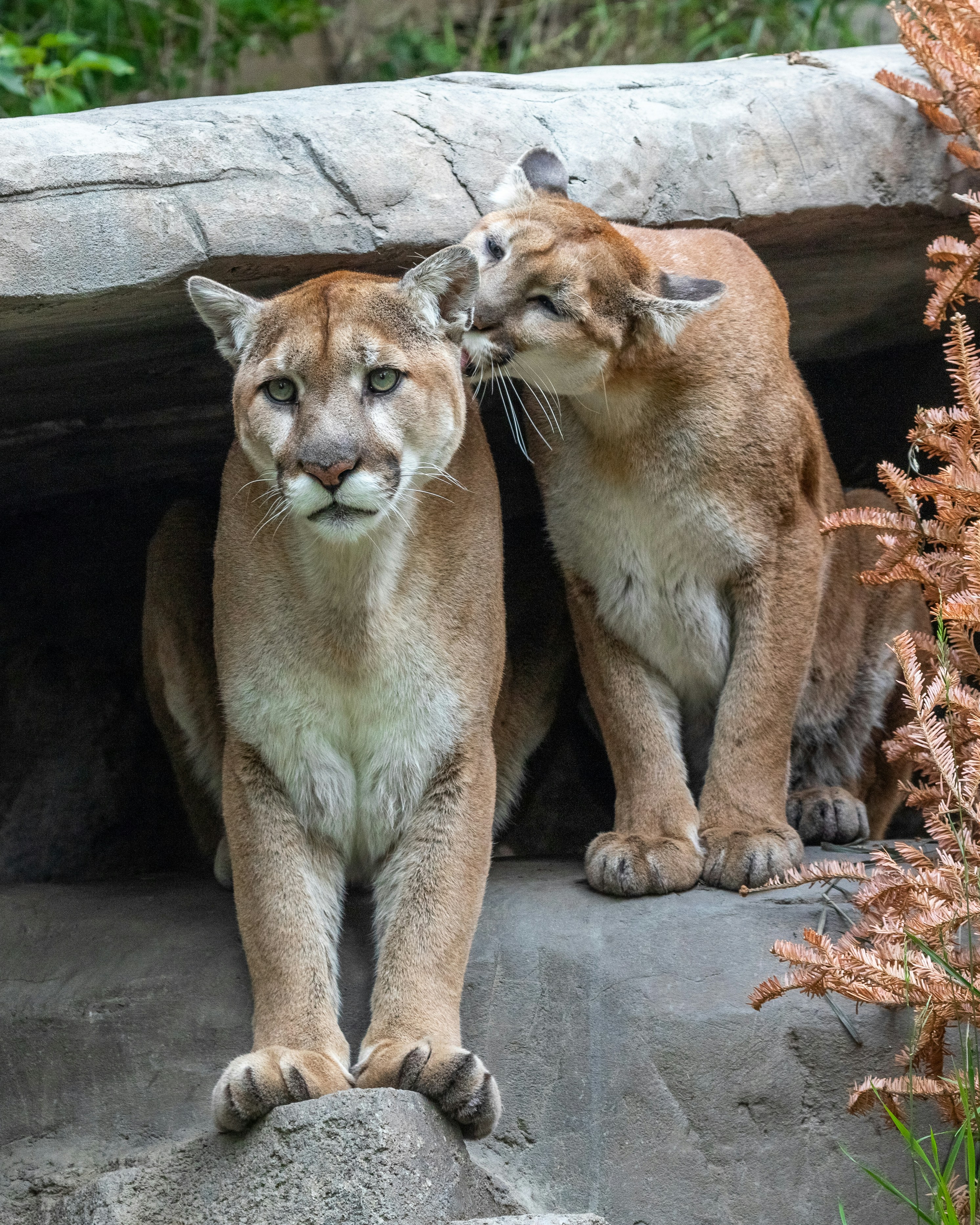
The lions that stalked Lynda Walters were not aberrations. They were the product of years of habituation: a generation of animals that had grown up in and around human settlement, learning that people did not pose a threat. Boulder’s open spaces had become, in effect, a nursery for large predators with no fear of the species they lived alongside.
Scott Lancaster’s Final Run
On January 14th, 1991, Scott Lancaster, 18 years old, went out for a training run around the trail circuit at Clear Creek High School. Scott was a keen athlete and cyclist, training hard. With a free period to burn late in the day, Scott took advantage.
He borrowed the gym kit of his locker share, James Valdez, and the running shoes of another friend, Eric Simonich. He headed out into a beautiful winters’ afternoon. As he began his run, he waved at a teacher before veering off onto the hillside, following a route carved out by him and his ski-team buddies.
His route took him past the windows of a fifth-period English class, and the students inside watched him go by. He put on a show for them, making like he was out of control with wobbly legs and arms. His friends cheered and laughed, anticipating his next run past. They knew he usually ran several laps of around fifteen minutes each.
Scott didn’t come round again.
At some point in the next few minutes, within a few hundred yards of his friends in the classroom, Scott was knocked to the ground and killed. It was a cold, calculated, brutal, and efficient attack. It is thought the loss of blood from the wounds made it relatively quick and painless.
When Scott failed to return, initial suspicion, albeit briefly, fell on the idea that he might have simply left. Absconded. But Scott’s family knew better. He would never leave his beloved custom bicycle behind. His friend James Valdez opened their shared locker and found his own gym clothes gone and Scott’s street clothes still inside. He had gone out, and he had not come back.
Sheriff’s deputies searched. Volunteers combed the area. Dogs scoured the hillside. For nearly two days, there was no trace of him. It was Steve Shelafo, a 28-year-old emergency medical technician, who found him.
The mountain lion was still there, guarding the body, when Shelafo arrived. It was shot dead at the scene after a short and hectic chase. The animal was a young, adult male, approximately 100 pounds. An autopsy revealed fragments of human heart in its stomach.
Scott Lancaster was the first adult killed by a mountain lion in the United States in over a century. He was not though, as Baron’s account makes searingly clear, an unforeseeable victim of a random wild encounter. He was the end point of a trajectory that had been visible for years, to anyone willing to see it.
The Myth of Wilderness
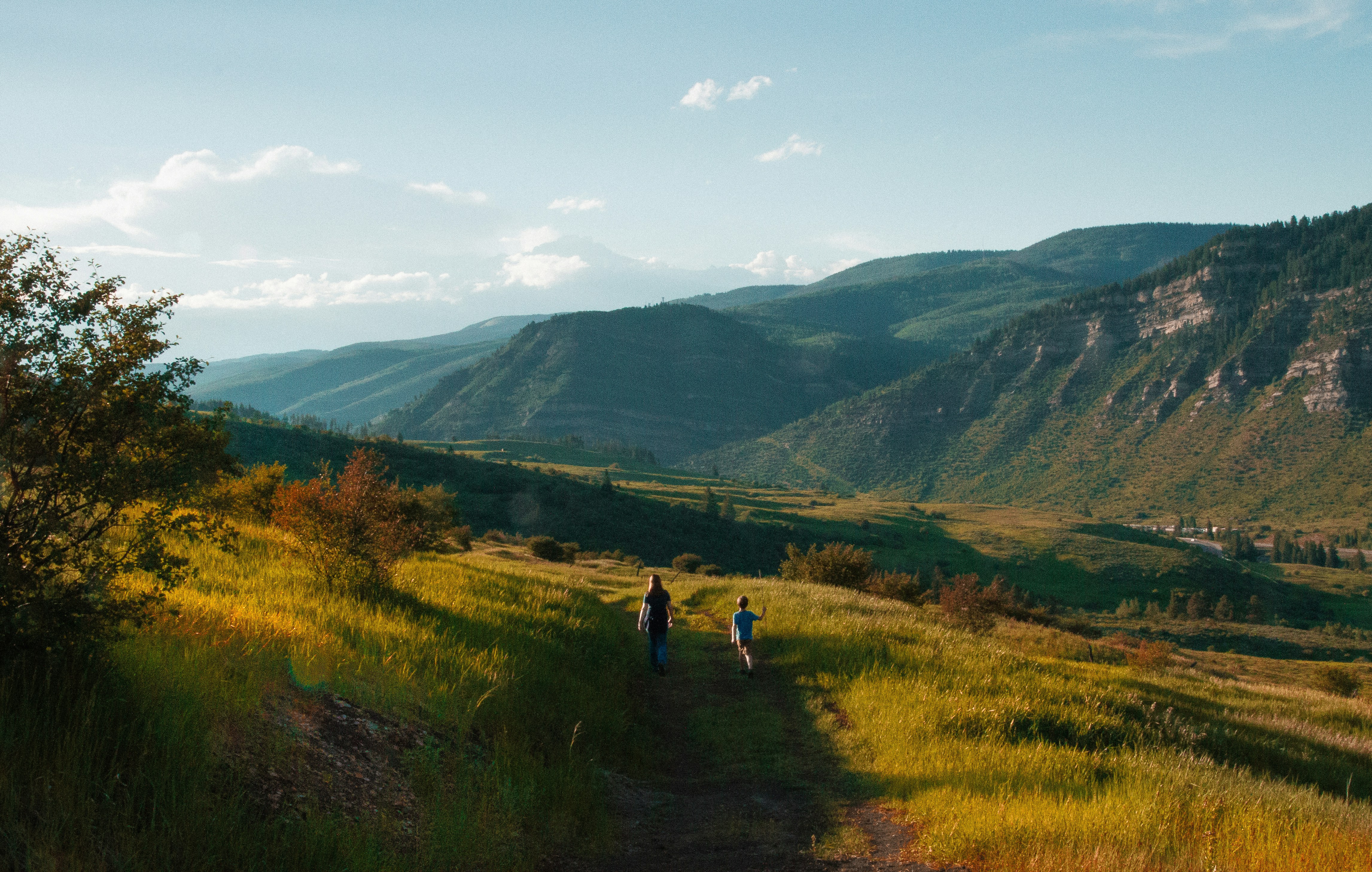
Baron closes his account with an argument that has only grown more relevant in the decades since: that what killed Scott Lancaster was not simply a lion, but a myth: the idea that wilderness is a pristine, self-regulating thing that humans can live alongside without active management, without accepting the responsibilities that come with sharing space with large predators.
Boulder had created something that looked like a wild landscape but functioned like nothing that had existed before: a place where apex predators learned that humans were harmless, where the social structures that once governed the boundary between human settlement and wild land had quietly dissolved, and where the consequences of that dissolution were still, somehow, a shock when they arrived.
The lion that killed Scott Lancaster had likely never learned to fear people. Why would it? Nobody had ever given it a reason to.
In the 35 years since, there have been eleven more recorded fatal attacks. The lesson Boulder failed to learn in 1991, that coexistence with apex predators requires honesty about what they are, has not notably improved with time. We are still, by and large, a culture more comfortable with the idea of wilderness than with its reality.

