
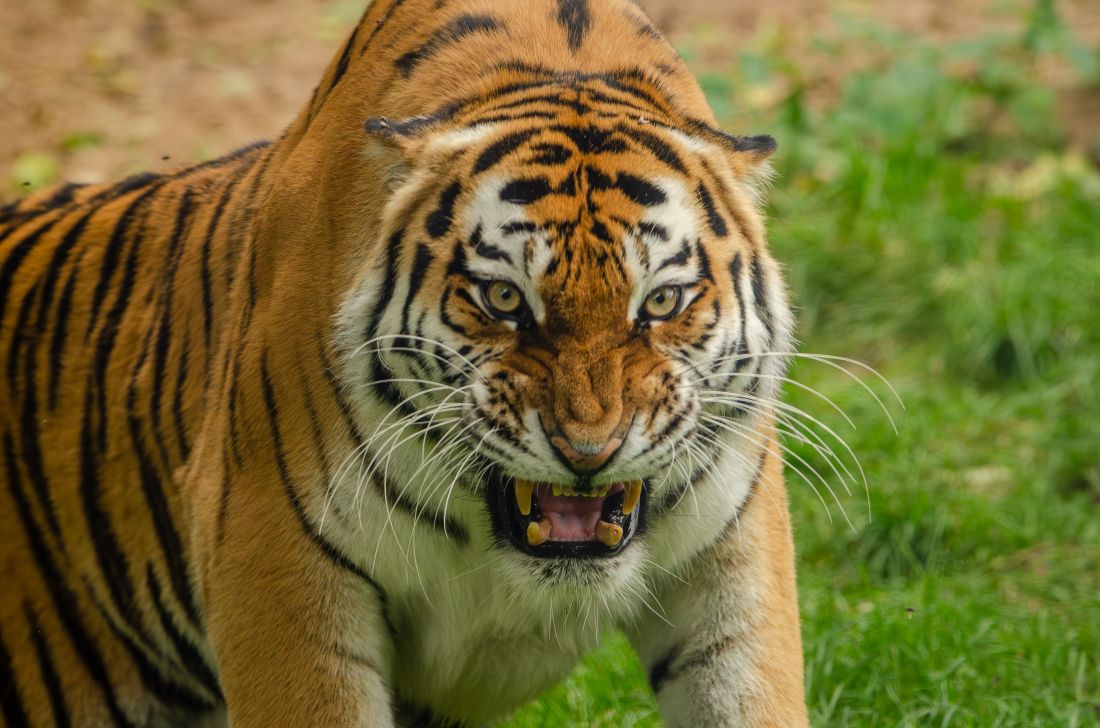
Every man-eater this blog has covered so far has arrived with an explanation. The Champawat tigress had her canines shattered and could no longer take her natural prey. The lions of Njombe, the Leopard of Panar, Gustave brooding in his stretch of river — each was a creature bent by circumstance into something that fed on us, and the horror always came braided with a thread of pity. You could follow the line from cause to consequence and, if not forgive the animal, at least understand it.
Avni breaks the pattern. Not because she was more monstrous than the rest — if anything the reverse — but because by the time her story ends, the tiger is only part of the story.
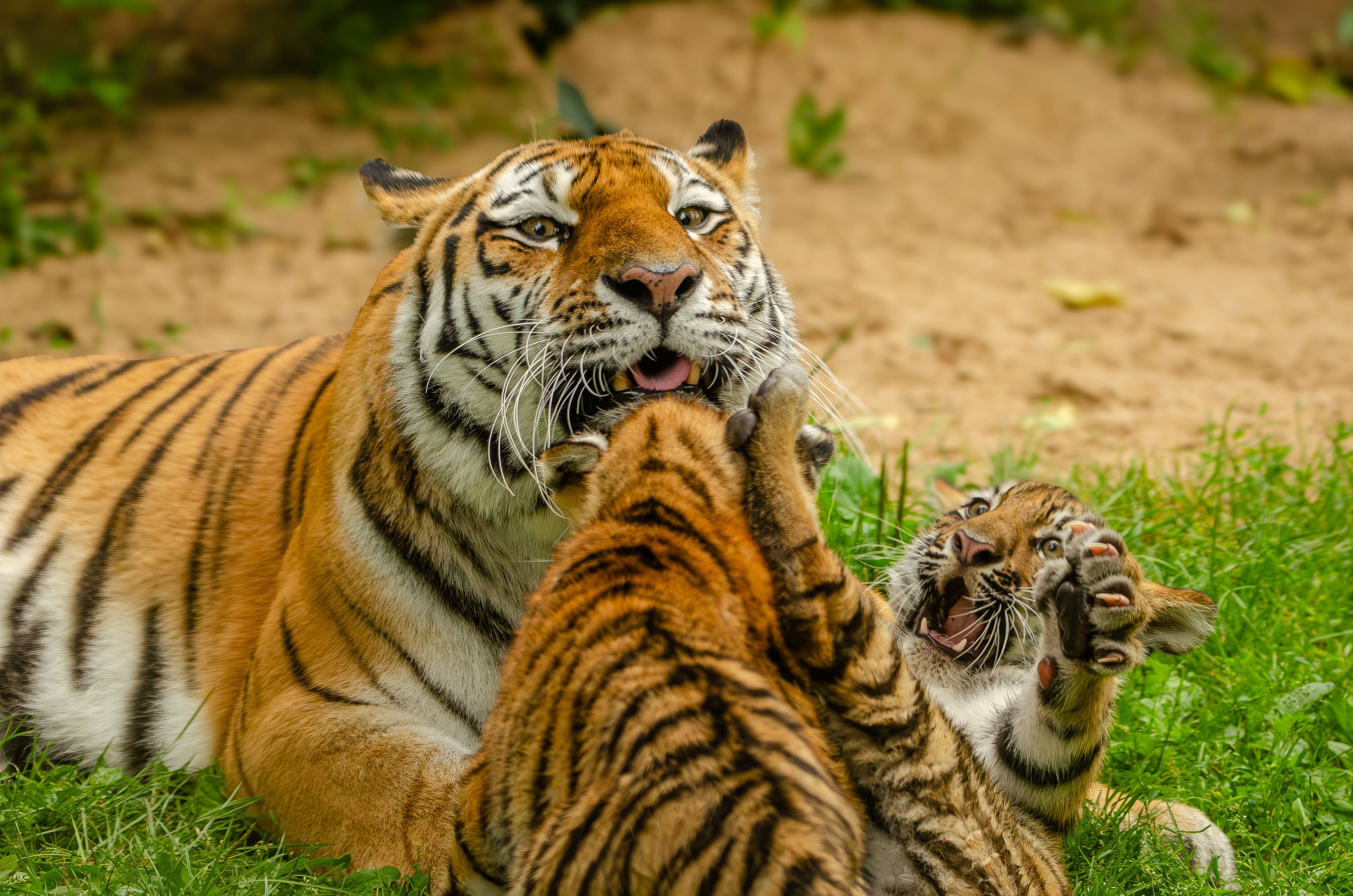
She was officially labelled T-1, a six-year-old tigress in the Pandharkawada forests of Maharashtra’s Yavatmal district, and she was given the name Avni, meaning “Earth”, by the conservationists who would later fight to keep her breathing. She had two cubs, roughly ten months old, still dependent on her. From 2016 and across two years, she was linked to thirteen human deaths, a figure that hardened into received fact and was repeated in every headline. It should be stated that the forensic case was thinner than the number suggests: thermal-camera evidence and tests on the recovered bodies put the toll closer to six. Either way, the fear was real and the cost was real. Some twenty villages lived under advisories to come in early and never walk alone as fields went untended, and daily life buckled. People had died horribly. None of what follows is meant to pretend otherwise.
What happened was a mangled and corrupted series of events. And it is these, not the predator, that should keep you up at night.
The legal machinery did its work first. In September 2018 the Nagpur bench of the Bombay High Court sanctioned an order to tranquillise or, failing that, shoot her; days later the Supreme Court declined to interfere. But the permission came fenced with conditions. Killing was to be a last resort, attempted only if capture failed. The cubs were to be darted and moved to a rescue centre. On paper, this was a state behaving responsibly toward a protected national animal it had decided, reluctantly, it might have to destroy.
But there’s significant detail the official narrative preferred to walk past. Avni was young, and she was healthy. The textbook man-eating tiger is usually a broken animal — old, injured, or starved of its proper prey, like the Champawat tigress and her ruined teeth. Avni had no such alibi, and that is precisely the point. A fit young tigress turning to human prey is not a freak of nature; she is a symptom of something we built. Shrinking forest, advancing settlement, prey squeezed out, predator and people pressed into the same narrowing ground. She was not the disease. She was the fever telling you the disease was beginning to show physical symtoms.
Enter the hunter. The forest department engaged Nawab Shafath Ali Khan, a Hyderabad-based marksman with a long and contested record — a man the Union minister Maneka Gandhi would publicly brand a criminal. The gun, when it finally went off, was not even fired by him. It was fired by his son, Asghar Ali Khan, who had no authorisation to kill anything.
Before that, though, came the circus, and I use the word advisedly. To draw Avni in, the team deployed a live goat, the urine of another tigress, and — this is not a joke — bottles of Calvin Klein’s Obsession for Men, on the strength of a Bronx Zoo experiment suggesting its civetone pheromone attracted big cats. There were Italian Cane Corso sniffer dogs sourced from a champion golfer. There were drones, too noisy to be useful, and paragliders, defeated by the terrain. And there was the elephant, brought in from Tadoba to track her, which one night tore free of its chains and trampled two villagers to death. In tragic irony, a hunt mounted to stop a killer had begun manufacturing its own corpses.
Then, on the night of 2 November 2018, they found her. The department’s account was clean and self-justifying: a dart was fired, the tigress charged the open vehicle, and Asghar shot her in self-defence from eight to ten metres. It is a tidy story. The postmortem tore it apart, line by line.
Avni was facing away from the shooter. A charging animal does not present its back. The fatal round was a textbook lung-and-shoulder shot, the kind a trained hunter delivers with intent, and there were no signs of a struggle on the body — no thrashing, no scramble, nothing to suggest a frightened animal fighting for its life. As for the tranquilliser dart that was supposed to have come first: it appeared to have been pushed into her flank after she was already dead, with no haematoma around the wound, no bruising, none of the bleeding a living body produces when struck. It had been staged. Someone knelt beside a dead tigress and inserted a dart into cold muscle to make a killing look like a mercy that failed.
The rest only deepens it. The rifle was widely alleged to be a .458 Winchester Magnum, heavier than the calibre floor the National Tiger Conservation Authority required, and it was never surrendered for verification. No veterinarian was present, in breach of protocol. The shooting happened at night, also in breach. The team took over an hour to reach the body, from a base camp fifteen kilometres away. A later authority inquiry noted the dart had been prepared days earlier and would have been all but useless — the kind of detail that again suggests the darting was theatre from the start.
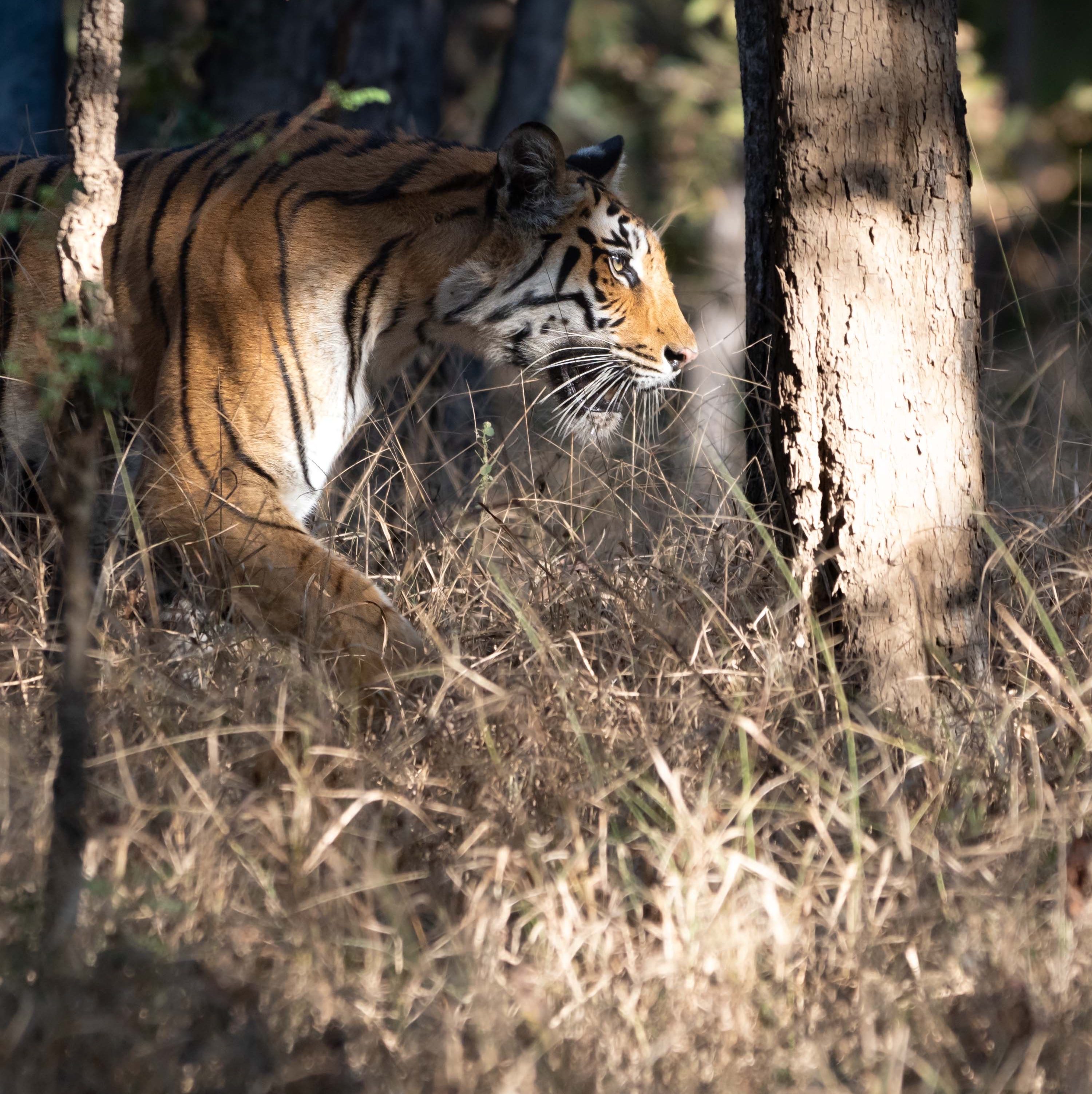
So, the question that organises this whole squalid affair is not whether Avni was a man-eater. It is whether anyone holding authority over her ever intended to find out. A Supreme Court ruling, a national protocol, a last-resort clause, an order signed and countersigned — the entire apparatus of a modern conservation state appears to have arranged itself neatly around a foregone bullet, and then dressed the result to pass inspection. We also can’t rule out that some very frightened villagers urged or possibly paid Khan to kill Avni regardless. Or, that he perhaps acted in what he thought was their best interests, regardless of the authorities.
Maneka Gandhi called it a ghastly murder, a straight case of crime. The forest minister called it self-defence and a last resort. Out in the villages, where the dead had been real, some people set off firecrackers. All of that is true at once, and a story this graceless does not resolve into a side. But again, corruption, conflict, and conservation often go hand in hand in the field, and especially across modern India and Africa.
And then there are the cubs. The press release announcing Avni’s death did not mention them. In the hours afterward they were simply gone — orphaned, somewhere out in the forest she had hunted, the same forest the order had promised would deliver them safely to a rescue centre. Whether that promise was honoured any more faithfully than the one about taking their mother alive is a question the dart in her flank had probably already answered.


