Man-Killer Monday: Osama Bin Laden – The Elephant of Sonitpur

For this week’s Man-eater Monday, we’re deviating slightly into a more niche area – that of individual animals that have killed people, seemingly deliberately and consistently, but not with the intent of consuming them nor necessarily even being a predatory species. Enter a name known around the world, given to an animal usually internationally adored.

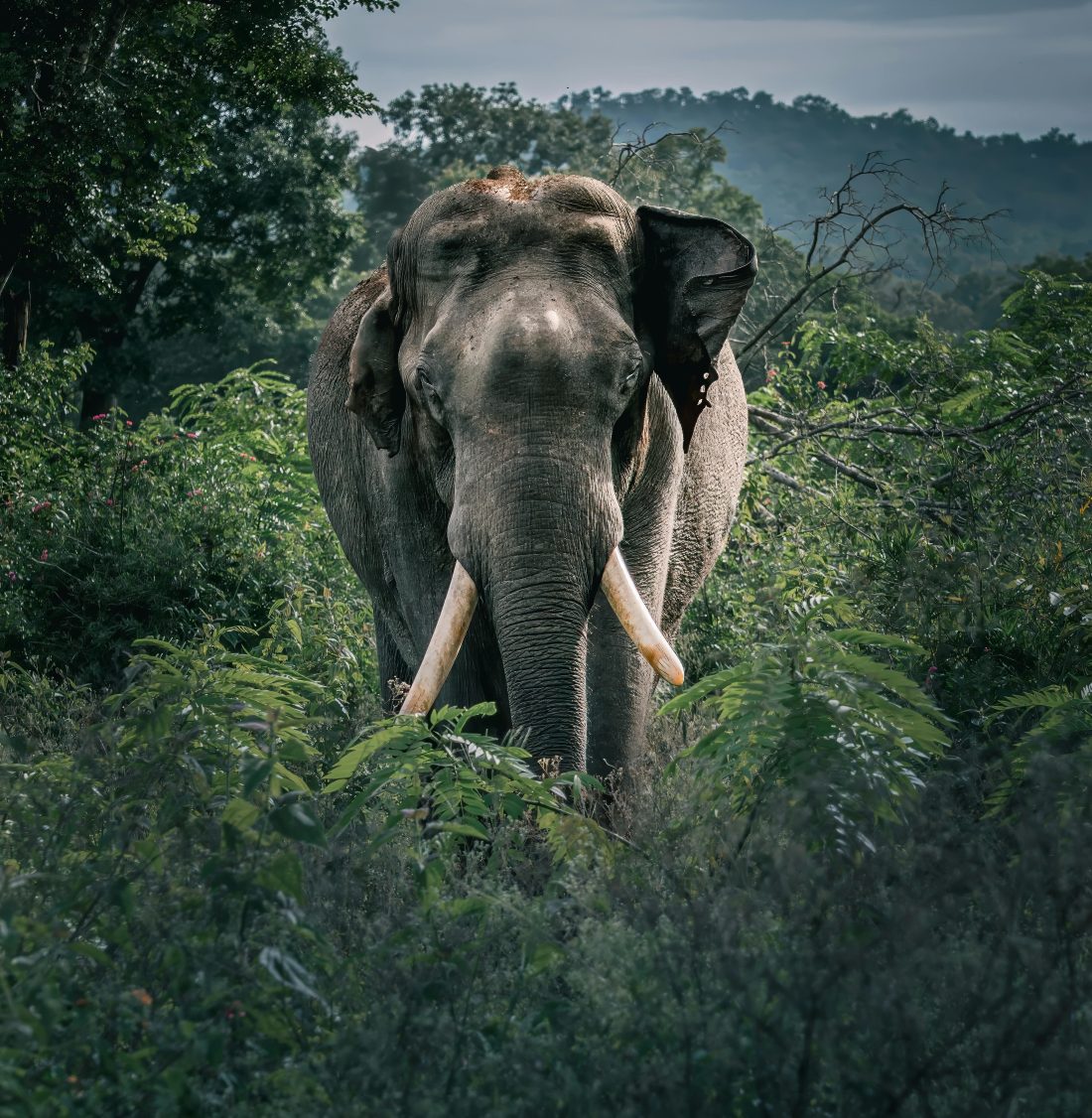
Between 2004 and 2006, in the Sonitpur district of Assam, a lone bull elephant was blamed for the deaths of at least twenty-seven people.

He did not start out as a named villain. But his unprecedented reign of terror did begin with unmitigated attacks akin to those of a terrorist.

A labourer killed near a tea garden. A villager trampled close to the forest edge. Someone walking home at dusk who did not return. At first, these were tragedies folded into a region long accustomed to uneasy co-existence with elephants. But the deaths did not remain isolated. They accumulated.

By the time officials concluded that a single tusker was responsible, the pattern was impossible to ignore.

It was then that the elephant was given a name heavy with the politics of the time.

They called him Osama Bin Laden.
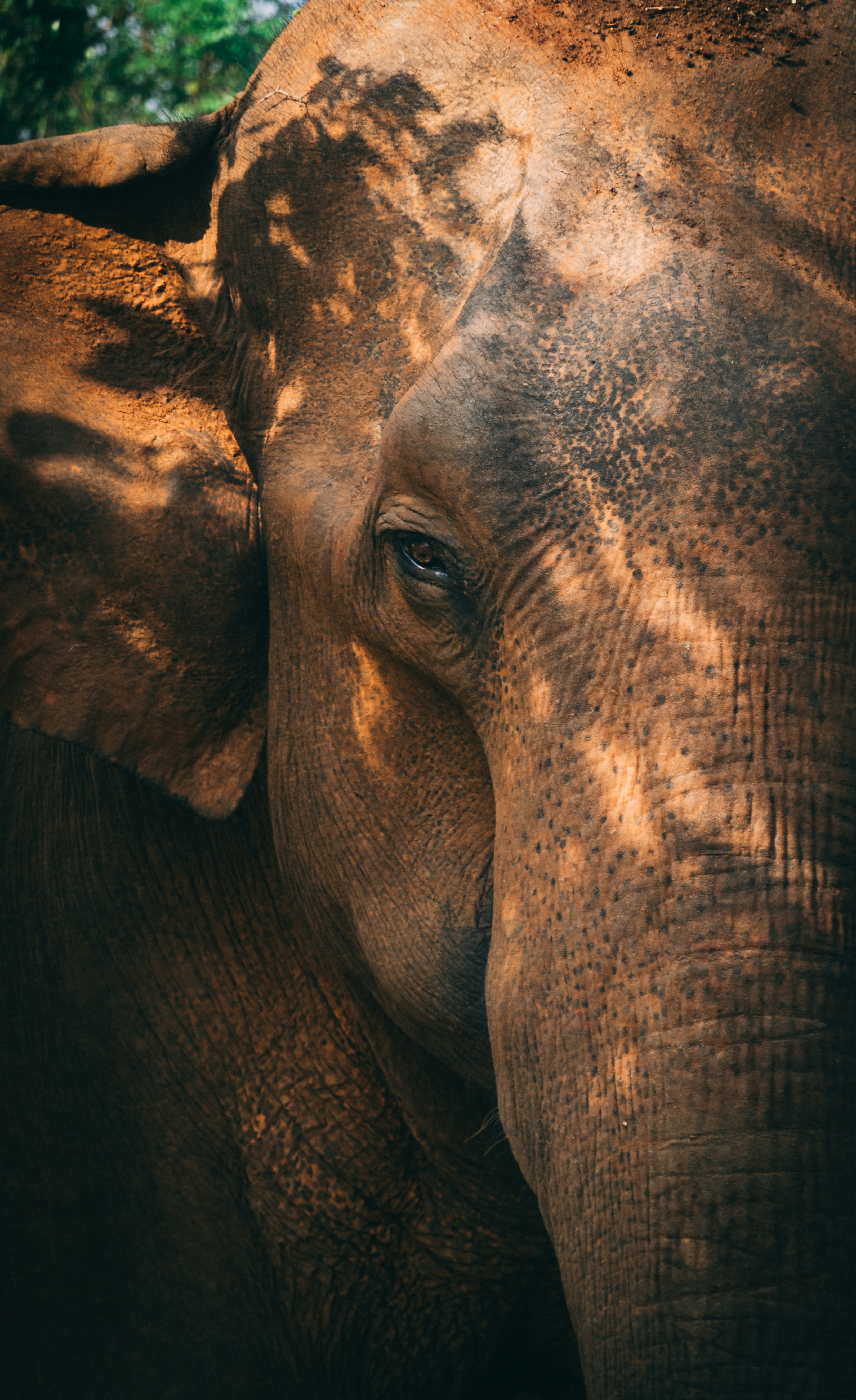
The Landscape of Conflict

Sonitpur is not wilderness in the romantic sense. It is a mosaic of tea estates, villages, secondary forest and fractured corridors. The boundary between cultivation and jungle is not a line on a map; it is a living seam where elephants and people move within metres of one another.

Elephants have used these routes for generations. Long before rail lines and plantation grids, herds moved seasonally through what is now farmland. As forest has thinned and been divided, those routes have narrowed but not disappeared.

A solitary bull navigating this terrain does not simply wander into conflict. He encounters it repeatedly.

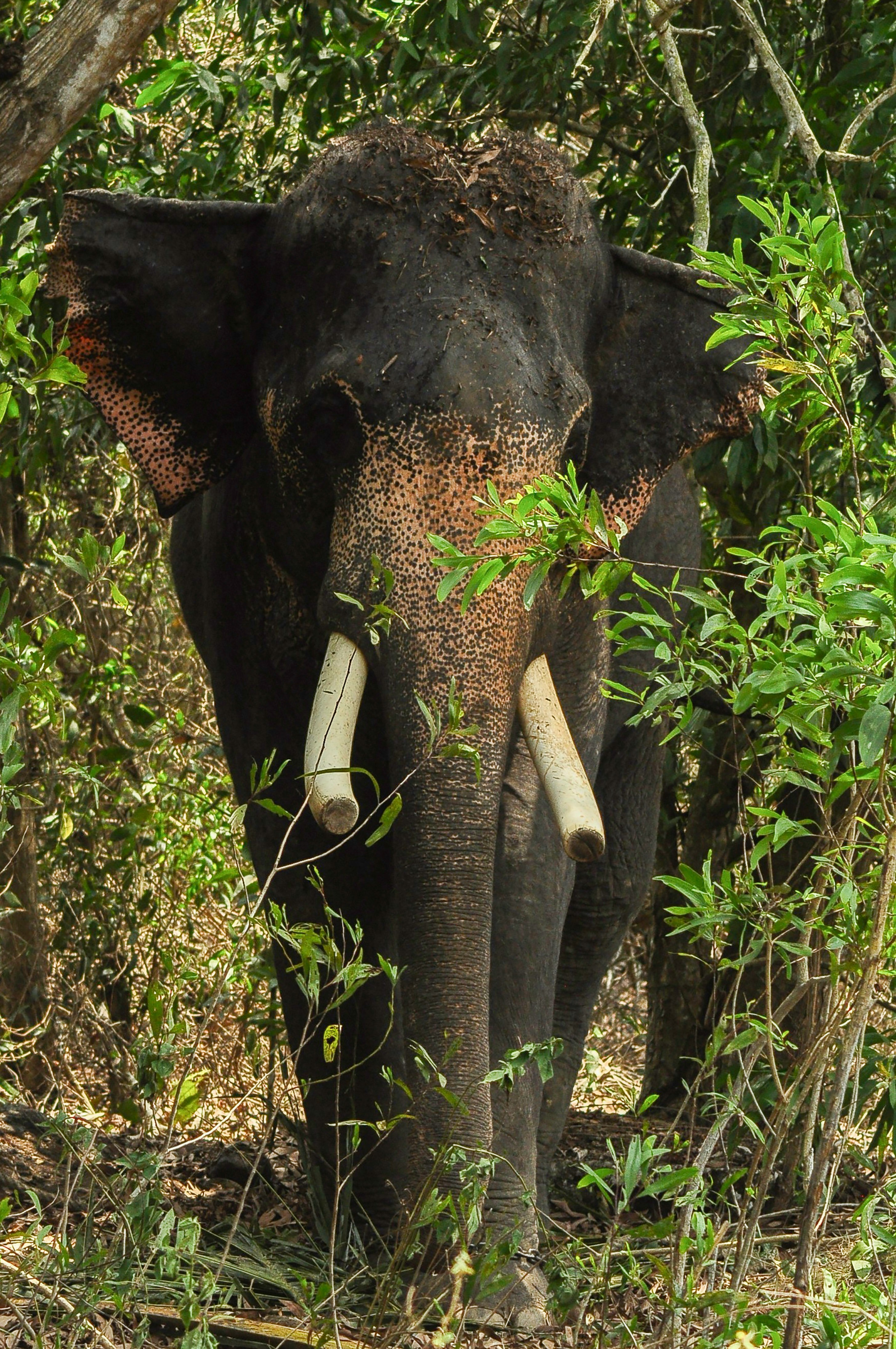
Adult male elephants are more prone to risk than matriarch-led family groups. They move alone. They raid crops. They approach settlements under cover of darkness. During musth, a periodic hormonal state marked by surging testosterone and heightened aggression, a bull can become more volatile, less tolerant of disturbance, and more forceful in asserting space.

In a compressed landscape, force carries consequences. In this setting, a solitary adult bull can become highly dangerous.

Twenty-Seven Deaths

At least twenty-seven people were killed over roughly two years. That figure appears consistently across regional reporting and official statements from the period.

These were not predatory killings. Elephants obviously do not consume human flesh. The deaths occurred during close-range encounters – trampling, crushing, and sudden aggression in shared ground.

But repetition changes perception.

A single fatal encounter is tragedy. Repeated fatal encounters become something else. Fear shifts from circumstantial to anticipatory. Villages alter routines. Workers hesitate at dusk. Forest paths grow tense.

The elephant was described as large, solitary, and unusually aggressive. Witnesses spoke of sudden appearances and little warning. In rural districts where livelihoods are already precarious, such unpredictability erodes more than confidence. It erodes normality.

By 2006, pressure mounted on authorities to act decisively.

The Hunt

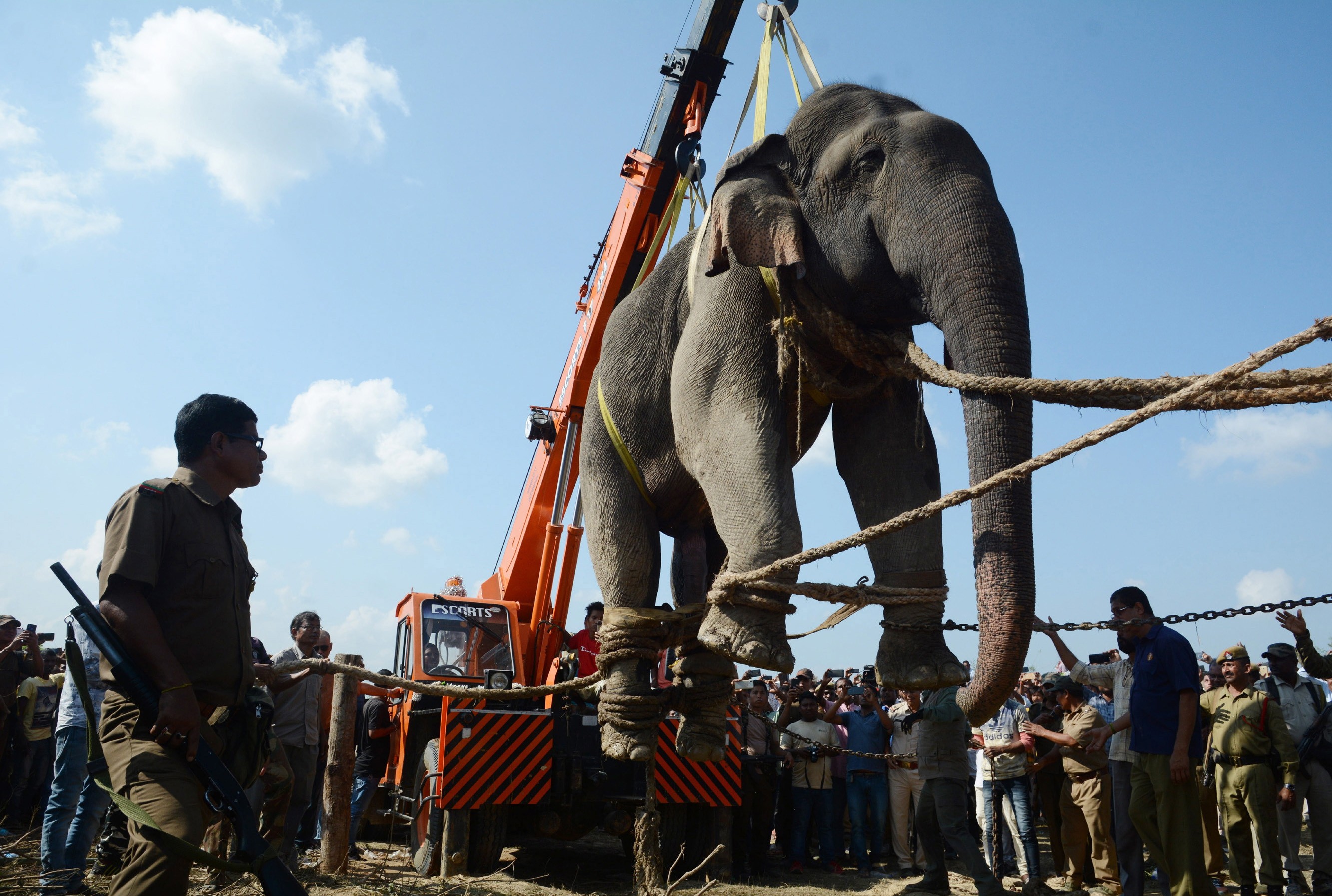
Forest officials identified a specific bull believed responsible and launched operations to track and eliminate him. Public assurances were made that the threat would be addressed. There were reports that the elephant had been located and shot. Other accounts suggested he had retreated into deeper forest.

What is clear is that after 2006, the killings attributed to this individual ceased.

What is less clearly documented in accessible public archives is a definitive, widely cited confirmation of his death. That absence does not negate the official efforts made, nor the likelihood that a targeted animal was killed. It simply reflects the uneven nature of record-keeping in regional conflict cases. If the elephant killed was the animal responsible, he had, for some reason, wandered over fifty miles from where he’d last been encountered.

For the communities of Sonitpur, however, the outcome was measured less in paperwork and more in silence. The attacks stopped. And that distinction matters.
Naming the Enemy

The name “Osama Bin Laden” did more than identify a problem animal. It framed him within a global narrative of terror.

The early 2000s were shaped by anxiety and the language of unpredictable threat. To attach that name to a wild elephant was to translate ecological conflict into something deliberate and ideological. It suggested planning. Malice. Intent.

But elephants do not operate within ideology. They respond to pressure, proximity, memory, and stress. A bull in musth does not wage war. He asserts space in the only language available to him… size and strength.

The name belonged to human fear, not elephant cognition.

Man-Killer

The elephant of Sonitpur sits uneasily within the category of killer animals. He did not shift diet. He did not stalk as a predator does. Yet twenty-seven deaths over two years place him alongside other animals whose repeated fatal encounters alter public memory.

The comparison reveals something important.

In classic predator cases such as the Champawat tiger and the Tsavo lions, it is injury, age or prey scarcity can drive a carnivore toward habitual human predation. With elephants, the mechanism is different. The deaths arise from collision rather than consumption.

But the emotional result for communities is similar. Repetition breeds myth. And myth simplifies cause.
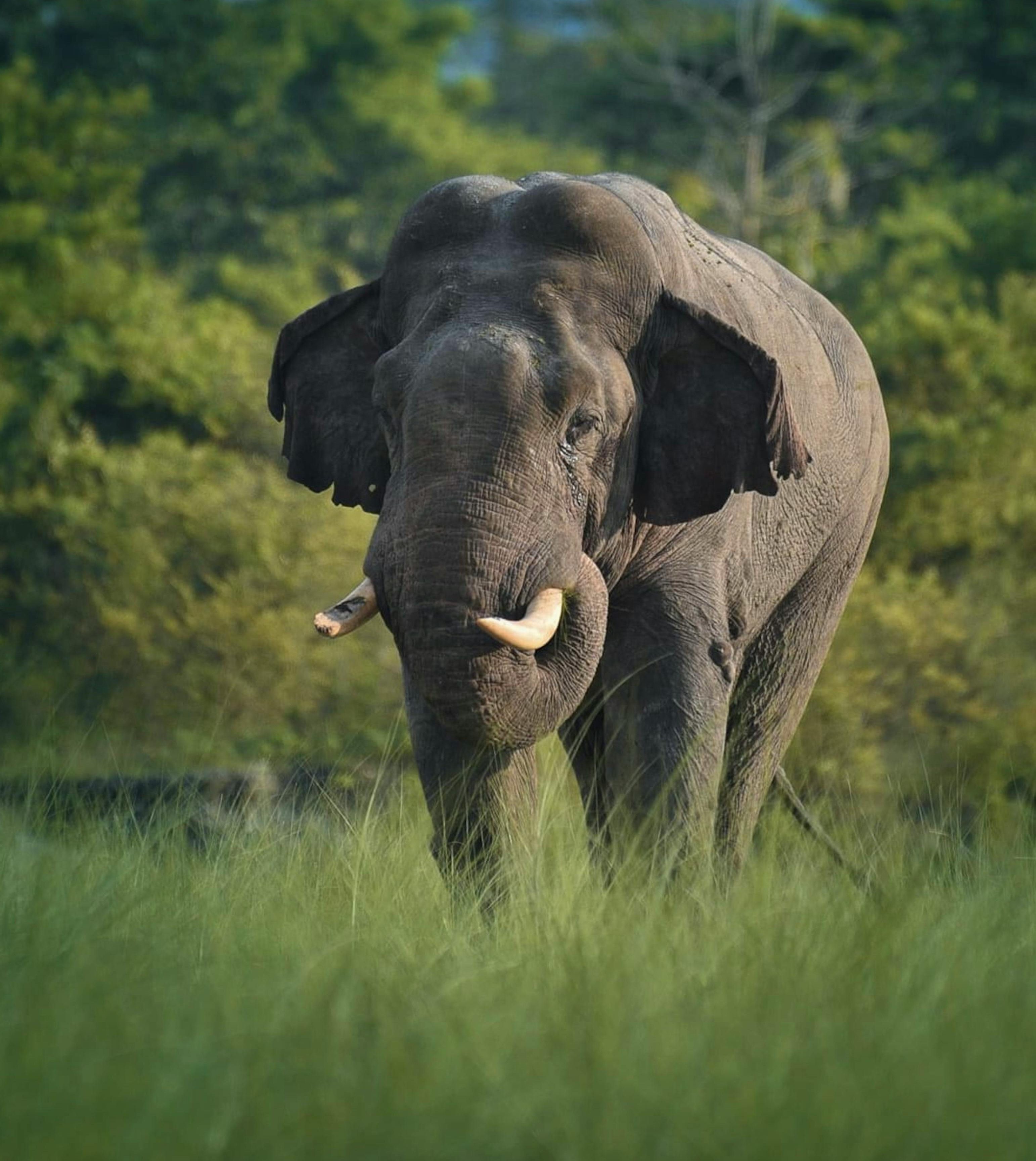
Compression

Human–elephant conflict in Assam did not begin in 2004, and it did not end in 2006. Railway strikes, retaliatory killings, electrocutions and crop destruction continue to shape the region’s uneasy coexistence.

The Sonitpur elephant did not emerge from wilderness untouched by human systems. He moved through a landscape already compressed by agriculture, infrastructure and settlement. Every tea garden and railway line narrowed the margin for avoidance.

Twenty-seven deaths are not a rumour. They are recorded loss. But beneath the number lies a structural tension: one of the largest land mammals on Earth navigating corridors increasingly designed without him in mind.

When that negotiation fails, it fails violently. The elephant known as Osama Bin Laden was not a terrorist. And he was not a monster in the way folklore demands.

He was a bull in a fractured landscape.

And in Sonitpur, between 2004 and 2006, that fracture cost twenty-seven lives.
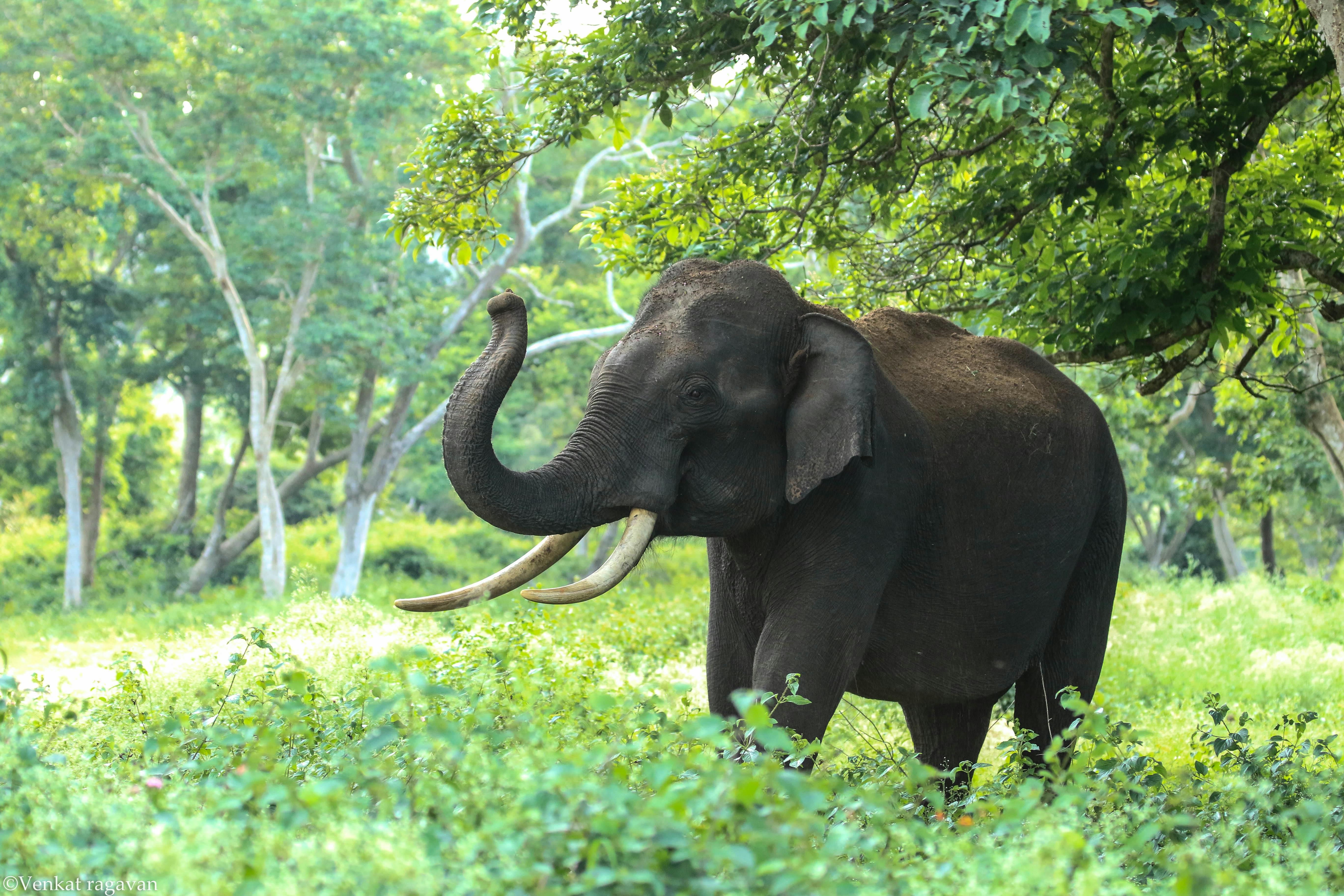
Executioner Elephants and the Machinery of Power

There are moments in history that feel almost implausible. Not because they are exaggerated, but because they are so deliberately cruel.

For centuries, across parts of South and Southeast Asia, elephants were used as executioners (known as Gunga Rao in India). Not in myth or allegory, but as instruments of state punishment: trained, directed, and deployed to kill human beings in public displays of authority.

This was not a curiosity or an isolated practice. It was a system, and one that relied on the intelligence and obedience of an animal capable of learning complex commands, and on the psychological impact of seeing power made flesh.

What makes this history unsettling is not simply what happened, but how intentional it was. Elephants were not acting on instinct. They were taught. And they were used.

Where and why executioner elephants were used

The use of elephants as instruments of execution was most prevalent across parts of South and Southeast Asia, particularly in regions where elephants already occupied a central role in warfare, labour, and royal symbolism. Historical accounts describe the practice in areas including the Indian subcontinent, Sri Lanka, Burma, Siam, and parts of what is now Vietnam and Indonesia, spanning several centuries and multiple ruling dynasties.

This was not an improvisation born of cruelty alone. Elephants were already embedded within the infrastructure of power. They hauled timber, carried kings into battle, and featured prominently in court ceremony and spectacle. Their size, intelligence, and visibility made them ideal symbols of authority; living embodiments of the state’s reach and control.

Public punishment in these societies was rarely private. Executions were designed to be seen and remembered as spectacles. They functioned as warnings as much as penalties, reinforcing social order through fear and inevitability. An elephant, towering over a crowd, calm and obedient, communicated something more potent than a blade or a rope: that resistance was futile not only because the state was powerful, but because it appeared absolute.

Beyond fear, the elephant also carried a deeper symbolic weight. It represented the futility of resistance itself. If the state could command and subdue one of the largest and most powerful animals on Earth, a creature capable of tearing apart structures and killing with ease, then the control of people was rendered almost trivial by comparison. Authority was not merely enforced; it was naturalised.

In this context, the elephant became part of a broader political language. Its presence transformed punishment into theatre, merging justice, domination, and spectacle into a single event. The animal itself did not represent chaos or savagery, but discipline… an impression carefully cultivated by those who wielded it.

How the system worked

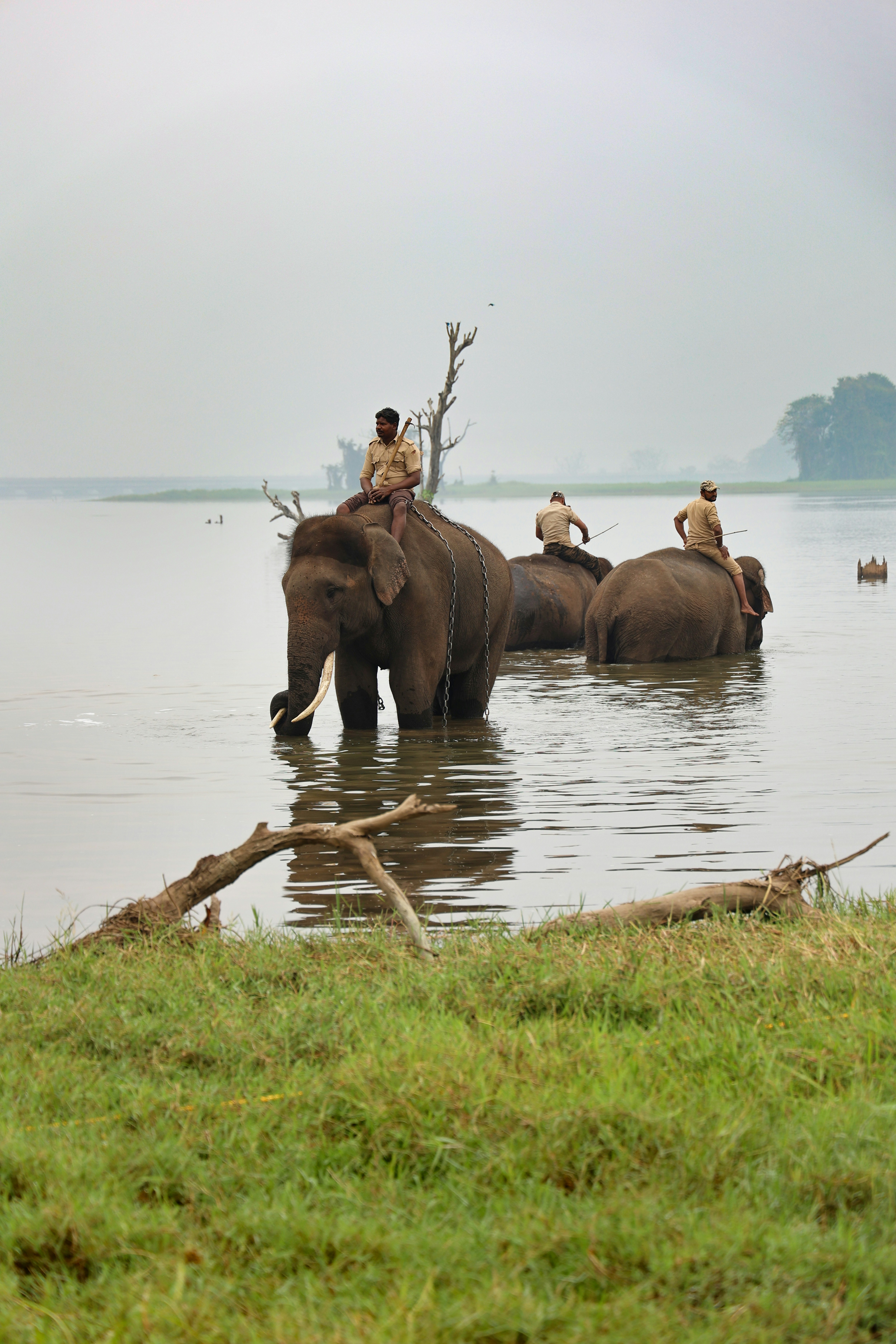
Elephants were not used as executioners through instinct or provocation. They were trained deliberately, responding to commands issued by a mahout who controlled the animal throughout the process. Contemporary accounts describe elephants being taught a range of actions, from restraining a condemned person to killing them outright, depending on the sentence imposed.

The methods varied by region and period. In some cases, executions were swift. In others, they were prolonged, calibrated to heighten public impact rather than efficiency. What united these practices was control. The elephant did not act independently. It waited, received instruction, and carried out the act as trained, sometimes stopping short, sometimes proceeding fully, all according to command.

This distinction matters. The violence was not the result of an enraged animal, nor of a moment slipping beyond human control. It was structured, rehearsed, and repeatable. The elephant functioned as an extension of the judicial system, its immense physical force made precise through obedience.

That precision was itself part of the message. The spectacle lay not only in the act of killing, but in the demonstration that such a powerful animal could be rendered compliant, predictable, and exact. Authority was displayed not through chaos, but through order.

Power, punishment, and political messaging

Public execution has always been as much about those who watch as those who die. In societies that employed executioner elephants, punishment functioned as a form of political communication, a demonstration of authority designed to be remembered long after the event itself had passed.

The elephant’s role intensified that message. Unlike mechanical devices or edged weapons, the animal was visibly alive, responsive, and controlled. Its obedience transformed violence into a display of governance rather than brutality. Order was not imposed through chaos, but through precision. The state did not merely kill; it commanded.

By outsourcing the act of execution to a trained animal, rulers distanced themselves from the physical act of violence while simultaneously magnifying its psychological impact. The elephant became a proxy through which power could be exercised without appearing impulsive or uncontrolled. Responsibility was diffused, even as authority was reinforced.

There was also an element of humiliation embedded in the practice. To be killed by an elephant, an animal associated with royal processions, warfare, and ceremony, inverted the natural order of dignity. The condemned were rendered small, powerless, and publicly subordinate, their fate enacted by a creature that symbolised the state itself.

In this way, executioner elephants functioned not simply as tools of punishment, but as instruments of political theatre. They collapsed justice, domination, and symbolism into a single act, reinforcing a hierarchy in which resistance appeared not only dangerous, but futile.

Methods of punishment and execution

Historical accounts make clear that executioner elephants were not employed in a single, uniform way. Methods varied by region, period, and political intent, and the elephant’s role could be adjusted accordingly. This flexibility was part of the practice’s power.

In some instances, elephants were trained to kill quickly. A single, forceful action, often involving the animal’s foot (the crushing of a victim’s head against a stone or wooden block was typical), was enough to end a life almost immediately. In others, the process was deliberately staged. The elephant might restrain a condemned person first, holding them in place while commands were issued, before carrying out the final act. The presence of choice and delay was itself a form of intimidation, reinforcing the idea that punishment was not only inevitable, but controlled.

More elaborate methods are recorded in certain historical sources. Elephants could be trained to tear apart bodies using their tusks, or to crush limbs before delivering a fatal blow. In some regions, blades or spikes were affixed to tusks to increase lethality. These were not improvisations, but planned variations and evidence of a system refined over time.

What distinguishes these accounts is not brutality alone, but intentionality. The elephant did not act unpredictably. Each movement followed instruction. Each execution demonstrated not rage, but discipline. Violence was administered as a process, not an outburst.

For spectators, this mattered. The horror lay not only in the outcome, but in the calmness with which it was achieved. The animal’s obedience underscored the message that punishment was procedural, sanctioned, and absolute, making it a function of governance rather than cruelty in the abstract.

The animal caught in the system

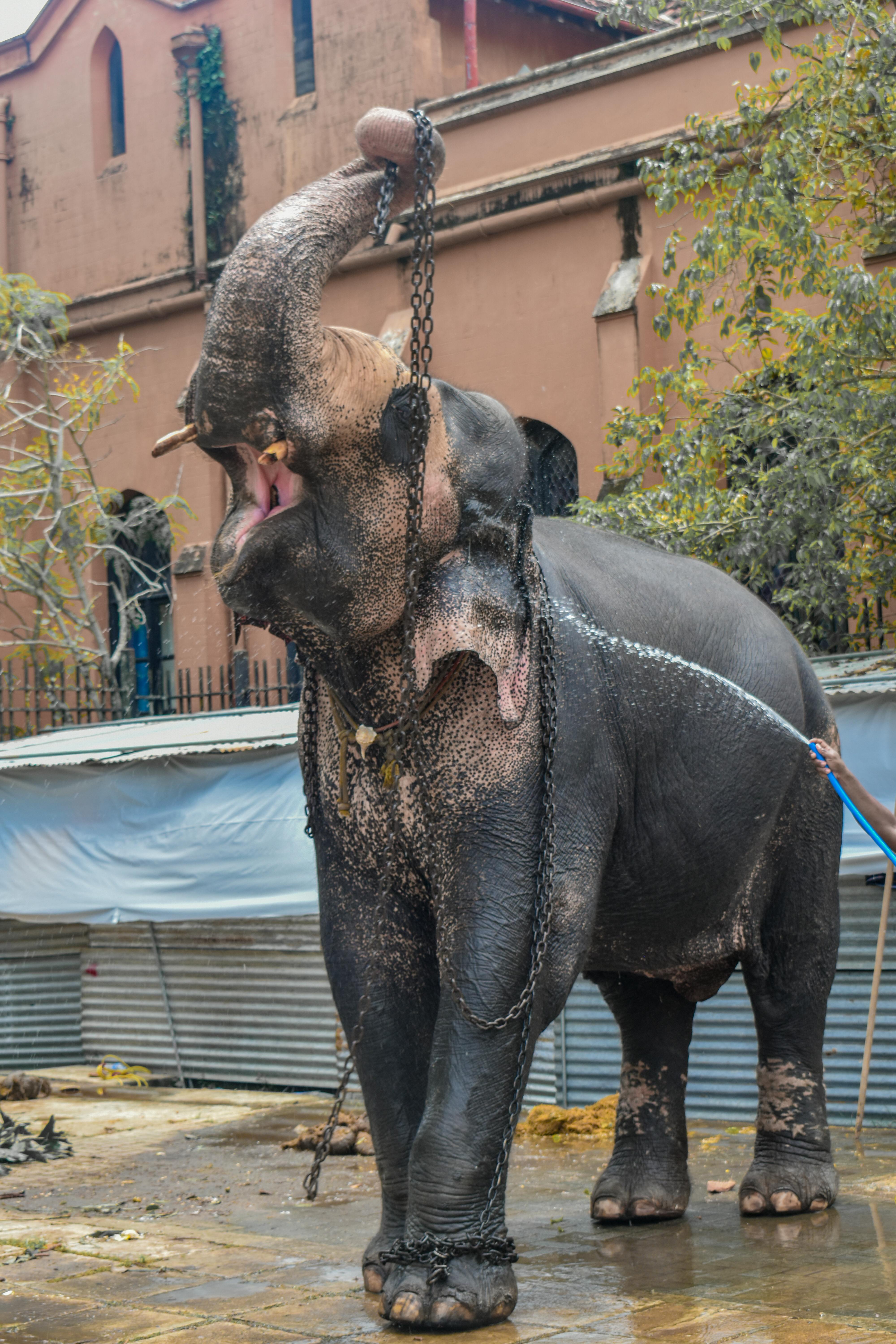
Elephants are not indifferent instruments. They are highly intelligent, social animals, capable of learning complex behaviours, forming long-term bonds, and responding to subtle cues from those they trust. That capacity and the very trait that made them so valuable to human societies, is what allowed them to be absorbed into systems of punishment in the first place.

The elephant did not choose its role. It did not understand the politics of justice, crime, or authority. It responded to training, repetition, and command. Responsibility for the violence enacted through it does not sit with the animal, but with the structures that shaped its behaviour and put it to use.

This distinction matters, because it forces the focus back where it belongs. Executioner elephants were not expressions of nature’s savagery, nor examples of animals turned monstrous. They were evidence of human ingenuity applied without restraint, of power seeking spectacle, obedience, and inevitability, regardless of the cost.

In many historical accounts, the elephant’s calmness is remarked upon as much as its strength. That calmness was not natural. It was cultivated. And in that cultivation lies the deeper unease of the practice: the transformation of a sentient being into a mechanism, valued not for what it was, but for what it could be made to do.

That this history still unsettles is not surprising. It sits at the intersection of dominance and delegation, where violence is made orderly and responsibility is diffused. The elephant becomes a mirror, reflecting not animal brutality, but human willingness to externalise cruelty, to embed it within systems until it feels inevitable, even justifiable.

With what is now known about elephant intelligence, it is difficult not to wonder what such roles may have cost the animals themselves. Elephants are capable of recognising individuals, remembering past events, and responding to distress in others. They are not unthinking tools, but sentient beings with emotional and social complexity.

Whether executioner elephants experienced fear, confusion, or psychological harm as a result of these acts cannot be known with certainty. Historical records do not concern themselves with the inner lives of animals. Yet the very qualities that made elephants so effective within these systems; memory, responsiveness, trust in human handlers, are the same qualities that, today, are recognised as leaving animals vulnerable to long-term stress and trauma.

If nothing else, this absence is telling. The suffering of the animal was neither recorded nor considered relevant. The elephant’s role ended when its usefulness did. That silence, viewed through a modern understanding of animal cognition, is itself a form of indictment.

This research surfaced while working on a piece of fiction, but it refused to remain there. Some histories resist containment. They linger, precisely because they reveal how thin the line can be between authority and abuse, and how readily intelligence (animal or human) can be bent to serve power.