Maneater Monday: The Wolves of World War I — When Nature Stopped the War

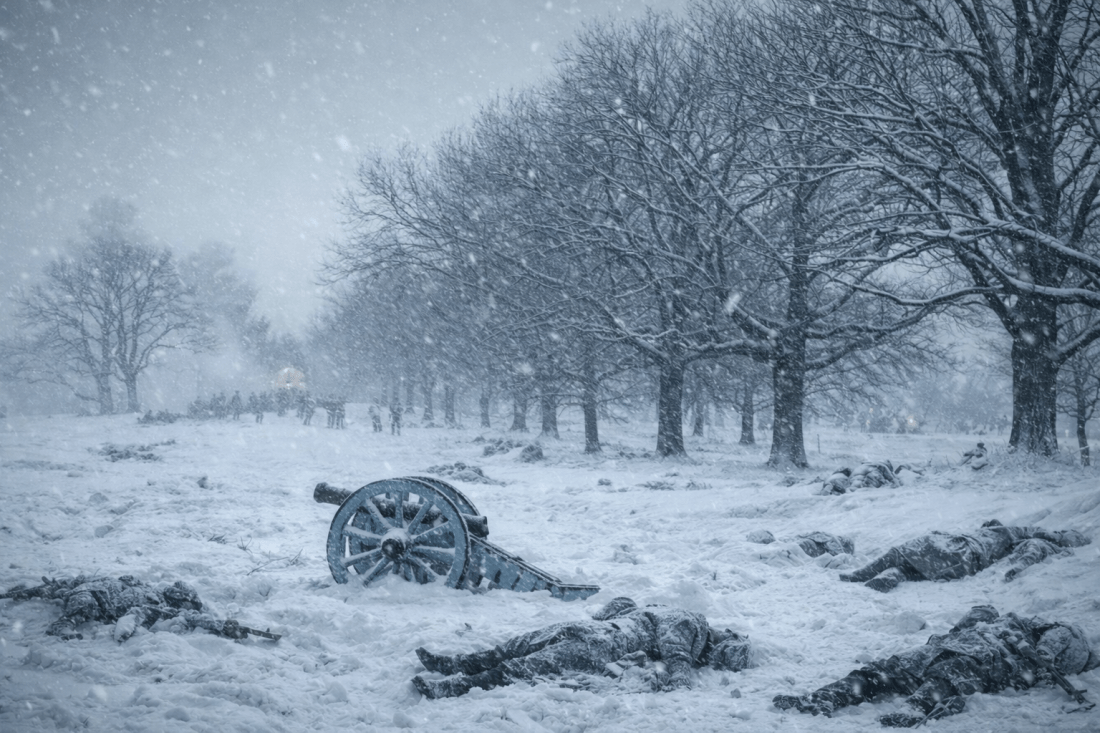
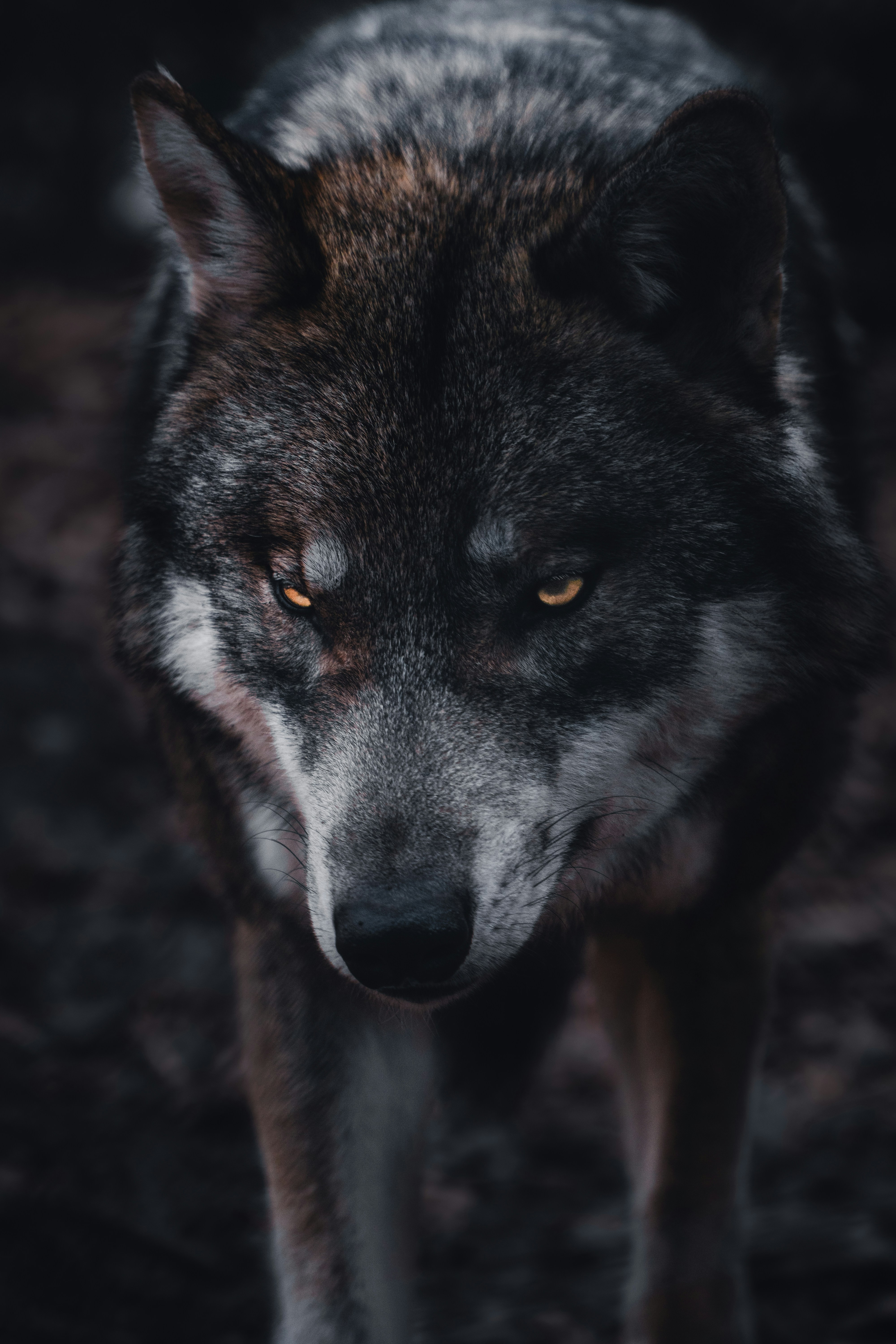
In the winter of 1916, on the frozen Eastern Front, German and Russian soldiers discovered that the greatest danger they faced was no longer each other.

The Howling in No Man’s Land

The snow fell thick and soundless over the forests of Eastern Europe.
It swallowed roads, softened the edges of trenches, and buried the dead where they lay.

Along the front lines separating German and Russian forces, sentries stood in rigid silence, rifles stiff with ice, breath frosting the air in pale clouds. The wind carried the smell of rot from the fields beyond the wire — thousands of bodies left unburied after weeks of fighting, locked in the ground by frost.

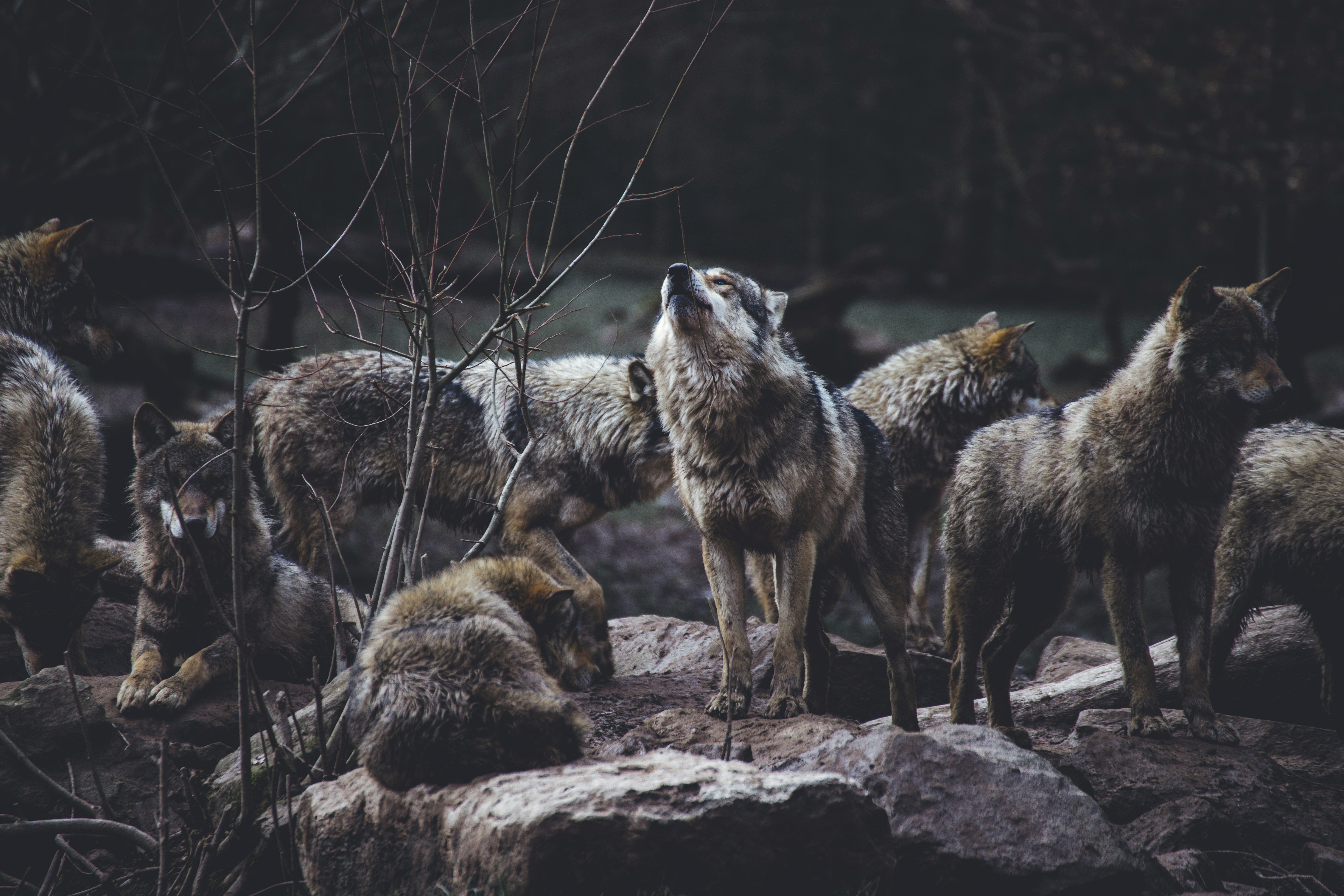
And then, at night, came the howling.

At first it was distant. Mournful. Easy to dismiss as imagination or exhaustion.
But as the weeks passed, it grew closer.

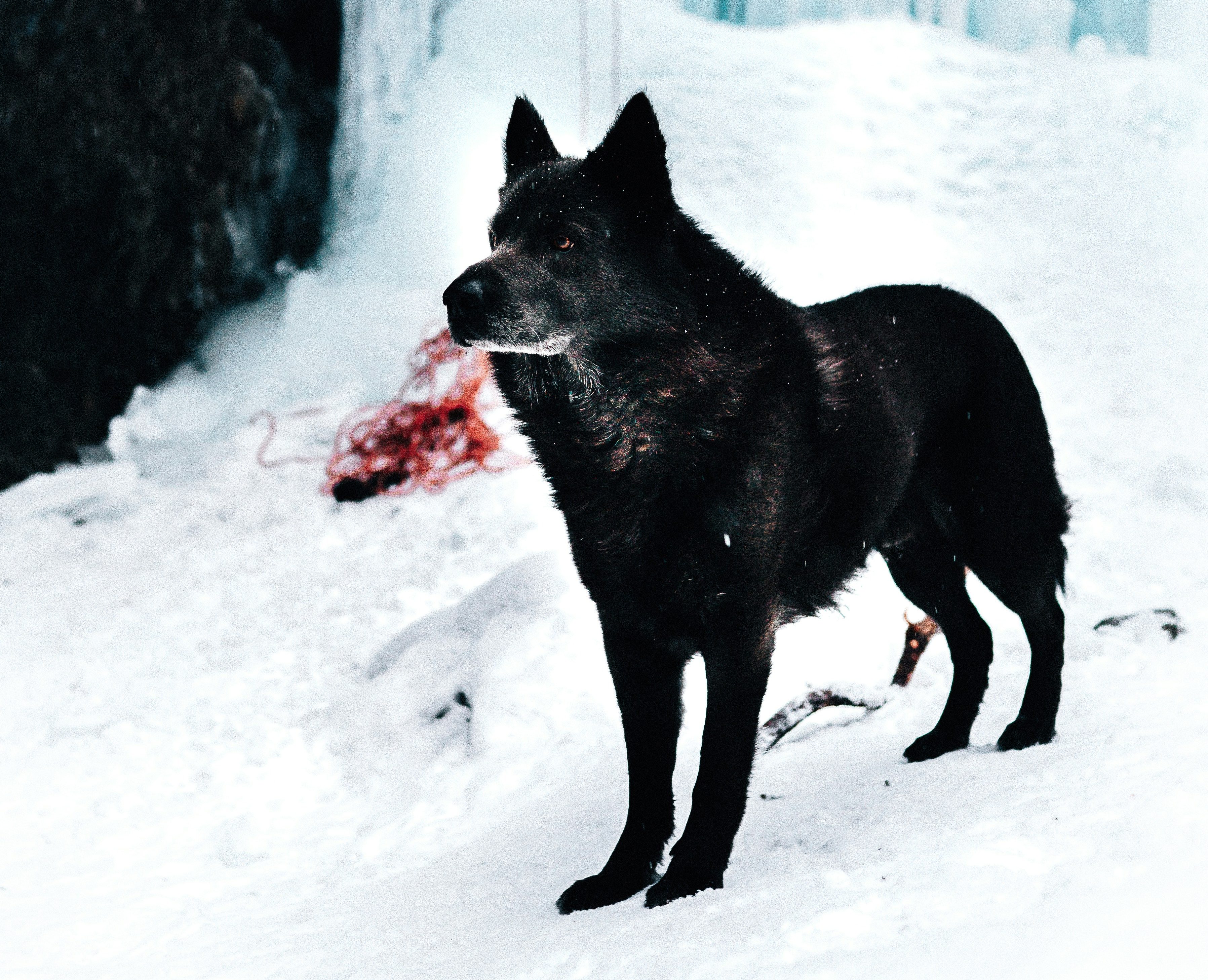
Men began to vanish from the edges of camps. Lone runners failed to return. Wounded soldiers, dragged away from shell holes and shallow graves, left only streaks of dark red in the snow.

The Eastern Front had acquired a new predator.

A Perfect Storm for Wolves

The First World War created conditions unlike anything Europe had seen.

The Eastern Front, stretching across Poland, Belarus, and the Baltic regions, became a landscape of mass death and logistical collapse. Entire villages were abandoned. Supply lines broke down. Corpses lay uncollected for weeks or months at a time.

For wolves, already struggling under centuries of persecution and habitat loss, this was catastrophe and opportunity combined.

Winter drove them out of the deep forests. Starvation pushed them closer to human settlements. And war provided something unprecedented: endless carrion.

Thousands of human bodies lay exposed in fields and forests, frozen solid in the snow. For scavengers, it was a banquet that never ended.

At first, the wolves fed on the dead.

Then they began testing the living.

When the Dead Were No Longer Enough

Contemporary reports and later memoirs describe a shift in behaviour as the winter deepened.

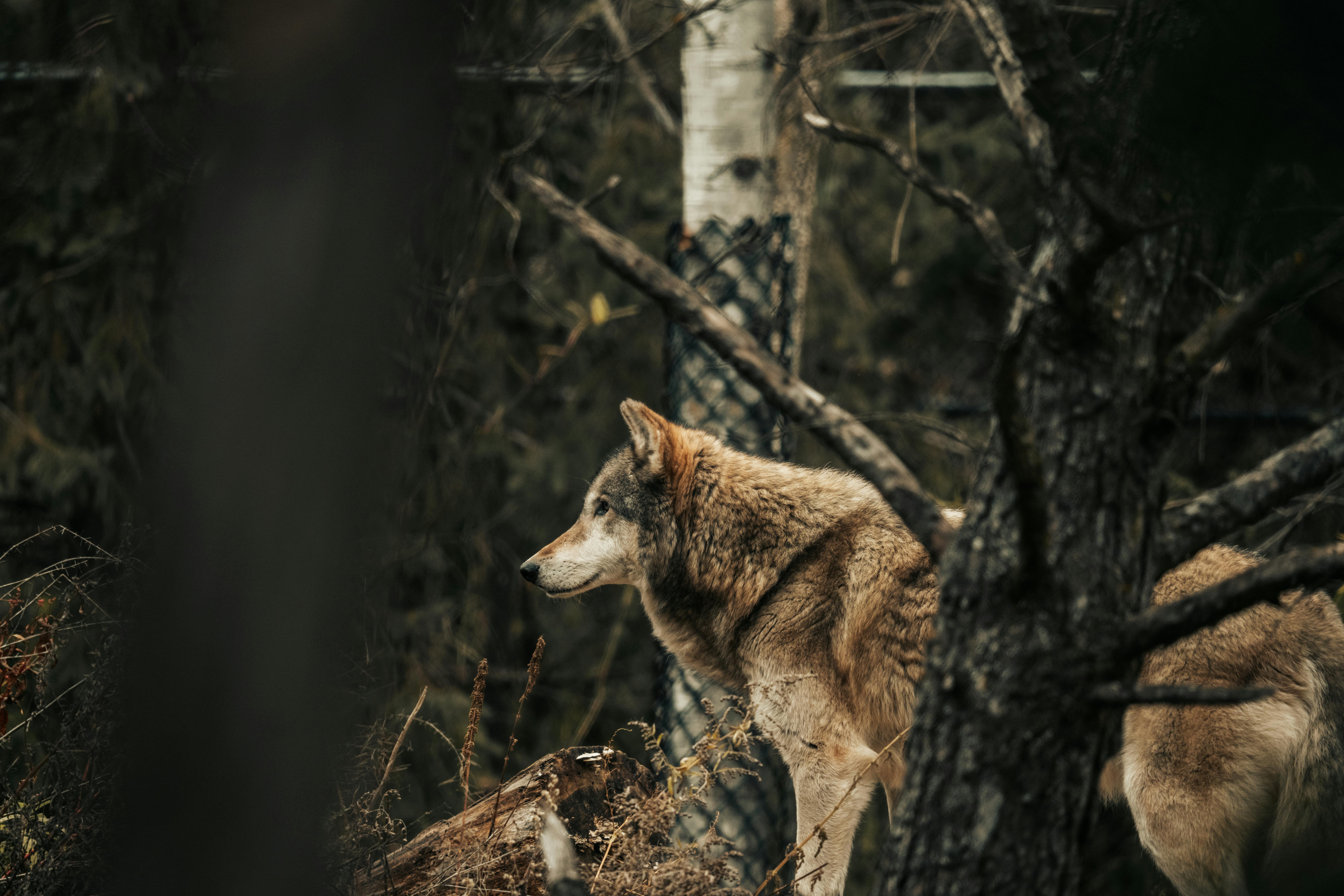
Wolves began approaching camps at night, circling trenches, and following patrols at a distance.

Isolated soldiers were attacked while collecting firewood or running messages between positions. Sentries disappeared from their posts. Wounded men, unable to move, were taken from the margins of the battlefield.

The attacks were not frenzied. They were methodical.

These were not mythical monsters or supernatural beasts. They were animals responding to an extreme ecological shock, losing their fear as hunger and opportunity rewired their instincts.

For soldiers already broken by cold, starvation, and artillery, the effect was devastating. The war had stripped them of shelter, warmth, and food. Now it was stripping them of the illusion that humans were still in control.

The Truth of the “Wolf Truce”

As the attacks increased, something extraordinary happened.

According to multiple historical accounts, both German and Russian units found themselves under such sustained pressure from wolves that hostilities between the two sides were temporarily suspended.

Joint patrols were formed. Coordinated hunts were organised. Weapons that had been aimed at enemy soldiers were turned outward, into the forests.

For a brief moment, the front line dissolved. The enemy was no longer the man in the opposite trench. It was the unseen presence moving through the trees.

The episode became known later, and somewhat romantically, as the “wolf truce.”

https://historica.fandom.com/wiki/Wolf_truce

https://www.military.com/military-life/soldiers-world-war-eastern-front-fought-common-enemy-wolves.html

https://historyandthings.com/2021/09/28/the-wolf-truce-1917/?utm_source=chatgpt.com

Fact, Folklore, and Embellishment

As with many stories that sit at the boundary of history and horror, the details are tangled.

There is credible evidence that wolf attacks did occur on the Eastern Front during the winters of 1916–1917. Military records and memoirs reference problems with wolves and describe organised culls.

There is also evidence of temporary cooperation between opposing forces to deal with shared threats. Not just wolves, but disease, flooding, and other environmental hazards.

But the scale of the attacks has almost certainly been exaggerated in later retellings. The idea of thousands of wolves overwhelming entire regiments is almost certainly folklore.

What remains clear is this:

The wolves were real. The attacks were real. And for a brief winter, nature forced a pause in a human war.

Why This Story Endures

The wolves of World War I were not evil. They were not monsters. They were opportunists in a broken ecosystem.

War dismantled the structures that kept humans safe; shelter, food, burial, borders, order. In that vacuum, predators did what predators have always done. They filled the gap.

What terrified soldiers was not just the physical danger. It was what the wolves represented. They were proof that civilisation had collapsed far enough for humans to become prey again.

Fear is rarely about death alone. It is about the loss of control.

When Humans Stop Being the Apex Predator

The label “maneater” has always said more about us than about the animal.

Wolves have hunted people before. So have tigers, lions, leopards, bears, and sharks.

But they only become legends when they cross an invisible line, when they stop behaving like background wildlife and start behaving like participants in human history.

On the Eastern Front, the wolves did exactly that. They stepped into a war zone and claimed their share of it.

After the Snow Melted

Eventually, the wolves were driven back. Hundreds were shot, trapped, or poisoned.

As spring came, the snow thawed, and the bodies were buried. The carrion vanished. The front stabilised.

The wolves retreated into the forests. And the armies resumed killing each other. The moment passed, almost forgotten.

But for a brief winter, the war remembered something it had tried to deny: It was not the only deadly force shaping that front.

Closing Reflection

The wolves of World War I were not supernatural. They were not sent by fate or divine punishment. They were simply animals responding to human catastrophe.

And in doing so, they exposed a truth that sits beneath every maneater story: When the structures of civilisation collapse, the food chain rearranges itself.

And humans are not always at the top.

The Lions of Njombe: Africa’s Deadliest Man-Eaters

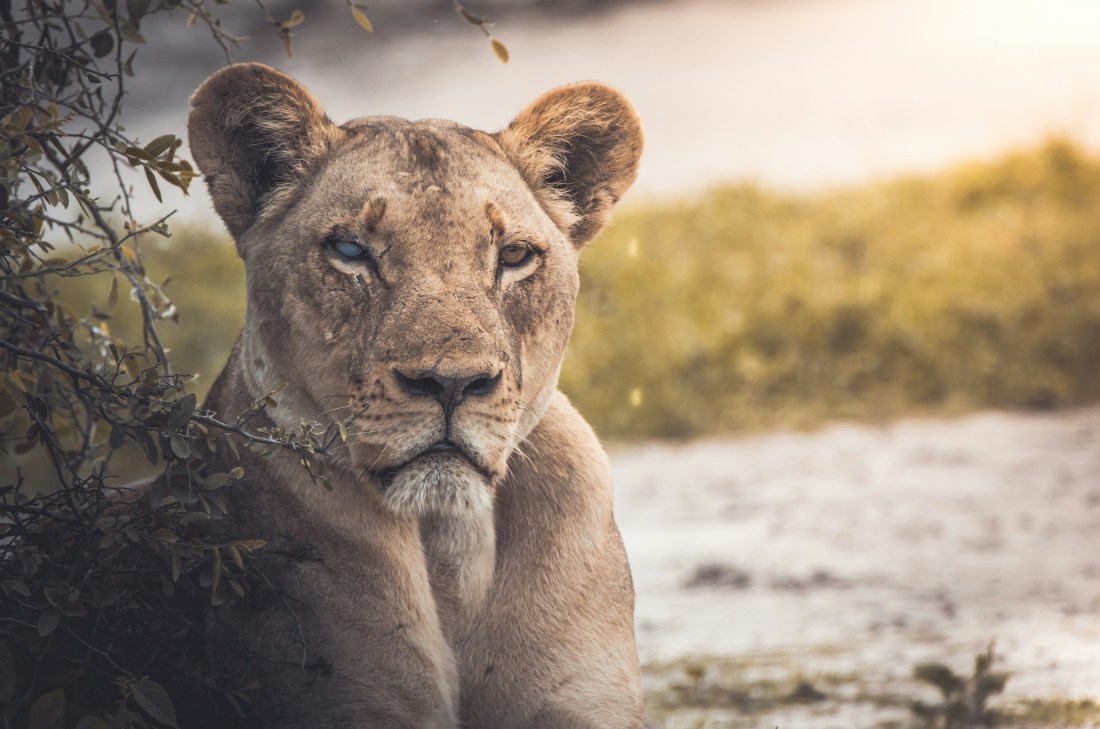
Fear stalked the land, searching out its prey with a single working eye. A scarred beast that prowled the maize fields of southern Tanzania, its remaining eye glowing in the firelight like an ember from the underworld. Wherever it appeared, someone vanished.

By the time the terror ended in the mid-1940s, villagers whispered that as many as 1,500 people had been taken. Some dismissed the figure as impossible; others swore it was true, pointing to empty huts, abandoned farms, and the silence that hung over Njombe for more than a decade.

This is the story of the Njombe man-eaters: a pride of lions whose reign of fear has no equal in recorded history.

A land in crisis

The Njombe District in the 1930s was an isolated plateau of rolling grasslands and scattered farms in what was then Tanganyika. For centuries, lions and people had co-existed uneasily there: lions taking cattle now and then, villagers spearing lions in retaliation. But the balance was about to tip.

At the turn of the 20th century, rinderpest, a cattle plague introduced by imported livestock, tore through East Africa. It killed not only cows but also wild ungulates including buffalo, wildebeest, eland, and kudu. In short, the very animals lions depended on. At the same time, colonial authorities, desperate to protect settler farms and commercial livestock, sanctioned widespread shooting of wildlife herds.

By the early 1930s, the great prey herds had vanished from much of Njombe. For a pride of lions, starvation loomed.

And then the killings began.

The first attacks

Accounts vary on who the first victims were. Some say it was a group of women cutting grass at the edge of the bush. Others tell of a child herding goats. What is certain is that the attacks were relentless.

Unlike the famous Tsavo man-eaters of 1898, which were just two lions, the Njombe killers operated as a full pride, one perhaps 15 strong. They hunted both day and night, stalking footpaths, raiding fields, and dragging victims from huts in the dark. Witnesses described their tactics as disturbingly coordinated: one lion would chase a fleeing villager toward others lying in ambush, while still more lions waited to carry the body off into the bush.

The result was psychological as well as physical devastation. Farmers abandoned their crops. Markets emptied. Whole families refused to travel. A rural economy, already fragile, teetered on collapse.

Folklore takes hold

As the death toll mounted, explanations turned supernatural.

Villagers spoke of Matamula Mangera, a witch doctor said to have cursed the land, sending spirit lions to punish those who had wronged him. Some claimed they saw lions melt into the shape of men; others swore that no ordinary rifle could kill the beasts.

Central to the lore was the pride’s supposed leader: a huge, one-eyed male called Kipanga. Was he real? Many hunters, including those who later fought the lions, believed so. Others argue Kipanga was more myth than flesh. Either way, the stories gave form to a terror that felt inhuman.

Even colonial officers recorded the atmosphere of dread. In their reports, villagers were described as “so paralysed by fear that they would not leave their huts even to tend their cattle.”

The scale of the slaughter

Could the lions truly have killed 1,500 people?

The figure comes up repeatedly, cited by hunters, missionaries, and later by storytellers such as Peter Hathaway Capstick. But hard evidence is scarce. Colonial records were patchy, and many deaths occurred deep in the bush, where no official ever ventured.

Sceptical historians suggest the real toll may have been in the hundreds, easily still enough to mark Njombe as the worst man-eater outbreak on record. But even if exaggerated, the number reflects the lived truth of the time: that whole communities were emptied, and that people felt they were at war with an enemy that could not be seen until it was too late.

Enter George Rushby

In 1947, after years of unchecked slaughter, the colonial government sent in a man who had made a career of battling Africa’s deadliest creatures: George Gilman Rushby.

Rushby was a former ivory hunter turned game ranger, a wiry, hard-driving man used to solitude and risk. He was already known for his encounters with elephants, leopards, and rogue buffalo. But the lions of Njombe would be his greatest test.

When Rushby arrived, he found villages half-deserted, fields lying fallow, and families so terrified they refused to leave their huts even by day. “The district had come to a standstill,” he later wrote. “The people were simply too frightened to live.”

The hunt

Rushby knew killing one or two lions would not be enough. The whole pride had to be vanquished. He organised local scouts, set baited traps, and began a grim campaign through thorn thickets and tangled river valleys.

The lions proved cunning. They avoided obvious bait, circled ambush sites, and sometimes attacked in the middle of Rushby’s own camp. Several times he narrowly escaped, his rifle raised only moments before a lion charged.

But slowly, methodically, the pride was whittled down. Rushby shot some himself, his trackers accounted for others, and poisoned bait claimed a few more. The turning point, Rushby believed, came when he killed the one-eyed male said to be Kipanga. Without their leader, the pride’s coordination faltered.

By the end of his campaign, Rushby claimed to have destroyed the entire man-eating pride. And just as suddenly as they had begun, the killings stopped.

Myth, memory, and reality

The story of Njombe sits at the uneasy intersection of fact and folklore.

  • Fact: A pride of lions really did terrorise the region, killing an unknown but horrifying number of people.
  • Folklore: A one-eyed demon lion, spirit beasts conjured by witchcraft, an exact death toll of 1,500.
  • Reality: Ecological collapse drove predators into desperate behaviour, and human fear magnified their legend until they became almost supernatural.

In this way, the Njombe lions became more than animals. They became symbols of a world out of balance.

Echoes today

Such mass outbreaks of man-eating lions are virtually unheard of now. Conservation measures, better livestock protection, and changing landscapes mean lions rarely, if ever, target humans in large numbers. But the underlying lesson remains: when ecosystems are broken, predators adapt in ways dangerous to us.

Human-wildlife conflict still exists across Africa, from elephants raiding crops to leopards taking goats. The Njombe lions are simply the most extreme and unforgettable example of what can happen when that balance tips too far.

A legacy of fear and fascination

Today, the hills of Njombe are quiet. Farmers tend their maize, children herd goats, and lions are seldom seen. But the memory lingers. Around campfires, elders still tell of the years when lions ruled the night, when entire villages hid indoors, and when the roar of a one-eyed beast froze the blood in men’s veins.

Were they spirit lions? A cursed pride? Or simply predators pushed beyond the edge of hunger? Perhaps all of these at once.

What is certain is that for more than a decade, fear itself had teeth and claws in Njombe. And its story remains one of the most chilling chapters in the long, tangled history between people and lions.

If you’d like to read a fictional story which shares the same elements, then check out The Daughters of the Darkness on Amazon, Kindle, and Audible.

https://www.amazon.com/The-Daughters-of-the-Darkness/dp/B081DNT6N3

The Champawat Tigress: Jim Corbett’s First Real Hunt for a Man-Eater

In the early 20th century, deep in the rugged terrain of the Kumaon region in northern India, a man-eating tigress was terrorising local communities. By the time she was finally brought down in 1907, she had claimed an estimated 436 human lives — a staggering toll that remains the highest attributed to a single big cat. Her name would become infamous: the Champawat Tigress.

Her story, however, is also inextricably linked to one of conservation’s most complex and legendary figures: Jim Corbett. While today he is remembered as a pioneer of wildlife protection — and the namesake of India’s first national park, Corbett began his journey into the wild not as a saviour, but as a hunter. The Champawat tigress was his first true pursuit of a confirmed man-eater. And it was a pursuit that would change the course of his life.

A Killing Machine Created by Human Wounds

We now know the Champawat tigress turned to humans after sustaining severe injuries likely inflicted by poachers or after a confrontation with hunters. Broken canines and damage to her jaw made her unable to bring down natural prey. In desperation, she turned to easier quarry: people.

Her killing spree spanned the border of Nepal and India. After the Nepalese army failed to stop her, she crossed into British India’s Kumaon region. Panic and grief followed in her wake. Villages emptied. Daily life ceased. Entire communities were paralysed by fear.

Enter Jim Corbett

In 1907, Jim Corbett, then a railway man and experienced shikari (hunter), was called upon to stop her. He was young, only in his early 30s, and this marked his first major hunt for a man-eating big cat, a fact made clear in both Corbett’s own writing and subsequent historical biographies. After several failed attempts and tense tracking, he eventually shot the tigress near the village of Champawat. The hunt earned him widespread recognition, but more importantly, it ignited a lifelong mission to understand why big cats turn man-eater, and how to prevent it. He later even became a keen early, wildlife photographer and observer.

Corbett’s later life saw a complete transformation. He would become one of India’s earliest and most passionate voices for tiger conservation, often risking his reputation to defend the species he had once been called to destroy.

The Book: No Beast So Fierce

For those intrigued by the history behind the hunt, Dane Huckelbridge’s No Beast So Fierce (2019) offers a gripping, well-researched account of the Champawat tigress and Corbett’s involvement. It not only explores the hunt itself but also examines the colonial, ecological, and human factors that gave rise to such a tragic chapter. Huckelbridge places the tigress’s killings in the wider context of deforestation, conflict, and human encroachment — themes that still resonate today, when tiger populations have been decimated by a shocking 96% since Corbett’s time.

Setting the Record Straight: A Note on Recent Misinformation

Recently, television host and adventurer Forrest Galante released a YouTube video discussing the Champawat tigress. While his enthusiasm for wildlife storytelling is commendable, the video unfortunately contained some mild inaccuracies. Chief among them was the claim that this was not Jim Corbett’s first hunt for a man-eater.

Corbett himself, in his 1944 book Man-Eaters of Kumaon, makes it clear that the Champawat tigress was his first real confrontation with a man-eating big cat — a life-and-death pursuit that shaped his entire philosophy on wildlife. Galante’s failure to reflect this not only disrespects the historical record but also distorts the narrative of a pivotal moment in conservation history.

As wildlife communicators, we owe it to the truth, and to the animals whose stories we tell to get the facts right. In the name of entertainment and click-bait, this isn’t always the case. We would do well to remember that the Champawat tigress was more than just a man-eater; she was a tragic byproduct of human impact, and her story catalysed the transformation of one of conservation’s most influential figures.

Remembering the Legacy

Today, as tiger numbers teeter and human-wildlife conflict continues, the tale of the Champawat tigress remains deeply relevant. It is a cautionary tale. Not of a monster in the jungle, but of what happens when humans and nature fall fatally out of balance.

Corbett’s journey from hunter to conservationist reminds us that change is possible. And that understanding, compassion, and respect must guide our relationship with the wild.