Man-eater Monday: The Beast at the School Gate

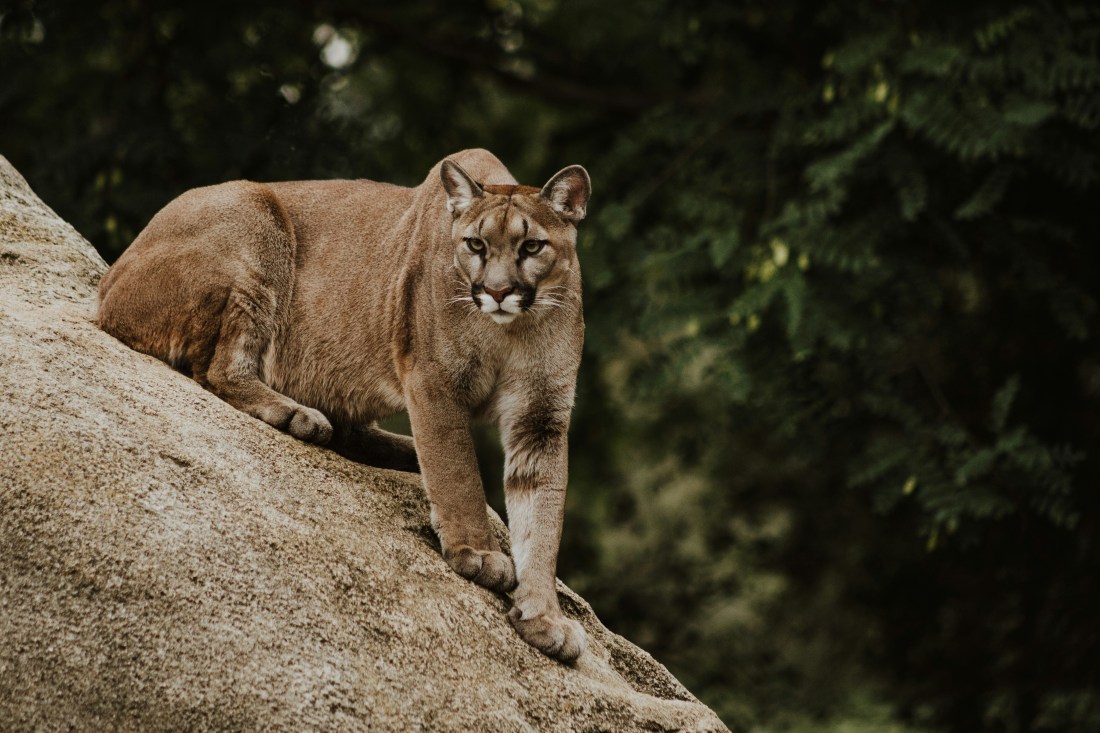
On January 14th, 1991, near a High School in Boulder, Colorado, Scott Lancaster went for a run and didn’t come back. He was 18. It was the first recorded fatal mountain lion attack on an adult in the United States in over a century, and the first ever recorded fatality in Colorado. Yet, everything that preceded it meant it should never have been a surprise.
A Town That Loved Its Lions

Boulder, Colorado, sits at the foot of the Rocky Mountains. It has earned a reputation as a liberal, outdoorsy, environmentally conscious city that had, by the late 1980s, cultivated a particular relationship with the wilderness on its doorstep. Nature was not something to be feared or managed. It was something to be celebrated, protected, and welcomed. Its herd of deer were prolific and welcomed by many, even when they strayed into gardens.

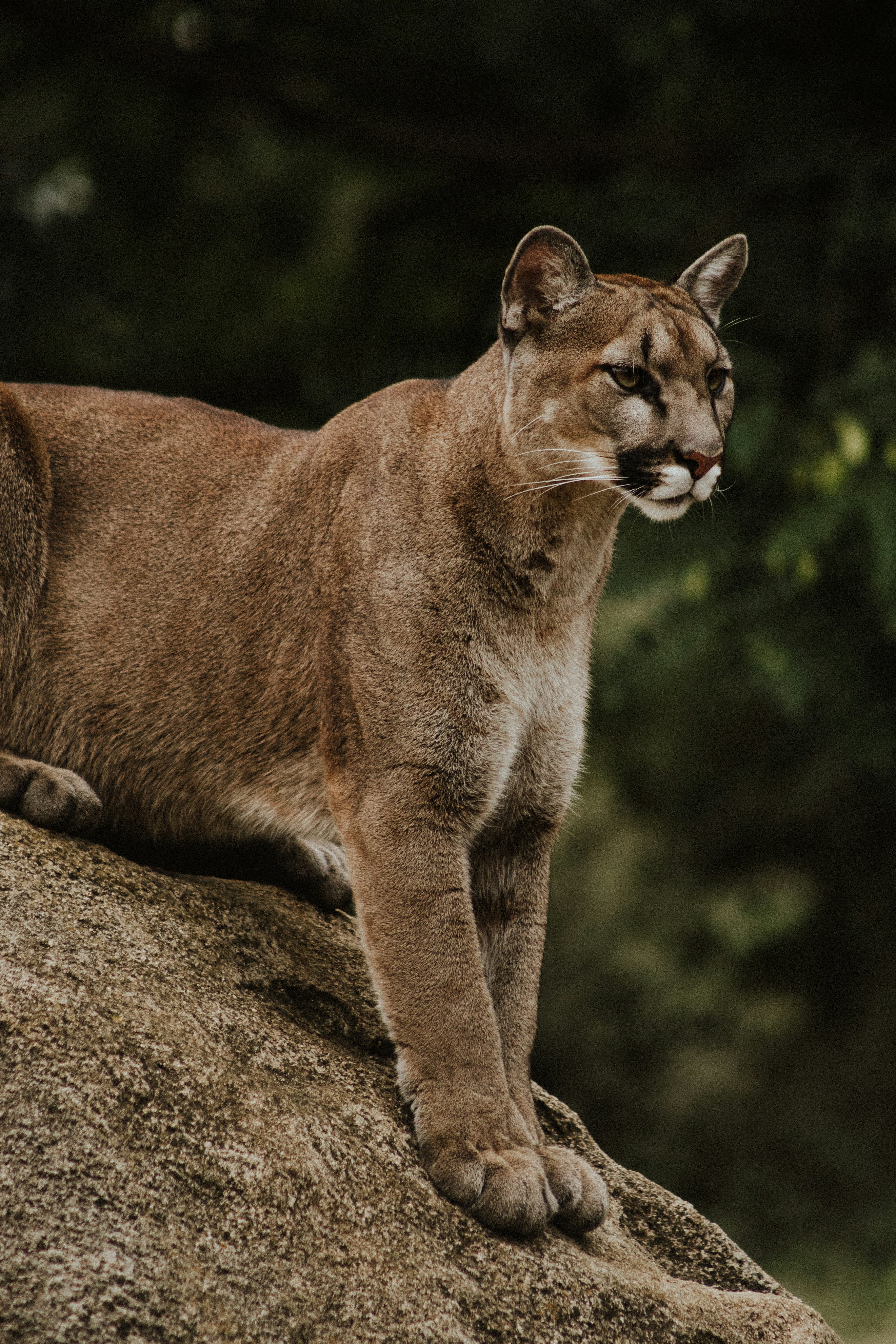
When mountain lions began reappearing in the foothills and open spaces around the city, rebounding after decades of persecution and bounty hunting, many residents greeted the news with similar delight. These were apex predators, returned to their ancestral range. It was, surely, a conservation success story. Perhaps at the time, the link to the significant and incredibly tame deer on their doorstep, had not been made.

What it was, in reality, was a slow-motion disaster that David Baron would later document with forensic clarity in his book The Beast in the Garden — a narrative that traces the paved-with-good-intentions road from Boulder’s love affair with its lions to the death of a teenage boy behind his high school.

Less than Subtle Warning Signs

The escalation began quietly. On February 8th, 1989, a mountain lion snatched a cock-a-poo named Fifi from the porch of the McCain family home. Bernice McCain hit the lion with a broom, twice, but it didn’t flinch. It backed up, took the dog over the fence, and was gone.

Wildlife specialist Michael Sanders considered this among the first true escalations in lion behaviour in the area. The lion had not fled from a human. It had simply ignored her.

That same year, Rob Altschuler, a member of the Boulder Emergency Squad, was monitoring an area in the aftermath of a wildfire, when a mountain lion approached him with unsettling confidence. He retreated to his Chevy Blazer — a vehicle with orange flashing lights running, the kind of presence that should, in theory, have sent any wild animal in the opposite direction. The lion was unmoved.

The dogs kept dying. On November 30th, 1989, a Highland Terrier was attacked despite sharing a pen with a much larger Great Dane. The lion had already visited the pen earlier and left a small wound on the terrier, one the owners had assumed was caused by the other dog. It came back to finish the job. The Great Dane was not a deterrent. Nine days later, an 85-pound Doberman was mauled so severely that the veterinarian who treated it described the dog as a pin cushion, owing to the number of puncture wounds. A German Shepherd followed. A black lab. Then others.

By February 1990, there had been enough incidents that the Division of Wildlife sponsored a public meeting in Coal Creek Canyon. The intention was practical: advise residents on how to safeguard their pets and property. What happened instead was a glimpse into the fatal blind spot at the heart of Boulder’s relationship with its lions.

Those who had lost animals found themselves on the receiving end of hostility from their neighbours. The message from a vocal portion of the room was clear: people needed to adapt to the presence of mountain lions, not the other way around. There was a strong anti-kill sentiment, as one might expect. But beneath it lay something more troubling — a failure to reckon with what these animals actually were. Not symbols. Not neighbours. Apex predators that were running out of reasons to be afraid of people.

Be Careful What You Wish For

Lynda Walters expressed frustration and jealousy when her father, Bill, spotted a mountain lion, from his car. “I wish I could see one”, she had said,

She got her wish on June 2nd, 1990. Lynda was a medical student and studying hard. She gave herself one daily reward – a 5pm run. She was jogging through Dry Gulch, near Canyon Drive, when she encountered not one, but two mountain lions.

The first she spotted on a bank, just fifteen feet from her. She raised her arms and yelled, intending to drive the cat away. It didn’t budge. Then she noticed the movement in her peripheral vision. A second cat was moving in behind her.

She threw rocks. She stood her ground. Eventually, the only option left was a tree, and she climbed it.

One of the lions climbed after her and clawed her leg. She stomped on its head.

Lynda eventually broke a branch and fashioned a makeshift spear, using it to keep the cats at bay while, below her, they waited. She was in that tree long enough for the light to die. In the darkening canyon, above two mountain lions that showed no inclination to leave, she listened to the not-distant sounds of civilisation – of cars passing on the road, a dog barking and children playing in a nearby sub-division.

Lynda later said she imagined her own death many times over, expecting at any moment that the animals would come up and take her.

What saved her was a deer. It appeared across the creek, making its way through the brush. The cats caught its scent, abandoned their interest in Walters, and slipped away into the dark to stalk it. She climbed down and ran.

The lions that stalked Lynda Walters were not aberrations. They were the product of years of habituation: a generation of animals that had grown up in and around human settlement, learning that people did not pose a threat. Boulder’s open spaces had become, in effect, a nursery for large predators with no fear of the species they lived alongside.
Scott Lancaster’s Final Run

On January 14th, 1991, Scott Lancaster, 18 years old, went out for a training run around the trail circuit at Clear Creek High School. Scott was a keen athlete and cyclist, training hard. With a free period to burn late in the day, Scott took advantage.

He borrowed the gym kit of his locker share, James Valdez, and the running shoes of another friend, Eric Simonich. He headed out into a beautiful winters’ afternoon. As he began his run, he waved at a teacher before veering off onto the hillside, following a route carved out by him and his ski-team buddies.

His route took him past the windows of a fifth-period English class, and the students inside watched him go by. He put on a show for them, making like he was out of control with wobbly legs and arms. His friends cheered and laughed, anticipating his next run past. They knew he usually ran several laps of around fifteen minutes each.

Scott didn’t come round again.

At some point in the next few minutes, within a few hundred yards of his friends in the classroom, Scott was knocked to the ground and killed. It was a cold, calculated, brutal, and efficient attack. It is thought the loss of blood from the wounds made it relatively quick and painless.

When Scott failed to return, initial suspicion, albeit briefly, fell on the idea that he might have simply left. Absconded. But Scott’s family knew better. He would never leave his beloved custom bicycle behind. His friend James Valdez opened their shared locker and found his own gym clothes gone and Scott’s street clothes still inside. He had gone out, and he had not come back.

Sheriff’s deputies searched. Volunteers combed the area. Dogs scoured the hillside. For nearly two days, there was no trace of him. It was Steve Shelafo, a 28-year-old emergency medical technician, who found him.

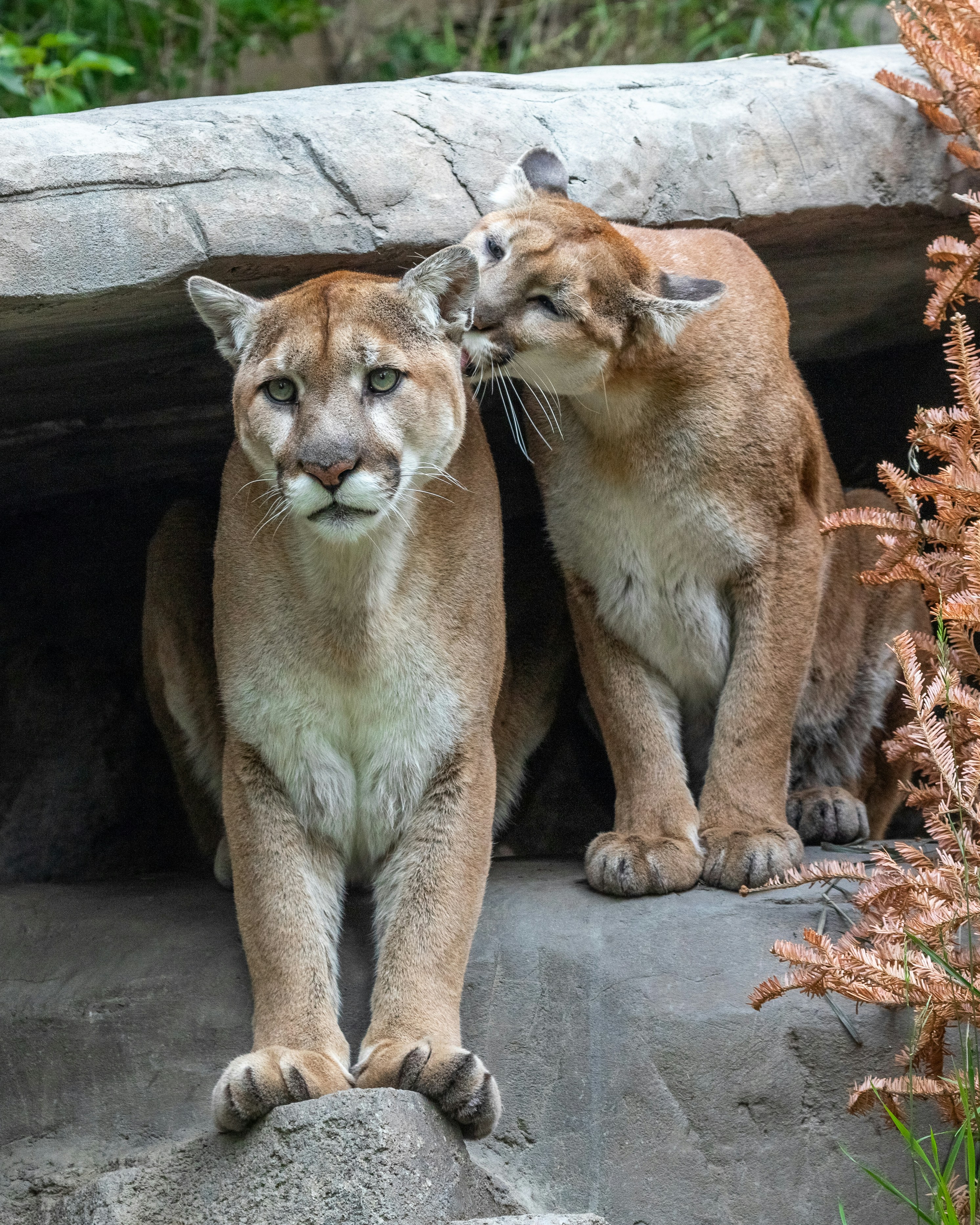
The mountain lion was still there, guarding the body, when Shelafo arrived. It was shot dead at the scene after a short and hectic chase. The animal was a young, adult male, approximately 100 pounds. An autopsy revealed fragments of human heart in its stomach.

Scott Lancaster was the first adult killed by a mountain lion in the United States in over a century. He was not though, as Baron’s account makes searingly clear, an unforeseeable victim of a random wild encounter. He was the end point of a trajectory that had been visible for years, to anyone willing to see it.

The Myth of Wilderness

Baron closes his account with an argument that has only grown more relevant in the decades since: that what killed Scott Lancaster was not simply a lion, but a myth: the idea that wilderness is a pristine, self-regulating thing that humans can live alongside without active management, without accepting the responsibilities that come with sharing space with large predators.

Boulder had created something that looked like a wild landscape but functioned like nothing that had existed before: a place where apex predators learned that humans were harmless, where the social structures that once governed the boundary between human settlement and wild land had quietly dissolved, and where the consequences of that dissolution were still, somehow, a shock when they arrived.

The lion that killed Scott Lancaster had likely never learned to fear people. Why would it? Nobody had ever given it a reason to.

In the 35 years since, there have been eleven more recorded fatal attacks. The lesson Boulder failed to learn in 1991, that coexistence with apex predators requires honesty about what they are, has not notably improved with time. We are still, by and large, a culture more comfortable with the idea of wilderness than with its reality.


When Monsters Win: Why Prestige Culture Only Rewards Horror on Its Own Terms

The well-behaved monster and the boundaries of respectability.

Awards season is upon us and traditionally, has always had its preferences. Historical epics. Biographical drama. Social realism. Stories that feel weighty before they even begin.

Horror, by contrast, has often been treated as something unruly — too visceral, too commercial, too unserious to sit comfortably among prestige cinema. And yet, every so often, a monster slips past the velvet rope.

This year, with Sinners dominating Oscar nominations and walking away with major wins at the BAFTAs, that old boundary feels more porous than it once did. Creature cinema is no longer automatically dismissed. It can be celebrated. It can be honoured.

But when monsters win, it is rarely on their own terms.

They are welcomed, carefully, once they have been translated.

Jaws – The Shark That Wasn’t Just a Shark

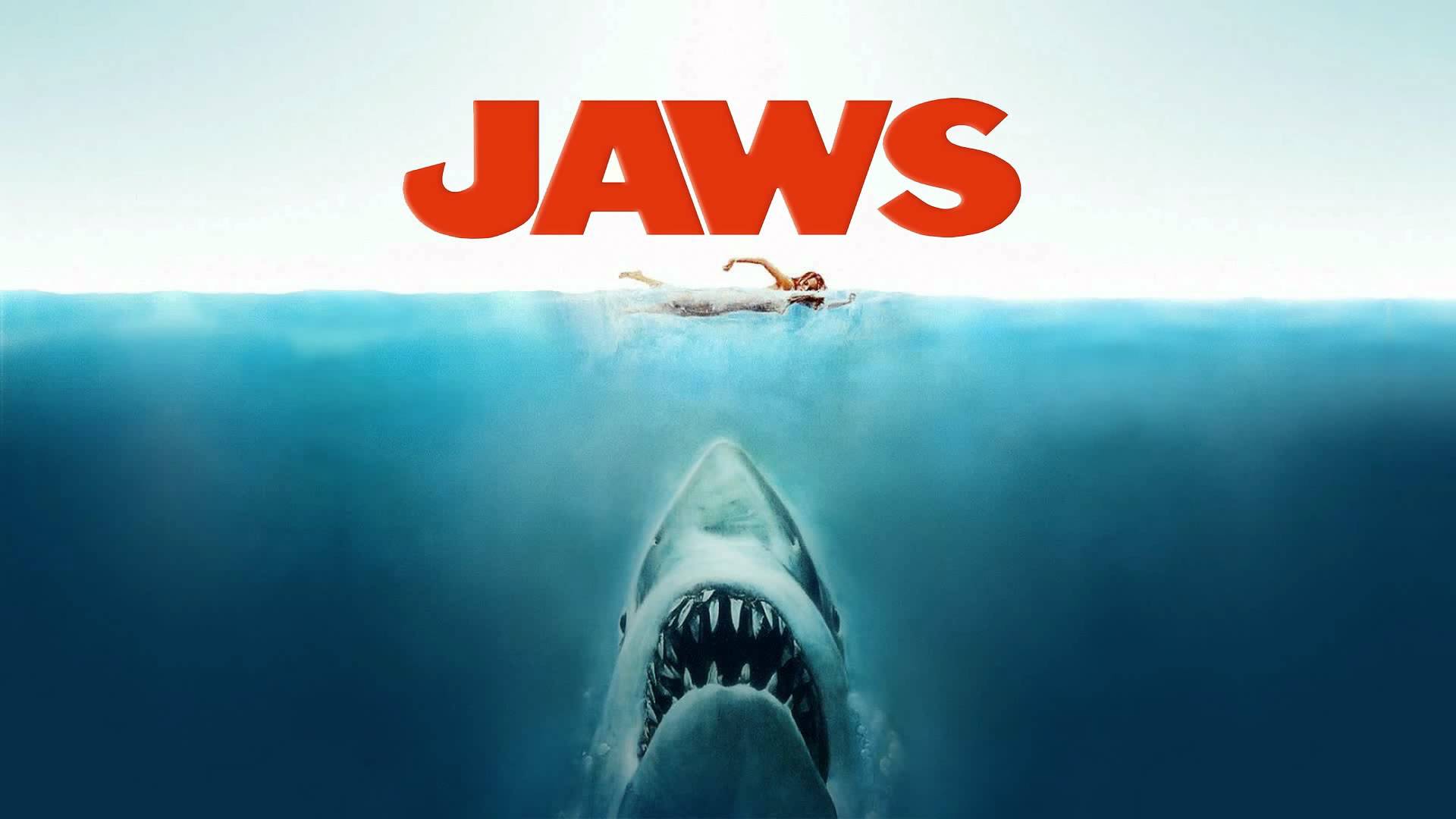
When Jaws arrived in 1975, it was a creature feature. A film about a shark hunting swimmers off the coast of a small American town.

It went on to win three Academy Awards — for editing, sound, and John Williams’ now-immortal score.

Not for the shark. The mechanical animal at the centre of the film was never what the Academy formally recognised. Instead, it was the craft that elevated the material: the restraint of the camera, the discipline of the cut, the tension built through absence rather than spectacle.

The shark became something larger than itself. It became:

  • Fear of the unseen.
  • Bureaucratic denial in the face of danger.
  • Economic pressure overriding safety.

In other words, it became metaphor. But beneath that metaphor, the shark remained something more unsettling. It wasn’t malicious. It wasn’t political. It wasn’t traumatised. And it was not misunderstood.

It was simply an animal behaving as animals sometimes do (or in this case, how we thought and imagined they did).

That indifference — that refusal to moralise — is part of what makes Jaws endure. Yet the recognition it received was framed around artistry, not animality. The Academy rewarded how the story was told, not the wildness at its heart.

The creature was tolerated. The craftsmanship was honoured.

The Shape of Water – The Monster Who Became a Mirror

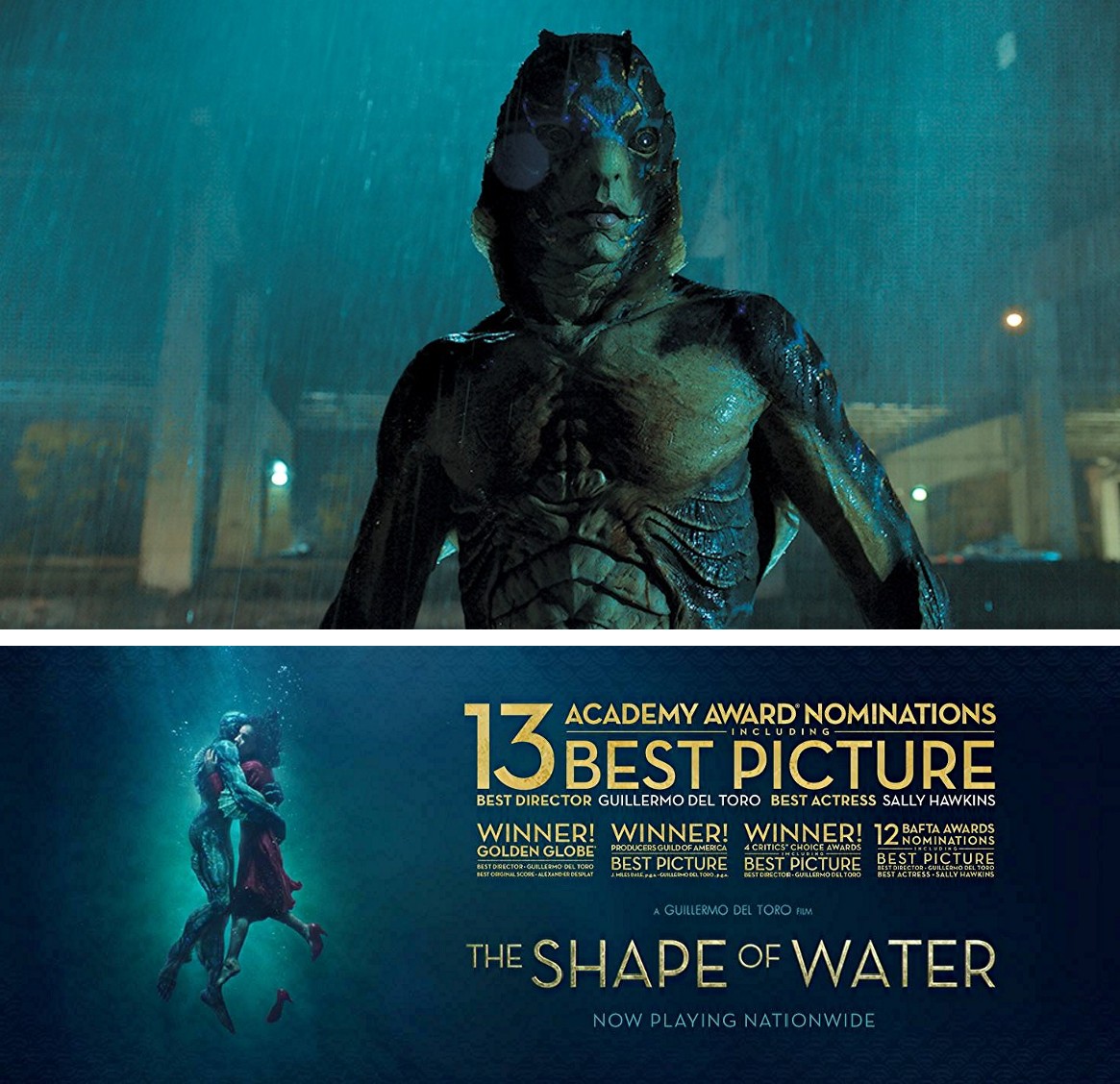
Guillermo del Toro’s The Shape of Water went further. It did not merely win technical awards. It won Best Picture. At its centre is an amphibian creature — clearly inspired by mid-century monster cinema — imprisoned, studied, and ultimately loved.

But this monster does not function as predator. He is not unknowable. He is not ecologically threatening. He is gentle, curious, and capable of tenderness.

He becomes a symbol of otherness — of marginalisation, disability, Cold War paranoia, loneliness. The film invites us not to fear him, but to recognise ourselves in him.

The creature wins because he reflects something human. His monstrosity is aesthetic, not existential. Prestige culture is comfortable with this kind of monster. It can be framed as allegory. It can be moralised. And it can be absorbed into the language of empathy.

The wild edges are softened and the teeth are metaphorical.

When the Creature Becomes Backdrop

A pattern begins to emerge. Horror tends to be embraced by institutions when it performs a certain translation. When the monster is:

  • A political symbol.
  • A social commentary.
  • A psychological metaphor.
  • A vehicle for historical reflection.

In these cases, the creature is not truly the subject. It is a lens through which something recognisably human is examined.

The awards are rarely about the animal itself. They are about what the animal represents. And it’s important to clarify this does not diminish the artistry of these films. Many of them are extraordinary. But it does reveal a preference.

Prestige culture prefers its monsters legible and interpretable. In short, it prefers them to behave.

Horror’s Rehabilitation

In recent years, horror has enjoyed something of a rehabilitation. The line between “genre” and “serious cinema” has blurred. Audiences have matured. Filmmakers have pushed boundaries of tone and form.

Part of this shift is cultural. We live in anxious times. Horror provides a language for uncertainty and a release for it — for systems that feel unstable, for threats that feel diffuse.

But institutions still have conditions.

When horror arrives in formal dress — lyrically shot, carefully scored, layered with symbolism — it is easier to recognise as art. When it aligns with contemporary conversations, it feels urgent rather than lurid.

In other words, horror is welcomed when it demonstrates that it understands the rules of the room. It can be frightening. It can be strange. But it must also be respectable. And the vampires in Sinners are polite, well-spoken, and at the very least, wear respectability as a well-practiced facade as a means to an end.

The Uncomfortable Creature

What remains more difficult to absorb is the creature that resists interpretation. The shark that is simply a shark. The predator that is not secretly a metaphor for capitalism, trauma, or xenophobia. The animal that does not apologise for being non-human.

Ecological horror, the stories that centre real animals behaving according to instinct rather than narrative morality — sits uneasily in prestige culture. There is no catharsis in a force of nature. No redemptive speech. No symbolic resolution.

There is only indifference. And indifference is hard to award. It offers no moral comfort. It does not flatter us by suggesting that even our monsters are secretly about us.

Why This Matters

How we reward monster stories tells us something about how we process fear. We are drawn to creatures, but we often feel compelled to domesticate them. To explain them. To soften them into symbols we can decode.

When a monster film wins, it often does so because it reassures us that the monstrous can be translated into something familiar. But some of the most powerful creature stories resist that translation. They leave the animal wild. They refuse to moralise the teeth.

Those films may not always collect statues. Yet they linger. Because they remind us that not everything in the natural world exists to be understood through human frameworks.

Some things are simply other – the literal force of nature. And perhaps that is what true monster cinema has always been about — not metaphor, not allegory, but the fragile boundary between ourselves and the wild.

Awards season may continue to evolve. Horror may continue to gain recognition. But the monsters that win will likely remain the ones that know how to behave.

The rest — the indifferent, the ecological, the untamed, will likely continue to circle just beyond the light. Popular, but not recognised. Always in the shadows of recognised greatness. And there is something fitting about that.

My novels explore similar boundaries between folklore, wildlife, and fear. The monsters are rarely simple. Find them on Amazon, Kindle, Audible, and iTunes.

From Villain to Witness: How Modern Cinema Rewrites the Monster

Introduction: Monsters, Reconsidered

For much of cinema’s history, the monster served a simple narrative function. It arrived from the margins, disrupted order, embodied fear, and was ultimately removed so that normality could be restored. Whether giant ape, prehistoric reptile, or nameless creature lurking in the dark, the monster existed primarily as an obstacle. It did not need interiority. It did not need explanation. Its presence alone was justification enough.

That simplicity made monsters effective. Fear thrives on clarity, and early cinema rarely asked audiences to question where the creature came from or why it behaved as it did. The monster was the problem.

But in recent years, that framing has begun to feel increasingly inadequate.

Modern monster films still deliver spectacle and danger, but they are far less comfortable presenting creatures as purely evil forces. Behaviour is contextualised. Motivation is explored. In some cases, the monster is no longer even positioned as the antagonist.

It remains frightening, but it is no longer disposable.

The Classic Monster: Threat Without Context

Early cinematic monsters were designed to simplify fear rather than interrogate it.

In King Kong, Kong is awe-inspiring and tragic, but he is never truly allowed to exist beyond symbolism. He represents the unknown, the primitive, the uncontrollable. His capture and eventual death restore order, and the film closes without seriously questioning whether that outcome was inevitable or just.

This structure repeats across decades of monster cinema. The creature is framed as abnormal, its presence an intrusion into civilisation. Little attention is paid to ecology, displacement, or cause. The monster’s destruction functions as narrative closure.

That approach worked for its time. Monsters were metaphors first and beings second. Fear was externalised and contained.

The Modern Shift: Behaviour Over Villainy

Contemporary monster narratives are far less willing to accept that kind of moral shorthand.

In the MonsterVerse, Kong is no longer portrayed as a rampaging aberration. He is territorial, reactive, and increasingly isolated — a powerful animal responding to confinement, intrusion, and displacement. The destruction he causes is not denied, but it is contextualised. The question is no longer simply how to stop him, but why he is there at all.

A similar approach appears in Damsel, where the creature’s violence is rooted in history and betrayal rather than innate malice. The monster is not softened or turned into a companion figure. It remains a dangerous, direct threat. What changes is the framing. Its behaviour is shown to be a response rather than a pathology.

This distinction matters. Explanation does not neutralise threat. It replaces laziness with honesty.

Monsters, Instinct, and the Conservation Lens

This narrative evolution mirrors a broader shift in how we understand real animals.

In conservation and human–wildlife conflict, the language of “rogue” animals and “evil” predators has largely been abandoned. Serious discussion now centres on habitat loss, injury, food scarcity, and human expansion into contested spaces. When a tiger or lion attacks, the focus is not on moral failure but on circumstance and pressure.

The animal is not absolved of danger — but it is removed from moral judgement.

Modern monster cinema increasingly reflects this ecological thinking. These creatures are frightening not because they are wicked, but because they are powerful, stressed, territorial, or reacting exactly as their biology dictates. Instinct replaces intention. Context replaces caricature.

Importantly, this approach does not anthropomorphise the monster. It does the opposite. By stripping away human moral projection, the creature is allowed to exist as something fundamentally other — governed by its own rules, indifferent to ours.

That indifference is often more unsettling than evil ever was.It strips away human moral projection and allows the creature to exist on its own terms.

Why This Change Matters Now

This shift in monster storytelling is not happening in isolation.

We live in an era defined by systems rather than single causes. Climate change, ecological collapse, geopolitical instability — none of these can be explained through simple villains. Audiences have become increasingly attuned to complexity, and stories built on clear moral binaries often feel dishonest.

What unsettles us now is not the presence of danger, but the recognition that harm can be understandable. That violence can emerge from pressure rather than cruelty. That systems, not monsters, are often the true antagonists.

Modern monster films reflect this discomfort. They resist easy answers. They allow fear to coexist with recognition.

The Monster as Witness, Not Enemy

In many contemporary narratives, the monster has become something closer to a witness than an enemy.

Not a punishment sent to restore balance. Not a curse to be eradicated. But a presence shaped by what has been taken, altered, or ignored.

The creature remains dangerous. The threat is real. Yet the story no longer ends with its removal as moral necessity. Instead, the monster exposes the fragility of human systems and the consequences of interference.

The monster has not disappeared. It has become more truthful.

Closing Reflection

We still call them monsters, but we have quietly stopped treating them as villains.

That change does not make these stories gentler. If anything, it makes them more unsettling. A monster driven by instinct and circumstance cannot be reasoned with or redeemed in simple terms. It can only be understood — and sometimes endured.

Perhaps this shift says less about cinema than it does about us. About a growing awareness that fear does not require evil, and that the most frightening stories are often the ones that refuse to offer clean resolutions.

If you enjoy this kind of storytelling, my fiction explores similar territory — where monsters and animals are shaped by instinct, history, and human pressure rather than simple evil.

🎁 The Ultimate Christmas Gift Guide: Which Luke Phillips Book to Give (and to Whom)

There’s something undeniably magical about giving a book at Christmas. A wrapped story is more than paper and ink, it’s an invitation. A doorway. A promise of cold nights, cosy lighting, and long stretches of quiet where the imagination is allowed to run truly wild.

And if you’re here, you’re probably searching for the perfect book to give to the creature-feature fan, the folklore-obsessive, the horror lover, or simply the reader in your life who enjoys stories a little off the beaten path.

My novels all sit at the crossroads of thriller, horror, myth and wild nature, blending cryptozoology with real-world conservation themes, the uncanny with the grounded, the monstrous with the deeply human. But each book scratches a slightly different itch…

So here’s my Christmas gift guide, pairing each book with the type of person who will enjoy unwrapping it most.

📚 Shadow Beast — For the New Horror Explorer

Perfect for:

  • Someone dipping a toe into horror or cryptozoology
  • A reader who loves a slow build and creeping dread
  • Fans of folklore, rewilding, or deep-woods atmosphere

Why it’s the ideal gift:
Shadow Beast is the best entry point into my world. It begins with unsettling glimpses, unanswered questions, whispers in the dark… before escalating into a full-blown nightmare. It’s intentionally atmospheric – the kind of book you can read by a fireplace while the wind rattles outside… if you dare!

If the person you’re gifting loves the idea of mystery, night forests, and the “what if?” of British big-cat legends, this is the perfect starting place.

📚 The Daughters of the Darkness — For the Reader Who Wants Something Darker

Perfect for:

  • Fans of true horror
  • Readers who enjoy expanding mythologies
  • Someone who wants the stakes (and fear) dialled up

Why it’s the ideal gift:
This is the sequel to Shadow Beast, but it stands tall on its own terms. The tension is sharper, the threat more immediate, the world bigger and more dangerous. If someone you know is a fan of darker, more intense horror, or perhaps has an interest in historical man-eaters, then slide this under their tree.

Daughters is also a great pick for the person who loves folklore that mutates, legends with teeth, and stories that delve deeper into the shadowed corners of the natural world.

📚 Phantom Beast — For the Reader Who Loves Creature Thrillers with Depth

Perfect for:

  • Anyone who loves cryptids, wildlife thrillers, or remote-landscape horror
  • Readers who enjoy stories that sit between realism and myth
  • Fans of atmospheric, ecology-rooted creature features

Why it’s the ideal gift:
Although Phantom Beast is the third book in the wider Beast universe, it works just like a Reacher or Jack Ryan novel — a complete, self-contained story that can be read entirely on its own.

This book leans into the atmospheric landscapes of Wyoming, folklore-tinged tension and a creeping sense of the uncanny. It also introduces key characters (including Nina Lee) who appear in Rogue, but you don’t need to have read anything beforehand to enjoy it.

If you’re gifting someone who loves:

  • western-style adventures like Yellowstone, but with a twist
  • creature mysteries
  • survival stakes
  • or the “speculative but could-it-exist?” type of thriller

…then Phantom Beast is an excellent pick. It’s rich, eerie, and adventurous — perfect for a winter’s night escape into the unknown.

📚 Rogue — For the Cryptid Enthusiast, Bigfoot Believer, and Creature-Feature Diehard

Perfect for:

  • Fans of Bigfoot lore and cryptozoology
  • Readers obsessed with Bigfoot, lake monsters, or animal-myth lore
  • Anyone who loves nature-driven horror
  • Readers who love mysterious wilderness creatures
  • Anyone obsessed with speculative biology and animal myths

Why it’s the ideal gift:
Rogue is your dedicated Bigfoot-horror novel — the most direct dive into a classic North American cryptid myth. It champions everything people love about Sasquatch stories: the isolation, the danger, the uneasy feeling that something colossal is watching from the treeline.

If you know someone who spends too much time on Bigfoot Reddit threads, watches every creature documentary they can find, or always roots for the animal in horror movies — this is the one.

Although it links to the wider Beast universe (with Nina now leading the way), Rogue is still completely approachable as a standalone, and makes a perfect first step for readers who want to jump straight into a pure cryptid nightmare without needing any prior series knowledge.

If you know someone who devours documentaries, listens to Bigfoot podcasts, or would happily spend Christmas lost in a forest surrounded by legends — Rogue will hit all the right nerves. “safe but exciting” choice — a solid pick that appeals broadly without losing the creature-thriller edge.

🎯 Quick Guide — Who Gets What?

  • For someone new to cryptid horror? → Shadow Beast
  • For a horror lover who wants the intensity turned up? → The Daughters of the Darkness
  • For the wildlife nerd or folklore fan? → Phantom Beast
  • For a real creature-feature and conspiracy theory fan? → Rogue
  • For someone who loves anything weird, eerie, or atmospheric at Christmas? → Truly, any of them.

🎄 Wrap It Well, Gift It Right

If you really want to make the gift feel special, here are some ideas:

  • Pair the book with a cosy blanket and label it “For atmospheric winter reading.”
  • Add a notecard referencing the creature or theme of the book.
  • Include a bookmark, maybe something rustic, wild, or forest-themed.
  • Slip the book into a stocking with hot chocolate sachets or spiced tea.
  • Or, in the case of Rogue, maybe something from the Dr Squatch range! (not gifted or affiliated, just an idea!)

Books make personal gifts, but creature-thrillers at Christmas? They’re unforgettable.

If you want to browse all titles in one place:
👉 Luke Phillips Author Page on Amazon

The Champawat Tigress: Jim Corbett’s First Real Hunt for a Man-Eater

In the early 20th century, deep in the rugged terrain of the Kumaon region in northern India, a man-eating tigress was terrorising local communities. By the time she was finally brought down in 1907, she had claimed an estimated 436 human lives — a staggering toll that remains the highest attributed to a single big cat. Her name would become infamous: the Champawat Tigress.

Her story, however, is also inextricably linked to one of conservation’s most complex and legendary figures: Jim Corbett. While today he is remembered as a pioneer of wildlife protection — and the namesake of India’s first national park, Corbett began his journey into the wild not as a saviour, but as a hunter. The Champawat tigress was his first true pursuit of a confirmed man-eater. And it was a pursuit that would change the course of his life.

A Killing Machine Created by Human Wounds

We now know the Champawat tigress turned to humans after sustaining severe injuries likely inflicted by poachers or after a confrontation with hunters. Broken canines and damage to her jaw made her unable to bring down natural prey. In desperation, she turned to easier quarry: people.

Her killing spree spanned the border of Nepal and India. After the Nepalese army failed to stop her, she crossed into British India’s Kumaon region. Panic and grief followed in her wake. Villages emptied. Daily life ceased. Entire communities were paralysed by fear.

Enter Jim Corbett

In 1907, Jim Corbett, then a railway man and experienced shikari (hunter), was called upon to stop her. He was young, only in his early 30s, and this marked his first major hunt for a man-eating big cat, a fact made clear in both Corbett’s own writing and subsequent historical biographies. After several failed attempts and tense tracking, he eventually shot the tigress near the village of Champawat. The hunt earned him widespread recognition, but more importantly, it ignited a lifelong mission to understand why big cats turn man-eater, and how to prevent it. He later even became a keen early, wildlife photographer and observer.

Corbett’s later life saw a complete transformation. He would become one of India’s earliest and most passionate voices for tiger conservation, often risking his reputation to defend the species he had once been called to destroy.

The Book: No Beast So Fierce

For those intrigued by the history behind the hunt, Dane Huckelbridge’s No Beast So Fierce (2019) offers a gripping, well-researched account of the Champawat tigress and Corbett’s involvement. It not only explores the hunt itself but also examines the colonial, ecological, and human factors that gave rise to such a tragic chapter. Huckelbridge places the tigress’s killings in the wider context of deforestation, conflict, and human encroachment — themes that still resonate today, when tiger populations have been decimated by a shocking 96% since Corbett’s time.

Setting the Record Straight: A Note on Recent Misinformation

Recently, television host and adventurer Forrest Galante released a YouTube video discussing the Champawat tigress. While his enthusiasm for wildlife storytelling is commendable, the video unfortunately contained some mild inaccuracies. Chief among them was the claim that this was not Jim Corbett’s first hunt for a man-eater.

Corbett himself, in his 1944 book Man-Eaters of Kumaon, makes it clear that the Champawat tigress was his first real confrontation with a man-eating big cat — a life-and-death pursuit that shaped his entire philosophy on wildlife. Galante’s failure to reflect this not only disrespects the historical record but also distorts the narrative of a pivotal moment in conservation history.

As wildlife communicators, we owe it to the truth, and to the animals whose stories we tell to get the facts right. In the name of entertainment and click-bait, this isn’t always the case. We would do well to remember that the Champawat tigress was more than just a man-eater; she was a tragic byproduct of human impact, and her story catalysed the transformation of one of conservation’s most influential figures.

Remembering the Legacy

Today, as tiger numbers teeter and human-wildlife conflict continues, the tale of the Champawat tigress remains deeply relevant. It is a cautionary tale. Not of a monster in the jungle, but of what happens when humans and nature fall fatally out of balance.

Corbett’s journey from hunter to conservationist reminds us that change is possible. And that understanding, compassion, and respect must guide our relationship with the wild.