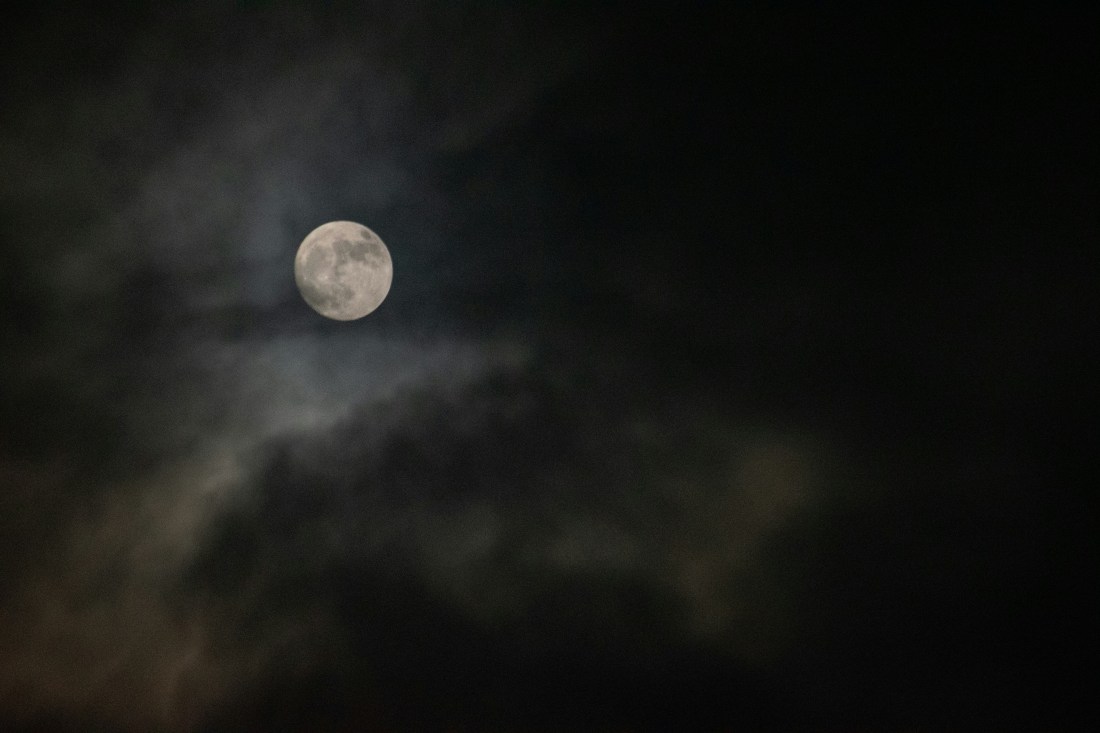
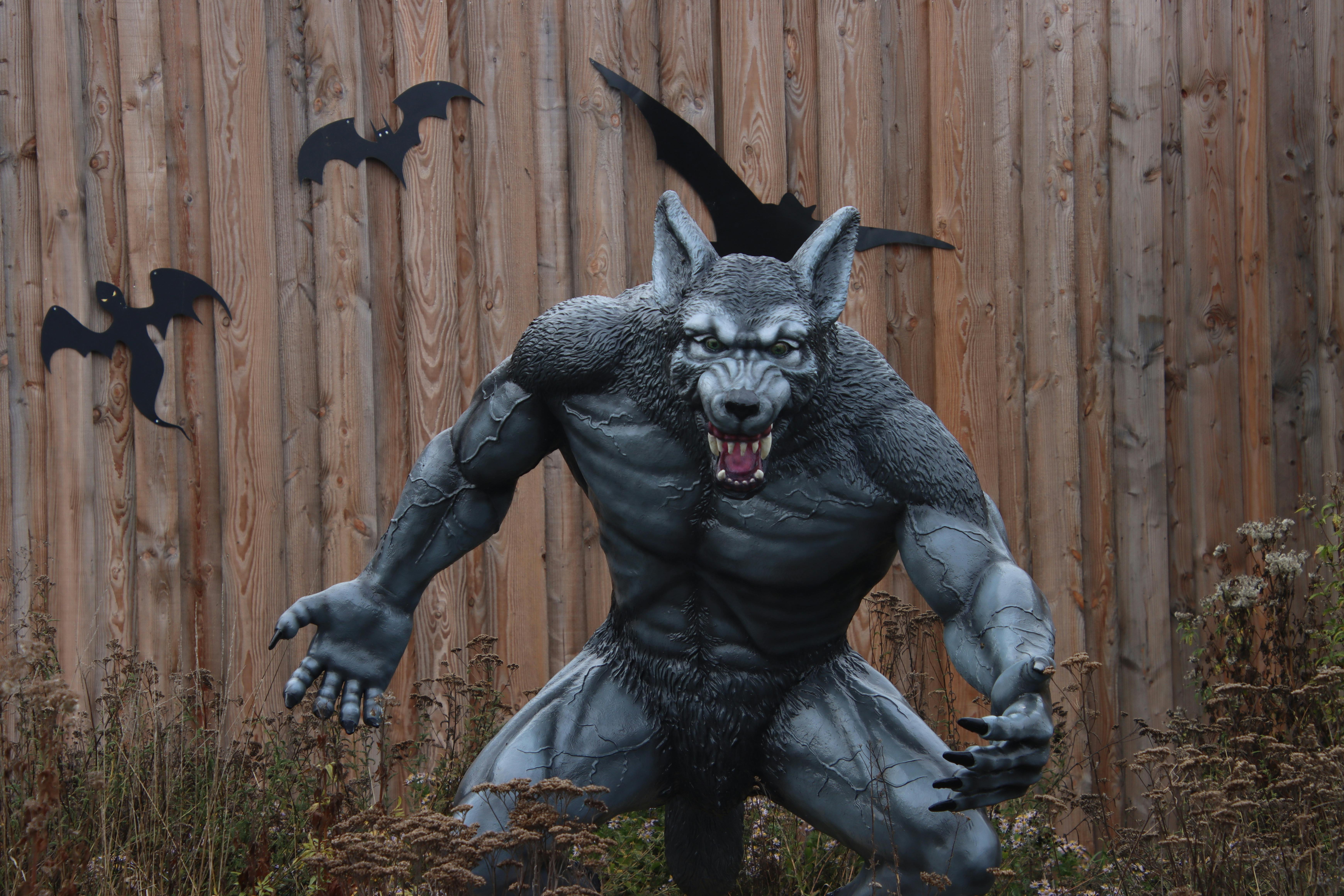
There are very few monsters as instantly recognisable as the werewolf. Full moon. Silver bullet. The agonised howl. A man. – well, usually it’s a man – twisting out of his own skin and into something older, more honest, and considerably hairier.
Ask most people where these ideas come from, and they’ll shrug and probably point to: folklore. Ancient superstition. Europe’s deep, forested past. Something old, pre-cinematic, probably involving peasants and torches.
Which is a perfectly reasonable assumption. And almost entirely wrong.
The werewolf we know — the full moon, the silver bullet, the transformation as curse, the beast as Freudian double — is not the product of ancient mythology. It is, overwhelmingly, the product of Hollywood. Specifically, of one film, one screenwriter, and a creative decision made in 1941 that went on to quietly rewrite centuries of folklore until the cinema’s version and the “original” version became indistinguishable.
Let’s unpack that. And along the way, ask why the werewolf has endured, mutated, and kept finding new meaning across nearly a century of cinema.
Before Hollywood Got Involved
It would be unfair to say werewolf mythology began with Universal Pictures. It didn’t. The idea of humans transforming into wolves is genuinely ancient. It appears in Ovid’s Metamorphoses, crops up in Norse saga, and lurks in the margins of medieval European law, which occasionally found it necessary to legally address the problem of people who claimed to have committed crimes while in wolf form. Courts had questions. Defendants had creative excuses.
But pre-cinematic werewolf folklore was, by modern standards, a mess. It was inconsistent, regional, and ungoverned by rules. In some traditions, the transformation was voluntary through a gift, or a curse willingly sought. In others, it was contagious, passed through bite or scratch. Sometimes silver worked. Sometimes it didn’t. Sometimes the moon had nothing to do with it. Sometimes the werewolf looked like an actual wolf, rather than a man with impressive sideburns.
The one consistent thread running through European werewolf legend is the idea of dual nature: the human who is also animal, the civilised person who is also wild. That tension, at least, is old. The specific mechanics, however, were up for grabs.
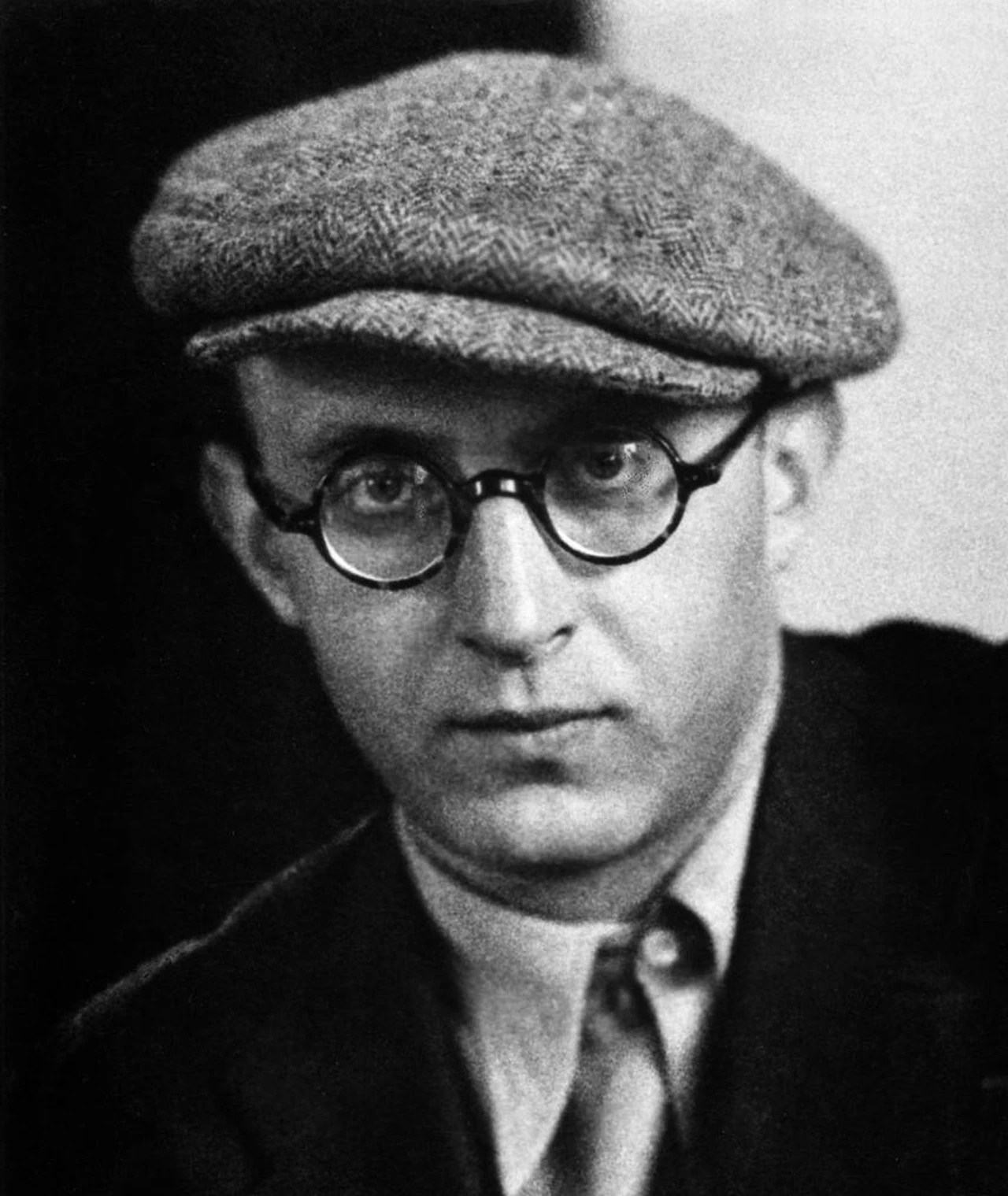
Which is where Curt Siodmak came in.
The Man Who Wrote the Rules
Siodmak was a German-Jewish screenwriter who fled Nazi Germany in the 1930s and found his way to Hollywood, where Universal Pictures handed him the keys to their werewolf franchise. He wrote The Wolf Man in 1941, and in doing so didn’t so much adapt werewolf folklore as invent it wholesale.
The famous verse “Even a man who is pure in heart and says his prayers by night, may become a wolf when the wolfbane blooms and the autumn moon is bright”, is not, as it is sometimes assumed, an ancient piece of verse. Siodmak made it up. He later admitted as much. The transformation triggered by the full moon? Siodmak’s idea. Or at least, his formalisation of a vague folkloric notion into hard dramatic rule. The bite as means of transmission? His. The silver as weakness? His, at least in terms of putting it on screen in a way that stuck.
The film itself is a strange and melancholy thing. Lon Chaney Jr. plays Larry Talbot, a man who seems genuinely surprised and devastated by the whole situation, which is fair enough. Claude Rains plays his father with the kind of gravitas that makes you wish he’d been in everything. The Wolf Man’s makeup (courtesy of the legendary Jack Pierce, who also built Boris Karloff’s Frankenstein Monster), is a remarkable feat of thick-browed, yak-haired practical effects. It took hours to apply, which Lon Chaney Jr. apparently accepted with less grace than he later claimed.
The film was a hit. And its sequels Frankenstein Meets the Wolf Man, House of Frankenstein, and the deeply unhinged Abbott and Costello Meet Frankenstein, gradually hardened Siodmak’s rules into canon. By the time the full moon appeared in the sequels’ version of the poem (“And the moon is full and bright”), it was settled. The werewolf had its rulebook, and the rulebook had been written by a refugee screenwriter in a studio back-lot in California.
This is not, to be clear, a criticism. It’s a remarkable act of accidental mythology-making. The fact that most people assume these “rules” predate cinema by centuries is testament to how convincingly Siodmak built his world. We should all be so lucky.
The Silver Bullet Question
This is perhaps the detail most worth examining, because it has the most interesting history and the most useful counterexample.
People often cite the Beast of Gévaudan as evidence that the silver bullet is a pre-cinematic tradition. I’ve done this myself, recently even feeling smug as I pointed it out to a historian. But my research into this favourite subject has actually revealed something contrary.
The Beast, a wolf-like creature that killed somewhere between 80 and 113 people in rural southern France between 1764 and 1767, is one of history’s most extraordinary animal attack cases, and it did end with a man named Jean Chastel reportedly shooting it dead. The legend says he used silver bullets, made from a blessed medal of the Virgin Mary. His piety and his silver ammunition have become inseparable from the story.
But… the story about the large-caliber silver bullets, made from melted-down medals of the Virgin Mary, is a literary invention by French writer Henri Pourrat. And Henri Pourrat’s novel was published in 1946 – five years after The Wolf Man was released. Modern scholars argue it is only through much later translations of the story that a silver bullet is introduced as killing the beast.
In other words: Hollywood almost certainly gave the silver bullet to the Beast of Gévaudan, not the other way round. The story borrowed from the screen, laundered the detail through historical folklore, and then returned it to us in an ancient guise. This is one of those beautiful, slightly dizzying feedback loops where myth and cinema create each other in real time.
There is one genuinely pre-cinematic silver reference, which makes me sure there are others. There is a seventeenth-century story from the city of Greifswald that tells of a werewolf that was taken down by silver buttons melted down to make a bullet. So, the general association of silver with werewolves is not entirely invented. But the specific, non-negotiable rule of the silver bullet? That’s Siodmak’s gift to folklore, not folklore’s gift to Siodmak.
The 1980s: When Werewolves Got Complicated
For a few decades after The Wolf Man, the werewolf largely played by Siodmak’s rules. Hammer Films picked up the baton from Universal and gave us Oliver Reed in The Curse of the Werewolf (1961), which is a much better film than it has any right to be, featuring Reed doing what Oliver Reed does best: radiating dangerous energy in a period costume. The wolf bites, the moon rises, silver is deployed. The rules held.
Then came 1981, which arrived like a bus full of werewolves and completely rewrote the genre.
Two films in particular, both favourites — John Landis’s An American Werewolf in London and Joe Dante’s The Howling — appeared within months of each other and collectively did to werewolf cinema what punk had recently done to rock music. The old forms were torn down and reassembled into something stranger, funnier, and considerably more visceral.
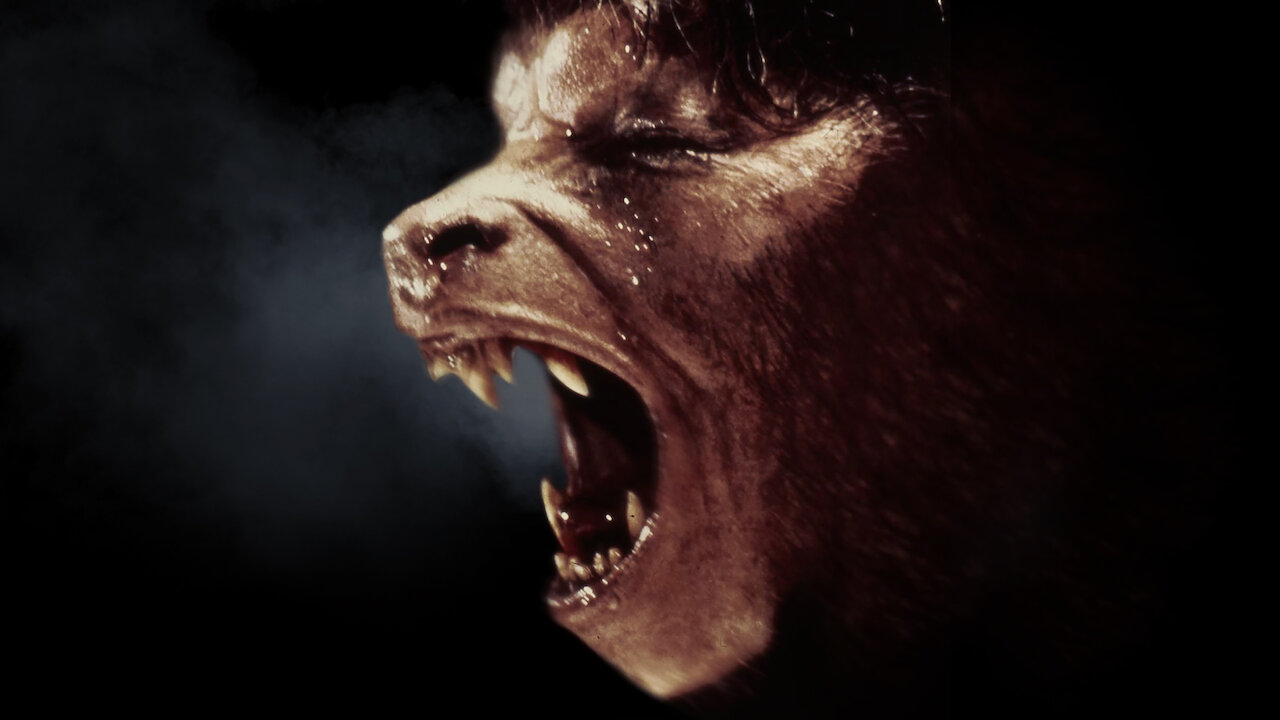
An American Werewolf in London is most famous for Rick Baker’s transformation sequence, which remains one of the most impressive pieces of practical effects ever committed to film. David Naughton’s transformation in the London flat, shot in real time, with nowhere for the camera to hide, is genuinely uncomfortable to watch: All popping joints and elongating limbs, a body becoming something that the body was not designed to be. Baker won the first-ever Academy Award for Best Makeup for his work on this film, largely because the Academy had to create the category to accommodate what he’d achieved.
But the film’s more lasting contribution is its tone. Landis shot a horror film as a dark comedy, following his hero through the impossible indignity of being a werewolf with a kind of cheerful ghoulishness. His undead friend (Griffin Dunne, increasingly decomposed) keeps showing up to nag him about suicide. The film plays “Blue Moon” and “Bad Moon Rising” with a commitment to lunar puns that borders on the aggressive. It is funny. It is also genuinely frightening. The two things coexist without either one undermining the other, which is a trick most filmmakers spend entire careers trying to pull off.
The Howling is the darker counterpart. The film is about a news reporter who retreats to a rural therapy retreat that turns out to be populated by werewolves who have, in a very 1980s twist, embraced their nature as a form of liberation. Dante’s film is weirder and less immediately accessible than Landis’s, but its central idea, that the wolf inside might not be something to suppress but something to accept, quietly planted a seed that werewolf cinema would keep returning to.
On a side note, I’d still love to see the original book trilogy of The Howling made into more faithful films.
Both films feature transformation sequences that deliberately rip apart Lon Chaney’s relatively neat make-up. These werewolves don’t just get hairy. They become something, in horrible, exciting, unhideable detail. The wolf is no longer a metaphor with fur. It is a body horror experience. The beast is physical, immediate, and impossible to look away from.
Ginger Snaps: The Period Drama Nobody Expected
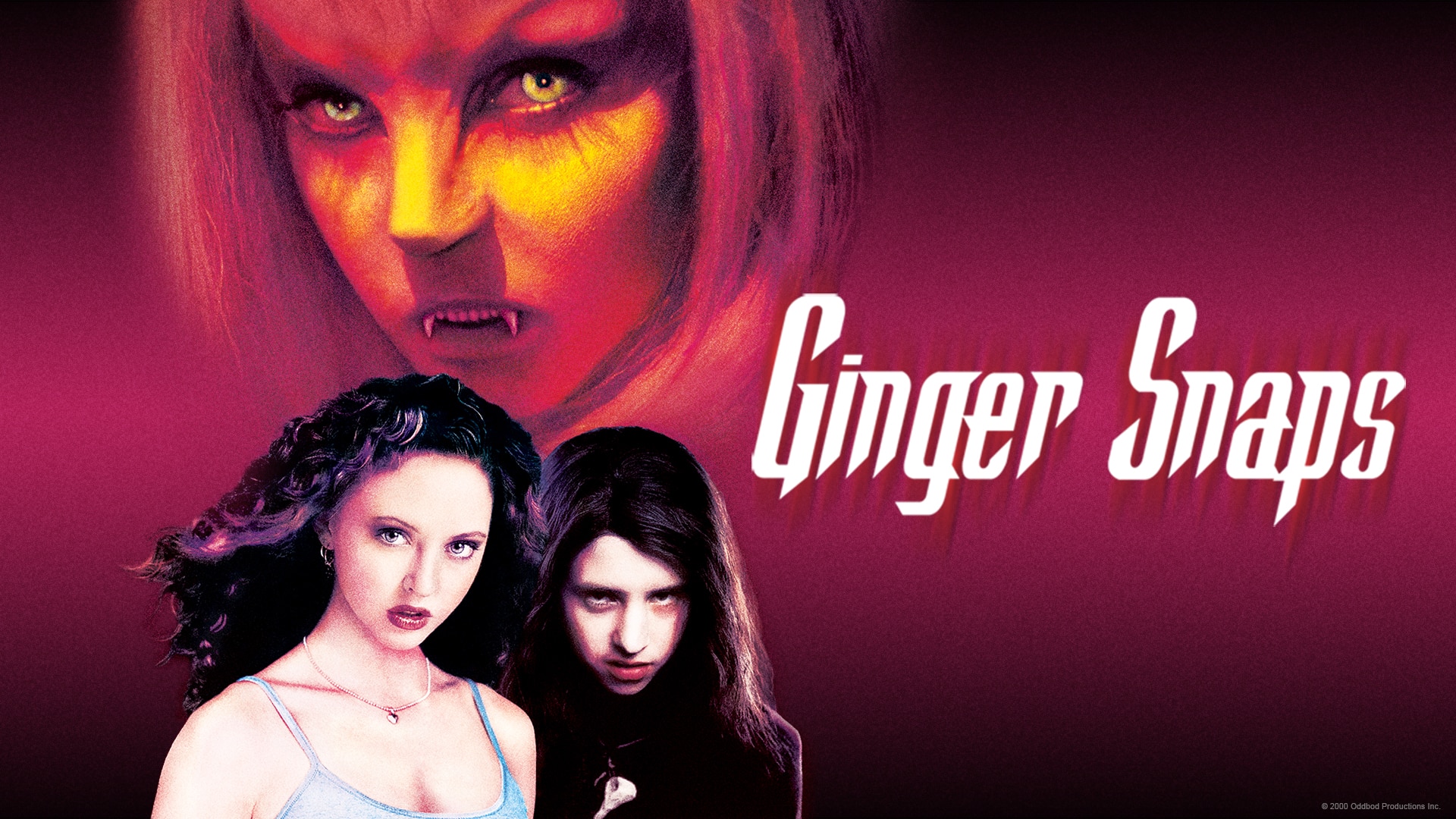
If the 1980s expanded what a werewolf could look like, Ginger Snaps (2000) rewrote what a werewolf could mean.
The Canadian horror film, directed by John Fawcett and written by Karen Walton, follows two death-obsessed teenage sisters in the grey suburban flatness of Bailey Downs, Ontario. When Ginger is bitten by a wolf on the same night she gets her first period, the film becomes something genuinely unusual: a feminist body horror comedy about adolescence, biology, and what it means to change in ways that other people find frightening.
The 2000 Canadian horror film explains the gruesome shift into the horrors of femininity, with possession of womanhood and the culture surrounding the transformative nature of puberty shown through violence and female rage. The film is not subtle about this. Ginger’s mother asks her if she’s been growing hair in funny places. Her transformation is tied to her menstrual cycle. The parallel is stated directly and the film has the confidence to just lean into it, because the metaphor is good enough that it doesn’t need to hide behind ambiguity.
But what Ginger Snaps does that the earlier werewolf films didn’t, is put a young woman at the centre of the transformation. The history of werewolf cinema had been almost entirely male: men losing control, men struggling with inner darkness, men as the dangerous beast to be feared or pitied. Siodmak’s Larry Talbot is fundamentally a film about male guilt, male desire, and male violence turned inward. The werewolf-as-curse is a very male reading of the monster.
Ginger Snaps takes all of these themes and spins them on their head. It is a horror movie so tied to the female experience that it’s impossible to separate the two, subverting the common traits of werewolf cinema while cementing itself as the figurehead of werewolf stories for the twenty-first century.
The film sat in development hell for years because studios weren’t comfortable with it. It was too dark, too female, and too difficult. It eventually got made with Canadian government funding, went largely unnoticed on limited release, and then, in the way that genuinely good films eventually find their audience, became a cult classic that is now routinely cited in academic discussions of feminist horror. It has a 90% approval rating on Rotten Tomatoes, with the site’s consensus reading: “The strong female cast and biting satire of teenage life makes Ginger Snaps far more memorable than your average werewolf movie — or teen flick.”
It is, for many viewers, the best werewolf film ever made. And it arrived nearly sixty years after The Wolf Man by doing the one thing Universal never thought to do: asking what the transformation feels like from the inside, for someone who wasn’t expecting it, and for whom the world’s response is not terror but condescension.
Dog Soldiers: The Werewolf as Platoon
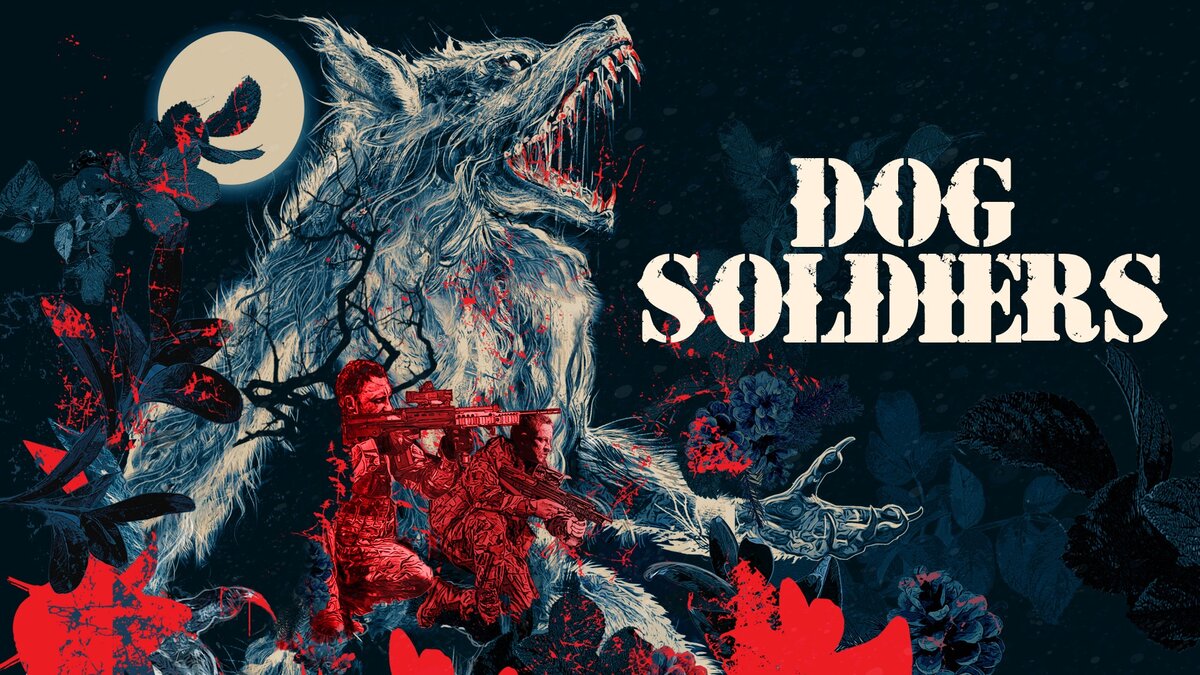
It would be a disservice to Dog Soldiers (2002) to describe it purely as a werewolf action film, though it is absolutely and gloriously that. Neil Marshall’s debut feature drops a squad of British soldiers on a Scottish military exercise, introduces a farmhouse, and then introduces the werewolves, and from that point it more or less refuses to let you breathe for ninety minutes. It also gave us a legendary tagline: Six men. Full moon. No chance. I love this film, and am still mourning that Neil Marshall could not secure the rights for a sequel.
The film works for several reasons. Sean Pertwee and Kevin McKidd are both excellent. The werewolves are enormous, loping, practical-effects creatures shot in ways that keep their scale ambiguous and their movement genuinely unsettling. They are among the best monster designs in British horror. And the film has a rugged, low-budget commitment to practical chaos that CGI never quite replicates.
But what’s interesting about Dog Soldiers in the context of werewolf mythology is what it doesn’t do. There is no sympathy for the werewolves. No transformation-as-self-discovery. No metaphor about repressed desire. They are, straightforwardly, monsters. The film uses the werewolf not as a Freudian mirror but as a threat, and finds that there’s still plenty of mileage in that approach when it’s done with real craft and a decent script.
It is, in some ways, the purest heir to the Universal tradition. The werewolf is a creature to be survived. And yet even here, there’s something interesting going on: the military unit under siege, the question of who can be trusted, the body horror of transformation on familiar faces. The wolf, even at its most straightforwardly monstrous, keeps finding ways to mean something.
The Sympathetic Wolf: Where We Are Now
The werewolf has never been more popular, or more complicated, than it is today.
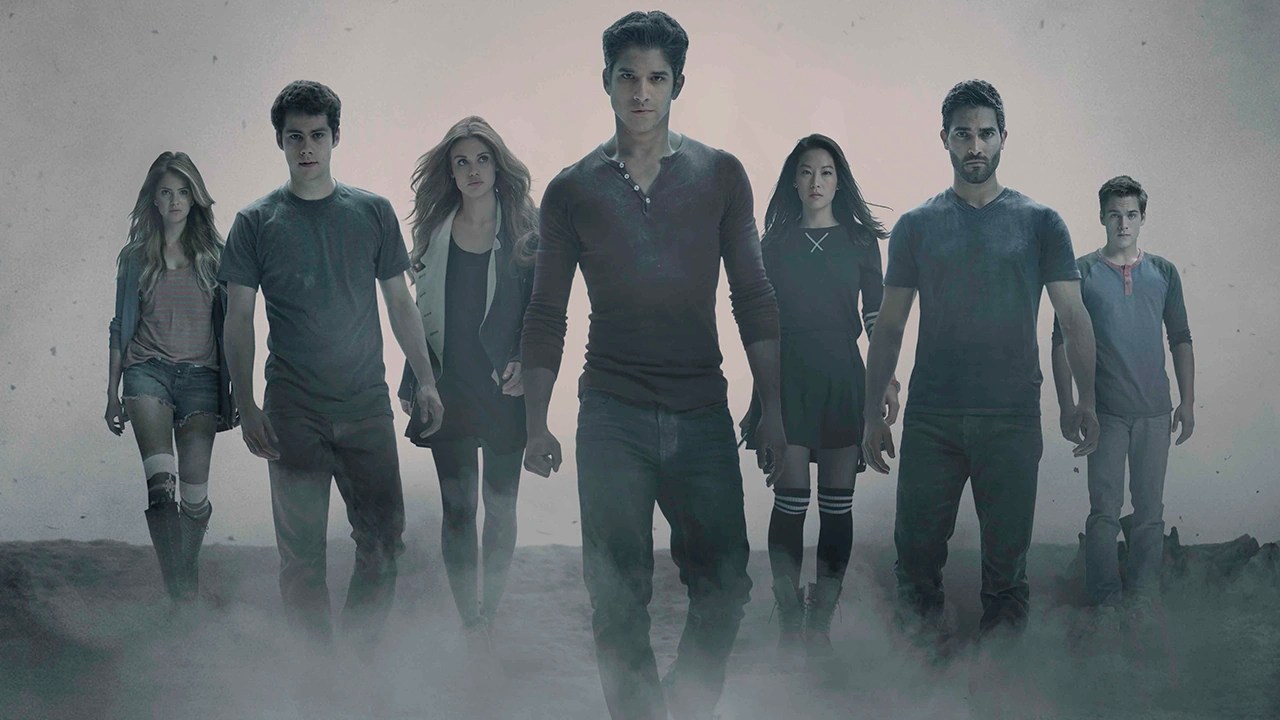
Twilight gave us werewolves as swooning love interests, which polarised audiences but sold an enormous number of books to teenagers, so someone was getting something right. The Underworld franchise cast them as an underclass in a vampire aristocracy, which is a fairly pointed political metaphor dressed in a lot of leather. Teen Wolf — both the cheerful 1985 Michael J. Fox version and the much darker MTV series — used lycanthropy to explore adolescent identity, belonging, and the particular terror of a body that won’t behave the way you want it to.
Harry Potter gave us Remus Lupin, perhaps the most structurally interesting cinematic werewolf since Larry Talbot: a man who is brilliant, kind, generous, and who must take a potion once a month or become something terrible. The HIV metaphor has been written about extensively. What’s perhaps more interesting is that Lupin doesn’t fit neatly into either the “monster to be defeated” or “beast to be liberated” categories. He is simply a person, managing a condition, trying to live with some dignity.
That shift, from the werewolf as horror to the werewolf as character, is the defining movement of the genre over the past thirty years. The beast is no longer purely something to be feared or destroyed. It is something to be understood, accommodated, perhaps even embraced.
This makes a kind of cultural sense. We live in a moment that is deeply interested in interiority, in understanding why people behave as they do, in extending the frame of sympathy to figures who once existed purely as threats. The werewolf, more than any other monster, is built for this. It is, at its core, a story about what happens when the thing inside you refuses to stay inside. About the performance of being human, and what breaks it.
Why the Werewolf Endures
The vampire is elegant. The zombie is political. The ghost is nostalgic.
But the werewolf is physical. It is the monster of the body — of biology, of urge, of transformation that is experienced from the inside. It is change made literal and terrifying and sometimes liberating. It is the question of what we would be, if we stopped pretending.
That’s why the silver bullet trope has lasted. Not because of any genuine folkloric weight, but because it implies something important: that the wolf has a specific vulnerability. That there is one precise thing, one shining exception, that can reach through the monster and kill what was once human. The silver bullet doesn’t just kill the werewolf. It ends the suffering.
And that’s a very human idea. The hope that the thing that has overwhelmed you is not permanent. That there is a cure, a fix, a single gleaming object that can restore the boundary between man and beast.
The werewolf persists because we haven’t stopped needing that particular hope — or that particular fear.
The moon rises. The hair comes. The bullet waits.
Curt Siodmak made it all up. And it turns out, he was right about all of it.
If you’re drawn to stories where human nature and something darker run very close together, where the boundary between instinct and reason is the most interesting part of the story — my novels explore similar territory.