Movie Monday: When Monsters Stopped Being Monsters

There was a time when monsters didn’t need explaining.

They arrived without warning or a backstory. They destroyed without reason. And they were either defeated, or perhaps just momentarily stopped if there was a possibility of a sequel. And in a few, rare cases, they even prevailed. And that was enough.

But somewhere along the way, that stopped satisfying us completely. Today, monsters rarely exist as pure forces of chaos. They are no longer just threats to be eliminated. They are characters. Sometimes even protagonists. And increasingly, they are something else entirely:

They are beings modern cinema audiences perhaps expect to understand.

The Shift from Fear to Empathy

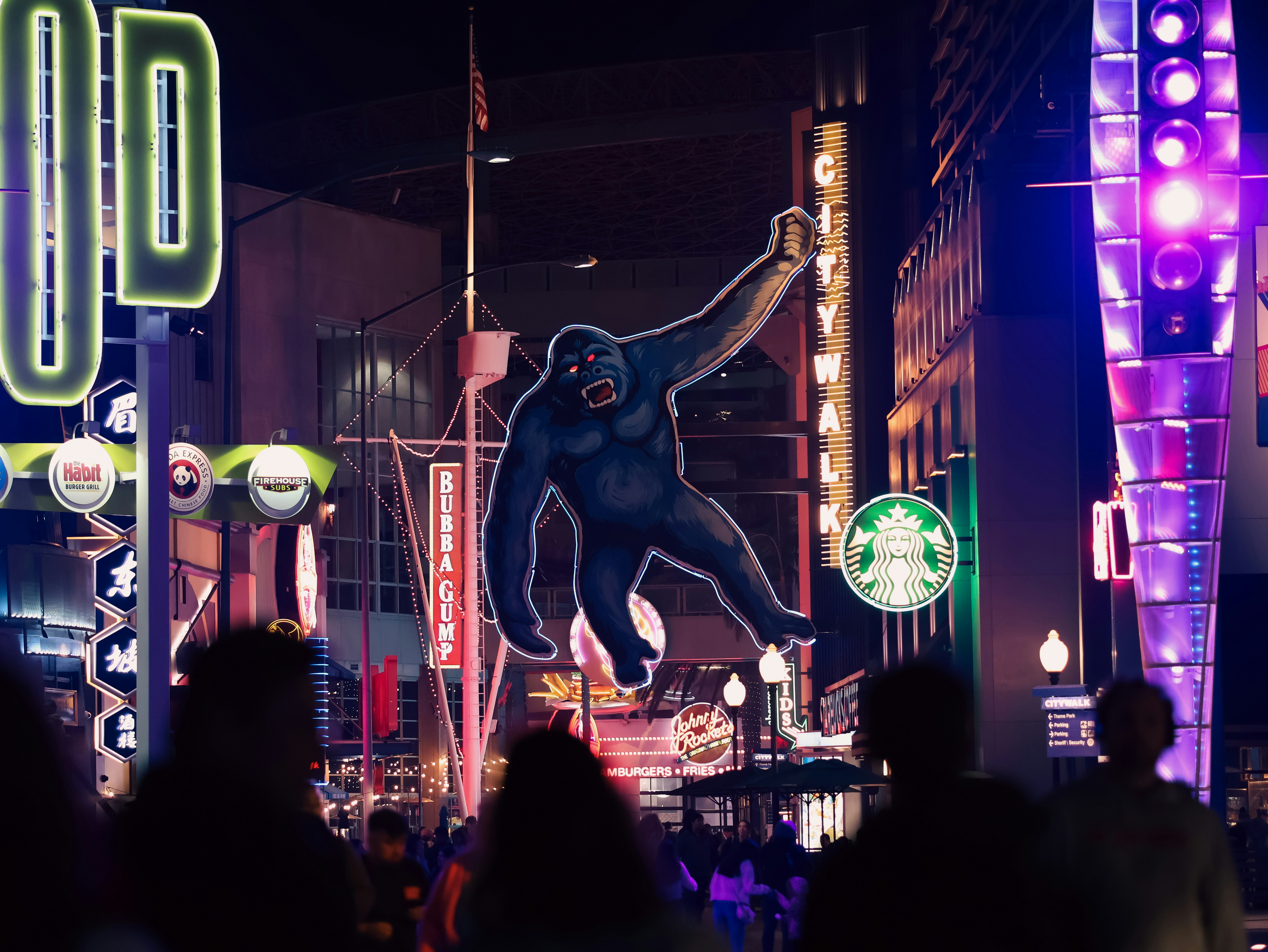
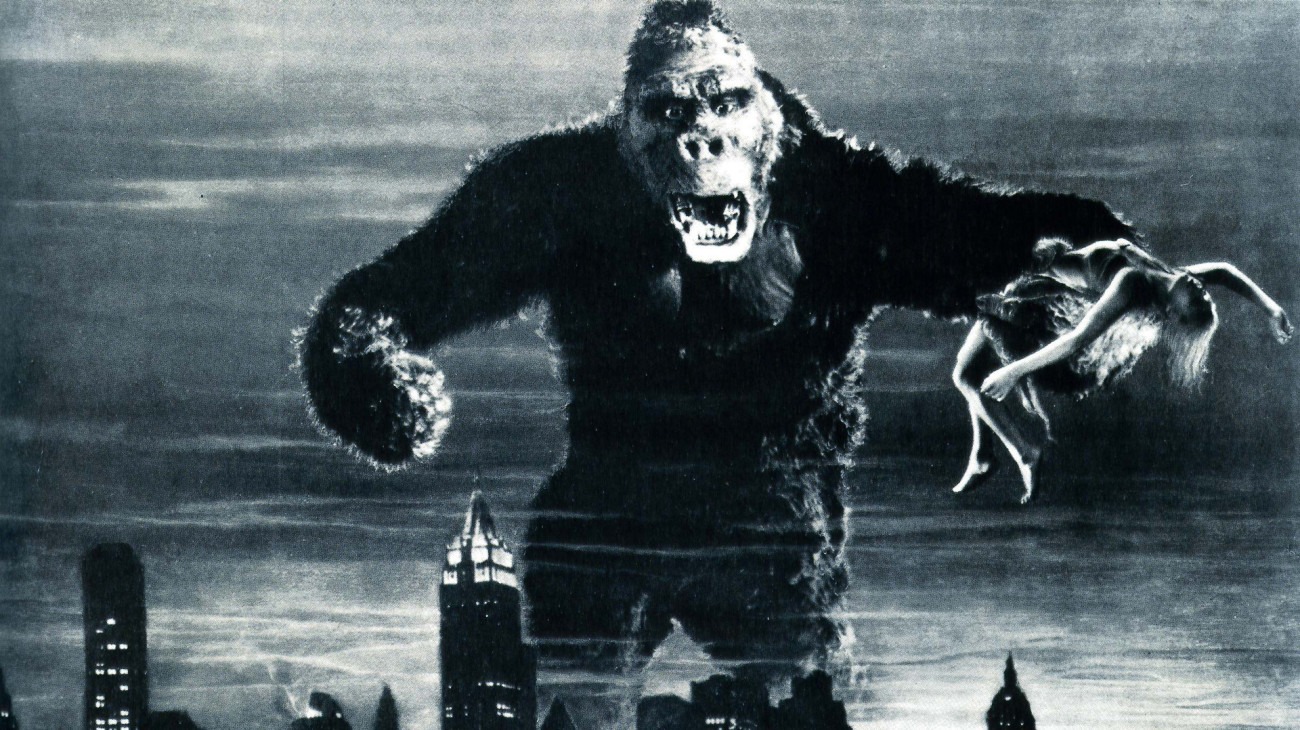
Classic cinema thrived on simplicity. In early portrayals of King Kong, particularly the 1933 version, the creature was tragic, yes, but still ultimately framed as a dangerous anomaly. A spectacle. Something that didn’t belong.

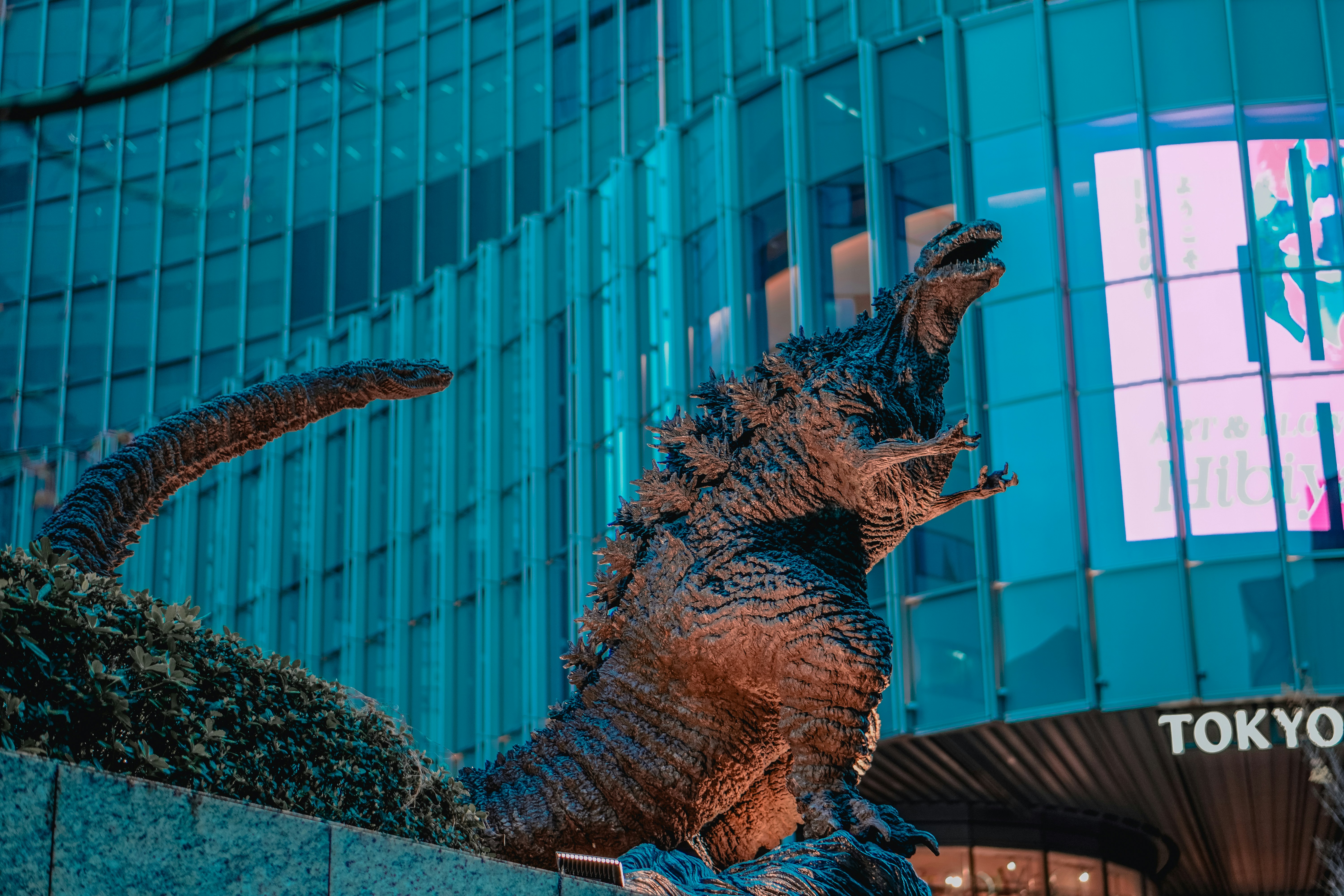
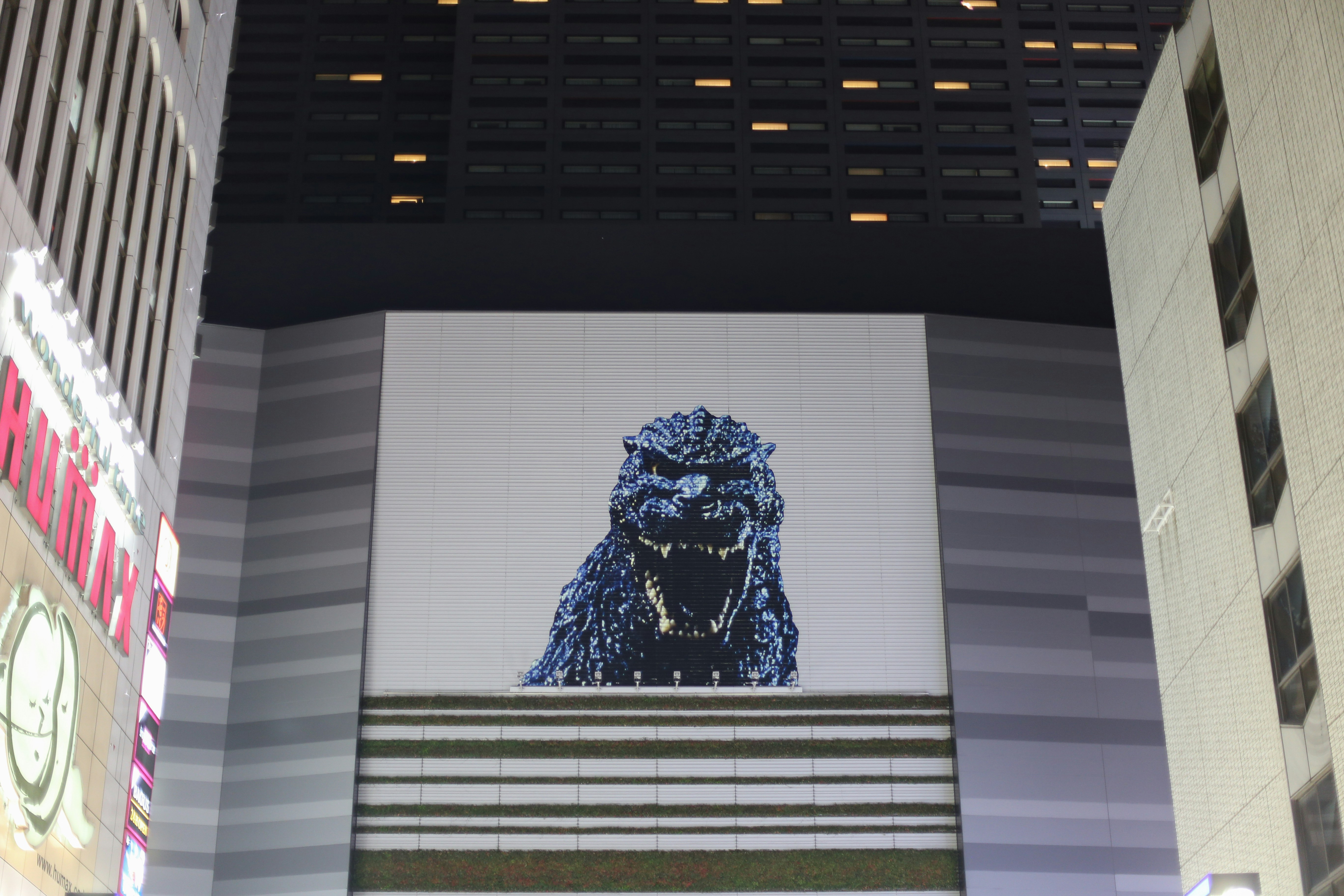
Likewise, 1954’s Godzilla began as something far more unsettling: a walking metaphor for nuclear devastation. Not a hero. Not even a creature to root for. Just consequence made flesh.

But modern audiences seem less comfortable with that kind of distance.

We no longer just want to witness destruction. We want to understand it.

Kong: From Monster to Mirror

Few examples illustrate this shift better than Kong.

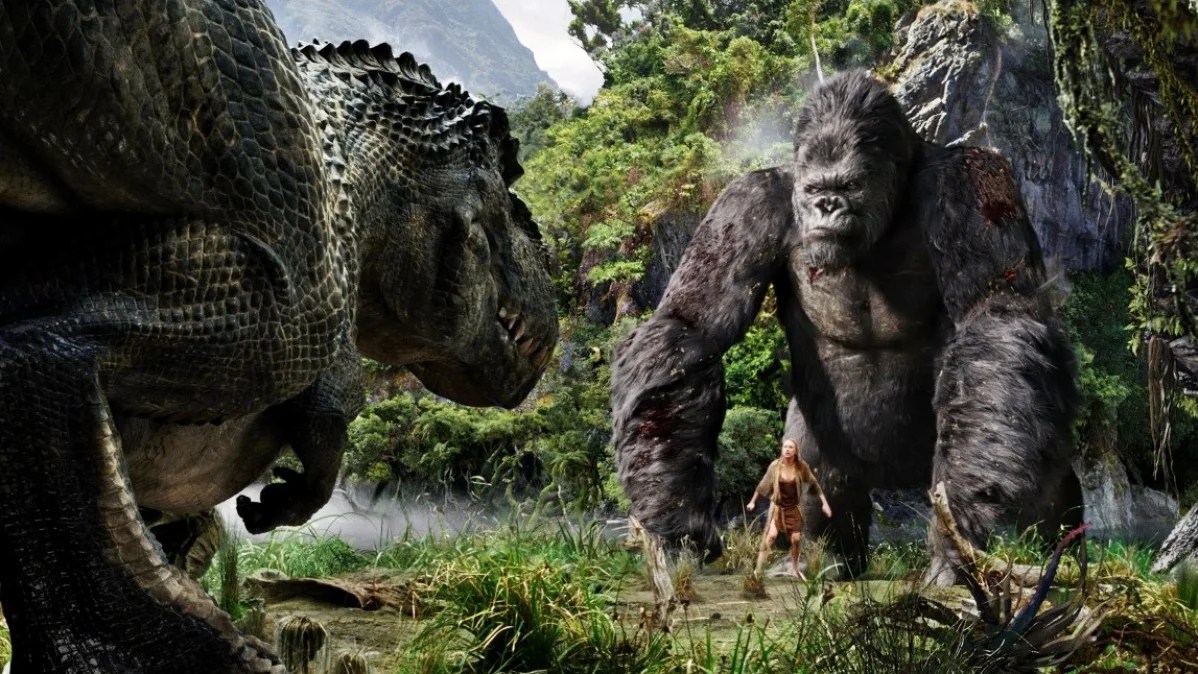
In the 2005 King Kong, Peter Jackson didn’t just remake a classic, he reframed it.

Kong is no longer simply an obstacle or a threat. He is lonely. Intelligent. Capable of connection. His relationship with Ann Darrow becomes the emotional core of the film.

By the time we reach the MonsterVerse, particularly Godzilla vs. Kong and Godzilla x Kong: The New Empire – that transformation is complete.

Kong isn’t just understood. He’s relatable. He has motivations. Territory. Even something resembling culture and lineage. The audience is no longer watching him.
They are watching with him.

Godzilla: From Warning to Protector

Godzilla’s evolution may be even more telling.

Originally conceived as a symbol of nuclear horror, Godzilla was never meant to be comforting. The 1954 film is bleak, heavy, and deeply political.

But over decades, and particularly in Western adaptations, Godzilla has shifted.

In the MonsterVerse, he becomes a kind of reluctant guardian. A balancing force. Not benevolent, exactly, but necessary.

So much so that when his behaviour in Godzilla x Kong: The New Empire leaned more aggressively destructive, audiences noticed and criticised it.

That reaction alone says something important.

We now expect our monsters to have moral boundaries.

Interestingly, this shift is not universal. Films like Godzilla Minus One return to the original vision: Godzilla as terror incarnate. A reminder that some stories still resist this need for empathy and are more powerful because of it.

The Rise of the “Explained” Creature

This trend extends far beyond kaiju.

In The Shape of Water, the amphibious creature is not a monster at all, but a misunderstood being, with the real cruelty lying in human institutions.

In I Am Legend, the infected are gradually reframed, not as mindless predators, but as something closer to a new society, reacting to intrusion.

Even in films like Jurassic World, the dinosaurs, once framed as uncontrollable forces – are increasingly given behavioural logic, emotional cues, even bonds. To now, they are a metaphor for endangered species protection and the plundering of the natural world.

The pattern is clear: We are moving away from “What is this creature?” and toward “Why is it behaving this way?”

Why This Change Matters

Part of this shift reflects broader cultural changes.

We are more aware, scientifically and ethically, of animal intelligence, emotion, and social structures. Predators are no longer seen purely as villains, but as components of ecosystems.

And that perspective bleeds into storytelling. It becomes harder to present a creature as purely evil when we instinctively look for cause, context, and consequence.

But there’s also something deeper. Modern audiences are less comfortable with the idea of absolute otherness.

We look for connection, parallels, and meaning. Even in the things that frighten us.

What We Lose and What We Gain

There is, however, a trade-off. When monsters are always explained, I think they lose something. The mystery fades. Inevitably, the unknown becomes knowable, and our fear softens as a result. And sometimes that can make our monsters a little smaller.

But what we gain is equally powerful.

We gain stories that linger longer. Creatures that feel real. And narratives that say less about “monsters”… and more about us.

The Monster as Reflection

Perhaps monsters haven’t really changed at all. Perhaps they are still doing what they’ve always done: Reflecting the world that created them. Where once they embodied fear of the unknown, they now embody something else – our need to understand the unknown.

If you enjoy this kind of storytelling, my novels explore similar territory, where the line between predator, monster, and myth is rarely as clear as it first appears.

Movie Monday: When Monsters Reflect the World

How Horror Films Echo War, Disaster, and Cultural Fear

There is a moment in many monster films when the creature first appears. It might be a shadow moving beneath dark water. A shape rising above a skyline. A distant roar that carries across a city.

The details change from film to film, but the feeling is always the same. Something enormous and uncontrollable has entered the world.

For most audiences, it is simply spectacle – the thrill of watching something impossible unfold on screen. But if you look closely at the history of monster cinema, those creatures rarely appear by accident.

Again and again, they emerge at moments when societies are wrestling with fears far larger than any individual villain: war, nuclear technology, environmental collapse, or sudden catastrophe.

The monsters may be fictional. But the anxieties behind them are not. Is it purely coincidental, as we experience some of the most uncertain and unsettling times of the modern age, that horror has risen to a place of both cultural and critical recognition in this year’s awards season?

Monster movies are often dismissed as escapism. It’s easy to understand why as giant creatures, impossible threats, and cinematic spectacle designed purely to entertain battle across the screen.

But look more closely and something interesting begins to emerge. Many of the most enduring monsters in film history appeared at moments when societies were grappling with something far more frightening than fiction: war, technological catastrophe, terrorism, or environmental collapse.

In those moments, monsters become metaphors. They give shape to fears that are otherwise too large, too abstract, or too traumatic to confront directly.

From nuclear destruction to terrorist attacks, monster cinema has often mirrored the anxieties of the era that produced it.

Godzilla and the Shadow of Hiroshima

No example illustrates this better than Godzilla.

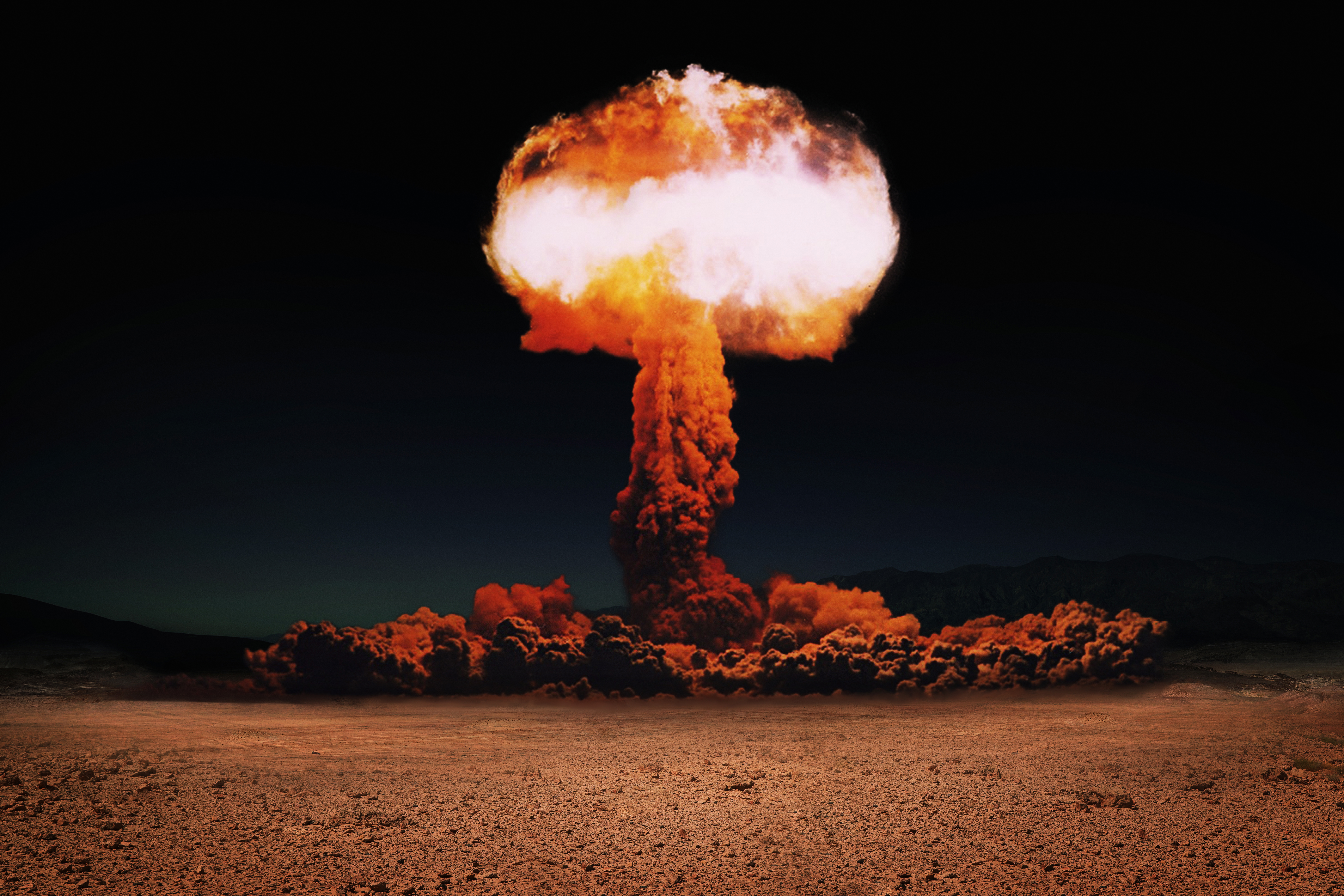
The film appeared less than a decade after the atomic bombings of Hiroshima and Nagasaki, and the imagery of nuclear devastation is woven throughout the film.

Godzilla itself is not a dinosaur or an easily recognised entity. It is a creature awakened and directly shaped by nuclear testing.

Tokyo’s destruction in the film deliberately echoes the burned ruins of wartime Japan: flattened cities, fleeing civilians, hospitals overwhelmed with radiation victims.

For Japanese audiences in 1954, this was not distant fantasy. It was collective memory. Godzilla was the embodiment of a new fear, that humanity had created forces capable of destroying the world itself.
Interestingly, this cultural role has never entirely disappeared from the Godzilla franchise. In recent years, Japanese filmmakers have deliberately returned the creature to its darker origins. In Godzilla Minus One, Godzilla once again represents the trauma of post-war Japan, emerging in a country already devastated by defeat and struggling to rebuild.

Rather than a heroic or ambiguous creature, the monster becomes a symbol of national vulnerability and historical memory, something much closer in spirit to the original 1954 film.

At the same time, Western interpretations have begun shifting the metaphor in new directions. The series Monarch: Legacy of Monsters explores the hidden organisations studying giant creatures, gradually suggesting that secrecy, corporate power, and institutional control may be as dangerous as the monsters themselves. In this sense, the Godzilla myth continues to evolve alongside the anxieties of the modern world.

The American Nuclear Monster Era

Godzilla was not alone though. During the 1950s, American monster cinema was also being shaped by nuclear anxiety.

Films like Them! featured giant ants created by radiation, and The Beast from 20,000 Fathoms explored the fear that atomic experimentation might unleash uncontrollable consequences.

These monsters were literally products of radiation. The Cold War had turned nuclear annihilation into a daily possibility, and cinema responded by imagining what might emerge from the fallout.

Cloverfield and the Trauma of 9/11

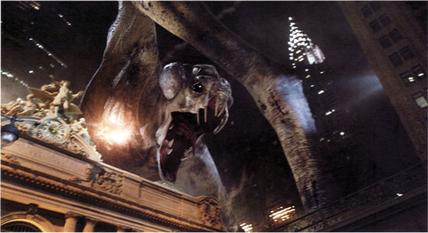
Half a century later, another monster appeared under very different circumstances. Cloverfield arrived in a cultural landscape still shaken by the attacks of September 11th.

The parallels in the film are unmistakable: The sudden attack on New York; Buildings collapsing into clouds of dust; and panicked crowds fleeing through streets filled with the smog of destruction and fear.

The film’s handheld “found footage” style reinforces the feeling of witnessing catastrophe unfold in real time. And unlike traditional monster films, Cloverfield never fully explains the creature.

The story instead focuses on the experience of ordinary people caught in the chaos, which mirrors how many people experienced the real-world attacks.

War of the Worlds and the Language of Terror

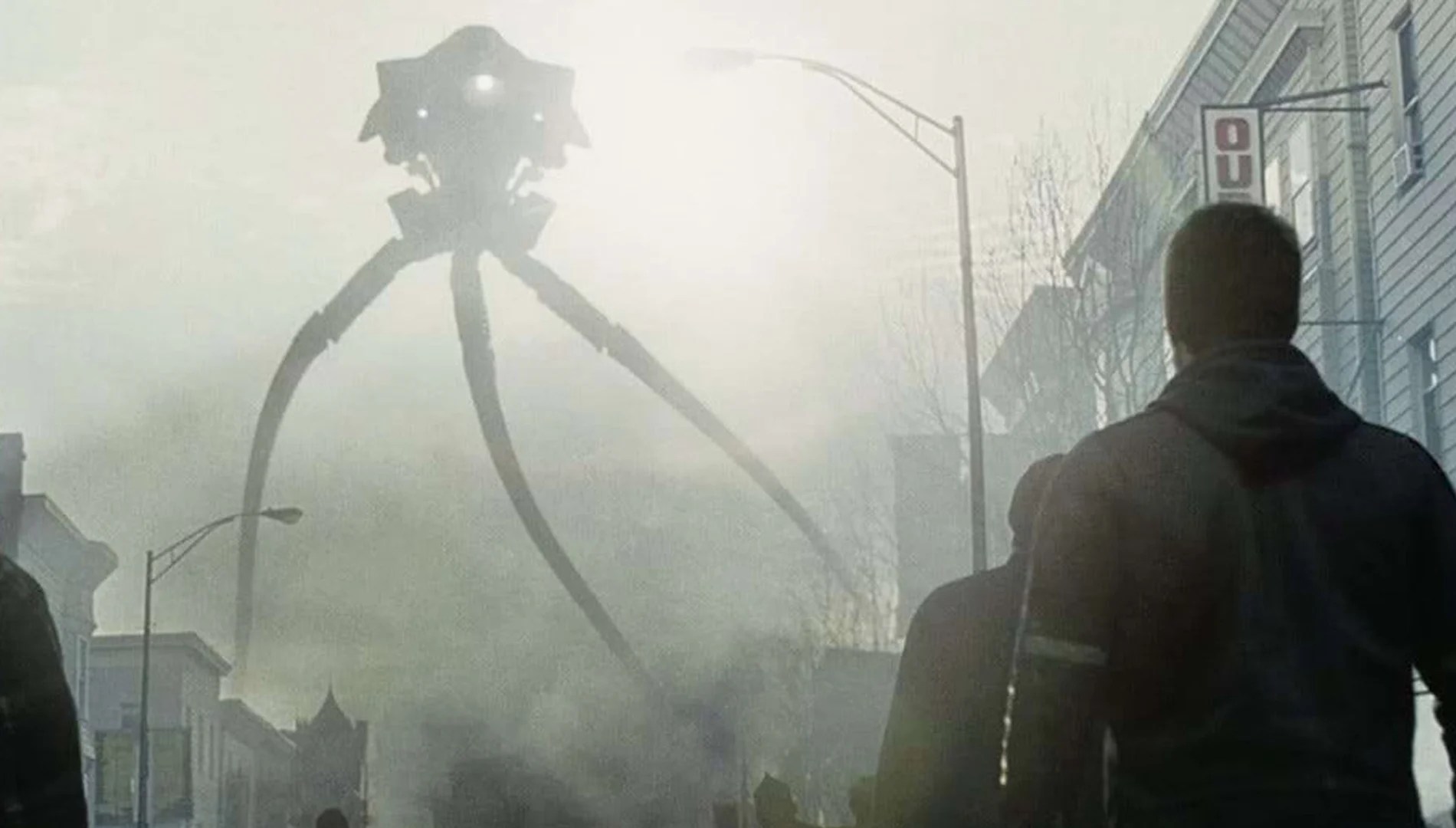
Steven Spielberg’s adaptation of War of the Worlds also carries strong echoes of post-9/11 anxiety. Although based on H. G. Wells’s 1898 novel, the film deliberately mirrors imagery familiar from the early 2000s.

Crowds flee through clouds of dust and stagger through streets covered in ash and sudden attacks destroy familiar landmarks with uncaring brutality.

Even Spielberg himself acknowledged that the film drew inspiration from the emotional atmosphere of the post-9/11 world.

Environmental Monsters and Industrial Anxiety

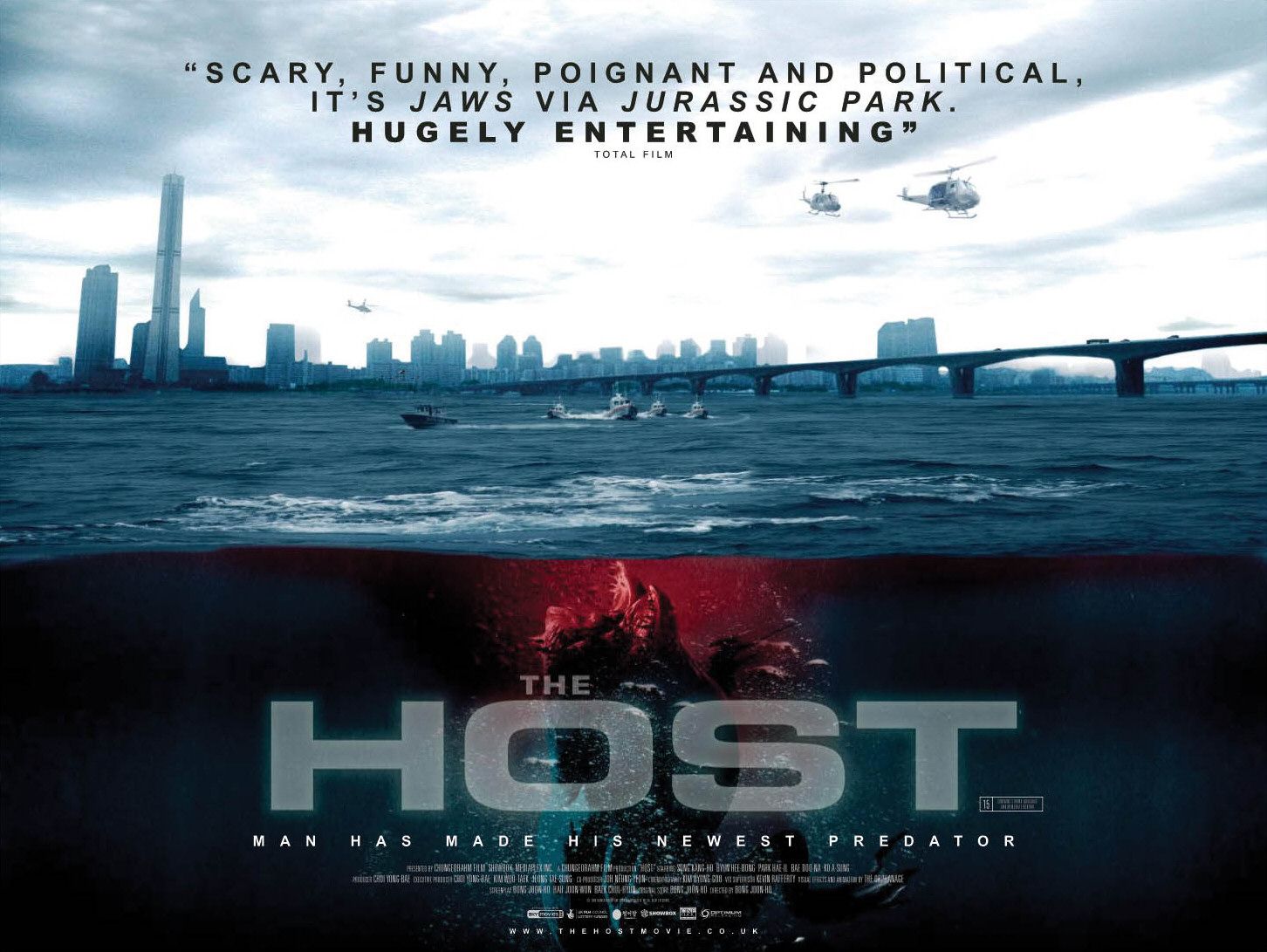
In recent decades, monster films have increasingly reflected environmental fears. A powerful example is The Host, directed by Bong Joon-ho.

The film begins with toxic chemicals being dumped into Seoul’s Han River, eventually creating a mutated amphibious creature that emerges from the water to terrorise the city.

The story was inspired by real environmental controversies involving chemical dumping by the U.S. military in South Korea.

Here the monster is not ancient or mythical, it’s man-made and a direct consequence of pollution and ecological neglect.

Pacific Rim and Disaster in the Age of Global Threats

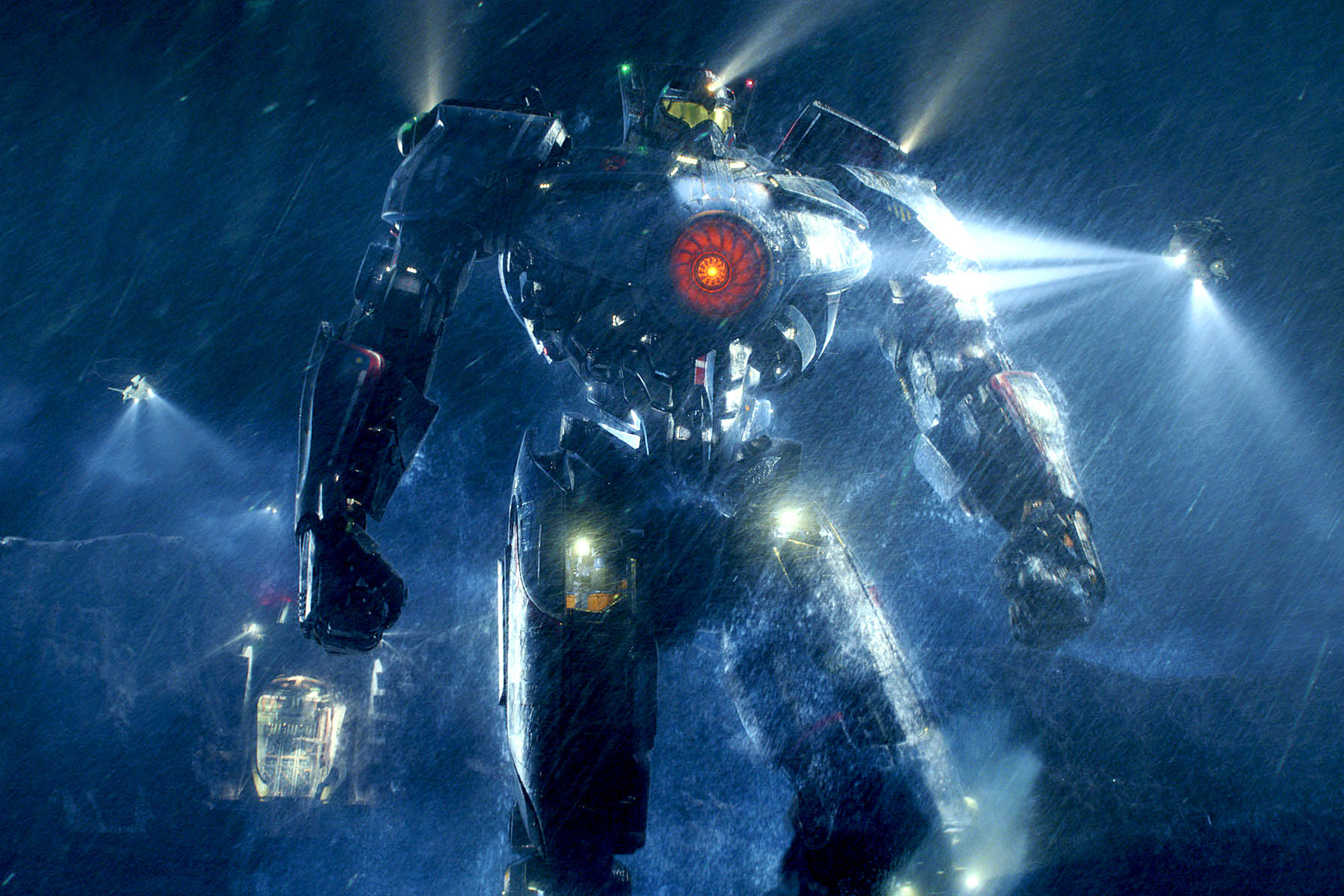
One of the most interesting modern examples is also a favourite. Pacific Rim. At first glance, the film looks like a straightforward homage to classic Japanese kaiju cinema.

But its imagery reflects a very modern world, one shaped by natural disasters, climate anxiety, and global co-operation.

The giant creatures known as Kaiju emerge from the Pacific Ocean and repeatedly destroy coastal cities.The only effective response is an international coalition that builds enormous defensive machines known as Jaegers.

Released only two years after the devastating 2011 Tōhoku earthquake and tsunami, the film echoes a world increasingly aware that catastrophic events, whether natural or man-made, require collective responses.

Unlike Cold War monster films, where nations often acted alone, Pacific Rim presents survival as a shared human effort. The monsters are global. So then, must the response be.

Monsters as Psychological Landscapes

Some modern films explore fear in even more abstract ways. In The Mist, adapted from a story by Stephen King, the monsters outside a supermarket are terrifying, but the real horror unfolds inside.

Fear quickly fractures the small group of survivors as paranoia spreads and authority collapses. The film explores how quickly social order can unravel when people believe they are facing an unknowable threat.

That theme resonated strongly in the years following 9/11, when societies across the world grappled with new fears about security, uncertainty, and public trust.

War, Memory, and Haunted Landscapes

Yet, not all monster stories involve giant creatures. In parts of Southeast Asia, horror cinema often reflects the lingering presence of war through ghosts rather than monsters.

Vietnamese films made after the Vietnam War frequently feature haunted forests, abandoned villages, or restless spirits tied to wartime violence.

In these stories, the land itself remembers. The monster is not a creature emerging from the sea, it is simply history refusing to disappear.

Why Monsters Keep Returning

Monsters are powerful storytelling tools because they externalise fear. War, terrorism, environmental collapse, and nuclear technology are difficult to visualise.

They are vast forces that are political, technological, and systemic. Making them into monsters gives those fears shape. A shape that can be confronted, fought, and sometimes even understood.

These are the reasons why monster films appear again and again at moments of cultural anxiety. They allow societies to process and confront their fears, even the subconscious ones.

The monsters themselves therefore understandable change, from radioactive dinosaurs to mutated sea creatures to inter-dimensional invaders.

Monster films often feel timeless, but they are deeply rooted in the moment that produced them.

Godzilla carried the shadow of nuclear war. Cloverfield echoed the shock of 9/11. And Pacific Rim imagined a world where survival depends on global co-operation against overwhelming threats.

The creatures themselves may be fictional. But the fears behind them are always real. And that is why monster stories never truly disappear.

They evolve alongside us. The monster movies of the next few years may be ones to take note of.

When Monsters Win: Why Prestige Culture Only Rewards Horror on Its Own Terms

The well-behaved monster and the boundaries of respectability.

Awards season is upon us and traditionally, has always had its preferences. Historical epics. Biographical drama. Social realism. Stories that feel weighty before they even begin.

Horror, by contrast, has often been treated as something unruly — too visceral, too commercial, too unserious to sit comfortably among prestige cinema. And yet, every so often, a monster slips past the velvet rope.

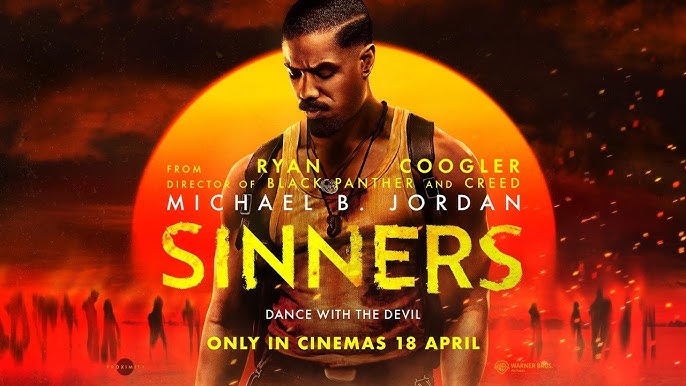
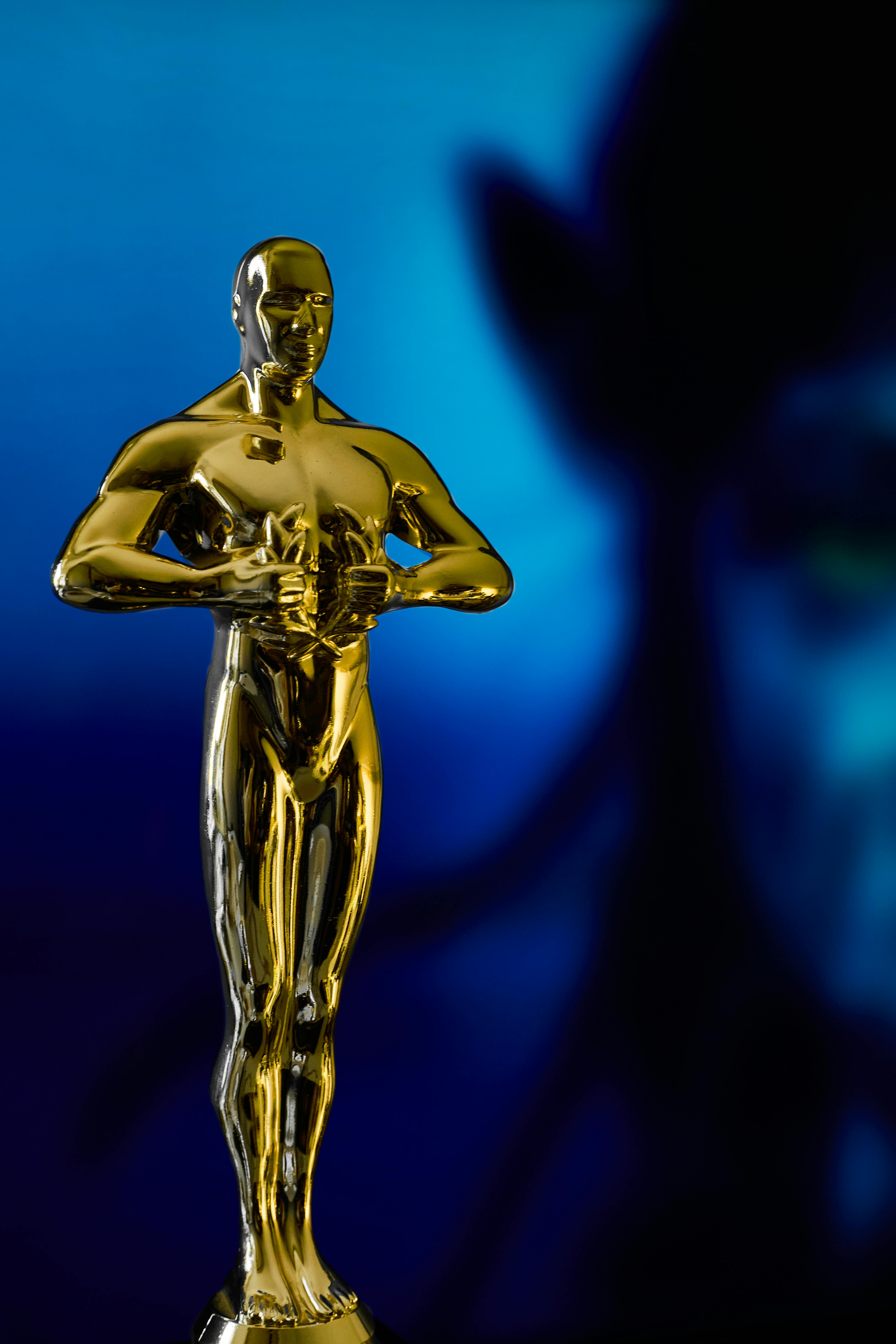
This year, with Sinners dominating Oscar nominations and walking away with major wins at the BAFTAs, that old boundary feels more porous than it once did. Creature cinema is no longer automatically dismissed. It can be celebrated. It can be honoured.

But when monsters win, it is rarely on their own terms.

They are welcomed, carefully, once they have been translated.

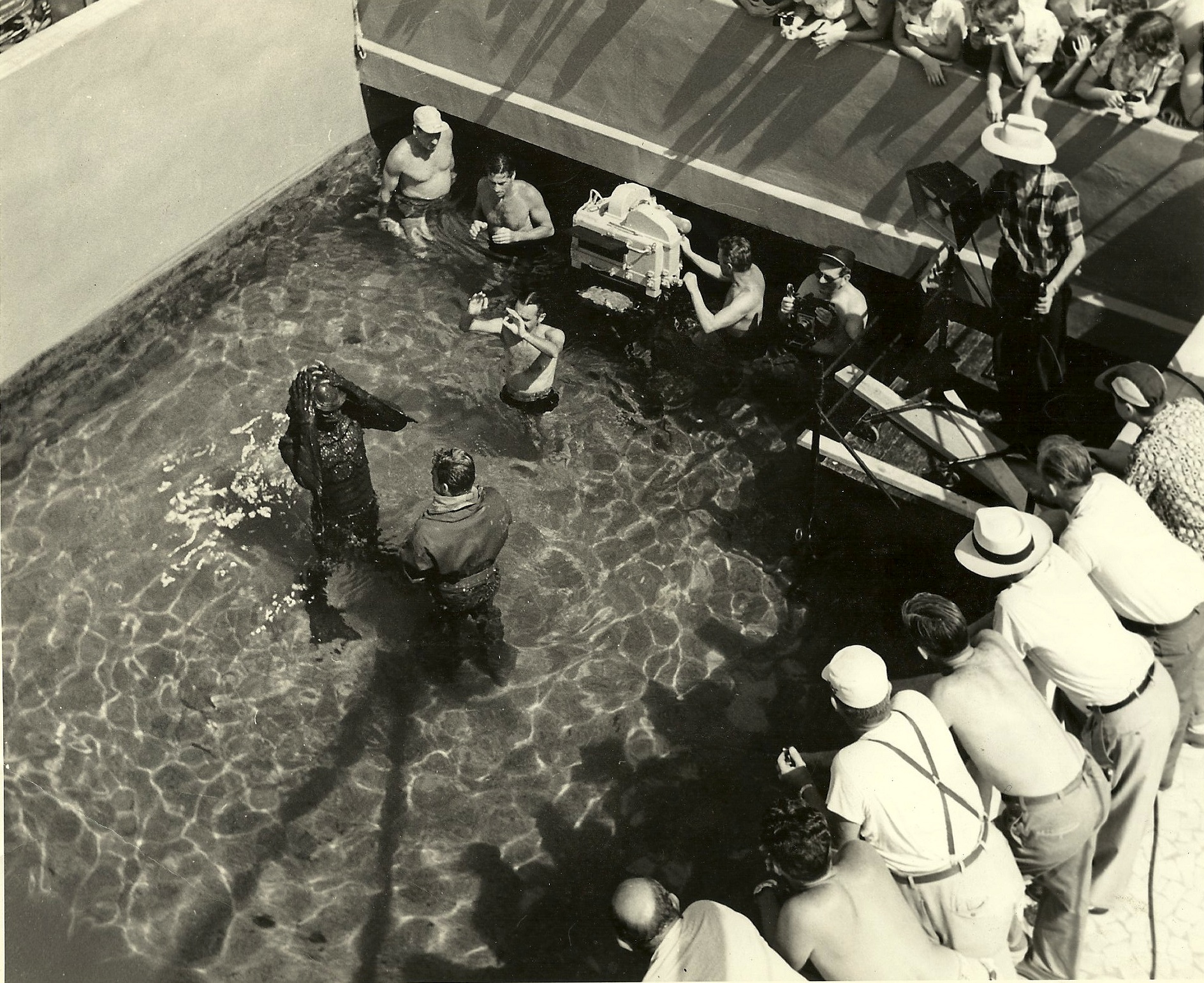
Jaws – The Shark That Wasn’t Just a Shark

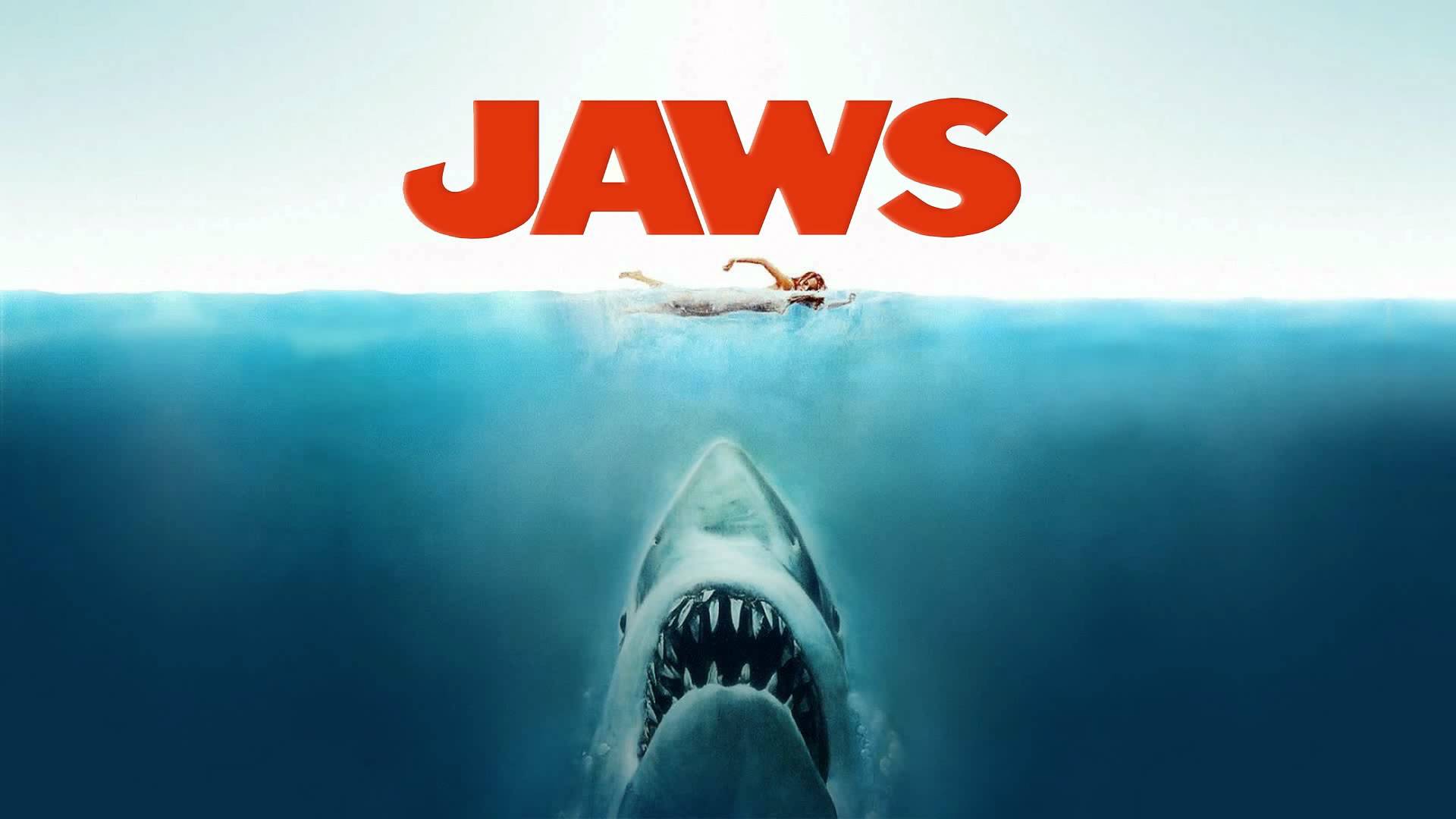
When Jaws arrived in 1975, it was a creature feature. A film about a shark hunting swimmers off the coast of a small American town.

It went on to win three Academy Awards — for editing, sound, and John Williams’ now-immortal score.

Not for the shark. The mechanical animal at the centre of the film was never what the Academy formally recognised. Instead, it was the craft that elevated the material: the restraint of the camera, the discipline of the cut, the tension built through absence rather than spectacle.

The shark became something larger than itself. It became:

  • Fear of the unseen.
  • Bureaucratic denial in the face of danger.
  • Economic pressure overriding safety.

In other words, it became metaphor. But beneath that metaphor, the shark remained something more unsettling. It wasn’t malicious. It wasn’t political. It wasn’t traumatised. And it was not misunderstood.

It was simply an animal behaving as animals sometimes do (or in this case, how we thought and imagined they did).

That indifference — that refusal to moralise — is part of what makes Jaws endure. Yet the recognition it received was framed around artistry, not animality. The Academy rewarded how the story was told, not the wildness at its heart.

The creature was tolerated. The craftsmanship was honoured.

The Shape of Water – The Monster Who Became a Mirror

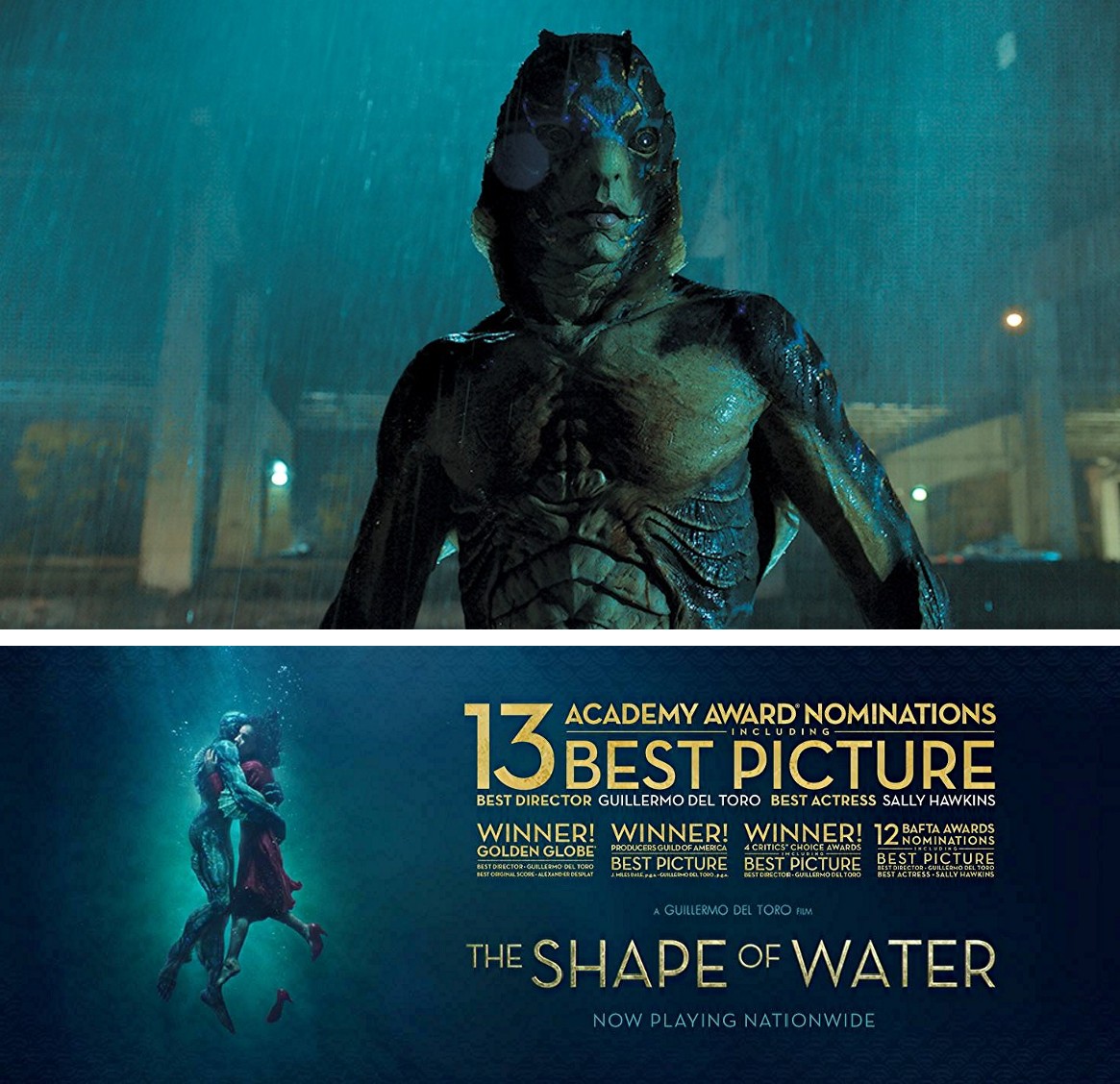
Guillermo del Toro’s The Shape of Water went further. It did not merely win technical awards. It won Best Picture. At its centre is an amphibian creature — clearly inspired by mid-century monster cinema — imprisoned, studied, and ultimately loved.

But this monster does not function as predator. He is not unknowable. He is not ecologically threatening. He is gentle, curious, and capable of tenderness.

He becomes a symbol of otherness — of marginalisation, disability, Cold War paranoia, loneliness. The film invites us not to fear him, but to recognise ourselves in him.

The creature wins because he reflects something human. His monstrosity is aesthetic, not existential. Prestige culture is comfortable with this kind of monster. It can be framed as allegory. It can be moralised. And it can be absorbed into the language of empathy.
The wild edges are softened and the teeth are metaphorical.
When the Creature Becomes Backdrop

A pattern begins to emerge. Horror tends to be embraced by institutions when it performs a certain translation. When the monster is:

  • A political symbol.
  • A social commentary.
  • A psychological metaphor.
  • A vehicle for historical reflection.

In these cases, the creature is not truly the subject. It is a lens through which something recognisably human is examined.

The awards are rarely about the animal itself. They are about what the animal represents. And it’s important to clarify this does not diminish the artistry of these films. Many of them are extraordinary. But it does reveal a preference.

Prestige culture prefers its monsters legible and interpretable. In short, it prefers them to behave.

Horror’s Rehabilitation

In recent years, horror has enjoyed something of a rehabilitation. The line between “genre” and “serious cinema” has blurred. Audiences have matured. Filmmakers have pushed boundaries of tone and form.

Part of this shift is cultural. We live in anxious times. Horror provides a language for uncertainty and a release for it — for systems that feel unstable, for threats that feel diffuse.

But institutions still have conditions.

When horror arrives in formal dress — lyrically shot, carefully scored, layered with symbolism — it is easier to recognise as art. When it aligns with contemporary conversations, it feels urgent rather than lurid.

In other words, horror is welcomed when it demonstrates that it understands the rules of the room. It can be frightening. It can be strange. But it must also be respectable. And the vampires in Sinners are polite, well-spoken, and at the very least, wear respectability as a well-practiced facade as a means to an end.

The Uncomfortable Creature

What remains more difficult to absorb is the creature that resists interpretation. The shark that is simply a shark. The predator that is not secretly a metaphor for capitalism, trauma, or xenophobia. The animal that does not apologise for being non-human.

Ecological horror, the stories that centre real animals behaving according to instinct rather than narrative morality — sits uneasily in prestige culture. There is no catharsis in a force of nature. No redemptive speech. No symbolic resolution.

There is only indifference. And indifference is hard to award. It offers no moral comfort. It does not flatter us by suggesting that even our monsters are secretly about us.

Why This Matters

How we reward monster stories tells us something about how we process fear. We are drawn to creatures, but we often feel compelled to domesticate them. To explain them. To soften them into symbols we can decode.

When a monster film wins, it often does so because it reassures us that the monstrous can be translated into something familiar. But some of the most powerful creature stories resist that translation. They leave the animal wild. They refuse to moralise the teeth.

Those films may not always collect statues. Yet they linger. Because they remind us that not everything in the natural world exists to be understood through human frameworks.

Some things are simply other – the literal force of nature. And perhaps that is what true monster cinema has always been about — not metaphor, not allegory, but the fragile boundary between ourselves and the wild.

Awards season may continue to evolve. Horror may continue to gain recognition. But the monsters that win will likely remain the ones that know how to behave.

The rest — the indifferent, the ecological, the untamed, will likely continue to circle just beyond the light. Popular, but not recognised. Always in the shadows of recognised greatness. And there is something fitting about that.

My novels explore similar boundaries between folklore, wildlife, and fear. The monsters are rarely simple. Find them on Amazon, Kindle, Audible, and iTunes.

From Villain to Witness: How Modern Cinema Rewrites the Monster

Introduction: Monsters, Reconsidered

For much of cinema’s history, the monster served a simple narrative function. It arrived from the margins, disrupted order, embodied fear, and was ultimately removed so that normality could be restored. Whether giant ape, prehistoric reptile, or nameless creature lurking in the dark, the monster existed primarily as an obstacle. It did not need interiority. It did not need explanation. Its presence alone was justification enough.

That simplicity made monsters effective. Fear thrives on clarity, and early cinema rarely asked audiences to question where the creature came from or why it behaved as it did. The monster was the problem.

But in recent years, that framing has begun to feel increasingly inadequate.

Modern monster films still deliver spectacle and danger, but they are far less comfortable presenting creatures as purely evil forces. Behaviour is contextualised. Motivation is explored. In some cases, the monster is no longer even positioned as the antagonist.

It remains frightening, but it is no longer disposable.

The Classic Monster: Threat Without Context

Early cinematic monsters were designed to simplify fear rather than interrogate it.

In King Kong, Kong is awe-inspiring and tragic, but he is never truly allowed to exist beyond symbolism. He represents the unknown, the primitive, the uncontrollable. His capture and eventual death restore order, and the film closes without seriously questioning whether that outcome was inevitable or just.

This structure repeats across decades of monster cinema. The creature is framed as abnormal, its presence an intrusion into civilisation. Little attention is paid to ecology, displacement, or cause. The monster’s destruction functions as narrative closure.

That approach worked for its time. Monsters were metaphors first and beings second. Fear was externalised and contained.

The Modern Shift: Behaviour Over Villainy

Contemporary monster narratives are far less willing to accept that kind of moral shorthand.

In the MonsterVerse, Kong is no longer portrayed as a rampaging aberration. He is territorial, reactive, and increasingly isolated — a powerful animal responding to confinement, intrusion, and displacement. The destruction he causes is not denied, but it is contextualised. The question is no longer simply how to stop him, but why he is there at all.

A similar approach appears in Damsel, where the creature’s violence is rooted in history and betrayal rather than innate malice. The monster is not softened or turned into a companion figure. It remains a dangerous, direct threat. What changes is the framing. Its behaviour is shown to be a response rather than a pathology.

This distinction matters. Explanation does not neutralise threat. It replaces laziness with honesty.

Monsters, Instinct, and the Conservation Lens

This narrative evolution mirrors a broader shift in how we understand real animals.

In conservation and human–wildlife conflict, the language of “rogue” animals and “evil” predators has largely been abandoned. Serious discussion now centres on habitat loss, injury, food scarcity, and human expansion into contested spaces. When a tiger or lion attacks, the focus is not on moral failure but on circumstance and pressure.

The animal is not absolved of danger — but it is removed from moral judgement.

Modern monster cinema increasingly reflects this ecological thinking. These creatures are frightening not because they are wicked, but because they are powerful, stressed, territorial, or reacting exactly as their biology dictates. Instinct replaces intention. Context replaces caricature.

Importantly, this approach does not anthropomorphise the monster. It does the opposite. By stripping away human moral projection, the creature is allowed to exist as something fundamentally other — governed by its own rules, indifferent to ours.

That indifference is often more unsettling than evil ever was.It strips away human moral projection and allows the creature to exist on its own terms.

Why This Change Matters Now

This shift in monster storytelling is not happening in isolation.

We live in an era defined by systems rather than single causes. Climate change, ecological collapse, geopolitical instability — none of these can be explained through simple villains. Audiences have become increasingly attuned to complexity, and stories built on clear moral binaries often feel dishonest.

What unsettles us now is not the presence of danger, but the recognition that harm can be understandable. That violence can emerge from pressure rather than cruelty. That systems, not monsters, are often the true antagonists.

Modern monster films reflect this discomfort. They resist easy answers. They allow fear to coexist with recognition.

The Monster as Witness, Not Enemy

In many contemporary narratives, the monster has become something closer to a witness than an enemy.

Not a punishment sent to restore balance. Not a curse to be eradicated. But a presence shaped by what has been taken, altered, or ignored.

The creature remains dangerous. The threat is real. Yet the story no longer ends with its removal as moral necessity. Instead, the monster exposes the fragility of human systems and the consequences of interference.

The monster has not disappeared. It has become more truthful.

Closing Reflection

We still call them monsters, but we have quietly stopped treating them as villains.

That change does not make these stories gentler. If anything, it makes them more unsettling. A monster driven by instinct and circumstance cannot be reasoned with or redeemed in simple terms. It can only be understood — and sometimes endured.

Perhaps this shift says less about cinema than it does about us. About a growing awareness that fear does not require evil, and that the most frightening stories are often the ones that refuse to offer clean resolutions.

If you enjoy this kind of storytelling, my fiction explores similar territory — where monsters and animals are shaped by instinct, history, and human pressure rather than simple evil.

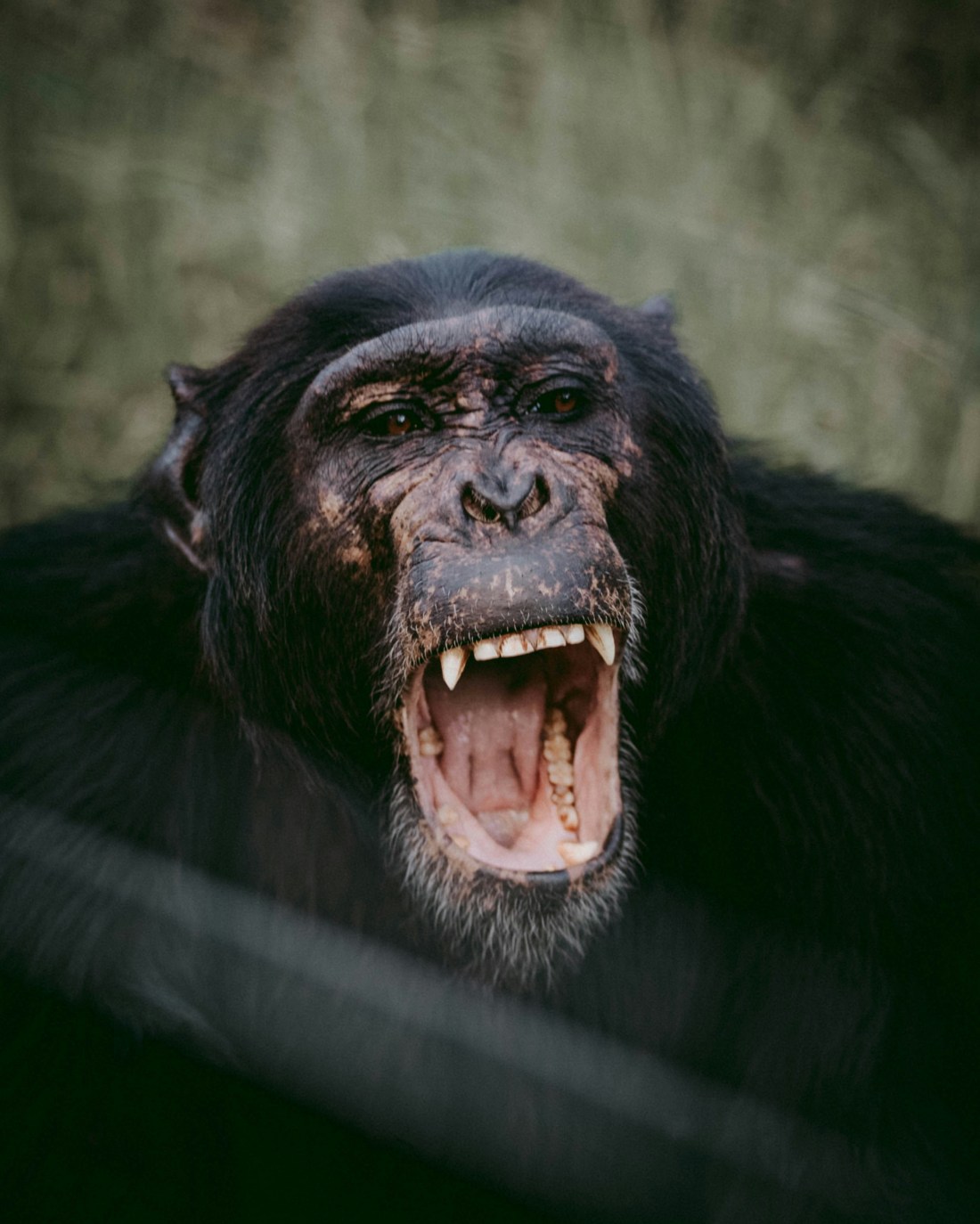
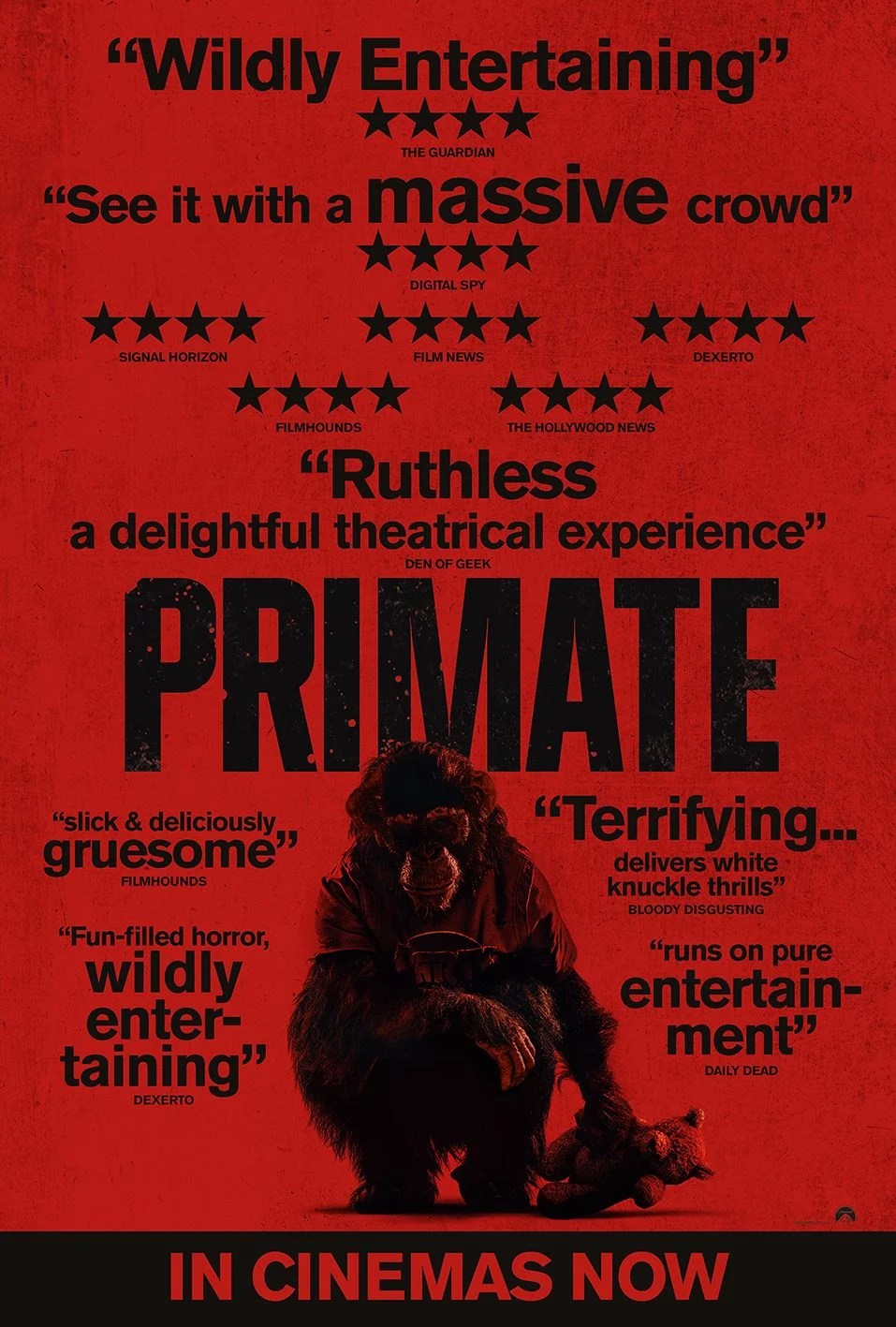
Movie Monday: Primate, Killer Apes, and the Stories We Tell About Animals

Welcome back to Movie Monday.

This is only the second entry in the series, but the intention is already clear: this isn’t about quick reviews or ranking creature features by body count. It’s about looking at animal-led horror films through a wider lens… asking what they borrow from reality, what they distort, and what impact those stories have beyond the screen.

This week, the focus is a brand new film – Primate, directed by Johannes Roberts. It’s a deliberately confrontational piece of horror: graphic, tense, and unflinching in its depiction of violence. On the surface, it fits comfortably within the long tradition of “killer animal” cinema. But beneath that familiar framework, I think Primate is doing something more thoughtful, and more troubling.

Intelligence as Horror, Not Gimmick

There is a particular kind of discomfort that lingers after watching Primate. Not the fleeting unease of jump scares or gore, but something quieter and more persistent. A sense that what you’ve just watched isn’t entirely fictional and that the true horror sits uncomfortably close to reality.

The film centres on a chimpanzee capable of communicating through sign language. When the animal contracts rabies, its behaviour becomes violently unstable. What makes this premise effective is not the novelty of intelligence, but how seriously the film treats it.

The chimp’s cognition is not there to make it sympathetic, nor to humanise it for easy emotional manipulation. Instead, intelligence becomes an amplifier. The violence is more disturbing precisely because the audience understands this is not a mindless creature lashing out, but a thinking being whose perception of the world has been catastrophically altered.

Rabies matters here. The film resists framing the chimp as evil, possessed, or monstrous by nature. This is disease, not malice. Pathology, not punishment. That distinction shifts the moral weight of the story away from the animal and back toward the conditions that made such an outcome possible in the first place.

The Horror Isn’t the Chimp

This is where Primate brushes up against an uncomfortable truth that horror cinema has often avoided.

The horror isn’t the chimp. The horror is the belief that we can safely domesticate something that was never meant to be ours.

Highly intelligent animals do not become safer through proximity to humans. If anything, intelligence increases unpredictability when an animal is denied its natural social structures, environmental cues, and physical autonomy. Familiarity does not override biology.

Viewed through this lens, Primate stops being a simple killer-ape film. It becomes a story about misplaced control and the human tendency to mistake access for understanding.

Real-world cases have already shown how fragile this illusion is. In 2009, Travis the chimp — raised in a domestic setting and long treated as a familiar presence rather than a wild animal, violently attacked a woman in his owner’s home. The incident was not the result of cruelty or neglect in any simple sense, but of a far more uncomfortable truth: a highly intelligent, powerful animal had been placed in an environment it was never designed to navigate. When something went wrong, the consequences were catastrophic.

Love did not cancel instinct. Intelligence did not equal compliance.

Primate fictionalises this reality, but it does not exaggerate it. The film’s horror grows from the same fault line: the human insistence that proximity and affection can neutralise biology.

Killer Apes and Cinematic Inheritance

Cinema has a long, complicated relationship with apes. From the earliest monster films through to modern horror, they occupy an uneasy space: strong enough to threaten us, intelligent enough to unsettle us, and similar enough to us to provoke discomfort.

Films like King Kong established a template where apes became symbols of chaos, domination, or fear of the “other”. Too often, those stories leaned on spectacle rather than context, asking audiences to fear the animal without interrogating why it was placed in conflict with humans at all.

Primate inherits that cinematic lineage, but it doesn’t fully repeat its mistakes. The chimp is dangerous, yes, but the film never lets the audience forget that the danger is engineered. Captivity, experimentation, disease, and human arrogance form the backdrop to every violent act.

The animal is not framed as a natural villain. The system surrounding it is.

Misrepresentation, Responsibility, and Modern Horror

This raises a broader question, one that modern creature features can maybe no longer avoid. Can we still make effective animal-led horror without slandering a species?

The answer may lie in perspective rather than restraint. Horror does not lose its power when animals are portrayed honestly; if anything, it becomes more unsettling. When behaviour is grounded in biology, instinct, stress, and environment, violence stops feeling arbitrary and starts feeling inevitable.

Too many older films treated animals as symbols — metaphors for chaos, punishment, or nature “striking back”. In doing so, they often stripped creatures of context, reducing complex species to simple villains. The result was fear without understanding, and spectacle without consequence.

Primate largely avoids that trap. The chimp’s actions are horrifying, but they are never divorced from cause. Captivity, experimentation, disease, and human interference form the framework within which the violence unfolds. The animal is not behaving “out of character”. It is behaving exactly as a compromised, intelligent animal might.

This is an approach I’ve deliberately taken in my own fiction. When I write from the point of view of the creature, it isn’t to humanise or excuse its actions, but to clarify them. To show how instinct, territory, stress, and survival pressures shape behaviour, and how easily human presence destabilises that balance. Horror, in this context, doesn’t come from malice. It comes from collision.

When animals are depicted honestly, the question shifts. The fear is no longer what is the creature capable of? It becomes why did we put it in this position at all?

That, perhaps, is where modern creature-feature horror finds its real responsibility, not in softening its monsters, but in telling the truth about them.

Looking Ahead

Slandering a species has consequences, as Peter Benchley discovered after the unprecedented success of Jaws.

Hot off its 50th anniversary year in 2025, Jaws offers a powerful case study in how fiction can shape fear and how those fears can ripple outward into real-world destruction. In a future Movie Monday, we’ll look at how that film and book sounded a death knell for millions of sharks in the decades that followed, and how Benchley himself later became a vocal champion for their protection.

Because stories about animals don’t end when the credits roll. They linger. And sometimes, they bite far deeper than intended.

Monster Monday: The Yeti — Footprints in the Snow

Footprints are powerful things.

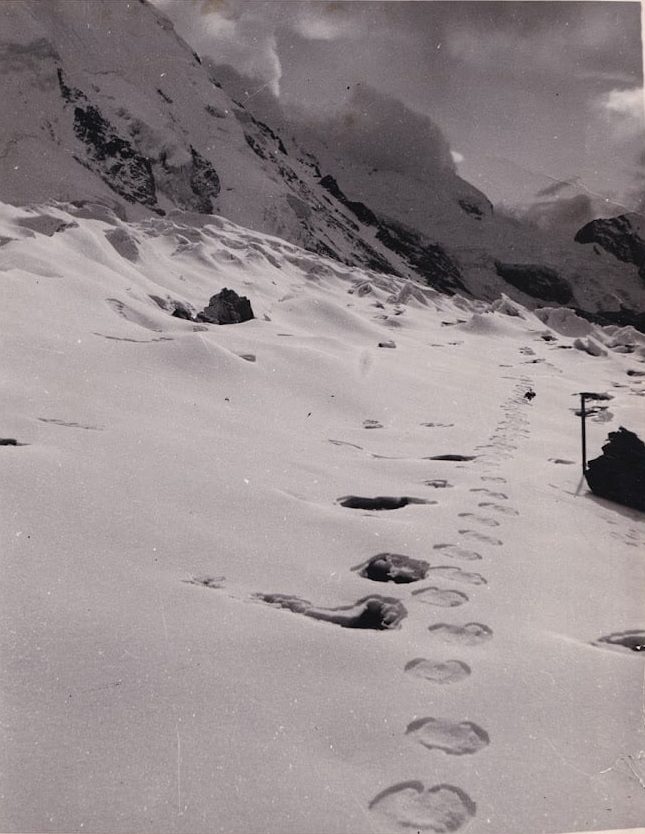
They suggest presence without confrontation — a body that was there, but no longer is. In high mountain places, where weather erases evidence quickly and distances distort scale, a single line of tracks can feel profoundly unsettling. It is no surprise that the Yeti, more than almost any other cryptid, has been defined not by clear sightings, but by impressions left behind.

The Yeti does not announce itself. It lingers at the edge of vision, half-formed in snow, mist, and memory.

The First Western Encounter

The modern Western story of the Yeti is often traced to 1921, during a British reconnaissance expedition to Mount Everest led by Charles Kenneth Howard-Bury. While crossing the Lhakpa-La pass at around 20,000 feet, members of the party observed dark figures moving across a distant snowfield. They also noted a trail of large footprints, unlike those of any animal they recognised.

Local guides described the tracks as belonging to something known in regional folklore. Through mistranslation and embellishment, this was rendered in Western newspapers as the “Abominable Snowman” — a phrase that would stick, despite being at odds with the more nuanced local descriptions. Some researchers have since suggested that elements of the original terminology may have referred more generally to wild or bear-like creatures, an ambiguity that would echo through later attempts to categorise what was seen.

What is striking about these early reports is how restrained they were. There was no claim of attack, no dramatic encounter. Just distance, scale, and uncertainty. Something large had crossed the snow.

Images are sourced from Unsplash, Pexels, or other royalty-free libraries where possible. Where not, credit is given to the original creator when available. Some images may be used under fair use for commentary or educational purposes. If you are the rights holder and have any concerns, please contact me for prompt credit or removal.

One Name, Many Creatures

One of the enduring problems in Yeti research is the assumption that it refers to a single, clearly defined animal.

Across the Himalayan region, different cultures describe different beings: some tall and upright, others smaller and more animal-like; some solitary, others encountered in pairs; some associated with high snowfields, others with dense forest. Hair colour, gait, and behaviour vary widely between accounts.

Rather than weakening the Yeti legend, this diversity strengthens it.

It suggests that “Yeti” may be a category rather than a creature, a name applied to unfamiliar encounters in extreme environments. In this sense, the Yeti functions much like other global wild-man traditions: a boundary figure, occupying the blurred edge between known animals and imagined ones.

Where the Yeti Really Lives

Popular imagery places the Yeti high on frozen ridgelines, silhouetted against endless snow. In reality, this is one of the least likely places for a large, undiscovered mammal to live year-round.

Modern thinking increasingly suggests that if a Yeti-like animal exists at all, it would spend most of its life below the snowline, in remote forests and rugged valleys where cover, food, and shelter are more reliable. Seasonal crossings of high passes could account for the famous footprints, while keeping the creature largely hidden for the rest of the year.

This reframing does not make the Yeti less mysterious, it makes it more plausible.

Footprints, Photographs, and the Problem of Proof

The most famous Yeti evidence remains the footprint photographs: oversized impressions in snow, often distorted by melt, refreeze, and shadow. These images have been endlessly reproduced, debated, and dismissed.

But footprints are inherently deceptive. Snow stretches, collapses, and reshapes under weight. Familiar animal tracks can appear enormous under the right conditions. Perspective plays tricks in featureless landscapes.

It is also worth noting that some famous Yeti evidence has been questioned long after the fact. In a handful of cases, relatives or associates of expedition members later suggested that footprints may have been exaggerated, staged, or misinterpreted. Claims that emerged decades after the original events, often when those involved were no longer alive to respond.

Whether these retrospective doubts reflect new information, fading memory, or a desire to impose rational order on unresolved stories is difficult to say. What they do illustrate is how cryptid encounters rarely end when the expedition does. They continue to evolve, shaped by cultural pressure, reputation, and our collective discomfort with uncertainty.

The footprints endure not because they are conclusive, but because they resist tidy explanation.

From Mystery to Caricature

Once the phrase “Abominable Snowman” entered Western culture, the Yeti’s fate was largely sealed. It became a creature of novelty and spectacle, sometimes threatening, often comic.

Films and television leaned into this transformation, from light-hearted moments in One of Our Dinosaurs Is Missing, to outright creature features like Abominable, and later family-friendly reimaginings such as Smallfoot.

Entertainment keeps the Yeti visible, but it also flattens it. Complexity gives way to costume. Mystery becomes marketing.

Modern adventure shows, including series like Expedition Unknown, walk a sometimes not-so-careful line between curiosity and spectacle. They undoubtedly keep public interest alive but in doing so, they risk turning genuine mystery into a checklist of expected outcomes.

A Monster That Refuses to Settle

Perhaps the Yeti’s greatest strength is its refusal to be pinned down.

It does not fit neatly into zoology, folklore, or fiction. It shifts between categories depending on who is looking, and from where. In this way, the Yeti mirrors the landscapes it is said to inhabit. Places where maps end, weather dominates, and certainty is a luxury.

The Yeti endures not because it has been proven, but because it remains unresolved. A set of footprints leading out of sight. A shape moving where nothing should be. A reminder that even in the modern world, there are still edges we do not fully understand.

If you enjoy this kind of grounded monster storytelling, my novels explore similar themes of wilderness, fear, and folklore, where the line between the known and the unknown is rarely clear.

🎬 Movie Monday: When Real Animals Became Movie Monsters

Stories have always borrowed from the natural world, sometimes consciously, sometimes not.

Movie Monday is a new, occasional series exploring where cinema, wildlife, and myth overlap: the real animals, behaviours, and biological truths hiding behind some of our most enduring screen monsters.

It sits alongside Monster Monday and Maneater Monday — different lenses on the same question: why certain creatures, real or imagined, refuse to loosen their grip on us.

We like to believe that cinema monsters are born from imagination alone… nightmares made flesh, conjured by writers staring into the dark.

But again and again, the truth is stranger.

Some of the most iconic creatures in film and fiction didn’t come from myth at all. They came from nature, from animals whose behaviours were already so efficient, alien, or unsettling that they barely needed exaggeration.

Filmmakers didn’t invent these monsters.
They recognised them.

👹 Predator: insects, instinct, and a moment at 30,000 feet

The creature in Predator is often remembered for its technology: cloaking devices, shoulder cannons, thermal vision, ritualised hunting codes.

But strip all of that away and you’re left with something far older.

During early development, legendary creature designer Stan Winston was struggling to finalise the Predator’s look. While flying with James Cameron, he talked through the problem, and it was Cameron who suggested a simple, unsettling solution: give it mandibles.

That single idea changed everything.

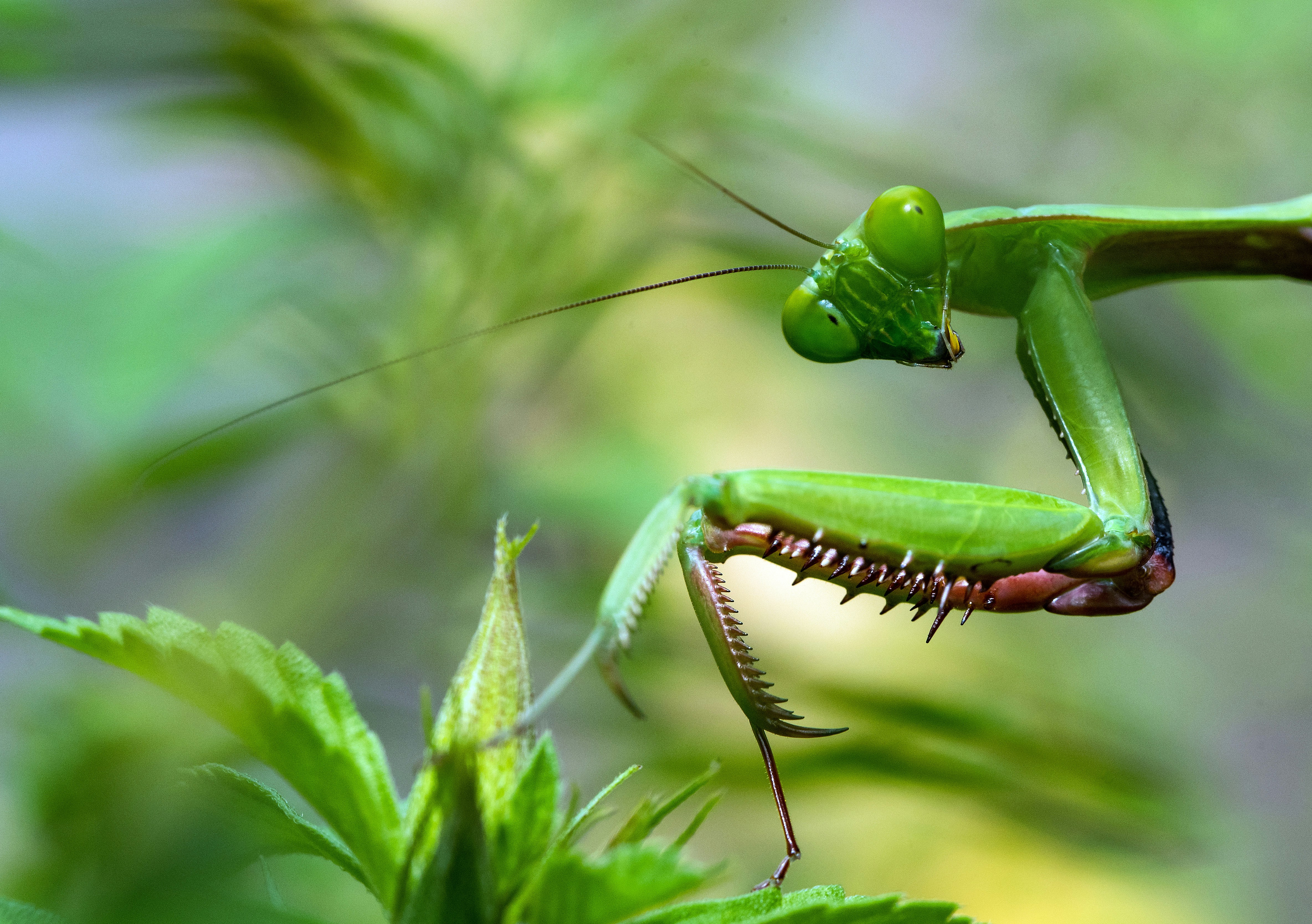
Designers have since acknowledged the influence of insects, particularly praying mantises, in the Predator’s face and posture. Forward-facing eyes. Mandible-like jaws. A head shaped for tracking and striking rather than expression or empathy.

Mantises already look extraterrestrial to us. They rotate their heads. They calculate distance. They dismember prey with methodical calm.

Even the creature’s voice reinforces this lineage. The distinctive clicking and chittering sounds were created by Peter Cullen, deliberately leaning into insect-like vocalisations rather than anything recognisably mammalian or humanoid.

The Predator doesn’t invent that fear.
It scales it up, arms it, and releases it into a jungle.

What remains, beneath the tech, is an apex ambush hunter — something we instinctively recognise, even if we can’t quite place why.

👽 Alien: nature’s most efficient horror machine

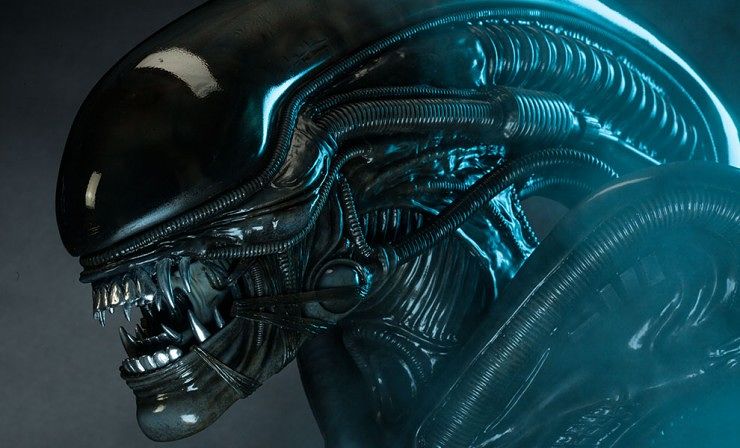
The creature in Alien remains one of cinema’s most disturbing designs because it feels biological. Every stage of its life cycle obeys a logic — parasitic, efficient, and utterly indifferent.

That’s because it draws from multiple real-world inspirations.

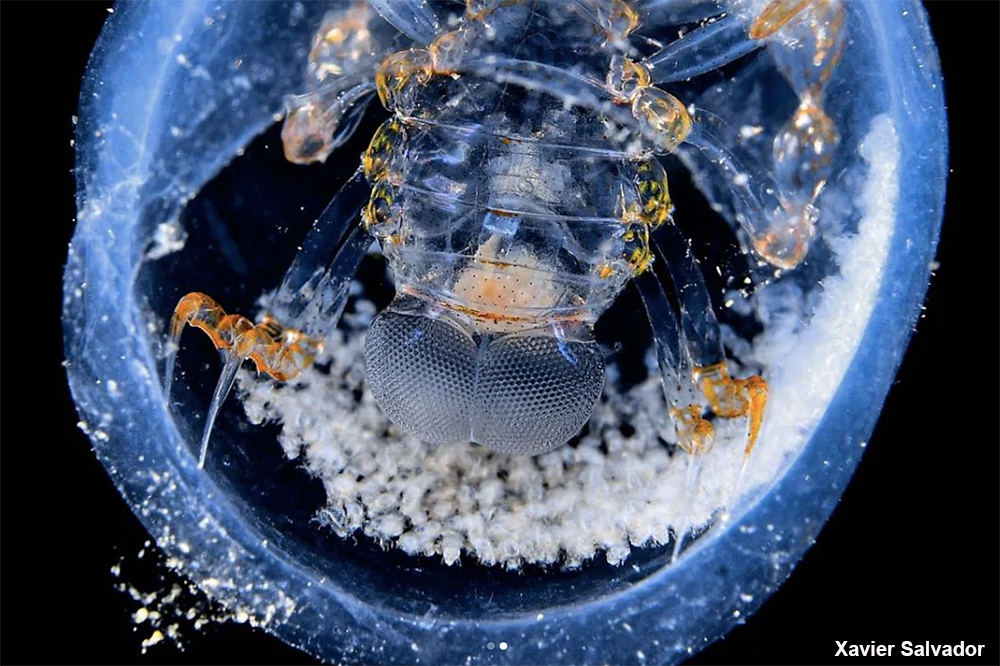
One is the deep-sea amphipod Phronima sedentaria, sometimes called the “monster in a barrel.” This tiny crustacean hollows out gelatinous animals, lives inside their emptied bodies, and uses them as both shelter and nursery. It’s parasitism turned architectura.

Image Credit: Xavier Salvador

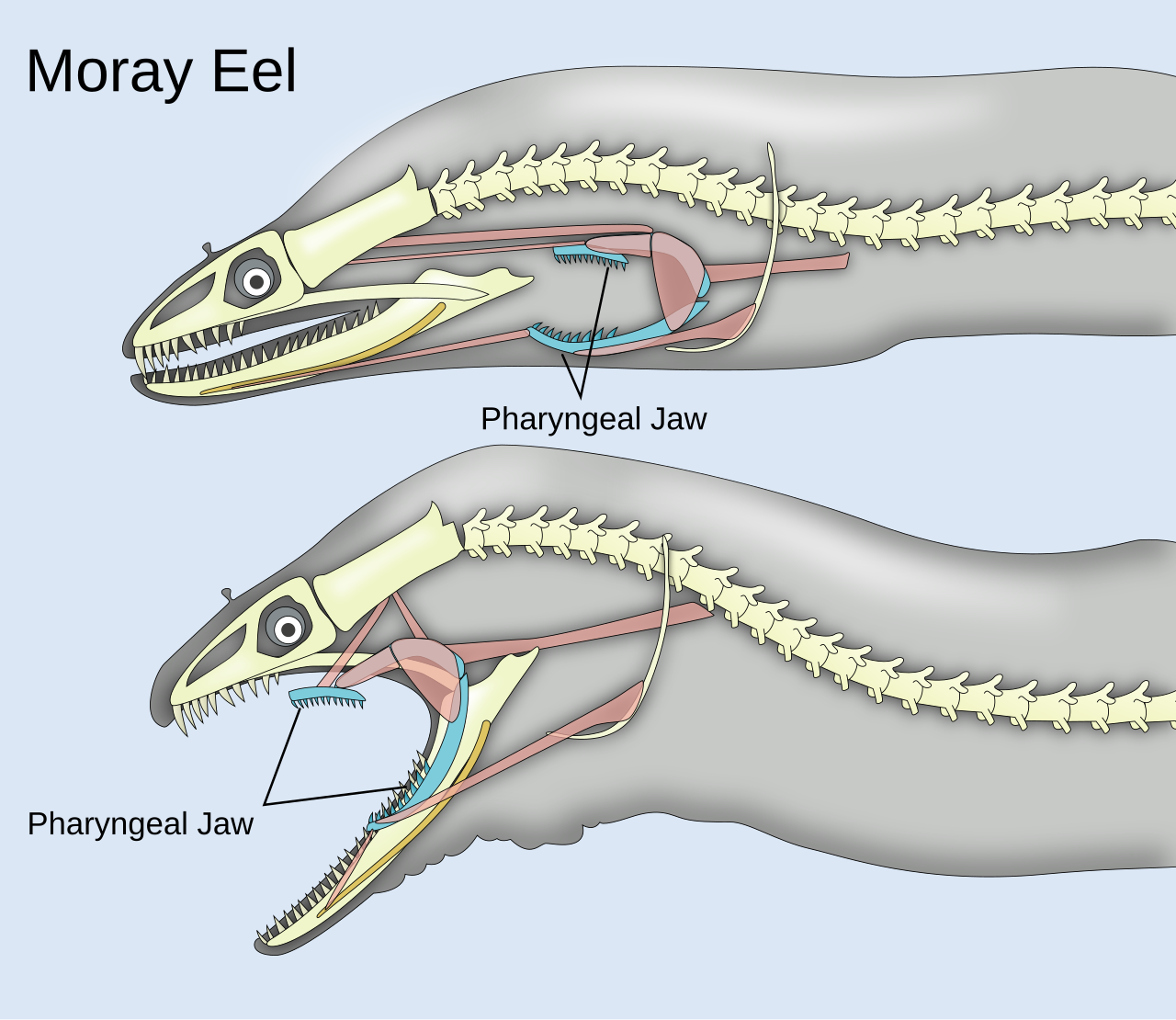
Then there’s the Alien’s inner jaw, eerily similar to the pharyngeal jaws of moray eels, a second set of jaws that shoot forward from the throat to drag prey deeper inside the body. Watching one in action feels like watching a design error, until you realise how brutally effective it is.

Image Credit: Wikipedia.

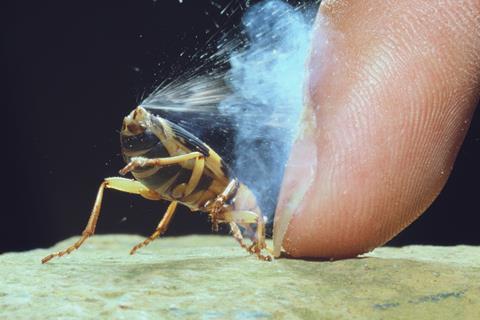
The acid blood? That has uncomfortable echoes of the bombardier beetle, which stores volatile chemicals in separate chambers and mixes them only when threatened, releasing a boiling, corrosive spray with startling precision.

Even the facehugger carries a lineage. Its spidery grip, tail wrap, and underside anatomy closely resemble the ancient horseshoe crab, a creature so old it predates dinosaurs, and so alien it barely seems terrestrial at all.

Alien isn’t fantasy biology.
It’s biology… refined.

🧛 Dracula: when bats became monsters

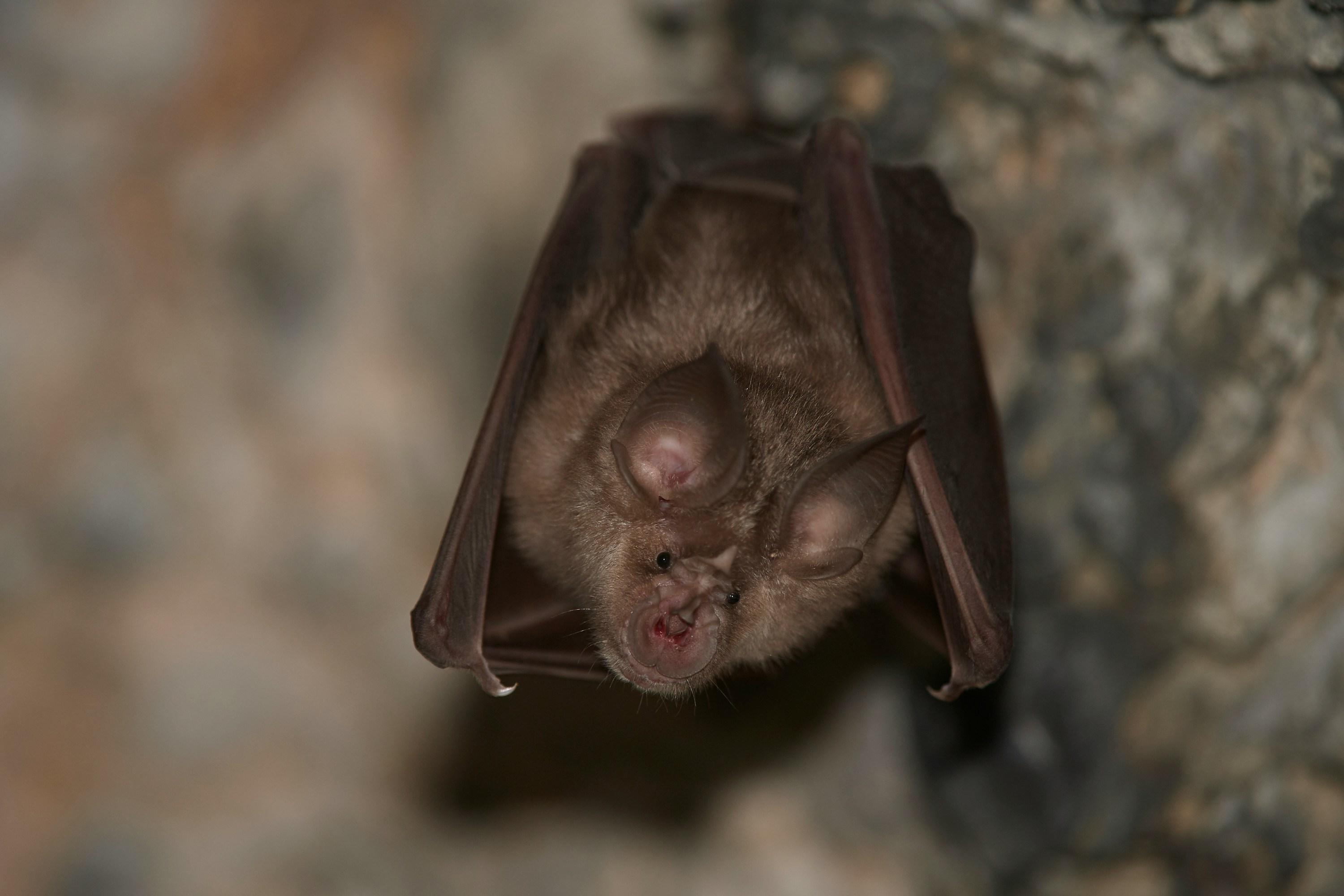
While working on Dracula, Bram Stoker encountered a New York newspaper clipping describing vampire bats – small, blood-feeding mammals that had been newly “discovered” by Western science and already framed as unnatural horrors.

They didn’t drain victims dry, as legend claimed. But they did feed silently, painlessly, and in the dark. They made small incisions, returned night after night, and relied on anticoagulants to keep blood flowing.

That was enough.

Stoker fused this real behaviour with Eastern European folklore, and suddenly vampirism became biological as well as supernatural. Dracula wasn’t just cursed — he fed, adapted, survived.

Once again, fear took root because it had a foothold in reality.

🦈 Jaws: the predator we misunderstood

Jaws didn’t invent the fear of sharks, but it magnified it catastrophically.

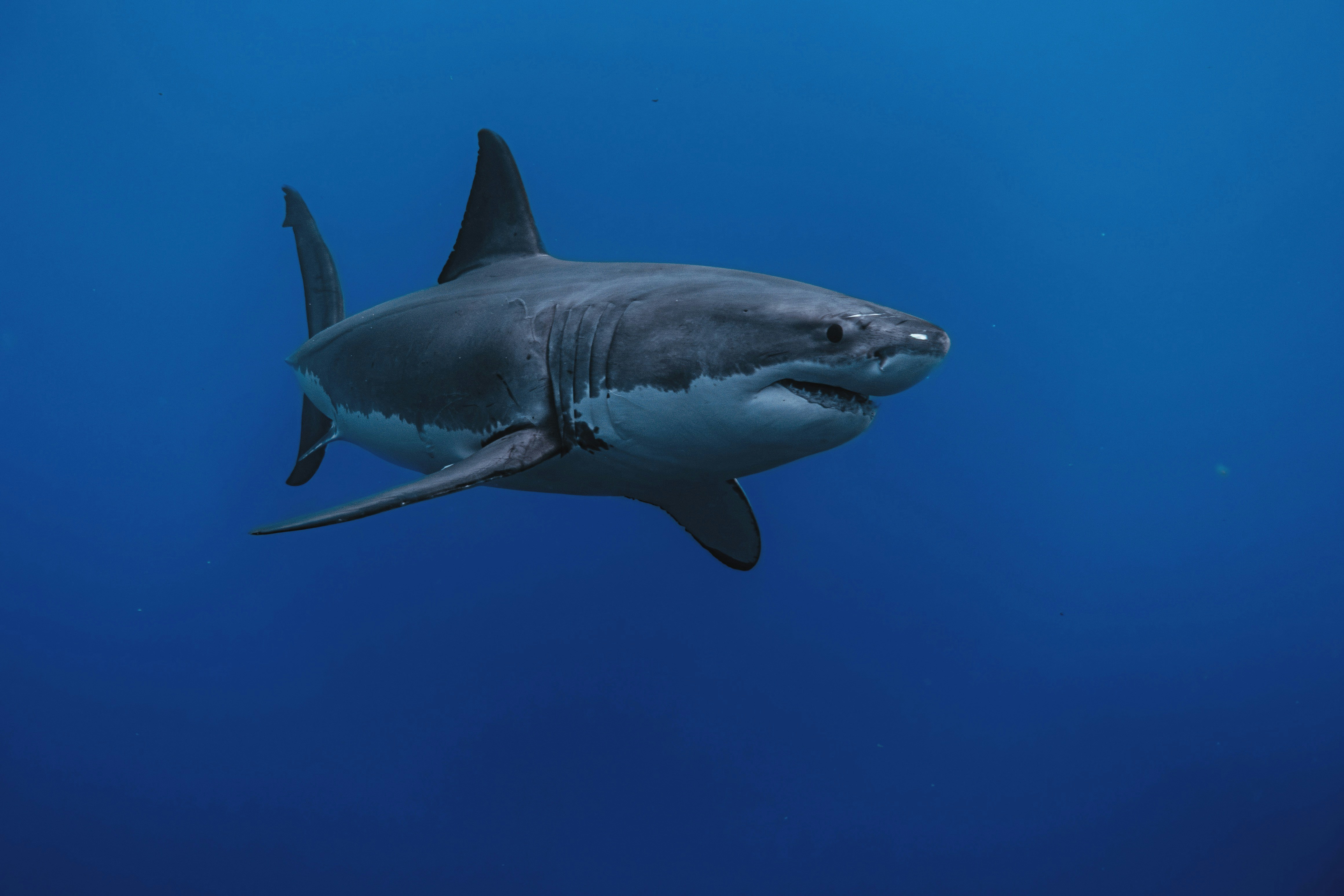
The great white shark is a powerful apex predator, yes. But it is also cautious, energy-efficient, and rarely interested in humans. Most bites are investigative, unfortunate cases of mistaken identity.

In Jaws, however, the shark becomes something else entirely: territorial, vengeful, strategic. It stalks specific individuals. It understands fear.

The exaggeration worked, all too well. The film permanently altered public perception of sharks, contributing to fear-driven culls and a legacy of misunderstanding that conservationists are still trying to undo.

It’s a reminder that when cinema borrows from nature, it doesn’t always give back responsibly. I am working on my own shark-based story, and will have to try and be as respectful as I can with the subject matter.

🍄 The Last of Us and the zombie ant fungus

The monsters of The Last of Us, from the video game and then brought chillingly to life in the HBO series, feel plausible because they already exist.

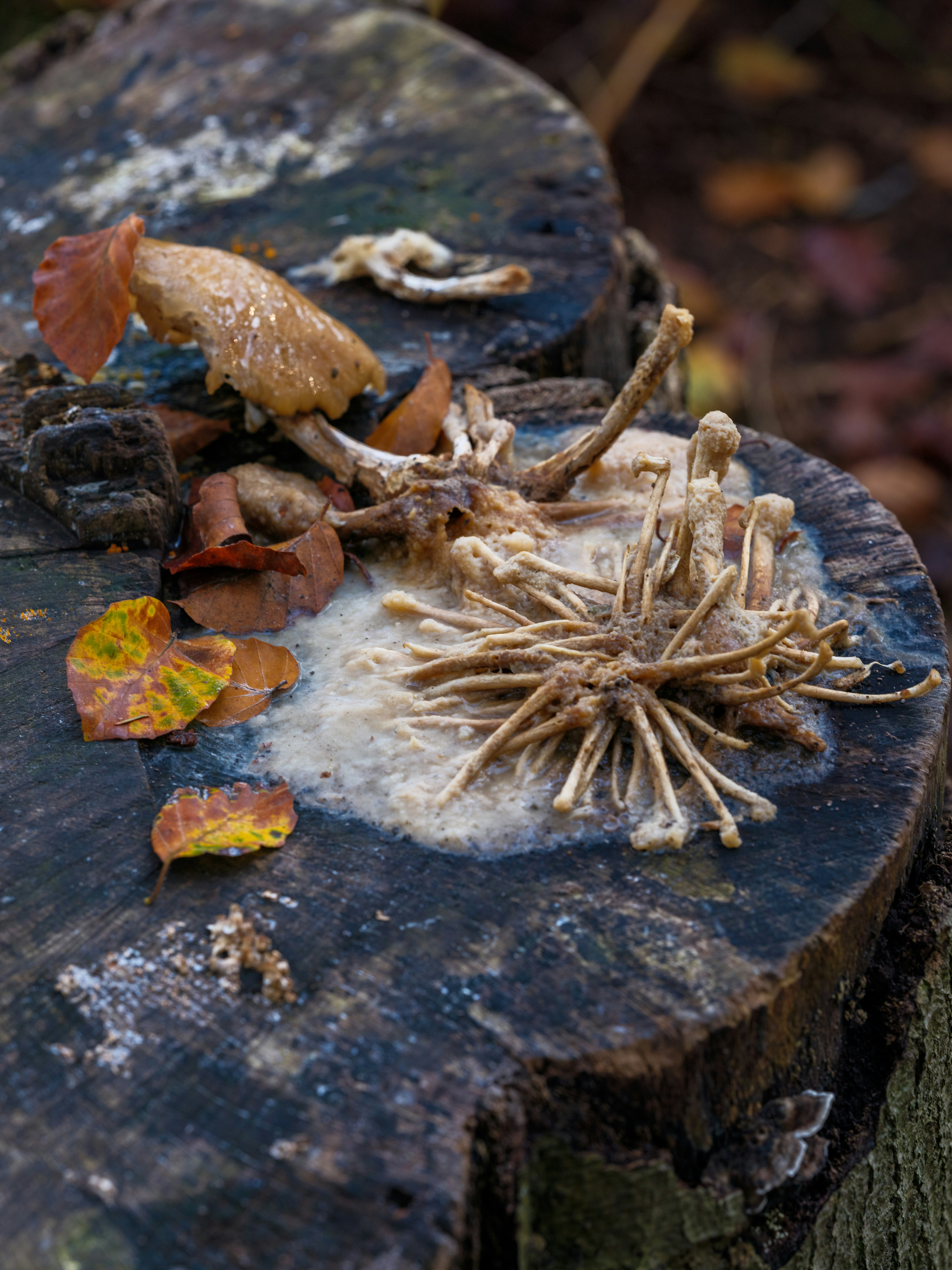
Ophiocordyceps unilateralis infects carpenter ants across tropical forests. Once inside, the fungus alters the ant’s behaviour, compelling it to climb vegetation and clamp down with its mandibles.

Then it kills the host.

A fungal stalk erupts from the ant’s head, releasing spores onto the forest floor below, perfectly positioned to infect the next generation.

There’s no rage. No hunger. No malice.

Just control.

The horror of The Last of Us lies not in the fantasy of zombies, but in the quiet realisation that free will is not as secure as we think.

🪱 Tremors: ambush predators beneath our feet

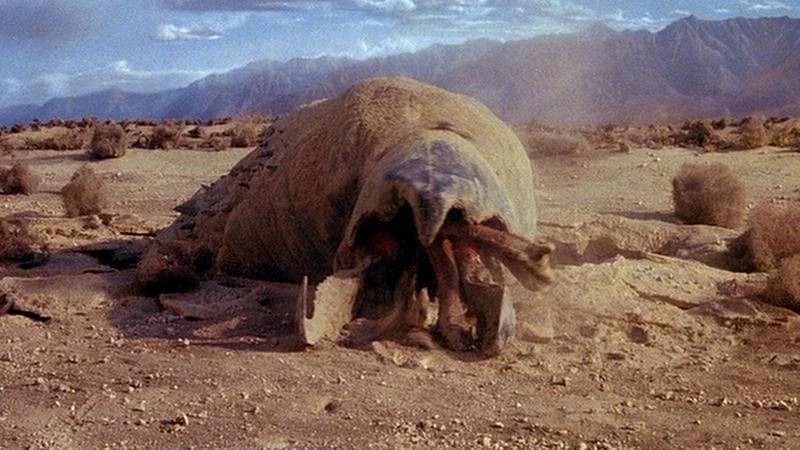
The graboids in Tremors feel absurd, until you consider how many real animals hunt exactly this way.

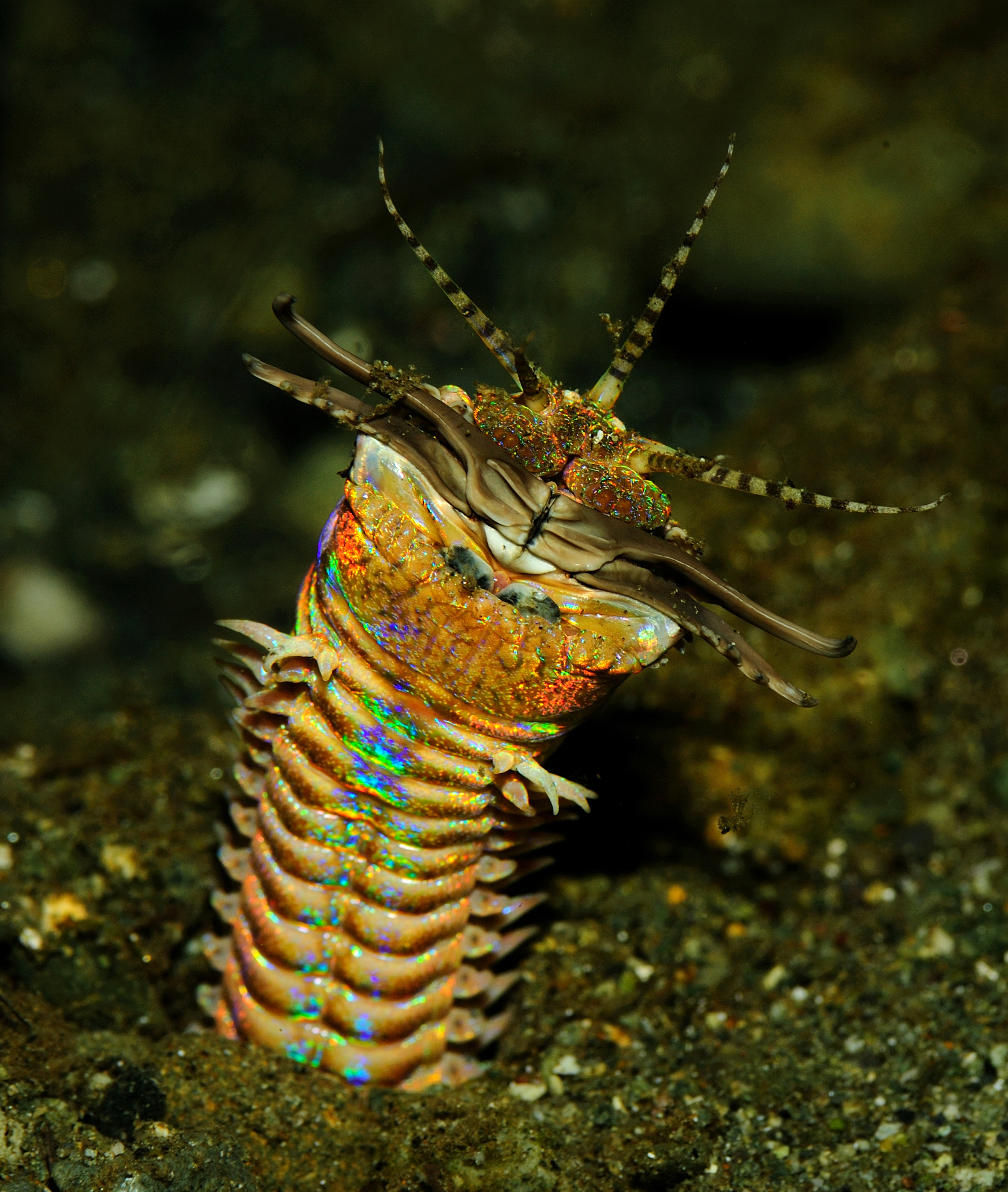
Trapdoor spiders wait motionless beneath the soil, sensing vibrations before exploding upward to seize prey. Bobbit worms bury themselves in sand, striking with astonishing speed, sometimes slicing fish clean in half.

Image Credit: Wikipedia.

Both rely on:

  • Vibration detection
  • Ambush rather than pursuit
  • Minimal exposure

The genius of Tremors is that it makes the ground itself hostile. The monsters don’t chase — they wait.

Which, biologically speaking, is often far more efficient.

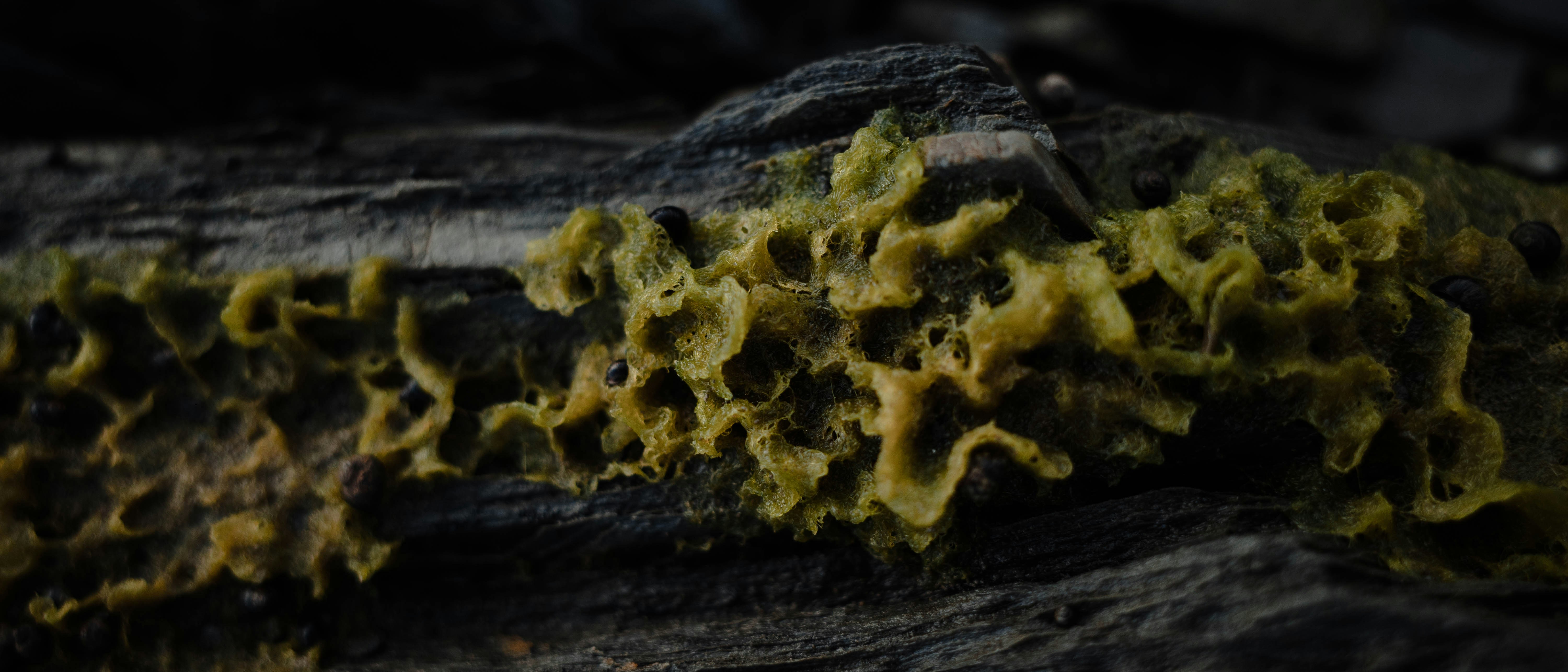
🟢 Slime moulds and The Blob

Slime moulds aren’t fungi. They aren’t animals. They’re something else entirely, capable of learning, problem-solving, and forming efficient networks without a brain.

They flow. They engulf. They adapt.

The creature in The Blob exaggerates this into apocalyptic form, but the unease is justified. Slime moulds already challenge our definitions of intelligence and individuality.

They don’t hunt.
They spread.

Why these monsters endure

The most effective movie monsters don’t break the rules of nature.

They obey them too well.

They feed, reproduce, adapt, and survive. They don’t hate us, they don’t even notice us! And that’s what makes them frightening.

Nature doesn’t need motivation.
Only opportunity.

Wherever possible, I use freely available images sourced from platforms such as Unsplash and Pexels, or other royalty-free image libraries, in accordance with their respective licences. In cases where images are not sourced from these platforms, I make every effort to credit the original photographer, artist, or rights holder where attribution information is available. Some imagery may be used under fair use principles for the purposes of commentary, critique, education, or illustration, particularly in relation to wildlife, history, film, folklore, or cultural discussion. No copyright infringement is intended. If you are the rights holder of an image used on this site and have any concerns, or would like an image to be credited differently or removed, please get in touch and I will address the issue promptly.

🎁 The Ultimate Christmas Gift Guide: Which Luke Phillips Book to Give (and to Whom)

There’s something undeniably magical about giving a book at Christmas. A wrapped story is more than paper and ink, it’s an invitation. A doorway. A promise of cold nights, cosy lighting, and long stretches of quiet where the imagination is allowed to run truly wild.

And if you’re here, you’re probably searching for the perfect book to give to the creature-feature fan, the folklore-obsessive, the horror lover, or simply the reader in your life who enjoys stories a little off the beaten path.

My novels all sit at the crossroads of thriller, horror, myth and wild nature, blending cryptozoology with real-world conservation themes, the uncanny with the grounded, the monstrous with the deeply human. But each book scratches a slightly different itch…

So here’s my Christmas gift guide, pairing each book with the type of person who will enjoy unwrapping it most.

📚 Shadow Beast — For the New Horror Explorer

Perfect for:

  • Someone dipping a toe into horror or cryptozoology
  • A reader who loves a slow build and creeping dread
  • Fans of folklore, rewilding, or deep-woods atmosphere

Why it’s the ideal gift:
Shadow Beast is the best entry point into my world. It begins with unsettling glimpses, unanswered questions, whispers in the dark… before escalating into a full-blown nightmare. It’s intentionally atmospheric – the kind of book you can read by a fireplace while the wind rattles outside… if you dare!

If the person you’re gifting loves the idea of mystery, night forests, and the “what if?” of British big-cat legends, this is the perfect starting place.

📚 The Daughters of the Darkness — For the Reader Who Wants Something Darker

Perfect for:

  • Fans of true horror
  • Readers who enjoy expanding mythologies
  • Someone who wants the stakes (and fear) dialled up

Why it’s the ideal gift:
This is the sequel to Shadow Beast, but it stands tall on its own terms. The tension is sharper, the threat more immediate, the world bigger and more dangerous. If someone you know is a fan of darker, more intense horror, or perhaps has an interest in historical man-eaters, then slide this under their tree.

Daughters is also a great pick for the person who loves folklore that mutates, legends with teeth, and stories that delve deeper into the shadowed corners of the natural world.

📚 Phantom Beast — For the Reader Who Loves Creature Thrillers with Depth

Perfect for:

  • Anyone who loves cryptids, wildlife thrillers, or remote-landscape horror
  • Readers who enjoy stories that sit between realism and myth
  • Fans of atmospheric, ecology-rooted creature features

Why it’s the ideal gift:
Although Phantom Beast is the third book in the wider Beast universe, it works just like a Reacher or Jack Ryan novel — a complete, self-contained story that can be read entirely on its own.

This book leans into the atmospheric landscapes of Wyoming, folklore-tinged tension and a creeping sense of the uncanny. It also introduces key characters (including Nina Lee) who appear in Rogue, but you don’t need to have read anything beforehand to enjoy it.

If you’re gifting someone who loves:

  • western-style adventures like Yellowstone, but with a twist
  • creature mysteries
  • survival stakes
  • or the “speculative but could-it-exist?” type of thriller

…then Phantom Beast is an excellent pick. It’s rich, eerie, and adventurous — perfect for a winter’s night escape into the unknown.

📚 Rogue — For the Cryptid Enthusiast, Bigfoot Believer, and Creature-Feature Diehard

Perfect for:

  • Fans of Bigfoot lore and cryptozoology
  • Readers obsessed with Bigfoot, lake monsters, or animal-myth lore
  • Anyone who loves nature-driven horror
  • Readers who love mysterious wilderness creatures
  • Anyone obsessed with speculative biology and animal myths

Why it’s the ideal gift:
Rogue is your dedicated Bigfoot-horror novel — the most direct dive into a classic North American cryptid myth. It champions everything people love about Sasquatch stories: the isolation, the danger, the uneasy feeling that something colossal is watching from the treeline.

If you know someone who spends too much time on Bigfoot Reddit threads, watches every creature documentary they can find, or always roots for the animal in horror movies — this is the one.

Although it links to the wider Beast universe (with Nina now leading the way), Rogue is still completely approachable as a standalone, and makes a perfect first step for readers who want to jump straight into a pure cryptid nightmare without needing any prior series knowledge.

If you know someone who devours documentaries, listens to Bigfoot podcasts, or would happily spend Christmas lost in a forest surrounded by legends — Rogue will hit all the right nerves. “safe but exciting” choice — a solid pick that appeals broadly without losing the creature-thriller edge.

🎯 Quick Guide — Who Gets What?

  • For someone new to cryptid horror? → Shadow Beast
  • For a horror lover who wants the intensity turned up? → The Daughters of the Darkness
  • For the wildlife nerd or folklore fan? → Phantom Beast
  • For a real creature-feature and conspiracy theory fan? → Rogue
  • For someone who loves anything weird, eerie, or atmospheric at Christmas? → Truly, any of them.

🎄 Wrap It Well, Gift It Right

If you really want to make the gift feel special, here are some ideas:

  • Pair the book with a cosy blanket and label it “For atmospheric winter reading.”
  • Add a notecard referencing the creature or theme of the book.
  • Include a bookmark, maybe something rustic, wild, or forest-themed.
  • Slip the book into a stocking with hot chocolate sachets or spiced tea.
  • Or, in the case of Rogue, maybe something from the Dr Squatch range! (not gifted or affiliated, just an idea!)

Books make personal gifts, but creature-thrillers at Christmas? They’re unforgettable.

If you want to browse all titles in one place:
👉 Luke Phillips Author Page on Amazon

Shadow Beast – The School Attack (Chapter Tuesdays)

I recently picked up a 50th anniversary copy of James Herbert’s ‘The Rats’ – a series of books I was borderline obsessed with when I discovered them in my early teens. Despite being slightly alarmed at the inappropriate content that I somehow missed as a kid, and wouldn’t get past an editor’s desk these days (a teacher thinking of 14-year old girls as crumpet!), it still has me gripped no matter how many times I’ve read it.

In ‘The Rats’, the first of the trilogy, there is a harrowing scene of a school under siege – something I wanted to pay homage to in my own first novel, Shadow Beast.

If you’ve yet to read Shadow Beast, there are some mild spoilers hinted at in this chapter, but not completely given away.

I’ve always had a vision that if the book were ever made into a movie or a series, at least one of the scenes from this chapter would feature ‘Bless the Beasts and the Children’ by The Carpenters playing over the muted action – perhaps as the beast stalks past the classroom windows in slow motion, it’s gruesome prize carried in its jaws.

So, here, in a hopefully to become relatively regular feature I’m naming ‘Chapter Tuesdays’ – here is my homage to classic British horror.

Chapter Twelve

Louise Walsh looked out over the playground from her classroom window. The afternoon play break was nearly over, and she watched as the children finished up their games of chase and hopscotch. A small group of them huddled in one corner, no doubt playing on their portable games machines. At least they’re out in the fresh air, she thought. The small primary school in Cannich was a beautiful stone building that had originally been a church. The traditional layout had been put to good use, with the three rooms that came off the main hall now serving as the classrooms for the different age groups the children were separated into.

Louise had the eldest group – the nine to eleven year olds. Her elder colleagues, Mrs. Jones and Mrs. Henderson, took the younger groups of the fives and the sevens. Amongst other things, Louise was also the acting Headmistress. With such a low intake of children and small classes anyway, there was no need to appoint someone separately in a permanent position. They had run the school like this for two years and it worked well enough.

Being the youngest of the three women, Louise had at first encountered a great deal of subversive hostility, and a two-faced attitude from the older women she found herself working with. The fresh ideas she had brought with her from the London inner-city schools had received a warm welcome on the surface, but had been constantly stalled when she had tried to put them into action. On more than one occasion, she had returned from a difficult day to her small, one-bedroomed cottage and burst into tears with thoughts of returning home to the south. But sticking to her guns on her good days had seen her through, and she now wouldn’t change Cannich for anywhere else in the world.

She picked up her whistle, and walked out of the classroom through the big double doors of the empty hall into the playground. It was a crisp winter’s afternoon and the sun was beginning to burst through a cloudbank. She looked up onto the mountains surrounding the village. If the weather holds, I’ll go for a walk and clear my head, she thought. There was only another forty-five minutes of school left. The overdue marking and reports on her desk could wait. She had all weekend after all. She looked up again to the ridge of the nearest mountain, lifting her hand to shield the glare of the sun from her eyes. She could now see that there was a lot of activity up on the mountainside, and whole parts of the forest seemed to be moving although she couldn’t make out any individual people. I wonder what’s going on, she thought as she heard the buzzing of a helicopter in the distance.

~

Thomas opened up the back of the Overfinch and helped Meg jump down onto the ground. The forest car park, which had been empty yesterday, was now almost full with Army and police cars, some of which sported large radio antennas. The Jaguar saloon had also rolled in behind them. No one had got out of the car though. The Major-General came over to Thomas. 

“I’ve asked some of the Army dog handlers to follow in behind you,” he said. “They’ll follow your lead, and will be under your command. This is new territory for them, so we’re all looking to you really.” 

Great, thought Thomas with some concern, although he managed a weak smile anyway. He could see four men with German shepherd dogs standing near one of the trucks. A young soldier in a beret ran up to them and saluted the Major-General.

“Major-General Sir, we’ve finished the first sweep and found nothing so far. The snipers are on hold and it’s safe for the dog team to move in.”

“Thank you Corporal,” replied the Major-General. “So Mr. Walker, it looks like you have your leave. I’ll introduce you to the dog team.”

Thomas followed the Major-General across the car park. The dog-handlers were all wearing the red berets of the British Military Police. As he looked around, he noticed the green berets of the Royal Marine Commandos gathered around a Land Rover with a large radio mast. The other soldiers were from the 3rd Battalion Royal Regiment of Scotland, based at Fort George. It didn’t escape Thomas that they had been well known for their involvement in operation PANTHER’S CLAW in Afghanistan. He wasn’t sure if it was irony, fate or just some marketing officer who was laughing at him right now. 

Major-General Fitzwilliam returned the salutes he received as they neared. 

“Sergeant Brodie, this is Thomas Walker. He’ll be leading your team and giving you some insight into your quarry. He has experience with this kind of dangerous animal, so take his advice seriously.”

“Yes sir.” Brodie answered.

The sergeant’s smile seemed genuine, and there didn’t seem to be any question or mistrust in his expression. He looked down to see Meg earnestly leaning in to the sergeant’s German shepherd dog, her tail wagging as she licked at its nose in an exuberant fashion. The big dog looked to his handler in confusion, completely unsure how to react to the friendly newcomer. 

“Meg has been trained to follow trails and has plenty of experience tracking cats. She’ll let us know if she’s onto something. Keep your dogs on the lead. We know it’s a dog killer and it’s not my intention to put any of them, or us for that matter, in harm’s way. We’ve just got to find it,” Thomas explained to the group of soldiers. He noticed the rifles slung over their shoulders and winced as he realised his was still in the car. 

“Sergeant Brodie, do you mind holding Meg for a second. I’ve been given permission to bring my rifle and I need to get it from the car.”

The sergeant nodded, his smile suggesting he recognised Thomas’s nervousness. Thomas trotted back to the Overfinch, trying to stifle his urge to run. He felt like he was back at school, trying to impress the older boys on the rugby field. When he returned, he found Sergeant Brodie down on one knee, both he and the big German shepherd making a fuss over Meg. He smiled and felt his walk slow a little as he relaxed. She had always been better with people than him, cutting through any formalities with a confident wag of the tail. 

“Nice gun,” nodded the sergeant. 

“Thanks,” replied Thomas with a little pride. “Let’s hope I won’t need it.”

~

The creature had dozed lazily for some time in the sunlight. It had found a fallen tree that had become hollow, offering warm, dry shelter after it had fed, as well as a comfortable place to sleep. It licked its muzzle as it raised its head. It stood up, arching its back and stretching its stiff muscles as it spread its paws against the ground. It turned its attention to the log and left deep, long scratch marks in the damp, dead bark. As it exerted a little more pressure, part of it splintered and broke away. The creature swatted playfully at the log now, rolling it back and forth with its paws and smashing it carelessly with its own weight as it clambered on top. The soft shards of rotten bark would still make a comfortable bed. The creature rubbed the ground with the sides of its face. As it trotted forward, it lifted its tail and squatted, spraying the area with a potent blend of urine and a secretion from its scent glands. 

Satisfied the new extension to its territory had been marked, it became aware of its thirst and disappeared into the bracken. Its tail flicked casually above the greenery as its head emerged through a hole in the brush to drink from the mountain stream. It drank steadily and enjoyed the rejuvenating taste of the fresh water. It suddenly lifted its head, completely alert. Its ears pricked forward and it scanned the ridge and tree line behind it. Strange sounds echoed through the woods, the same noises that had driven it to this side of the mountain earlier. As it picked up the barks of the dogs, it slunk back into the bracken. It bounded with silent ease out of the trees and foliage. It looked towards Glen Cannich, the loch and nearest of all, the village itself. It listened intently to the sounds floating up the hillside. Having slaked its thirst, it began to heed its body’s next need and padded forward, heading towards the farms and buildings below.

~

Meg was enjoying herself. She strained on the lead and was pulling Thomas along like a locomotive. Her occasional yelps of excitement were met with the same response from the army dogs behind. Thomas and the soldiers encouraged them further into bouts of barking, and he was glad they understood their role as both noise makers and trackers. He hoped to drive the cat from cover, especially if it was lying up, as most of its kind would during the day. They had left the pathways of the forest behind, and were now working their way up a steep ridgeline with a thick cover of bracken and overhanging trees that formed a narrow, natural track to the west. Meg stopped at the crest of the ridge and barked in triumph at the edge of the bracken. Thomas had suspected she’d had something on the nose as they steamed up the hill, and now he was certain of it. A dog searching for a scent would have zigzagged to find it.

Meg stared intently over the bracken. She stood, balancing precariously as she stretched her muzzle out over the brush. Her ears lifted and she let out a whine of unease. Thomas knew she couldn’t see over the bracken and was less sure of herself now. She flattened herself against the ground and looked up at him. He knew this meant that she wanted to be carried and was afraid of something. Slightly more alert, Thomas carefully peered down the mountainside. Nothing stirred or seemed out of place. He tugged at Meg’s lead gently and she took the hint, getting to her feet again. After a quick glance behind her to check the German shepherds were still close, she trotted forward, this time sticking to Thomas’s side on a slack lead as they headed down the ridge.

~

Louise blew hard on the whistle and slowly the sounds echoing around the playground began to soften and fade. Games drew to a halt and the children began to look in her direction.

“Okay children,” she shouted, “form three lines please.”

They separated into their three classes, some slowly packing away their things with exaggerated displeasure that playtime had ended so soon. Out of the corner of her eye, Louise could see Mrs. Jones and Mrs. Henderson making their way across the playground. Hurry up she thought, it’s cold.

~

The creature had edged its way down the mountain, drawing closer to the warm sounds coming from the village. It slunk along the verge and crept up to the stone river that separated Cannich from the mountainside. It paused, hesitating to enter the new environment. It watched and waited, making sure there was no danger here. Its unease lifting, the creature bounded effortlessly across the warm dry surface and over a wall on the other side. It found that the hard ground naturally silenced its footfalls, and it slipped from shadow to shadow as it followed a tree-lined hedgerow. It heard the two female animals chattering on the other side of the hedge and stalked closer. It could sense their frailty in their laboured breathing and padded nearer. They were sitting on a flat piece of dead wood, and had not heard the creature’s approach. Just as it began to flank them, its nostrils were stung by the strong opium scent that hung about them like a cloud. Its lips wrinkled in distaste and it changed course back along the hedgerow. As it rounded a bend, it picked up the sounds that had first roused its curiosity. It padded silently between two stone columns and froze as it saw movement ahead. It had found its prey.

~

Thomas worked his way down the ridge with the Army dog team close behind. As they dipped below the tree line, they found themselves on a gentle slope covered with bracken. Snowdrops and wood crocus had begun to break free from the earth but were not quite yet in flower. It was beautiful and silent, except for the babble of a stream farther down. Meg gave three short barks. Her attention was focused on the other side of the bracken and Thomas knew she had found something. He turned and signalled to the soldiers. They all raised their rifles in readiness and began to creep forward. 

~

Aaron Meeks had taken his rucksack off and was putting his games machine into it, when a movement near the gate made him look up. He started to tremble as he watched the hulking creature strut into the playground. He began to shake with fear as he looked around to see if anyone else was watching. He went to call out but found his voice frozen in his throat. He glanced back again to the creature. It had stopped, and was looking straight at him. Its green eyes were fixed on his. As Aaron stared back, he realised the only thing it could be was a monster. He dropped his rucksack and began to stumble backwards towards the other children. The monster lurched forward with a terrible roar that almost knocked Aaron over. This time, the scream came freely as he ran in terror towards his teacher, Miss Walsh. 

~

Thomas and the soldiers spread out over the area where they’d found the smashed trunk and flattened bracken. Thomas could see the clear outline of the bed the creature had used. It reminded him of the grass nests he had seen tigers make in the Sundarbans of India. Meg and the other dogs would not walk onto the bracken or approach the trunk shards, whining uneasily in the presence of the strong territory marking they all could smell. Meg pulled gently on the lead, her nose pointing down the slope. 

“Let’s not waste any time,” Thomas declared, “call the helicopter and let them know where we are, and that it might be heading towards more open terrain to the west.”

Their position was relayed to the camp at the car park to pass on to the helicopter, and they began their descent. The village lay below them as the forest swept to the north over the mountainside and into Glen Cannich towards the loch. He paused for a second as he tried to anticipate the route the cat would take. The forest path seemed the most likely. He was about to tug Meg back that way, when what sounded like a scream floated thinly up the mountainside. As a second wail met them, the real route the cat had taken became painfully clear to him. 

“Oh my God,” exclaimed Thomas in disbelief as the reality struck him. 

He slipped Meg’s leash as did the soldiers with the German shepherds behind. They all began to run down the slope towards the screams.

~

The creature was startled by the sound and movement that suddenly erupted around it. It roared in angry warning as the young animals bolted back towards the older females and the stone dwelling behind them. It pounced instinctively towards the movement in front of it, cuffing the small thing with a swipe of its paw.

Louise watched in horror as something from a nightmare played out before her. She watched as the gruesome, rippling shape sent little Aaron Meeks flying across the playground. He landed in a heap and did not move once he had crumpled to the floor. Before she had time to think, she found herself running, screaming as she streaked towards the boy. Crying out in terror as tears formed in her eyes, she gasped for air and checked Aaron for signs of life. He was still breathing but looked incredibly pale. She turned his head carefully and as she went to pick him up, felt the blood under his clothes. She glanced towards the open doors of the hall, but instinct spun her back round. She stopped dead as she came face to face with something monstrous, and stared into the green flashing eyes of the creature as it stepped towards her, its face distorting into an angry snarl. 

Louise and the creature stared at each other. She felt rooted to the spot, as if she couldn’t move. Instinct tried to pull her away from the hypnotic gaze of the monster. Somewhere in her subconscious, genetic memory of something sinister stirred. It triggered her body, resuscitating movement to her limbs as she took a step backwards and glanced again at the doors behind. Mrs. Henderson ushered in the last of the children, sobbing as they went. She looked desperately towards Louise, but she too was frozen in fear. Louise looked back to the creature. It snarled. The implied menace was clear and guttural this time. It had not come across an open challenge to a meal before, and the snarl was meant as a warning. Louise instinctively knew this, and could see the creature’s intent in its eyes. It wasn’t going to let them leave the playground alive. 

Holding the boy tightly with one arm, she fumbled with the whistle that hung around her neck. Taking a deep intake of breath, she blew as hard as she could on it. It had the effect she was hoping for. The creature leapt back in surprise, roaring again at the unwelcome sound, but putting a little distance between them. She began to edge backwards, the whistle still in her mouth. The creature flattened its ears and lowered its body to the ground as it began to creep towards her. She blew the whistle again as hard as she could. The beast shook its shaggy head in displeasure, spitting a roar at her as she edged back farther. Its anger seemed to seep from it and threatened to root her to the spot again. She felt nauseous and dizzy, but fought her fear as she continued to step back. She blew on the whistle again, but this time the creature closed the distance between them, coming within several feet. It now knew the sound wasn’t going to hurt it. Shaking with fear, she almost tripped when her heel hit the concrete step of the entrance. She blew the whistle one more time, the sound lost to the answering roar of the creature as she turned and fell through the door. Mrs. Henderson slammed it shut instantly from inside. 

“Take him!” Louise screamed as the older teacher scooped up the unconscious boy in her arms.

She picked herself up and flattened herself against the full width of the double doors. The hall was now empty, and she was sure that Mrs. Jones and Mrs. Henderson had closed the outer doors on the other side of the hall. She hoped they had made it to the classrooms. She wanted as many doors closed between them and the thing in the playground. Even now, she couldn’t quite place what it was. All she could think of was the deep green eyes, and the intelligence and emotion she had read in them. Only then did she notice the sudden silence. She had time for one sharp intake of breath before she was knocked to the floor in a violent explosion of wood and metal, as the creature forced its way through the doors.

The wood beneath the creature broke into shards just like the log had done, and it raked its claws down and through. Louise screamed in agony as if red hot pokers had been steadily drawn across her back. The creature yowled with pleasure as it discovered the soft, wriggling flesh beneath it. It nosed through the shards and bit down. Louise felt the hot breath of the thing and cried out as teeth sliced through her ribs and the top of her shoulder. She sobbed, paralysed and helpless as it dragged her out from beneath what remained of the door. It paused momentarily as it bit down again for better purchase. She choked as blood flooded into her throat from her punctured liver and lung. She used the last of her strength to kick out with her arms and legs, her hands scraping against the right eye and nose of the beast. The creature ignored the mild scratch and calmly lifted its head, carrying her forward in its jaws. It stepped proudly through the smashed doorframe and walked the length of the playground with deliberate caution, never taking its eyes from the far wall as it ignored the screams and cries that met is macabre parade past the windows of the classrooms. When it reached the wall, it hesitated only for a second before leaping. Louise never felt the impact as they hit the ground on the other side.

Now within the darkness of the forest trees again, the creature dropped Louise to the floor. It towered over her. She knew all her strength was gone and that life was leaving her. A last breath moved to her lips. The creature bit down into her skull, killing her momentarily before her body gave up naturally. Satisfied that its kill would resist no more, the creature picked up Louise’s corpse in its jaws and began making its way through the thick cover of the trees.

~

Less than a minute passed before Thomas and Meg entered the playground. He had been pointed in the direction of the school by two terrified old women at a bus stop on the edge of the village. Thomas looked over the empty playground. He saw the fearful and tear stained faces looking out at him from the windows. But it was the blood trail leading away from the smashed remains of the heavy oak double doors that he couldn’t take his eyes away from. He read the scene like a map, from the bashed and broken doorframe, to the shredded door parts, twisted bolts and battered hinges littered over the ground. Finally, his eyes were drawn to the trail of crimson dotted blobs that led to the wall, where they stopped. He had no doubt they would continue the other side and on into the dark shade of the forest. He heard the buzz of the Army lynx helicopter as it rumbled into view and began to circle overhead. He looked up and saw the faces of the soldiers as they returned his gaze, the barrel of the 7.62mm general purpose machine gun silhouetted in outline against the sky. But Thomas already knew they were all too late. 

~

You can get your copy of Shadow Beast on Kindle, Amazon, Audible, and iTunes. Find it here: https://a.co/d/7WUVP0j

Predatory Nature – Preview

CHAPTER ONE

HERUHANTO ISLAND, NORTH PACIFIC

The grate over the waste pipe had corroded. Esteban knew it wouldn’t hold his weight, but his gut was telling him Ming was down there. The saltwater crocodile was over a hundred years old and one of the most legendary pursuits of the so-called ‘Hell Hunt’. And the old male croc was a legend for a reason – Ming had survived every season so far, whilst those who had gone after him had not. Esteban wanted him more than any other of the potential trophies on the island. He held his shotgun out in front of him as he jumped, crashing through the rusted metal grate, and landing confidently in the recess of the pipe below.

The smell hit him immediately. Rancid flesh and rotting carrion. The tell-tale stench of a crocodile’s larder. He edged forward into the gloom. The damp air engulfed him, and he could barely breathe. As his eyes adjusted, he began to make out shapes in the gloom. Shapes that moved and came towards him. He soon detected the eyeshine of an animal directly in front of him. It raised up onto its haunches as if to study him. Esteban raised his gun and fired. The pipe erupted into light and then noise. He felt fear take hold in the pit of his stomach and he wanted to retch. He had seen what was coming for him down the pipe. High-pitched squeals and the clicks of a thousand claws raking on metal echoed towards him. He fired again, then threw the prized shotgun out of their reach back through the broken grate above him, just before they swarmed him and began to feast.

~

General Tiao smiled at his own cunning. The giant African pouched rats had been a delightful addition to the island, and more than one hunter had mistaken their stash and stink for Ming. They were also now completely dependent on meat and a force to be reckoned with. There was no camera feed inside of the pipe as the rats had chewed through the wiring, but Tiao had known Esteban’s fate as soon as he had headed for the pipe. He now turned his attention to the island’s only current surviving guest, although he suspected that wouldn’t be the case for long, as far as the unfortunate Englishman was concerned.

Rupert Witherspoon knelt to examine the steaming pile of dung that sat in the centre of the trail. The predator had evacuated its bowels both as a warning and in defiance of its pursuer. It knew it was being tracked and a spray of faecal matter not only lightened the load, but also often confused and distracted anything behind long enough to make an escape possible. Tiao watched the screen as the Englishman wiped the sweat from his brow and took a moment to gather himself. It wasn’t hard to imagine why. As he stood up, Tiao noticed the slight tremble in his arms as Witherspoon worked the pump of his shotgun to chamber the next round. Undoubtedly, the jungle had just gone very quiet and the hairs on the back of the Englishman’s neck would be standing on end. They both knew he was in the presence of one of the world’s most proficient predators – in this case, the Amur tiger.

Khan was a formidable opponent. A mature and rather well-fed male, he tipped the scales at over 600lbs. He was also especially grumpy and irritable, even for a tiger. His long fur and heavy build were far better suited to his natural home of the Russian arctic. But here, those attributes made him uncomfortable and often, hot and bothered. Combined with a short temper, it meant he was always ready for a fight. Tiao often had to intervene to put distance between Khan and his pursuers. The tiger had no fear of humans and actively sought them out as prey. The Englishman would have been claimed by Khan on his first day on the island, had it not been for numerous diversions and distractions. But now his time, just like his luck, had run out.

Tiao watched the monitor as the man crept forward along the trail, oblivious to the fact that the animal he was tracking had just emerged from a thicket of bamboo and back onto the trail some thirty feet behind him. Tiao wondered if the man realised how stupid he looked in the leather bush hat and drovers coat, especially given his pasty skin and thin wire spectacles. The tiger sprang forward and was on the man within a few easy bounds. Witherspoon only had time to let out a wimpish bleat of fear as he was engulfed by Khan in full fury. The tiger bit down through the back of the man’s neck. Tiao sighed. The Hell Hunt was over, at least until his next round of guests took their chances with the lethal menagerie that called the island home. This time round, Tiao had been glad at the misfortune of the human hunters. There were plenty of game animals on the island, and the extortionate fees paid made them easily replaceable. But the more unique specimens, such as Khan and Ming, were much harder and more expensive to procure and replace. He was glad he would not have to go to the trouble before his next guests arrived.

CHAPTER TWO

SAN ANGELO, TEXAS, USA

David Moore and Noah Ramirez were happy with their spot. They were positioned on the north shore of the Twin Buttes reservoir, facing west and towards the San Angelo Regional Airport. The cove they were in wasn’t easy to reach, so they were pretty sure they wouldn’t have any competition. They’d scouted here several evenings in advance and baited several prime locations. All were within range of their rifles – both David’s Mossberg Patriot Predator in 22-250 Remington, and Noah’s Savage Model 24, which boasted a Remington .223 barrel on top, and a 12-gauge shotgun tube beneath. This gave Noah the best of both worlds in varmint hunting, with the long range of a decent rifle, and the close comfort of a shotgun for when a coyote or bobcat sprung out of the brush unexpectedly.

Only four of their 24 hours remained.

CHAPTER THREE

CANNICH, SCOTLAND

Thomas opened his eyes and for a moment, didn’t stir. He wasn’t startled, but something had woken him. This wasn’t unusual. Five hundred metres from the house, a remarkable predator that the world hadn’t seen in Millennia, casually patrolled its enclosure, occasionally letting out a roar that had been officially recorded at 147 decibels. It was quite something, but somehow, he’d grown used to it. The lynx housed in a paddock next door, not so much. They still viewed their outsized neighbour and distant cousin with suspicion. After all, the sabretooth was big enough to see them as a snack rather than family.

That wasn’t what had woken him though. He moved his head slowly and quietly to the side. His wife, Catherine, still slept. Her snores were sweet and soft. She always worked harder than he did. She was tired, and sleep was a luxury they didn’t always have. Silently, he lifted his side of the bed covers and brought his feet to the floor. Dressed only in a pair of pyjama shorts, he tip-toed over to the window and looked out. He could see the enclosures for both cats from where he stood but saw no sign of them. The sun was barely just beginning to edge above the forest canopy, still almost entirely shielded from view by the mountains beyond. Known locally as “the Walls of Mullardoch”, the series of Munros – mountains over 3,000 feet, contained the river valley, loch, and ancient forest that leant their name to these granite precipices. The highest of the mountains was Càrn Eige, a lone, pyramid-shaped peak that stood tall and resilient against the rest. It was the same mountain where Thomas had tracked and faced the hybrid father of Tama, the sabretooth now in the enclosure outside. Tama too was a hybrid, her mother being a mountain lion from a collection in a nearby glen. Zoo fences hadn’t been enough to stop her father from reaching the female in heat, to mate. Thomas carefully eyed the enclosure fences. Nothing was out of place.

Thomas cocked his head and placed his hand on the glass. A few moments later, he felt it more than heard it. He glanced at Catherine, who still slumbered, then ran barefoot from the room – silent, but unable to control his excitement any longer. He took the stairs three steps at a time, quickly rounding the corner and bursting into the downstairs room of his seven-year-old daughter, Cassie. As he had expected, she too was standing at the locked glass doors to the rear of the room, looking out. Like him, she was also in her pyjamas – dark blue with assorted dinosaurs on them. She turned her head sharply, causing her shoulder-length, red curly hair to sway and bounce with the movement. She smiled when she saw her dad.

“Did you hear it, Dadda?” she chirped in her soft, Scottish lilt, her eyes bright with wonder.

Thomas smiled. Despite being born in Drumnadrochit, on the shores of Loch Ness, he had lost his accent after a move in his early years to the North of England. Catherine shared his mixed heritage with a mother who also hailed from Scotland, but she too had grown up in London, meaning neither of them had accents. Cassie’s was one that made him smile. In fact, Cassie just made him smile, full stop.

“I think I did,” he finally replied, drawing closer. 

He unlocked the doors and took Cassie’s hand as they stepped out onto the deck. He looked down as Cassie lifted her head and gave him a mischievous smile whilst holding a finger to her lips. He did as he was told and closed his eyes, listening. Then it came. Soft and distant, but unmistakable. The “sawing” call of a leopard. 

CHAPTER TBA

Thomas froze as he saw the print etched into the soft sand of the loch shore. Over the last few weeks, he’d begun to seek out paths and trails where he might find traces of his elusive new neighbour. As his excursions had taken him farther into the forest, he had discovered a stream that ended in a seven-foot waterfall that fed into the loch. Here, he had found the spoor of the leopard – a male, just as he’d suspected. After the pattern repeated itself a few times, he accepted that the leopard drank here often, and it had become part of his regular route. Today though, as he’d feared and been told, the cat’s injury was recorded in the shallow impressions before him. The right front paw barely touched the ground, and the rear footing was irregular and turned outward. Usually, a leopard’s feet turned naturally inwards, and the rear paw would automatically be placed where the front paw was – known as proprioception. But this cat was hopping awkwardly and dragging its front paw, which it held off the ground as it went. The farmer had found his mark, and now, what had been a benign creature minding its own business and keeping to itself, was more likely of becoming dangerous and turning on the easily killed sheep. The farmer had inadvertently created the problem he had been seeking to prevent. It also didn’t slip Thomas’ mind that many a maneater had started its career after being wounded in a similar fashion.

Thomas took a breath and reminded himself that this leopard had been reported as black, and therefore was more likely to be descended from animals that lived in Southeast Asia. That meant it was probably an Indochinese leopard, a subspecies that was slighter and lither than the African cats he had more experience with. He was also led to believe they were less confrontational and aggressive because of their smaller size. Their dark coat had proven to be an evolutionary advantage in the thick jungles of Thailand and Malaysia. South of the Kra Isthmus – the narrowest part of the Malay peninsula, and where the jungles were thickest, all leopards were melanistic and dark in colour. They were built to hide and ambush rather than waltz into a stand-up fight.Unfortunately, their black coat also made them highly desirable in the exotic pet trade. Melanistic leopards were also known as black panthers, and it was they that had been sought after significantly when keeping such animals had been popular in the 1960s and early 70s.