Unseen Shadows: UK Big Cat Sightings – Spring 2026 Update

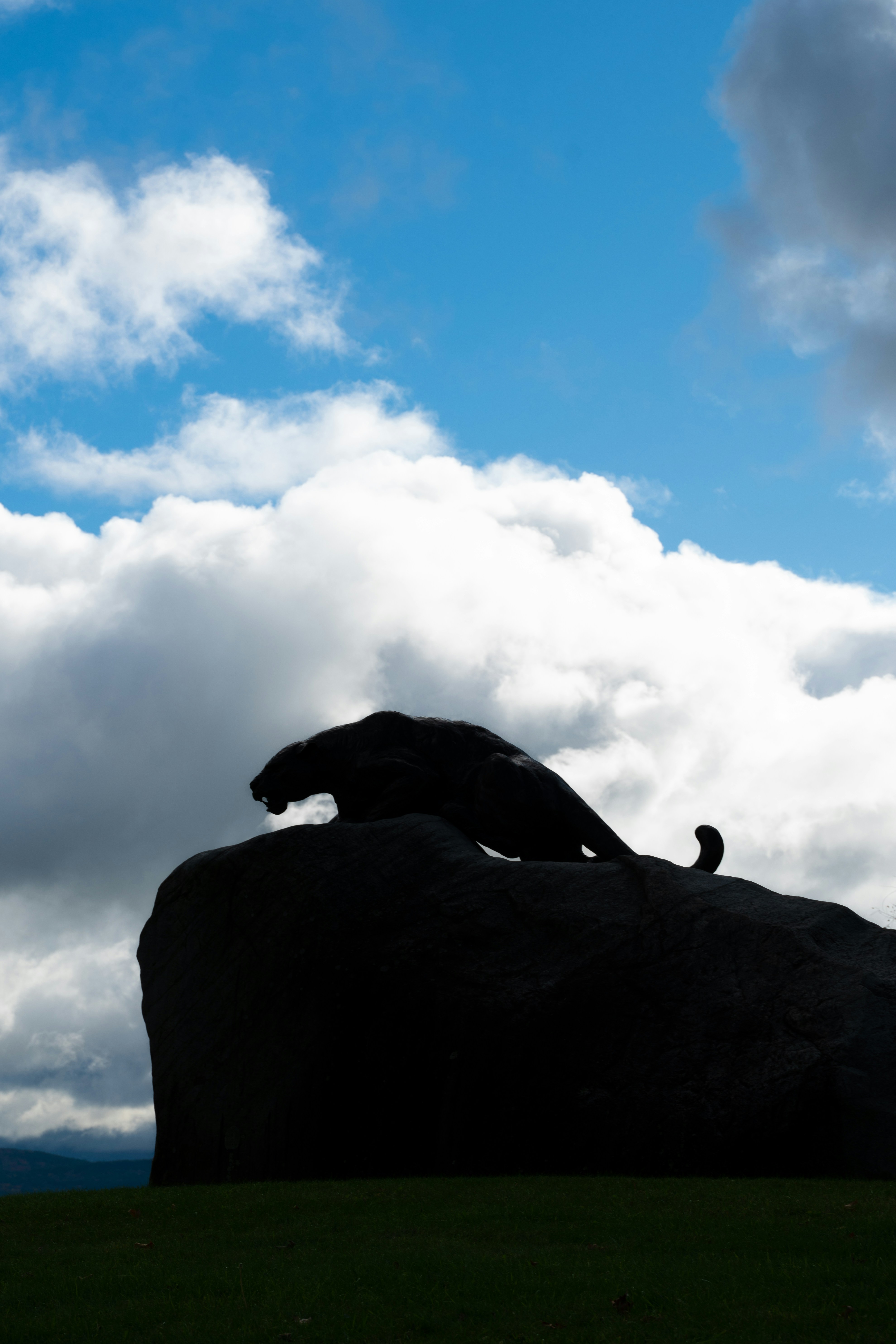
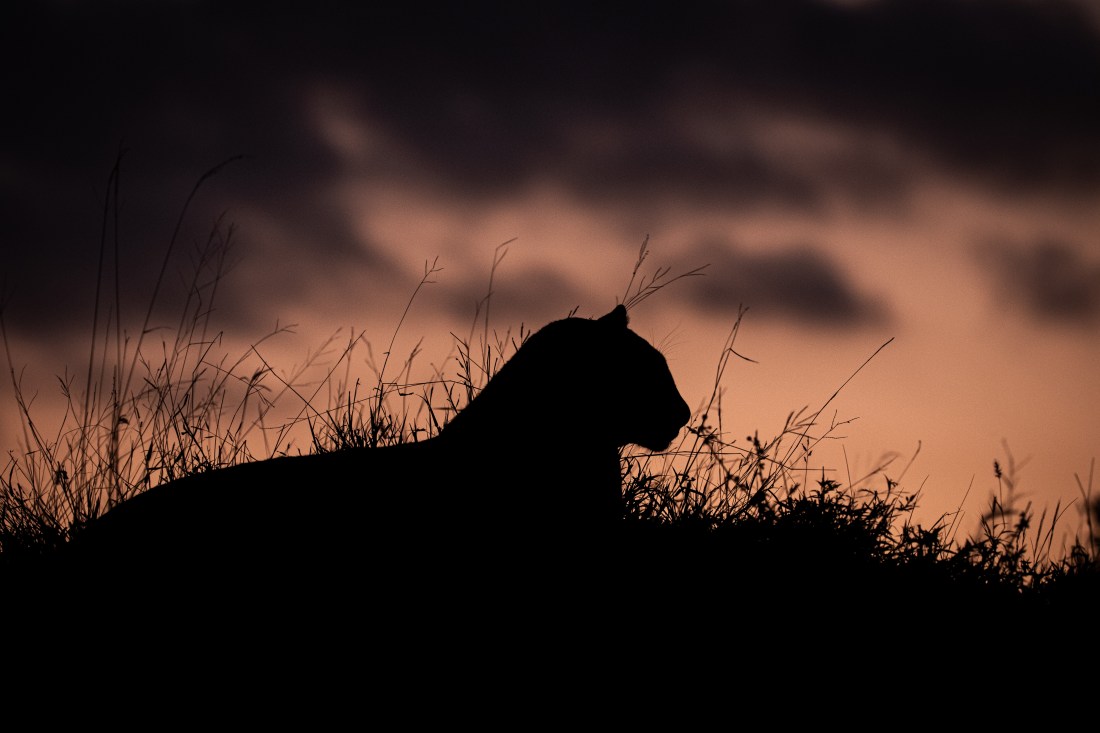
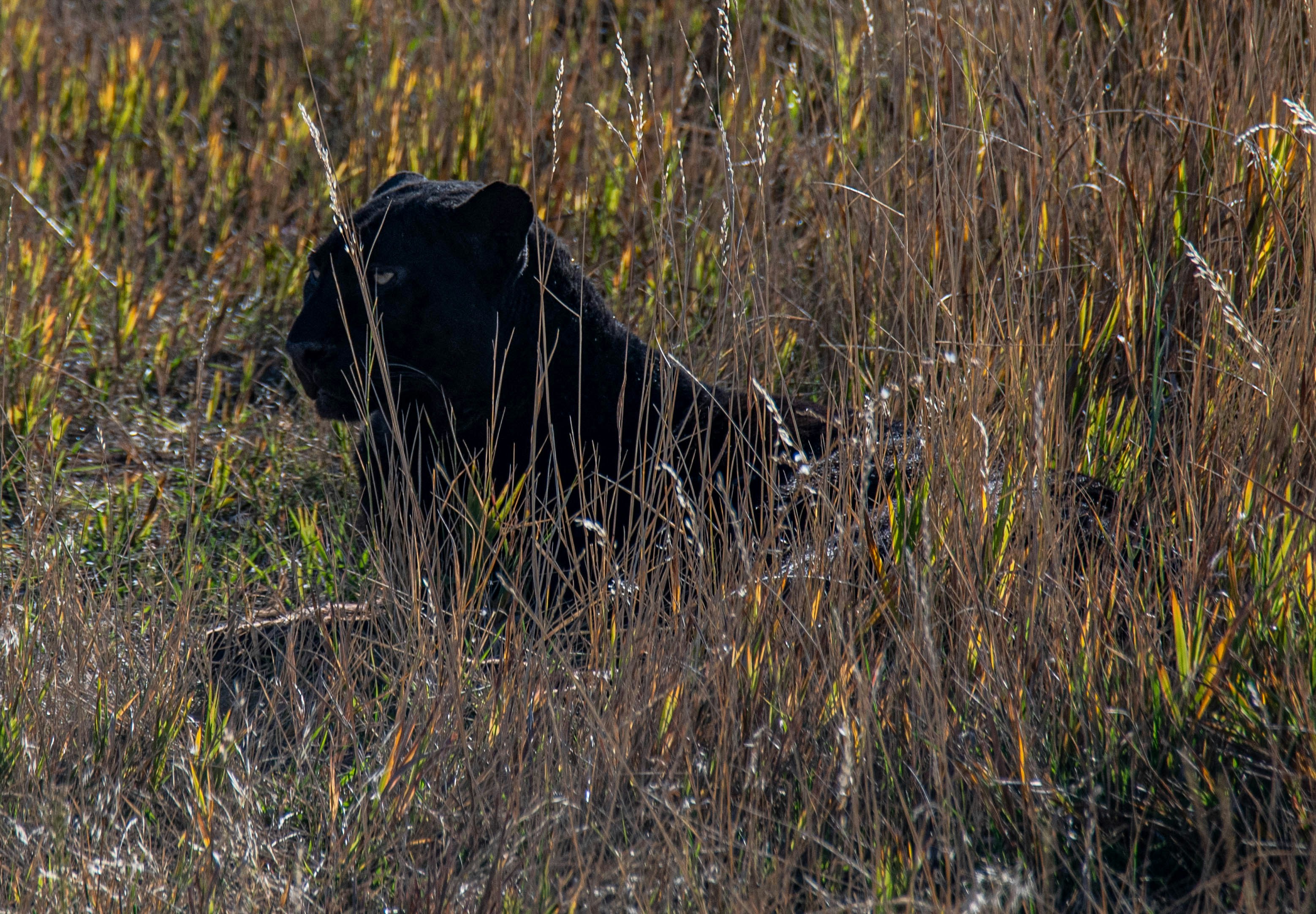
A big cat lays silhouetted against a dusk sky.

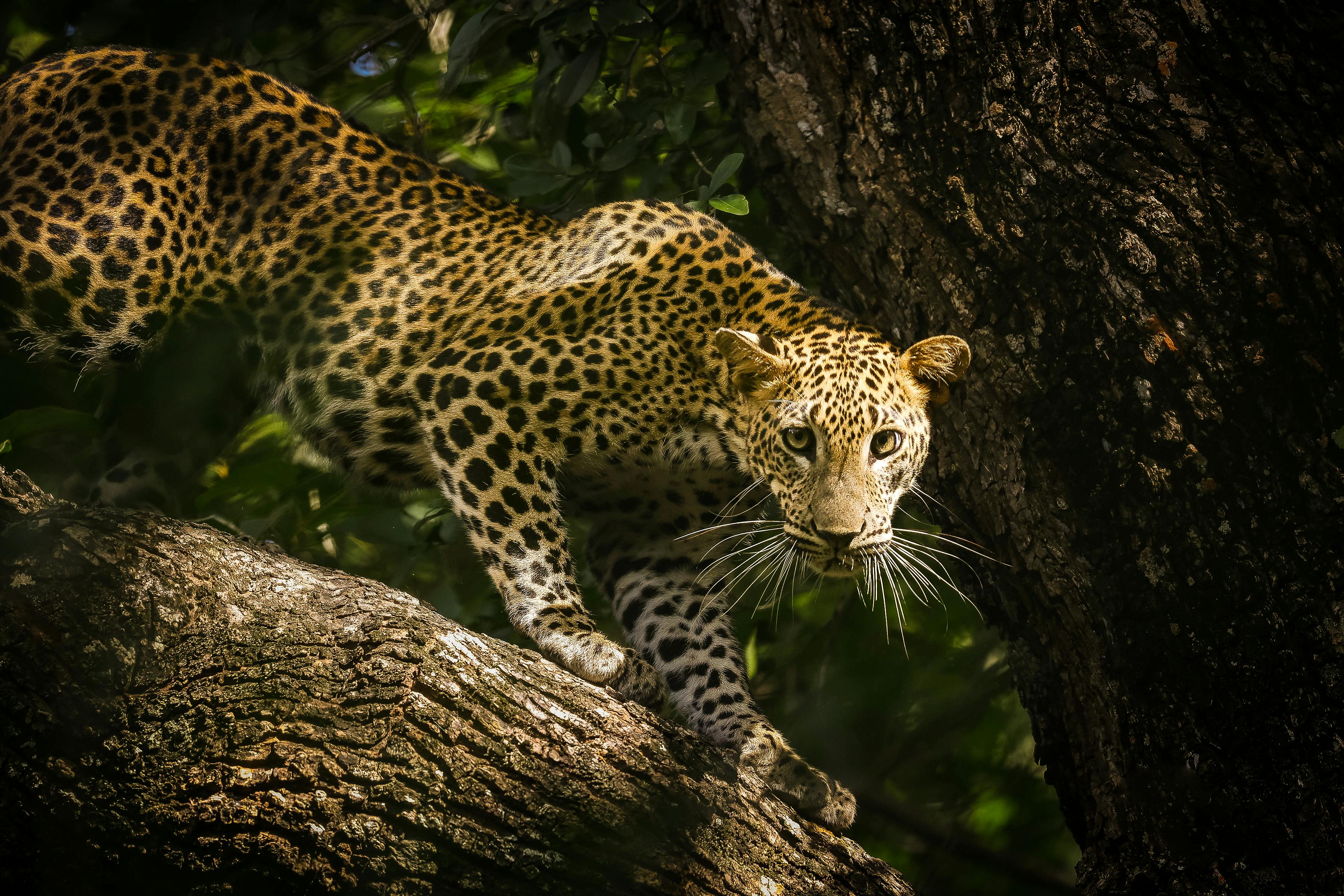
From the hills of Wales to the heathlands of Dorset, reports of large, unidentified cats continue to surface across the British countryside.

Most are brief encounters. A shape crossing a field. A dark animal slipping through woodland. A dog walker forced to stop mid-stride as something far larger than a domestic cat disappears into the hedgerow.

These reports are rarely treated seriously in the national press. Often they appear in the odd-news columns or alongside stories about mythical creatures and folklore.

Yet they refuse to disappear into the shadows alongside their subjects. And over the past few months, several new sightings have once again brought Britain’s big cats back into the open.

Do big cats stalk Britain’s Bodmin Moor?

A Panther Prowl’s Ed Sheeran’s Estate.

One of the most widely circulated reports recently came from Suffolk, where a large black cat was seen near the £37 million country estate of musician Ed Sheeran.

Witnesses described a large dark animal moving across farmland close to the property. The sighting prompted speculation that a so-called “panther” might be roaming the countryside and the story travelled quickly through national and international media, largely because of the celebrity connection.

But aside from the location, the details themselves were familiar to anyone who has followed the phenomenon for long. A large, dark cat moving with fluid, purposeful motion, low to the ground. Exactly the sort of description that appears again and again in regional sightings.

Cats Across the Countryside

All over Britain, similar reports continue to surface.

In Dorset, a sighting on Canford Heath near Poole described what a witness believed to be a black panther moving through open heathland.

In Wiltshire, a dog walker near Chippenham reported encountering a large cat on a popular countryside footpath. The witness described an animal significantly larger than a domestic cat, with a long tail and dark colouring.

Further west, a report from Newquay in Cornwall described a large cat seen at distance moving across farmland. Cornwall has long been one of the regions most frequently associated with Britain’s “phantom cats”, often linked with the legend of the Beast of Bodmin Moor.

In North Wales, motorists and walkers have also reported large feline shapes crossing rural roads or moving along field margins. One witness claimed the animal they saw was nearly the height of a car bonnet as it passed through the roadside vegetation.

These accounts vary in detail, but the core descriptions tend to be remarkably consistent.

A powerful, long-tailed cat – often dark in colour, but tan and other hued cats are also reported, seen briefly before disappearing into woodland, scrub, or across farmland.

Britain offers significant habitat that could harbour unseen predators.

A Long History of Sightings

Reports of large cats in Britain are of course, nothing new.

Newspaper archives contain sightings dating back decades, particularly from the late twentieth century when stories of “phantom panthers” became a recurring feature of rural folklore.

Many researchers have suggested these reports may trace back to the Dangerous Wild Animals Act of 1976, which introduced licensing requirements for keeping exotic animals. The persistent theory is that a number of privately owned big cats may have been released into the countryside when the law came into force. Since then, further releases and escapes have contributed to more recent sightings.

We might not have direct hard proof or evidence. But, given the scale of the exotic animal trade – both legal and illegal, and the lack of funding to check on many privately-owned animals and licensing both back then and even more so today, it’s not without merit.

And sightings have never stopped.

From Exmoor and Dartmoor to the Surrey Hills, the Welsh countryside, and parts of Scotland – reports of large cats have popped up year in, year out, and continue.

Missed by the Media

Despite the number of sightings over the years and the many reliable witnesses, which include respected journalists and presenters like Clare Balding, the subject is rarely treated with much seriousness in mainstream media.

Often it appears in the same category as folklore creatures or mythical monsters.

The BBC’s Countryfile, for example, recently included Britain’s phantom cats in a list of “mythical beasts”, placing them alongside legendary creatures rather than unexplained wildlife reports. This framing shapes how the subject is perceived.

Instead of examining witness testimony, ecological plausibility, or historical context, the discussion often becomes a curiosity piece – something to be lightly dismissed rather than investigated.

Yet eyewitness testimony remains one of the primary ways wildlife is documented in many parts of the world.

The same observational accounts that guide conservation surveys in remote landscapes are often treated very differently when they occur in the British countryside.

Panther or Puma?

Another recurring problem is species confusion.

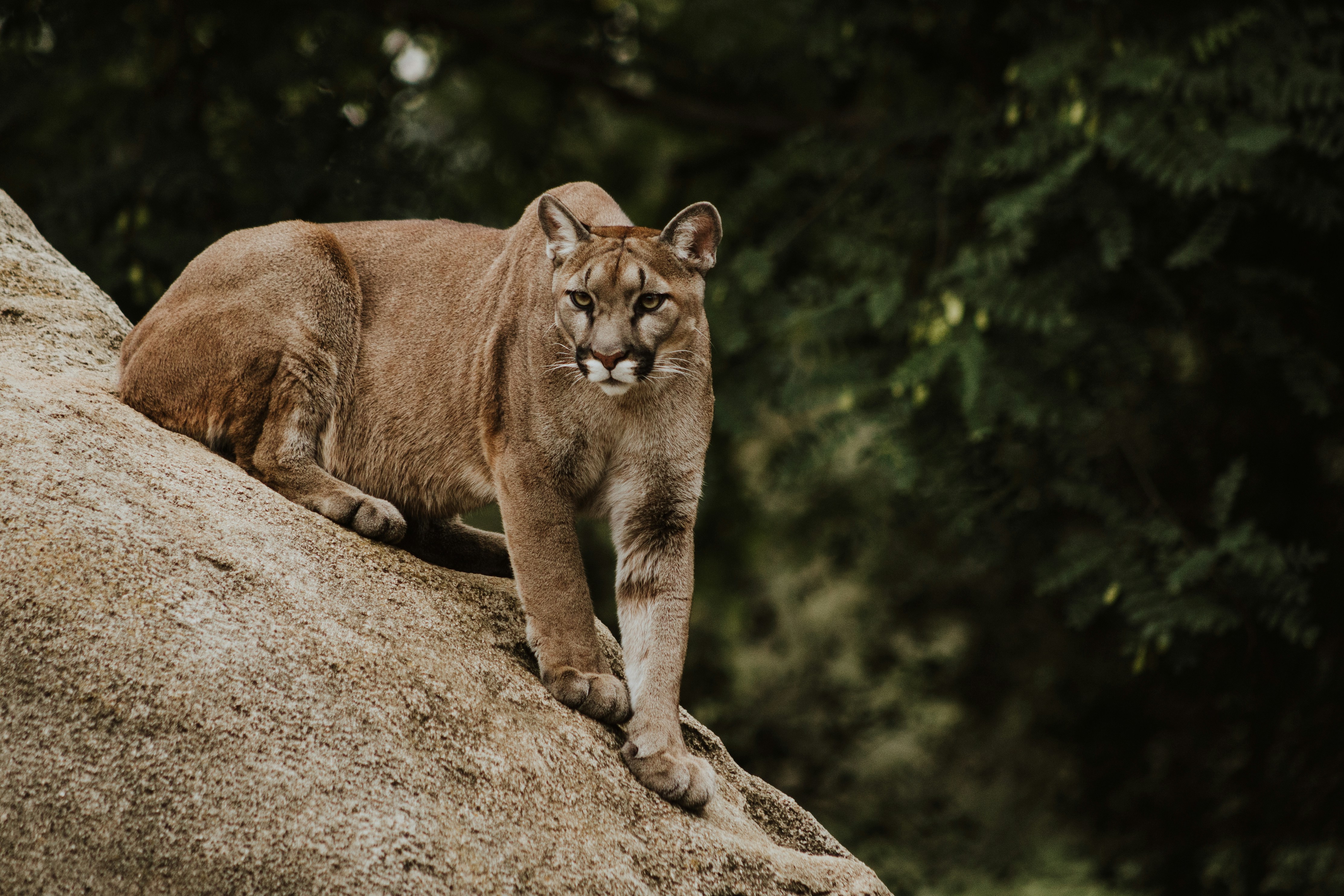
Many reports describe a black big cat. But media coverage frequently labels these animals as pumas. The issue with that identification is simple: pumas do not occur in black form. There are no verified melanistic pumas anywhere in the world.

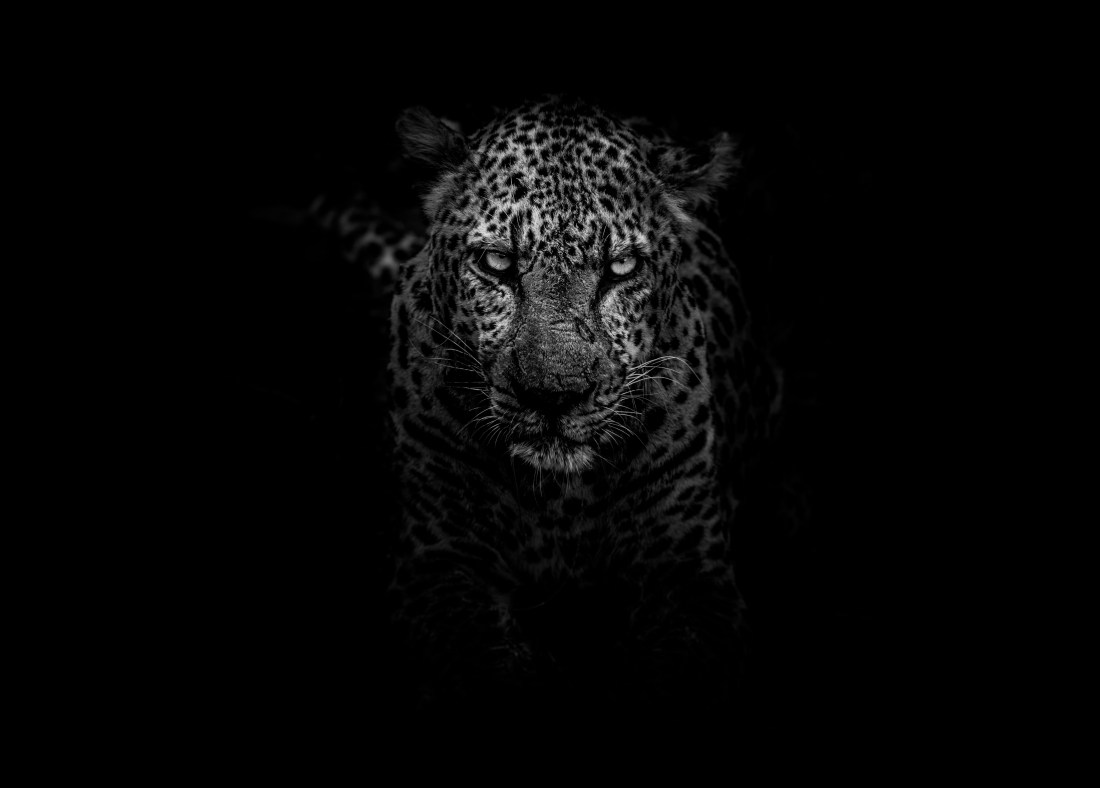
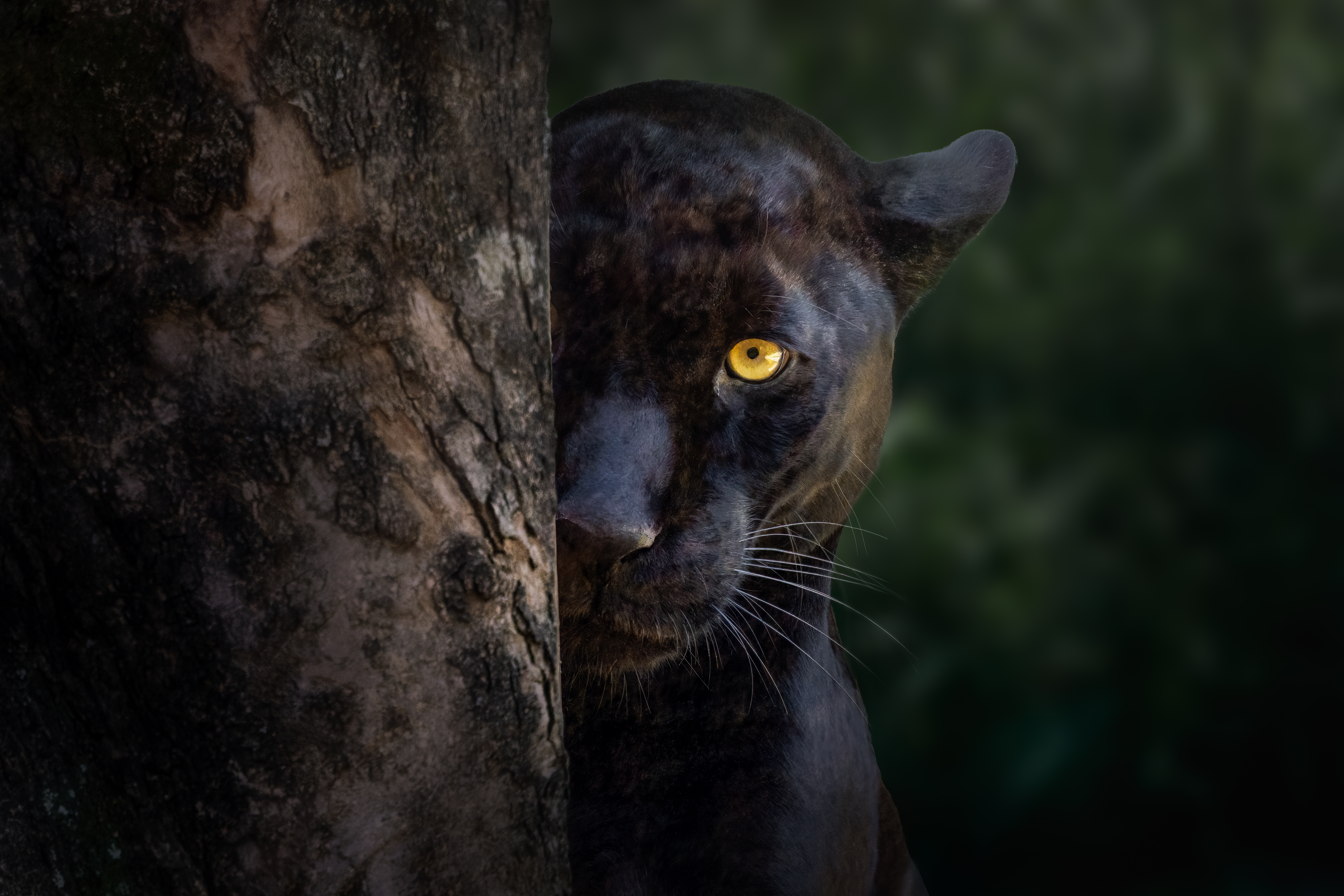
Black big cats, commonly called “black panthers” – are usually one of two animals: leopards or jaguars. In Britain, the most plausible identification would be melanistic leopards.

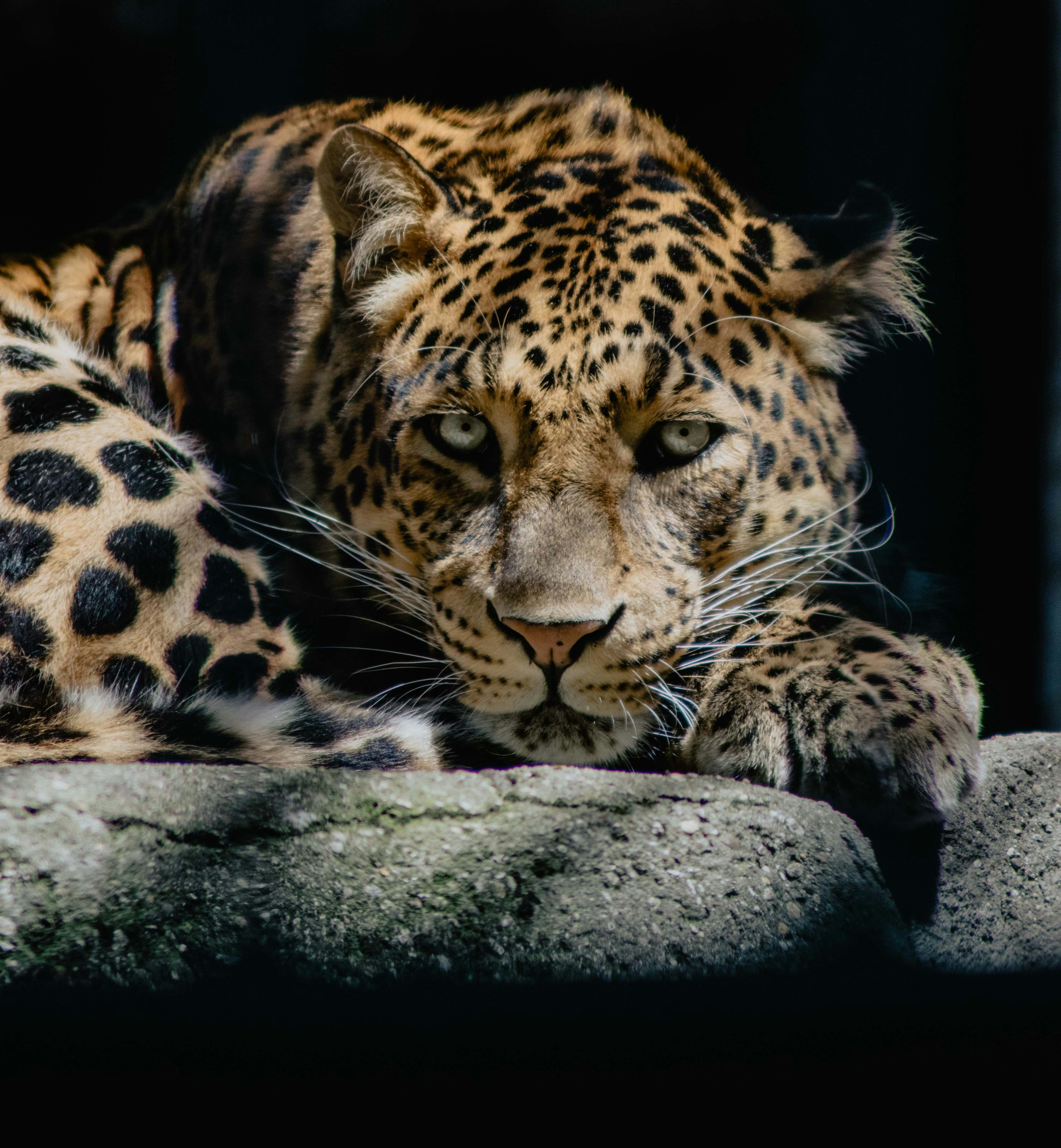
Leopards are adaptable animals capable of surviving in a wide range of habitats, from rainforest to semi-arid environments and mountainous regions. They are also far more likely than most big cats to survive undetected in fragmented landscapes.

Pumas too, also known as mountain lions and a myriad of other names, are some of the most adaptable cat species, found from the Florida everglades to the high plains of Chile and the deserts of Arizona.

Why Some Researchers Look to Malaysia

If Britain does host a small surviving population of melanistic leopards, one intriguing possibility involves the Malayan leopard.

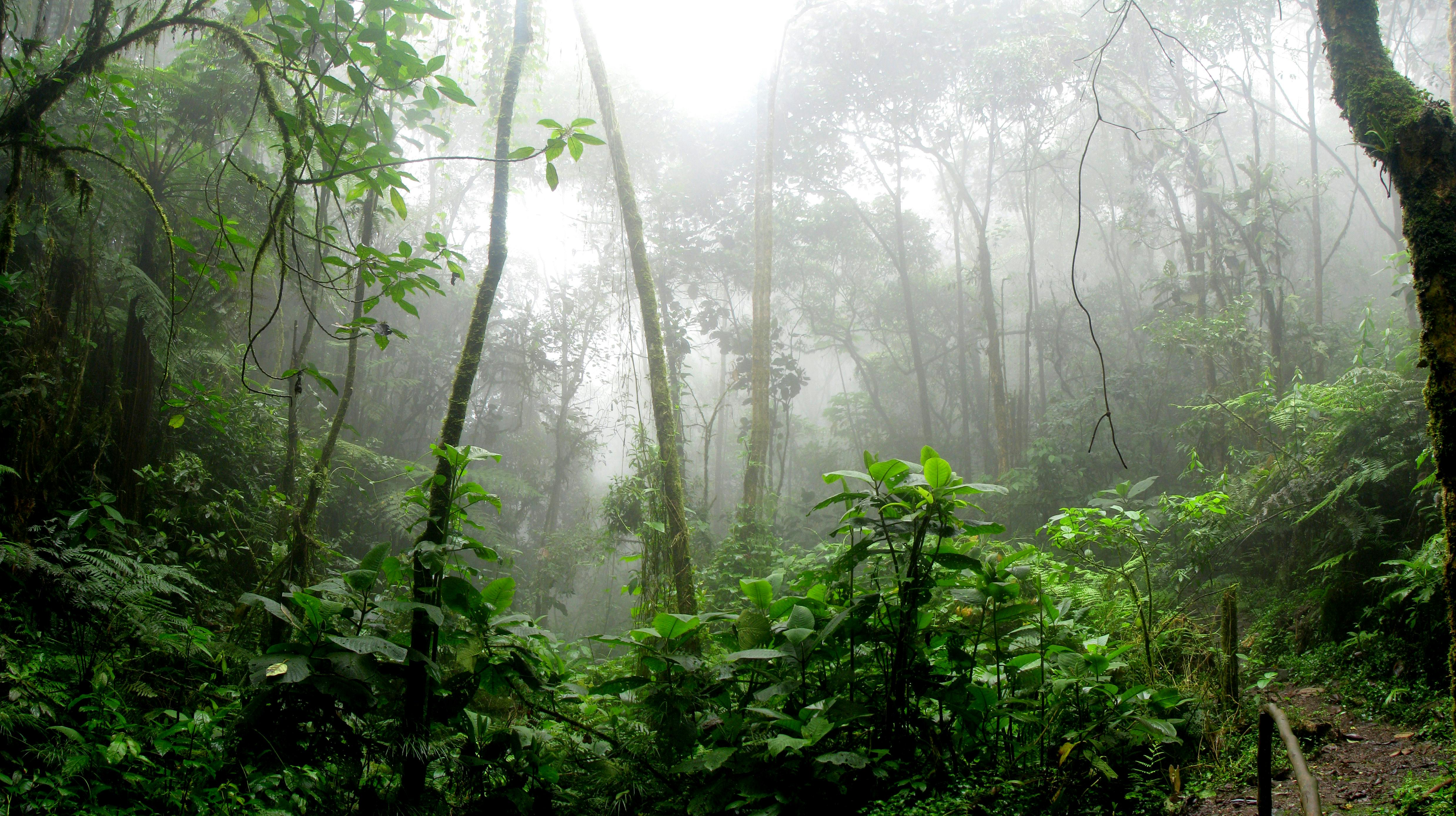
In the rainforests of the Malay Peninsula, south of the Isthmus of Kra, melanism is extremely common. In fact, the majority of leopards in this region are black.

Interestingly, this detail surfaced while researching my current novel Predatory Nature, where the history of exotic big cats imported into Europe during the twentieth century led me down a rabbit hole into the unusual genetics of Malayan leopards.

These cats are also smaller than many other leopard subspecies, which historically made them attractive to exotic animal collectors and the trade supplying them.

During the mid-twentieth century, when keeping exotic animals became fashionable in parts of Europe and especially the United Kingdom, animals described as “black panthers” were imported from Southeast Asia, to the point that the population was significantly impacted. And today, the population is dominated by those sporting the melanism gene.

The smaller size of the Malaysian sub-species helped fuel the mistaken belief they would be easier to manage. In reality, of course, a leopard is never a domestic animal.

But if any such cats were released or escaped decades ago, their melanistic coats would have offered a natural advantage in Britain’s woodland landscapes, particularly in low light, where their rosette markings are almost invisible – which is a factor that should be taken into account when witnesses describe cats as “jet black”.

Mystery in the Hedgerows

None of this proves definitively that Britain currently hosts a breeding population of large cats.

Most sightings could still have more mundane explanations: misidentified dogs, escaped exotic pets, or fleeting glimpses of ordinary wildlife seen in poor conditions.

Everyday domestic cats are also likely culprits. The recent Devon sighting is a possible example. Despite gaining significant coverage in the press, and comparisons to the Beast of Bodmin in neighbouring Cornwall – the animal in this video moves like a domestic cat, and has the head shape and movement in line with this. However, the published video quality is very poor and it is very difficult to make any kind of certain identification. A feral cat, which can grow to larger sizes, is also a likely possibility.

But the persistence of the reports and the consistency of many descriptions keeps the question alive and shouldn’t be dismissed or derided.

There’s a good chance the truth lies somewhere between folklore and biology. It’s not just possible, but likely, that there are a small number of big cats of more than one species surviving quietly in remote pockets of the British countryside.

Combined with the enduring human instinct to see shadows move at the edge of the woods and wonder what might be watching back, it’s unlikely reports are going to disappear.

Either way, Britain’s phantom cats remain one of the country’s most enduring wildlife mysteries. And every now and then, someone sees something crossing a field that refuses to fit neatly into the explanations we already have.

The Killers of Eden

When Orcas Hunted With Whalers

The name sounds like something from folklore.

The Killers of Eden.

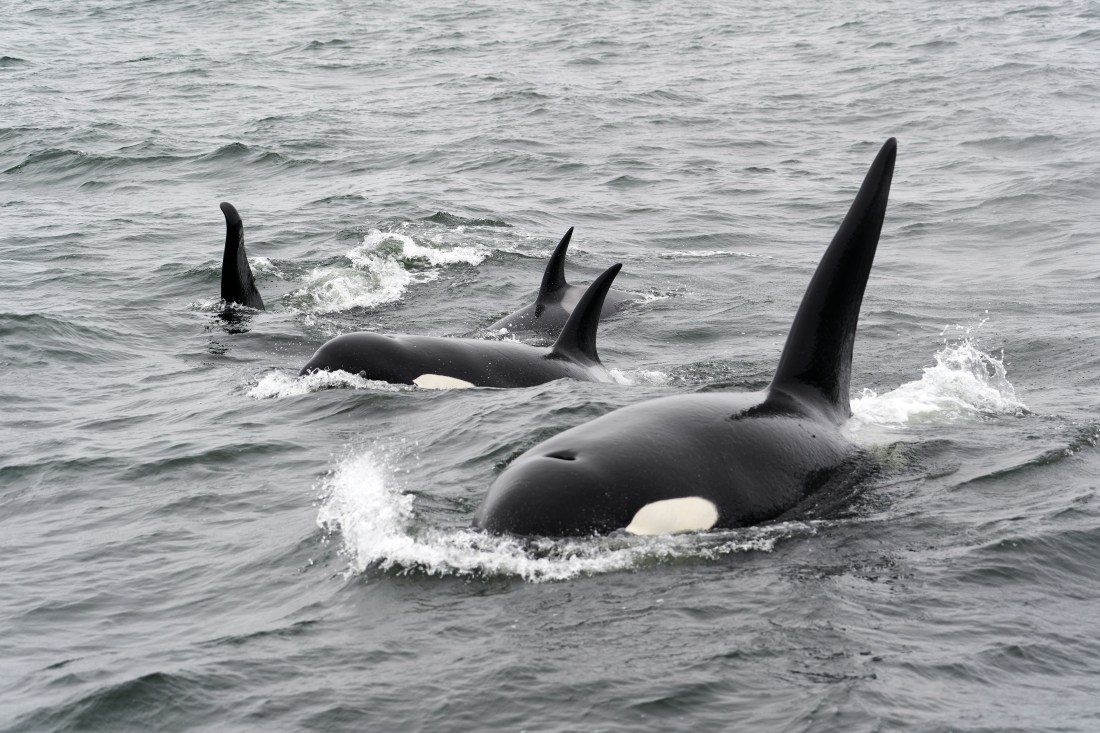
But these weren’t pirates. Nor outlaws. Not even a forgotten cult. They were orcas.

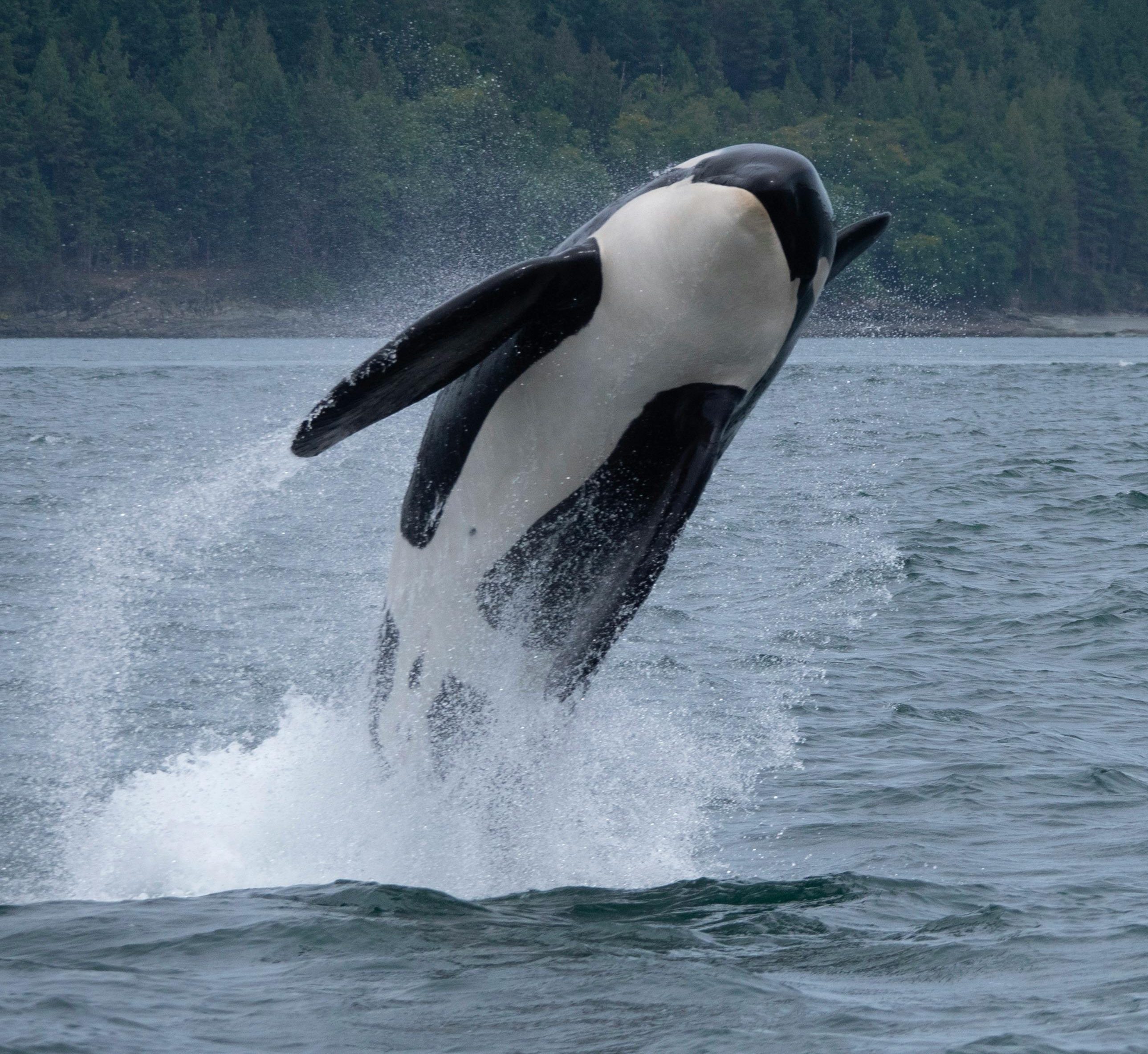
For decades in the nineteenth century, along the southern coast of Australia, a pod of killer whales worked in co-operation with human whalers in Twofold Bay.

They didn’t merely follow the boats or scavenge from discarded carcasses. They signalled. They herded. They hunted alongside the men. And at the centre of the story was one specific individual, a male that became known as Old Tom.

The Signal in the Bay

From the 1860s until the early twentieth century, shore-based whaling was integral to the small town of Eden.

Unlike the vast industrial fleets that would later dominate the Southern Ocean, Eden’s operations were small, open-boat enterprises run, at least to start, by a single family – the Davidsons. What made their station remarkable was not its size, but its partnership.

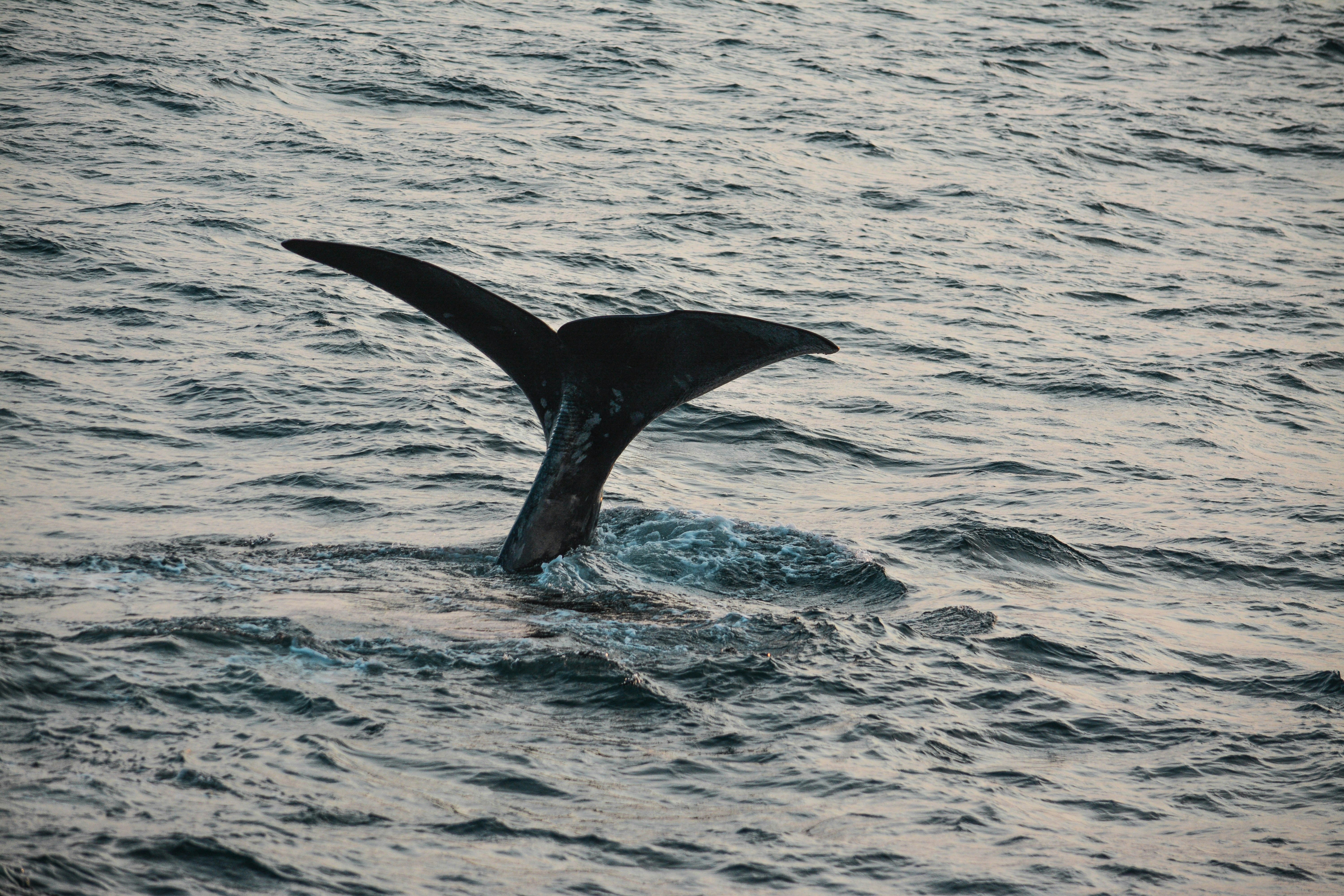
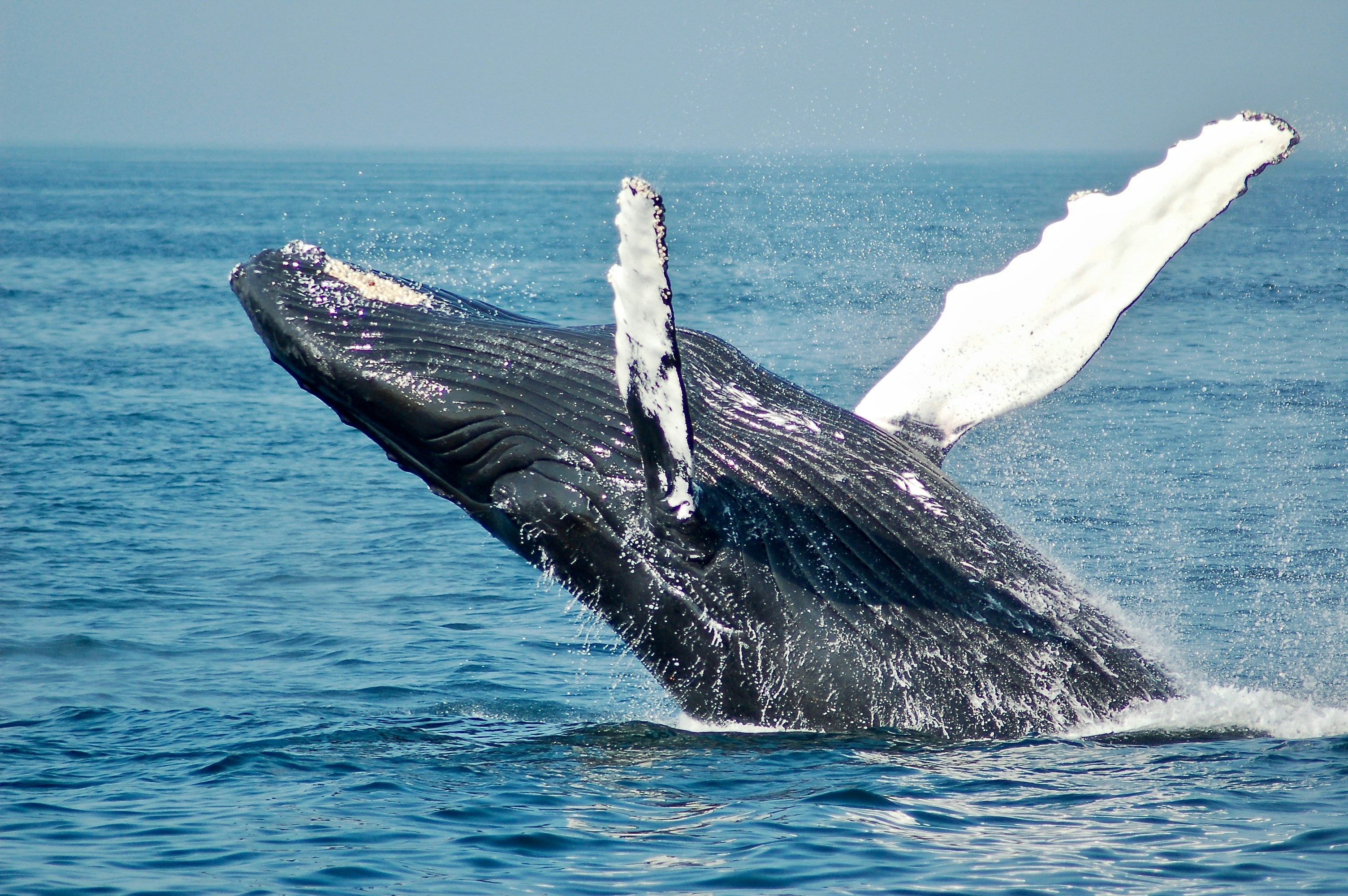
When migrating humpback or southern right whales entered Twofold Bay, the orcas would drive them toward shore. Old Tom, recognised by his tall dorsal fin, was known to swim to the mouth of the Kiah River and slap his tail against the surface — a deliberate “flop-tail” that alerted whalers to the presence of a whale.

Men would heed this signal and scramble into their boats. The chase would begin. And a significant ritual became an anchor to the partnership.

The arrangement became known as the “Law of the Tongue.” Once a whale was harpooned and secured, the carcass would be anchored overnight. The whalers would leave the lips and tongue, which are rich in blubber, for the orcas. The rest would be processed at the try-works.

This is important, as it clarifies the partnership as not one based on sentiment. It was mutual advantage.

Old Tom

Old Tom measured around 22 feet (6.7 metres) and weighed an estimated six tons. Distinctive wear on his lower teeth suggests he frequently gripped tow ropes during hunts. This behaviour was allegedly recorded by whalers who claimed he would sometimes take the line in his mouth and help pull the boats.

At other times, he reportedly clamped onto the rope fastened to a harpooned whale and allowed himself to be dragged through the water, an act the crews described with something like affection. Yet, a later incident of what seemed like a playful tug of war notably loosened his teeth.

He also notably returned season after season.

The documented co-operative hunts largely ceased by 1901, following a series of disruptions. One member of the pod, known as Typee, was shot by a local after becoming beached in the shallows. In the aftermath, Indigenous Australian whalers who had worked with Davidson’s crew withdrew from Kiah Inlet. At the same time, global industrial whaling expanded dramatically, and baleen whale numbers began to decline.

The ecological and economic balance that had sustained the alliance fractured.

No baleen whales were recorded in Eden after 1926.

Old Tom, however, continued to return. Often alone.

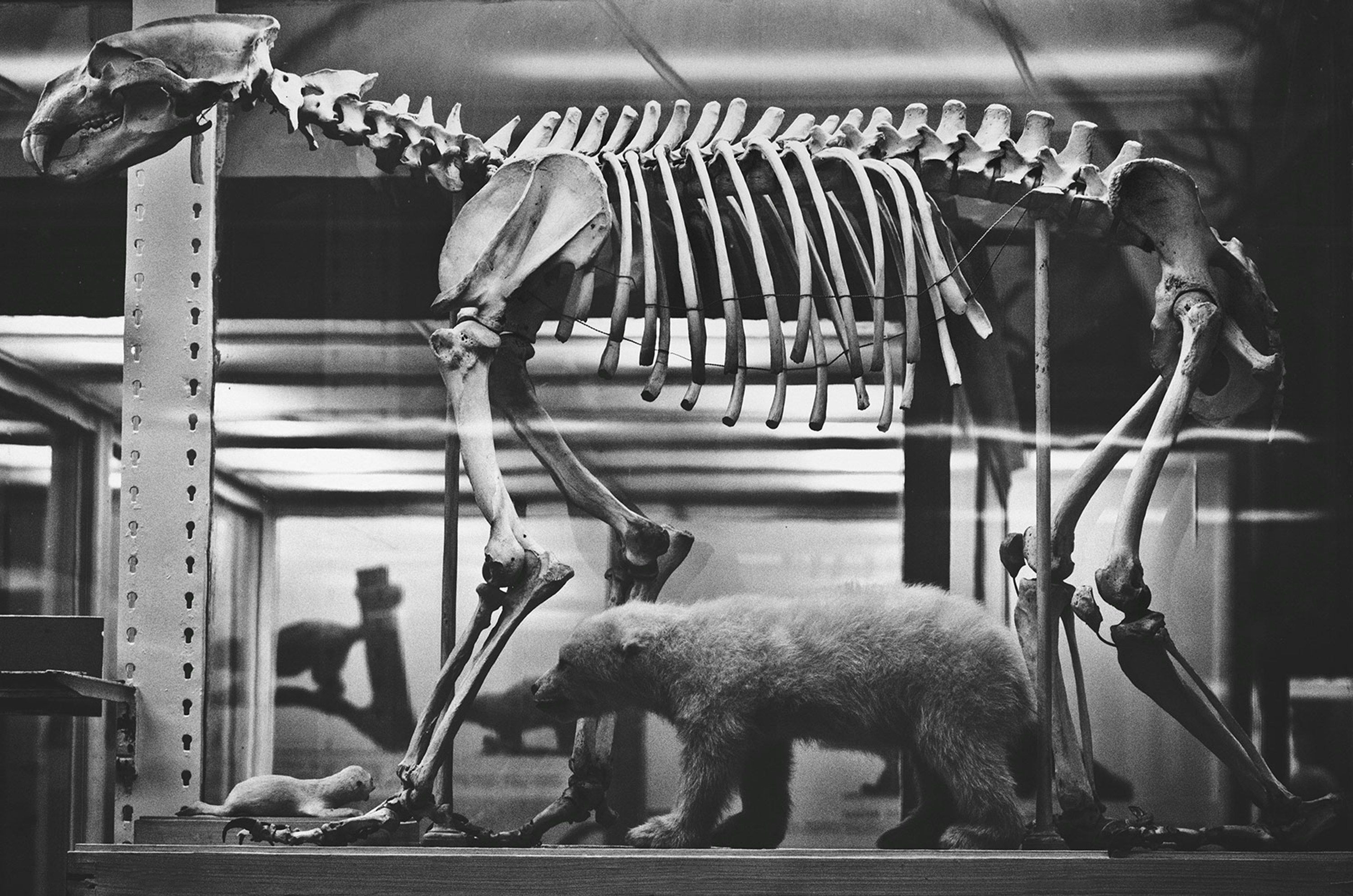
On 17 September 1930, his body was found floating in the bay. His skeleton now hangs in the Eden Killer Whale Museum, suspended in quiet testimony to a strange chapter of maritime history.

The Solitary Return

Orcas are deeply social animals. They travel in stable, matrilineal pods, maintaining lifelong bonds and passing hunting traditions across generations. Despite the folklore surrounding Old Tom, males do not lead pods. Solitary individuals are rare.

The image of Old Tom returning alone to Twofold Bay has unsettled observers for decades.

Local belief holds that the rest of his pod may have been killed further north, possibly in Jervis Bay, by Norwegian whalers unaware of the cooperative history in Eden. Elsewhere along the coast, fishermen and whalers often regarded orcas as competitors and retaliated with bullets and harpoons.

The “Killers of Eden” were never universally protected. They were tolerated, while useful.

When shore-based whaling declined after 1901 and industrial fleets reduced whale populations further offshore, the ecological conditions that had enabled the cooperation disappeared. And the behaviour vanished with them.

Cooperation or Strategy?

It is tempting to romanticise the story. Man and predator working side by side. An interspecies pact honoured through ritual.

But modern research offers a quieter explanation.

We now know that orcas exhibit:

  • Cultural transmission of behaviour
  • Specialised hunting techniques within pods
  • Long memory and social learning
  • Adaptive exploitation of predictable food sources

The Eden pod was not acting out of loyalty in a human sense. Nor were they mythic collaborators. They were intelligent apex predators exploiting a reliable opportunity.

Orcas are the largest members of the dolphin family, which is significant because bottle-nosed dolphins in Laguna, Brazil, have developed a similar, near century-old partnership with local fishermen. They signal with tail slaps and head nods when the men should cast their nets, as the pod herds the fish towards shore.

The “Law of the Tongue” was not a moral contract. It was strategy.

When overhunting reduced baleen whale numbers, and when industrialisation changed the rhythm of the bay, the strategy no longer worked. And so it ended.

The Name That Lingers

“The Killers of Eden” remains a provocative phrase. We can’t but help associate the name Eden with a place of original innocence. And killer is the name we give all deliberate predators.

Yet the title reveals as much about us as it does about them. We were the ones that christened them killers, whilst we were killing too.

Perhaps what unsettles us is not that orcas hunted alongside humans but that they adapted so fluidly to our violence. That they folded themselves, briefly, into our industry.

And when that industry collapsed, they did not mourn the contract. They adapted or vanished.

There is something more grounded in that. This story isn’t about myths, monsters, or miracles. It’s just two apex species intersecting, for a moment, in a fragile ecological alignment.

And when the balance broke, the sea closed over it.

If you enjoy reflective explorations of the uneasy boundary between humans and the wild, my novels explore similar terrain, where co-operation, fear, and instinct are rarely as simple as they seem.

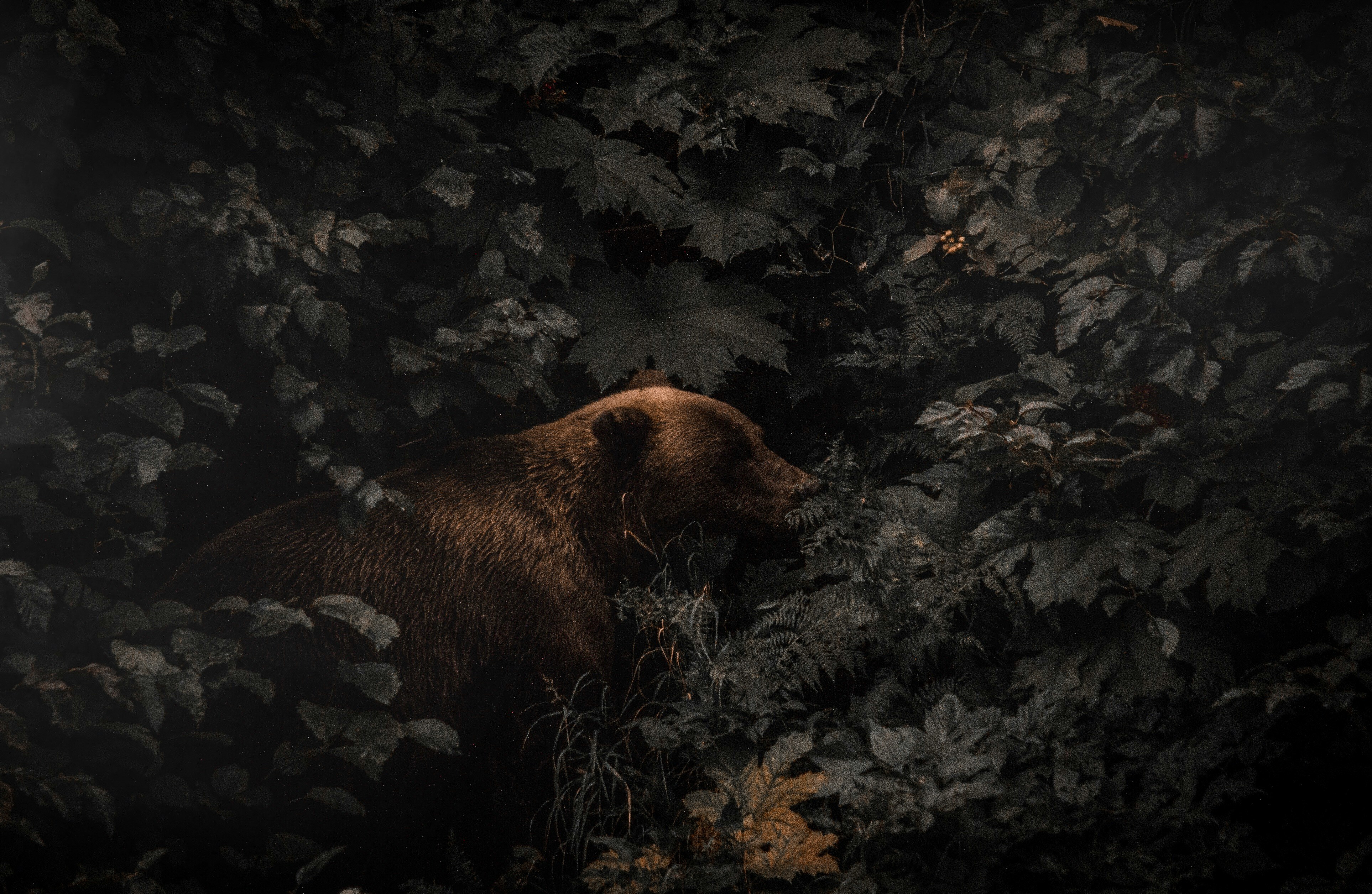
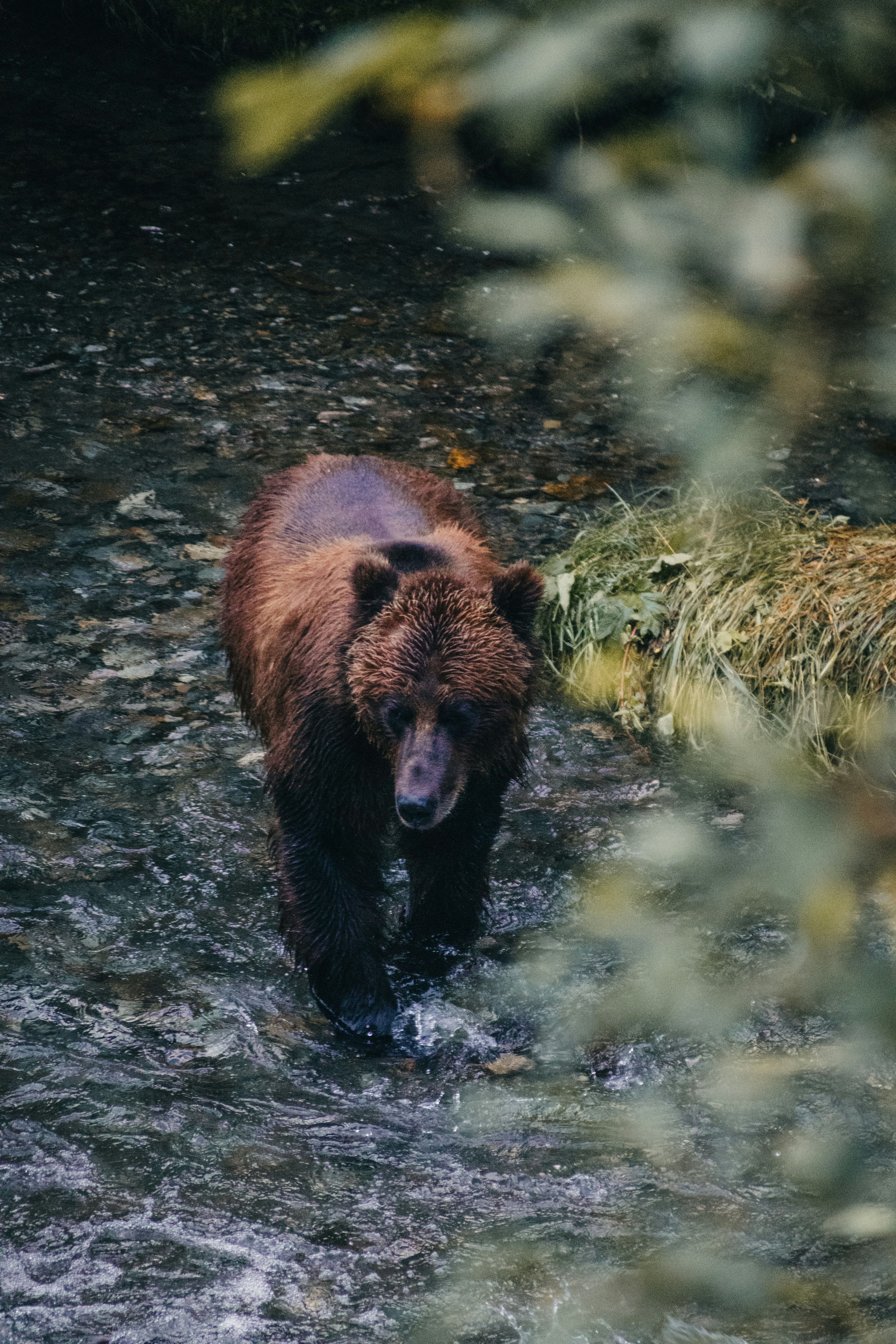
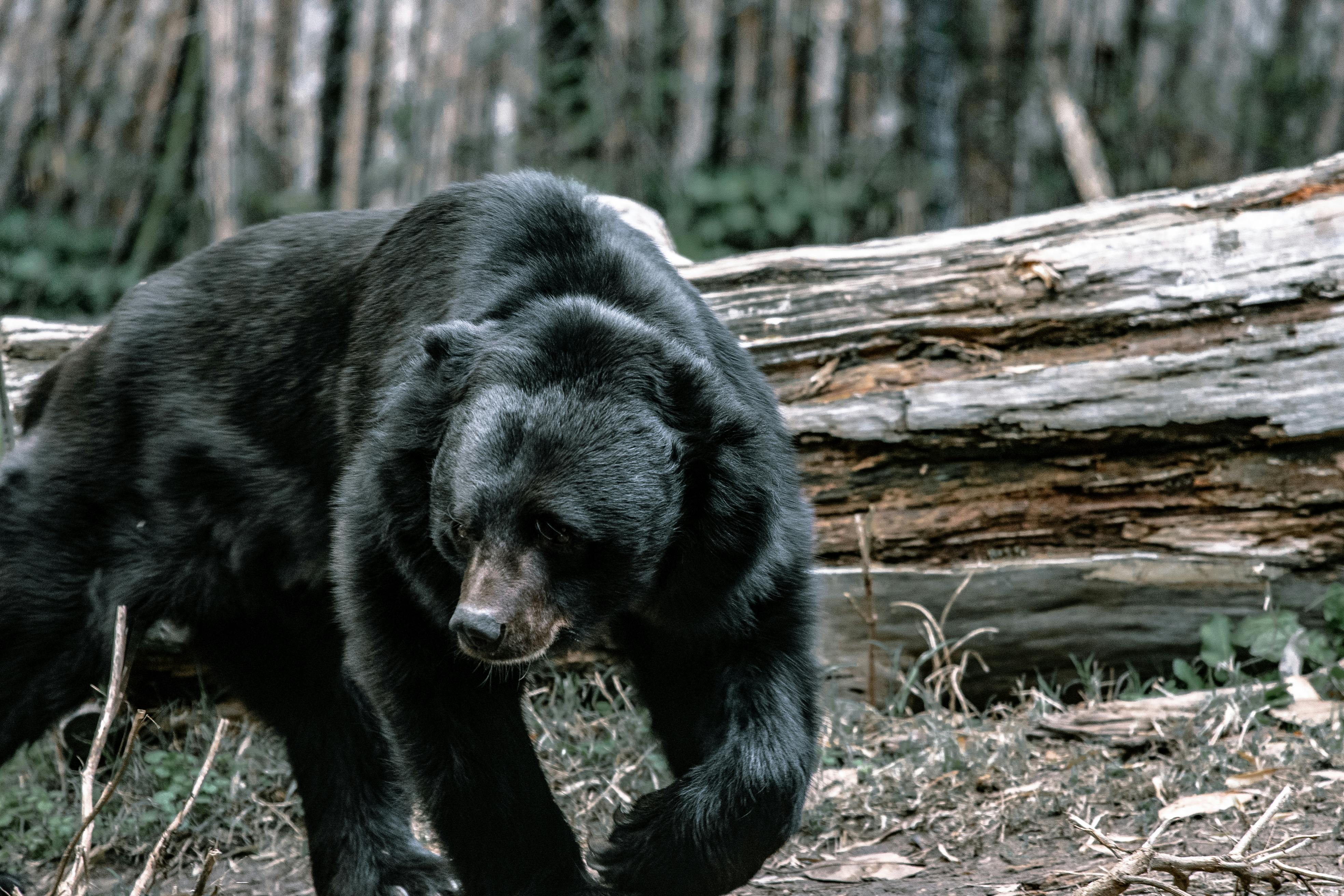
Man-Eater Monday: The Sankebetsu Brown Bear Incident

In the winter of 1915, the settlement of Sankebetsu, in northern Japan, was already under strain.

Snow lay deep across Hokkaido. Food stores were thin. Travel was difficult, sometimes impossible. For the people living at the margins of cultivated land, winter was not simply a season — it was a test of endurance.

What went largely unconsidered was that the same conditions applied to everything beyond the settlement’s boundaries.

The forests were locked in ice. Natural forage was scarce. Prey animals were weakened, dispersed, or absent altogether. The winter that pressed hardest on human communities was doing the same to the wildlife around them. But at the time, this was not a connection people were trained to make.

Ecology, as a way of thinking, had not yet entered the conversation. Hardship was viewed as a human problem, unfolding against a largely static natural backdrop. The idea that animals might also be responding — adapting, learning, and changing behaviour under pressure, was rarely entertained.

It was in this context that the Sankebetsu incident began.

A first encounter and a dangerous assumption

The bear’s first appearance was not dramatic in scale, but it was decisive in consequence. In December 1915, a large brown bear entered the settlement and attacked a woman working near her home. The encounter was sudden and close-quarters. She was killed before any effective intervention could be made.

The bear did not linger. After the attack, it retreated back into the surrounding forest.

That withdrawal shaped how the incident was understood.

Within the settlement, the prevailing belief was that the animal had been startled — that the violence was reactive, not intentional, and that the danger had passed with the bear’s departure. The incident was treated as an isolated tragedy rather than the opening stage of a larger threat.

No co-ordinated hunt followed. No sustained effort was made to track the animal’s movements or assess whether it might return.

This response was not careless so much as culturally conditioned. At the time, apex predators were often viewed as opportunistic but fundamentally avoidant of humans. An animal that fled was assumed to have learned fear.

But this assumption rested on a misunderstanding of how predators learn.

An animal that kills and escapes unharmed has not seen that behaviour punished. It has been reinforced. The boundary between human and prey does not harden, it weakens.

In retrospect, the bear’s retreat was not a conclusion. It was a pause.

Escalation isn’t chaos, it’s pattern

When the bear returned, it did not behave erratically.

It came back into the settlement repeatedly, moving with increasing confidence through spaces that had already been shaped by human presence. Homes were entered. People were taken from places that should have been safe.

One of the most disturbing moments came shortly after the initial attack, when the bear returned during a funeral held for the first victim. Drawn by human activity and the presence of food, it entered the area and killed mourners gathered there.

The violence was no longer confined to a single encounter. Over the course of one night, multiple people were killed in separate attacks. By the time the bear was finally stopped, five lives had been lost, several of them within hours of one another.

What is striking, in retrospect, is not the scale of the violence, but its consistency.

The bear did not flee after these encounters. It did not act randomly. It returned to the same settlement, exploited moments of vulnerability, and withdrew only when challenged. Each successful attack reinforced the same lesson: humans were accessible, and resistance was minimal.

This is the point at which many retellings introduce the language of madness or bloodlust. But escalation, in cases like this, is rarely chaotic. It is patterned.

Under conditions of prolonged scarcity, the bear’s behaviour reflected learning rather than frenzy. What appeared to the community as senseless violence followed a grim internal logic shaped by hunger, opportunity, and success.

Human hesitation, and a belated resolution

As fear spread through the settlement, so did uncertainty.

There was disagreement over whether the same bear was responsible for each attack. Some believed the animal would eventually move on. Others feared that a co-ordinated response might provoke further violence. Time was lost to debate, hesitation, and the difficulty of acting decisively in extreme winter conditions.

When a concerted effort was finally made to track the bear, it revealed just how unprepared the community was for such a task. Weather obscured trails. Knowledge of bear behaviour was inconsistent, drawn from folklore, fragments of experience, and assumption rather than strategy.

Eventually, a group of hunters succeeded in locating and killing the animal. The bear was identified as a large male brown bear, in poor physical condition. Its body showed signs consistent with prolonged scarcity. With its death, the attacks stopped.

The immediate danger to Sankebetsu was over.

But the resolution came only after multiple lives had been lost, and only once the cost of inaction had become undeniable. The bear’s death did not mark the defeat of a monster, but the delayed recognition of a threat that had been misunderstood from the outset.

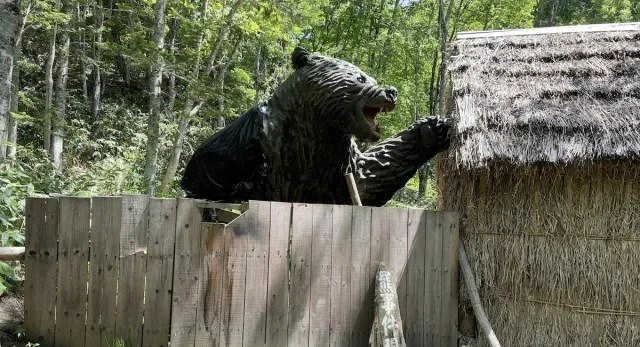
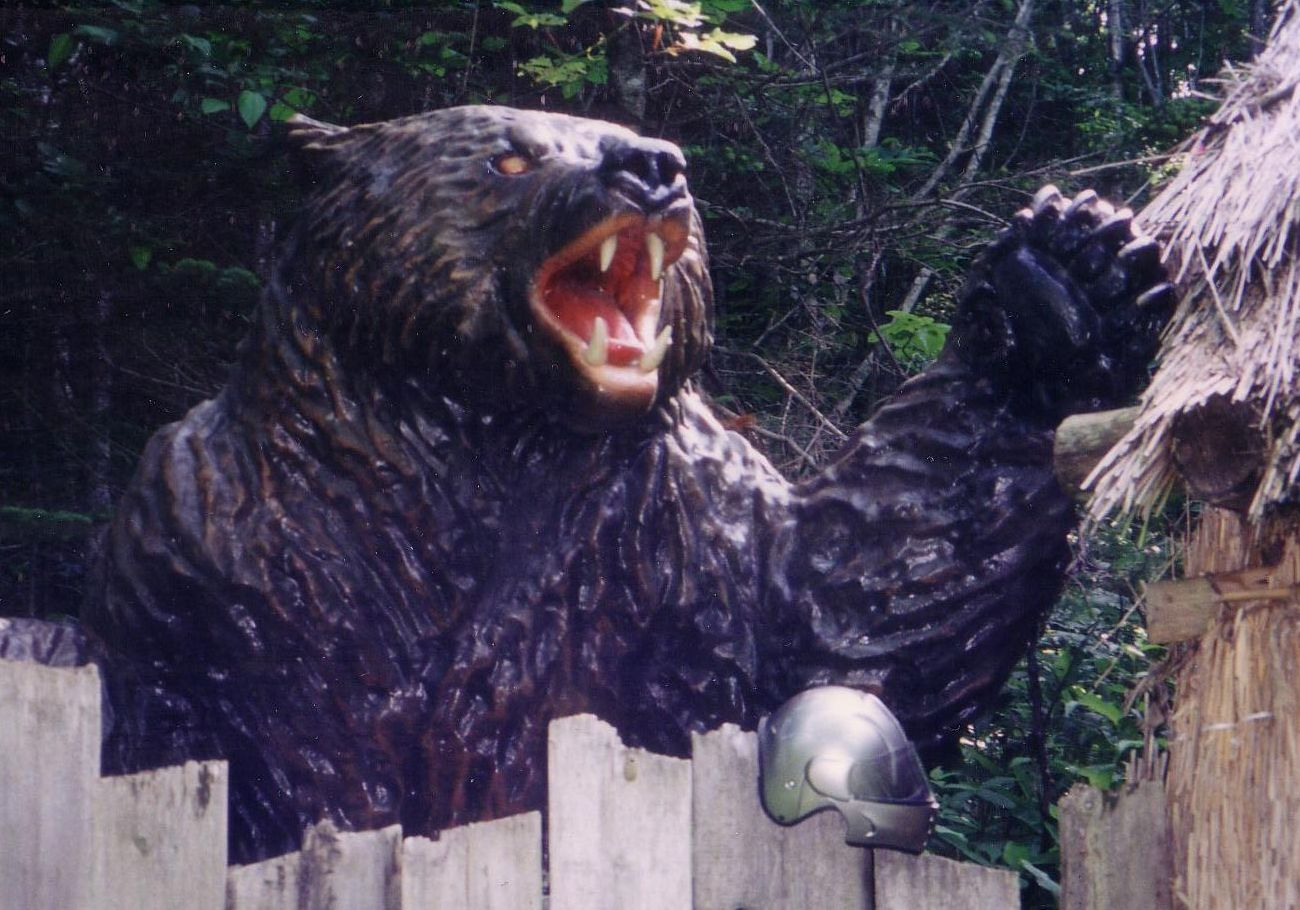
The Sankebetsu statue and tourist site.

Then, and now

More than a century after the Sankebetsu incident, it is tempting to look for repetition — to imagine the same landscape quietly replaying its past.

That is not what the evidence suggests.

Brown bears still inhabit Hokkaido today. The species persists across much of the island’s forests and mountain ranges, and in some areas populations are thought to be stable or recovering after decades of decline. The region where Sankebetsu once stood is no longer a permanent settlement, and there is no indication that it has become a modern centre for serious bear attacks.

History, in this sense, is not repeating itself geographically.

What has changed is the broader context in which people and bears now coexist.

In 2025, Japan recorded 13 human fatalities and more than 100 injuries resulting from bear encounters, involving both Asiatic brown bears and Asiatic black bears. These incidents were spread across multiple prefectures and environments — from rural settlements to the edges of towns — rather than concentrated in any single location.

The pressures behind them are familiar: reduced natural food availability, changing land use, and expanding human presence in areas once less frequently occupied. Bears range more widely when resources are scarce, and humans now occupy landscapes that were once seasonal or marginal.

The relevance of Sankebetsu, then, is not that it is happening again in the same place. It is that the same ecological forces – scarcity, overlap, and hesitation, all continue to shape encounters between people and large predators, wherever clear boundaries erode.

The quieter truth of man-eater stories

The Sankebetsu bear was not a creature of myth, nor a symbol of evil. It was an animal responding to scarcity, learning from success, and moving through a landscape that no longer offered clear separation between forest and home.

Man-eater stories endure not because they reveal something monstrous about animals, but because they expose a recurring human blind spot: the tendency to see nature as static, until it reacts.

When prey disappears, boundaries blur. When boundaries blur, conflict follows.

The question is not whether such stories will happen again, but whether we recognise the conditions early enough to change the outcome.

The Champawat Tigress: Jim Corbett’s First Real Hunt for a Man-Eater

In the early 20th century, deep in the rugged terrain of the Kumaon region in northern India, a man-eating tigress was terrorising local communities. By the time she was finally brought down in 1907, she had claimed an estimated 436 human lives — a staggering toll that remains the highest attributed to a single big cat. Her name would become infamous: the Champawat Tigress.

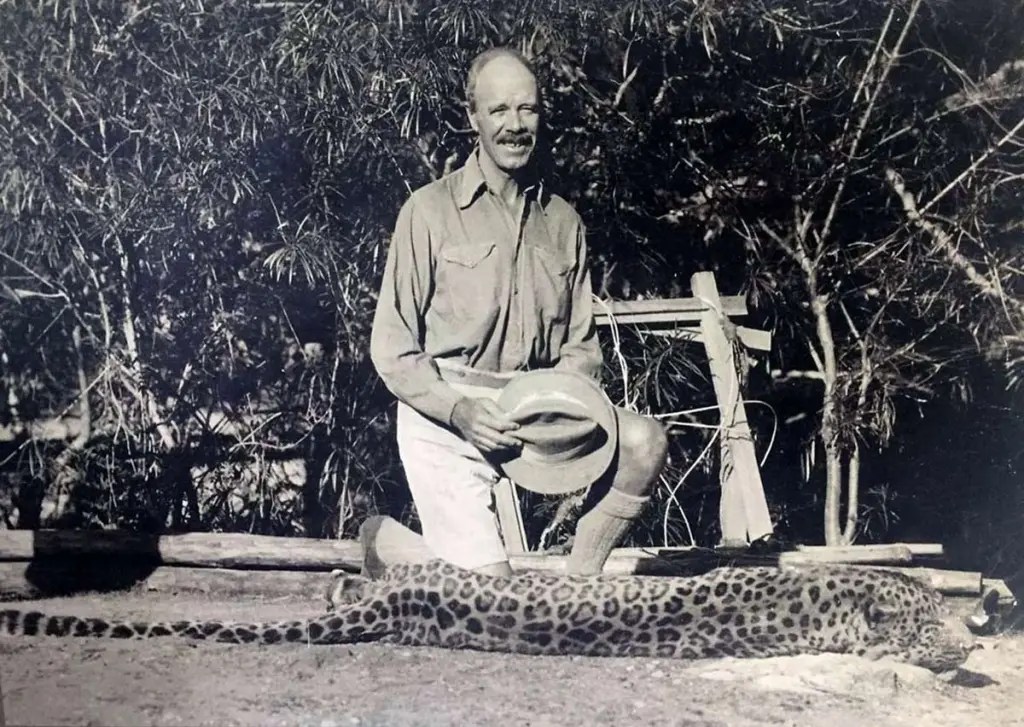
Her story, however, is also inextricably linked to one of conservation’s most complex and legendary figures: Jim Corbett. While today he is remembered as a pioneer of wildlife protection — and the namesake of India’s first national park, Corbett began his journey into the wild not as a saviour, but as a hunter. The Champawat tigress was his first true pursuit of a confirmed man-eater. And it was a pursuit that would change the course of his life.

A Killing Machine Created by Human Wounds

We now know the Champawat tigress turned to humans after sustaining severe injuries likely inflicted by poachers or after a confrontation with hunters. Broken canines and damage to her jaw made her unable to bring down natural prey. In desperation, she turned to easier quarry: people.

Her killing spree spanned the border of Nepal and India. After the Nepalese army failed to stop her, she crossed into British India’s Kumaon region. Panic and grief followed in her wake. Villages emptied. Daily life ceased. Entire communities were paralysed by fear.

Enter Jim Corbett

In 1907, Jim Corbett, then a railway man and experienced shikari (hunter), was called upon to stop her. He was young, only in his early 30s, and this marked his first major hunt for a man-eating big cat, a fact made clear in both Corbett’s own writing and subsequent historical biographies. After several failed attempts and tense tracking, he eventually shot the tigress near the village of Champawat. The hunt earned him widespread recognition, but more importantly, it ignited a lifelong mission to understand why big cats turn man-eater, and how to prevent it. He later even became a keen early, wildlife photographer and observer.

Corbett’s later life saw a complete transformation. He would become one of India’s earliest and most passionate voices for tiger conservation, often risking his reputation to defend the species he had once been called to destroy.

The Book: No Beast So Fierce

For those intrigued by the history behind the hunt, Dane Huckelbridge’s No Beast So Fierce (2019) offers a gripping, well-researched account of the Champawat tigress and Corbett’s involvement. It not only explores the hunt itself but also examines the colonial, ecological, and human factors that gave rise to such a tragic chapter. Huckelbridge places the tigress’s killings in the wider context of deforestation, conflict, and human encroachment — themes that still resonate today, when tiger populations have been decimated by a shocking 96% since Corbett’s time.

Setting the Record Straight: A Note on Recent Misinformation

Recently, television host and adventurer Forrest Galante released a YouTube video discussing the Champawat tigress. While his enthusiasm for wildlife storytelling is commendable, the video unfortunately contained some mild inaccuracies. Chief among them was the claim that this was not Jim Corbett’s first hunt for a man-eater.

Corbett himself, in his 1944 book Man-Eaters of Kumaon, makes it clear that the Champawat tigress was his first real confrontation with a man-eating big cat — a life-and-death pursuit that shaped his entire philosophy on wildlife. Galante’s failure to reflect this not only disrespects the historical record but also distorts the narrative of a pivotal moment in conservation history.

As wildlife communicators, we owe it to the truth, and to the animals whose stories we tell to get the facts right. In the name of entertainment and click-bait, this isn’t always the case. We would do well to remember that the Champawat tigress was more than just a man-eater; she was a tragic byproduct of human impact, and her story catalysed the transformation of one of conservation’s most influential figures.

Remembering the Legacy

Today, as tiger numbers teeter and human-wildlife conflict continues, the tale of the Champawat tigress remains deeply relevant. It is a cautionary tale. Not of a monster in the jungle, but of what happens when humans and nature fall fatally out of balance.

Corbett’s journey from hunter to conservationist reminds us that change is possible. And that understanding, compassion, and respect must guide our relationship with the wild.