From the hills of Wales to the heathlands of Dorset, reports of large, unidentified cats continue to surface across the British countryside.
Most are brief encounters. A shape crossing a field. A dark animal slipping through woodland. A dog walker forced to stop mid-stride as something far larger than a domestic cat disappears into the hedgerow.
These reports are rarely treated seriously in the national press. Often they appear in the odd-news columns or alongside stories about mythical creatures and folklore.
Yet they refuse to disappear into the shadows alongside their subjects. And over the past few months, several new sightings have once again brought Britain’s big cats back into the open.
Do big cats stalk Britain’s Bodmin Moor?
A Panther Prowl’s Ed Sheeran’s Estate.
One of the most widely circulated reports recently came from Suffolk, where a large black cat was seen near the £37 million country estate of musician Ed Sheeran.
Witnesses described a large dark animal moving across farmland close to the property. The sighting prompted speculation that a so-called “panther” might be roaming the countryside and the story travelled quickly through national and international media, largely because of the celebrity connection.
But aside from the location, the details themselves were familiar to anyone who has followed the phenomenon for long. A large, dark cat moving with fluid, purposeful motion, low to the ground. Exactly the sort of description that appears again and again in regional sightings.
Cats Across the Countryside
All over Britain, similar reports continue to surface.
In Dorset, a sighting on Canford Heath near Poole described what a witness believed to be a black panther moving through open heathland.
In Wiltshire, a dog walker near Chippenham reported encountering a large cat on a popular countryside footpath. The witness described an animal significantly larger than a domestic cat, with a long tail and dark colouring.
Further west, a report from Newquay in Cornwall described a large cat seen at distance moving across farmland. Cornwall has long been one of the regions most frequently associated with Britain’s “phantom cats”, often linked with the legend of the Beast of Bodmin Moor.
In North Wales, motorists and walkers have also reported large feline shapes crossing rural roads or moving along field margins. One witness claimed the animal they saw was nearly the height of a car bonnet as it passed through the roadside vegetation.
These accounts vary in detail, but the core descriptions tend to be remarkably consistent.
A powerful, long-tailed cat – often dark in colour, but tan and other hued cats are also reported, seen briefly before disappearing into woodland, scrub, or across farmland.
Britain offers significant habitat that could harbour unseen predators.
A Long History of Sightings
Reports of large cats in Britain are of course, nothing new.
Newspaper archives contain sightings dating back decades, particularly from the late twentieth century when stories of “phantom panthers” became a recurring feature of rural folklore.
Many researchers have suggested these reports may trace back to the Dangerous Wild Animals Act of 1976, which introduced licensing requirements for keeping exotic animals. The persistent theory is that a number of privately owned big cats may have been released into the countryside when the law came into force. Since then, further releases and escapes have contributed to more recent sightings.
We might not have direct hard proof or evidence. But, given the scale of the exotic animal trade – both legal and illegal, and the lack of funding to check on many privately-owned animals and licensing both back then and even more so today, it’s not without merit.
And sightings have never stopped.
From Exmoor and Dartmoor to the Surrey Hills, the Welsh countryside, and parts of Scotland – reports of large cats have popped up year in, year out, and continue.
Missed by the Media
Despite the number of sightings over the years and the many reliable witnesses, which include respected journalists and presenters like Clare Balding, the subject is rarely treated with much seriousness in mainstream media.
Often it appears in the same category as folklore creatures or mythical monsters.
The BBC’s Countryfile, for example, recently included Britain’s phantom cats in a list of “mythical beasts”, placing them alongside legendary creatures rather than unexplained wildlife reports. This framing shapes how the subject is perceived.
Instead of examining witness testimony, ecological plausibility, or historical context, the discussion often becomes a curiosity piece – something to be lightly dismissed rather than investigated.
Yet eyewitness testimony remains one of the primary ways wildlife is documented in many parts of the world.
The same observational accounts that guide conservation surveys in remote landscapes are often treated very differently when they occur in the British countryside.
Panther or Puma?
Another recurring problem is species confusion.
Many reports describe a black big cat. But media coverage frequently labels these animals as pumas. The issue with that identification is simple: pumas do not occur in black form. There are no verified melanistic pumas anywhere in the world.
Black big cats, commonly called “black panthers” – are usually one of two animals: leopards or jaguars. In Britain, the most plausible identification would be melanistic leopards.
Leopards are adaptable animals capable of surviving in a wide range of habitats, from rainforest to semi-arid environments and mountainous regions. They are also far more likely than most big cats to survive undetected in fragmented landscapes.
Pumas too, also known as mountain lions and a myriad of other names, are some of the most adaptable cat species, found from the Florida everglades to the high plains of Chile and the deserts of Arizona.
Why Some Researchers Look to Malaysia
If Britain does host a small surviving population of melanistic leopards, one intriguing possibility involves the Malayan leopard.
In the rainforests of the Malay Peninsula, south of the Isthmus of Kra, melanism is extremely common. In fact, the majority of leopards in this region are black.
Interestingly, this detail surfaced while researching my current novel Predatory Nature, where the history of exotic big cats imported into Europe during the twentieth century led me down a rabbit hole into the unusual genetics of Malayan leopards.
These cats are also smaller than many other leopard subspecies, which historically made them attractive to exotic animal collectors and the trade supplying them.
During the mid-twentieth century, when keeping exotic animals became fashionable in parts of Europe and especially the United Kingdom, animals described as “black panthers” were imported from Southeast Asia, to the point that the population was significantly impacted. And today, the population is dominated by those sporting the melanism gene.
The smaller size of the Malaysian sub-species helped fuel the mistaken belief they would be easier to manage. In reality, of course, a leopard is never a domestic animal.
But if any such cats were released or escaped decades ago, their melanistic coats would have offered a natural advantage in Britain’s woodland landscapes, particularly in low light, where their rosette markings are almost invisible – which is a factor that should be taken into account when witnesses describe cats as “jet black”.
Mystery in the Hedgerows
None of this proves definitively that Britain currently hosts a breeding population of large cats.
Most sightings could still have more mundane explanations: misidentified dogs, escaped exotic pets, or fleeting glimpses of ordinary wildlife seen in poor conditions.
Everyday domestic cats are also likely culprits. The recent Devon sighting is a possible example. Despite gaining significant coverage in the press, and comparisons to the Beast of Bodmin in neighbouring Cornwall – the animal in this video moves like a domestic cat, and has the head shape and movement in line with this. However, the published video quality is very poor and it is very difficult to make any kind of certain identification. A feral cat, which can grow to larger sizes, is also a likely possibility.
But the persistence of the reports and the consistency of many descriptions keeps the question alive and shouldn’t be dismissed or derided.
There’s a good chance the truth lies somewhere between folklore and biology. It’s not just possible, but likely, that there are a small number of big cats of more than one species surviving quietly in remote pockets of the British countryside.
Combined with the enduring human instinct to see shadows move at the edge of the woods and wonder what might be watching back, it’s unlikely reports are going to disappear.
Either way, Britain’s phantom cats remain one of the country’s most enduring wildlife mysteries. And every now and then, someone sees something crossing a field that refuses to fit neatly into the explanations we already have.
For this week’s Man-eater Monday, we’re deviating slightly into a more niche area – that of individual animals that have killed people, seemingly deliberately and consistently, but not with the intent of consuming them nor necessarily even being a predatory species. Enter a name known around the world, given to an animal usually internationally adored.
Between 2004 and 2006, in the Sonitpur district of Assam, a lone bull elephant was blamed for the deaths of at least twenty-seven people.
He did not start out as a named villain. But his unprecedented reign of terror did begin with unmitigated attacks akin to those of a terrorist.
A labourer killed near a tea garden. A villager trampled close to the forest edge. Someone walking home at dusk who did not return. At first, these were tragedies folded into a region long accustomed to uneasy co-existence with elephants. But the deaths did not remain isolated. They accumulated.
By the time officials concluded that a single tusker was responsible, the pattern was impossible to ignore.
It was then that the elephant was given a name heavy with the politics of the time.
They called him Osama Bin Laden.
The Landscape of Conflict
Sonitpur is not wilderness in the romantic sense. It is a mosaic of tea estates, villages, secondary forest and fractured corridors. The boundary between cultivation and jungle is not a line on a map; it is a living seam where elephants and people move within metres of one another.
Elephants have used these routes for generations. Long before rail lines and plantation grids, herds moved seasonally through what is now farmland. As forest has thinned and been divided, those routes have narrowed but not disappeared.
A solitary bull navigating this terrain does not simply wander into conflict. He encounters it repeatedly.
Adult male elephants are more prone to risk than matriarch-led family groups. They move alone. They raid crops. They approach settlements under cover of darkness. During musth, a periodic hormonal state marked by surging testosterone and heightened aggression, a bull can become more volatile, less tolerant of disturbance, and more forceful in asserting space.
In a compressed landscape, force carries consequences. In this setting, a solitary adult bull can become highly dangerous.
Twenty-Seven Deaths
At least twenty-seven people were killed over roughly two years. That figure appears consistently across regional reporting and official statements from the period.
These were not predatory killings. Elephants obviously do not consume human flesh. The deaths occurred during close-range encounters – trampling, crushing, and sudden aggression in shared ground.
But repetition changes perception.
A single fatal encounter is tragedy. Repeated fatal encounters become something else. Fear shifts from circumstantial to anticipatory. Villages alter routines. Workers hesitate at dusk. Forest paths grow tense.
The elephant was described as large, solitary, and unusually aggressive. Witnesses spoke of sudden appearances and little warning. In rural districts where livelihoods are already precarious, such unpredictability erodes more than confidence. It erodes normality.
By 2006, pressure mounted on authorities to act decisively.
The Hunt
Forest officials identified a specific bull believed responsible and launched operations to track and eliminate him. Public assurances were made that the threat would be addressed. There were reports that the elephant had been located and shot. Other accounts suggested he had retreated into deeper forest.
What is clear is that after 2006, the killings attributed to this individual ceased.
What is less clearly documented in accessible public archives is a definitive, widely cited confirmation of his death. That absence does not negate the official efforts made, nor the likelihood that a targeted animal was killed. It simply reflects the uneven nature of record-keeping in regional conflict cases. If the elephant killed was the animal responsible, he had, for some reason, wandered over fifty miles from where he’d last been encountered.
For the communities of Sonitpur, however, the outcome was measured less in paperwork and more in silence. The attacks stopped. And that distinction matters.
Naming the Enemy
The name “Osama Bin Laden” did more than identify a problem animal. It framed him within a global narrative of terror.
The early 2000s were shaped by anxiety and the language of unpredictable threat. To attach that name to a wild elephant was to translate ecological conflict into something deliberate and ideological. It suggested planning. Malice. Intent.
But elephants do not operate within ideology. They respond to pressure, proximity, memory, and stress. A bull in musth does not wage war. He asserts space in the only language available to him… size and strength.
The name belonged to human fear, not elephant cognition.
Man-Killer
The elephant of Sonitpur sits uneasily within the category of killer animals. He did not shift diet. He did not stalk as a predator does. Yet twenty-seven deaths over two years place him alongside other animals whose repeated fatal encounters alter public memory.
The comparison reveals something important.
In classic predator cases such as the Champawat tiger and the Tsavo lions, it is injury, age or prey scarcity can drive a carnivore toward habitual human predation. With elephants, the mechanism is different. The deaths arise from collision rather than consumption.
But the emotional result for communities is similar. Repetition breeds myth. And myth simplifies cause.
Compression
Human–elephant conflict in Assam did not begin in 2004, and it did not end in 2006. Railway strikes, retaliatory killings, electrocutions and crop destruction continue to shape the region’s uneasy coexistence.
The Sonitpur elephant did not emerge from wilderness untouched by human systems. He moved through a landscape already compressed by agriculture, infrastructure and settlement. Every tea garden and railway line narrowed the margin for avoidance.
Twenty-seven deaths are not a rumour. They are recorded loss. But beneath the number lies a structural tension: one of the largest land mammals on Earth navigating corridors increasingly designed without him in mind.
When that negotiation fails, it fails violently. The elephant known as Osama Bin Laden was not a terrorist. And he was not a monster in the way folklore demands.
He was a bull in a fractured landscape.
And in Sonitpur, between 2004 and 2006, that fracture cost twenty-seven lives.
The well-behaved monster and the boundaries of respectability.
Awards season is upon us and traditionally, has always had its preferences. Historical epics. Biographical drama. Social realism. Stories that feel weighty before they even begin.
Horror, by contrast, has often been treated as something unruly — too visceral, too commercial, too unserious to sit comfortably among prestige cinema. And yet, every so often, a monster slips past the velvet rope.
This year, with Sinners dominating Oscar nominations and walking away with major wins at the BAFTAs, that old boundary feels more porous than it once did. Creature cinema is no longer automatically dismissed. It can be celebrated. It can be honoured.
But when monsters win, it is rarely on their own terms.
They are welcomed, carefully, once they have been translated.
Jaws – The Shark That Wasn’t Just a Shark
When Jaws arrived in 1975, it was a creature feature. A film about a shark hunting swimmers off the coast of a small American town.
It went on to win three Academy Awards — for editing, sound, and John Williams’ now-immortal score.
Not for the shark. The mechanical animal at the centre of the film was never what the Academy formally recognised. Instead, it was the craft that elevated the material: the restraint of the camera, the discipline of the cut, the tension built through absence rather than spectacle.
The shark became something larger than itself. It became:
Fear of the unseen.
Bureaucratic denial in the face of danger.
Economic pressure overriding safety.
In other words, it became metaphor. But beneath that metaphor, the shark remained something more unsettling. It wasn’t malicious. It wasn’t political. It wasn’t traumatised. And it was not misunderstood.
It was simply an animal behaving as animals sometimes do (or in this case, how we thought and imagined they did).
That indifference — that refusal to moralise — is part of what makes Jaws endure. Yet the recognition it received was framed around artistry, not animality. The Academy rewarded how the story was told, not the wildness at its heart.
The creature was tolerated. The craftsmanship was honoured.
The Shape of Water – The Monster Who Became a Mirror
Guillermo del Toro’s The Shape of Water went further. It did not merely win technical awards. It won Best Picture. At its centre is an amphibian creature — clearly inspired by mid-century monster cinema — imprisoned, studied, and ultimately loved.
But this monster does not function as predator. He is not unknowable. He is not ecologically threatening. He is gentle, curious, and capable of tenderness.
He becomes a symbol of otherness — of marginalisation, disability, Cold War paranoia, loneliness. The film invites us not to fear him, but to recognise ourselves in him.
The creature wins because he reflects something human. His monstrosity is aesthetic, not existential. Prestige culture is comfortable with this kind of monster. It can be framed as allegory. It can be moralised. And it can be absorbed into the language of empathy.
The wild edges are softened and the teeth are metaphorical.
When the Creature Becomes Backdrop
A pattern begins to emerge. Horror tends to be embraced by institutions when it performs a certain translation. When the monster is:
A political symbol.
A social commentary.
A psychological metaphor.
A vehicle for historical reflection.
In these cases, the creature is not truly the subject. It is a lens through which something recognisably human is examined.
The awards are rarely about the animal itself. They are about what the animal represents. And it’s important to clarify this does not diminish the artistry of these films. Many of them are extraordinary. But it does reveal a preference.
Prestige culture prefers its monsters legible and interpretable. In short, it prefers them to behave.
Horror’s Rehabilitation
In recent years, horror has enjoyed something of a rehabilitation. The line between “genre” and “serious cinema” has blurred. Audiences have matured. Filmmakers have pushed boundaries of tone and form.
Part of this shift is cultural. We live in anxious times. Horror provides a language for uncertainty and a release for it — for systems that feel unstable, for threats that feel diffuse.
But institutions still have conditions.
When horror arrives in formal dress — lyrically shot, carefully scored, layered with symbolism — it is easier to recognise as art. When it aligns with contemporary conversations, it feels urgent rather than lurid.
In other words, horror is welcomed when it demonstrates that it understands the rules of the room. It can be frightening. It can be strange. But it must also be respectable. And the vampires in Sinners are polite, well-spoken, and at the very least, wear respectability as a well-practiced facade as a means to an end.
The Uncomfortable Creature
What remains more difficult to absorb is the creature that resists interpretation. The shark that is simply a shark. The predator that is not secretly a metaphor for capitalism, trauma, or xenophobia. The animal that does not apologise for being non-human.
Ecological horror, the stories that centre real animals behaving according to instinct rather than narrative morality — sits uneasily in prestige culture. There is no catharsis in a force of nature. No redemptive speech. No symbolic resolution.
There is only indifference. And indifference is hard to award. It offers no moral comfort. It does not flatter us by suggesting that even our monsters are secretly about us.
Why This Matters
How we reward monster stories tells us something about how we process fear. We are drawn to creatures, but we often feel compelled to domesticate them. To explain them. To soften them into symbols we can decode.
When a monster film wins, it often does so because it reassures us that the monstrous can be translated into something familiar. But some of the most powerful creature stories resist that translation. They leave the animal wild. They refuse to moralise the teeth.
Those films may not always collect statues. Yet they linger. Because they remind us that not everything in the natural world exists to be understood through human frameworks.
Some things are simply other – the literal force of nature. And perhaps that is what true monster cinema has always been about — not metaphor, not allegory, but the fragile boundary between ourselves and the wild.
Awards season may continue to evolve. Horror may continue to gain recognition. But the monsters that win will likely remain the ones that know how to behave.
The rest — the indifferent, the ecological, the untamed, will likely continue to circle just beyond the light. Popular, but not recognised. Always in the shadows of recognised greatness. And there is something fitting about that.
My novels explore similar boundaries between folklore, wildlife, and fear. The monsters are rarely simple. Find them on Amazon, Kindle, Audible, and iTunes.
In the winter of 1915, the settlement of Sankebetsu, in northern Japan, was already under strain.
Snow lay deep across Hokkaido. Food stores were thin. Travel was difficult, sometimes impossible. For the people living at the margins of cultivated land, winter was not simply a season — it was a test of endurance.
What went largely unconsidered was that the same conditions applied to everything beyond the settlement’s boundaries.
The forests were locked in ice. Natural forage was scarce. Prey animals were weakened, dispersed, or absent altogether. The winter that pressed hardest on human communities was doing the same to the wildlife around them. But at the time, this was not a connection people were trained to make.
Ecology, as a way of thinking, had not yet entered the conversation. Hardship was viewed as a human problem, unfolding against a largely static natural backdrop. The idea that animals might also be responding — adapting, learning, and changing behaviour under pressure, was rarely entertained.
It was in this context that the Sankebetsu incident began.
A first encounter and a dangerous assumption
The bear’s first appearance was not dramatic in scale, but it was decisive in consequence. In December 1915, a large brown bear entered the settlement and attacked a woman working near her home. The encounter was sudden and close-quarters. She was killed before any effective intervention could be made.
The bear did not linger. After the attack, it retreated back into the surrounding forest.
That withdrawal shaped how the incident was understood.
Within the settlement, the prevailing belief was that the animal had been startled — that the violence was reactive, not intentional, and that the danger had passed with the bear’s departure. The incident was treated as an isolated tragedy rather than the opening stage of a larger threat.
No co-ordinated hunt followed. No sustained effort was made to track the animal’s movements or assess whether it might return.
This response was not careless so much as culturally conditioned. At the time, apex predators were often viewed as opportunistic but fundamentally avoidant of humans. An animal that fled was assumed to have learned fear.
But this assumption rested on a misunderstanding of how predators learn.
An animal that kills and escapes unharmed has not seen that behaviour punished. It has been reinforced. The boundary between human and prey does not harden, it weakens.
In retrospect, the bear’s retreat was not a conclusion. It was a pause.
Escalation isn’t chaos, it’s pattern
When the bear returned, it did not behave erratically.
It came back into the settlement repeatedly, moving with increasing confidence through spaces that had already been shaped by human presence. Homes were entered. People were taken from places that should have been safe.
One of the most disturbing moments came shortly after the initial attack, when the bear returned during a funeral held for the first victim. Drawn by human activity and the presence of food, it entered the area and killed mourners gathered there.
The violence was no longer confined to a single encounter. Over the course of one night, multiple people were killed in separate attacks. By the time the bear was finally stopped, five lives had been lost, several of them within hours of one another.
What is striking, in retrospect, is not the scale of the violence, but its consistency.
The bear did not flee after these encounters. It did not act randomly. It returned to the same settlement, exploited moments of vulnerability, and withdrew only when challenged. Each successful attack reinforced the same lesson: humans were accessible, and resistance was minimal.
This is the point at which many retellings introduce the language of madness or bloodlust. But escalation, in cases like this, is rarely chaotic. It is patterned.
Under conditions of prolonged scarcity, the bear’s behaviour reflected learning rather than frenzy. What appeared to the community as senseless violence followed a grim internal logic shaped by hunger, opportunity, and success.
Human hesitation, and a belated resolution
As fear spread through the settlement, so did uncertainty.
There was disagreement over whether the same bear was responsible for each attack. Some believed the animal would eventually move on. Others feared that a co-ordinated response might provoke further violence. Time was lost to debate, hesitation, and the difficulty of acting decisively in extreme winter conditions.
When a concerted effort was finally made to track the bear, it revealed just how unprepared the community was for such a task. Weather obscured trails. Knowledge of bear behaviour was inconsistent, drawn from folklore, fragments of experience, and assumption rather than strategy.
Eventually, a group of hunters succeeded in locating and killing the animal. The bear was identified as a large male brown bear, in poor physical condition. Its body showed signs consistent with prolonged scarcity. With its death, the attacks stopped.
The immediate danger to Sankebetsu was over.
But the resolution came only after multiple lives had been lost, and only once the cost of inaction had become undeniable. The bear’s death did not mark the defeat of a monster, but the delayed recognition of a threat that had been misunderstood from the outset.
The Sankebetsu statue and tourist site.
Then, and now
More than a century after the Sankebetsu incident, it is tempting to look for repetition — to imagine the same landscape quietly replaying its past.
That is not what the evidence suggests.
Brown bears still inhabit Hokkaido today. The species persists across much of the island’s forests and mountain ranges, and in some areas populations are thought to be stable or recovering after decades of decline. The region where Sankebetsu once stood is no longer a permanent settlement, and there is no indication that it has become a modern centre for serious bear attacks.
History, in this sense, is not repeating itself geographically.
What has changed is the broader context in which people and bears now coexist.
In 2025, Japan recorded 13 human fatalities and more than 100 injuries resulting from bear encounters, involving both Asiatic brown bears and Asiatic black bears. These incidents were spread across multiple prefectures and environments — from rural settlements to the edges of towns — rather than concentrated in any single location.
The pressures behind them are familiar: reduced natural food availability, changing land use, and expanding human presence in areas once less frequently occupied. Bears range more widely when resources are scarce, and humans now occupy landscapes that were once seasonal or marginal.
The relevance of Sankebetsu, then, is not that it is happening again in the same place. It is that the same ecological forces – scarcity, overlap, and hesitation, all continue to shape encounters between people and large predators, wherever clear boundaries erode.
The quieter truth of man-eater stories
The Sankebetsu bear was not a creature of myth, nor a symbol of evil. It was an animal responding to scarcity, learning from success, and moving through a landscape that no longer offered clear separation between forest and home.
Man-eater stories endure not because they reveal something monstrous about animals, but because they expose a recurring human blind spot: the tendency to see nature as static, until it reacts.
When prey disappears, boundaries blur. When boundaries blur, conflict follows.
The question is not whether such stories will happen again, but whether we recognise the conditions early enough to change the outcome.
For much of cinema’s history, the monster served a simple narrative function. It arrived from the margins, disrupted order, embodied fear, and was ultimately removed so that normality could be restored. Whether giant ape, prehistoric reptile, or nameless creature lurking in the dark, the monster existed primarily as an obstacle. It did not need interiority. It did not need explanation. Its presence alone was justification enough.
That simplicity made monsters effective. Fear thrives on clarity, and early cinema rarely asked audiences to question where the creature came from or why it behaved as it did. The monster was the problem.
But in recent years, that framing has begun to feel increasingly inadequate.
Modern monster films still deliver spectacle and danger, but they are far less comfortable presenting creatures as purely evil forces. Behaviour is contextualised. Motivation is explored. In some cases, the monster is no longer even positioned as the antagonist.
It remains frightening, but it is no longer disposable.
The Classic Monster: Threat Without Context
Early cinematic monsters were designed to simplify fear rather than interrogate it.
In King Kong, Kong is awe-inspiring and tragic, but he is never truly allowed to exist beyond symbolism. He represents the unknown, the primitive, the uncontrollable. His capture and eventual death restore order, and the film closes without seriously questioning whether that outcome was inevitable or just.
This structure repeats across decades of monster cinema. The creature is framed as abnormal, its presence an intrusion into civilisation. Little attention is paid to ecology, displacement, or cause. The monster’s destruction functions as narrative closure.
That approach worked for its time. Monsters were metaphors first and beings second. Fear was externalised and contained.
The Modern Shift: Behaviour Over Villainy
Contemporary monster narratives are far less willing to accept that kind of moral shorthand.
In the MonsterVerse, Kong is no longer portrayed as a rampaging aberration. He is territorial, reactive, and increasingly isolated — a powerful animal responding to confinement, intrusion, and displacement. The destruction he causes is not denied, but it is contextualised. The question is no longer simply how to stop him, but why he is there at all.
A similar approach appears in Damsel, where the creature’s violence is rooted in history and betrayal rather than innate malice. The monster is not softened or turned into a companion figure. It remains a dangerous, direct threat. What changes is the framing. Its behaviour is shown to be a response rather than a pathology.
This distinction matters. Explanation does not neutralise threat. It replaces laziness with honesty.
Monsters, Instinct, and the Conservation Lens
This narrative evolution mirrors a broader shift in how we understand real animals.
In conservation and human–wildlife conflict, the language of “rogue” animals and “evil” predators has largely been abandoned. Serious discussion now centres on habitat loss, injury, food scarcity, and human expansion into contested spaces. When a tiger or lion attacks, the focus is not on moral failure but on circumstance and pressure.
The animal is not absolved of danger — but it is removed from moral judgement.
Modern monster cinema increasingly reflects this ecological thinking. These creatures are frightening not because they are wicked, but because they are powerful, stressed, territorial, or reacting exactly as their biology dictates. Instinct replaces intention. Context replaces caricature.
Importantly, this approach does not anthropomorphise the monster. It does the opposite. By stripping away human moral projection, the creature is allowed to exist as something fundamentally other — governed by its own rules, indifferent to ours.
That indifference is often more unsettling than evil ever was.It strips away human moral projection and allows the creature to exist on its own terms.
Why This Change Matters Now
This shift in monster storytelling is not happening in isolation.
We live in an era defined by systems rather than single causes. Climate change, ecological collapse, geopolitical instability — none of these can be explained through simple villains. Audiences have become increasingly attuned to complexity, and stories built on clear moral binaries often feel dishonest.
What unsettles us now is not the presence of danger, but the recognition that harm can be understandable. That violence can emerge from pressure rather than cruelty. That systems, not monsters, are often the true antagonists.
Modern monster films reflect this discomfort. They resist easy answers. They allow fear to coexist with recognition.
The Monster as Witness, Not Enemy
In many contemporary narratives, the monster has become something closer to a witness than an enemy.
Not a punishment sent to restore balance. Not a curse to be eradicated. But a presence shaped by what has been taken, altered, or ignored.
The creature remains dangerous. The threat is real. Yet the story no longer ends with its removal as moral necessity. Instead, the monster exposes the fragility of human systems and the consequences of interference.
The monster has not disappeared. It has become more truthful.
Closing Reflection
We still call them monsters, but we have quietly stopped treating them as villains.
That change does not make these stories gentler. If anything, it makes them more unsettling. A monster driven by instinct and circumstance cannot be reasoned with or redeemed in simple terms. It can only be understood — and sometimes endured.
Perhaps this shift says less about cinema than it does about us. About a growing awareness that fear does not require evil, and that the most frightening stories are often the ones that refuse to offer clean resolutions.
If you enjoy this kind of storytelling, my fiction explores similar territory — where monsters and animals are shaped by instinct, history, and human pressure rather than simple evil.
In the winter of 1916, on the frozen Eastern Front, German and Russian soldiers discovered that the greatest danger they faced was no longer each other.
The Howling in No Man’s Land
The snow fell thick and soundless over the forests of Eastern Europe. It swallowed roads, softened the edges of trenches, and buried the dead where they lay.
Along the front lines separating German and Russian forces, sentries stood in rigid silence, rifles stiff with ice, breath frosting the air in pale clouds. The wind carried the smell of rot from the fields beyond the wire — thousands of bodies left unburied after weeks of fighting, locked in the ground by frost.
And then, at night, came the howling.
At first it was distant. Mournful. Easy to dismiss as imagination or exhaustion. But as the weeks passed, it grew closer.
Men began to vanish from the edges of camps. Lone runners failed to return. Wounded soldiers, dragged away from shell holes and shallow graves, left only streaks of dark red in the snow.
The Eastern Front had acquired a new predator.
A Perfect Storm for Wolves
The First World War created conditions unlike anything Europe had seen.
The Eastern Front, stretching across Poland, Belarus, and the Baltic regions, became a landscape of mass death and logistical collapse. Entire villages were abandoned. Supply lines broke down. Corpses lay uncollected for weeks or months at a time.
For wolves, already struggling under centuries of persecution and habitat loss, this was catastrophe and opportunity combined.
Winter drove them out of the deep forests. Starvation pushed them closer to human settlements. And war provided something unprecedented: endless carrion.
Thousands of human bodies lay exposed in fields and forests, frozen solid in the snow. For scavengers, it was a banquet that never ended.
At first, the wolves fed on the dead.
Then they began testing the living.
When the Dead Were No Longer Enough
Contemporary reports and later memoirs describe a shift in behaviour as the winter deepened.
Wolves began approaching camps at night, circling trenches, and following patrols at a distance.
Isolated soldiers were attacked while collecting firewood or running messages between positions. Sentries disappeared from their posts. Wounded men, unable to move, were taken from the margins of the battlefield.
The attacks were not frenzied. They were methodical.
These were not mythical monsters or supernatural beasts. They were animals responding to an extreme ecological shock, losing their fear as hunger and opportunity rewired their instincts.
For soldiers already broken by cold, starvation, and artillery, the effect was devastating. The war had stripped them of shelter, warmth, and food. Now it was stripping them of the illusion that humans were still in control.
The Truth of the “Wolf Truce”
As the attacks increased, something extraordinary happened.
According to multiple historical accounts, both German and Russian units found themselves under such sustained pressure from wolves that hostilities between the two sides were temporarily suspended.
Joint patrols were formed. Coordinated hunts were organised. Weapons that had been aimed at enemy soldiers were turned outward, into the forests.
For a brief moment, the front line dissolved. The enemy was no longer the man in the opposite trench. It was the unseen presence moving through the trees.
The episode became known later, and somewhat romantically, as the “wolf truce.”
As with many stories that sit at the boundary of history and horror, the details are tangled.
There is credible evidence that wolf attacks did occur on the Eastern Front during the winters of 1916–1917. Military records and memoirs reference problems with wolves and describe organised culls.
There is also evidence of temporary cooperation between opposing forces to deal with shared threats. Not just wolves, but disease, flooding, and other environmental hazards.
But the scale of the attacks has almost certainly been exaggerated in later retellings. The idea of thousands of wolves overwhelming entire regiments is almost certainly folklore.
What remains clear is this:
The wolves were real. The attacks were real. And for a brief winter, nature forced a pause in a human war.
Why This Story Endures
The wolves of World War I were not evil. They were not monsters. They were opportunists in a broken ecosystem.
War dismantled the structures that kept humans safe; shelter, food, burial, borders, order. In that vacuum, predators did what predators have always done. They filled the gap.
What terrified soldiers was not just the physical danger. It was what the wolves represented. They were proof that civilisation had collapsed far enough for humans to become prey again.
Fear is rarely about death alone. It is about the loss of control.
When Humans Stop Being the Apex Predator
The label “maneater” has always said more about us than about the animal.
Wolves have hunted people before. So have tigers, lions, leopards, bears, and sharks.
But they only become legends when they cross an invisible line, when they stop behaving like background wildlife and start behaving like participants in human history.
On the Eastern Front, the wolves did exactly that. They stepped into a war zone and claimed their share of it.
After the Snow Melted
Eventually, the wolves were driven back. Hundreds were shot, trapped, or poisoned.
As spring came, the snow thawed, and the bodies were buried. The carrion vanished. The front stabilised.
The wolves retreated into the forests. And the armies resumed killing each other. The moment passed, almost forgotten.
But for a brief winter, the war remembered something it had tried to deny: It was not the only deadly force shaping that front.
Closing Reflection
The wolves of World War I were not supernatural. They were not sent by fate or divine punishment. They were simply animals responding to human catastrophe.
And in doing so, they exposed a truth that sits beneath every maneater story: When the structures of civilisation collapse, the food chain rearranges itself.
Fear stalked the land, searching out its prey with a single working eye. A scarred beast that prowled the maize fields of southern Tanzania, its remaining eye glowing in the firelight like an ember from the underworld. Wherever it appeared, someone vanished.
By the time the terror ended in the mid-1940s, villagers whispered that as many as 1,500 people had been taken. Some dismissed the figure as impossible; others swore it was true, pointing to empty huts, abandoned farms, and the silence that hung over Njombe for more than a decade.
This is the story of the Njombe man-eaters: a pride of lions whose reign of fear has no equal in recorded history.
A land in crisis
The Njombe District in the 1930s was an isolated plateau of rolling grasslands and scattered farms in what was then Tanganyika. For centuries, lions and people had co-existed uneasily there: lions taking cattle now and then, villagers spearing lions in retaliation. But the balance was about to tip.
At the turn of the 20th century, rinderpest, a cattle plague introduced by imported livestock, tore through East Africa. It killed not only cows but also wild ungulates including buffalo, wildebeest, eland, and kudu. In short, the very animals lions depended on. At the same time, colonial authorities, desperate to protect settler farms and commercial livestock, sanctioned widespread shooting of wildlife herds.
By the early 1930s, the great prey herds had vanished from much of Njombe. For a pride of lions, starvation loomed.
And then the killings began.
The first attacks
Accounts vary on who the first victims were. Some say it was a group of women cutting grass at the edge of the bush. Others tell of a child herding goats. What is certain is that the attacks were relentless.
Unlike the famous Tsavo man-eaters of 1898, which were just two lions, the Njombe killers operated as a full pride, one perhaps 15 strong. They hunted both day and night, stalking footpaths, raiding fields, and dragging victims from huts in the dark. Witnesses described their tactics as disturbingly coordinated: one lion would chase a fleeing villager toward others lying in ambush, while still more lions waited to carry the body off into the bush.
The result was psychological as well as physical devastation. Farmers abandoned their crops. Markets emptied. Whole families refused to travel. A rural economy, already fragile, teetered on collapse.
Folklore takes hold
As the death toll mounted, explanations turned supernatural.
Villagers spoke of Matamula Mangera, a witch doctor said to have cursed the land, sending spirit lions to punish those who had wronged him. Some claimed they saw lions melt into the shape of men; others swore that no ordinary rifle could kill the beasts.
Central to the lore was the pride’s supposed leader: a huge, one-eyed male called Kipanga. Was he real? Many hunters, including those who later fought the lions, believed so. Others argue Kipanga was more myth than flesh. Either way, the stories gave form to a terror that felt inhuman.
Even colonial officers recorded the atmosphere of dread. In their reports, villagers were described as “so paralysed by fear that they would not leave their huts even to tend their cattle.”
The scale of the slaughter
Could the lions truly have killed 1,500 people?
The figure comes up repeatedly, cited by hunters, missionaries, and later by storytellers such as Peter Hathaway Capstick. But hard evidence is scarce. Colonial records were patchy, and many deaths occurred deep in the bush, where no official ever ventured.
Sceptical historians suggest the real toll may have been in the hundreds, easily still enough to mark Njombe as the worst man-eater outbreak on record. But even if exaggerated, the number reflects the lived truth of the time: that whole communities were emptied, and that people felt they were at war with an enemy that could not be seen until it was too late.
Enter George Rushby
In 1947, after years of unchecked slaughter, the colonial government sent in a man who had made a career of battling Africa’s deadliest creatures: George Gilman Rushby.
Rushby was a former ivory hunter turned game ranger, a wiry, hard-driving man used to solitude and risk. He was already known for his encounters with elephants, leopards, and rogue buffalo. But the lions of Njombe would be his greatest test.
When Rushby arrived, he found villages half-deserted, fields lying fallow, and families so terrified they refused to leave their huts even by day. “The district had come to a standstill,” he later wrote. “The people were simply too frightened to live.”
The hunt
Rushby knew killing one or two lions would not be enough. The whole pride had to be vanquished. He organised local scouts, set baited traps, and began a grim campaign through thorn thickets and tangled river valleys.
The lions proved cunning. They avoided obvious bait, circled ambush sites, and sometimes attacked in the middle of Rushby’s own camp. Several times he narrowly escaped, his rifle raised only moments before a lion charged.
But slowly, methodically, the pride was whittled down. Rushby shot some himself, his trackers accounted for others, and poisoned bait claimed a few more. The turning point, Rushby believed, came when he killed the one-eyed male said to be Kipanga. Without their leader, the pride’s coordination faltered.
By the end of his campaign, Rushby claimed to have destroyed the entire man-eating pride. And just as suddenly as they had begun, the killings stopped.
Myth, memory, and reality
The story of Njombe sits at the uneasy intersection of fact and folklore.
Fact: A pride of lions really did terrorise the region, killing an unknown but horrifying number of people.
Folklore: A one-eyed demon lion, spirit beasts conjured by witchcraft, an exact death toll of 1,500.
Reality: Ecological collapse drove predators into desperate behaviour, and human fear magnified their legend until they became almost supernatural.
In this way, the Njombe lions became more than animals. They became symbols of a world out of balance.
Echoes today
Such mass outbreaks of man-eating lions are virtually unheard of now. Conservation measures, better livestock protection, and changing landscapes mean lions rarely, if ever, target humans in large numbers. But the underlying lesson remains: when ecosystems are broken, predators adapt in ways dangerous to us.
Human-wildlife conflict still exists across Africa, from elephants raiding crops to leopards taking goats. The Njombe lions are simply the most extreme and unforgettable example of what can happen when that balance tips too far.
A legacy of fear and fascination
Today, the hills of Njombe are quiet. Farmers tend their maize, children herd goats, and lions are seldom seen. But the memory lingers. Around campfires, elders still tell of the years when lions ruled the night, when entire villages hid indoors, and when the roar of a one-eyed beast froze the blood in men’s veins.
Were they spirit lions? A cursed pride? Or simply predators pushed beyond the edge of hunger? Perhaps all of these at once.
What is certain is that for more than a decade, fear itself had teeth and claws in Njombe. And its story remains one of the most chilling chapters in the long, tangled history between people and lions.
If you’d like to read a fictional story which shares the same elements, then check out The Daughters of the Darkness on Amazon, Kindle, and Audible.
In the early 20th century, deep in the rugged terrain of the Kumaon region in northern India, a man-eating tigress was terrorising local communities. By the time she was finally brought down in 1907, she had claimed an estimated 436 human lives — a staggering toll that remains the highest attributed to a single big cat. Her name would become infamous: the Champawat Tigress.
Her story, however, is also inextricably linked to one of conservation’s most complex and legendary figures: Jim Corbett. While today he is remembered as a pioneer of wildlife protection — and the namesake of India’s first national park, Corbett began his journey into the wild not as a saviour, but as a hunter. The Champawat tigress was his first true pursuit of a confirmed man-eater. And it was a pursuit that would change the course of his life.
A Killing Machine Created by Human Wounds
We now know the Champawat tigress turned to humans after sustaining severe injuries likely inflicted by poachers or after a confrontation with hunters. Broken canines and damage to her jaw made her unable to bring down natural prey. In desperation, she turned to easier quarry: people.
Her killing spree spanned the border of Nepal and India. After the Nepalese army failed to stop her, she crossed into British India’s Kumaon region. Panic and grief followed in her wake. Villages emptied. Daily life ceased. Entire communities were paralysed by fear.
Enter Jim Corbett
In 1907, Jim Corbett, then a railway man and experienced shikari (hunter), was called upon to stop her. He was young, only in his early 30s, and this marked his first major hunt for a man-eating big cat, a fact made clear in both Corbett’s own writing and subsequent historical biographies. After several failed attempts and tense tracking, he eventually shot the tigress near the village of Champawat. The hunt earned him widespread recognition, but more importantly, it ignited a lifelong mission to understand why big cats turn man-eater, and how to prevent it. He later even became a keen early, wildlife photographer and observer.
Corbett’s later life saw a complete transformation. He would become one of India’s earliest and most passionate voices for tiger conservation, often risking his reputation to defend the species he had once been called to destroy.
The Book: No Beast So Fierce
For those intrigued by the history behind the hunt, Dane Huckelbridge’s No Beast So Fierce (2019) offers a gripping, well-researched account of the Champawat tigress and Corbett’s involvement. It not only explores the hunt itself but also examines the colonial, ecological, and human factors that gave rise to such a tragic chapter. Huckelbridge places the tigress’s killings in the wider context of deforestation, conflict, and human encroachment — themes that still resonate today, when tiger populations have been decimated by a shocking 96% since Corbett’s time.
Setting the Record Straight: A Note on Recent Misinformation
Recently, television host and adventurer Forrest Galante released a YouTube video discussing the Champawat tigress. While his enthusiasm for wildlife storytelling is commendable, the video unfortunately contained some mild inaccuracies. Chief among them was the claim that this was not Jim Corbett’s first hunt for a man-eater.
Corbett himself, in his 1944 book Man-Eaters of Kumaon, makes it clear that the Champawat tigress was his first real confrontation with a man-eating big cat — a life-and-death pursuit that shaped his entire philosophy on wildlife. Galante’s failure to reflect this not only disrespects the historical record but also distorts the narrative of a pivotal moment in conservation history.
As wildlife communicators, we owe it to the truth, and to the animals whose stories we tell to get the facts right. In the name of entertainment and click-bait, this isn’t always the case. We would do well to remember that the Champawat tigress was more than just a man-eater; she was a tragic byproduct of human impact, and her story catalysed the transformation of one of conservation’s most influential figures.
Remembering the Legacy
Today, as tiger numbers teeter and human-wildlife conflict continues, the tale of the Champawat tigress remains deeply relevant. It is a cautionary tale. Not of a monster in the jungle, but of what happens when humans and nature fall fatally out of balance.
Corbett’s journey from hunter to conservationist reminds us that change is possible. And that understanding, compassion, and respect must guide our relationship with the wild.
The party of men and women walked quietly along the edge of ‘the gallops’ – thin, undulating corridors of grass bordering thicker patches of mixed woodland that stretched for some three or four miles around the estate, close to the edge of the strictly manged moorland. The landscape resembled, and indeed would have made for, a decent golf course. Yet, that was not their purpose. The grass was kept naturally short by the grazing deer – and a few centuries before, these were the hunting grounds of the lord of the manor and his guests. Today, the mixed herd was made up of both fallow and sika deer – and although they were no longer hunted with hounds as Lord Croftman would have liked, they were still managed and butchered to supply top-end restaurants and butchers across the North and Borders region. His opposition to the banning of hunting with dogs had not been successful, but a more recent endeavour had been. He had led a last-minute derailment of legislation to ban hunting trophies being imported into the UK, organising enough peers within the House of Lords to suggest amendments to the bill. In America, his attempts would have been described as ‘fillibustering’ – although not quite correctly. However, the end result was the same; the bill had all but been killed. After successfully being voted on in parliament, and even being included in his party’s manifesto – who were still in government, it was a small group within the unelected House of Lords who had been able to veto the much-wanted legislation being called for by the British public.
Lord Croftman liked to shoot. In his native Britain, he was restricted to his private deer herd and other managed game, such as the pheasants, grouse, and perhaps woodcock they sought this morning. Yet, rooms of his mansion were adorned with more exotic exploits. At the banquets, parties, and public events he attended, he argued – and argued well, how hunting played a significant role in conservation. That fees mustered from safaris and hunting licenses supported local communities living alongside wildlife and protected habitats. As a politician, he was the first to admit that the truth rarely played a part in a good story. His argument ignored both that photographic safaris brought in around ten times that of hunting outfits, and the corruption endemic to both the politicians and private businesses profiting from the latter.
The success had put him in a good mood. He was looking forward to his next trip to South Africa, where he planned to stay on a luxurious ranch that offered him the opportunity to hunt not only what was known as the big five, but also, almost amusingly, a tiger. Although not native to the African continent and only being found in Asia, private hunting operations had stumbled upon a loophole that offered hunters a legitimate way to claim the endangered big cat – with no way to legally do so in their Asian homelands, unless through more illegal means. But with numbers of tigers in captivity outnumbering wild tigers by nearly three to one, “farmed” tigers could be bred under license and raised to be killed, on a continent they were never meant to set foot on in the first place. He would have to wait a few weeks before he could enjoy that sport, but today, he was quietly celebrating his victory with other interested parties who’d helped him stall and kill off the new legislation. After the shoot, both a banquet and a cocktail party would reward those that had remained resolute, even against the overwhelming will of the British public.
But what do they know, Croftman thought with a smile.
He smiled as the little Land Rover 90 pick-up pulled up beside his guests. The larger, more luxurious SUVs that had dropped them off were parked behind them, on the edge of the trees. Croftman pushed open the passenger door and stepped out, greeting his friends yet ignoring the driver who’d ferried him across the estate, prepared his gun, packed his bag, and supplied his coat.
This was just fine with the driver, Dominic Grey, who trundled the vehicle over to the others and parked up. Dominic had served the estate since leaving school. It didn’t pay much, but it came with accommodation, and Lord Croftman had suggested he might be able to get him into the army if he ‘kept his nose clean’. That, as with many of the Lord’s promises, had never come to fruition. But it didn’t matter now. He took a small, military looking radio from his pocket and switched it on. He checked the channel with a glance and pressed the signal button twice, before switching it off again. Opening the driver’s door, Dominic slipped from the Land Rover and silently made his way towards the trees, moving away from the party as fast as he could without drawing attention.
From where they stood, they could see the mist was beginning to clear from the moor – and in the distance, they could now hear the beaters. Lord Croftman nodded to his companions and the murmurs of conversation came to a stop. The breaches of shotgun barrels were snapped open and charged with cartridges. Then, they waited. The first covey of birds flew over them so fast and so low, only a few of the shooters even had time to raise their guns to the sky, before realising it was hopeless. The natural dip in the land created by the gallops meant that the hunting party were out of sight, even from the air, until the very last minute – and the birds would naturally flee towards the woodland, where they were equally at home. And now, the guns were ready.
Specks appeared in the sky, rising, and falling in quick, darting, and panicked flight. They lurched back and forth as one, as if being pulled by unseen wires against their will. But in truth the birds were desperate and tired, discombobulated after being forced into flight so early during the day. The guns too moved as one, tracking their targets. Then, just as they appeared overhead and began to wheel about, seeing the danger below, a raucous eruption of simultaneous thunder belched from the barrels. Excited spaniels and Labradors rushed forwards, trimmed tails wagging as they went about their work.
Lord Croftman smiled broadly, his revelry showing in the twitch in his moustache. He turned to congratulate his nearest shooting partner, a young member of his political party who was blue right down to the blood, when a movement caught his eye. It wasn’t unusual for the mist to cling to the trees the longest, especially along the gallops, where the uneven ground rose and fell more obviously. Beyond a few feet in, unformed shadows hung in the air ominously – their lack of definition inviting speculation and suspicion what might lurk there. But today, the shadows moved – and moved towards them. In a few seconds, a line of men – and several women, Croftman noticed, stepped into the open. They were all dressed in dark, high-end, military-style clothing made of wool and some other material he couldn’t identify. The mottled conifer greens, midnight blues, and dark chocolate browns made for perfect camouflage among the trees. He noticed their lack of body armour and he knew their attire had been chosen for stealth. But it was the modern-looking submachine guns they carried that none of them could take their eyes off.
The line split into two as they approached the shooting party, with an advancing line training their guns directly at them, whilst a rear line formed in their wake, filling the gaps between the others, and maintaining a clear line of sight. Croftman saw one of his gamekeepers, on the far left of his party, swing his shotgun round to face the strangers. The three short bursts of fire came without hesitation before he was even halfway through his turn. He crumpled to the ground, his shotgun spilling from his hands. That’s when the screaming started.
“Drop your weapons,” ordered a man at the head of the line of armed strangers.
Croftman noticed how they automatically slowly spread out and flanked the shooting party in a wide semi-circle. These people were military, or ex-military. They had waited until the shotguns had been emptied on the birds before they commenced their assault, striking quickly and effectively before they could have reloaded. And, as they had shown, they were willing to kill. Perhaps, even, were looking for the slightest excuse to do so. Croftman decided not to give them one and threw his shotgun to the ground. He studied the man who had given the order. Tall and lithe, but well built, the man had dark features and hair with thick stubble across his cheeks, chin, and top lip. With him at least, there was no doubt about being military. There was something familiar about him. The man looked at the world though a slight, semi-permanent squint that hid a hawk-like ability to see everything. Croftman knew the man was sizing up most of the party using his peripheral vision and was paying close attention to the hands of those nearest to him. Only an elite and highly trained soldier did that on instinct.
“Listen up,” the man commanded. “Each and every one of you is guilty of two crimes. The first was against democracy, and the second, against the natural world. You ignored the will of the people so you could have a little sport,” he smirked. “The penalty, I’m afraid to tell you, is death.”
A few gasps and stifled scries rose from the shooting party. Croftman felt a swell of anger in his gut. He despised the swagger of this stranger, but he was sickened too by the cowardice his comrades showed so quickly and easily. They were weak. But then, he knew that didn’t he. Wasn’t that how he had been able to bend them to his will in the first place?
“However,” the man continued, “we’re not against a little sport ourselves. Just over half a mile through these woods is the border of the estate. If you get there before we catch you, you’re free to go.”
“And if we don’t?” Croftman growled at the man, glowering.
“Then you’ll be the one hanging from my wall, Lord Croftman,” the man replied, meeting his stare with indifference. “You have a three-minute head start, starting in five… four… three…”
Croftman looked dismayed as his guests leapt towards the trees like greyhounds released from their traps on race day. He went to follow them, but the man who, for now, controlled his destiny, raised his gun a fraction, indicating he should stop.
“I’m afraid I may have misled you,” the man said. “You and I shall be taking a walk together Lord Croftman – if you’d be good enough to head along the gallops just ahead of me.”
A scream echoed out of the woods and Croftman’s head whipped around in the direction the sound had come from. Confused, he looked at the line of armed men, all still in place. None had moved. The man smiled knowingly, and indicated with one hand that he should keep walking.
“Your woods are a dangerous place for predators, Lord Croftman,” the man sighed. “They are unwelcome. We’ve just evened the odds a little. Your friends are learning exactly how your kind of conservation treats anything other than humans that might prey on your precious birds.”
~
Julian Gough ran swiftly, weaving through the trees with ease and tenacity. He knew that his youth and fitness were on his side – and maybe, just maybe, he didn’t have to be first to the road – he just had to be faster than the majority of the party behind him. To that measure, he glanced behind him. Following his path, but a good distance away and already bright red with the exertion, was Lord Altmann and Baroness Chadlington. Perhaps they thought he knew where he was going and had decided to follow. Out of the two of them, Julian’s money was on the Baroness. Although in her 60s, she was in good shape and seemed active enough. The same could not be said for Lord Altmann, who enjoyed the pleasures of the members dining room in the House of Lords far too often. In fact, he seemed determined to eat his way through the taxpayers’ £3 million subsidiary that covered everything from chargrilled ribeye to duck leg terrine, single handed. He remembered Altmann leeringly jibing about what the members paid for the exquisite version of fish and chips the members restaurant served – coming in at under £8, when the public paid often twice that and more on any High Street. Julian felt little pity that the big man was likely to make it.
Julian returned his attention to the path ahead and left the trees behind him as he entered a small meadow. He fought the cry of relief that lodged in his throat as he saw the grey bluntness of the high stone wall that marked the estate boundary. Then panic began to set in as he realised it was too high to climb. His feet kept moving though, clinging to the hope that there would be handholds or a way of scrambling up and over. His eyes widened in joy as he saw two round, smooth wooden columns that rose from the ground – some kind of sculpture he guessed. One was shorter than the other, and he was sure he could clamber on top of the shortest and jump to the next, or at least get a handhold on its top, before levering himself up. He sprinted towards them, his desperation fuelling the momentum. The ground seemed to favour him, with the ferns and moss underfoot adding a natural bounce to his run. Julian closed the distance to the sculpture with a few lightning quick strides, then leapt, confident of his footing. His left boot connected well with the shorter stump, and he let the natural momentum and trajectory propel him upwards. His hands reached out for the top of the second pole, his legs spread to grip the smooth wood as his boot heels kicked in further down for full purchase. Then his fingers crept over the top of the pole.
From the sound of the soft, metallic ping to the snap of the bone in his wrists was a matter of milliseconds. Julian screamed. The agony was unbearable and relentless. Panicked by not being able to see what was causing him such unstoppable torment, he thrashed back and forth and bashed his skull against the smooth wood of the pole he was now trapped on. The pressure against his wrists was not just constant but increasing. As his eyes rolled into the back of his head, he was only dimly aware of the arterial blood that began to spill over from the top where the invisible force continued to clamp down on his limbs, denied of fulfilling its purpose to close completely. Phlegm flew from his throat as he convulsed against the pain. One sporadic, desperate, mournful moan escaped his lips before his body, which had felt like it had been on fire for the entire sixty-three seconds he had managed to stay conscious, shut down. Julian Gough slumped against the pole, hanging from his wrists at the full extent of his arms. He died a few moments later.
The sight was enough to stop Baroness Chadlington in her tracks. She turned up her mouth in disgust as she realised what she was looking at. The anti-hunt mob turned terrorists had constructed a giant pole trap. Used by gamekeepers, they were baited and used to kill birds of prey on estates such as this – often illegally. Of course, that was only if you get caught. And Julian Gough had well and truly been caught. She shuddered. The whole thing was a trap. None of them were meant to get out alive. She could only wonder what else lay in wait for them between here and the wall. Seemingly keen to find out, Lord Altmann dashed past her without a glance back, or up at the unfortunate Gough. For the first time in her life, she froze and did not know what to do. Altmann dashed on, ducking under the bough of a large field elm, and disappeared from sight. Deciding there was nothing to do but follow him, the Baroness tried to calm her nerves – but a short, sharp, miserable cry that could only be Altmann, stopped her in her tracks again.
Somewhere behind her, she heard the movement of foliage, and it spurred her into movement. Taking care, she moved the obscuring branches of the elm out of the way. She let out a little gasp, as she saw Altmann’s sagging body caught fast by the simplest of traps – a snare around his neck. It was only as she stepped closer that she realised the snare was made from razor wire, and Altmann had near decapitated himself by sheer momentum. Still partially wrapped in the thin, stripped branch strands that had disguised it, the Baroness noticed how the singular path was boxed in on both sides by dense patches of thorn and bracken. It was then she saw that there was also a grim view of Julian Gough, hanging lifelessly from the pole trap. Altmann would have only had to glance away for a second to have become ensnared – and she was in no doubt about what had distracted him. Worried she was now making the same mistake, she moved carefully on along the path, until she came to the estate’s boundary wall.
The path ran along the bottom of the wall in both directions, but she was in no doubt where she needed to head. Dangling from the lofty top of the wall was a thick, green-coloured rope. It looked like it could be military – as the terrorists attacking the hunt clearly were. Both fearing and suspecting a trap, she considered all possibilities. The terrorists hadn’t come through the main gate or along the drive in vehicles, as they would have been heard and stopped. Even if they had forced their way through, the commotion would have caught their attention, and the main house would have called the police, or come to their aid. Neither the police, nor aid, had arrived. The group had approached through the woods – from this direction. There was a chance, perhaps even a good one, that this was how they had entered the estate.
She could hear the bushes moving around her in more than one place. Her pursuers were no more than 30-50 yards away. Cornered, she realised she had only one chance, and it was right in front of her. Gingerly, she clasped the rope in one hand and pulled gently on it. She felt it become taut – but nothing else happened. Hope sprung in her chest and she leapt upwards, pulling on the rope with haste and bracing her feet against the wall as she began to clamber up. There was a metallic scraping sound, and the rope gave by about half a foot. Instinctively, she looked up as a black, pipe-like object dropped from the top of the wall, held by a counterweight. As it straightened, she found herself looking directly up through its opening. As soon as it clicked into place, there was a flash of light and an explosion of sound.
It was a good few seconds after she had hit the ground that the agonising pain registered. She rolled on the ground, clawing at her face and crying out. She was blind, but her fingers found the raw flesh of her face. Her throat burned as if scalded by acid, yet she gurgled blood that was filling her mouth. It was only then, as her heartbeat hammered in her chest, only to pause erratically and start again slow and unsure, that she realised she couldn’t breathe. As she began to convulse, her arms fell to her side against the ground and her mind became clear and calm. She knew what had killed her. Her own gamekeepers used them on her own land. A pipe gun, filled with a single shot of cyanide crystals. Bait was put on a line, and when pulled hard enough, the trigger depressed – delivering a fatal charge of poison, usually into the unsuspecting creature’s mouth. It was almost ironic. Or perhaps, simple justice. Death came and she thought no more.
~
As Lord Croftman walked slowly along the gallops, back towards the manor, he glanced over his shoulder at his captor. More screams and the sounds of shots had echoed out of the woodland. His guests were being hunted down and murdered. But by who, and for why? At first, the shock of the events had scrambled his mind – but now, his thoughts were becoming linear again. He realised he knew the man.
“Payne… you’re Montgomery Payne’s boy… goddammit, you’re a soldier,” Croftman realised aghast. “Your father would be ashamed.”
“Not nearly as ashamed as I am of my father,” the man shrugged nonchalantly. “His opinion matters as much to me as mine does his. The only difference is, I can make my grievances felt, as well as heard. That’s far enough.”
Croftman stopped, puffing slightly from working their way up hill, back towards the house. He caught movement to his right and saw two more men crossing a path to reach them. They were carrying a barrel with them. Croftman frowned, not understanding. As they neared, they placed the barrel down, still upright.
“Lord Croftman,” Payne addressed him, perfectly politely and respectfully as he had before. “You instruct your gamekeepers to trap and kill almost any predator that dares to step foot onto your estate. Our recon missions and intelligence revealed some ingenious, if not original devices. Pole traps for birds of prey, pit falls for badgers and foxes, and a variation of this for the stoats and weasels. Do you recognise it?”
Croftman shook his head. “If you intend to have me drink myself to death, I can imagine worse,” he growled.
“No… this is one of the simplest but most effective traps we found. We just had to make it a little larger, to account for a slightly more… shall we say robust target,” Payne smiled, looking over Croftman’s ample figure with a somewhat judgemental glance.
Still not understanding, Croftman took a step towards the barrel and craned his neck, not wanting to get too close but curious to see what it contained. What he saw made him freeze in his tracks and he grew visibly pale.
“Just imagine,” Payne explained. “A polecat – protected under the Wildlife and Countryside Act – yet legal for your gamekeepers to shoot, visits your estate. There, they come across a pipe with an inviting scent too tempting to resist. The put their head in and their whiskers tell them there’s room to pass. So, they squeeze in further. On the way in, the indented spikes pointing down at an inward angle brush harmlessly against their fur. It is only when they retreat that they realise, all too late, that it is a trap – as they impale themselves viciously and tear themselves to pieces in their futile attempt to escape.”
Croftman couldn’t keep his composure. The very thought of what Payne was suggesting had him doubling over and he vomited over the grass, splashing his own boots as he did so. Before he could stand up straight again, he was lifted upwards by both arms. His head still spinning from nausea, he looked confusedly as the two men dragged him towards the barrel. Just as Payne had described, the inside of the barrel was rammed with 12-inch nails on all sides. They all pointed downwards at a sharp angle. Croftman tried to clear his throat, but nothing happened. In pleading terror, he looked at Payne. He was sure he saw pity there, as Payne gave the nod to the two men holding him.
Croftman fought desperately, trying to yank his arms from their grasp, but it was to no avail. Before he had time to react, he was being hoisted into the air as they manhandled him. Each held him under the arm, interlocking with their own as they used their other hand to grab at the seat of his pants. He screamed as he was upended and lowered into the barrel headfirst. He felt the press of the sharp metal against his skin, scratching and pressing persistently at his flesh. He opened his eyes, gasping for air. A blaze of pain ripped across his left cheek, shoulder, and neck, as the barrel was upended again and he found himself on his feet. With the confines of the barrel tightest against his midriff, Croftman stood still as a statue, not wanting to risk further injury. He could feel the blood running down his face. His arms were pinned to his sides and the slightest movement resulted in stabbing pain.
“Think of it this way, Lord Croftman,” he heard Payne say – the voice slightly muffled by the barrel. “You will be remembered for generations for what you did. As it should be.”
Croftman felt the kick that took out his knee, causing him to stumble and then fall. The agony of hundreds of footlong iron spikes ripping into his skull, chest, arms, and back all came at once. Instinctively, he jerked his head back, not realising he was already held fast by the nails, and one found his right eye and sliced through, cutting off his scream as more nails were rammed into his mouth with the force of his fall.
Payne watched the barrel roll gently back down the gallops, Lord Croftman’s legs flailing wildly as only that of a corpse could. By the time they dug in like anchors and brought the peer’s makeshift coffin to a stop, he was sure they were broken – and he was even more sure Croftman was dead. Payne sighed and shrugged, then made his way down the gallops with the two men to collect the other trophies of their hunt.
In celebration of National Poetry Day, here’s one I wrote earlier, whilst still carrying out a daily commute on the train, inspired by the ‘poems on the underground’ series.

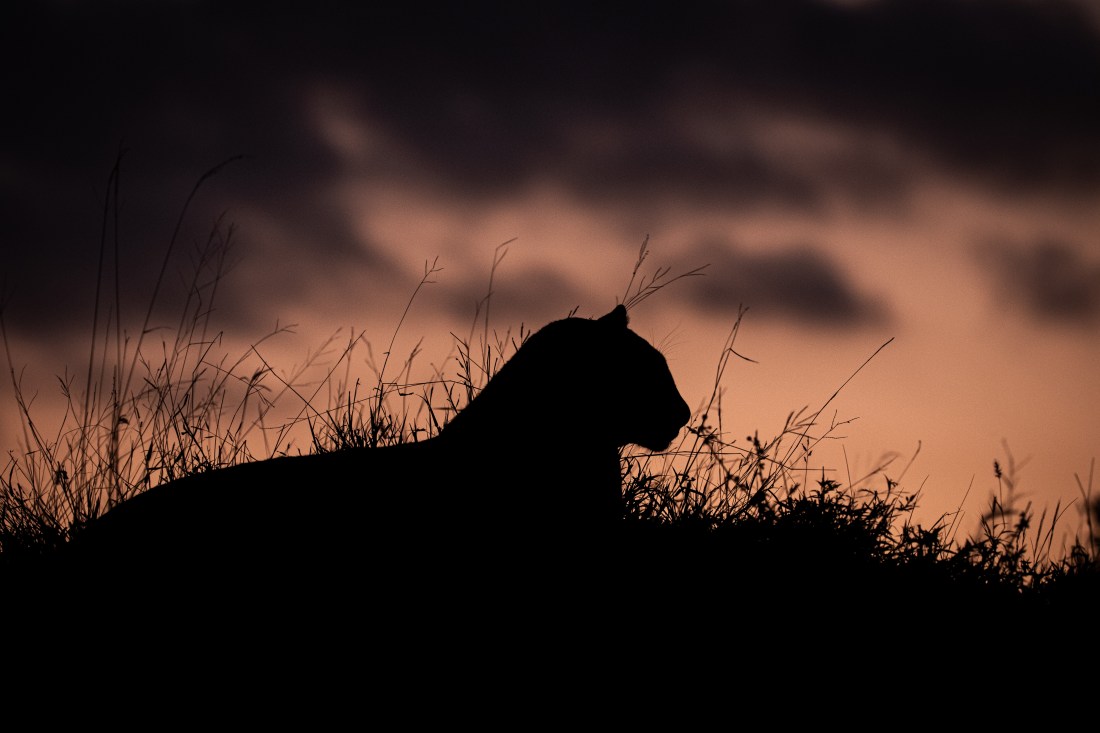
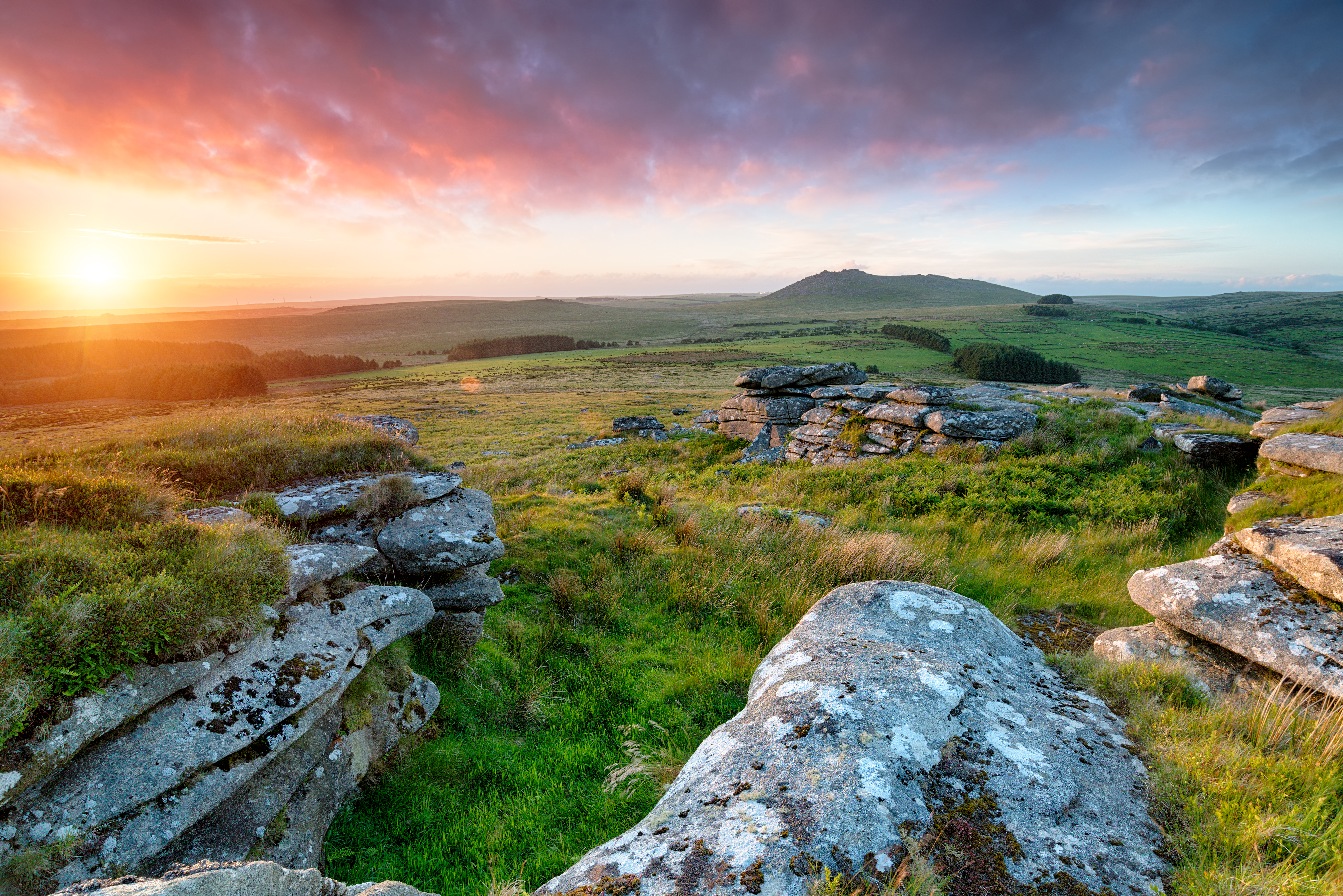
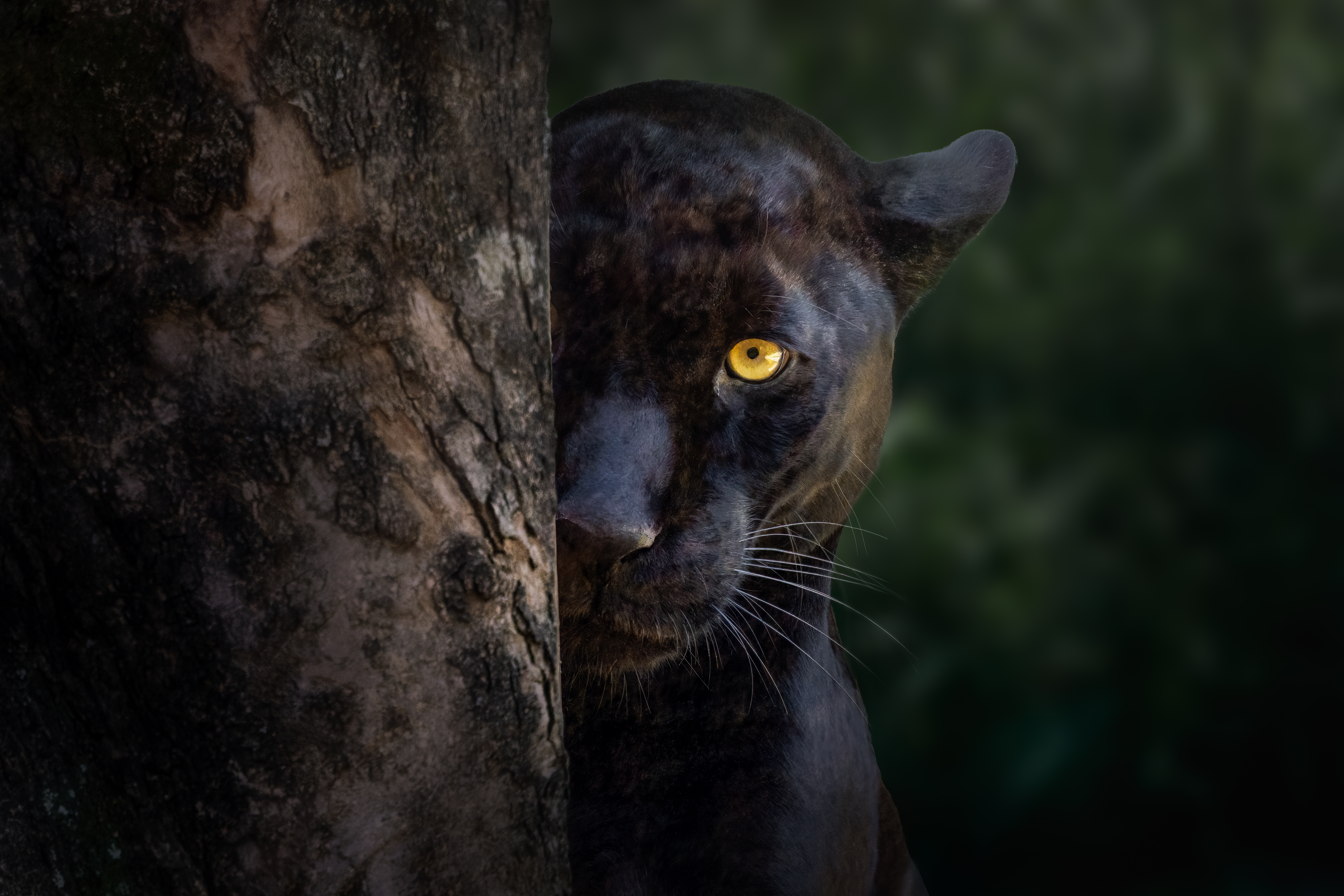
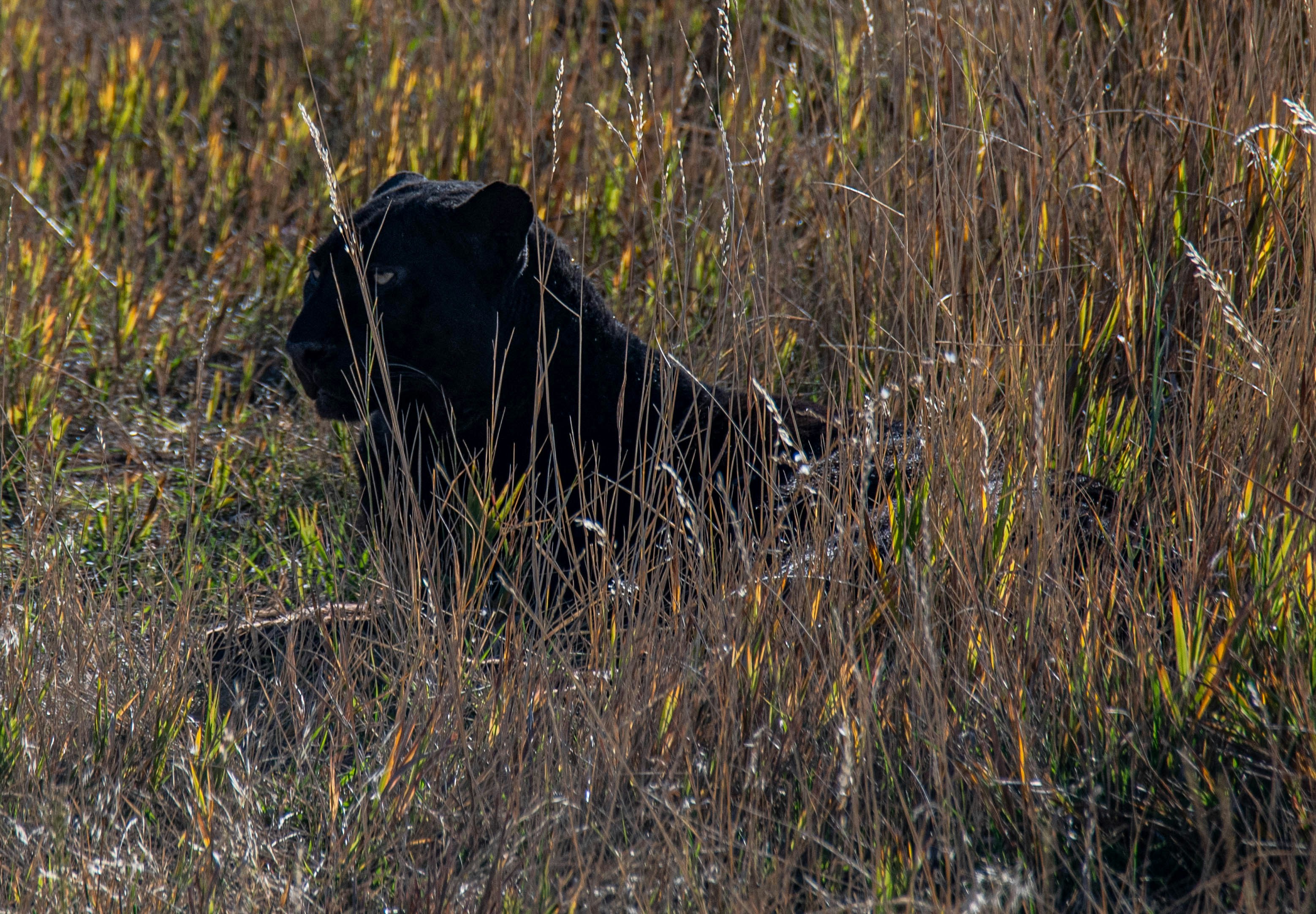
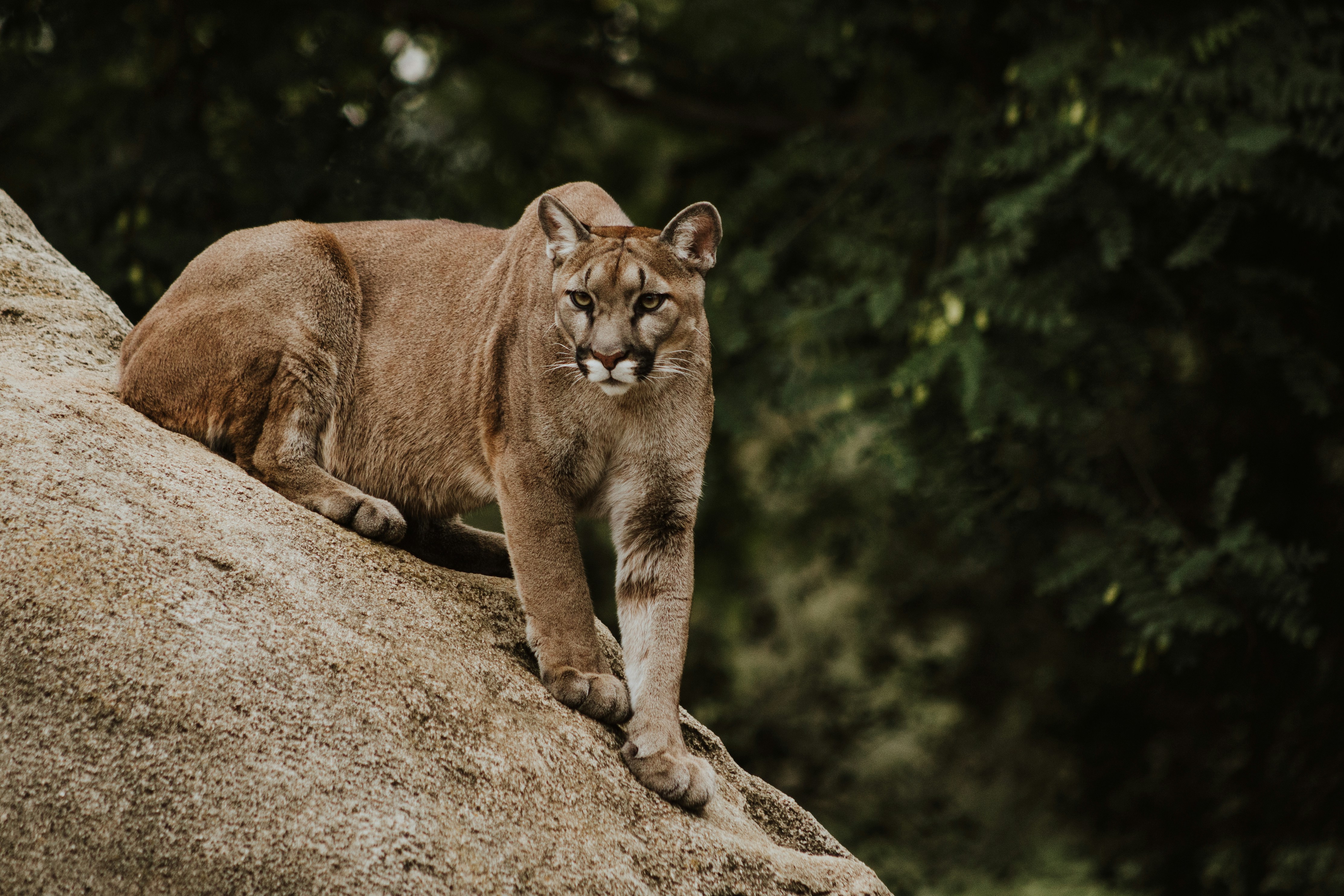
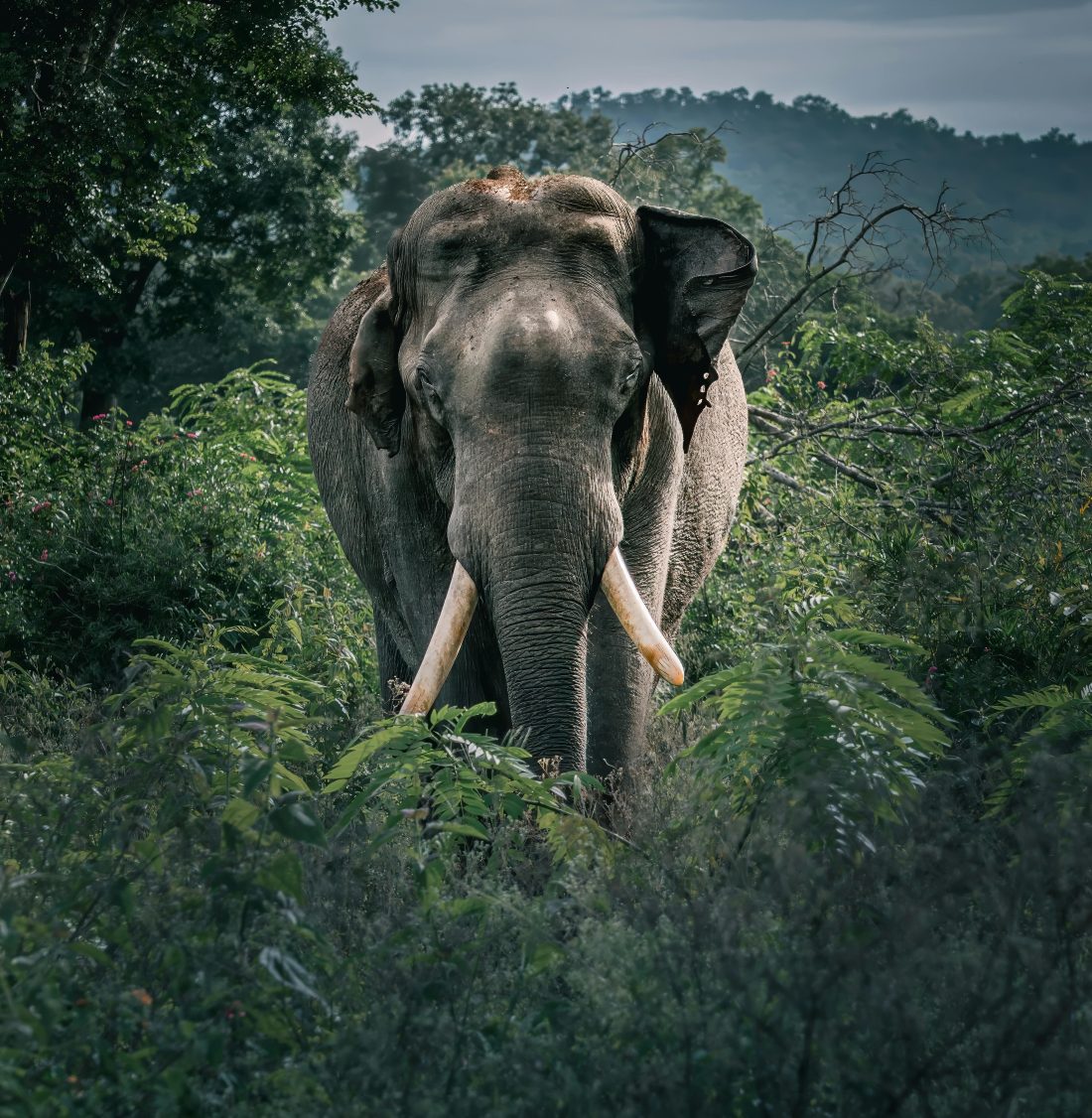
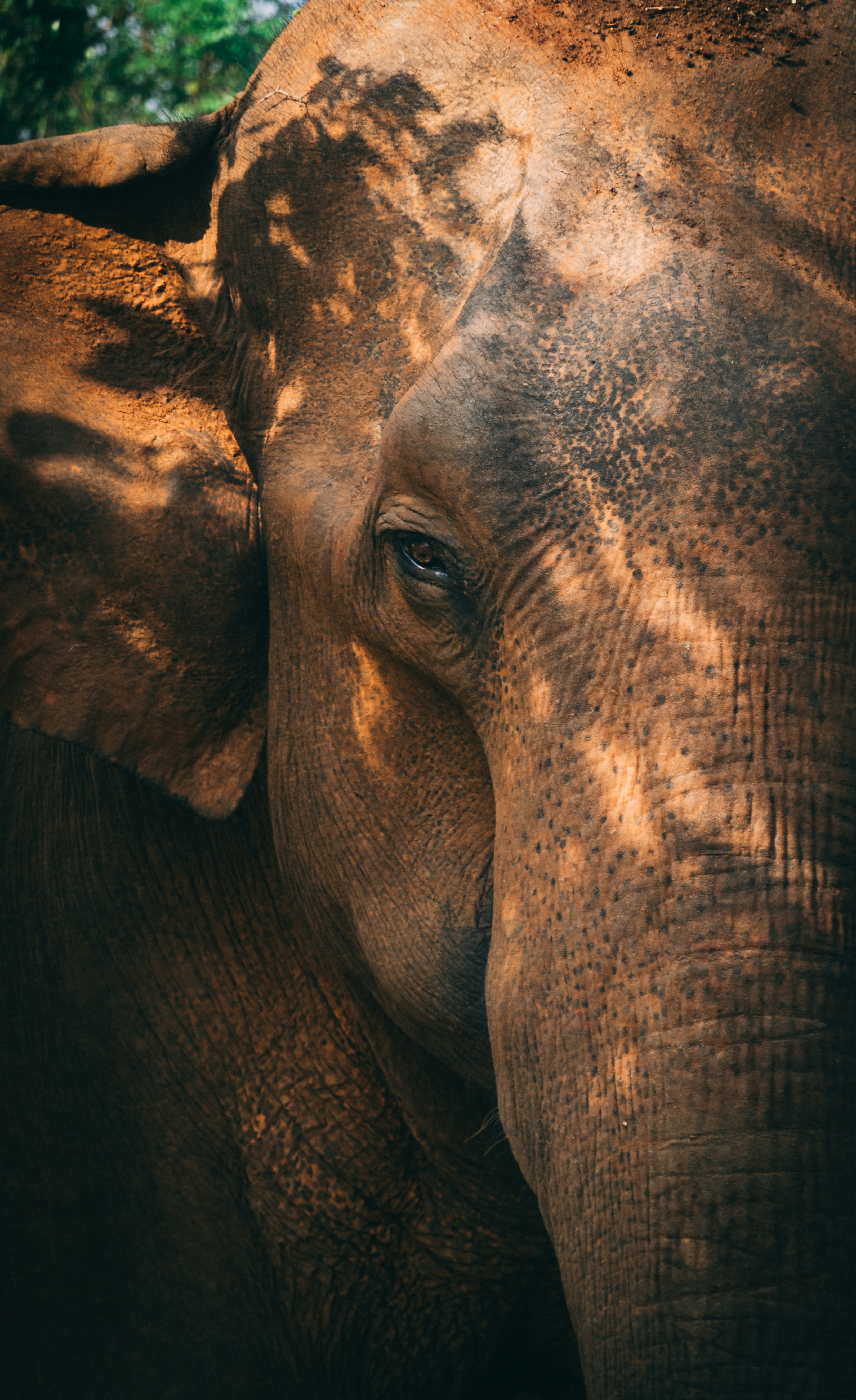

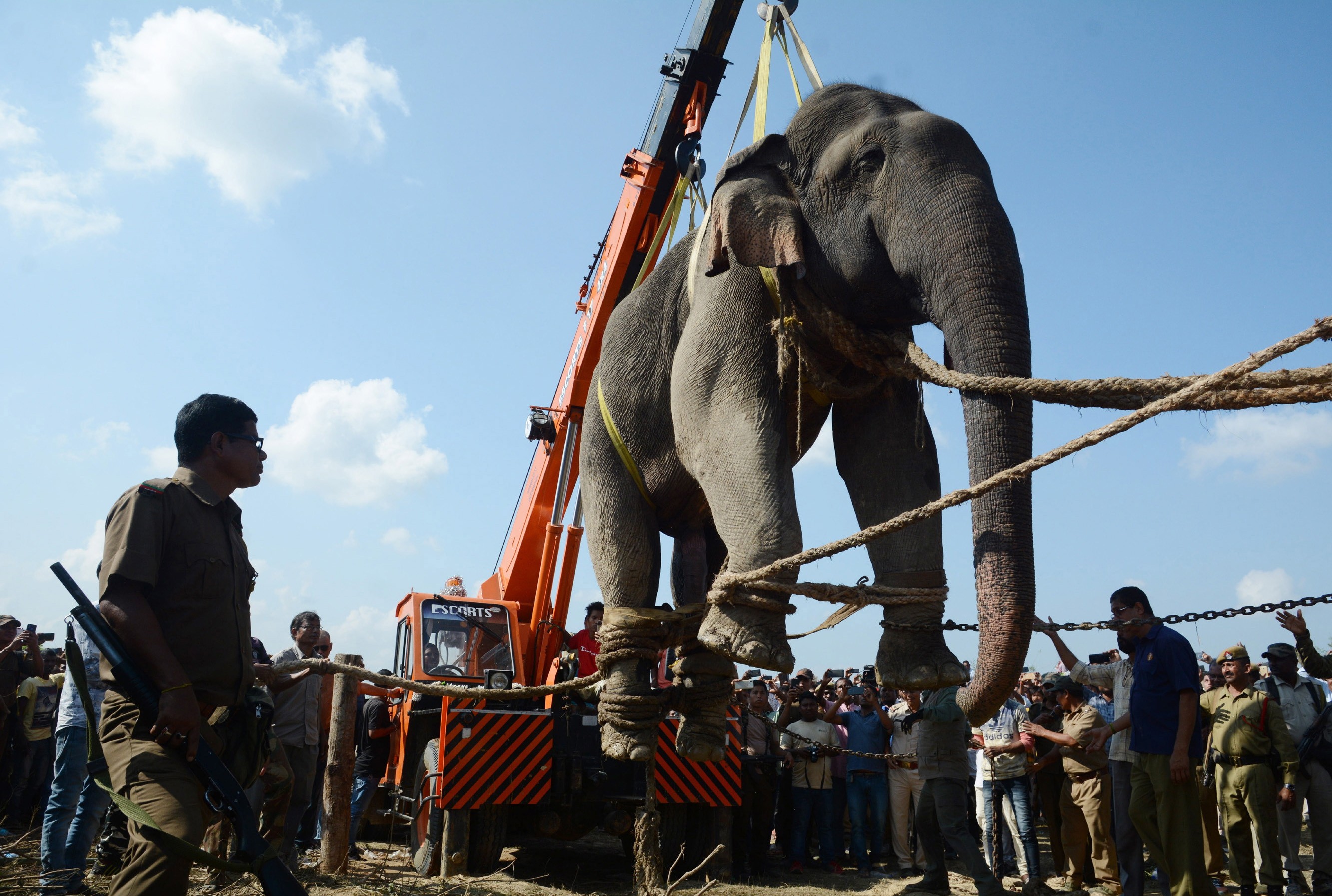
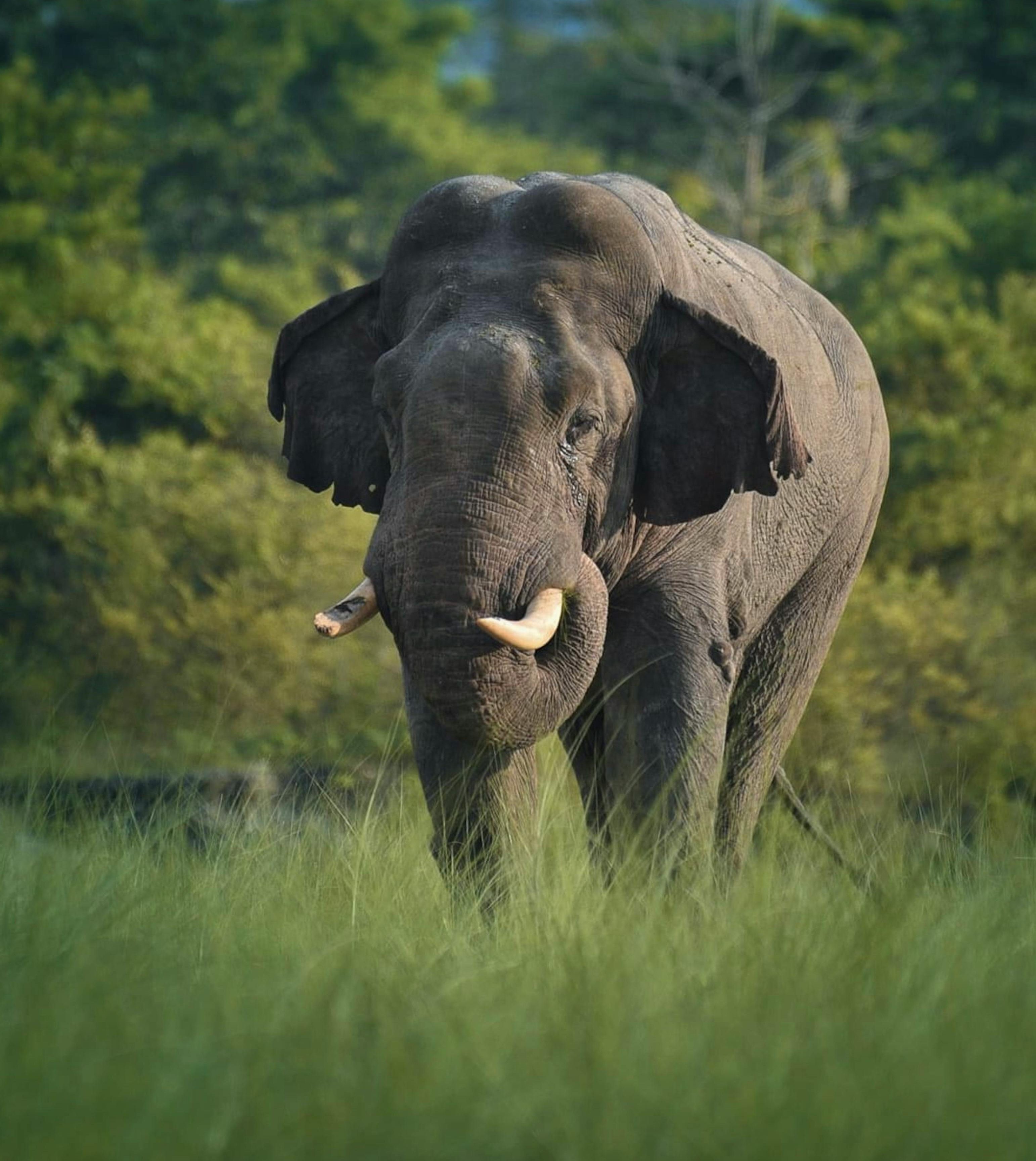


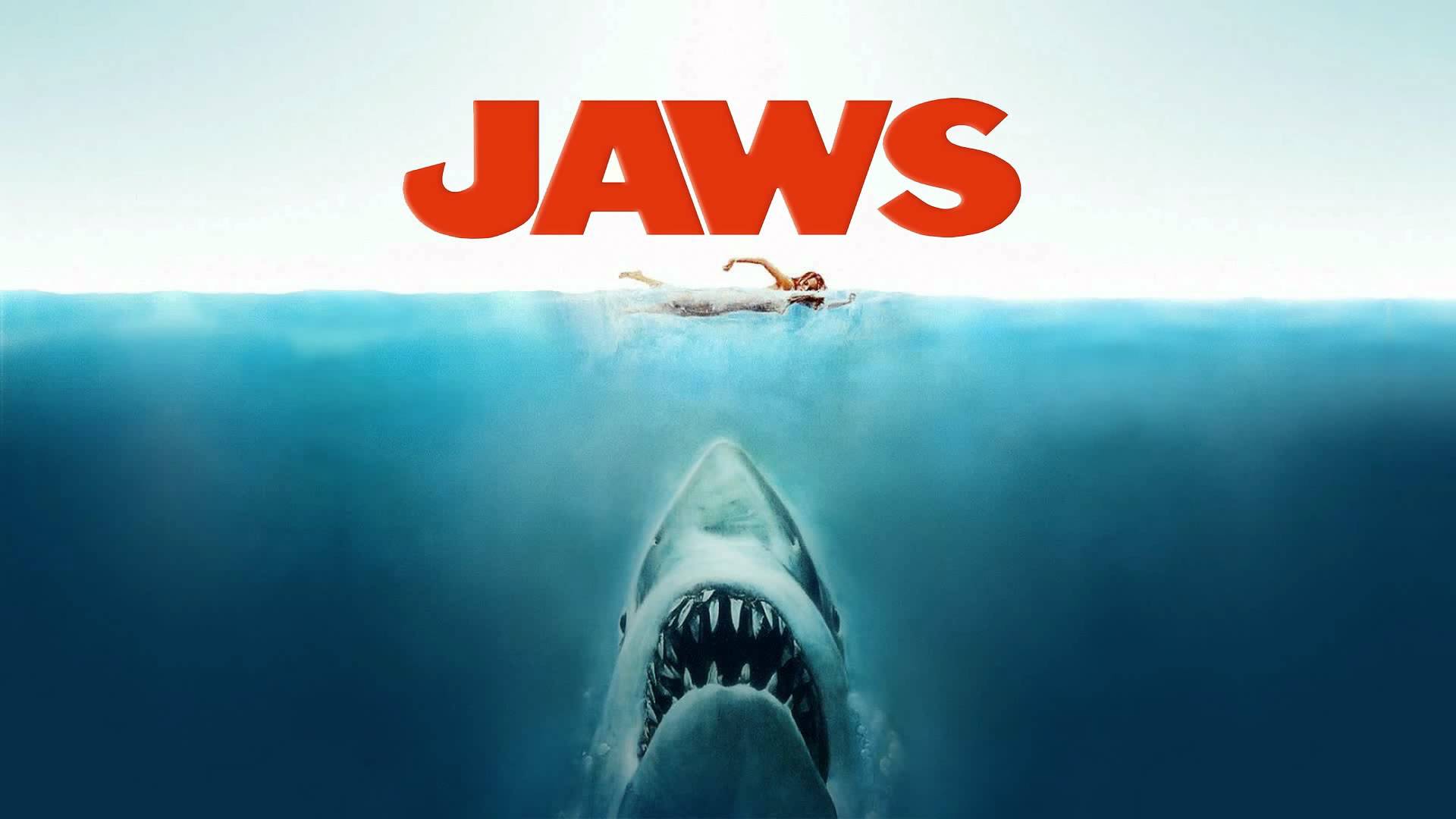

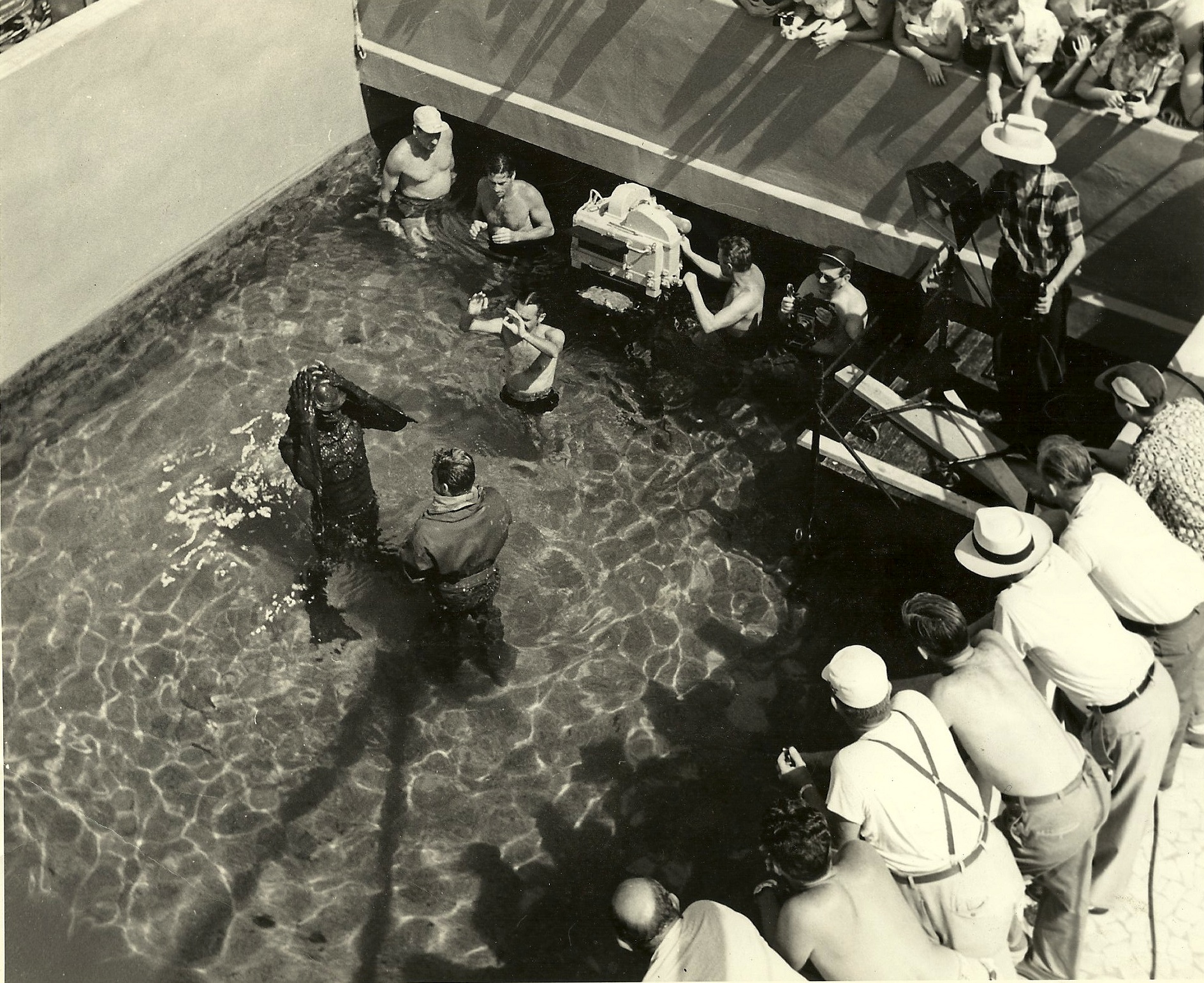

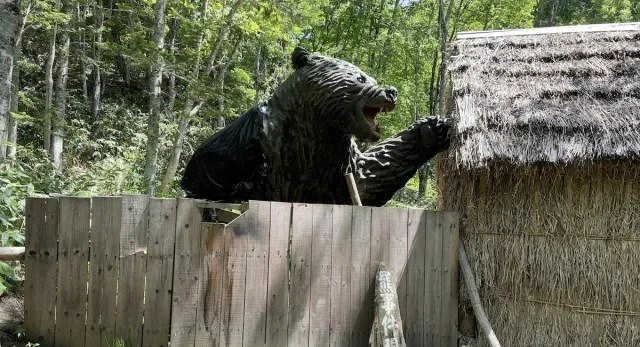
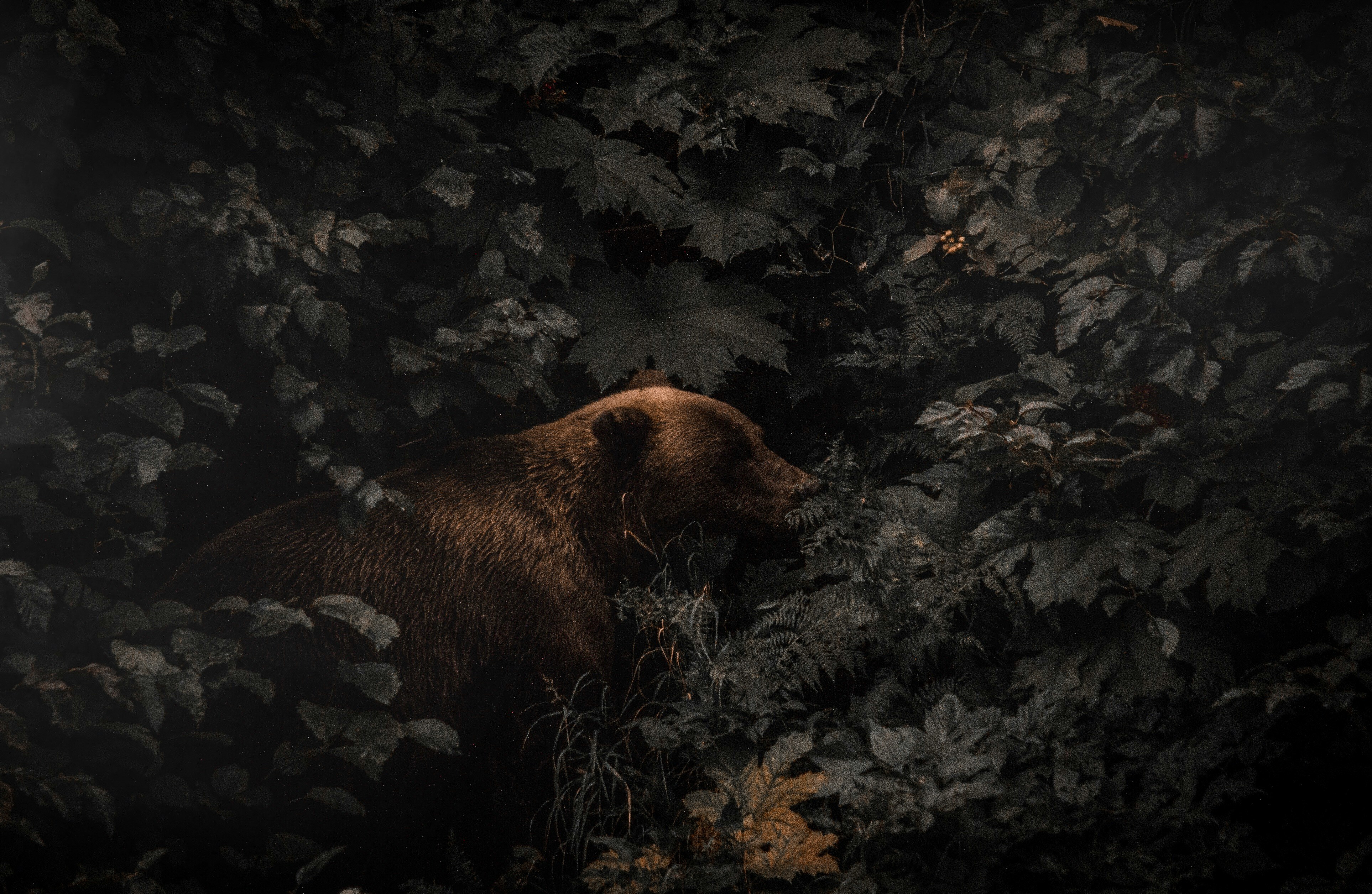
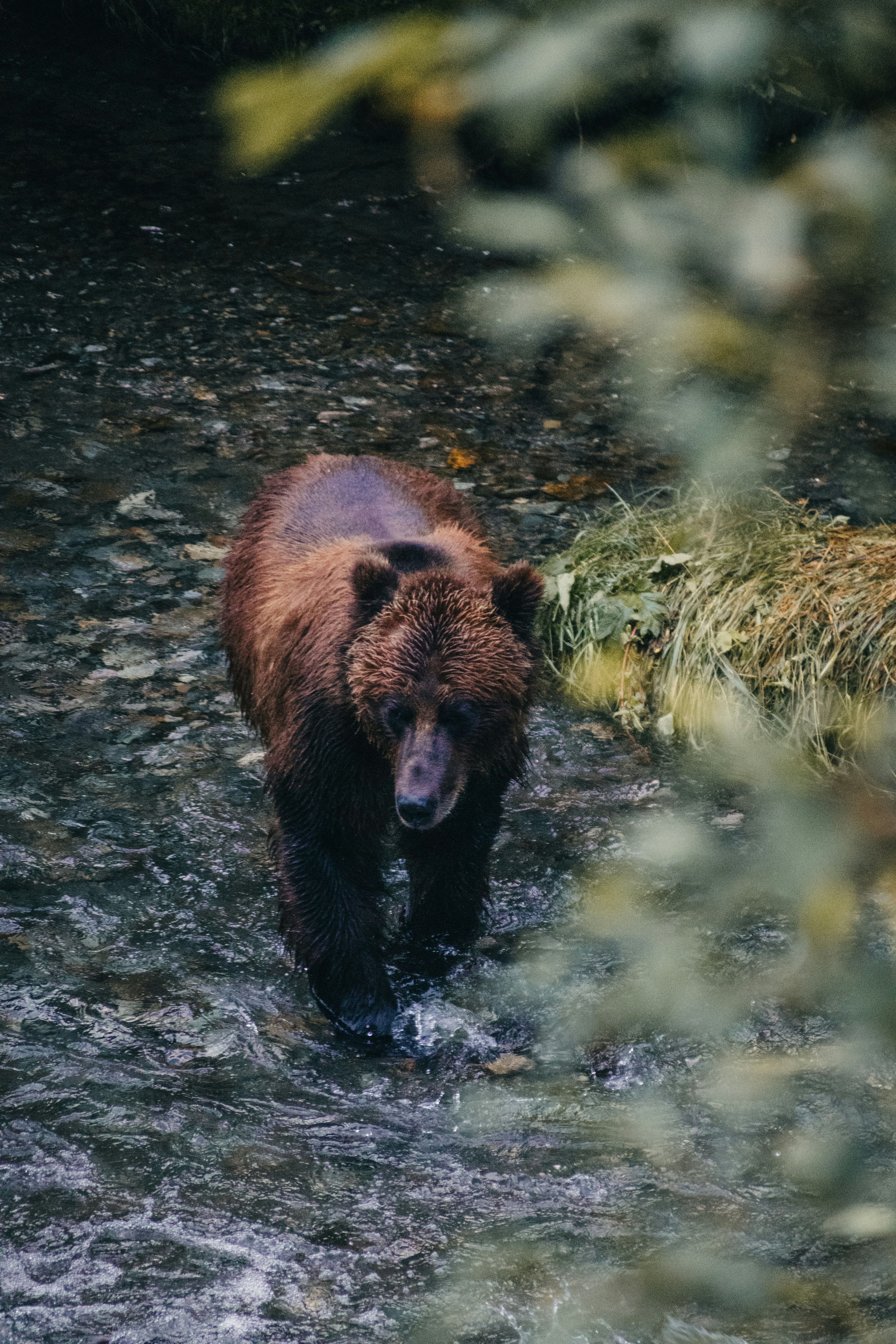
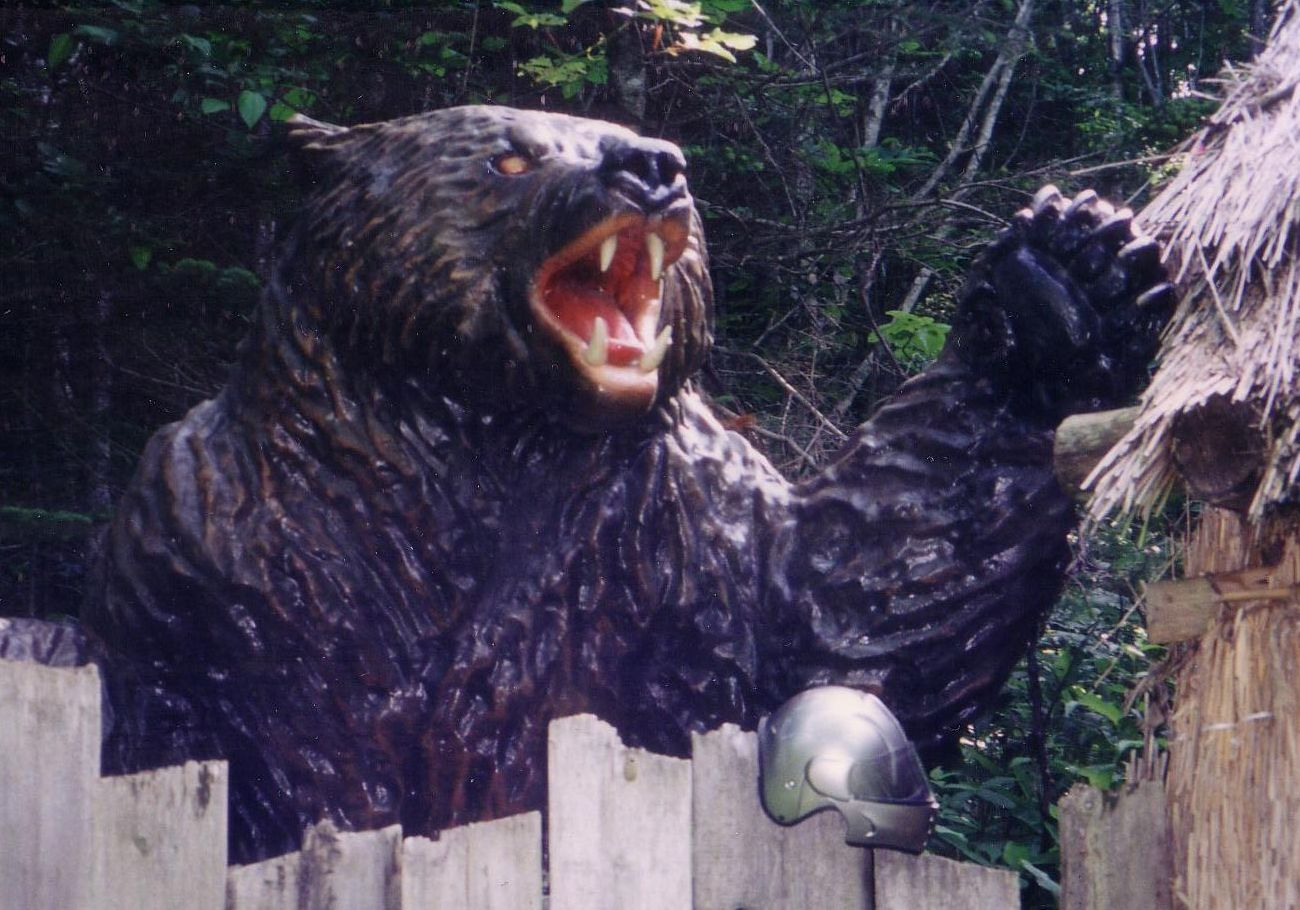
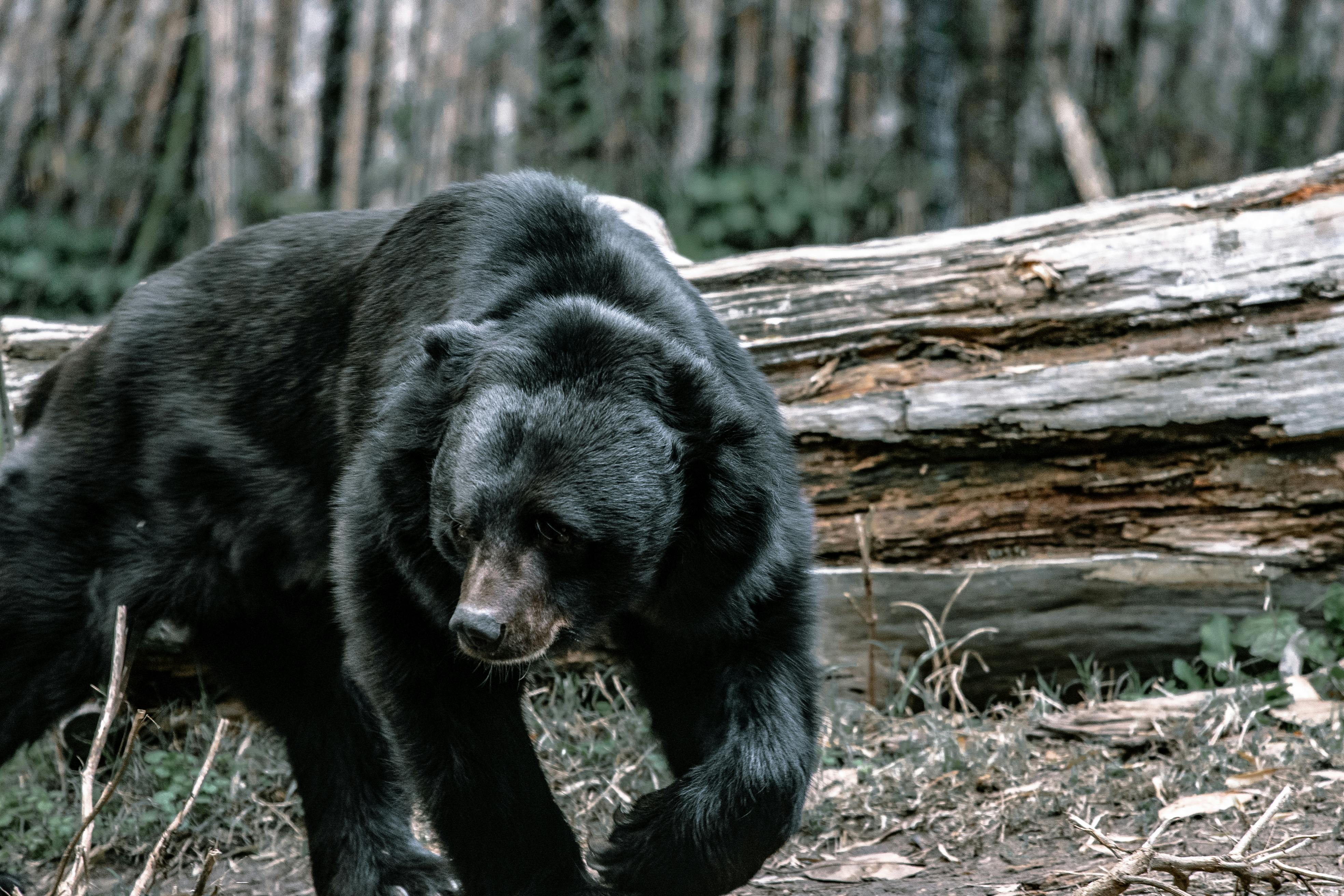

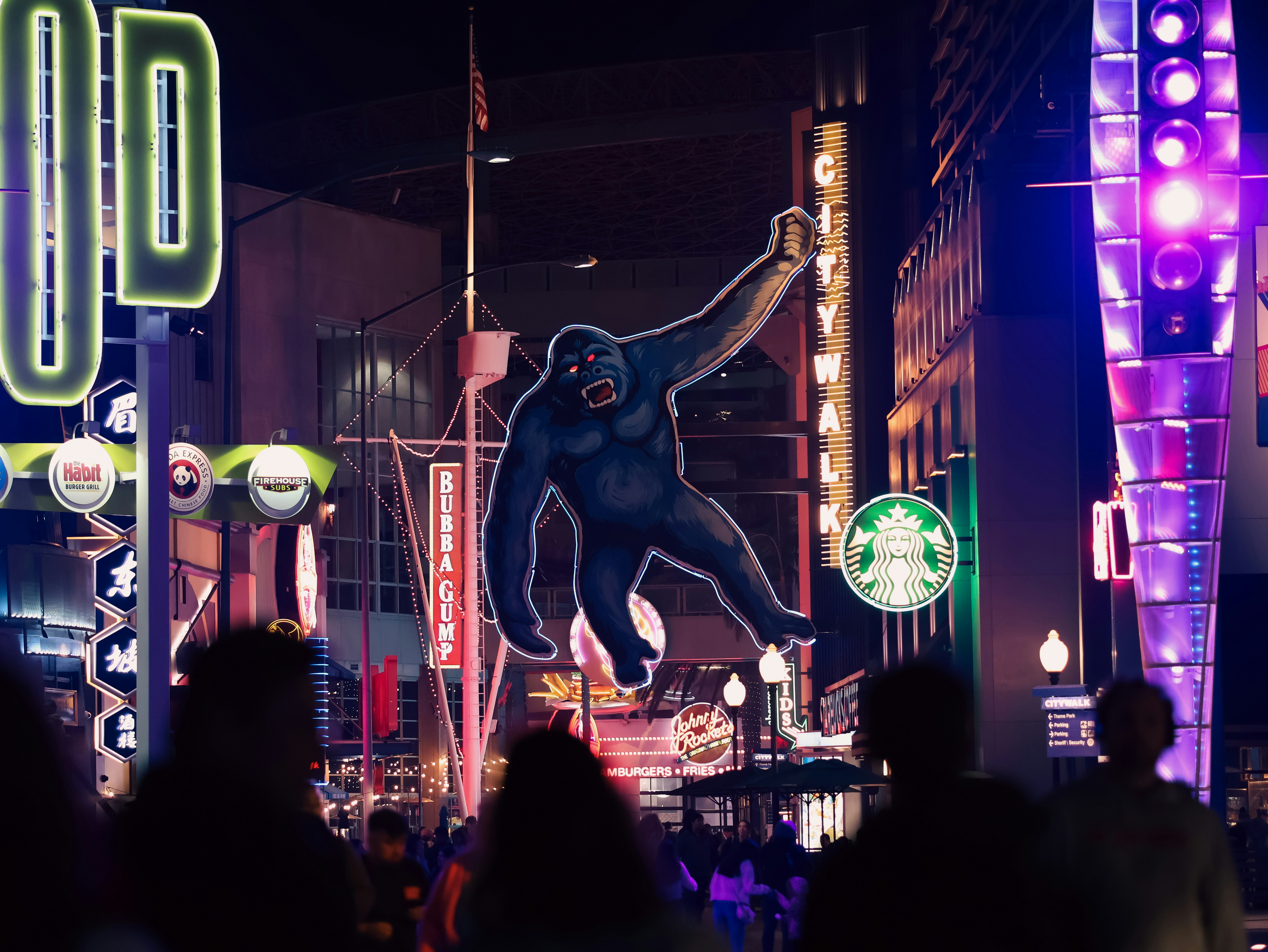
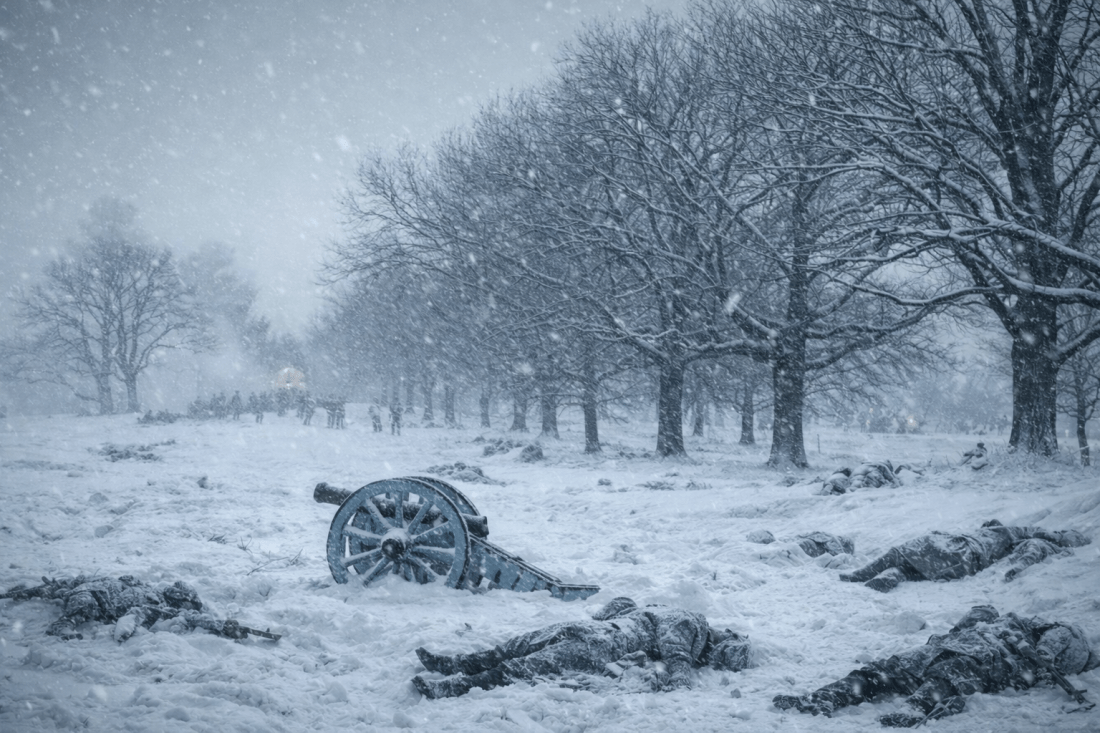
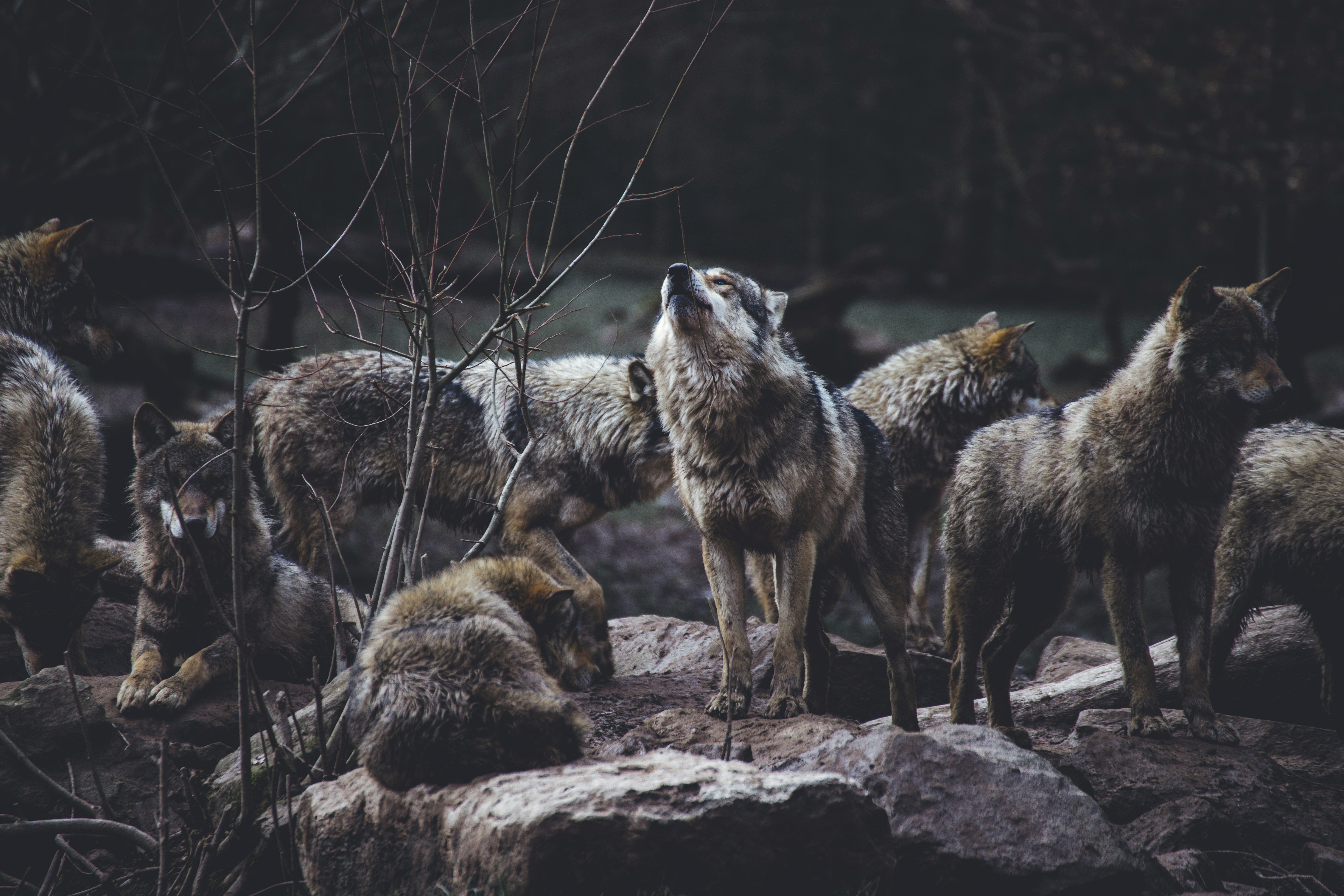
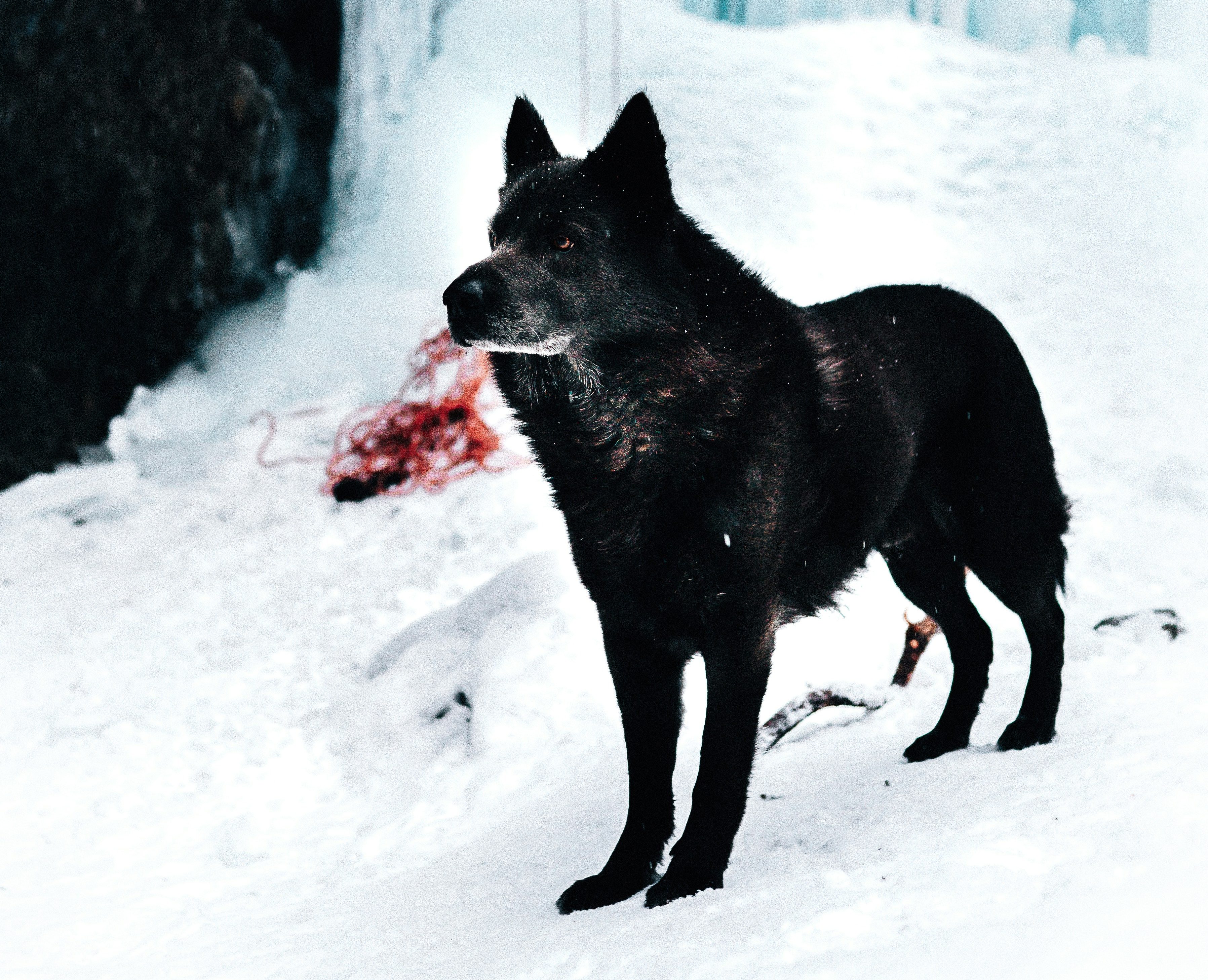
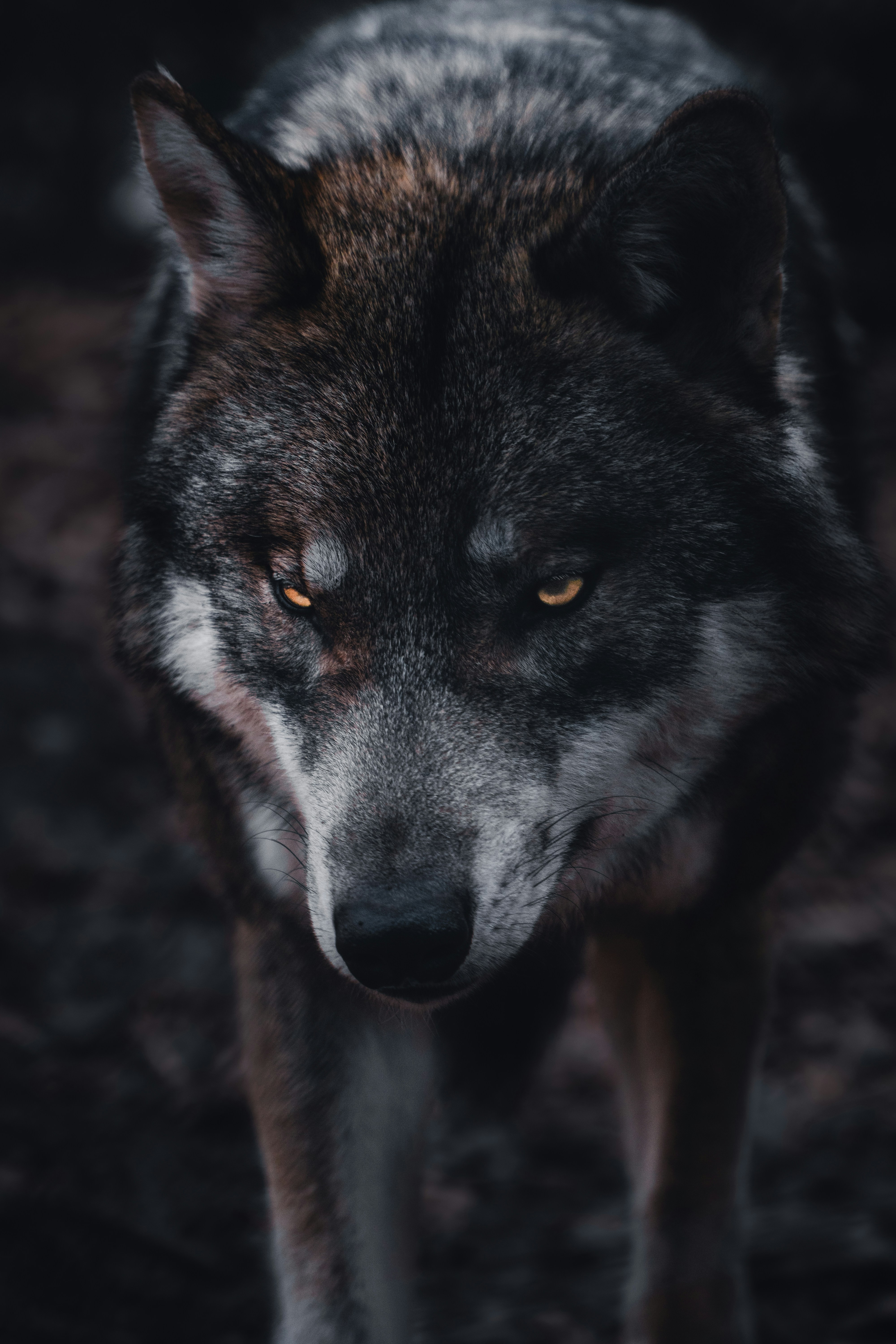
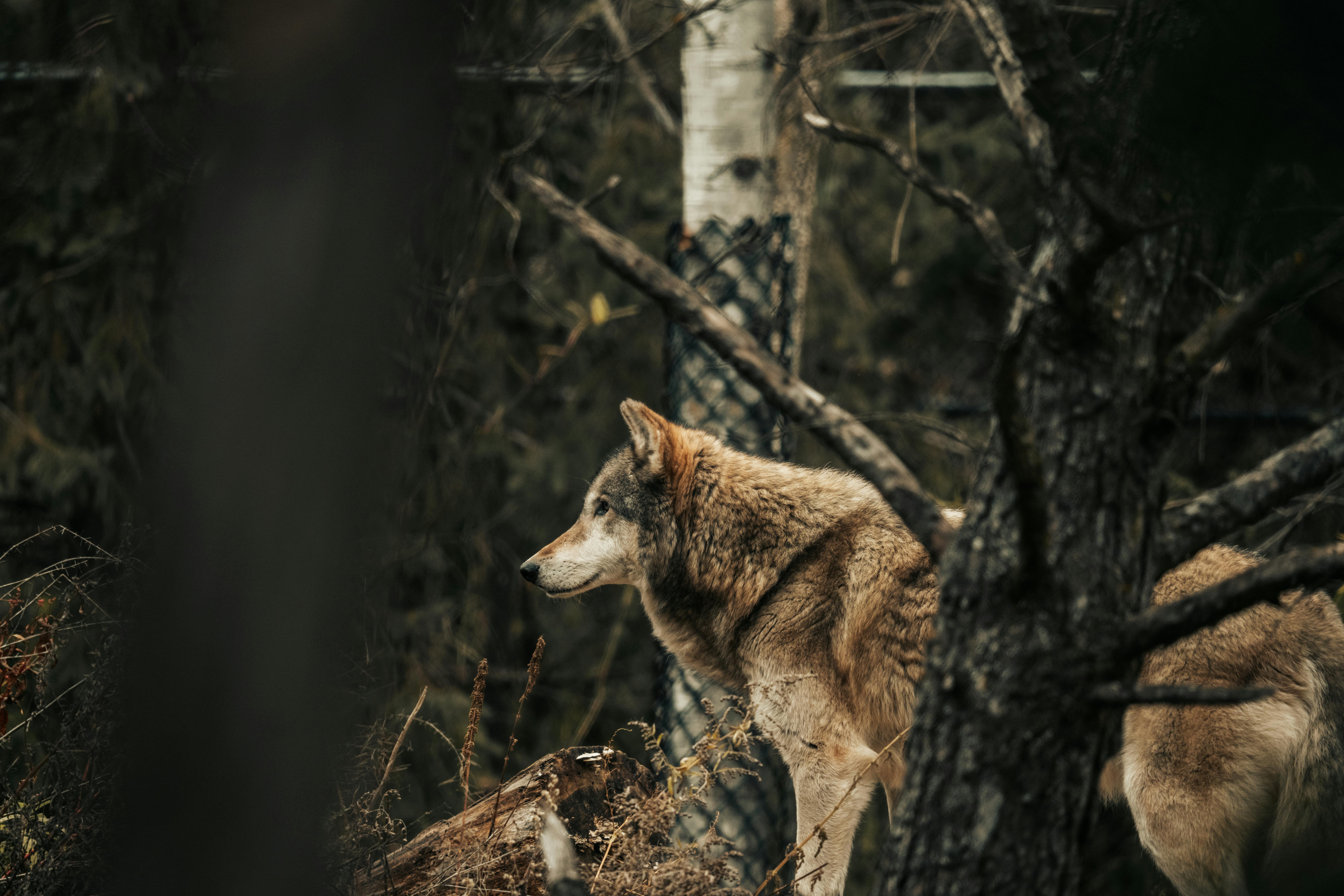
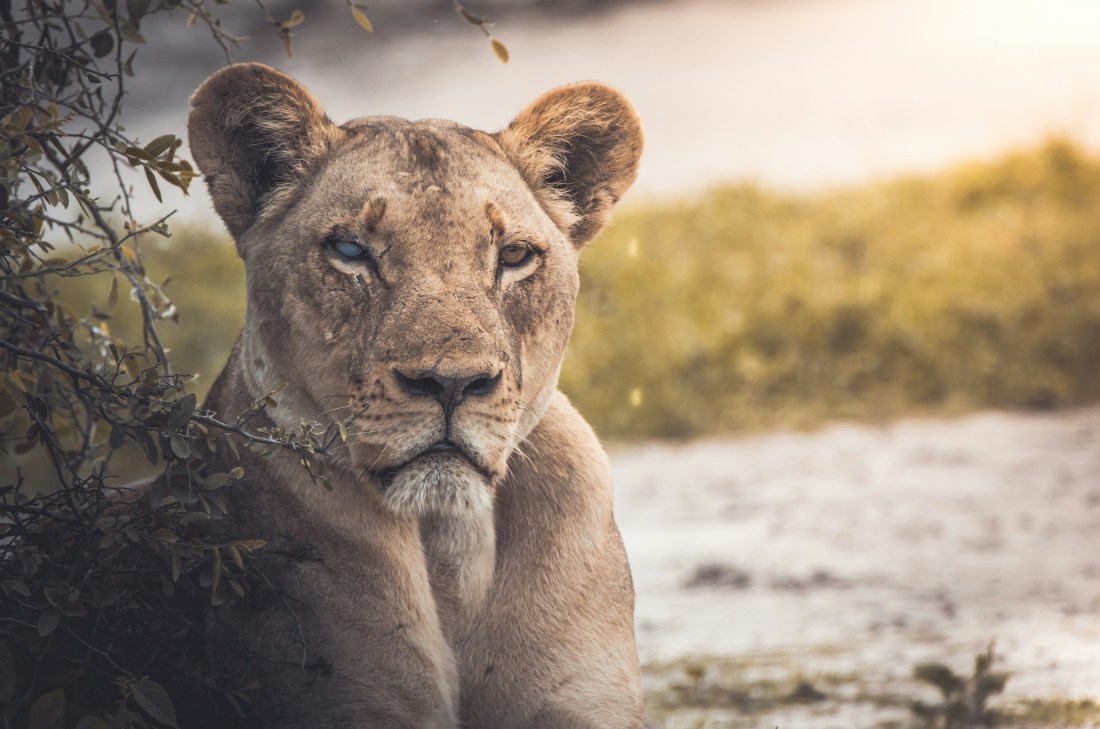


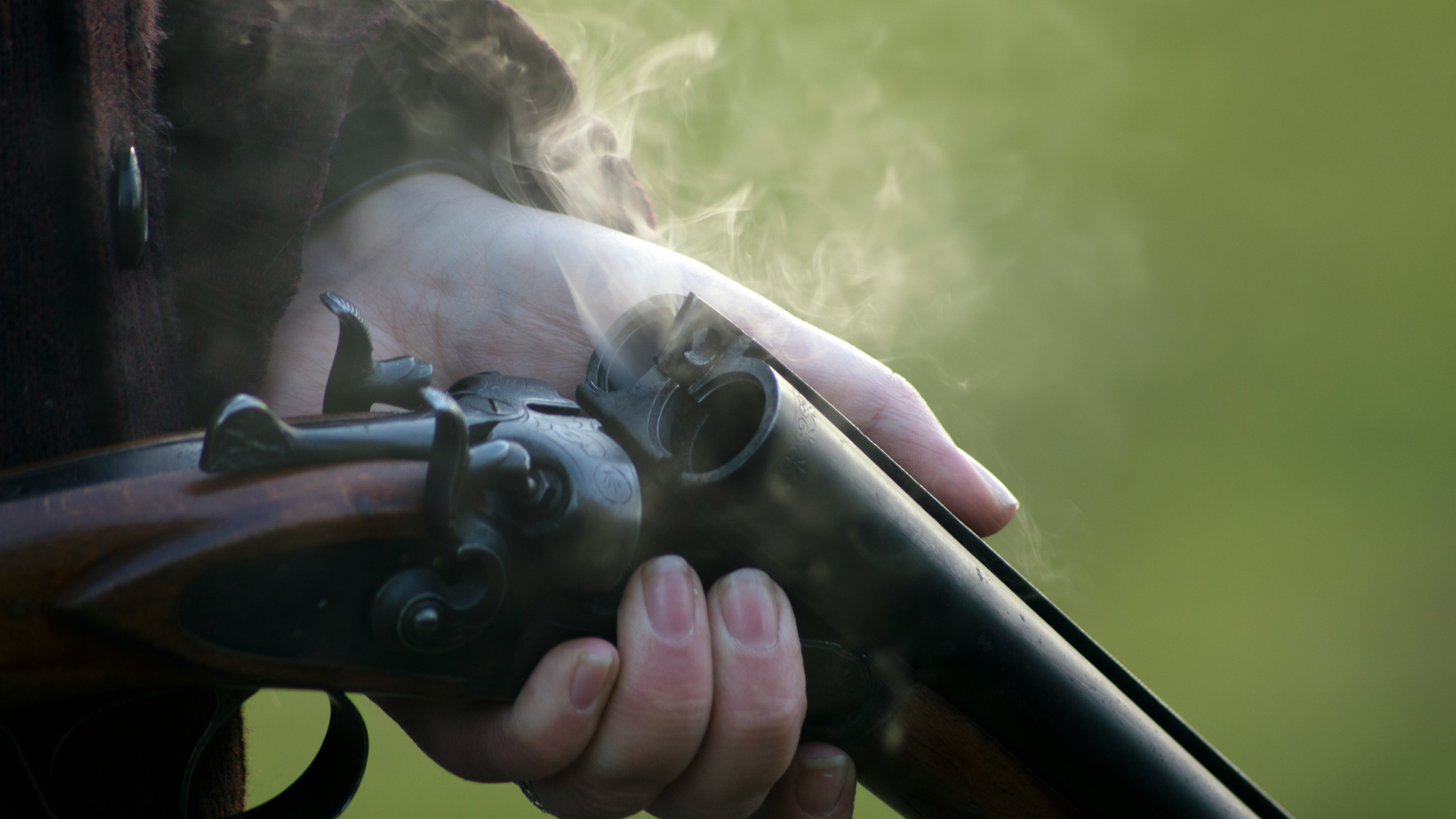
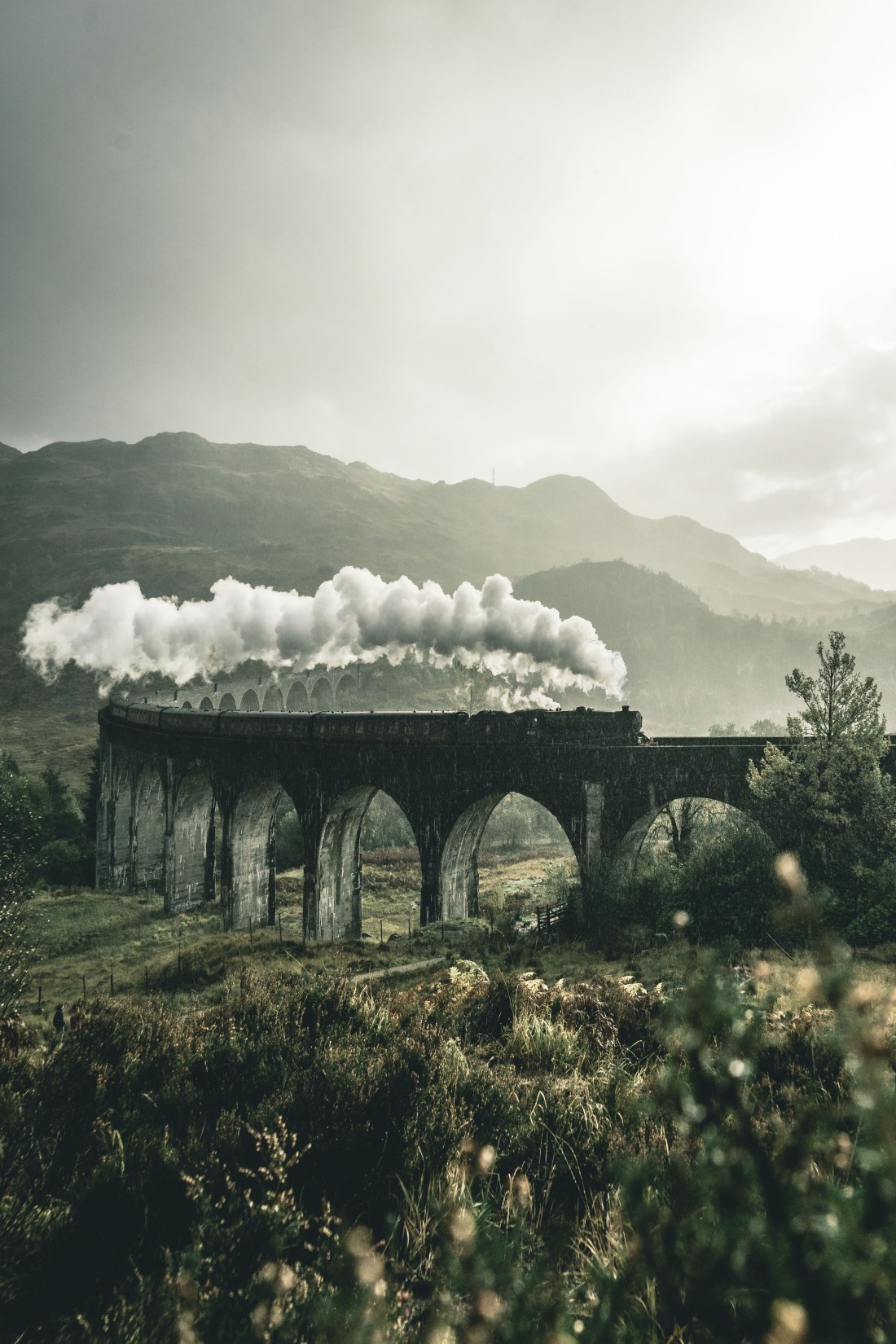
 The blog of author Luke Phillips