
Stories have always borrowed from the natural world, sometimes consciously, sometimes not.
Movie Monday is a new, occasional series exploring where cinema, wildlife, and myth overlap: the real animals, behaviours, and biological truths hiding behind some of our most enduring screen monsters.
It sits alongside Monster Monday and Maneater Monday — different lenses on the same question: why certain creatures, real or imagined, refuse to loosen their grip on us.
We like to believe that cinema monsters are born from imagination alone… nightmares made flesh, conjured by writers staring into the dark.
But again and again, the truth is stranger.
Some of the most iconic creatures in film and fiction didn’t come from myth at all. They came from nature, from animals whose behaviours were already so efficient, alien, or unsettling that they barely needed exaggeration.
Filmmakers didn’t invent these monsters.
They recognised them.
👹 Predator: insects, instinct, and a moment at 30,000 feet
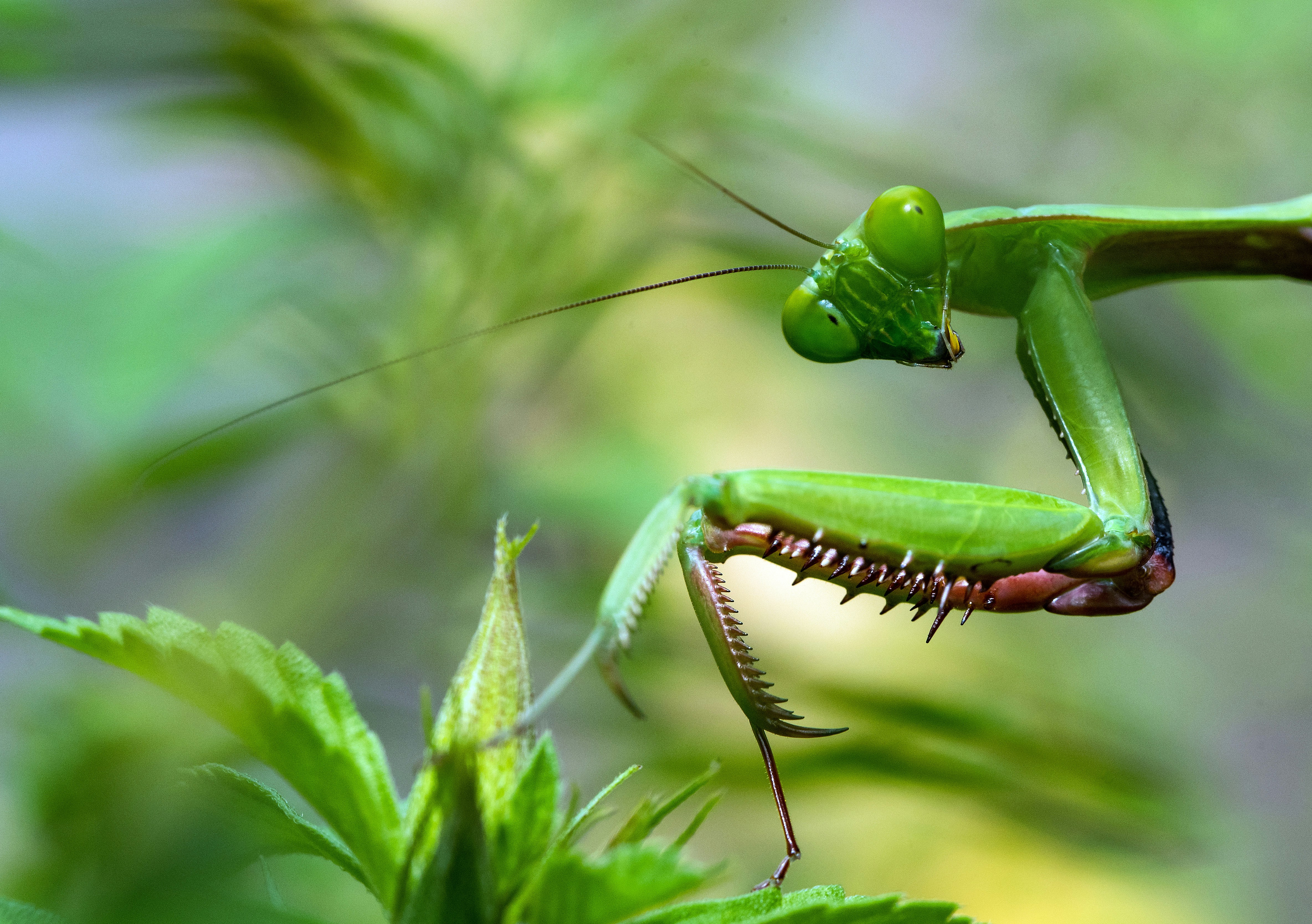
The creature in Predator is often remembered for its technology: cloaking devices, shoulder cannons, thermal vision, ritualised hunting codes.
But strip all of that away and you’re left with something far older.
During early development, legendary creature designer Stan Winston was struggling to finalise the Predator’s look. While flying with James Cameron, he talked through the problem, and it was Cameron who suggested a simple, unsettling solution: give it mandibles.
That single idea changed everything.
Designers have since acknowledged the influence of insects, particularly praying mantises, in the Predator’s face and posture. Forward-facing eyes. Mandible-like jaws. A head shaped for tracking and striking rather than expression or empathy.
Mantises already look extraterrestrial to us. They rotate their heads. They calculate distance. They dismember prey with methodical calm.
Even the creature’s voice reinforces this lineage. The distinctive clicking and chittering sounds were created by Peter Cullen, deliberately leaning into insect-like vocalisations rather than anything recognisably mammalian or humanoid.
The Predator doesn’t invent that fear.
It scales it up, arms it, and releases it into a jungle.
What remains, beneath the tech, is an apex ambush hunter — something we instinctively recognise, even if we can’t quite place why.
👽 Alien: nature’s most efficient horror machine
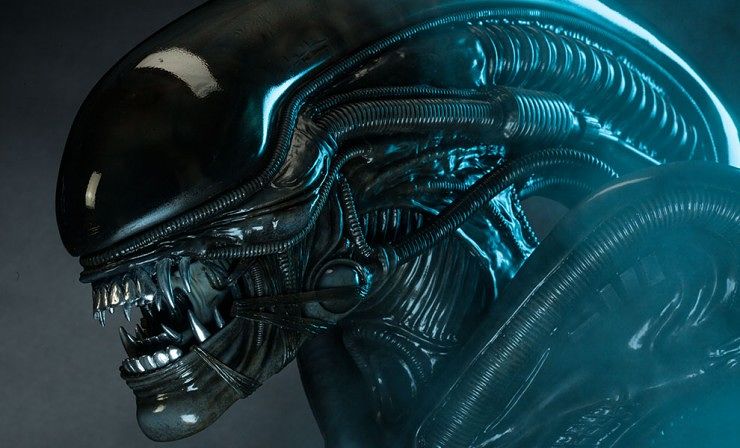
The creature in Alien remains one of cinema’s most disturbing designs because it feels biological. Every stage of its life cycle obeys a logic — parasitic, efficient, and utterly indifferent.
That’s because it draws from multiple real-world inspirations.
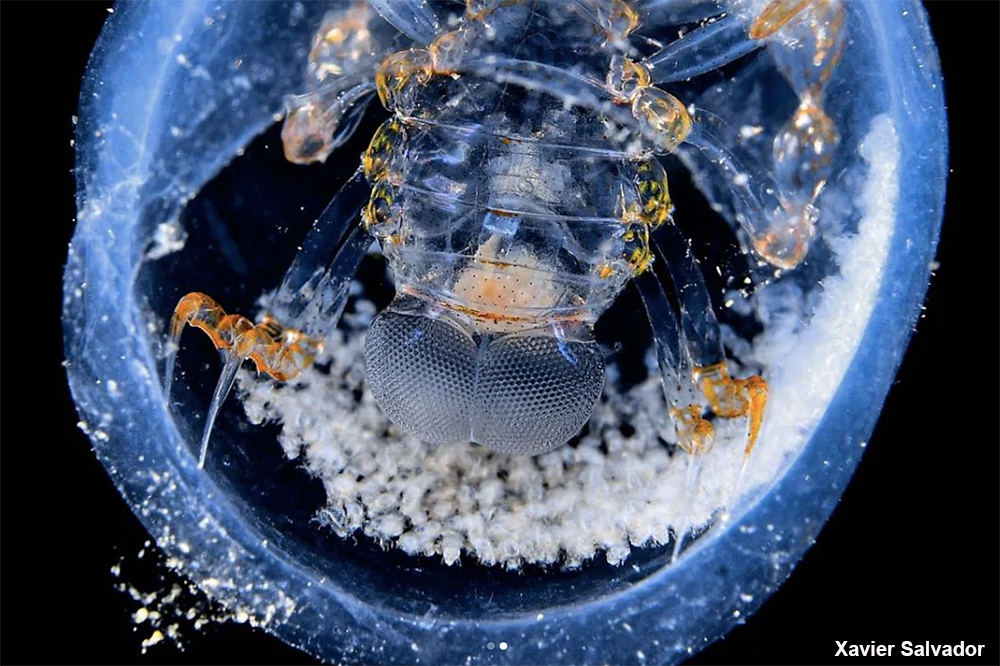
One is the deep-sea amphipod Phronima sedentaria, sometimes called the “monster in a barrel.” This tiny crustacean hollows out gelatinous animals, lives inside their emptied bodies, and uses them as both shelter and nursery. It’s parasitism turned architectura.
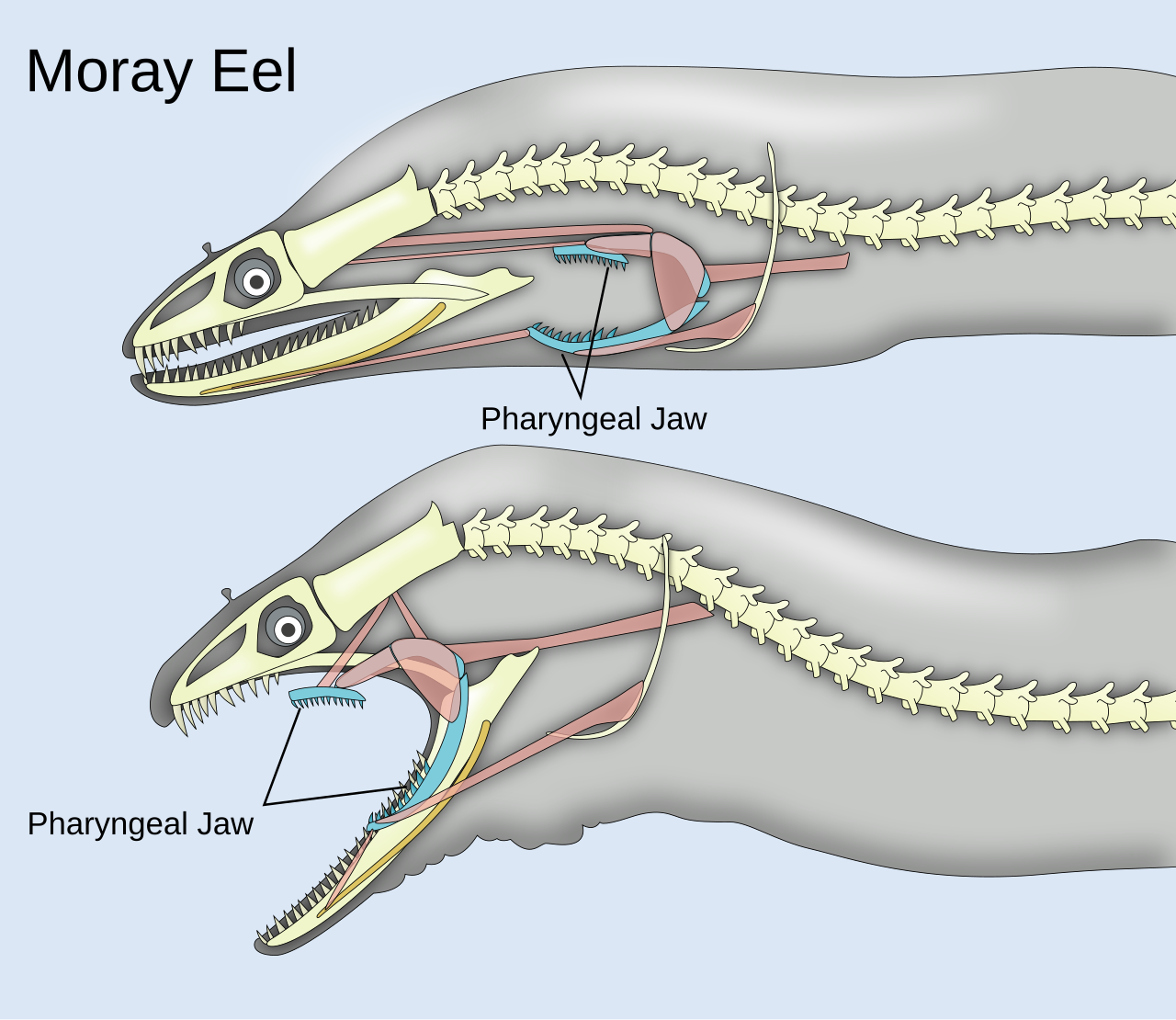
Then there’s the Alien’s inner jaw, eerily similar to the pharyngeal jaws of moray eels, a second set of jaws that shoot forward from the throat to drag prey deeper inside the body. Watching one in action feels like watching a design error, until you realise how brutally effective it is.
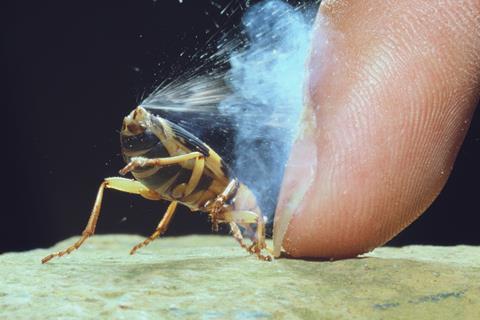
The acid blood? That has uncomfortable echoes of the bombardier beetle, which stores volatile chemicals in separate chambers and mixes them only when threatened, releasing a boiling, corrosive spray with startling precision.
Even the facehugger carries a lineage. Its spidery grip, tail wrap, and underside anatomy closely resemble the ancient horseshoe crab, a creature so old it predates dinosaurs, and so alien it barely seems terrestrial at all.
Alien isn’t fantasy biology.
It’s biology… refined.
🧛 Dracula: when bats became monsters
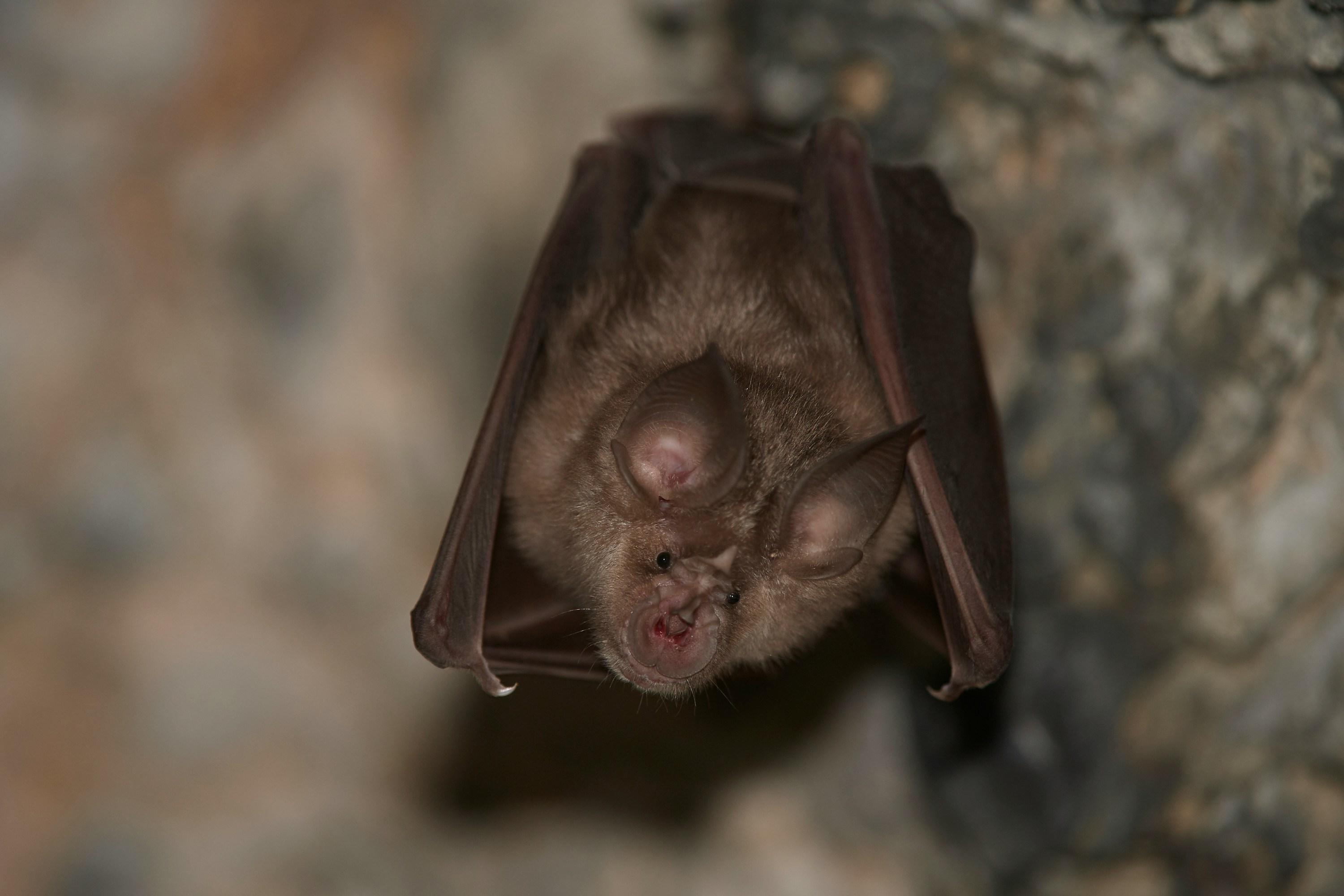
While working on Dracula, Bram Stoker encountered a New York newspaper clipping describing vampire bats – small, blood-feeding mammals that had been newly “discovered” by Western science and already framed as unnatural horrors.
They didn’t drain victims dry, as legend claimed. But they did feed silently, painlessly, and in the dark. They made small incisions, returned night after night, and relied on anticoagulants to keep blood flowing.
That was enough.
Stoker fused this real behaviour with Eastern European folklore, and suddenly vampirism became biological as well as supernatural. Dracula wasn’t just cursed — he fed, adapted, survived.
Once again, fear took root because it had a foothold in reality.
🦈 Jaws: the predator we misunderstood
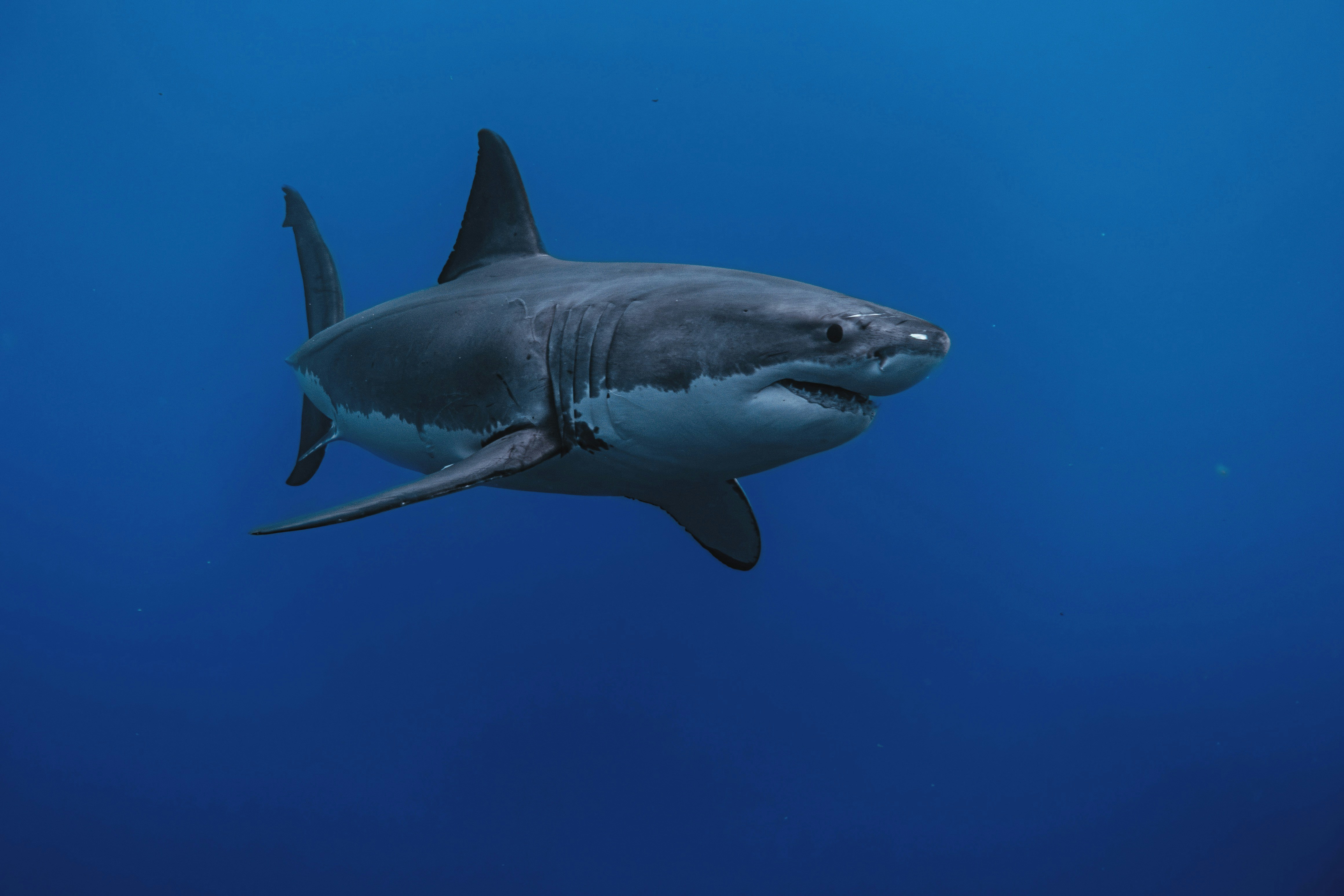
Jaws didn’t invent the fear of sharks, but it magnified it catastrophically.
The great white shark is a powerful apex predator, yes. But it is also cautious, energy-efficient, and rarely interested in humans. Most bites are investigative, unfortunate cases of mistaken identity.
In Jaws, however, the shark becomes something else entirely: territorial, vengeful, strategic. It stalks specific individuals. It understands fear.
The exaggeration worked, all too well. The film permanently altered public perception of sharks, contributing to fear-driven culls and a legacy of misunderstanding that conservationists are still trying to undo.
It’s a reminder that when cinema borrows from nature, it doesn’t always give back responsibly. I am working on my own shark-based story, and will have to try and be as respectful as I can with the subject matter.
🍄 The Last of Us and the zombie ant fungus
The monsters of The Last of Us, from the video game and then brought chillingly to life in the HBO series, feel plausible because they already exist.
Ophiocordyceps unilateralis infects carpenter ants across tropical forests. Once inside, the fungus alters the ant’s behaviour, compelling it to climb vegetation and clamp down with its mandibles.
Then it kills the host.
A fungal stalk erupts from the ant’s head, releasing spores onto the forest floor below, perfectly positioned to infect the next generation.
There’s no rage. No hunger. No malice.
Just control.
The horror of The Last of Us lies not in the fantasy of zombies, but in the quiet realisation that free will is not as secure as we think.
🪱 Tremors: ambush predators beneath our feet
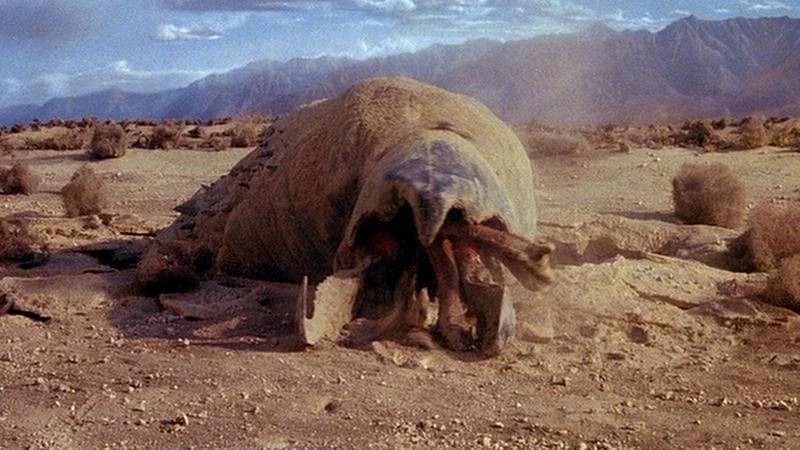
The graboids in Tremors feel absurd, until you consider how many real animals hunt exactly this way.
Trapdoor spiders wait motionless beneath the soil, sensing vibrations before exploding upward to seize prey. Bobbit worms bury themselves in sand, striking with astonishing speed, sometimes slicing fish clean in half.
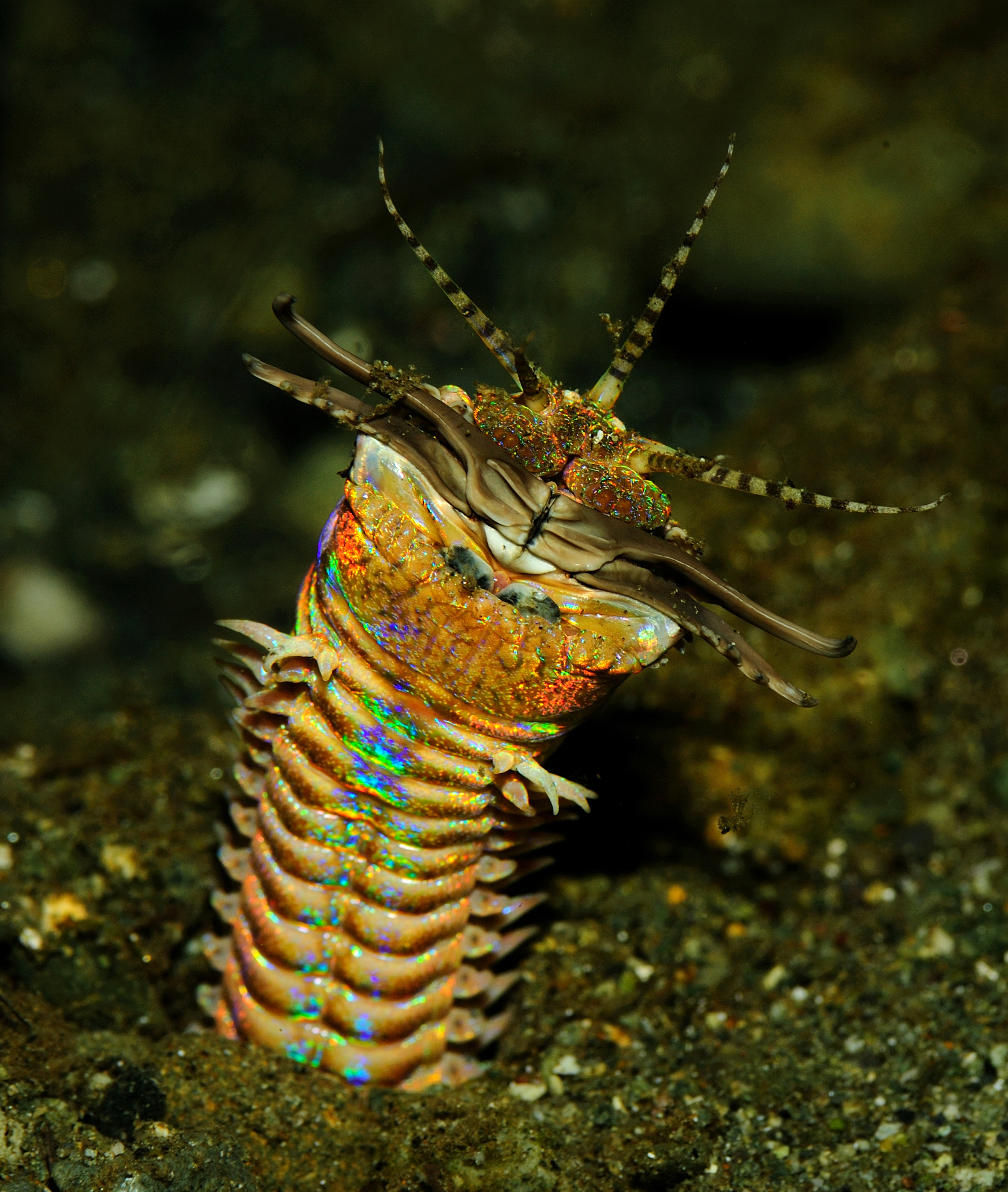
Both rely on:
- Vibration detection
- Ambush rather than pursuit
- Minimal exposure
The genius of Tremors is that it makes the ground itself hostile. The monsters don’t chase — they wait.
Which, biologically speaking, is often far more efficient.
🟢 Slime moulds and The Blob
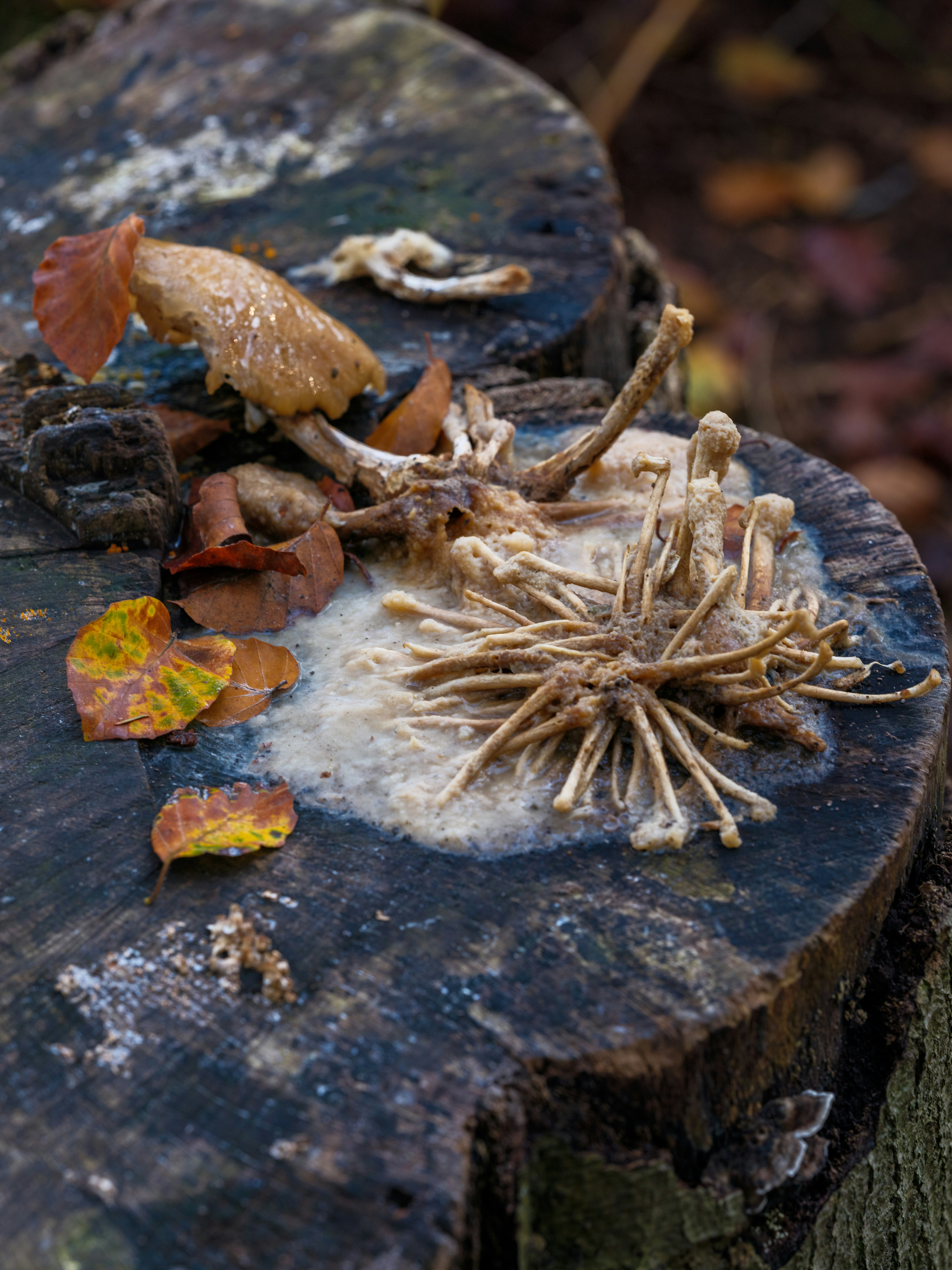
Slime moulds aren’t fungi. They aren’t animals. They’re something else entirely, capable of learning, problem-solving, and forming efficient networks without a brain.
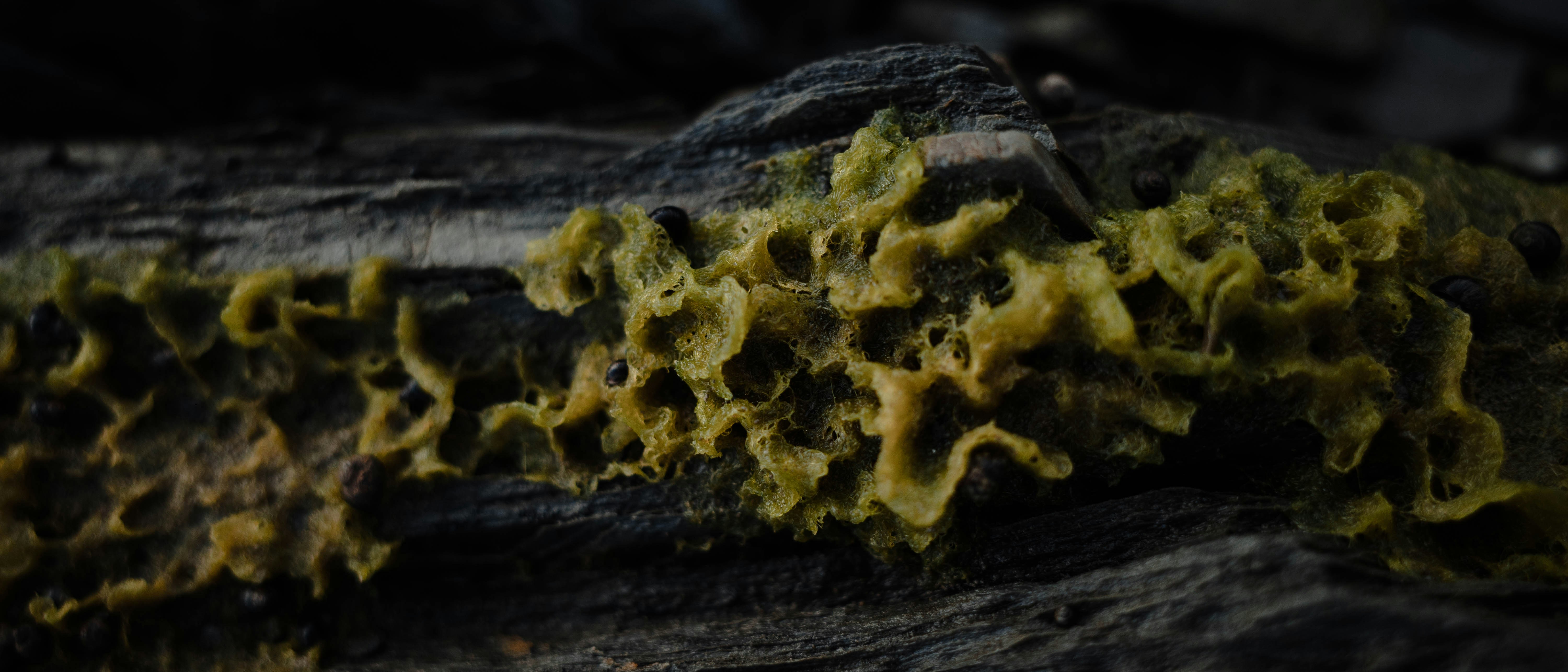
They flow. They engulf. They adapt.
The creature in The Blob exaggerates this into apocalyptic form, but the unease is justified. Slime moulds already challenge our definitions of intelligence and individuality.
They don’t hunt.
They spread.
Why these monsters endure
The most effective movie monsters don’t break the rules of nature.
They obey them too well.
They feed, reproduce, adapt, and survive. They don’t hate us, they don’t even notice us! And that’s what makes them frightening.
Nature doesn’t need motivation.
Only opportunity.
Wherever possible, I use freely available images sourced from platforms such as Unsplash and Pexels, or other royalty-free image libraries, in accordance with their respective licences. In cases where images are not sourced from these platforms, I make every effort to credit the original photographer, artist, or rights holder where attribution information is available. Some imagery may be used under fair use principles for the purposes of commentary, critique, education, or illustration, particularly in relation to wildlife, history, film, folklore, or cultural discussion. No copyright infringement is intended. If you are the rights holder of an image used on this site and have any concerns, or would like an image to be credited differently or removed, please get in touch and I will address the issue promptly.
 The blog of author Luke Phillips