
Introduction: Monsters, Reconsidered
For much of cinema’s history, the monster served a simple narrative function. It arrived from the margins, disrupted order, embodied fear, and was ultimately removed so that normality could be restored. Whether giant ape, prehistoric reptile, or nameless creature lurking in the dark, the monster existed primarily as an obstacle. It did not need interiority. It did not need explanation. Its presence alone was justification enough.
That simplicity made monsters effective. Fear thrives on clarity, and early cinema rarely asked audiences to question where the creature came from or why it behaved as it did. The monster was the problem.
But in recent years, that framing has begun to feel increasingly inadequate.
Modern monster films still deliver spectacle and danger, but they are far less comfortable presenting creatures as purely evil forces. Behaviour is contextualised. Motivation is explored. In some cases, the monster is no longer even positioned as the antagonist.
It remains frightening, but it is no longer disposable.
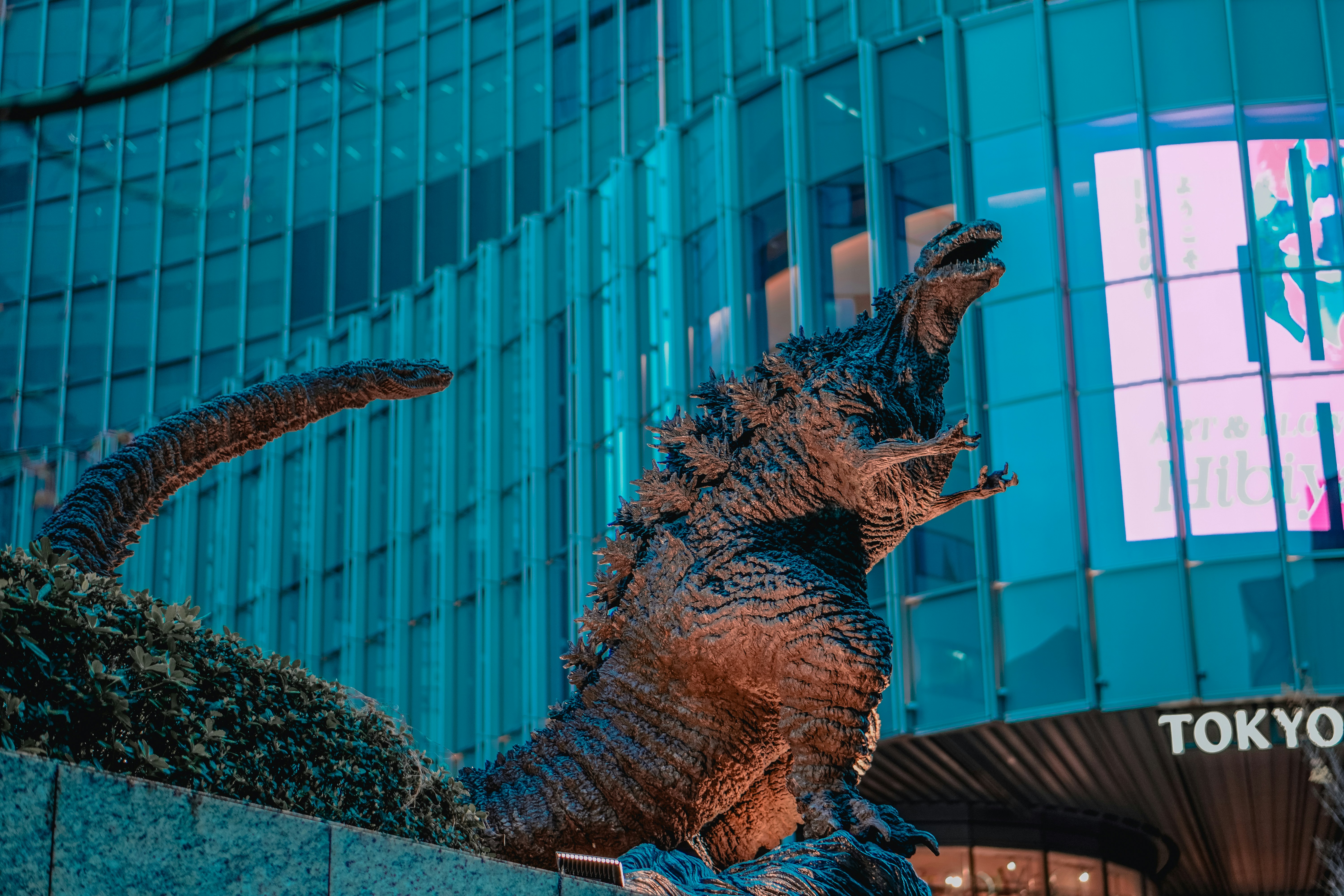
The Classic Monster: Threat Without Context
Early cinematic monsters were designed to simplify fear rather than interrogate it.
In King Kong, Kong is awe-inspiring and tragic, but he is never truly allowed to exist beyond symbolism. He represents the unknown, the primitive, the uncontrollable. His capture and eventual death restore order, and the film closes without seriously questioning whether that outcome was inevitable or just.
This structure repeats across decades of monster cinema. The creature is framed as abnormal, its presence an intrusion into civilisation. Little attention is paid to ecology, displacement, or cause. The monster’s destruction functions as narrative closure.
That approach worked for its time. Monsters were metaphors first and beings second. Fear was externalised and contained.
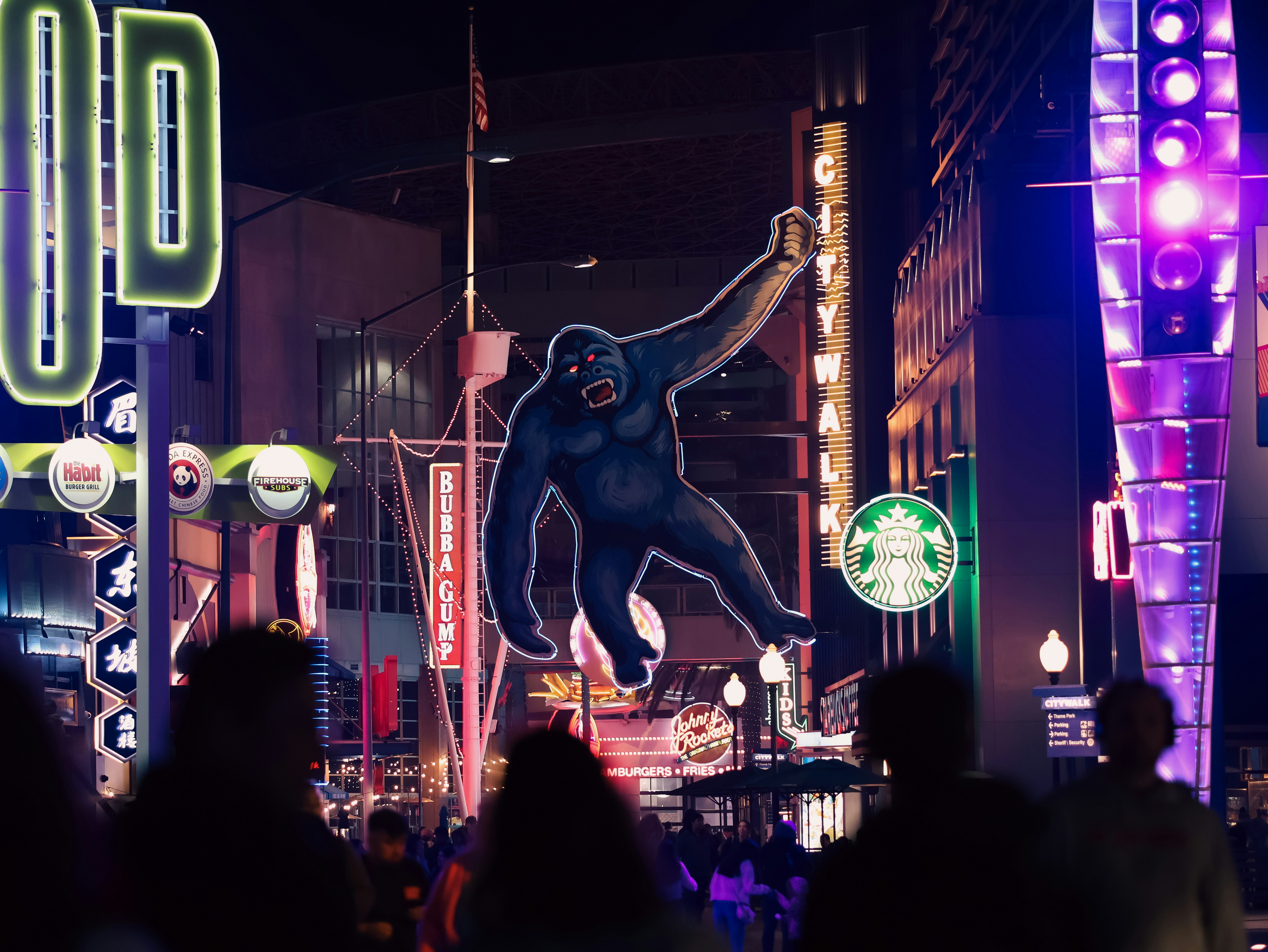
The Modern Shift: Behaviour Over Villainy
Contemporary monster narratives are far less willing to accept that kind of moral shorthand.
In the MonsterVerse, Kong is no longer portrayed as a rampaging aberration. He is territorial, reactive, and increasingly isolated — a powerful animal responding to confinement, intrusion, and displacement. The destruction he causes is not denied, but it is contextualised. The question is no longer simply how to stop him, but why he is there at all.
A similar approach appears in Damsel, where the creature’s violence is rooted in history and betrayal rather than innate malice. The monster is not softened or turned into a companion figure. It remains a dangerous, direct threat. What changes is the framing. Its behaviour is shown to be a response rather than a pathology.
This distinction matters. Explanation does not neutralise threat. It replaces laziness with honesty.

Monsters, Instinct, and the Conservation Lens
This narrative evolution mirrors a broader shift in how we understand real animals.
In conservation and human–wildlife conflict, the language of “rogue” animals and “evil” predators has largely been abandoned. Serious discussion now centres on habitat loss, injury, food scarcity, and human expansion into contested spaces. When a tiger or lion attacks, the focus is not on moral failure but on circumstance and pressure.
The animal is not absolved of danger — but it is removed from moral judgement.
Modern monster cinema increasingly reflects this ecological thinking. These creatures are frightening not because they are wicked, but because they are powerful, stressed, territorial, or reacting exactly as their biology dictates. Instinct replaces intention. Context replaces caricature.
Importantly, this approach does not anthropomorphise the monster. It does the opposite. By stripping away human moral projection, the creature is allowed to exist as something fundamentally other — governed by its own rules, indifferent to ours.
That indifference is often more unsettling than evil ever was.It strips away human moral projection and allows the creature to exist on its own terms.
Why This Change Matters Now
This shift in monster storytelling is not happening in isolation.
We live in an era defined by systems rather than single causes. Climate change, ecological collapse, geopolitical instability — none of these can be explained through simple villains. Audiences have become increasingly attuned to complexity, and stories built on clear moral binaries often feel dishonest.
What unsettles us now is not the presence of danger, but the recognition that harm can be understandable. That violence can emerge from pressure rather than cruelty. That systems, not monsters, are often the true antagonists.
Modern monster films reflect this discomfort. They resist easy answers. They allow fear to coexist with recognition.
The Monster as Witness, Not Enemy
In many contemporary narratives, the monster has become something closer to a witness than an enemy.
Not a punishment sent to restore balance. Not a curse to be eradicated. But a presence shaped by what has been taken, altered, or ignored.
The creature remains dangerous. The threat is real. Yet the story no longer ends with its removal as moral necessity. Instead, the monster exposes the fragility of human systems and the consequences of interference.
The monster has not disappeared. It has become more truthful.
Closing Reflection
We still call them monsters, but we have quietly stopped treating them as villains.
That change does not make these stories gentler. If anything, it makes them more unsettling. A monster driven by instinct and circumstance cannot be reasoned with or redeemed in simple terms. It can only be understood — and sometimes endured.
Perhaps this shift says less about cinema than it does about us. About a growing awareness that fear does not require evil, and that the most frightening stories are often the ones that refuse to offer clean resolutions.
If you enjoy this kind of storytelling, my fiction explores similar territory — where monsters and animals are shaped by instinct, history, and human pressure rather than simple evil.
 The blog of author Luke Phillips