
How Horror Films Echo War, Disaster, and Cultural Fear
There is a moment in many monster films when the creature first appears. It might be a shadow moving beneath dark water. A shape rising above a skyline. A distant roar that carries across a city.
The details change from film to film, but the feeling is always the same. Something enormous and uncontrollable has entered the world.
For most audiences, it is simply spectacle – the thrill of watching something impossible unfold on screen. But if you look closely at the history of monster cinema, those creatures rarely appear by accident.
Again and again, they emerge at moments when societies are wrestling with fears far larger than any individual villain: war, nuclear technology, environmental collapse, or sudden catastrophe.
The monsters may be fictional. But the anxieties behind them are not. Is it purely coincidental, as we experience some of the most uncertain and unsettling times of the modern age, that horror has risen to a place of both cultural and critical recognition in this year’s awards season?
Monster movies are often dismissed as escapism. It’s easy to understand why as giant creatures, impossible threats, and cinematic spectacle designed purely to entertain battle across the screen.
But look more closely and something interesting begins to emerge. Many of the most enduring monsters in film history appeared at moments when societies were grappling with something far more frightening than fiction: war, technological catastrophe, terrorism, or environmental collapse.
In those moments, monsters become metaphors. They give shape to fears that are otherwise too large, too abstract, or too traumatic to confront directly.
From nuclear destruction to terrorist attacks, monster cinema has often mirrored the anxieties of the era that produced it.
Godzilla and the Shadow of Hiroshima
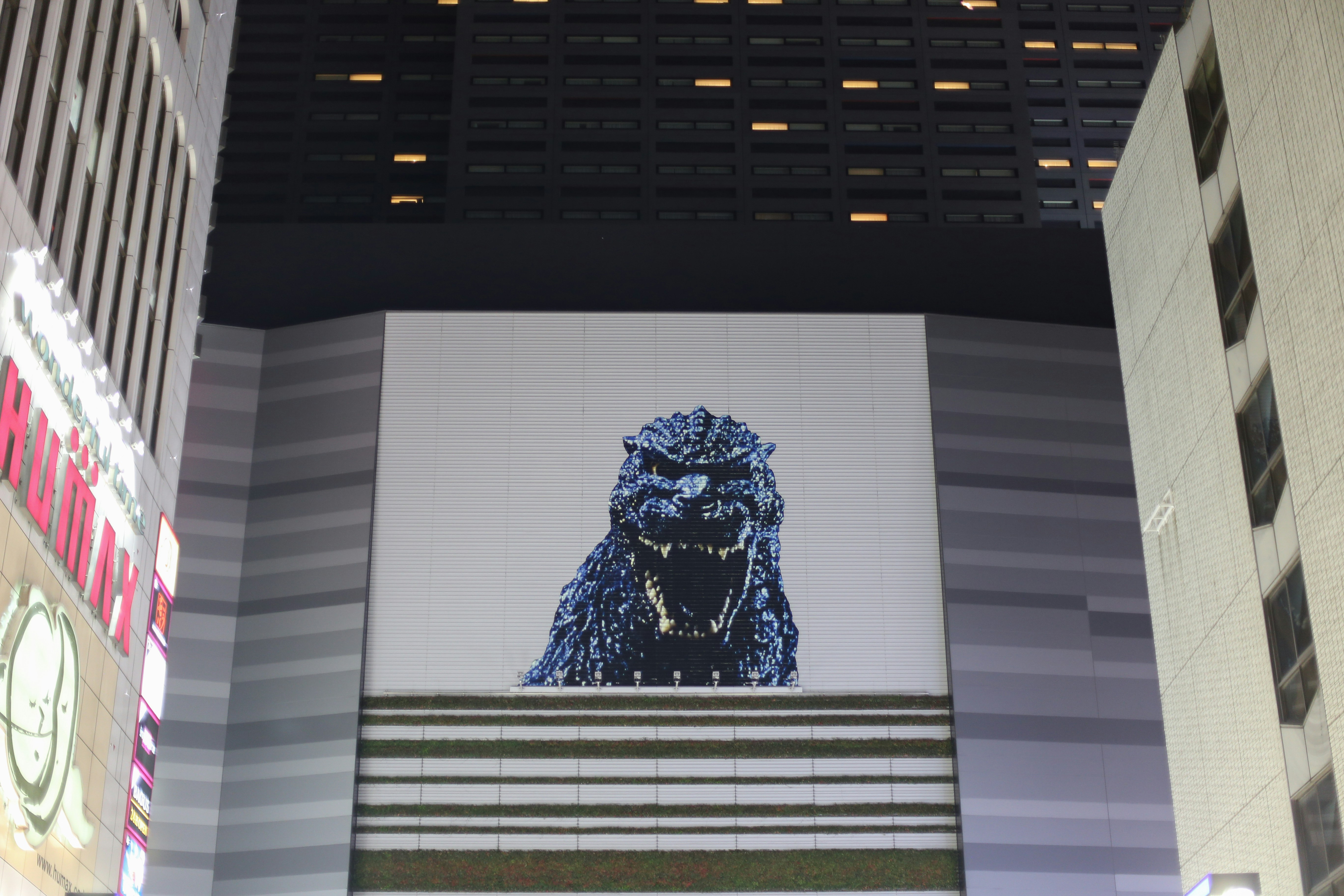
No example illustrates this better than Godzilla.
The film appeared less than a decade after the atomic bombings of Hiroshima and Nagasaki, and the imagery of nuclear devastation is woven throughout the film.
Godzilla itself is not a dinosaur or an easily recognised entity. It is a creature awakened and directly shaped by nuclear testing.
Tokyo’s destruction in the film deliberately echoes the burned ruins of wartime Japan: flattened cities, fleeing civilians, hospitals overwhelmed with radiation victims.
For Japanese audiences in 1954, this was not distant fantasy. It was collective memory. Godzilla was the embodiment of a new fear, that humanity had created forces capable of destroying the world itself.
Interestingly, this cultural role has never entirely disappeared from the Godzilla franchise. In recent years, Japanese filmmakers have deliberately returned the creature to its darker origins. In Godzilla Minus One, Godzilla once again represents the trauma of post-war Japan, emerging in a country already devastated by defeat and struggling to rebuild.
Rather than a heroic or ambiguous creature, the monster becomes a symbol of national vulnerability and historical memory, something much closer in spirit to the original 1954 film.
At the same time, Western interpretations have begun shifting the metaphor in new directions. The series Monarch: Legacy of Monsters explores the hidden organisations studying giant creatures, gradually suggesting that secrecy, corporate power, and institutional control may be as dangerous as the monsters themselves. In this sense, the Godzilla myth continues to evolve alongside the anxieties of the modern world.
The American Nuclear Monster Era
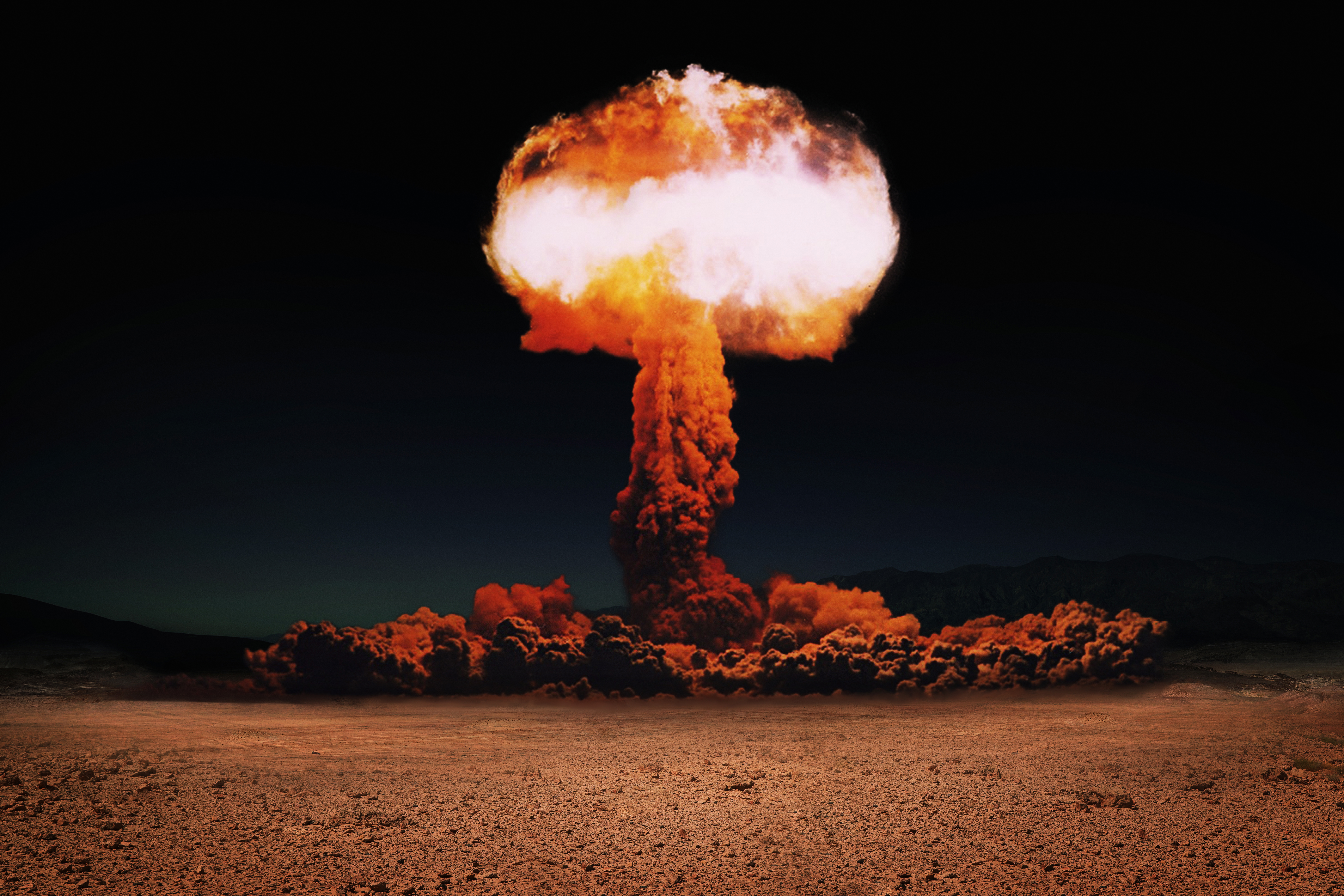
Godzilla was not alone though. During the 1950s, American monster cinema was also being shaped by nuclear anxiety.
Films like Them! featured giant ants created by radiation, and The Beast from 20,000 Fathoms explored the fear that atomic experimentation might unleash uncontrollable consequences.
These monsters were literally products of radiation. The Cold War had turned nuclear annihilation into a daily possibility, and cinema responded by imagining what might emerge from the fallout.
Cloverfield and the Trauma of 9/11
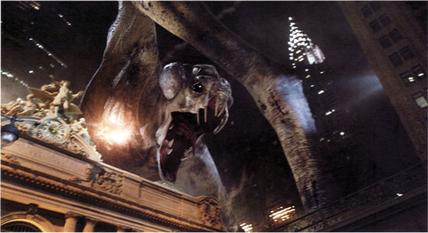
Half a century later, another monster appeared under very different circumstances. Cloverfield arrived in a cultural landscape still shaken by the attacks of September 11th.
The parallels in the film are unmistakable: The sudden attack on New York; Buildings collapsing into clouds of dust; and panicked crowds fleeing through streets filled with the smog of destruction and fear.
The film’s handheld “found footage” style reinforces the feeling of witnessing catastrophe unfold in real time. And unlike traditional monster films, Cloverfield never fully explains the creature.
The story instead focuses on the experience of ordinary people caught in the chaos, which mirrors how many people experienced the real-world attacks.
War of the Worlds and the Language of Terror
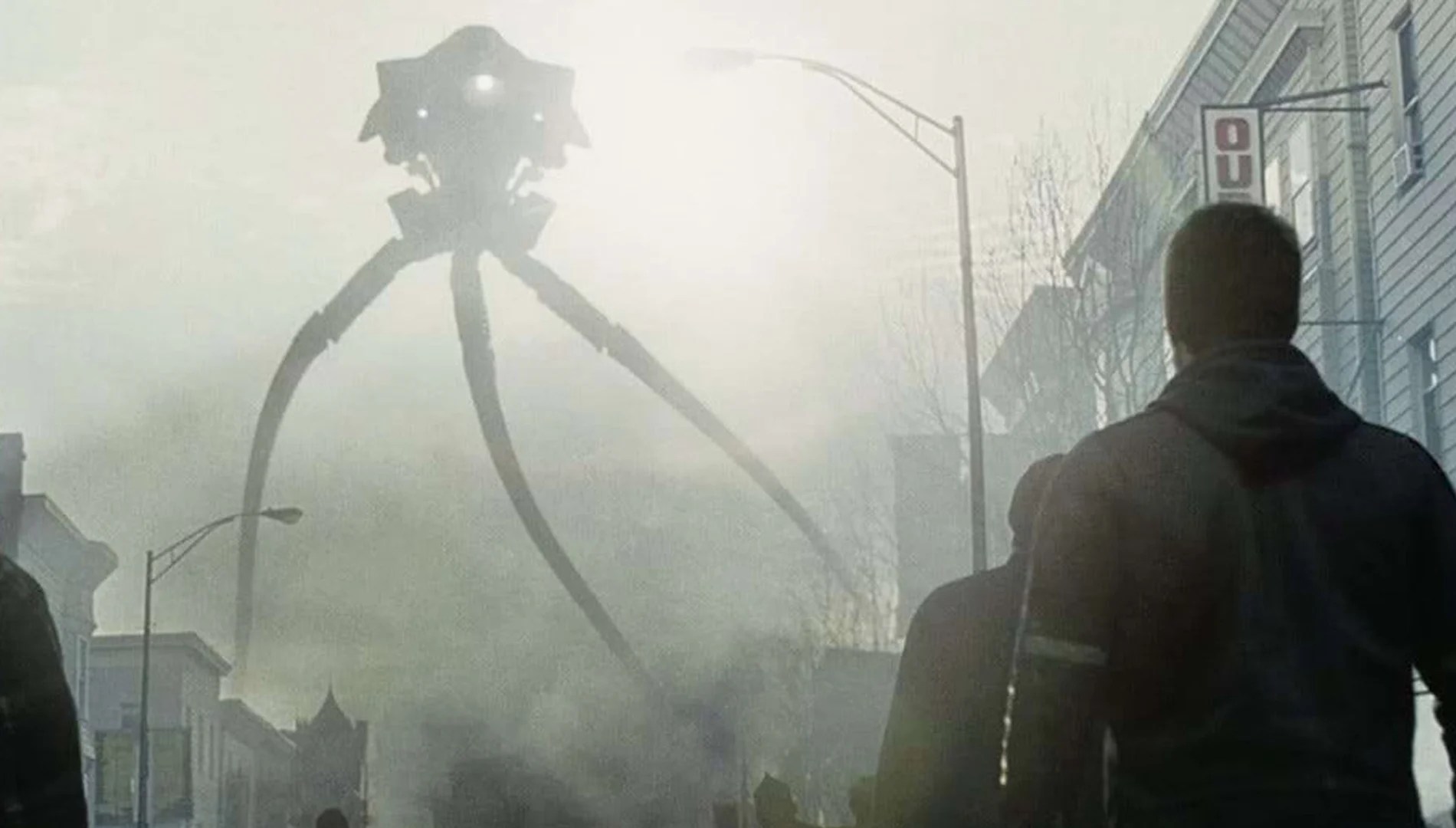
Steven Spielberg’s adaptation of War of the Worlds also carries strong echoes of post-9/11 anxiety. Although based on H. G. Wells’s 1898 novel, the film deliberately mirrors imagery familiar from the early 2000s.
Crowds flee through clouds of dust and stagger through streets covered in ash and sudden attacks destroy familiar landmarks with uncaring brutality.
Even Spielberg himself acknowledged that the film drew inspiration from the emotional atmosphere of the post-9/11 world.
Environmental Monsters and Industrial Anxiety
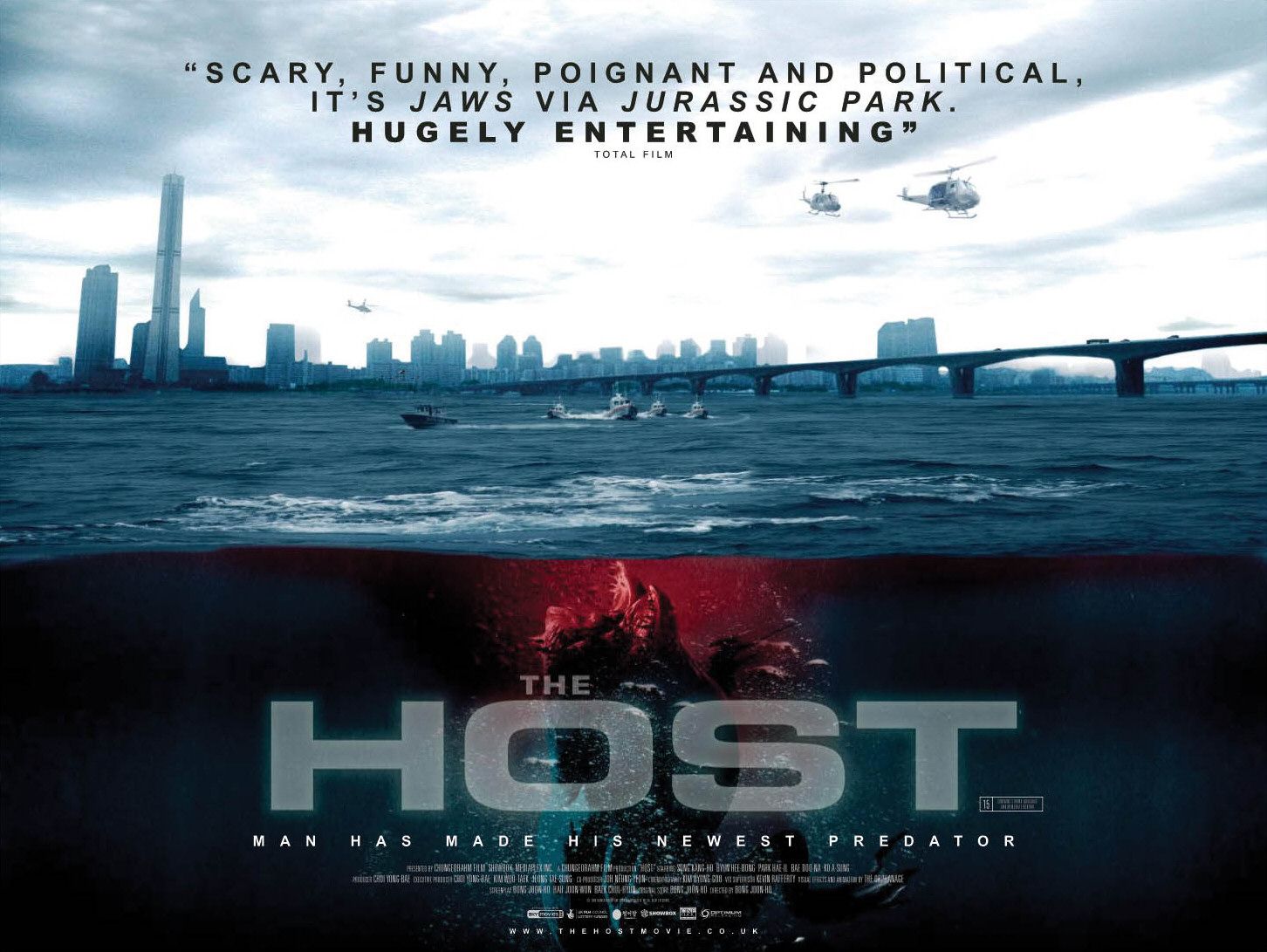
In recent decades, monster films have increasingly reflected environmental fears. A powerful example is The Host, directed by Bong Joon-ho.
The film begins with toxic chemicals being dumped into Seoul’s Han River, eventually creating a mutated amphibious creature that emerges from the water to terrorise the city.
The story was inspired by real environmental controversies involving chemical dumping by the U.S. military in South Korea.
Here the monster is not ancient or mythical, it’s man-made and a direct consequence of pollution and ecological neglect.
Pacific Rim and Disaster in the Age of Global Threats
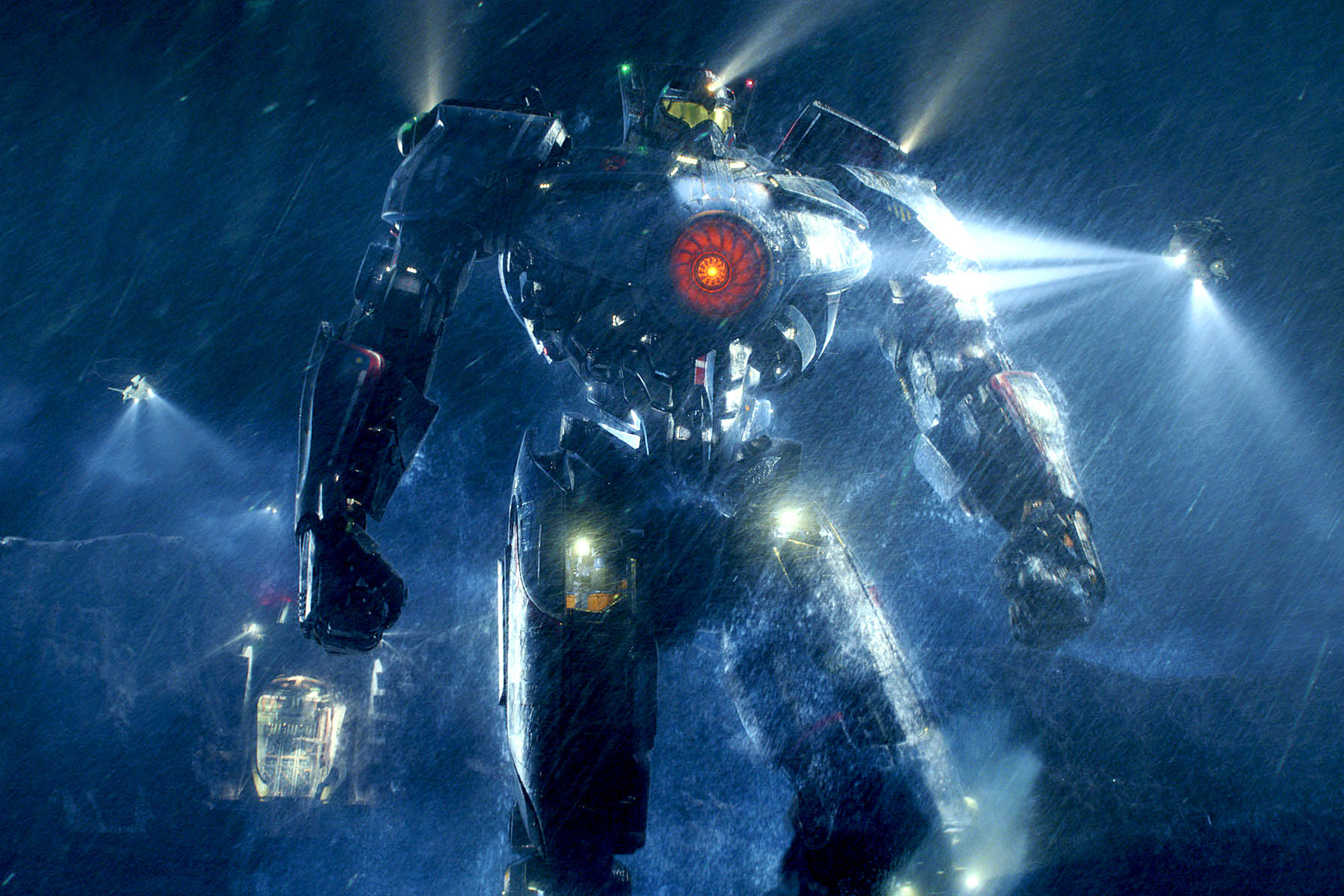
One of the most interesting modern examples is also a favourite. Pacific Rim. At first glance, the film looks like a straightforward homage to classic Japanese kaiju cinema.
But its imagery reflects a very modern world, one shaped by natural disasters, climate anxiety, and global co-operation.
The giant creatures known as Kaiju emerge from the Pacific Ocean and repeatedly destroy coastal cities.The only effective response is an international coalition that builds enormous defensive machines known as Jaegers.
Released only two years after the devastating 2011 Tōhoku earthquake and tsunami, the film echoes a world increasingly aware that catastrophic events, whether natural or man-made, require collective responses.
Unlike Cold War monster films, where nations often acted alone, Pacific Rim presents survival as a shared human effort. The monsters are global. So then, must the response be.
Monsters as Psychological Landscapes
Some modern films explore fear in even more abstract ways. In The Mist, adapted from a story by Stephen King, the monsters outside a supermarket are terrifying, but the real horror unfolds inside.
Fear quickly fractures the small group of survivors as paranoia spreads and authority collapses. The film explores how quickly social order can unravel when people believe they are facing an unknowable threat.
That theme resonated strongly in the years following 9/11, when societies across the world grappled with new fears about security, uncertainty, and public trust.
War, Memory, and Haunted Landscapes
Yet, not all monster stories involve giant creatures. In parts of Southeast Asia, horror cinema often reflects the lingering presence of war through ghosts rather than monsters.
Vietnamese films made after the Vietnam War frequently feature haunted forests, abandoned villages, or restless spirits tied to wartime violence.
In these stories, the land itself remembers. The monster is not a creature emerging from the sea, it is simply history refusing to disappear.
Why Monsters Keep Returning
Monsters are powerful storytelling tools because they externalise fear. War, terrorism, environmental collapse, and nuclear technology are difficult to visualise.
They are vast forces that are political, technological, and systemic. Making them into monsters gives those fears shape. A shape that can be confronted, fought, and sometimes even understood.
These are the reasons why monster films appear again and again at moments of cultural anxiety. They allow societies to process and confront their fears, even the subconscious ones.
The monsters themselves therefore understandable change, from radioactive dinosaurs to mutated sea creatures to inter-dimensional invaders.
Monster films often feel timeless, but they are deeply rooted in the moment that produced them.
Godzilla carried the shadow of nuclear war. Cloverfield echoed the shock of 9/11. And Pacific Rim imagined a world where survival depends on global co-operation against overwhelming threats.
The creatures themselves may be fictional. But the fears behind them are always real. And that is why monster stories never truly disappear.
They evolve alongside us. The monster movies of the next few years may be ones to take note of.
 The blog of author Luke Phillips