
There was a time when monsters didn’t need explaining.
They arrived without warning or a backstory. They destroyed without reason. And they were either defeated, or perhaps just momentarily stopped if there was a possibility of a sequel. And in a few, rare cases, they even prevailed. And that was enough.
But somewhere along the way, that stopped satisfying us completely. Today, monsters rarely exist as pure forces of chaos. They are no longer just threats to be eliminated. They are characters. Sometimes even protagonists. And increasingly, they are something else entirely:
They are beings modern cinema audiences perhaps expect to understand.
The Shift from Fear to Empathy
Classic cinema thrived on simplicity. In early portrayals of King Kong, particularly the 1933 version, the creature was tragic, yes, but still ultimately framed as a dangerous anomaly. A spectacle. Something that didn’t belong.
Likewise, 1954’s Godzilla began as something far more unsettling: a walking metaphor for nuclear devastation. Not a hero. Not even a creature to root for. Just consequence made flesh.
But modern audiences seem less comfortable with that kind of distance.
We no longer just want to witness destruction. We want to understand it.
Kong: From Monster to Mirror
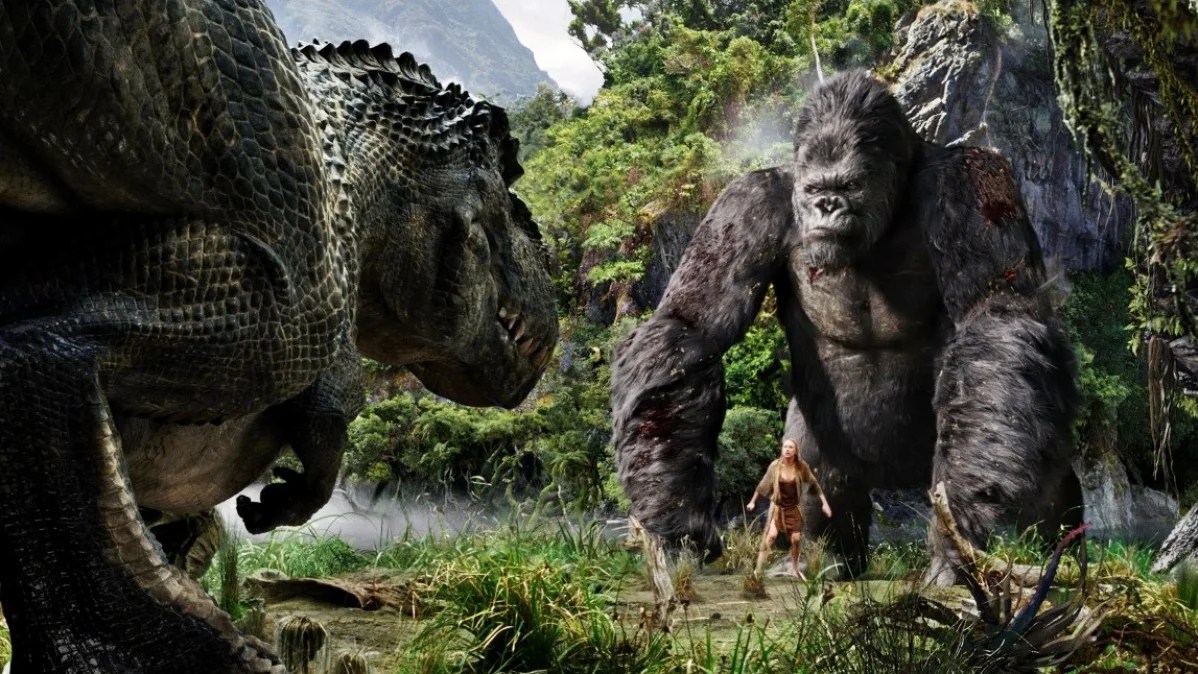
Few examples illustrate this shift better than Kong.
In the 2005 King Kong, Peter Jackson didn’t just remake a classic, he reframed it.
Kong is no longer simply an obstacle or a threat. He is lonely. Intelligent. Capable of connection. His relationship with Ann Darrow becomes the emotional core of the film.
By the time we reach the MonsterVerse, particularly Godzilla vs. Kong and Godzilla x Kong: The New Empire – that transformation is complete.
Kong isn’t just understood. He’s relatable. He has motivations. Territory. Even something resembling culture and lineage. The audience is no longer watching him.
They are watching with him.
Godzilla: From Warning to Protector
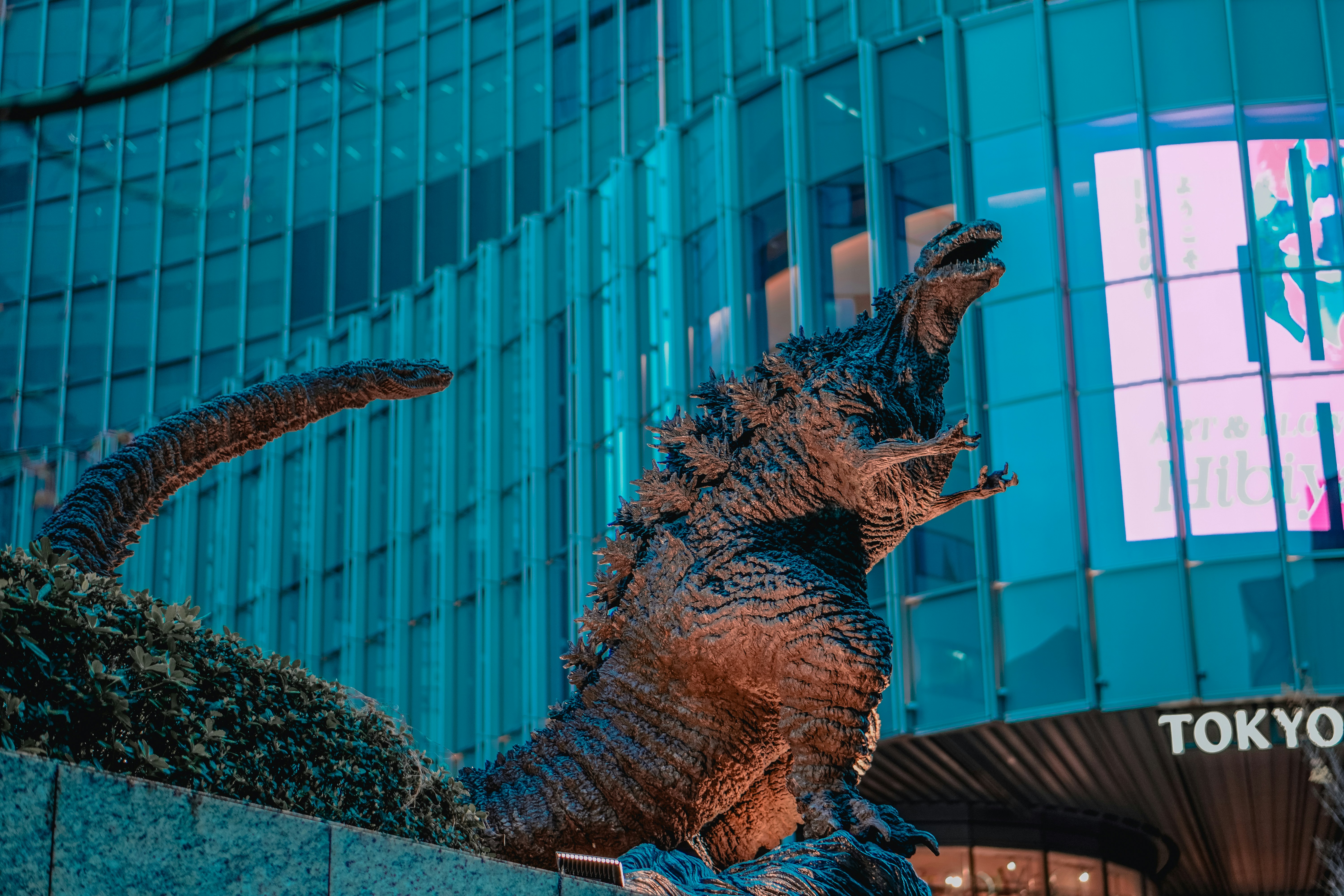
Godzilla’s evolution may be even more telling.
Originally conceived as a symbol of nuclear horror, Godzilla was never meant to be comforting. The 1954 film is bleak, heavy, and deeply political.
But over decades, and particularly in Western adaptations, Godzilla has shifted.
In the MonsterVerse, he becomes a kind of reluctant guardian. A balancing force. Not benevolent, exactly, but necessary.
So much so that when his behaviour in Godzilla x Kong: The New Empire leaned more aggressively destructive, audiences noticed and criticised it.
That reaction alone says something important.
We now expect our monsters to have moral boundaries.
Interestingly, this shift is not universal. Films like Godzilla Minus One return to the original vision: Godzilla as terror incarnate. A reminder that some stories still resist this need for empathy and are more powerful because of it.
The Rise of the “Explained” Creature
This trend extends far beyond kaiju.
In The Shape of Water, the amphibious creature is not a monster at all, but a misunderstood being, with the real cruelty lying in human institutions.
In I Am Legend, the infected are gradually reframed, not as mindless predators, but as something closer to a new society, reacting to intrusion.
Even in films like Jurassic World, the dinosaurs, once framed as uncontrollable forces – are increasingly given behavioural logic, emotional cues, even bonds. To now, they are a metaphor for endangered species protection and the plundering of the natural world.

The pattern is clear: We are moving away from “What is this creature?” and toward “Why is it behaving this way?”
Why This Change Matters
Part of this shift reflects broader cultural changes.
We are more aware, scientifically and ethically, of animal intelligence, emotion, and social structures. Predators are no longer seen purely as villains, but as components of ecosystems.
And that perspective bleeds into storytelling. It becomes harder to present a creature as purely evil when we instinctively look for cause, context, and consequence.
But there’s also something deeper. Modern audiences are less comfortable with the idea of absolute otherness.
We look for connection, parallels, and meaning. Even in the things that frighten us.
What We Lose and What We Gain
There is, however, a trade-off. When monsters are always explained, I think they lose something. The mystery fades. Inevitably, the unknown becomes knowable, and our fear softens as a result. And sometimes that can make our monsters a little smaller.
But what we gain is equally powerful.
We gain stories that linger longer. Creatures that feel real. And narratives that say less about “monsters”… and more about us.
The Monster as Reflection
Perhaps monsters haven’t really changed at all. Perhaps they are still doing what they’ve always done: Reflecting the world that created them. Where once they embodied fear of the unknown, they now embody something else – our need to understand the unknown.
If you enjoy this kind of storytelling, my novels explore similar territory, where the line between predator, monster, and myth is rarely as clear as it first appears.
 The blog of author Luke Phillips