
In the winter of 1915, the settlement of Sankebetsu, in northern Japan, was already under strain.
Snow lay deep across Hokkaido. Food stores were thin. Travel was difficult, sometimes impossible. For the people living at the margins of cultivated land, winter was not simply a season — it was a test of endurance.
What went largely unconsidered was that the same conditions applied to everything beyond the settlement’s boundaries.
The forests were locked in ice. Natural forage was scarce. Prey animals were weakened, dispersed, or absent altogether. The winter that pressed hardest on human communities was doing the same to the wildlife around them. But at the time, this was not a connection people were trained to make.
Ecology, as a way of thinking, had not yet entered the conversation. Hardship was viewed as a human problem, unfolding against a largely static natural backdrop. The idea that animals might also be responding — adapting, learning, and changing behaviour under pressure, was rarely entertained.
It was in this context that the Sankebetsu incident began.
A first encounter and a dangerous assumption
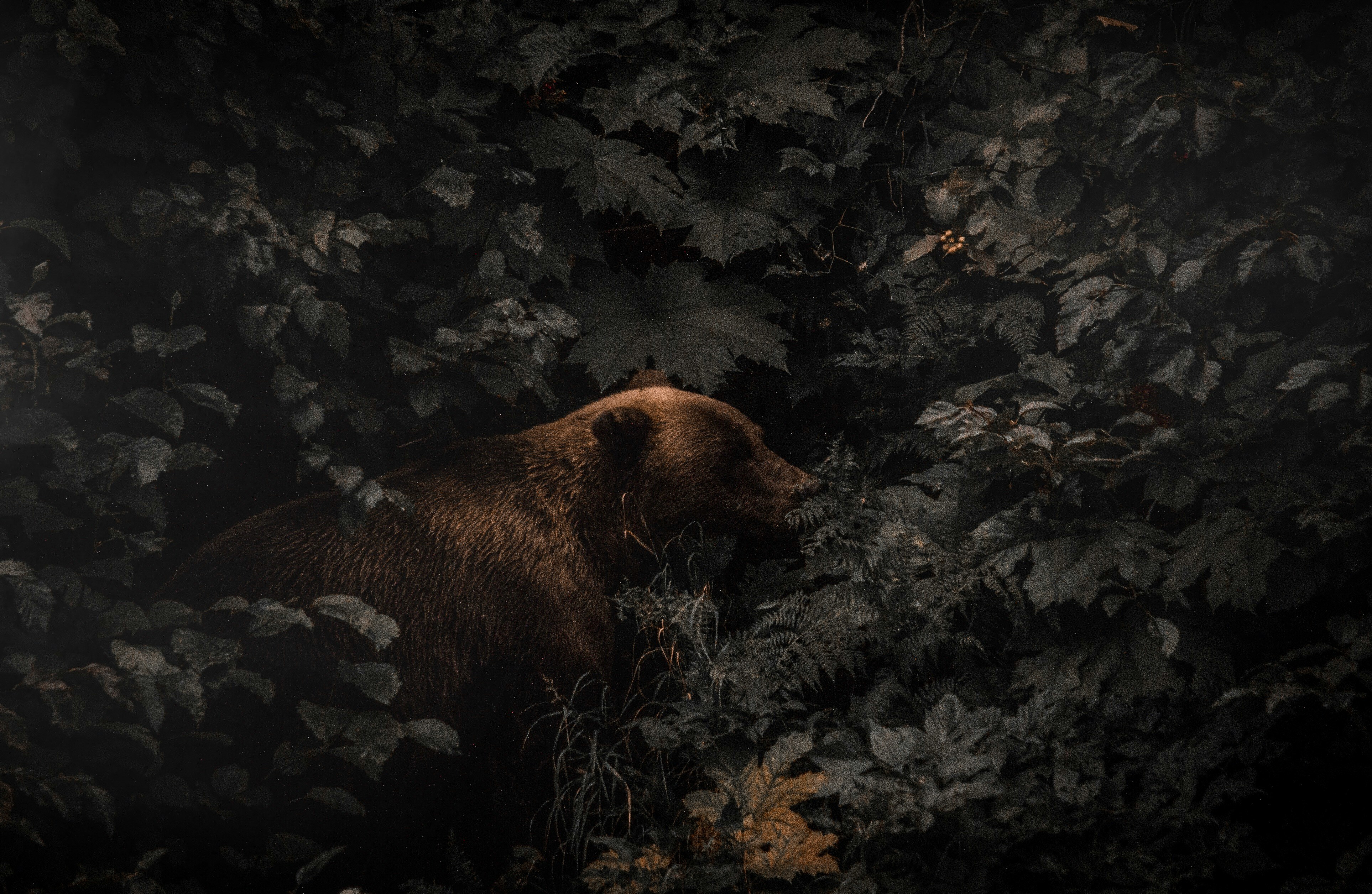
The bear’s first appearance was not dramatic in scale, but it was decisive in consequence. In December 1915, a large brown bear entered the settlement and attacked a woman working near her home. The encounter was sudden and close-quarters. She was killed before any effective intervention could be made.
The bear did not linger. After the attack, it retreated back into the surrounding forest.
That withdrawal shaped how the incident was understood.
Within the settlement, the prevailing belief was that the animal had been startled — that the violence was reactive, not intentional, and that the danger had passed with the bear’s departure. The incident was treated as an isolated tragedy rather than the opening stage of a larger threat.
No co-ordinated hunt followed. No sustained effort was made to track the animal’s movements or assess whether it might return.
This response was not careless so much as culturally conditioned. At the time, apex predators were often viewed as opportunistic but fundamentally avoidant of humans. An animal that fled was assumed to have learned fear.
But this assumption rested on a misunderstanding of how predators learn.
An animal that kills and escapes unharmed has not seen that behaviour punished. It has been reinforced. The boundary between human and prey does not harden, it weakens.
In retrospect, the bear’s retreat was not a conclusion. It was a pause.
Escalation isn’t chaos, it’s pattern
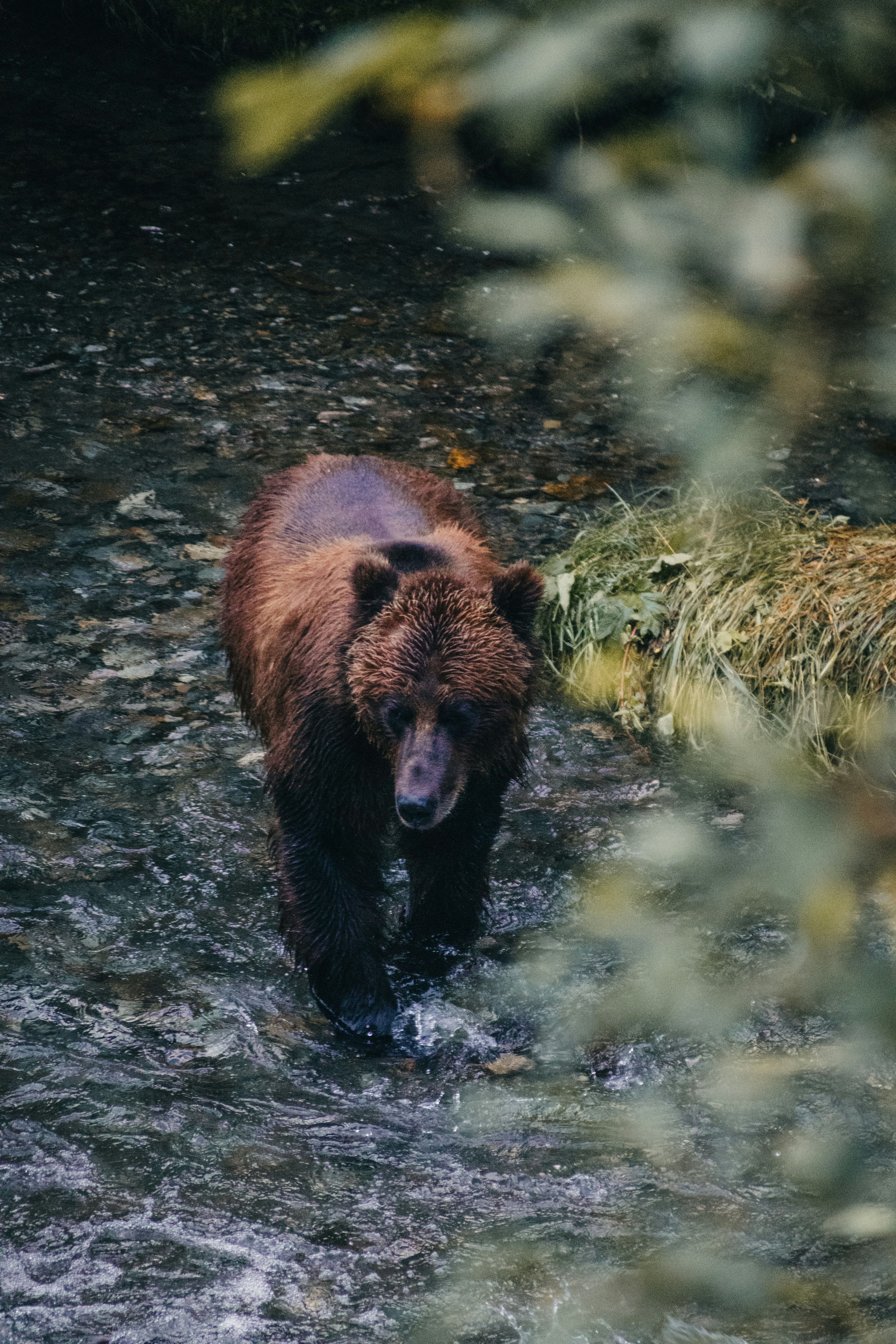
When the bear returned, it did not behave erratically.
It came back into the settlement repeatedly, moving with increasing confidence through spaces that had already been shaped by human presence. Homes were entered. People were taken from places that should have been safe.
One of the most disturbing moments came shortly after the initial attack, when the bear returned during a funeral held for the first victim. Drawn by human activity and the presence of food, it entered the area and killed mourners gathered there.
The violence was no longer confined to a single encounter. Over the course of one night, multiple people were killed in separate attacks. By the time the bear was finally stopped, five lives had been lost, several of them within hours of one another.
What is striking, in retrospect, is not the scale of the violence, but its consistency.
The bear did not flee after these encounters. It did not act randomly. It returned to the same settlement, exploited moments of vulnerability, and withdrew only when challenged. Each successful attack reinforced the same lesson: humans were accessible, and resistance was minimal.
This is the point at which many retellings introduce the language of madness or bloodlust. But escalation, in cases like this, is rarely chaotic. It is patterned.
Under conditions of prolonged scarcity, the bear’s behaviour reflected learning rather than frenzy. What appeared to the community as senseless violence followed a grim internal logic shaped by hunger, opportunity, and success.
Human hesitation, and a belated resolution
As fear spread through the settlement, so did uncertainty.
There was disagreement over whether the same bear was responsible for each attack. Some believed the animal would eventually move on. Others feared that a co-ordinated response might provoke further violence. Time was lost to debate, hesitation, and the difficulty of acting decisively in extreme winter conditions.
When a concerted effort was finally made to track the bear, it revealed just how unprepared the community was for such a task. Weather obscured trails. Knowledge of bear behaviour was inconsistent, drawn from folklore, fragments of experience, and assumption rather than strategy.
Eventually, a group of hunters succeeded in locating and killing the animal. The bear was identified as a large male brown bear, in poor physical condition. Its body showed signs consistent with prolonged scarcity. With its death, the attacks stopped.
The immediate danger to Sankebetsu was over.
But the resolution came only after multiple lives had been lost, and only once the cost of inaction had become undeniable. The bear’s death did not mark the defeat of a monster, but the delayed recognition of a threat that had been misunderstood from the outset.
Then, and now
More than a century after the Sankebetsu incident, it is tempting to look for repetition — to imagine the same landscape quietly replaying its past.
That is not what the evidence suggests.
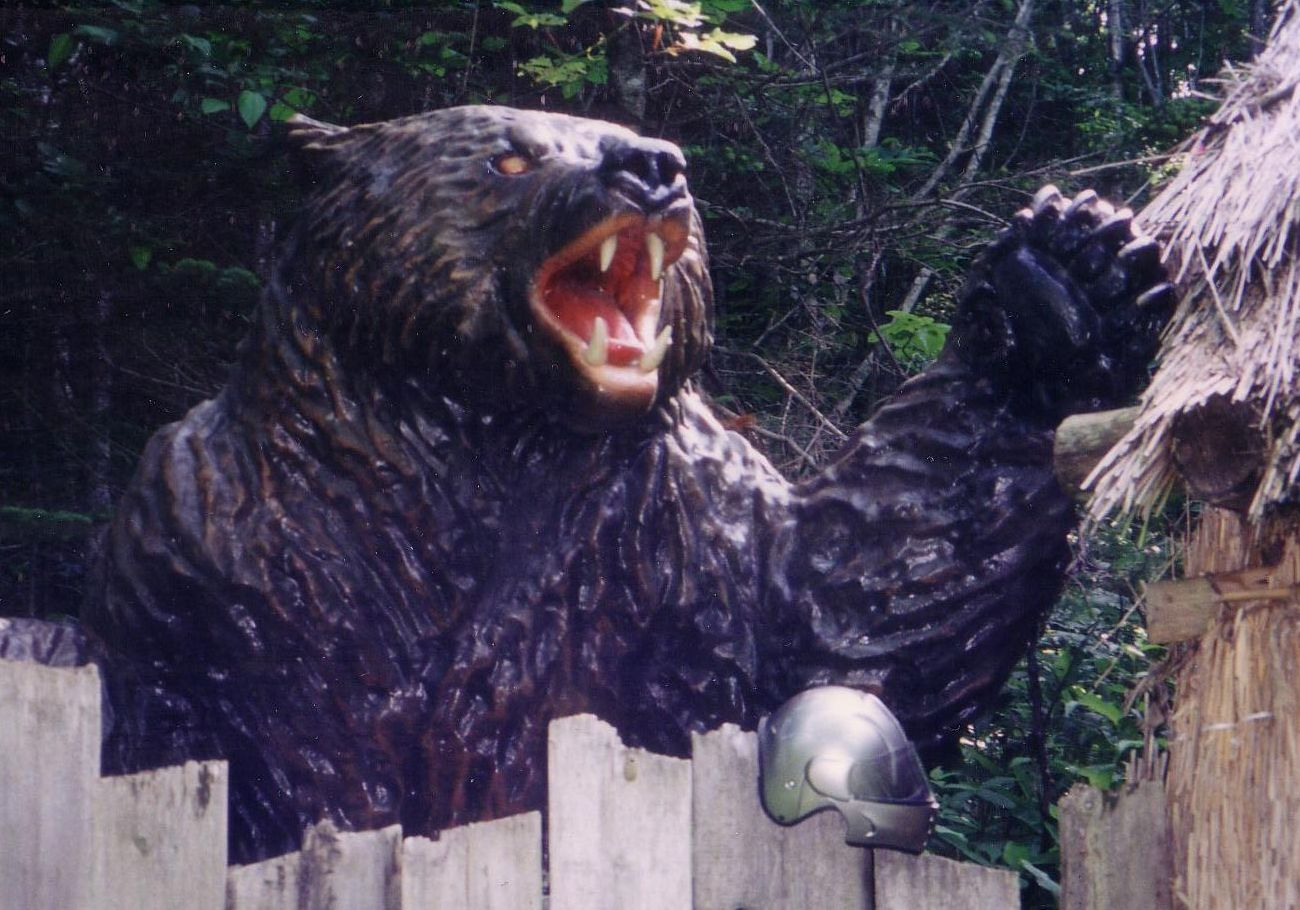
Brown bears still inhabit Hokkaido today. The species persists across much of the island’s forests and mountain ranges, and in some areas populations are thought to be stable or recovering after decades of decline. The region where Sankebetsu once stood is no longer a permanent settlement, and there is no indication that it has become a modern centre for serious bear attacks.
History, in this sense, is not repeating itself geographically.
What has changed is the broader context in which people and bears now coexist.
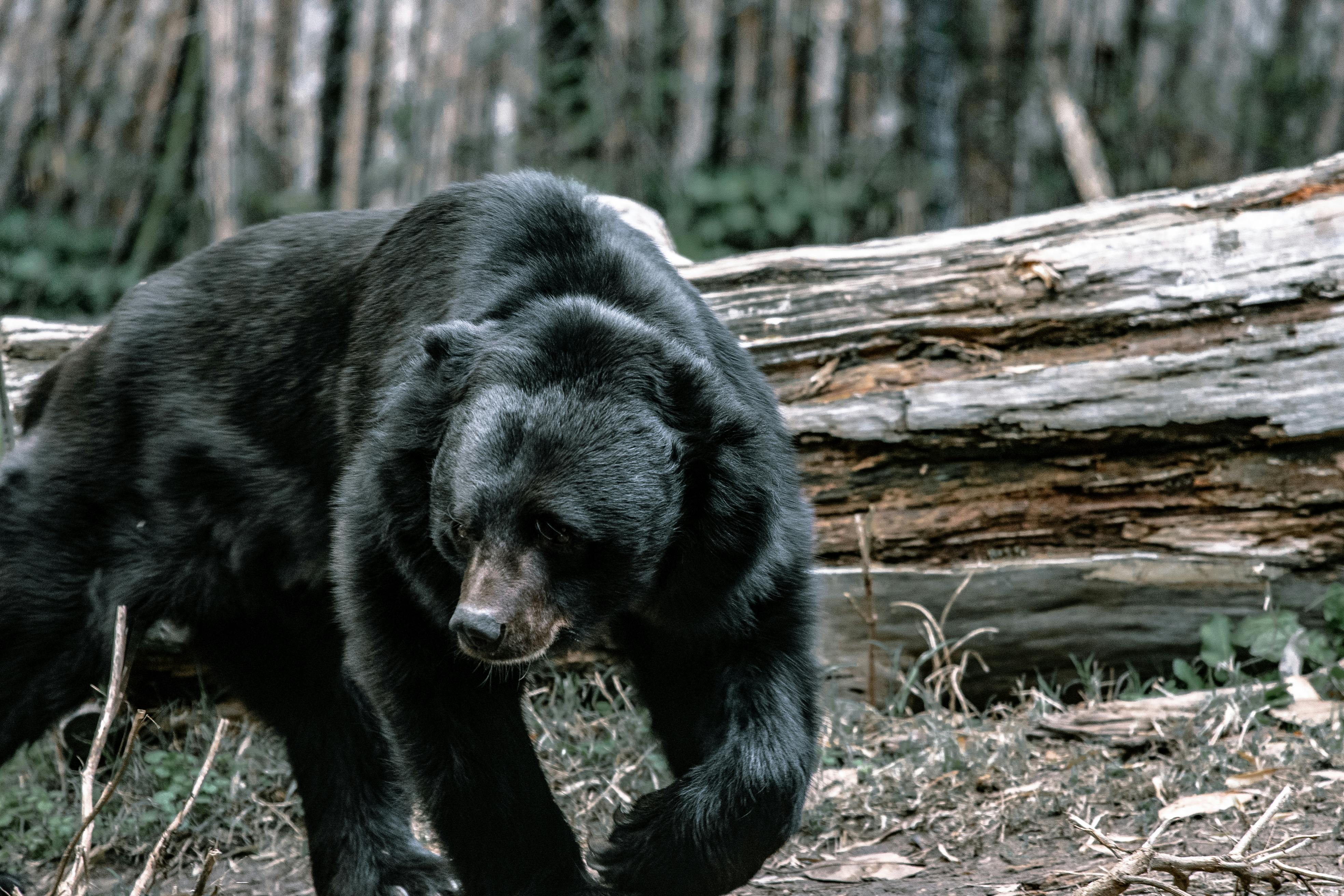
In 2025, Japan recorded 13 human fatalities and more than 100 injuries resulting from bear encounters, involving both Asiatic brown bears and Asiatic black bears. These incidents were spread across multiple prefectures and environments — from rural settlements to the edges of towns — rather than concentrated in any single location.
The pressures behind them are familiar: reduced natural food availability, changing land use, and expanding human presence in areas once less frequently occupied. Bears range more widely when resources are scarce, and humans now occupy landscapes that were once seasonal or marginal.
The relevance of Sankebetsu, then, is not that it is happening again in the same place. It is that the same ecological forces – scarcity, overlap, and hesitation, all continue to shape encounters between people and large predators, wherever clear boundaries erode.
The quieter truth of man-eater stories
The Sankebetsu bear was not a creature of myth, nor a symbol of evil. It was an animal responding to scarcity, learning from success, and moving through a landscape that no longer offered clear separation between forest and home.
Man-eater stories endure not because they reveal something monstrous about animals, but because they expose a recurring human blind spot: the tendency to see nature as static, until it reacts.
When prey disappears, boundaries blur. When boundaries blur, conflict follows.
The question is not whether such stories will happen again, but whether we recognise the conditions early enough to change the outcome.
 The blog of author Luke Phillips